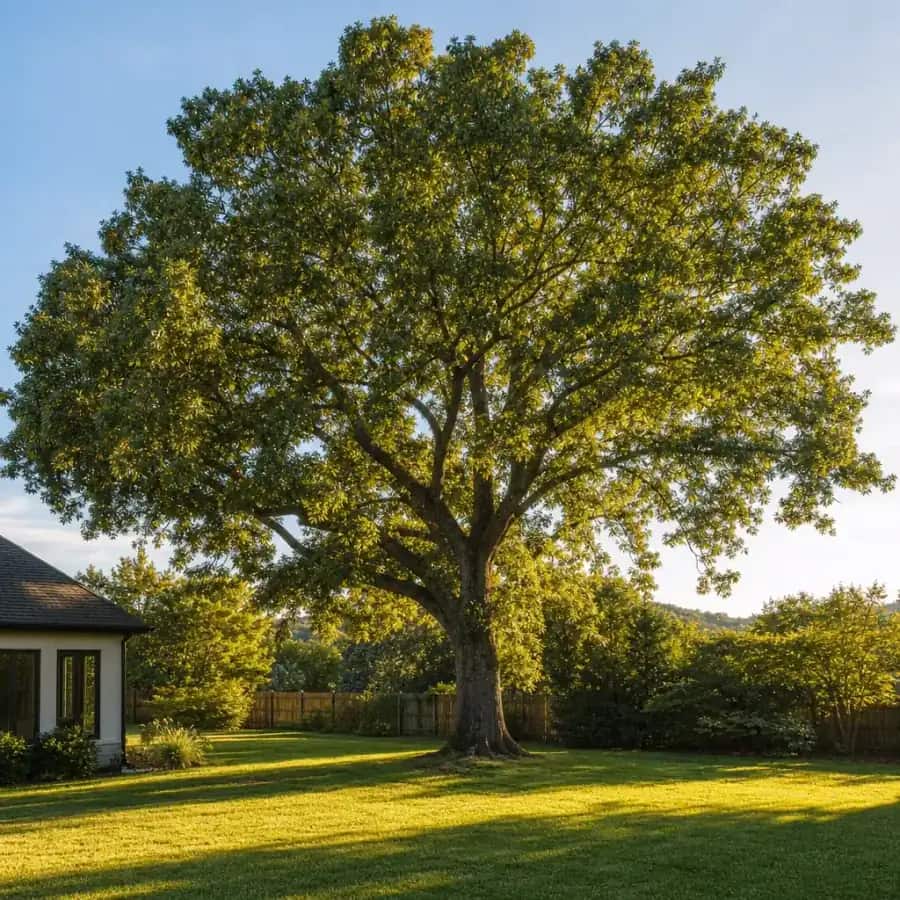
 Zones 4 to 8
Shade Trees
Chinkapin Oak
$579
Shop large, nursery-grown shade, privacy, flowering and fruit trees, delivered by freight in Greenbrier County. Every tree is matched to your hardiness zone and backed by our 1-Year Thrive Guarantee.
Enter your ZIP and we'll match trees to your exact growing zone.
Typical winter lows in Greenbrier County run about -10 to 0 F.
Matched to Greenbrier County's zones
Zones 4 to 8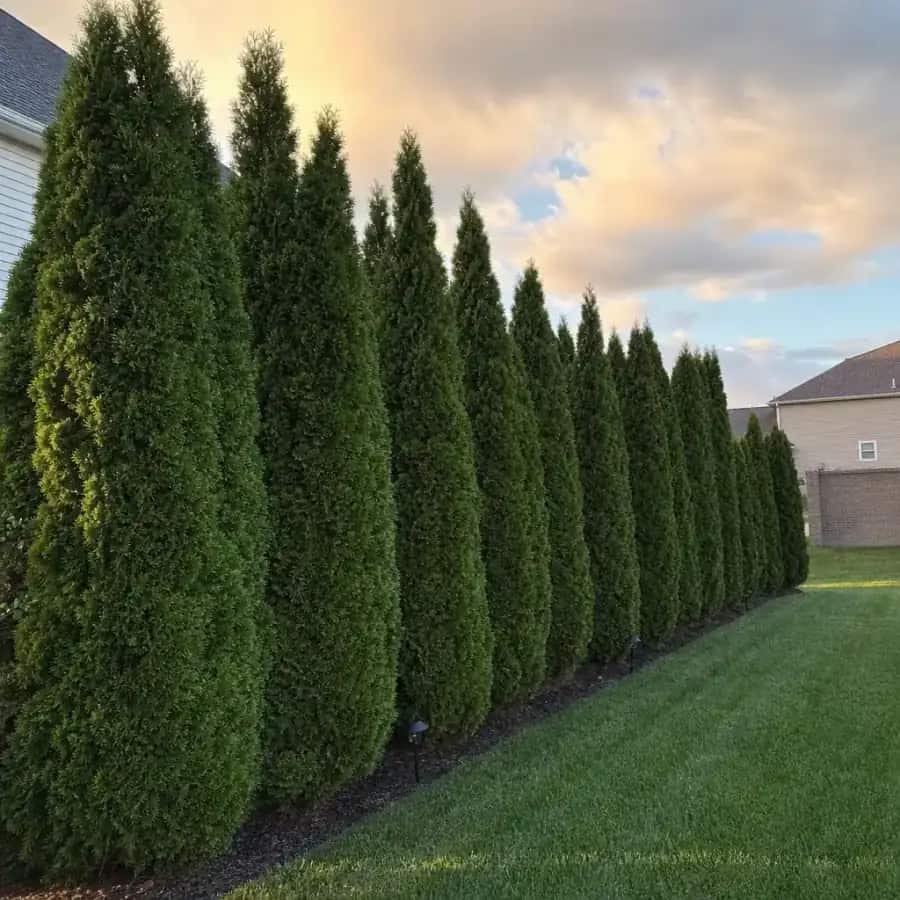 Zones 3 to 8
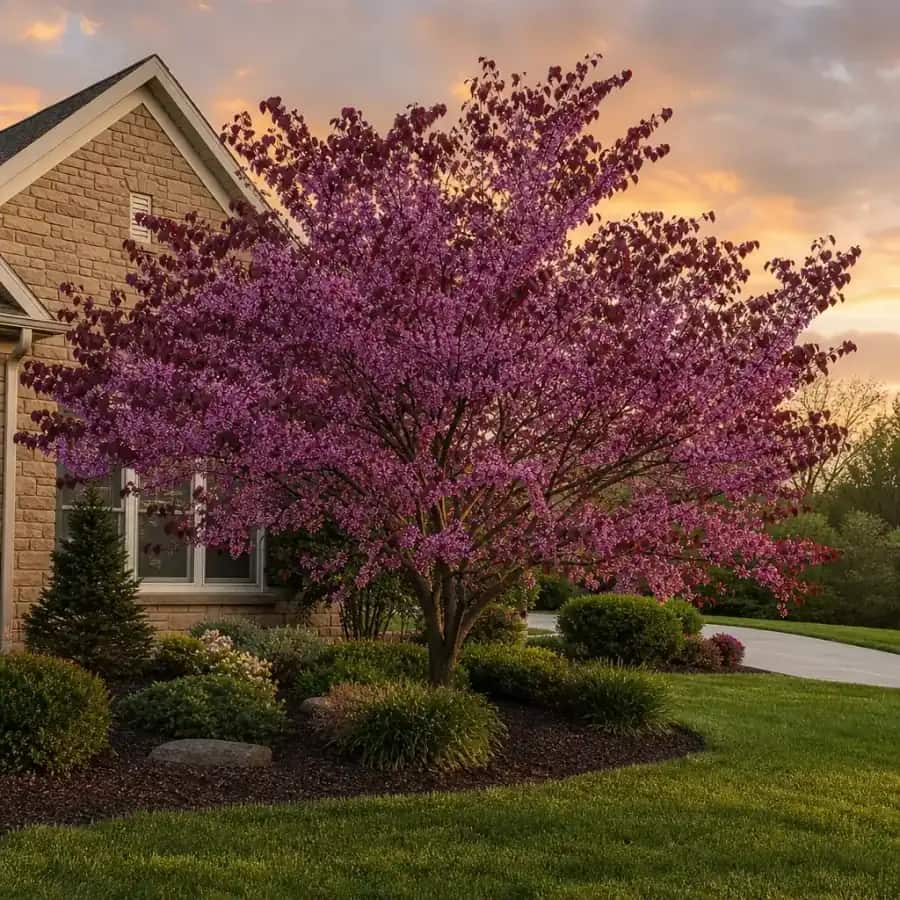 Zones 4 to 9
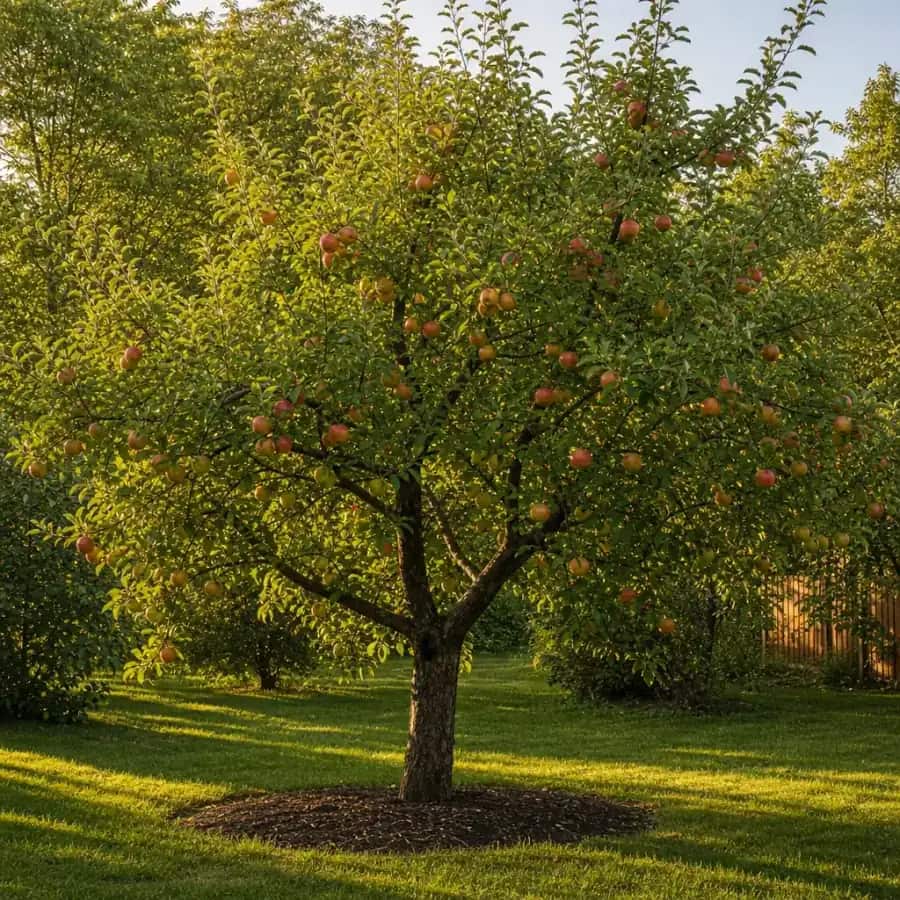 Zones 3 to 8
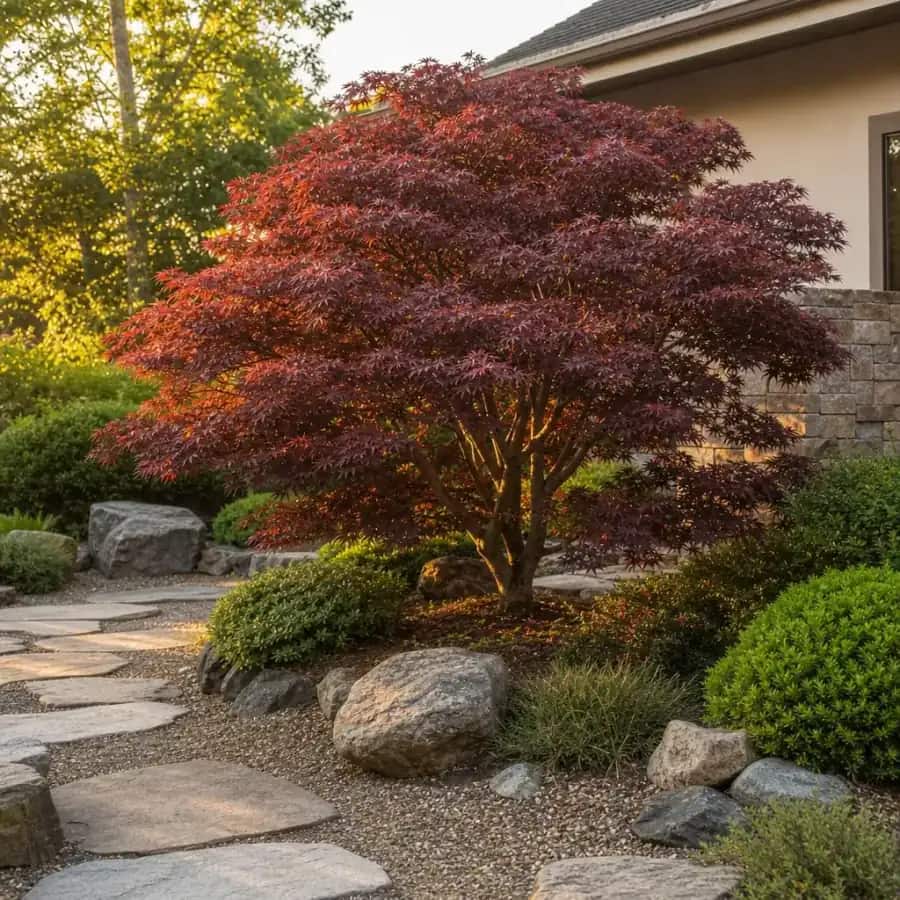 Zones 5 to 8
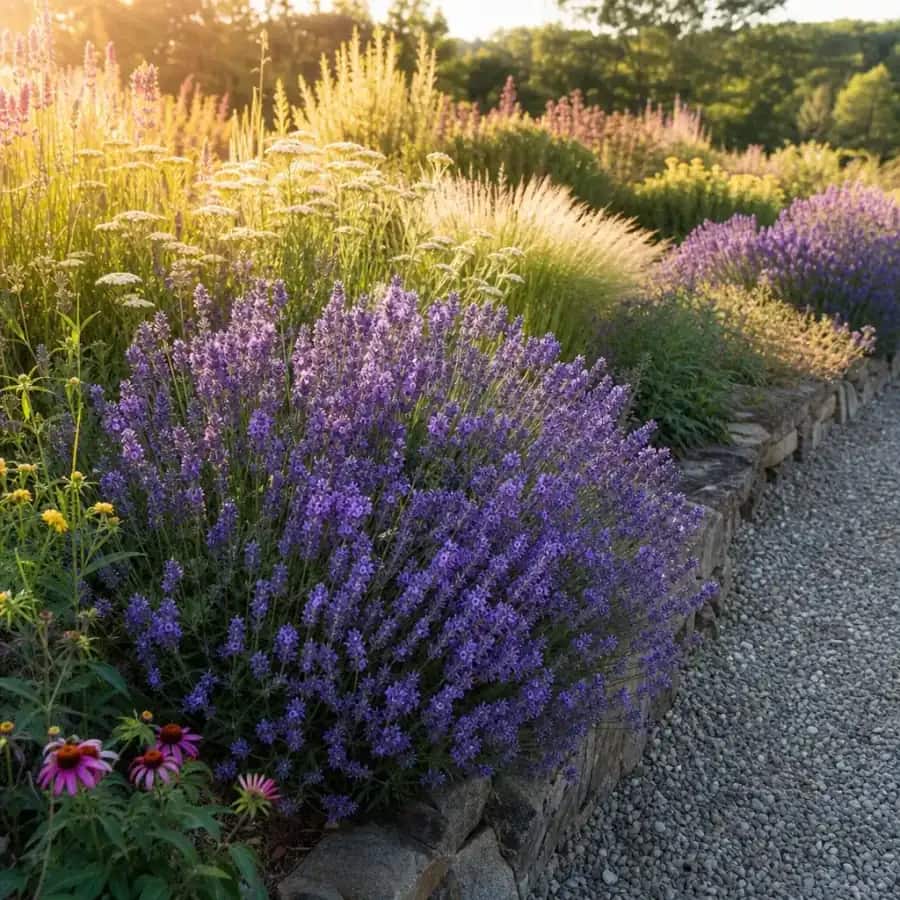 Zones 5 to 9
Shop by category
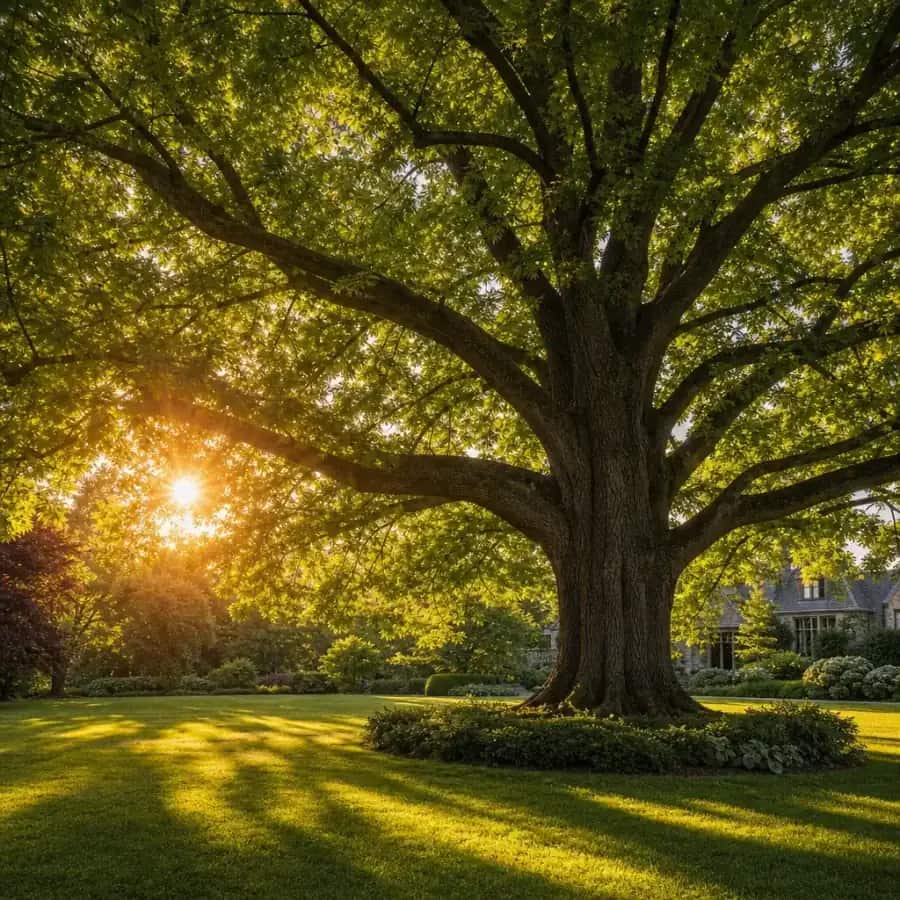 Shade TreesLarge-canopy trees that suit the county's 6a to 6b zone, giving cool relief in summer.View all Shade Trees →
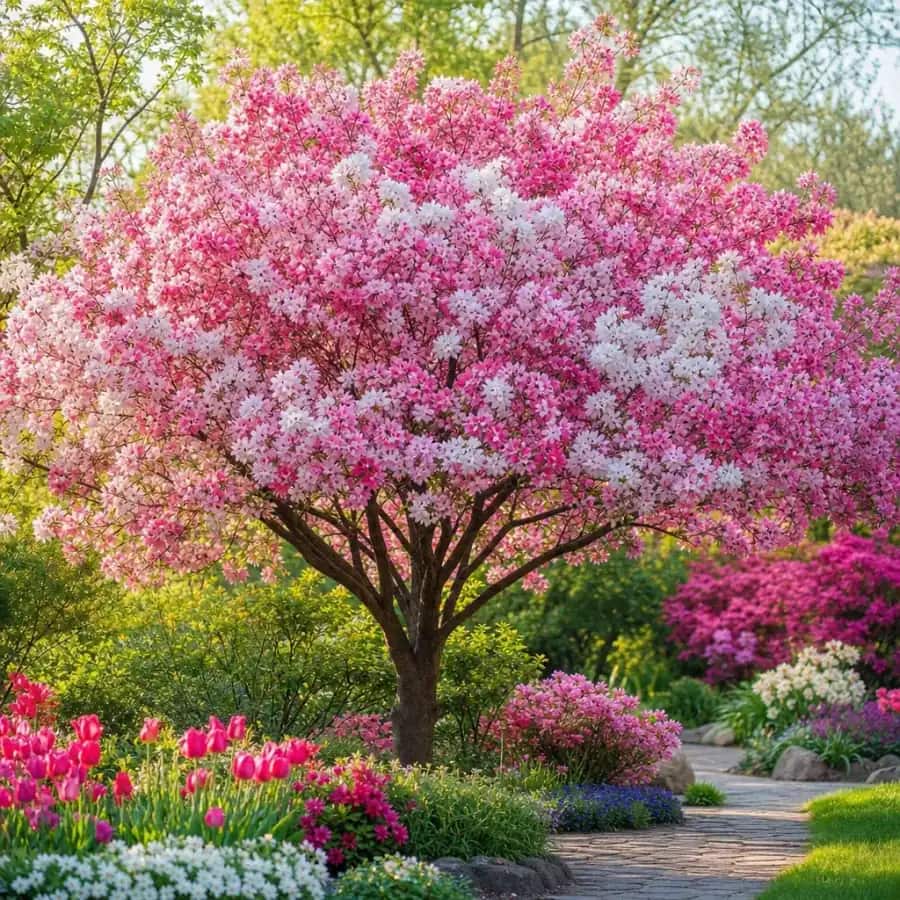 Flowering & OrnamentalSpring color from redbuds and crape myrtles thrives within the local winter-lows range.View all Flowering & Ornamental →
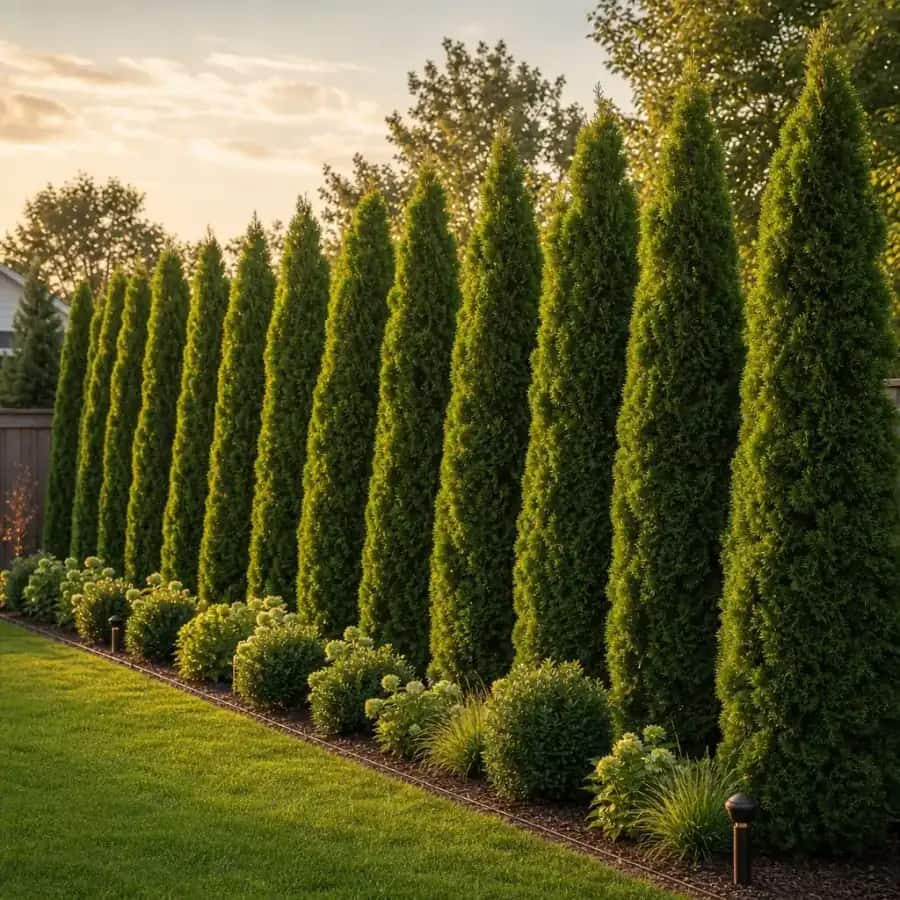 Evergreen & PrivacyYear-round screening with magnolias and junipers that stay green through zone 6 cold snaps.View all Evergreen & Privacy →
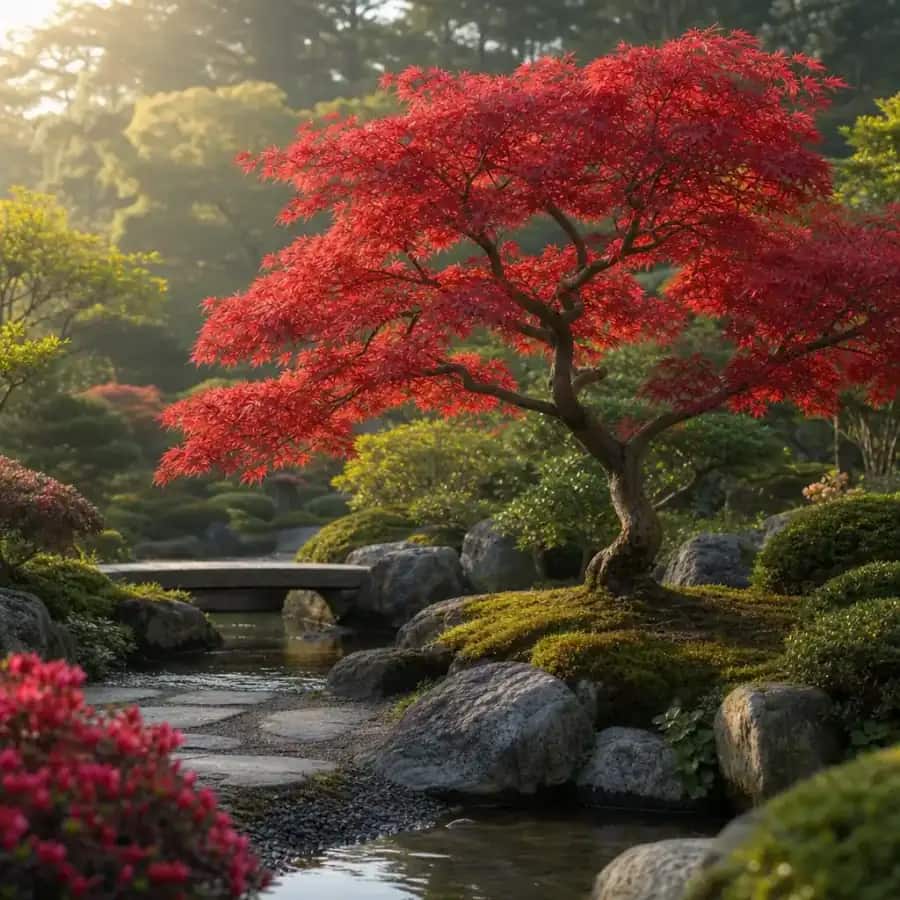 Japanese MaplesDwarf and laceleaf varieties for protected spots; zone 5b-hardy picks work well in Greenbrier County.
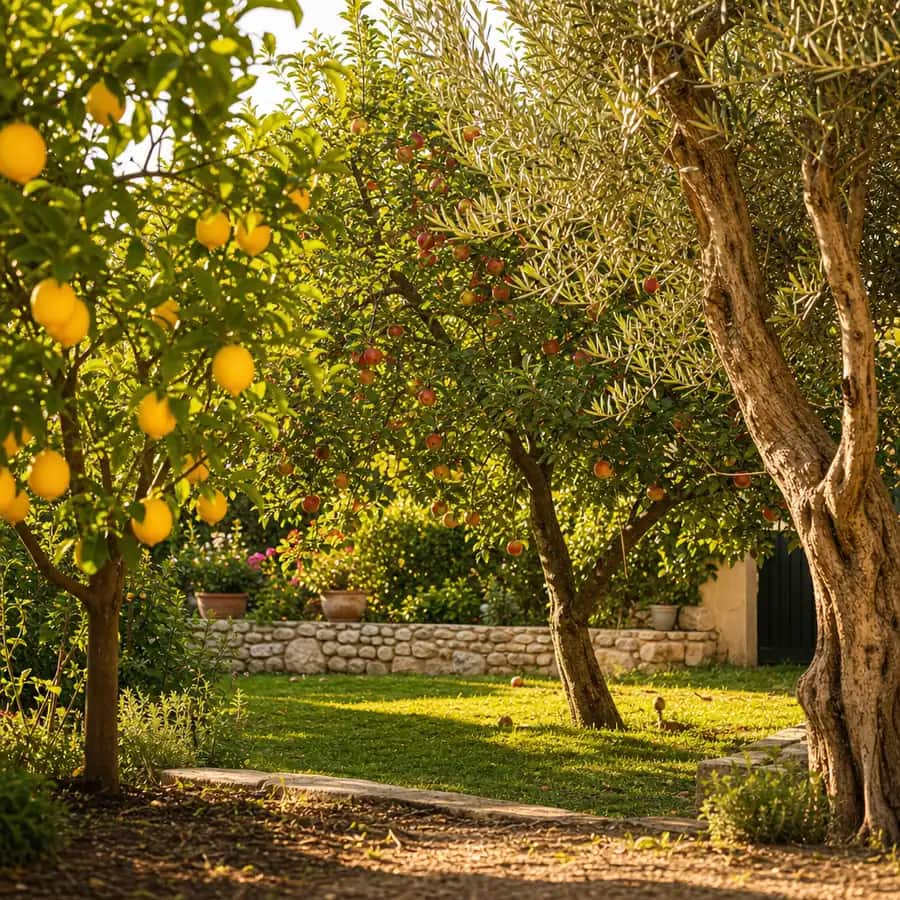 Fruit TreesChicago Hardy Fig and other cold-tolerant fruits produce reliably in the county's winter lows.View all Fruit Trees →
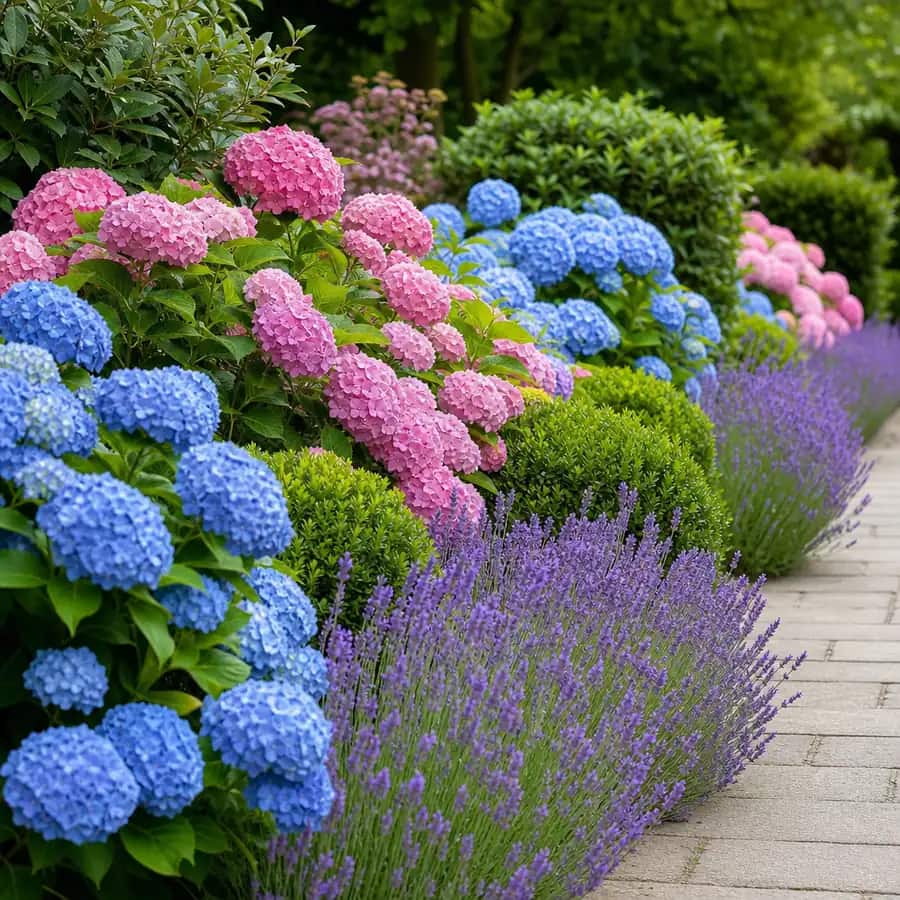 Shrubs & HedgesCompact evergreens and flowering shrubs like Nellie Stevens Holly fill gaps in borders and foundation plantings.View all Shrubs & Hedges →
Local fit, from data
6a to 6b
about -10 to 0 F
19
Alderson
Shade, privacy, and fruit trees in Greenbrier County, West Virginia (WV) are available through Arbor Buddy, a delivery-only vendor shipping large, nursery-grown landscape trees by freight. Homeowners (and some contractors) can choose from shade, flowering, evergreen, Japanese maple, and fruit categories. Every tree matches the county's hardiness zone 6a to 6b, where typical winter lows run about -10 to 0 F.
Greenbrier County spans USDA zones 6a to 6b across its 19 ZIP codes. The colder 6a pockets in the western upland areas see winter lows near -10 F, while the warmer 6b zones in the valley around Alderson stay closer to 0 F. That half-zone difference matters for borderline species: a tree hardy to zone 5b, like the Bloodgood Japanese Maple, sails through both. But a zone 7-only tree would struggle here.
Typical winter lows run about -10 to 0 F. That means deciduous trees go dormant hard, and evergreens need to be cold-tolerant. The county's summers are warm and humid, but not extreme. Shade trees with good heat tolerance, such as the Slender Silhouette Sweetgum, do well. For fruit, the Chicago Hardy Fig uses its root-hardy ability to bounce back after a cold winter. If you are looking for trees for zone 6 in Greenbrier County, focus on species proven in that range.
The rural fringe and suburban core both see similar cold snaps, so a zone-matched tree from Arbor Buddy works across nearly all properties. The key is matching the microclimate of your specific yard, a sheltered spot near a building might stay a half-zone warmer than an open field.
Trees that are hardy to zones 6a or 6b perform best here. The featured trees, including the Slender Silhouette Sweetgum, Royal White Eastern Redbud, and Chicago Hardy Fig, are all matched to the county's zone 6 climate. Winter lows from -10 to 0 F are well within their tolerance.
Shade trees that tolerate both cold winters and humid summers are ideal. The Slender Silhouette Sweetgum is a top pick for narrow spaces, while broader options like Shumard Oak and Autumn Blaze Red Maple also do well in zone 6. Arbor Buddy zone-matches every shade tree before shipping to Greenbrier County.
Yes. Arbor Buddy ships by freight to all 19 ZIP codes in Greenbrier County. Delivery requires someone to be home and a driveway or street with room for a truck to stop or turn. The shipping window matches your zone 6 order, spring or fall, whichever comes next.
Yes, but stick with cold-hardy varieties. The Chicago Hardy Fig is a reliable choice because its roots survive hard freezes. Trees like Bing Cherry need a second compatible cherry nearby to set fruit, and their blossoms are frost-tender, so they require careful siting. For low-effort fruit, figs are the safest bet.
Greenbrier County's zone 6 shipping window opens in spring or fall, depending on when you order. Arbor Buddy matches every tree to your hardiness zone and delivers it large, nursery-grown, and ready to plant. Browse the featured trees above or shop by category to find trees for your yard. The 1-Year Thrive Guarantee covers your purchase.
Multnomah County, Oregon (OR) sits in zone 8b to 9a with winter lows of 15 to 25 F. That warmer, wetter climate allows Japanese maples to grow with minimal winter protection. In Greenbrier County, cold snaps down to -10 F mean Japanese maples need to be zone 5b-hardy varieties like Bloodgood. The practical difference is that Portland-area yards can try borderline Japanese maples; here you stick with proven cold-tolerant selections.
Ransom County, North Dakota (ND) is zone 4a with winter lows of -30 to -25 F. That is far colder than Greenbrier County's coldest zone 6a pockets. Drought tolerance is a non-issue there because the ground stays frozen for months. Here, the zone usually pushes the choice toward trees that can handle both summer humidity and winter cold. A juniper or magnolia that survives a North Dakota winter would be overkill; you can grow a wider palette including flowering redbuds and figs.
Montgomery County, North Carolina (NC) falls in zone 8a with winter lows of 10 to 15 F. That warm climate brings high heat and humidity all summer, which can scorch certain maples and magnolias if not sited correctly. Locally, that points buyers toward heat-tolerant shade trees like the Slender Silhouette Sweetgum, which handles both humidity and cold better than a southern magnolia that might struggle in Greenbrier County's colder winter. The takeaway for your Greenbrier County yard: you have a cooler winter than much of the South, so choose trees that are hardy to at least zone 6 but can still handle a humid summer.
Arbor Buddy ships large, nursery-grown trees by freight directly to your property in Greenbrier County. Each tree is zone-matched before shipping to ensure it fits your 6a or 6b conditions. The delivery truck can handle long rural driveways, but you need to be home to receive the tree and inspect it. Your zone 6 order ships in a spring or fall window, whichever comes next. Every tree is backed by a 1-Year Thrive Guarantee: if it does not survive its first year, Arbor Buddy sends a free replacement.
Before delivery day, check:
Enter your ZIP, shop only what thrives in your zone.
Freight delivery to your address: $149 flat per order, shown at checkout.
Plant it, watch it thrive, covered for one year.
Good to know · Growing guide
Coverage runs a full year from delivery. If something goes wrong, contact the team and they arrange the replacement. No store-credit games, no fine-print maze.