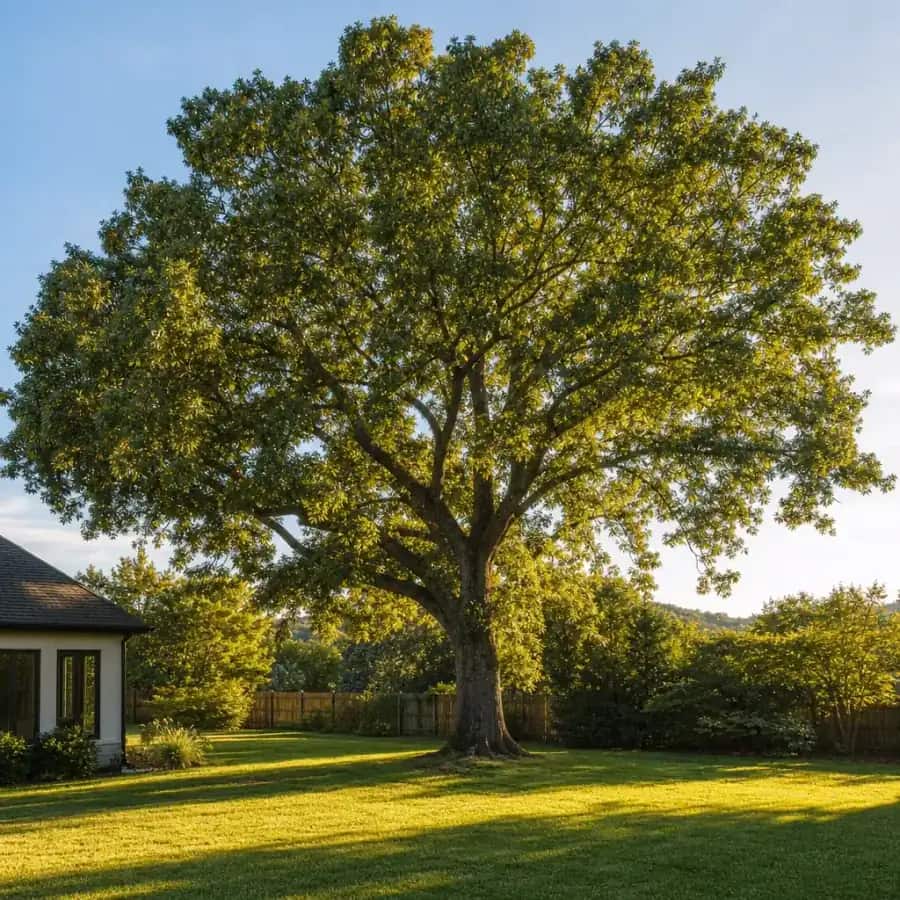
 Zones 4 to 8
Shade Trees
Chinkapin Oak
$579
Shop large, nursery-grown shade, privacy, flowering and fruit trees, delivered by freight in Converse County. Every tree is matched to your hardiness zone and backed by our 1-Year Thrive Guarantee.
Enter your ZIP and we'll match trees to your exact growing zone.
Typical winter lows in Converse County run about -20 to -15 F.
Matched to Converse County's zones
Zones 4 to 8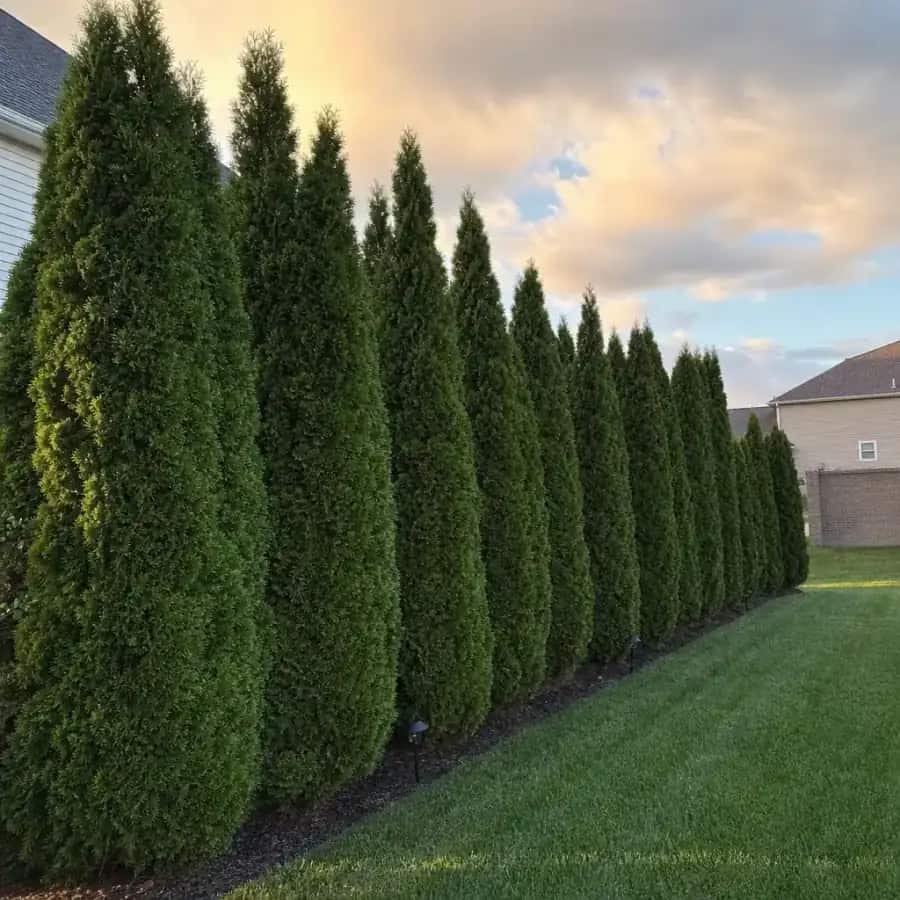 Zones 3 to 8
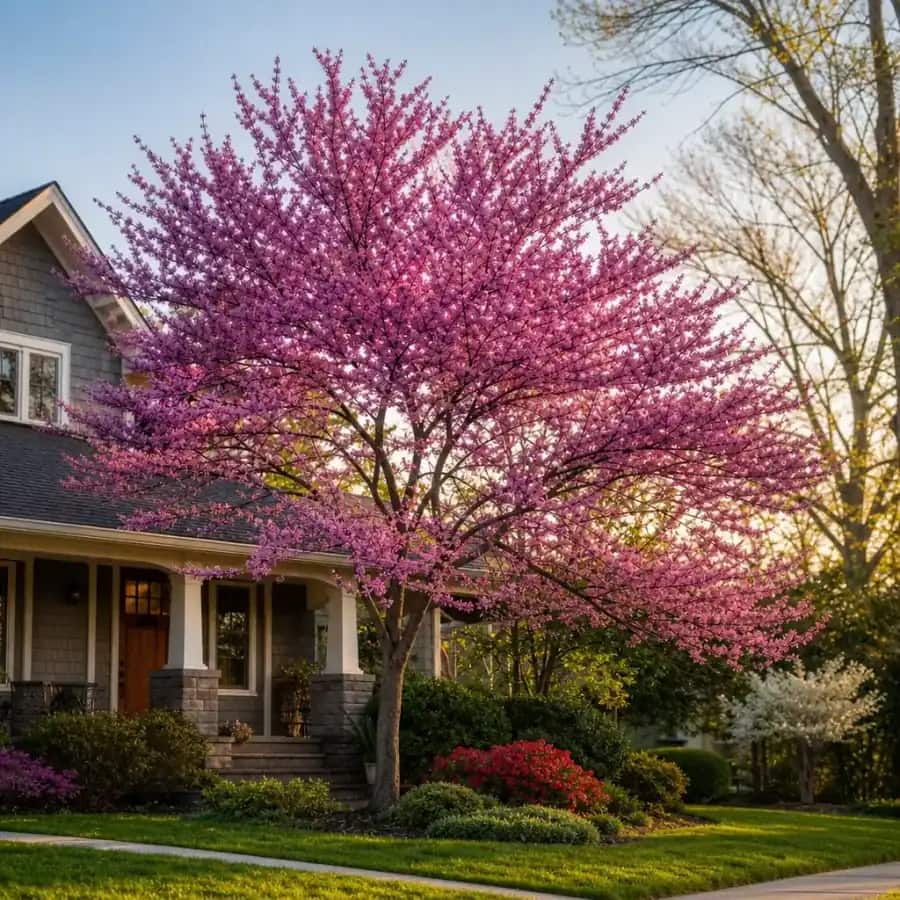 Zones 4 to 9
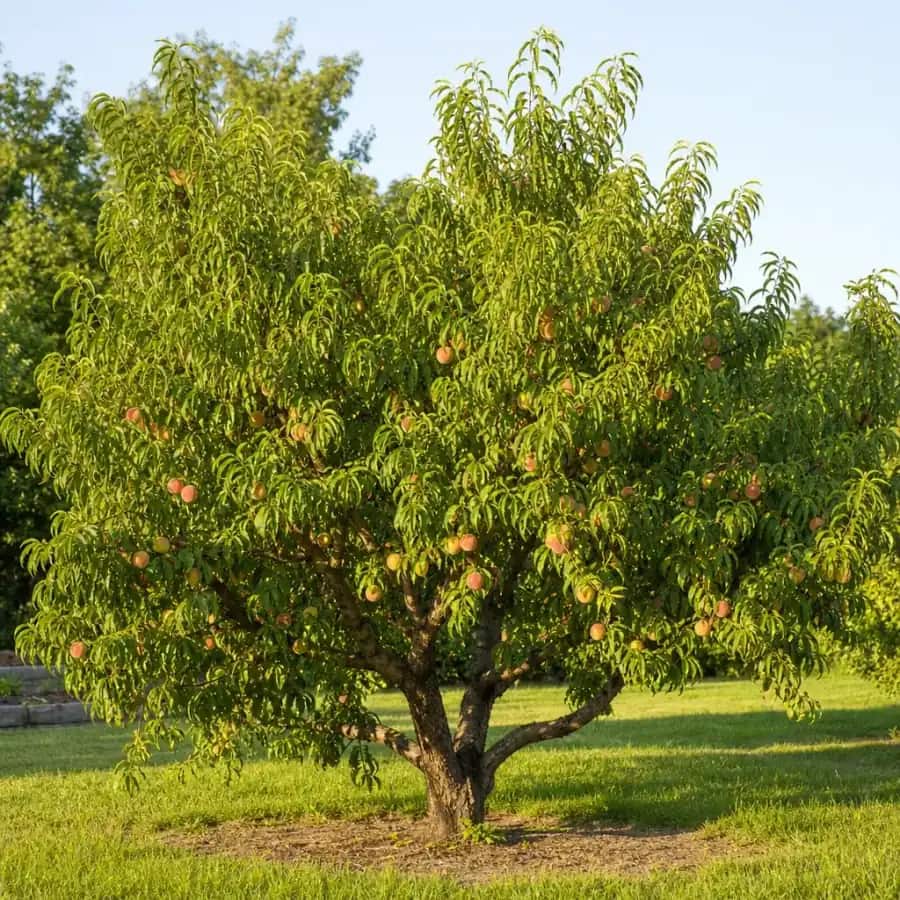 Zones 5 to 9
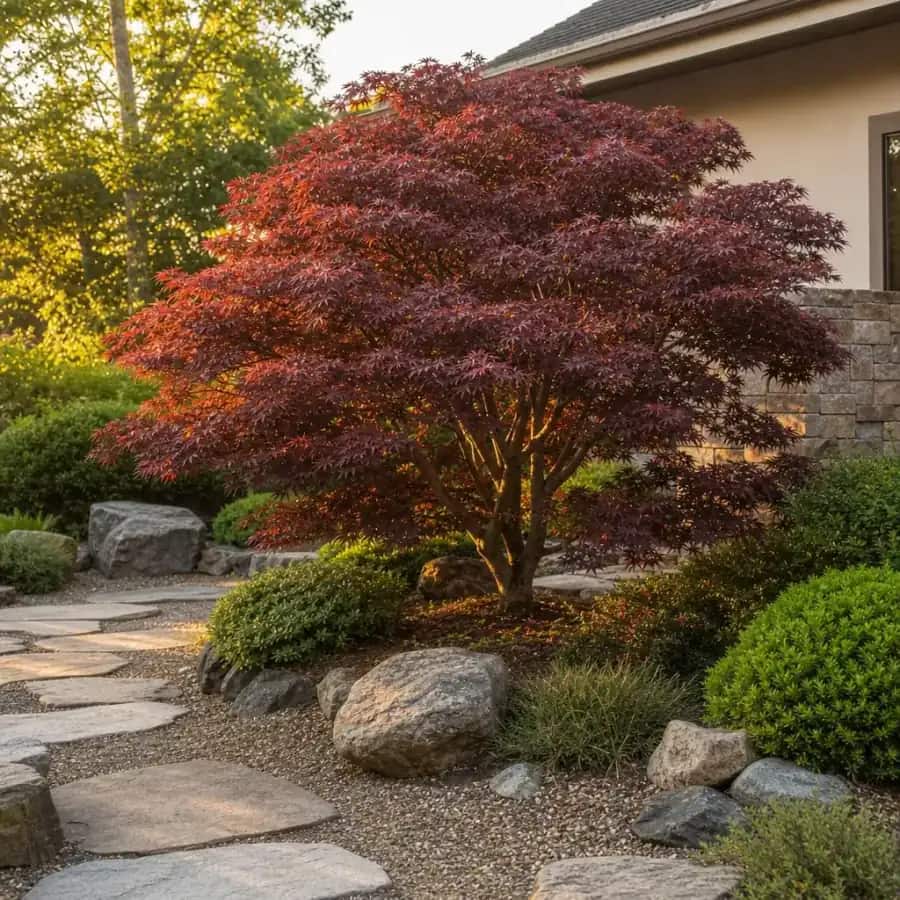 Zones 5 to 8
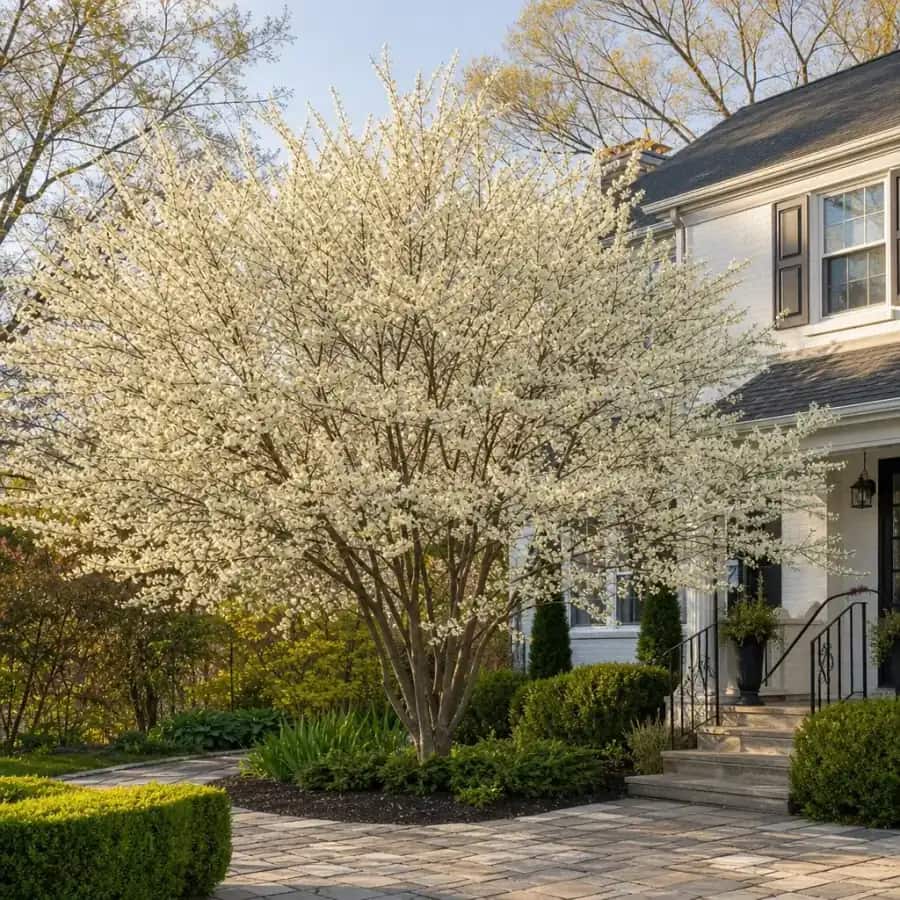 Zones 4 to 9
Shop by category
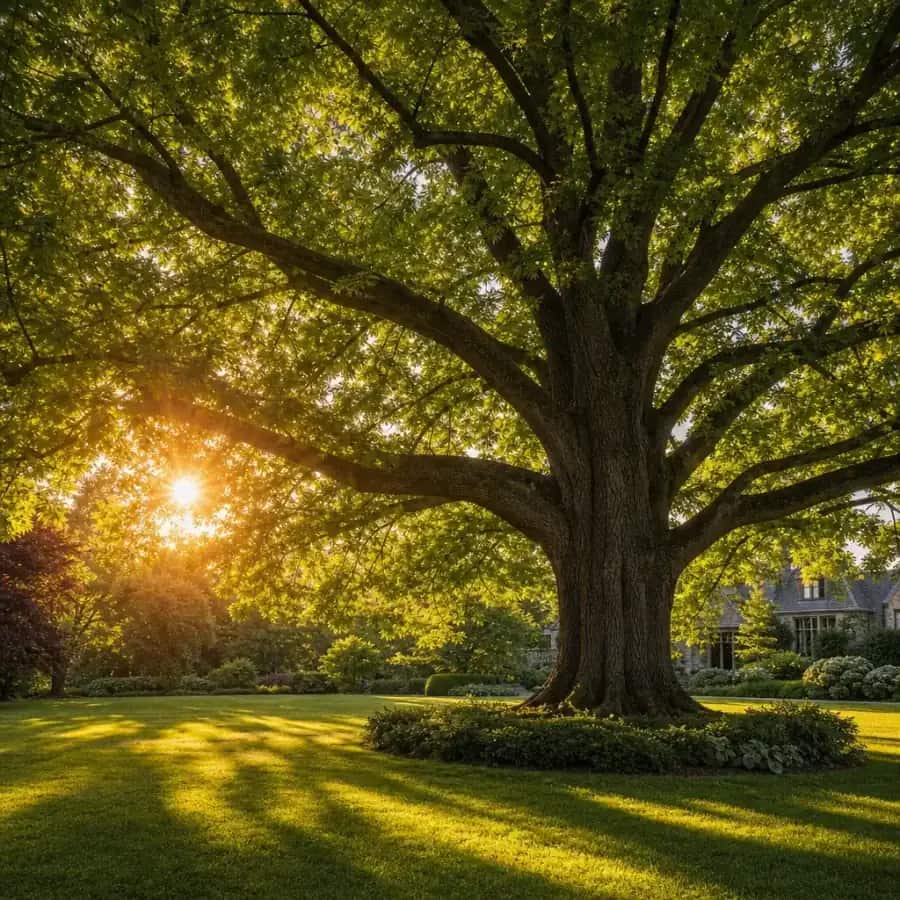 Shade TreesBeat the Wyoming sun with a fast-growing canopy that cools your yard in summer.View all Shade Trees →
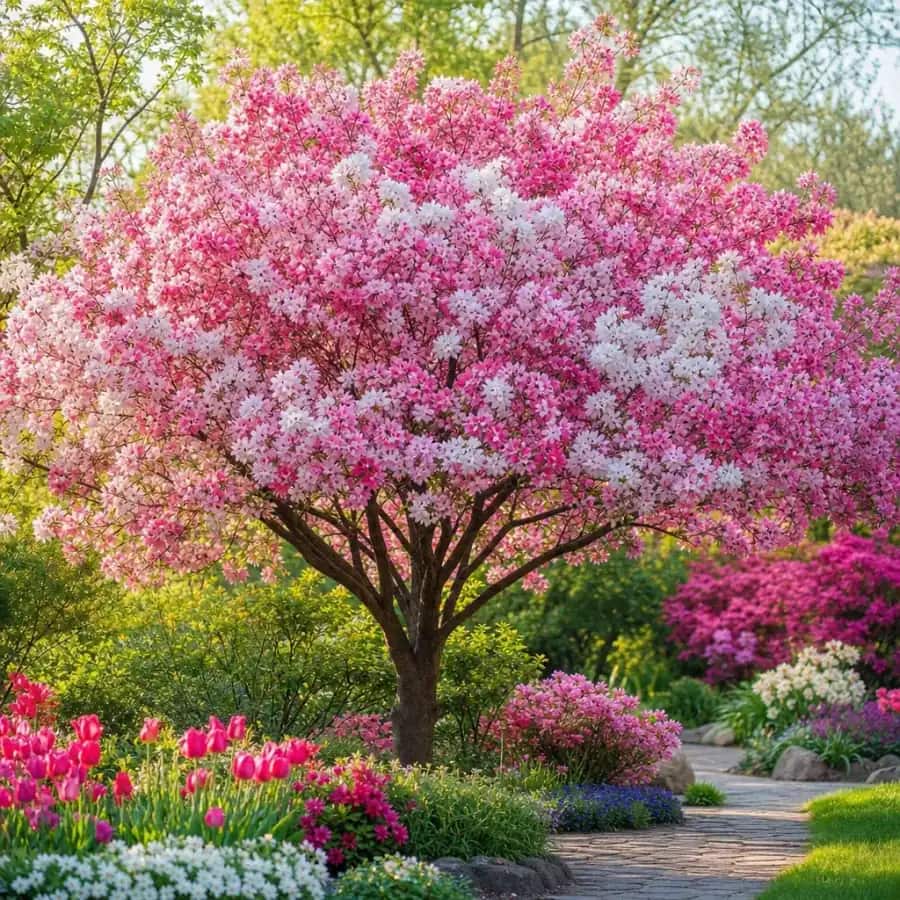 Flowering & OrnamentalAdd spring color to your curb appeal with blooms that handle zone 5 cold.View all Flowering & Ornamental →
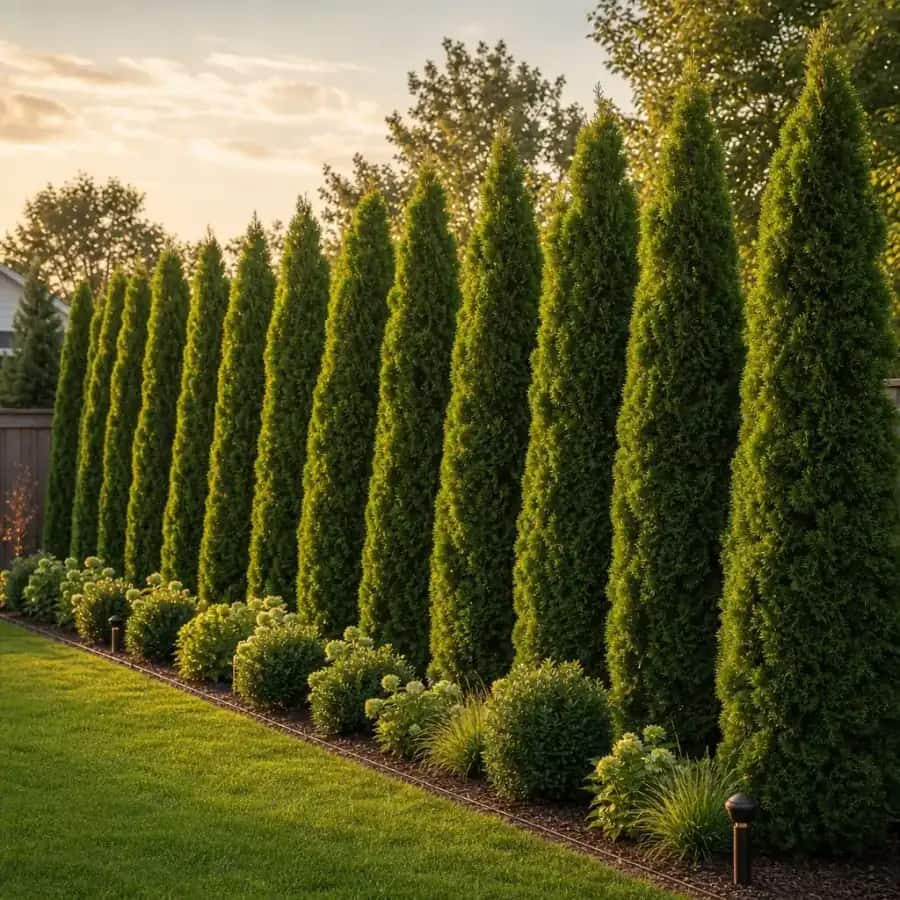 Evergreen & PrivacyBlock wind and views year-round with conifers that hold up in dry winters.View all Evergreen & Privacy →
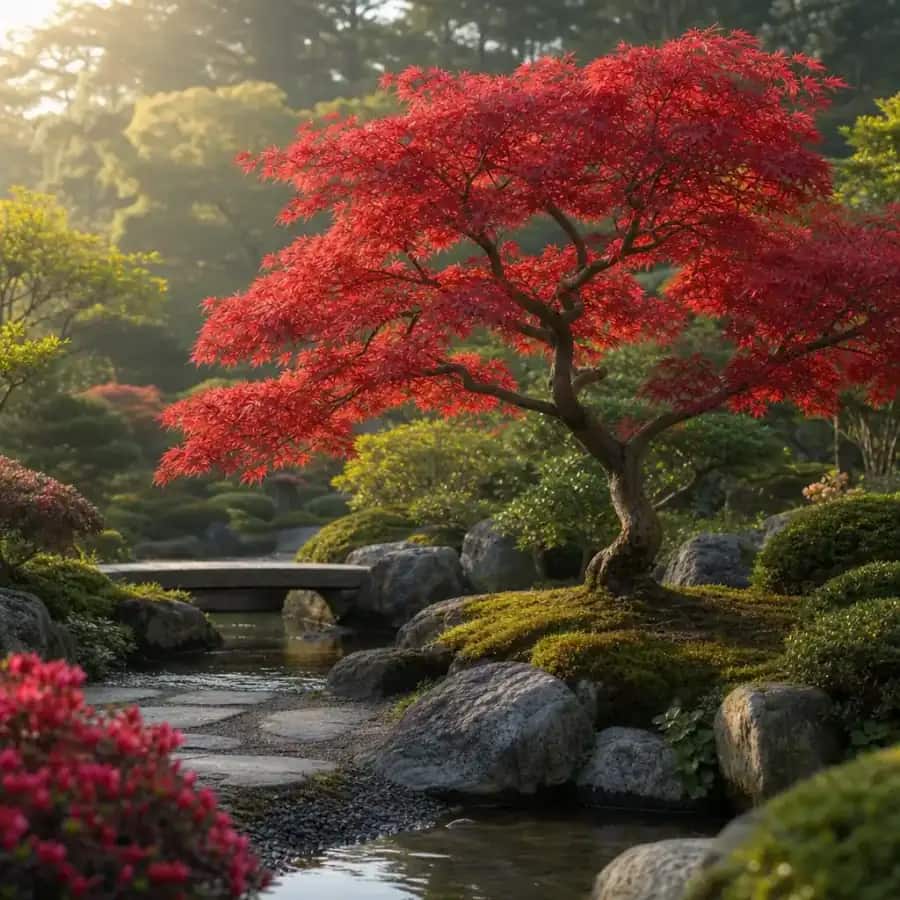 Japanese MaplesLiving sculpture in crimson, coral and lace.
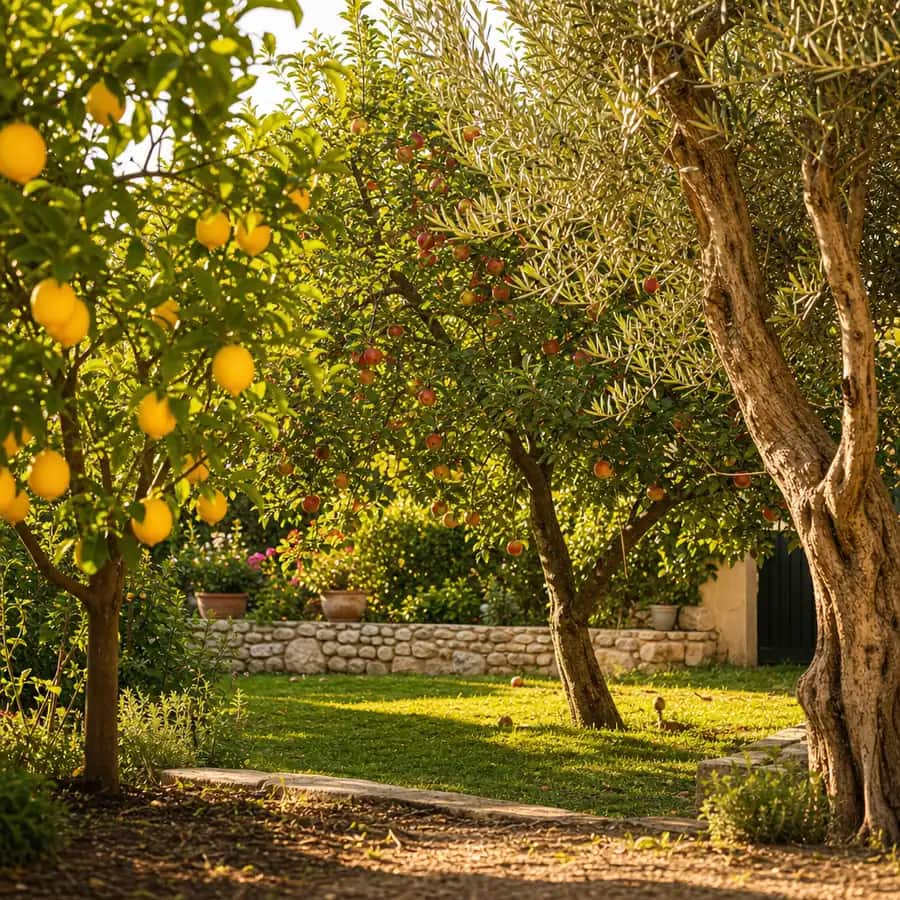 Fruit TreesGrow your own peaches or apples with varieties bred for the local chill hours.View all Fruit Trees →
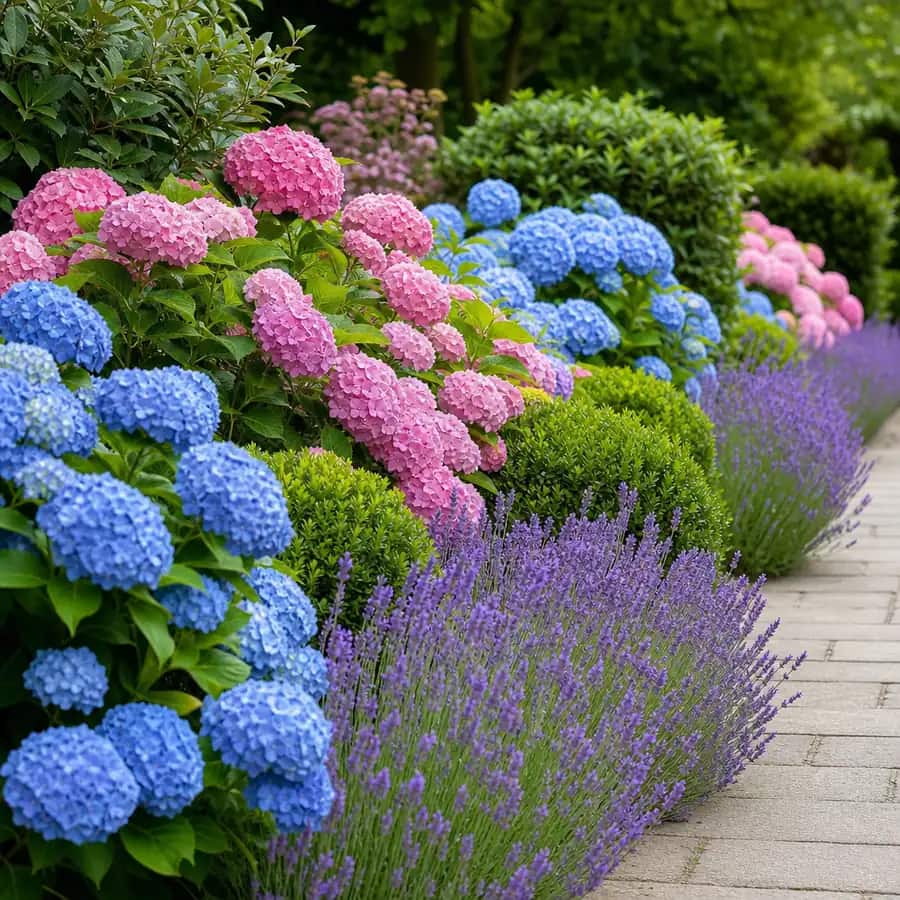 Shrubs & HedgesHydrangeas, hollies, lavender and living privacy.View all Shrubs & Hedges →
Local fit, from data
5a
about -20 to -15 F
4
Douglas
Looking for shade, privacy, and fruit trees in Converse County, Wyoming (WY)? Arbor Buddy delivers large, nursery-grown trees by freight to your door. Every tree is matched to the county's zone 5a climate, so it can handle the local winter lows. Homeowners and contractors can shop with confidence.
Converse County sits in USDA zone 5a across its 4 ZIP codes. Typical winter lows run about -20 to -15 F. These cold snaps shape which trees thrive here. The county gets dry air and moderate summer heat, so trees that tolerate drought and cold do best.
In the area around Douglas, the climate is typical of the High Plains. Trees for zone 5 in Converse County need to handle that freeze-thaw cycle. Featured trees like Bur Oak and Chinese Elm are well suited. The western part of the county may be slightly colder, but any tree rated for zone 5 will make it through a normal winter.
Summers are warm enough for flowering trees like the Wisteria Tree and fruit trees like Elberta Peach. Just make sure you pick a spot that gets full sun.
Orders for Converse County (zone 5a) queue for the spring shipping window rather than midwinter. That means your tree leaves the nursery when the ground thaws, so it arrives ready to plant. We ship by freight and let you know the delivery date ahead of time.
Plenty of trees grow well in zone 5, including the six featured here. Bur Oak, Chinese Elm, Bald Cypress, Wisteria Tree, Elberta Peach, and the Hetz Columnaris Chinese Juniper all handle winter lows down to -20 F. Your yard can have shade, fruit, flowers, and privacy, all zone matched.
Our trees arrive at a usable landscape size, typically 4 to 7 feet tall depending on the species. They are nursery grown in pots or balled and burlapped, so they are ready to go in the ground. You get a tree that already looks good on day one.
The Hetz Columnaris Chinese Juniper is a top choice for privacy in Converse County. It grows narrow and stays green year-round. You can also consider the Bald Cypress for wet spots, but it drops its needles in winter. For a dense screen, plant junipers about 4 to 6 feet apart.
Your zone 5a climate decides which trees will succeed in Converse County. Arbor Buddy makes it easy by matching every tree to your hardiness zone. Browse the collection above and order with confidence, knowing your tree is backed by the 1-Year Thrive Guarantee. Start your Converse County yard transformation today.
Tree choices in Converse County look different from warmer parts of the country. Here is how your climate stacks up against three other places.
District of Columbia (DC) sits in zone 7b to 8a, with winter lows of 5 to 15 F. That much warmer range opens up a lot more evergreen and flowering options. For example, you could grow sweet bay magnolia or crape myrtle, both of which would struggle in zone 5a. That gap changes the local shortlist to mainly cold-hardy conifers and deciduous trees in Converse County. For your cart, that means the Hetz Columnaris Chinese Juniper is a top privacy pick here, while a DC buyer might choose a faster-growing Leyland Cypress.
Kent County, Delaware (DE) is zone 7b, with winter lows 5 to 10 F. That means its buyers can rely on more flowering trees like dogwoods and redbuds without much worry. In Converse County, a late frost can nip tender buds. For your cart, that means the Wisteria Tree works well here because it blooms later, but you still need to protect early blossoms during a cold snap.
Gadsden County, Florida (FL) is zone 9a, with winter lows 20 to 25 F. Warm enough for citrus trees like satsuma or kumquat year-round. In Converse County, you would need to overwinter any citrus indoors. In practice, buyers here lean toward fruit trees like the Elberta Peach that need chill hours, instead of warm-weather fruits.
What this means for your cart: Converse County's cold winters and dry air make cold-hardy shade trees, columnar junipers, and winter-dormant fruit trees the smart choices. Stick with species rated for zone 5 or colder.
Arbor Buddy ships large, nursery-grown trees directly to your Converse County property by freight. Every tree comes zone-matched for 5a and backed by our 1-Year Thrive Guarantee. If a tree does not survive its first year, we replace it free. Zone 5 orders queue for the spring shipping window rather than midwinter, which protects your tree from travel damage.
Before delivery day, check:
Enter your ZIP, shop only what thrives in your zone.
Freight delivery to your address: $149 flat per order, shown at checkout.
Plant it, watch it thrive, covered for one year.
Good to know · Growing guide
Coverage runs a full year from delivery. If something goes wrong, contact the team and they arrange the replacement. No store-credit games, no fine-print maze.