Shade Trees
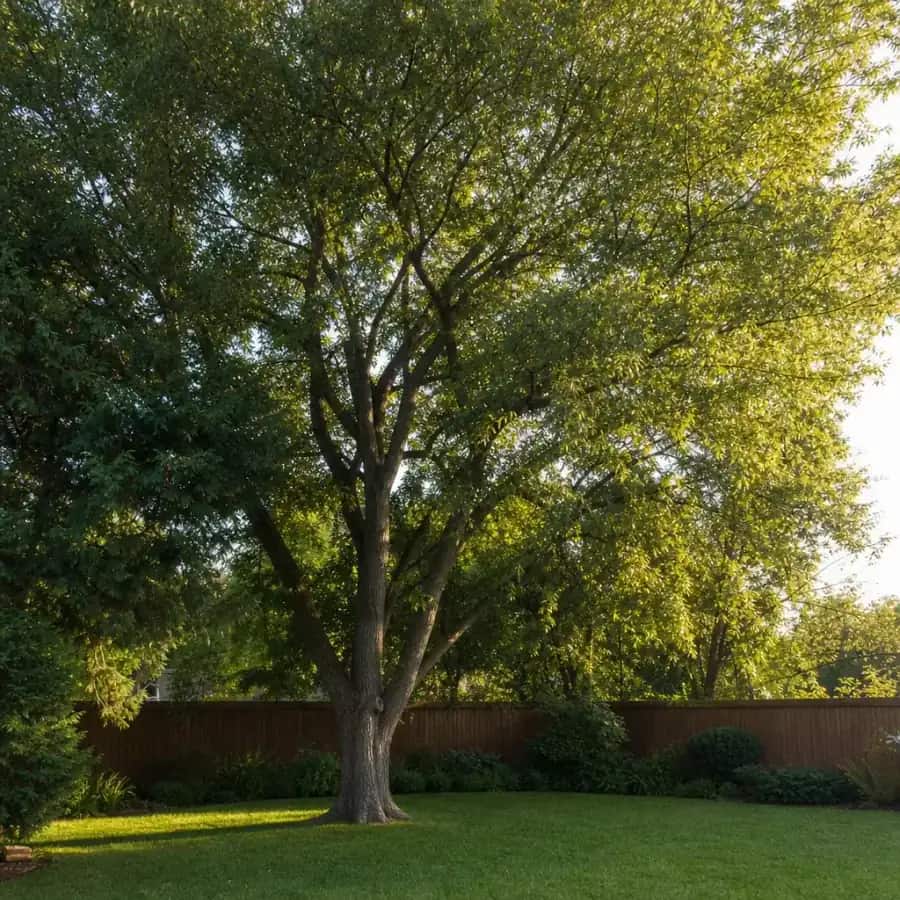
Cedar Elm
$514
Height:
Quantity
1
$514
Drought TolerantHeat TolerantCold HardyShade TolerantWind TolerantDeer Resistant
Customers also viewed
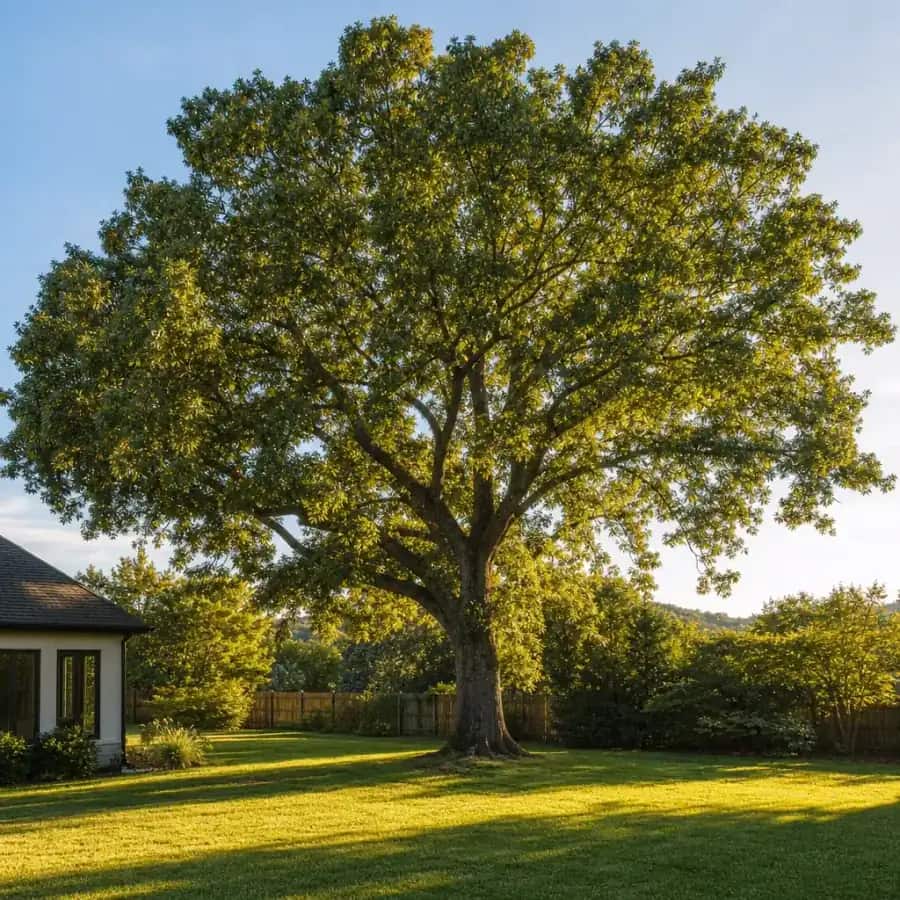
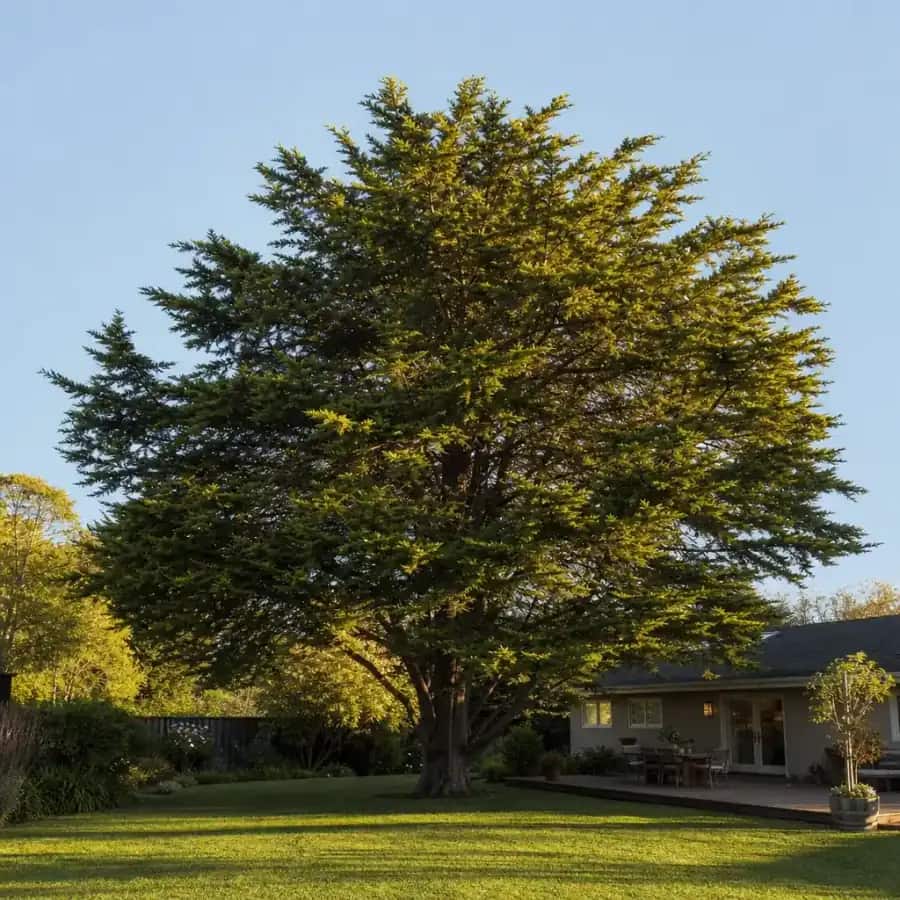
Why you'll love it
A fast, easy way to a finished landscape
- Growth rate
- Mature size
- Hardy in
- Drought Tolerant
- Heat Tolerant
- Cold Hardy
- Shade Tolerant
The Arbor Buddy difference
Why buy from us
About this tree
USDA hardiness zones 6–9
1
2
3
4
5
6
7
8
9
10
11
Plant details
- 40 ft. - 70 ft.
- 30 ft. - 50 ft.
- Fast
- 6-9
- Full Sun, Partial Sun
- Moderate
- Clay, Loamy, Rocky, Sandy, Well Drained
- 30 ft.
- Early Spring (March), Mid-Spring (April-May)
Full planting & care
Planting+
Watering+
Fertilizing+
Pruning+
Frequently asked questions
How big does it get?+
What growing zones does it suit?+
Shipping
- Curbside freight, nationwide (lower 48)
- $149 flat per order
- Ships in 1–3 weeks; carrier schedules a delivery window
Compare similar trees
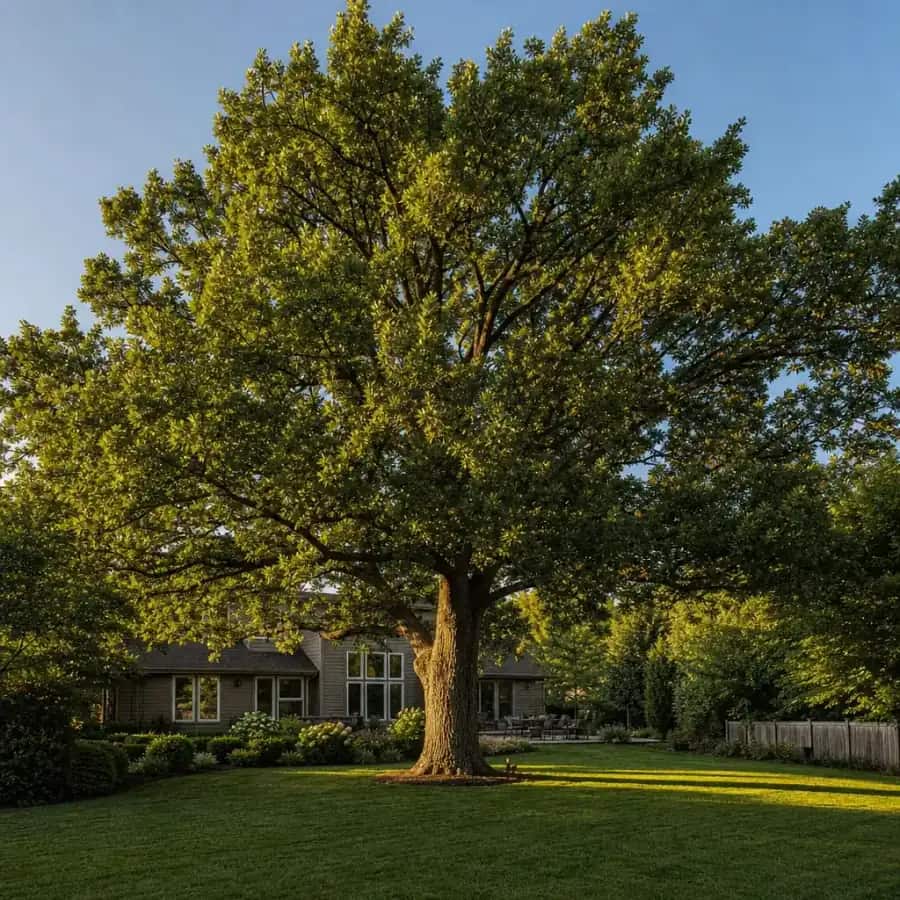
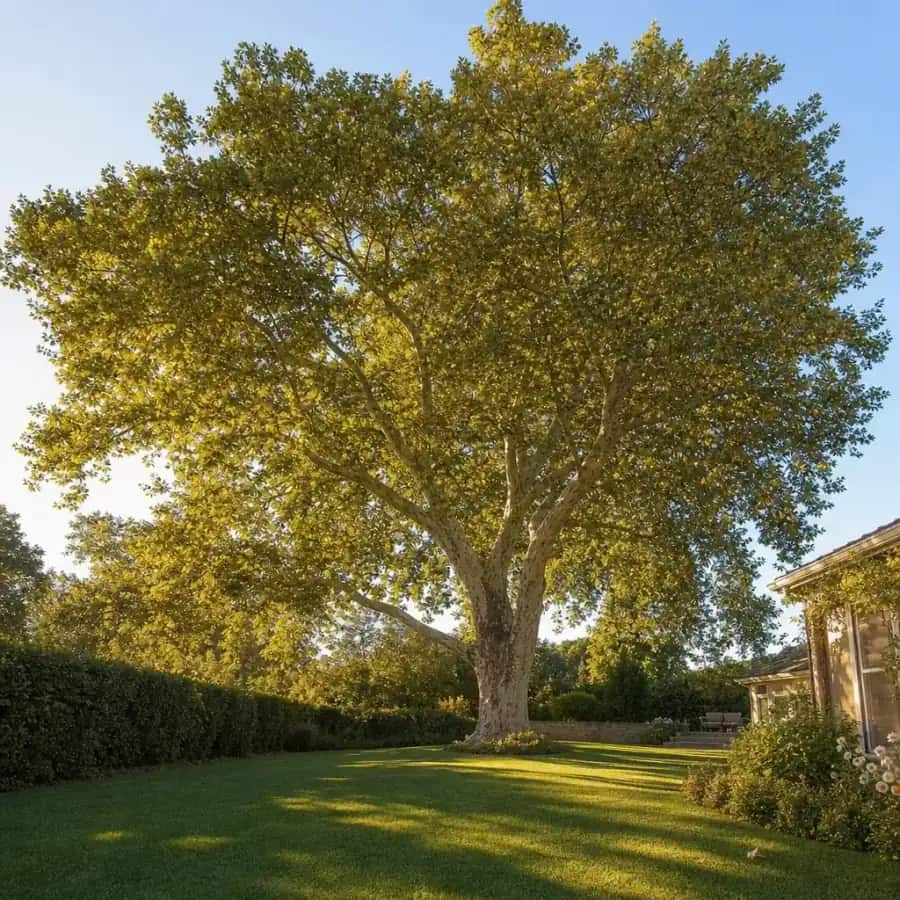
| Cedar ElmThis tree | Bur Oak | American Sycamore | Chinkapin Oak | Hesperocyparis (Cupressus) macrocarpa Goldcrest Monterey Cypress | |
|---|---|---|---|---|---|
| Mature height | 40 ft. - 70 ft. | 50 ft. - 70 ft. | 70 ft. - 100 ft. | 40 ft. - 70 ft. | 10 ft. - 15 ft. |
| Mature width | 30 ft. - 50 ft. | 40 ft. - 70 ft. | 40 ft. - 70 ft. | 40 ft. - 70 ft. | 3 ft. - 5 ft. |
| Growth rate | Fast | Moderate | Fast | Moderate | Moderate |
| Sunlight | Full Sun, Partial Sun | Full Sun, Partial Sun | Full Sun, Partial Sun | Full Sun, Partial Sun | Full Sun, Partial Sun |
| USDA zones | 6–9 | 3–8 | 4–9 | 4–8 | 7–10 |
Your dream yard, without the hassle
Skip the trip
Big, landscape-grade trees delivered straight to your door — no hauling.
Huge selection
Shade, flowering, evergreen, fruit and more — matched to your USDA zone.
Nursery quality
Established, well-rooted plants grown to thrive, not just to ship.
Backed by us
Every tree carries our 1-Year Thrive Guarantee.