Plant Selection
Evergreen vs. Deciduous Privacy Screens
Evergreen vs deciduous privacy comes down to one question for anyone planning a privacy tree screen: do you need to see it through the bare months of winter? Evergreen trees like arborvitae, holly, and spruce hold their foliage all year and are the safer default. Deciduous trees drop their leaves for roughly four to six months but often grow faster, cost less upfront, and add flowers or fall color evergreens can't match. A mixed screen, pairing both, usually gets you the best of each without betting your whole yard on one species.
- Evergreen screens give true year-round cover but tend to grow slower and cost more per plant
- Deciduous screens often establish faster and cheaper, with blooms or fall color evergreens lack
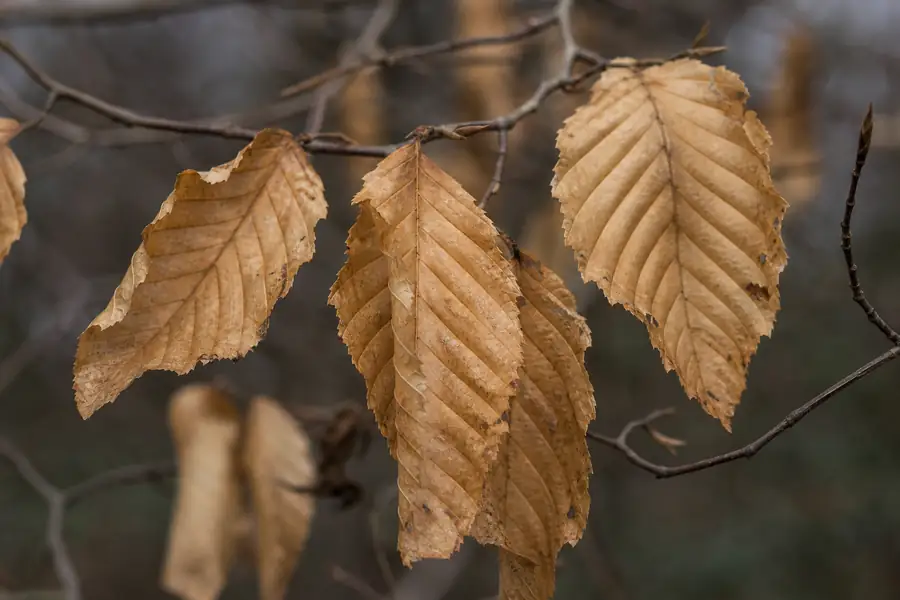
- Hornbeam and European beech hold tan, dried leaves into winter, a trait called marcescence
- A single-species evergreen wall can fail all at once from pests, disease, or a hard freeze
- Mixed screens spread the risk and stretch seasonal interest across more of the year
Evergreen Screens: Year-Round Cover
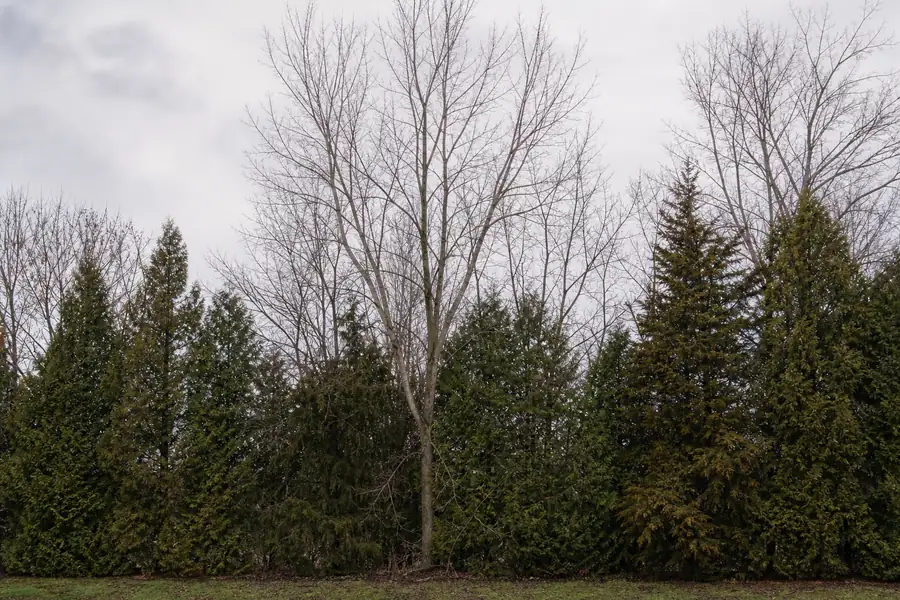
Evergreen trees deliver privacy screening in every month of the year because they never go bare. That makes them the default choice for homeowners whose main goal is blocking a neighbor's window, a busy street, or a utility yard that never looks better undressed.
Arborvitae, holly, spruce, and cypress all hold dense foliage through the coldest months, so the screen looks the same in January as it does in July, no thinner and no bare patches. The trade-off is pace and price: most evergreens grow a bit slower than fast deciduous species and cost more per tree at a given height, since the nursery has to grow a full, year-round canopy rather than just height and spread. You can browse shop evergreen privacy trees suited to a range of growing zones, from columnar junipers for narrow side yards to broader hollies and magnolias for a thicker wall.
Deciduous Screens: Fast Growth and Seasonal Color
Deciduous privacy screens lose their leaves for roughly four to six months a year, typically from late fall through early spring, but many species make up for it with speed and show. A young deciduous tree frequently outpaces a comparable evergreen in its first few growing seasons, closing gaps in a new planting faster.
Flowering deciduous trees also bring something evergreens generally don't: spring bloom, summer shade structure, and fall color before the leaves drop. Species bred for quick coverage are worth a look if your main goal is filling a gap fast; see our guide to fast-growing privacy trees for options that build a screen in a few seasons rather than many. The catch is honest: from roughly November through March in most temperate zones, a pure deciduous row offers structure and some wind-breaking but little real visual block.
Leaves That Hang On: Marcescence in Hornbeam and Beech
Marcescence is the trait of holding dead, dried leaves on the branch through winter instead of dropping them in fall, and it's the reason a few deciduous species can offer partial cold-season screening. Hornbeam and European beech are the classic examples: their leaves turn tan or copper in autumn and stay attached, rustling on the branch, until new growth pushes them off in spring.
That retained foliage isn't as dense as a true evergreen canopy, but it breaks up sightlines and cuts wind noticeably better than a bare deciduous row. Extension horticulture guidance generally treats marcescence as more pronounced on juvenile growth and lower branches, so a hedged hornbeam or beech screen, kept dense through pruning, tends to hold more winter leaf cover than a tree left to grow naturally tall.
Evergreen vs. Deciduous Privacy at a Glance
The table below lines up the two screen types on the factors that actually drive the decision for most yards.
| Factor | Evergreen | Deciduous |
|---|---|---|
| Winter privacy | Full coverage year-round | Bare 4-6 months, except marcescent species |
| Growth speed | Moderate to slow | Often fast, especially young trees |
| Cost per tree | Typically higher at a given height | Often lower upfront |
| Seasonal interest | Mostly consistent green | Bloom, fall color, bare winter structure |
| Maintenance | Shaping, occasional pest watch | Leaf cleanup, seasonal pruning |
Mixed Screens: Combine Both for Resilience
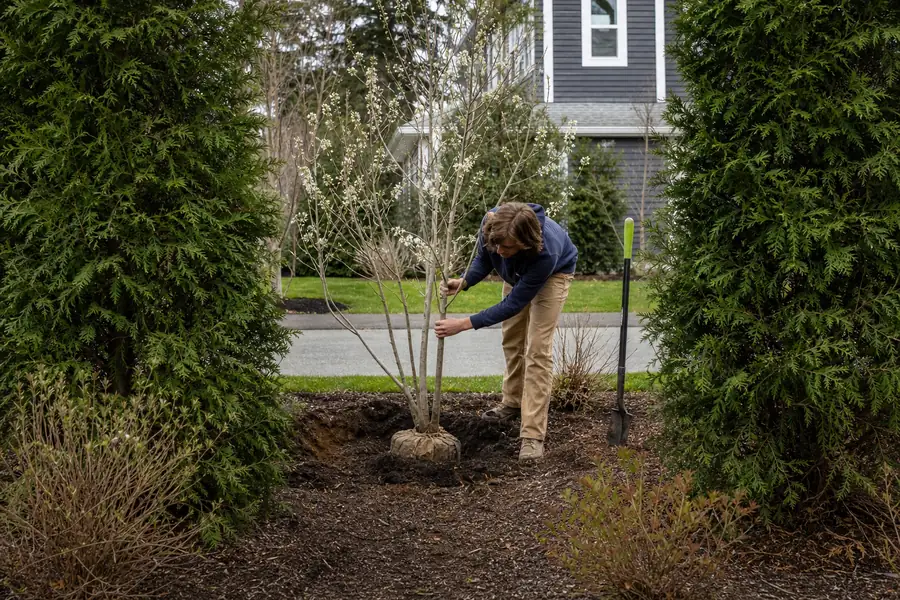
A mixed screen pairs an evergreen backbone with deciduous flowering trees worked in between, so the planting never depends on a single species to carry the whole job. That matters because a row of one evergreen type can fail all at once: a pest outbreak, a disease like bagworm damage, or an unusually hard freeze can take out an entire monoculture hedge in one bad season, leaving a long gap with nothing to replace it quickly.
Mixing species spreads that risk and layers in more seasonal interest. A backbone of arborvitae or holly holds the winter line, while flowering trees or privacy shrubs add spring bloom and texture at a lower level. Photograph a mixed screen like this in both summer and winter and you'll usually see the point immediately: full, layered green in July, and a still-solid, if lighter, wall in January instead of a bare gap.
How to Choose Between Evergreen and Deciduous Privacy
Start with the season you actually need privacy most. If it's year-round, or if winter is when you spend the most time in the yard, lean evergreen or build a mixed screen with a solid evergreen backbone. If you mainly need a summer buffer for a patio or pool and don't mind a bare winter view, deciduous trees can do the job faster and for less money.
Climate matters too. Cold winters push toward hardier evergreen species that won't brown out in a hard freeze, while hot, humid zones open up more deciduous flowering options that thrive in the heat. Running your ZIP code through Arbor Buddy's zone finder flags which species, evergreen or deciduous, are actually rated for your winters before you plant, so the screen you choose is built to last rather than guessed at.
FAQs
Is evergreen or deciduous better for privacy?
Evergreen is generally better for year-round privacy because it holds its foliage through winter, while deciduous trees go bare for several months. If winter coverage isn't a priority, deciduous trees can be the better pick for speed, cost, or seasonal color.
Do any deciduous trees screen in winter?
Yes, hornbeam and European beech retain their dried, tan leaves through much of winter in a trait called marcescence, giving partial screening and wind-breaking even though the trees are technically deciduous. The effect is strongest on hedged or pruned plantings rather than trees left to grow freely tall.
What is a mixed screen?
A mixed screen combines evergreen and deciduous trees, often with an evergreen backbone and deciduous trees worked in for bloom or fall color. Mixing species protects the planting from losing its entire privacy line at once if a pest or disease hits a single species.
Which grows faster, evergreen or deciduous trees?
Deciduous trees generally grow faster, especially in their first few years, which makes them useful for closing a privacy gap quickly. Evergreens tend to grow at a steadier, more moderate pace since they're building a dense, year-round canopy rather than just height.
Which is cheaper, evergreen or deciduous screening?
Deciduous trees are often cheaper per tree at a comparable height, since evergreens generally cost more to grow to a full, year-round canopy. Overall project cost still depends on the species, planting size, and how many trees the screen needs, so it pays to compare options for your specific yard.