Plant Selection
Privacy Trees That Grow in Shade
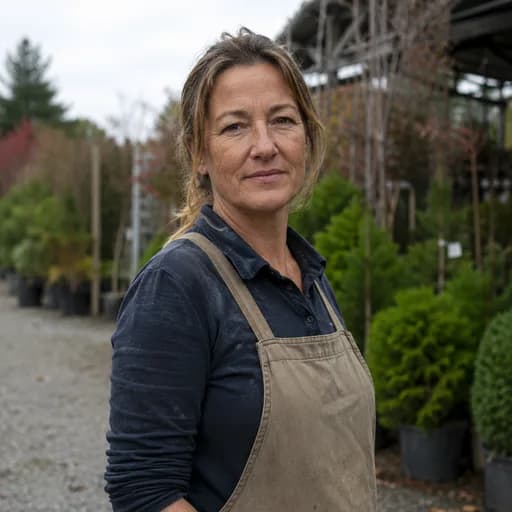
Finding privacy trees that grow in shade is harder than picking one for a sunny fence line, but a short list of evergreens actually handles it well. For part shade or dappled light, Canadian hemlock, Hicks or English yew, skip laurel, and holly are the trees to plant. Classic screening picks like arborvitae need six or more hours of direct sun, and without it they go thin and gappy instead of forming a wall.
None of the shade-tolerant options below will build a dense screen as fast as a full-sun arborvitae planting. Expect slower growth and a longer wait for branches to knit together. Planted in the right spot, though, they'll still give a shady yard real privacy.
Privacy Trees That Grow in Shade: What to Expect
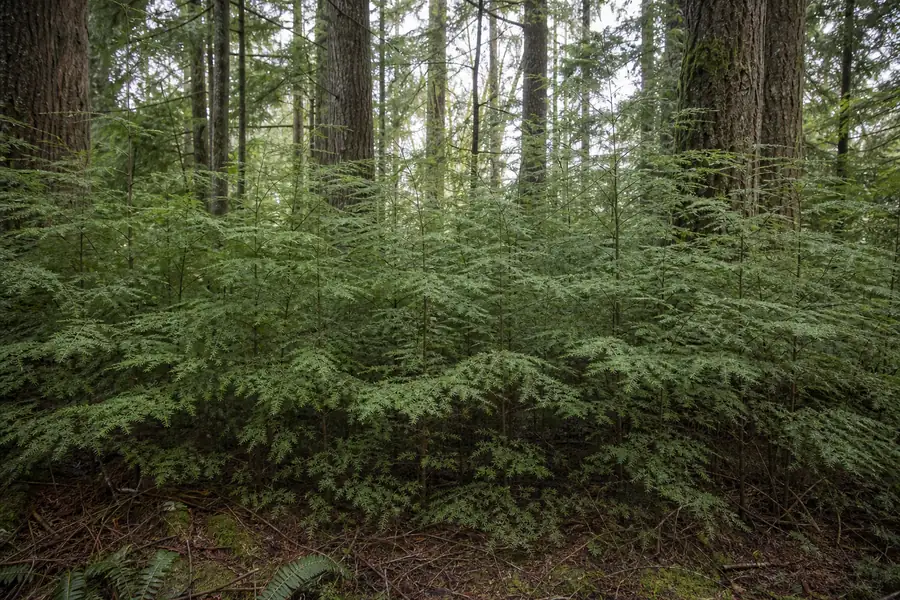
Most privacy evergreens are bred for full sun, so shade changes what a reasonable screen actually looks like. Part shade means four to six hours of direct or strong filtered sun a day; dappled light means sun broken up by an overhead tree canopy rather than open sky. Both cut down how much energy a tree has to spend on new growth.
In shade, a screen fills in slower, stays a bit thinner, and takes longer to close gaps between plants than the same tree in full sun. Extension horticulture guidance on shade tolerance generally backs this up: shade-tolerant species still grow, just more slowly and with a looser branching habit. Planning a privacy tree line for a shady lot means choosing species built for low light from the start, not hoping a sun-lover adapts.
Canadian Hemlock for Shady Screens
Canadian hemlock is one of the few conifers that genuinely thrives in shade, reaching 40 to 70 feet tall in USDA zones 3 through 7. Its soft, graceful branches hold needles well even under a partial canopy, which is rare for an evergreen that size.
Hemlock needs consistently moist, well-drained soil and struggles in heat and drought, so it suits cooler, shadier sites better than hot southern yards. The bigger concern is hemlock woolly adelgid, a tiny invasive insect that feeds at the base of needles and can weaken or kill established trees over several years. Check new growth for the small white, waxy egg sacs the pest leaves behind, and treat early if you spot them.
Yew: The Most Shade-Tolerant Privacy Screen
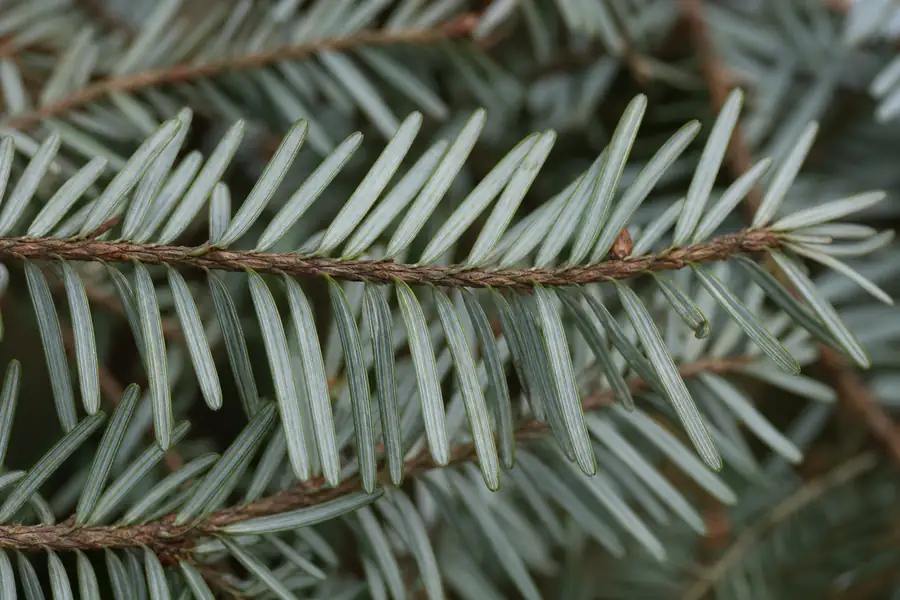
Yew, whether Hicks or English, is the most shade-tolerant privacy plant on this list, holding dense, dark green foliage even in fairly low light. Mature size runs 10 to 20 feet in USDA zones 4 through 7, and yew shears into a tight formal hedge better than almost anything else here.
The tradeoff is speed: yew grows slowly, so a hedge-height screen takes patience. Yew foliage and seeds are also toxic to pets and livestock if eaten, which matters if dogs, horses, or grazing animals share the yard.
Skip and Cherry Laurel for Part Shade
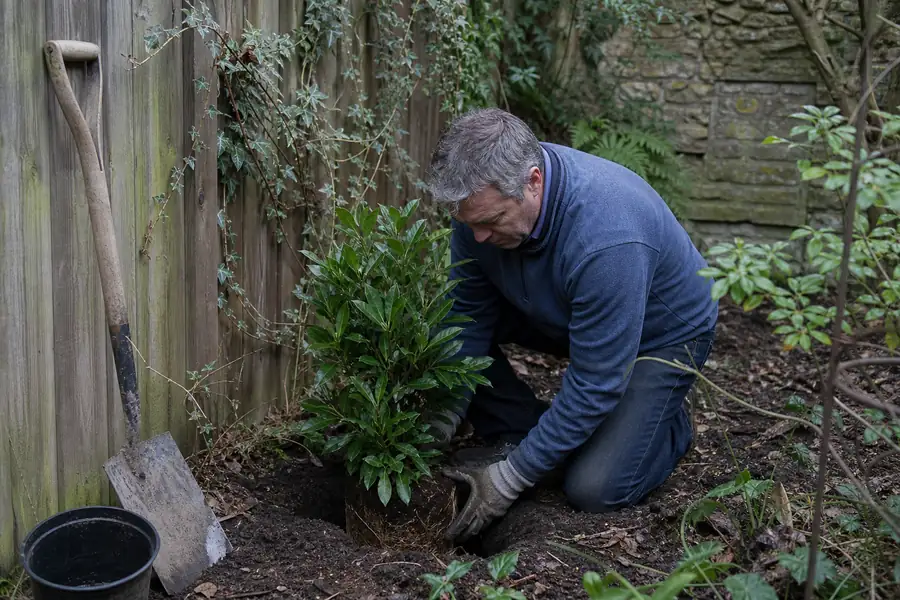
Skip laurel and cherry laurel are broadleaf evergreens that hold glossy, dense foliage in part shade, reaching 10 to 18 feet tall in USDA zones 6 through 9. They grow faster than yew, so a screen fills in with less waiting.
Both laurels prefer well-drained soil and benefit from afternoon shade in hotter zones, where full sun can scorch the leaves. In the cooler end of their range they'll take more sun without trouble, so how much shade they tolerate actually shifts with climate.
Holly for Shade Screening
American holly and inkberry holly both tolerate part shade and still hold a dense screen, with mature sizes ranging from 8 to 30 feet depending on the variety, across USDA zones 5 through 9. Hollies add winter berries on female plants, something most shade-tolerant evergreens don't offer.
Hedge-forming selections like Nellie Stevens Holly handle part shade reasonably well once established, though they fill in fullest with at least a half day of sun. Holly's prickly leaves are also a plus where deer pressure is part of the problem; see Arbor Buddy's guide to protecting trees from deer for more on that.
What Struggles in Shade
Arborvitae and most other popular privacy conifers do not handle shade well, and planting them there sets up disappointment. Without enough direct sun, branches reach toward the light, lower growth thins out, and the plant ends up lopsided and gappy instead of a solid wall. Leyland cypress and most junipers do the same thing.
These are exactly the trees that make such fast-growing privacy screens in full sun, but shade takes away the light they need to grow dense and even. If a yard gets less than four hours of direct sun anywhere along the planting line, skip the sun-loving classics and choose from the shade-tolerant list above instead.
Shade-Tolerant Privacy Trees at a Glance
The table below compares mature size, shade tolerance, and climate range for each option, with arborvitae included for contrast.
| Tree | Shade level | Mature H x W | USDA zones |
|---|---|---|---|
| Canadian hemlock | Part shade to dappled | 40-70 ft x 25-35 ft | 3-7 |
| Yew (Hicks/English) | Full shade tolerant | 10-20 ft x 10-15 ft | 4-7 |
| Skip/cherry laurel | Part shade | 10-18 ft x 8-12 ft | 6-9 |
| Holly (American/inkberry) | Part shade | 8-30 ft x 6-20 ft | 5-9 |
| Arborvitae (for contrast) | Full sun only | 20-40 ft x 10-15 ft | 3-7 |
Ready to screen a shady yard? Shop shade-tolerant evergreens and check mature size against your USDA zone before you plant, since even shade-tolerant trees still need the right winter hardiness for your area.
FAQs
What privacy tree grows in shade?
Canadian hemlock, Hicks or English yew, skip laurel, and holly are the privacy trees that hold up best in shade. All four tolerate part shade or dappled light and keep reasonably dense foliage, though they grow slower than they would in full sun.
Will arborvitae grow in shade?
Arborvitae will survive light shade but performs poorly as a privacy screen there. Without enough direct sun it thins out, loses lower branches, and leans toward the light instead of forming an even wall, so it's not a good pick for a shady planting line.
What is the fastest shade-tolerant screen?
Skip and cherry laurel grow faster than yew or hemlock in part shade and fill in a screen in less time. None of the shade-tolerant options match the speed of a full-sun arborvitae or Leyland cypress planting, though.
Are these shade-tolerant privacy trees deer-resistant?
Holly is generally the most deer-resistant of the group thanks to its prickly leaves, while yew, laurel, and hemlock are only moderately resistant and can get browsed hard in areas with heavy deer pressure. Fencing or repellents are worth adding in high-pressure areas regardless of species.
How much sun do shade-tolerant privacy trees need?
Most of these screens still want some light to look their best, generally four to six hours of direct or strong filtered sun a day, known as part shade. True deep shade with little to no direct light will slow all of them down and thin out the canopy over time.