 Zones 3 to 8
Shade Trees
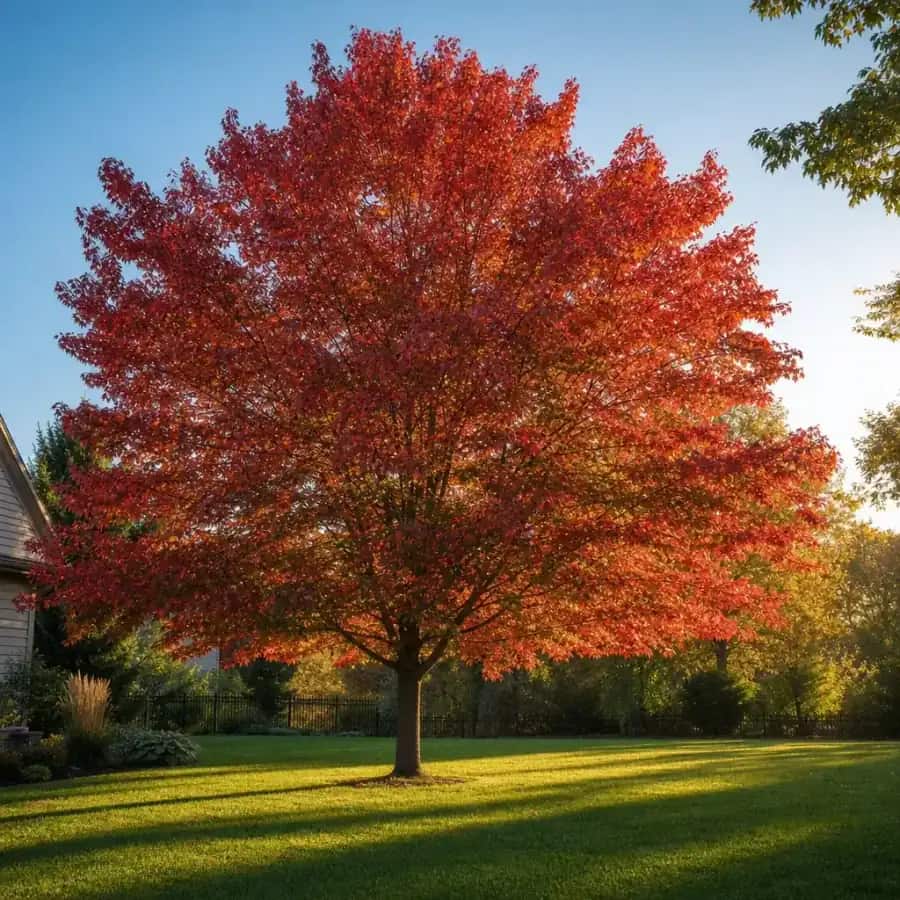
Autumn Blaze Red Maple
$60
Shop large, nursery-grown shade, privacy, flowering and fruit trees, delivered by freight in DeKalb County. Every tree is matched to your hardiness zone and backed by our 1-Year Thrive Guarantee.
Enter your ZIP and we'll match trees to your exact growing zone.
Typical winter lows in DeKalb County run about 5 to 15 F.
Matched to DeKalb County's zones
Zones 3 to 8 Zones 7 to 11
 Zones 4 to 9
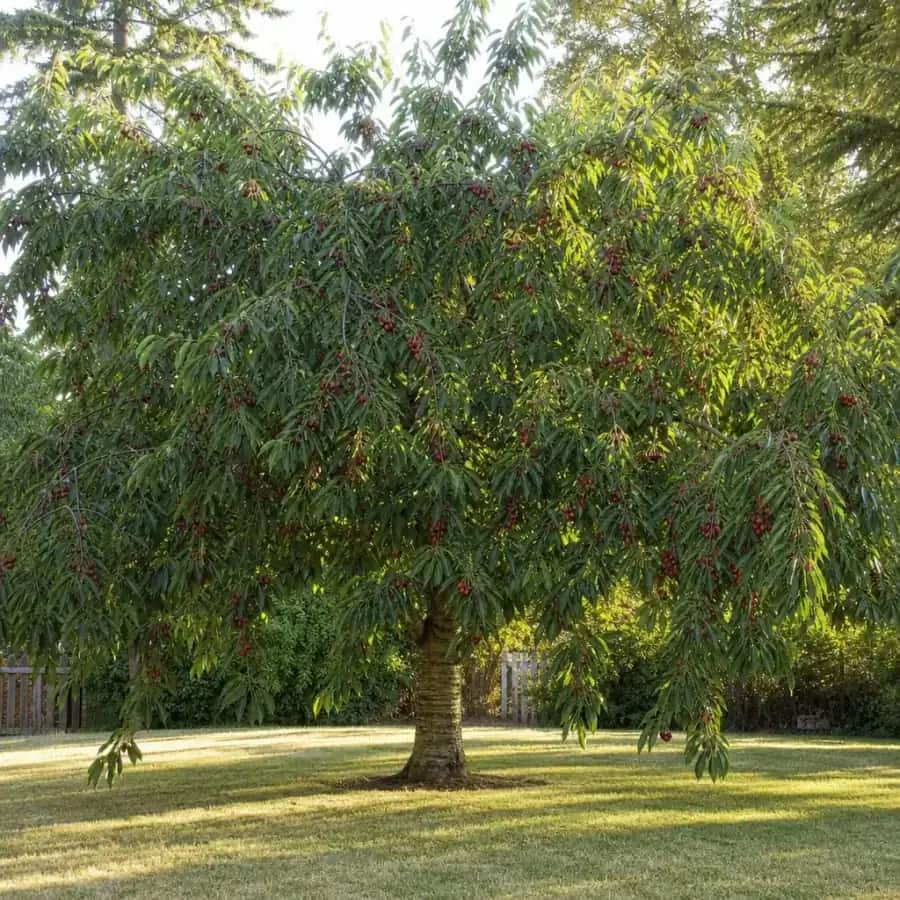 Zones 5 to 8
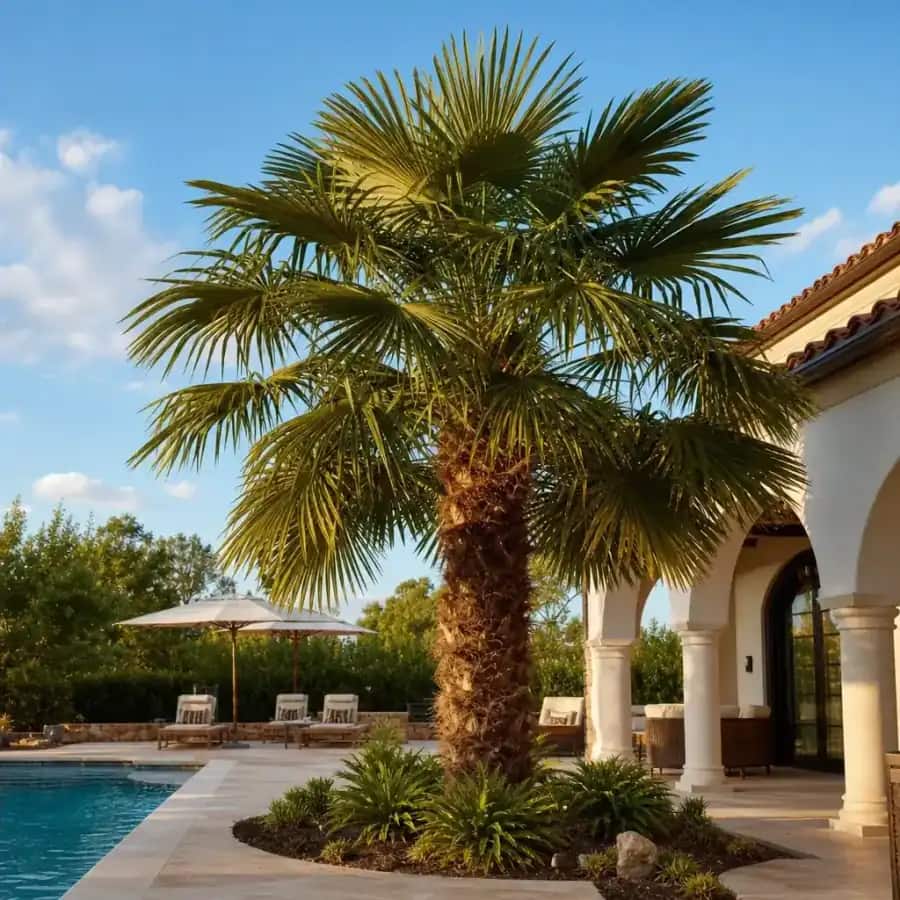 Zones 7 to 11
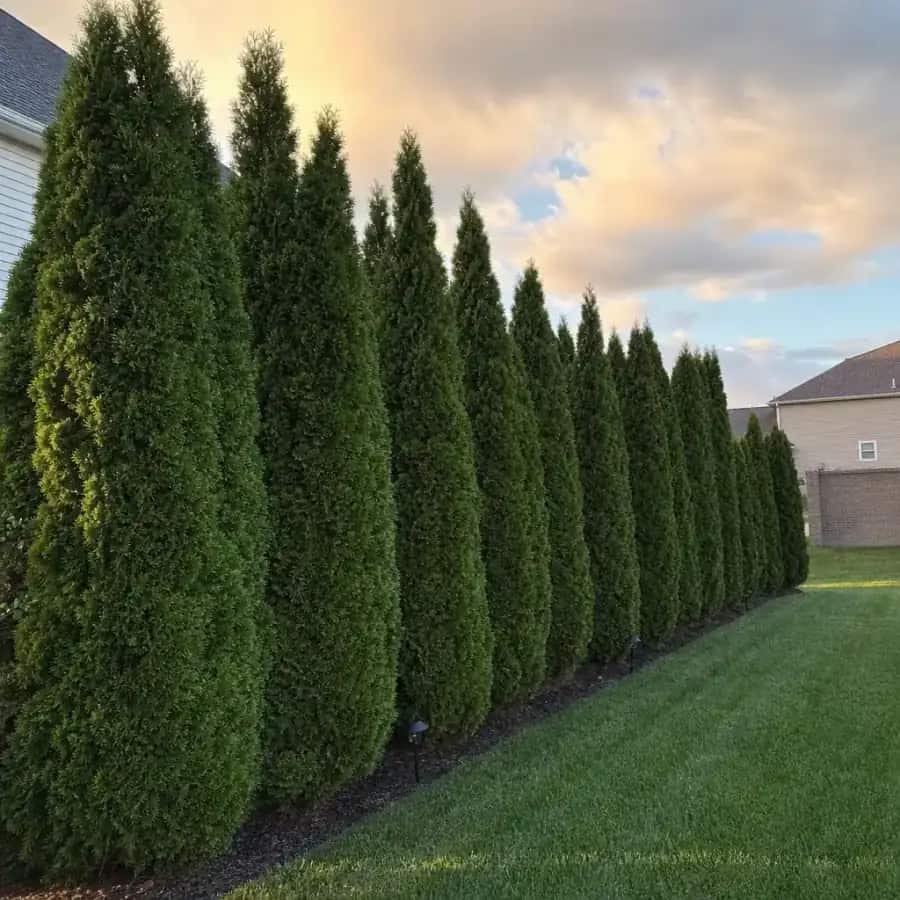 Zones 3 to 8
Shop by category
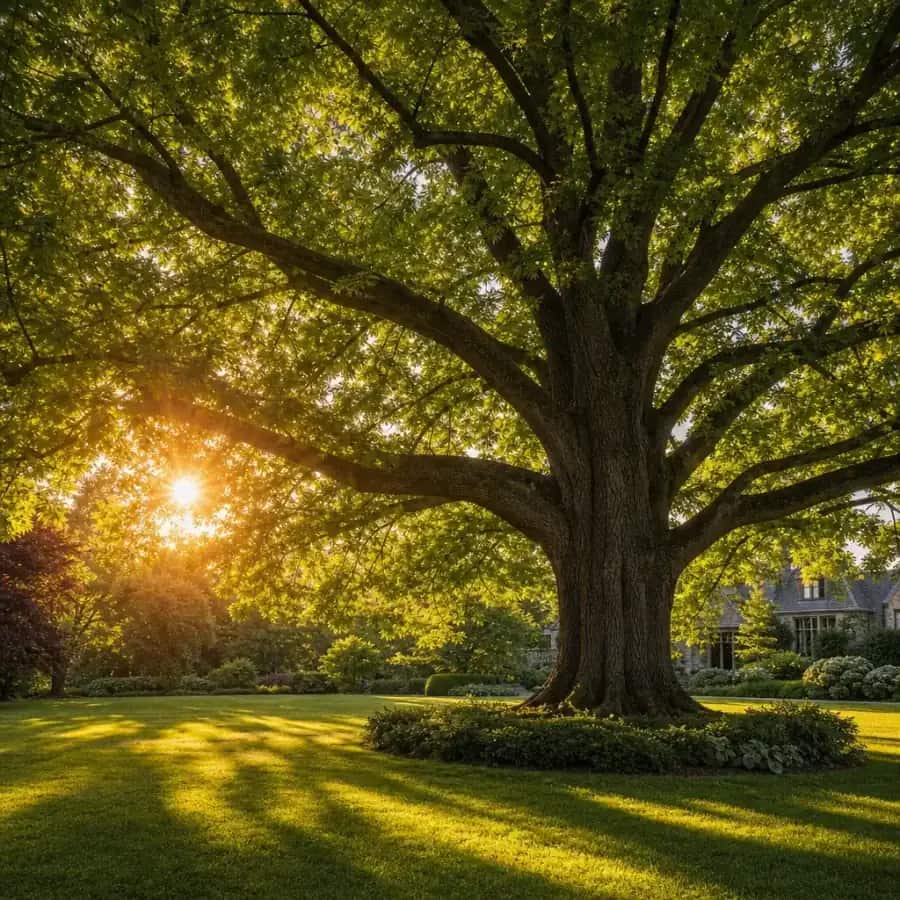 Shade TreesBig, fast canopy. Oaks, elms, maples and more.View all Shade Trees →
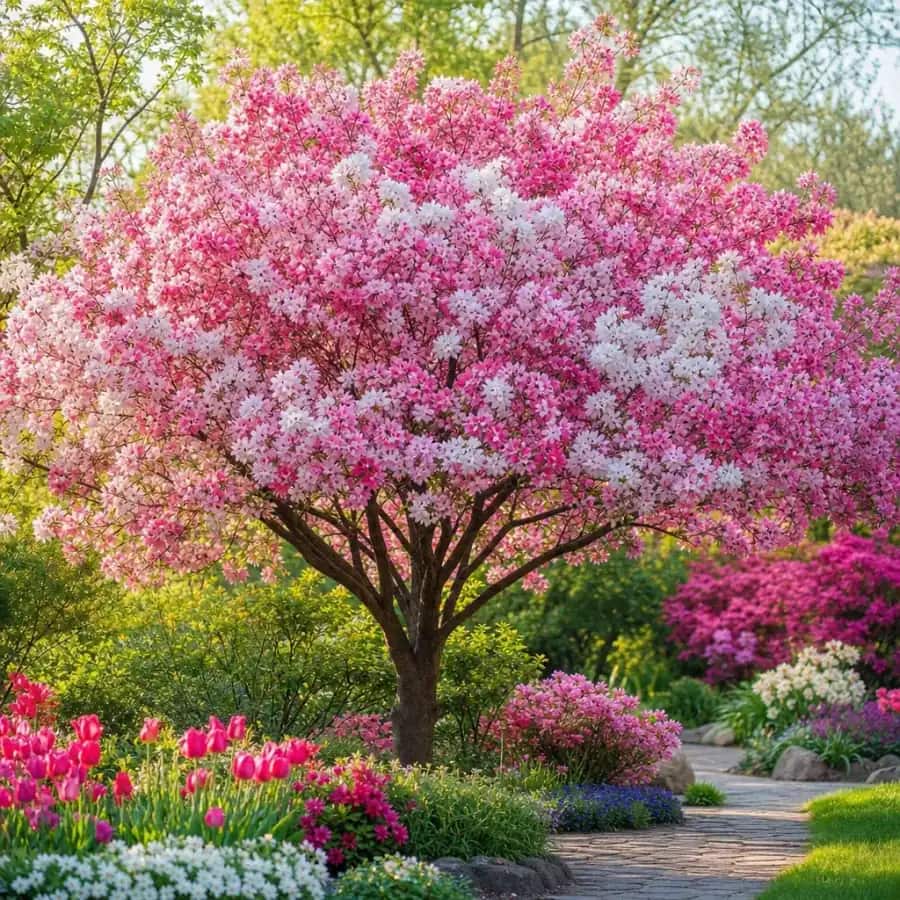 Flowering & OrnamentalRedbuds, crape myrtles and blooming showpieces.View all Flowering & Ornamental →
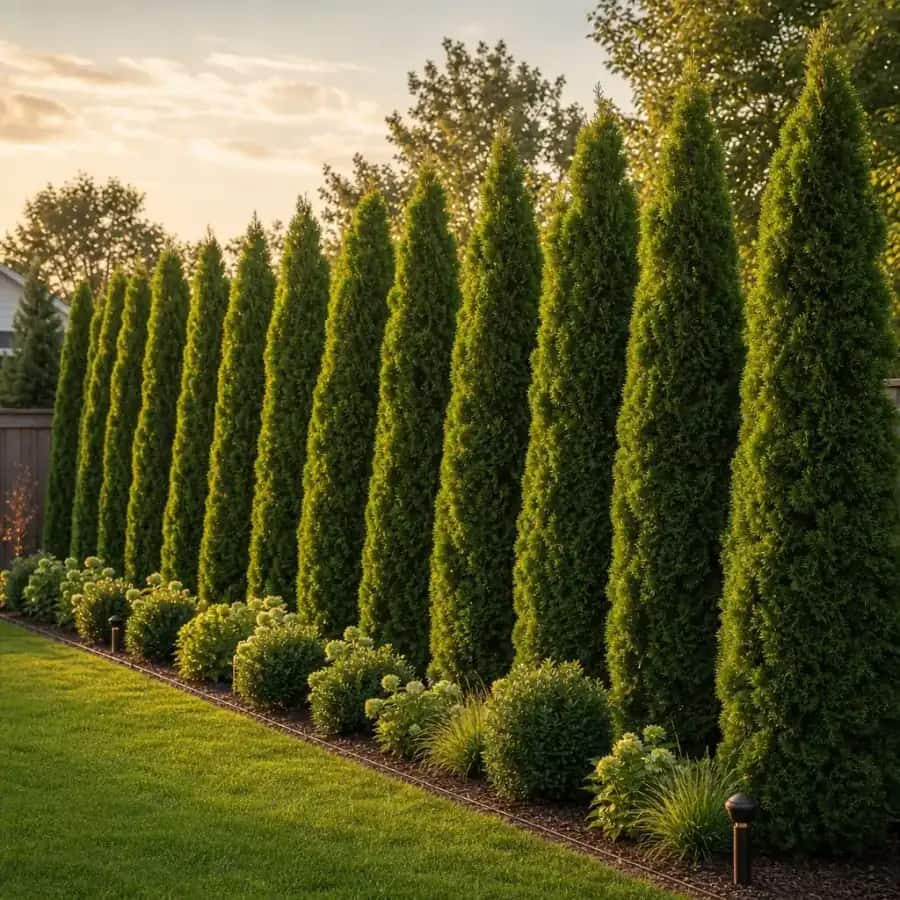 Evergreen & PrivacyYear-round green: cypress, juniper, holly, magnolia.View all Evergreen & Privacy →
 Japanese MaplesLiving sculpture in crimson, coral and lace.
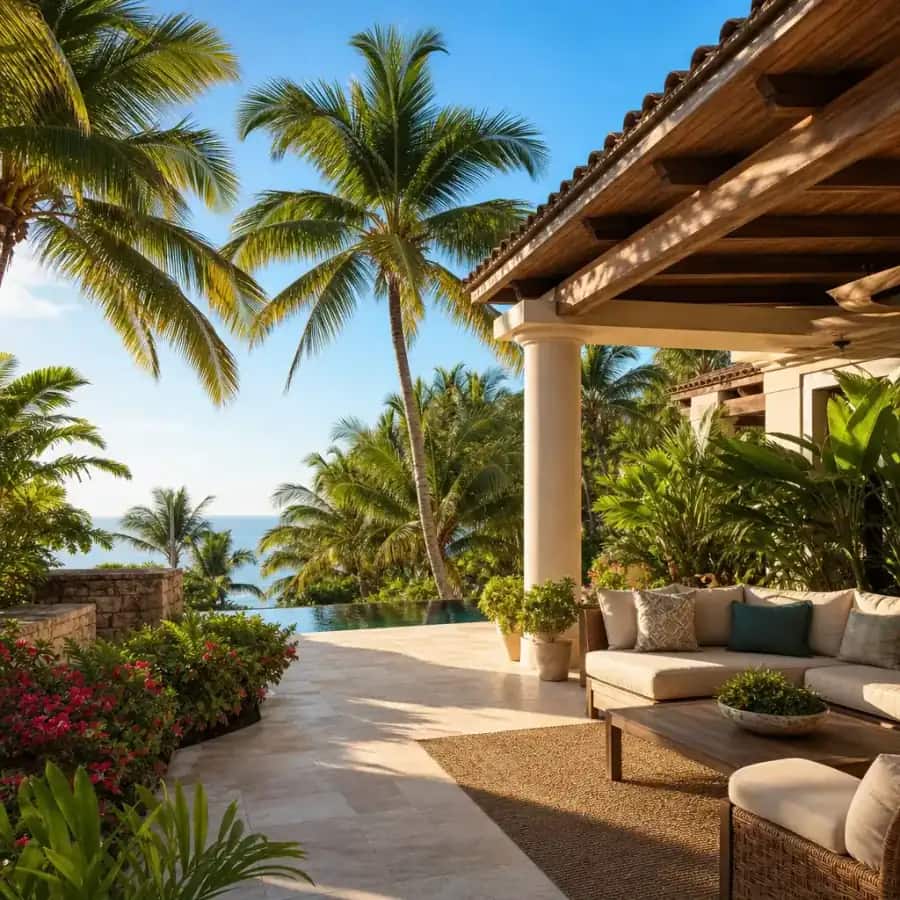 Palms & TropicalsResort-worthy palms and architectural foliage.View all Palms & Tropicals →
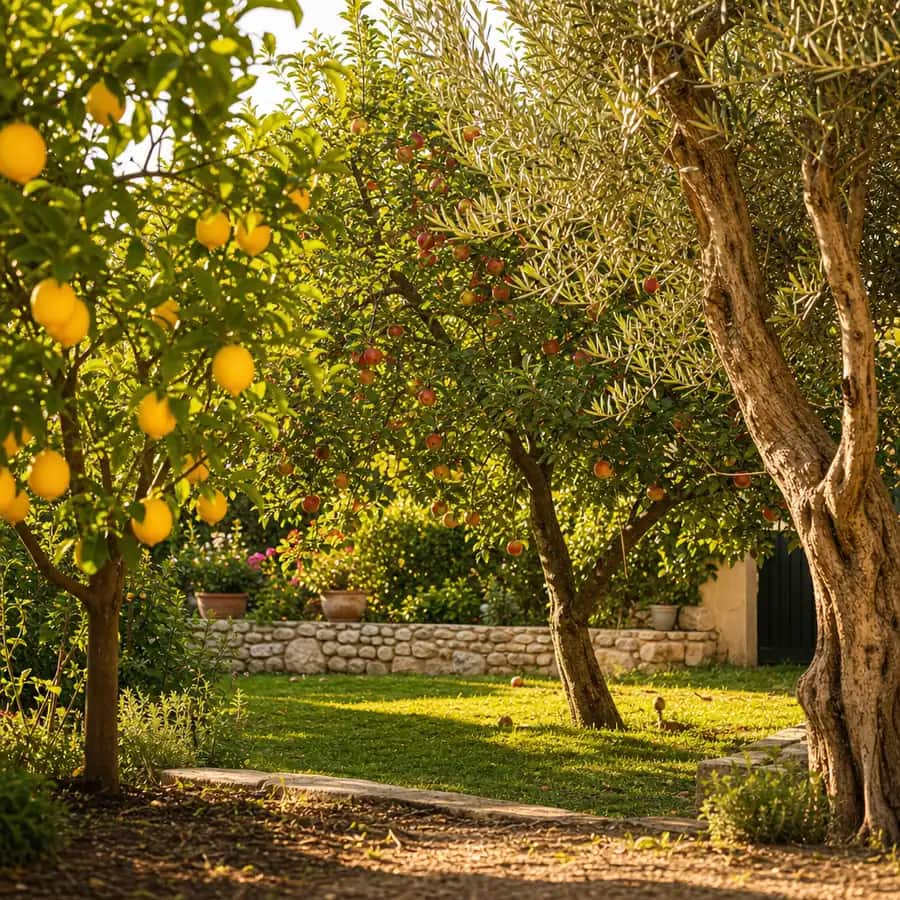 Fruit TreesHomegrown lemons, apples, figs, olives and more.View all Fruit Trees →
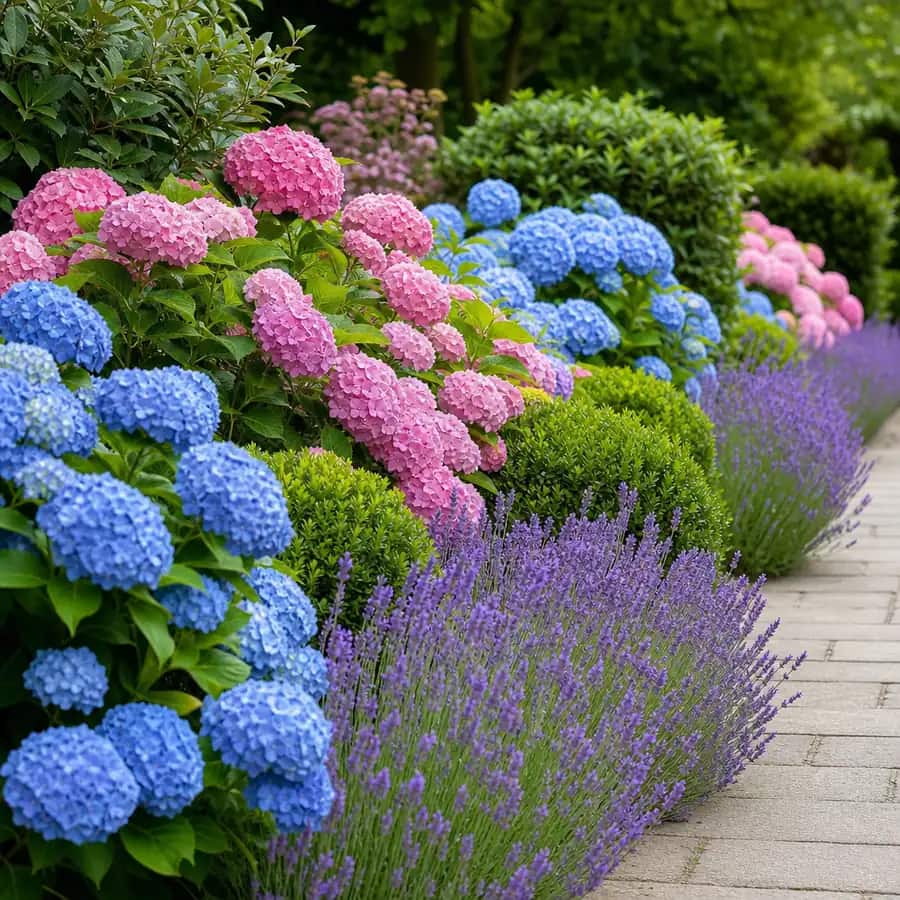 Shrubs & HedgesHydrangeas, hollies, lavender and living privacy.View all Shrubs & Hedges →
Local fit, from data
7b to 8a
about 5 to 15 F
15
Fort Payne
Shade, privacy, and fruit trees in DeKalb County, Alabama (AL) are just a freight delivery away. Arbor Buddy ships large, nursery-grown trees directly to homeowners and contractors. Every tree is matched to your hardiness zone, from 7b to 8a. You get the right pick for your yard with a 1-Year Thrive Guarantee.
DeKalb County spans USDA zones 7b to 8a across its 15 ZIP codes. Typical winter lows run about 5 to 15 degrees Fahrenheit, with colder pockets in the rural fringes. The warmer end, zone 8a, covers much of Fort Payne and the suburban core. That means most of the county avoids deep freezes, but occasional cold snaps can dip into the teens.
Summer heat and humidity are the bigger challenge. Trees that tolerate both heat and humidity, like Mexican White Oak and Nellie R. Stevens Holly, perform reliably. Japanese maples need protection from afternoon sun to avoid leaf scorch. For fruit, the Chicago Hardy Fig handles the cold well and thrives in the long, hot growing season.
When you search for trees for zone 8 in DeKalb County, look for varieties that handle humid summers and the occasional cold snap. Arbor Buddy matches every tree to your specific zone before shipping.
Browse the full collection of trees matched to your DeKalb County zone. Choose your picks, order online, and get freight delivery with the 1-Year Thrive Guarantee. If a tree does not survive its first year, Arbor Buddy replaces it free. Start your order now.
DeKalb County's zone 7b to 8a climate puts it in a sweet spot for many tree categories. Here is how it stacks up against three other regions.
Barron County sits in zones 4a to 4b with winter lows from -30 to -20 F. That climate rules out nearly all evergreen broadleaf trees and most flowering species. In practice, buyers there lean toward cold-hardy conifers and oaks. You can grow Mexican White Oak and Nellie R. Stevens Holly without shelter.
Lewis County falls in zone 6b with lows of -5 to 0 F. It supports many of the same trees as DeKalb County but with shorter growing seasons and harsher winters. For your cart, that means you can plant figs like Chicago Hardy Fig that would need extra winter care in Lewis County. Your longer warm season also lets Japanese maples mature faster.
Albany County covers zones 4a to 5b with lows from -30 to -10 F. That gap changes the local shortlist to species like Ponderosa pine and Rocky Mountain juniper. Flowering ornamentals like Mexican Plum struggle there. You get a far wider palette: flowering plums, Japanese maples, and hollies that would not survive an Albany County winter.
What this means for your DeKalb County cart: you can shop across multiple categories without worrying about extreme cold. Your challenge is summer heat, not winter survival.
Arbor Buddy ships large nursery-grown trees by freight to much of DeKalb County. Your zone 8 order ships for a fall or early-spring window, ahead of summer heat. The truck delivers right to your street, but access matters. Long rural driveways, tight lots, and soft ground can affect where the truck stops. Plan for someone to receive the tree and check it over.
Before delivery day, check:
Every tree ships zone-matched and is backed by a 1-Year Thrive Guarantee. If a tree does not survive its first year, you get a free replacement.
Enter your ZIP, shop only what thrives in your zone.
Freight delivery to your address: $149 flat per order, shown at checkout.
Plant it, watch it thrive, covered for one year.
Good to know · Growing guide
Coverage runs a full year from delivery. If something goes wrong, contact the team and they arrange the replacement. No store-credit games, no fine-print maze.