Skip to content
USDA zones 8a to 8b

Trees Delivered in Lee County, AL

Shop large, nursery-grown shade, privacy, flowering and fruit trees, delivered by freight in Lee County. Every tree is matched to your hardiness zone and backed by our 1-Year Alive & Thrive Guarantee.

See what thrives at your address

Enter your ZIP and we'll match trees to your exact growing zone.

Typical winter lows in Lee County run about 10 to 20 F.

1-Year Guarantee

Alive & Thrive promise

Freight Delivery

Quoted at checkout

Nursery-Grown

Shipped at landscape size

Zone-Matched

Only what thrives near you

Matched to Lee County's zones

Featured trees for Lee County

6 landscape-grade picks covering shade, privacy, color and fruit, all hardy in Lee County's zones. Prices and stock shown live.

Shop by category

Browse everything that thrives in Lee County

Every category below is stocked with trees rated for Lee County's zones. Tap a bestseller or view the full range.

Choosing trees by goal

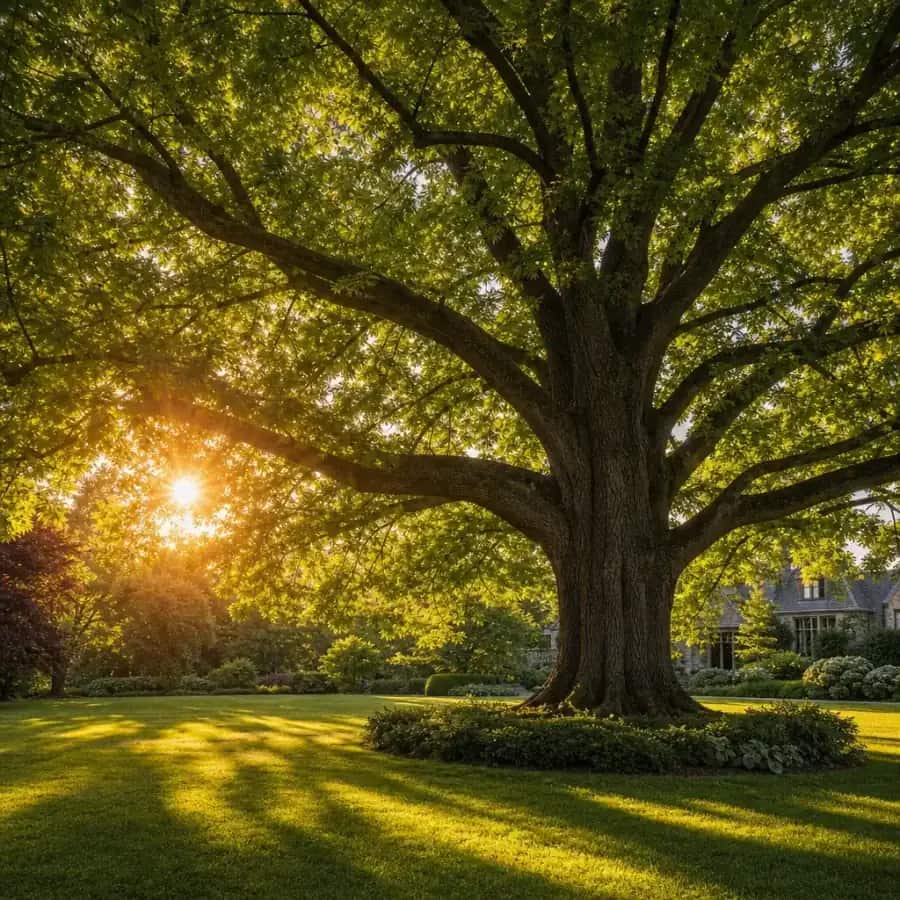
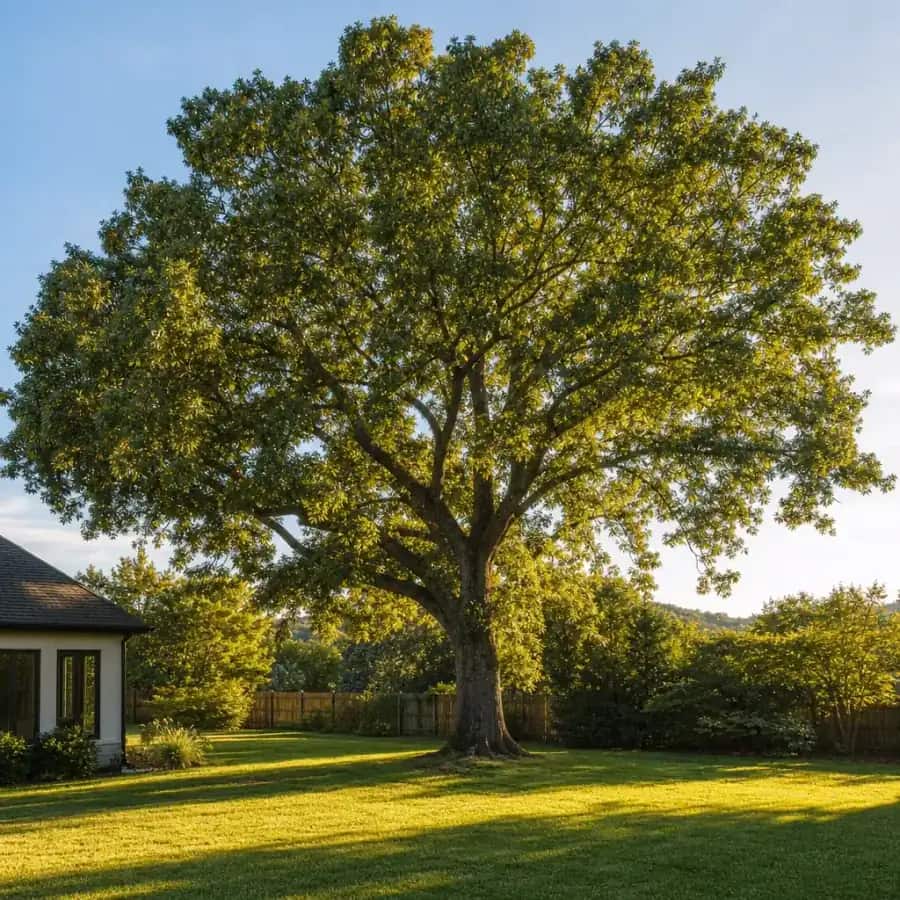
Shade and canopy. Large deciduous oaks, sycamores, or maples. Give them room to spread; roots can lift patios if planted too close.

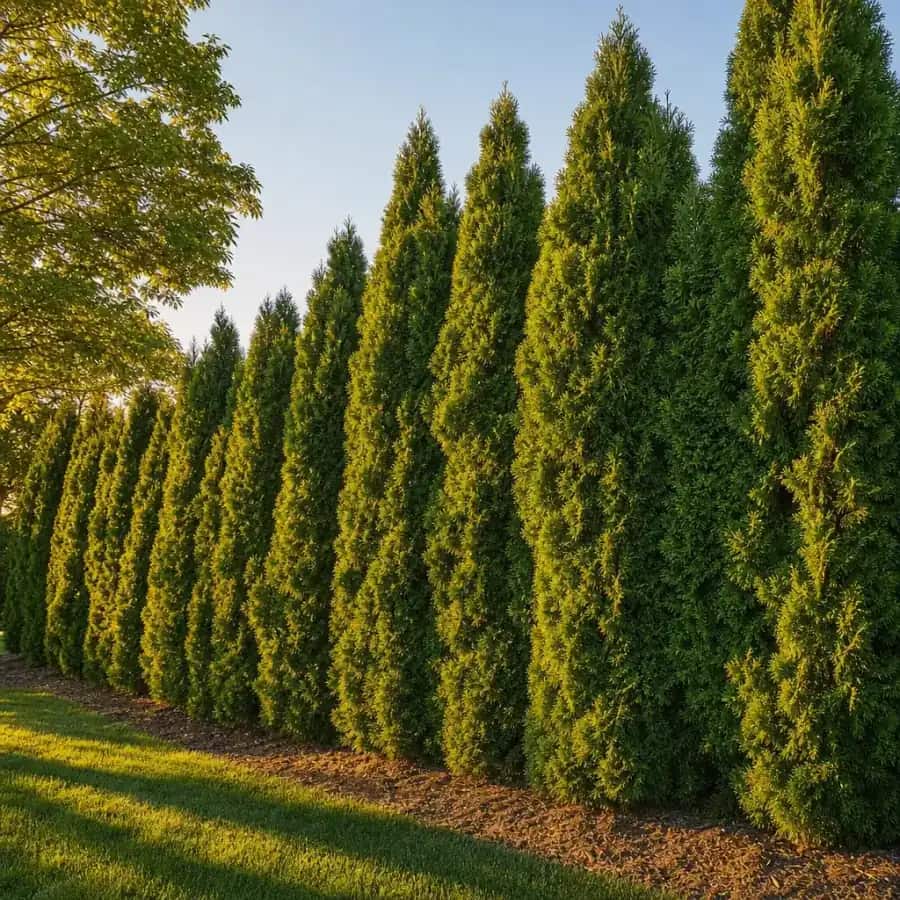
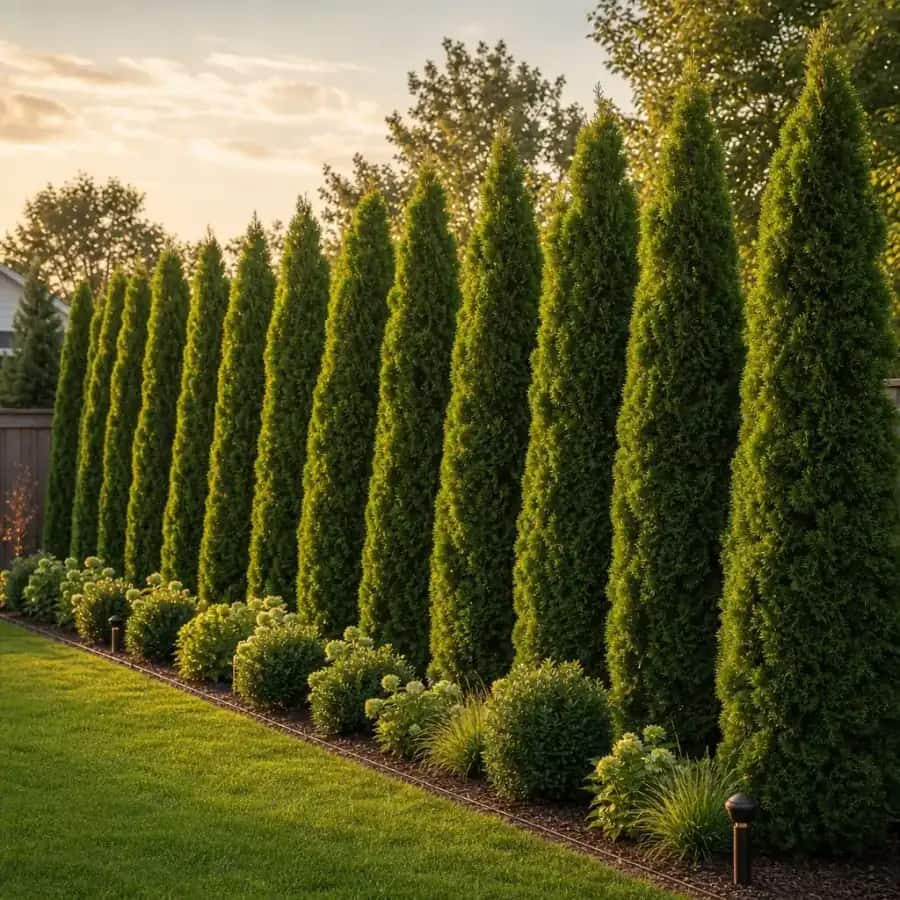
Privacy and screening. Evergreen rows like Brodie Eastern Red Cedar or Leyland Cypress. Evergreens need consistent sun; morning shade can thin their form.

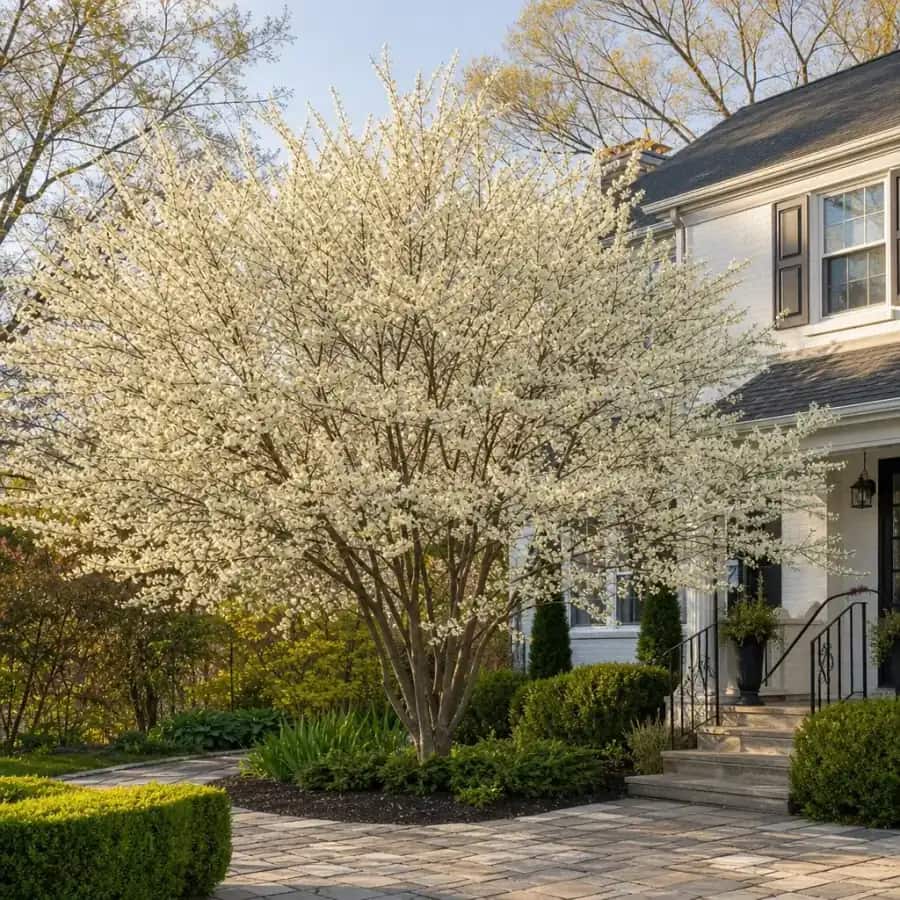
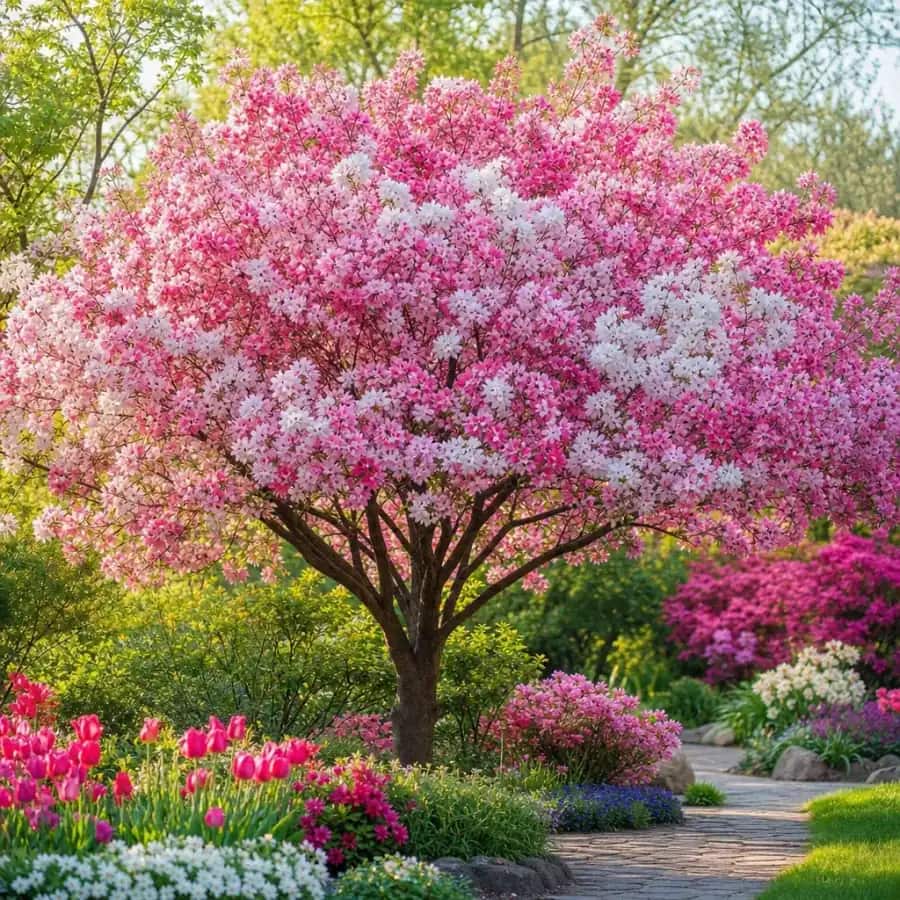
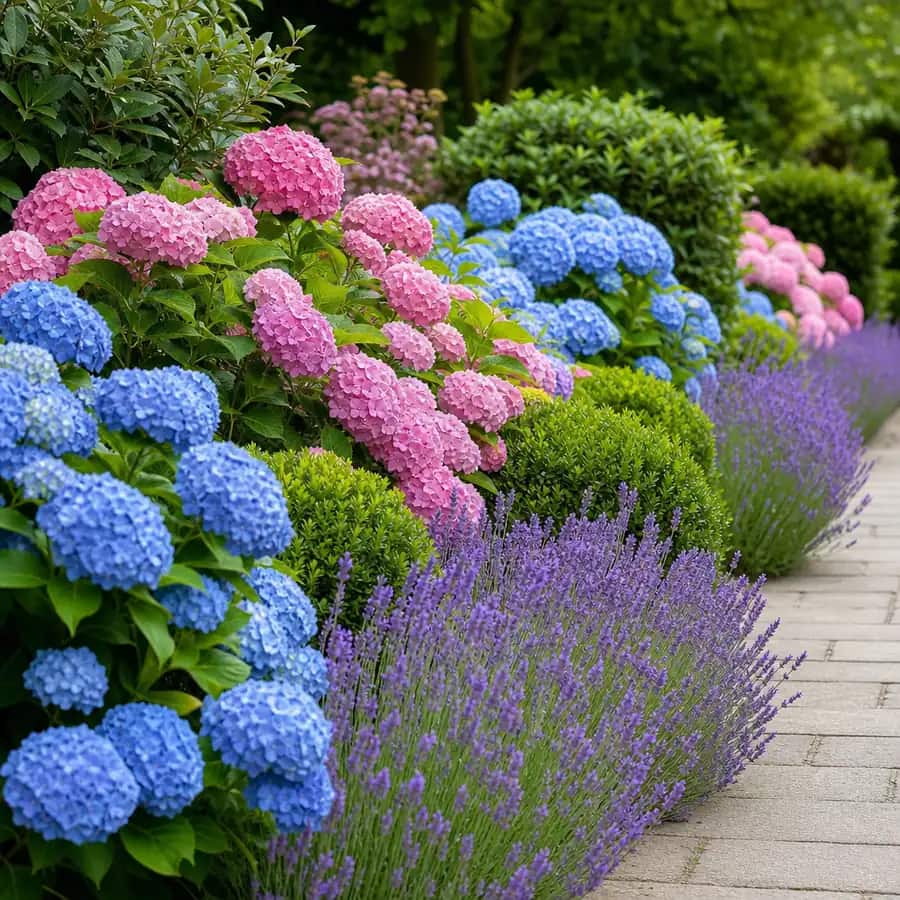
Flowering and curb appeal. Crape myrtles, redbuds, or ornamental cherries. Some drop petals or fruit; pick a spot that won't stain walkways.

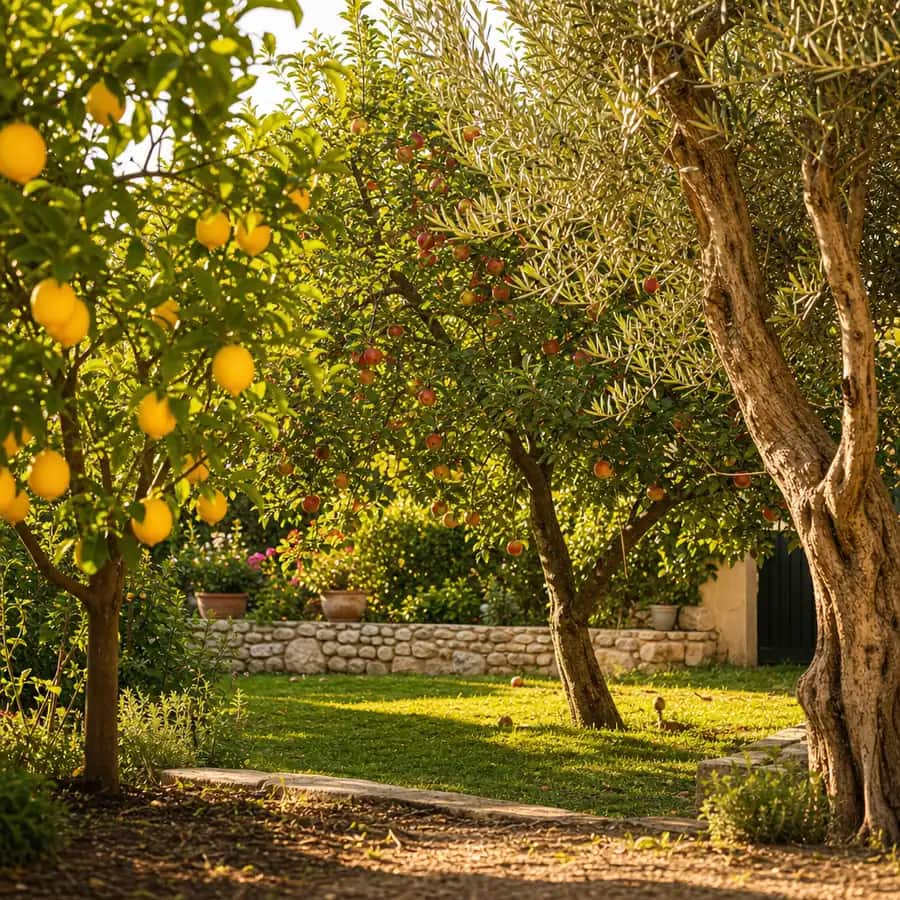
Grow your own fruit. Bing Cherry, fig, or cold-hardy avocado. Most fruit trees need a second variety nearby for pollination to set fruit.

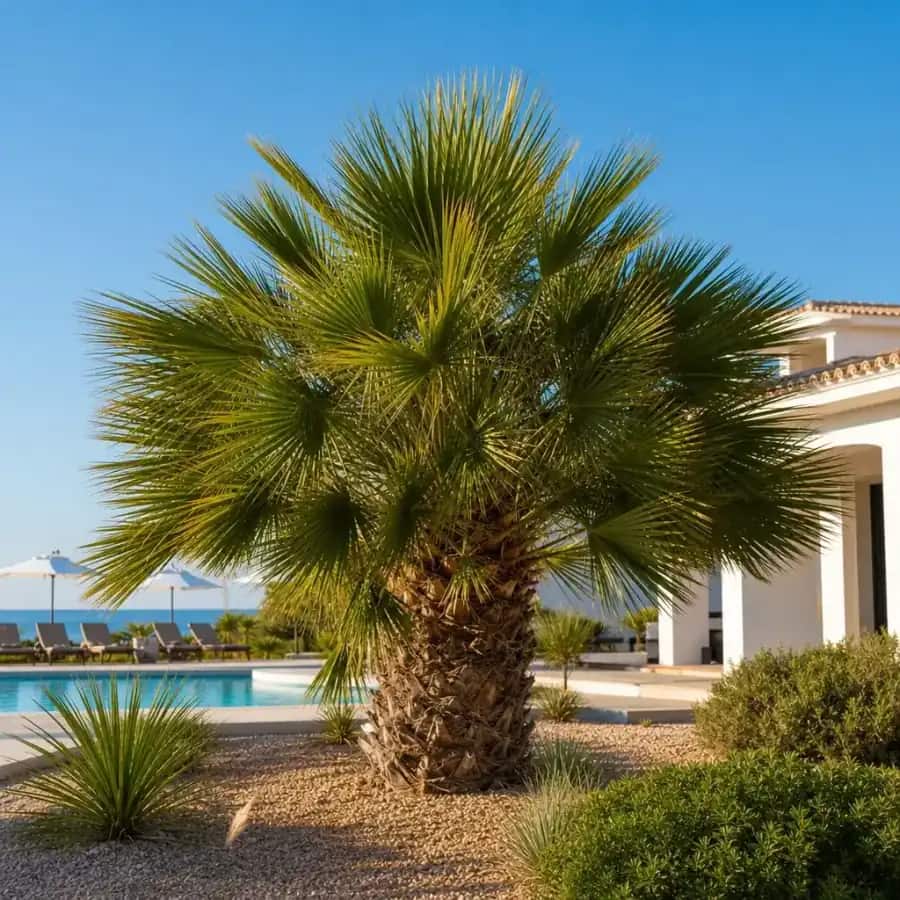
Small spaces and accents. Dwarf Palmetto Palm or Blue Point Chinese Juniper. Tight dimensions limit root ball size; choose a tree that stays under 12 feet.

Local fit, from data

Growing conditions in Lee County

USDA zones

8a to 8b

Typical winter lows

about 10 to 20 F

ZIP codes served

14

Largest city

Opelika

Arbor Buddy brings large, nursery-grown shade, privacy, and fruit trees in Lee County, Alabama, directly to your door by freight. We match every tree to your hardiness zone, from 8a to 8b, so you get the right species for your yard. Homeowners count on us for trees that thrive without the hassle of hauling.

Climate and Hardiness Zone Fit in Lee County

Lee County spans hardiness zones 8a to 8b across its 14 ZIP codes, with typical winter lows running about 10 to 20 degrees Fahrenheit. That warm baseline lets you grow a wider range of trees than most of the country. The milder 8b areas near Opelika support borderline species like the Bing Cherry, while the slightly cooler 8a zone on the rural fringe tolerates only the hardiest options.

The county's humid summers and moderate frosts mean many flowering and evergreen categories do exceptionally well. Shade trees like oaks handle the wet spells, and palms shrug off brief cold snaps. When you search for trees for zone 8 in Lee County, you'll find species that push the boundary of what's possible in a southeastern yard.

Shop Trees by Category in Lee County

  • Shade Trees: Big canopies like Mexican Sycamore that cut cooling costs and create outdoor rooms.
  • Flowering & Ornamental: Color from spring through fall, from crape myrtles to redbuds that handle humidity.
  • Evergreen & Privacy: Year-round screening with Leyland Cypress or Spartan Juniper that block wind and views.
  • Japanese Maples: Lacy foliage for filtered shade in spots that need understory grace.
  • Palms & Tropicals: Cold-hardy picks like Sago or Windmill Palm that survive zone 8 winters with ease.
  • Fruit Trees: Sweet rewards like Honeycrisp Apple or Chicago Hardy Fig that ripen in your own yard.
  • Shrubs & Hedges: Foundation plants like Nellie Stevens Holly that fill beds with structure and berries.

Frequently Asked Questions

What trees grow in zone 8?

Zone 8 supports a broad mix of trees, from shade oaks and flowering crape myrtles to cold-hardy palms and fruit trees. In Lee County, the 8a to 8b span allows Mexican White Oak and Bing Cherry to thrive alongside palms like the Dwarf Palmetto.

What are the best shade trees for Lee County?

The best shade trees handle humidity and heat while growing a wide canopy. Mexican White Oak is a top choice for Lee County because it stays semi-evergreen, grows fast, and thrives in zones 7 to 11. It delivers relief from intense afternoon sun.

What is the 1-Year Alive & Thrive Guarantee?

It means that if any tree dies from natural causes during its first calendar year after delivery, Arbor Buddy will replace it at no extra cost. You still pay freight on the replacement, but the tree itself is covered. It's our promise that your tree matches your zone and arrives healthy.

Can I grow fruit trees in Lee County?

Yes, Lee County's mild winters and warm springs suit several fruit trees. Bing Cherry is a favorite because it produces large, sweet cherries without the deep chill of colder zones. For an even easier start, try a Chicago Hardy Fig or a cold-hardy avocado.

How Lee County Compares to Other Areas

Windsor County, Vermont (VT) sits in zones 5a to 5b, with winter lows down to -20 or -10 degrees F. That climate rules out most Japanese maples except the most cold-tolerant selections. In practice, buyers there lean toward native conifers and cold-climate oaks instead. Lee County's mild winters let you plant paperbark, laceleaf, and other Japanese maple varieties that would fail in Vermont.

Jackson County, Wisconsin (WI) is zone 4b, where lows drop to -25 to -20 F. Fruit trees like apricots and cherries require very hardy rootstocks, and citrus is impossible. That gap changes the local shortlist to apples and occasionally pears. Here in zone 8, you can grow Bing Cherry and even try cold-hardy figs, a luxury that northern Wisconsin cannot match.

Laramie County, Wyoming (WY) covers zones 5a to 5b, with typical lows of -20 to -10 F. Palms and tropicals cannot survive Wyoming winters without extreme protection. For your cart, that means you can plant the Dwarf Palmetto Palm or Chinese Windmill Palm outdoors year-round, something Laramie County homeowners can only dream of. The contrast shows how Lee County unlocks species that freeze out in colder states.

What does this mean for you? Lee County's 8a to 8b zones give you a diversity of trees that much of the country cannot touch. Focus on species that lean into your mild winters and humid summers.

Freight delivery and the Alive & Thrive Guarantee

Your trees arrive by freight truck, not a small van. That means the driver needs enough room to get close to your drop spot and a turnaround area for the truck. Plan for a delivery window across your county and someone at home to receive the tree and inspect it.

Every tree is nursery-grown at a usable landscape size, zone-matched before shipping, and backed by our 1-Year Alive & Thrive Guarantee. If a tree doesn't survive its first year, we replace it free. Orders to zone 8 areas are scheduled for fall and early-spring arrival.

Before delivery day, check:

  • Someone will be home to receive the tree and look it over.
  • A freight truck can reach your street with room to stop or turn around.
  • You know where you want the tree dropped (clear a flat, accessible spot).
  • Access is open; long or narrow driveways, soft ground, low branches, or overhead wires can cause delays.

Ready to add the right tree to your yard? Arbor Buddy ships each tree by freight, zone-matched, and ready to plant. Browse the picks above, then order online for a fall or early-spring arrival. Your tree arrives at your door with the first year covered.

1

Enter your ZIP, shop only what thrives in your zone.

2

Freight delivery to your address, quoted at checkout.

3

Plant it, watch it thrive, covered for one year.

Not sure which tree fits your yard?

Take the 60-second Plant Finder, or message a tree specialist and we'll shortlist zone-safe picks for your address.

Good to know · Growing guide

Buying trees in Lee County: what locals should know

Ordering a large tree online is not like ordering a lamp. Here is what is worth knowing before you buy, from reading your hardiness zone to what actually shows up on the truck.

How to read your hardiness zone

Lee County sits in USDA zones 8a to 8b. Your zone describes the coldest winter a tree can reliably survive. In a warm zone the question flips: winter rarely kills a tree, but summer heat can. Heat and drought tolerance matter as much as the zone number.

Typical winter lows here run about 10 to 20 F. Half-zones matter at the edges: two steps on the map are about five winter degrees, which is enough to decide whether a borderline pick belongs in your cart.

What freight delivery actually means

Your tree arrives large, nursery-grown and at a usable landscape size, secured to a pallet and delivered curbside or as close as the truck can safely get. Before delivery day, run through this quick checklist:

  • Someone can be home to receive the tree and look it over on arrival.
  • A freight truck can reach your street, with room to stop or turn around.
  • You know where you want it dropped: curbside, or as close as the driver can safely get.
  • Access watch-outs are handled: narrow driveways, soft ground after rain, low branches or wires.

The guarantee, in plain terms

If a tree does not survive its first year, we replace it free. The promise works because every tree ships zone-matched and nursery-grown, so it arrives set up to succeed in your climate rather than gambling against it.

Coverage runs a full year from delivery. If something goes wrong, contact the team and they arrange the replacement. No store-credit games, no fine-print maze.

More growing guides on the Arbor Buddy blog →

Frequently asked questions

What trees grow in zone 8?+

Zone 8 supports a broad mix of trees, from shade oaks and flowering crape myrtles to cold-hardy palms and fruit trees. In Lee County, the 8a to 8b span allows Mexican White Oak and Bing Cherry to thrive alongside palms like the Dwarf Palmetto.

What are the best shade trees for Lee County?+

The best shade trees handle humidity and heat while growing a wide canopy. Mexican White Oak is a top choice for Lee County because it stays semi-evergreen, grows fast, and thrives in zones 7 to 11. It delivers relief from intense afternoon sun.

What is the 1-Year Alive & Thrive Guarantee?+

It means that if any tree dies from natural causes during its first calendar year after delivery, Arbor Buddy will replace it at no extra cost. You still pay freight on the replacement, but the tree itself is covered. It's our promise that your tree matches your zone and arrives healthy.

Can I grow fruit trees in Lee County?+

Yes, Lee County's mild winters and warm springs suit several fruit trees. Bing Cherry is a favorite because it produces large, sweet cherries without the deep chill of colder zones. For an even easier start, try a Chicago Hardy Fig or a cold-hardy avocado.

Ready to plant your Lee County yard?

Shade, privacy, flowering and fruit trees matched to Lee County's zones, shipped large and covered by the 1-Year Alive & Thrive Guarantee.

Browse trees for your zone