Skip to content
USDA zones 9a to 9b

Shade, Privacy and Flowering Trees in Pinal County, AZ

Shop large, nursery-grown shade, privacy, flowering and fruit trees, delivered by freight in Pinal County. Every tree is matched to your hardiness zone and backed by our 1-Year Alive & Thrive Guarantee.

See what thrives at your address

Enter your ZIP and we'll match trees to your exact growing zone.

Typical winter lows in Pinal County run about 20 to 30 F.

1-Year Guarantee

Alive & Thrive promise

Freight Delivery

Quoted at checkout

Nursery-Grown

Shipped at landscape size

Zone-Matched

Only what thrives near you

Matched to Pinal County's zones

Featured trees for Pinal County

6 landscape-grade picks covering shade, privacy, color and fruit, all hardy in Pinal County's zones. Prices and stock shown live.

Shop by category

Browse everything that thrives in Pinal County

Every category below is stocked with trees rated for Pinal County's zones. Tap a bestseller or view the full range.

Choosing trees by goal

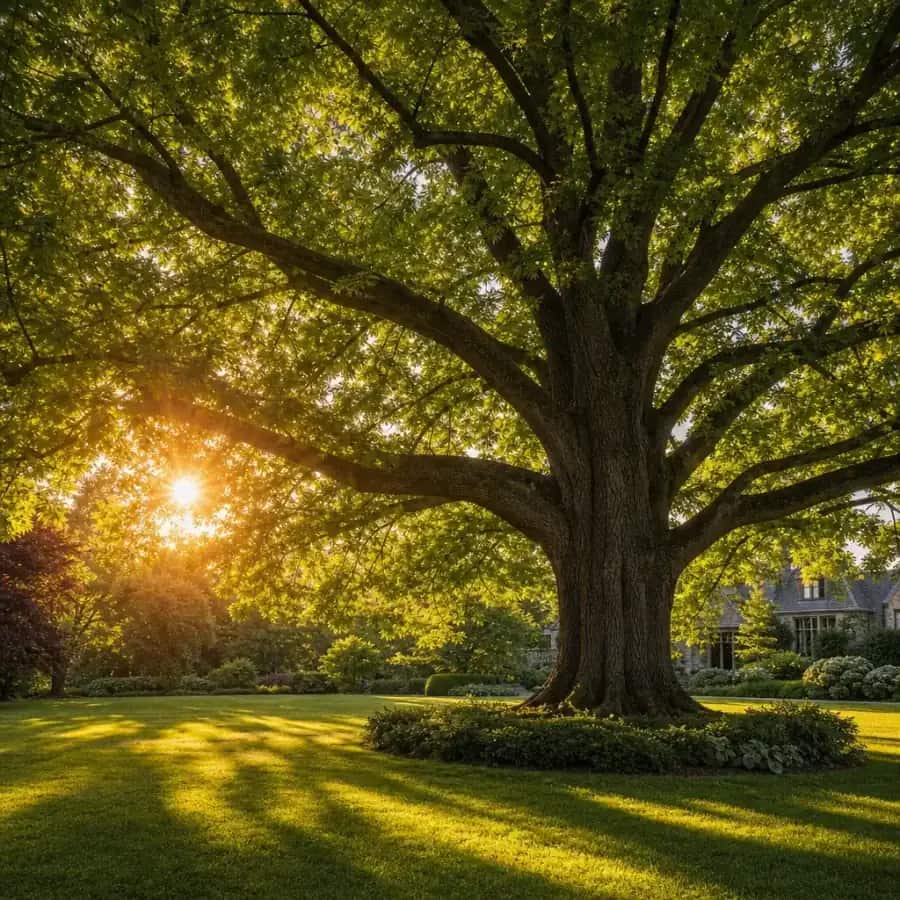
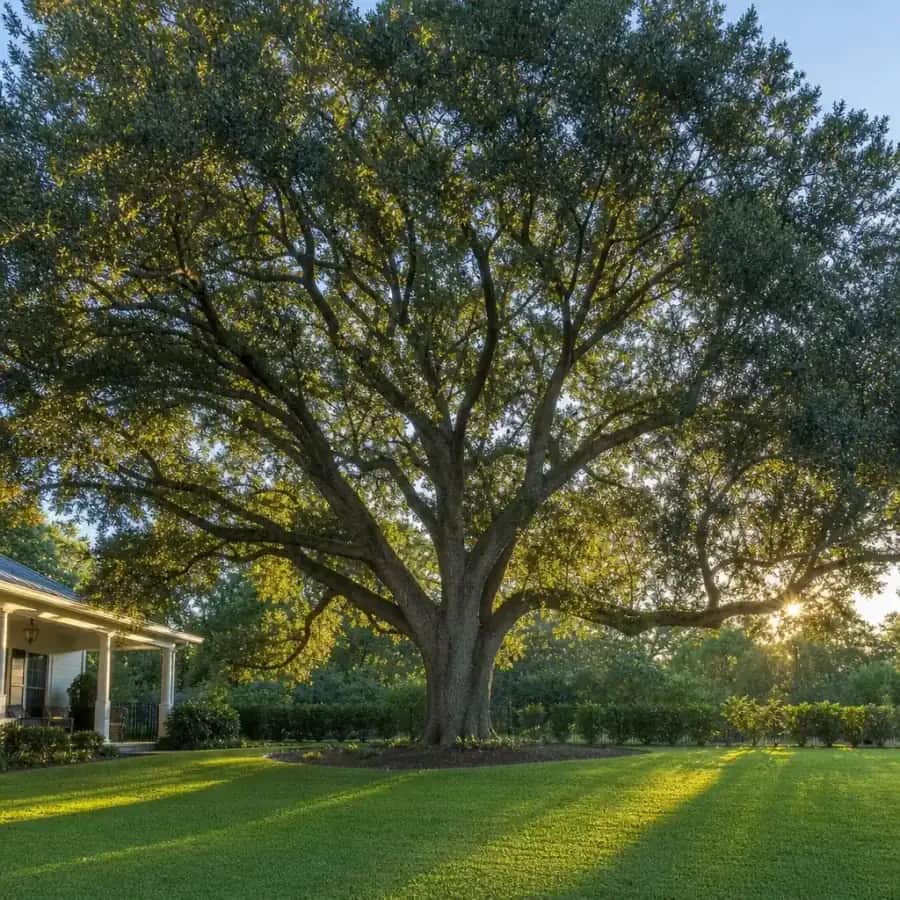
Shade and canopy. Texas Ash, Chinese Elm. Needs moderate water until established; choose a spot with room to spread.

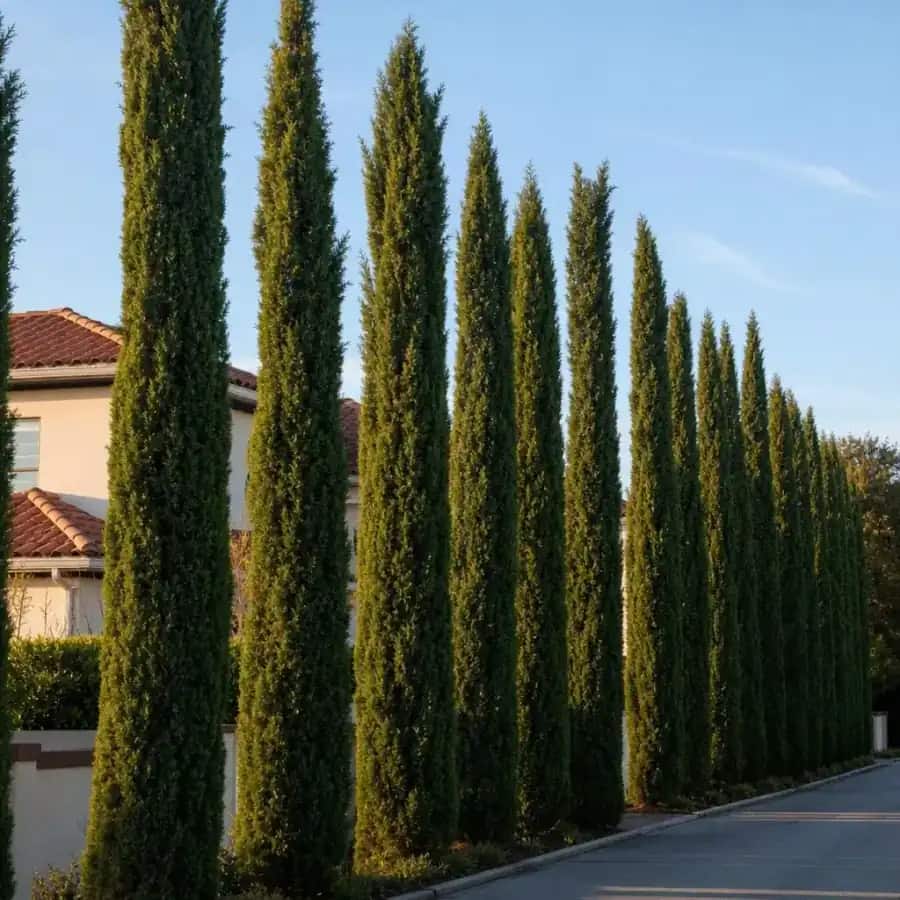
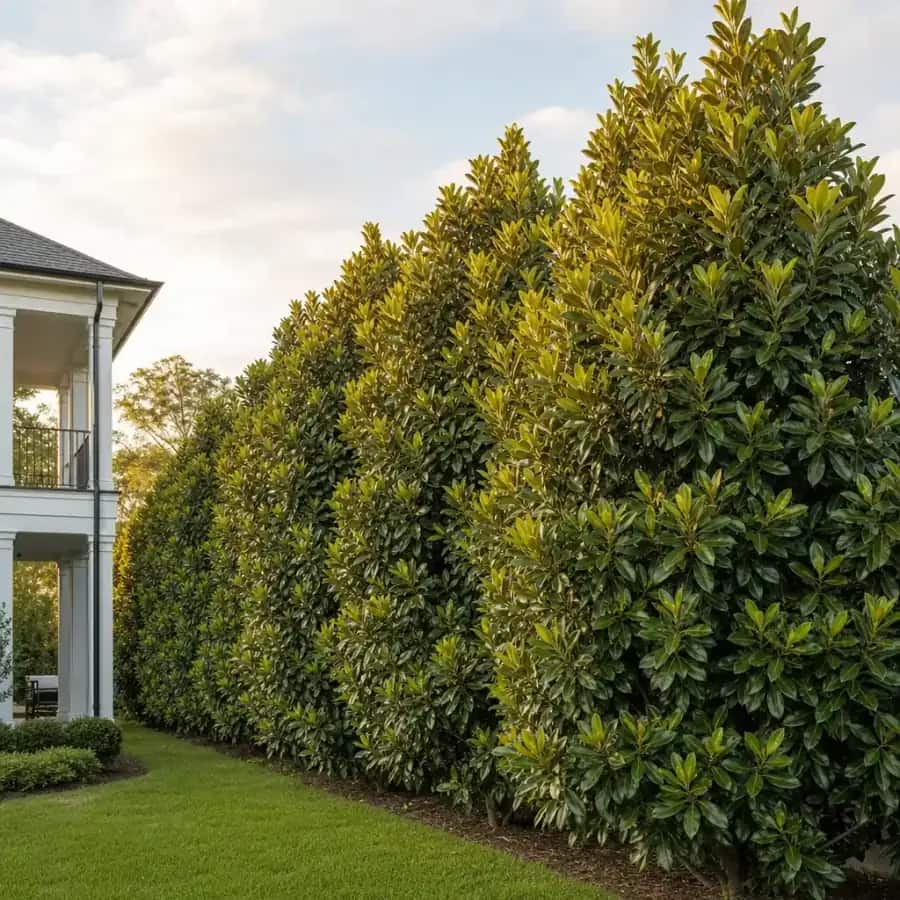
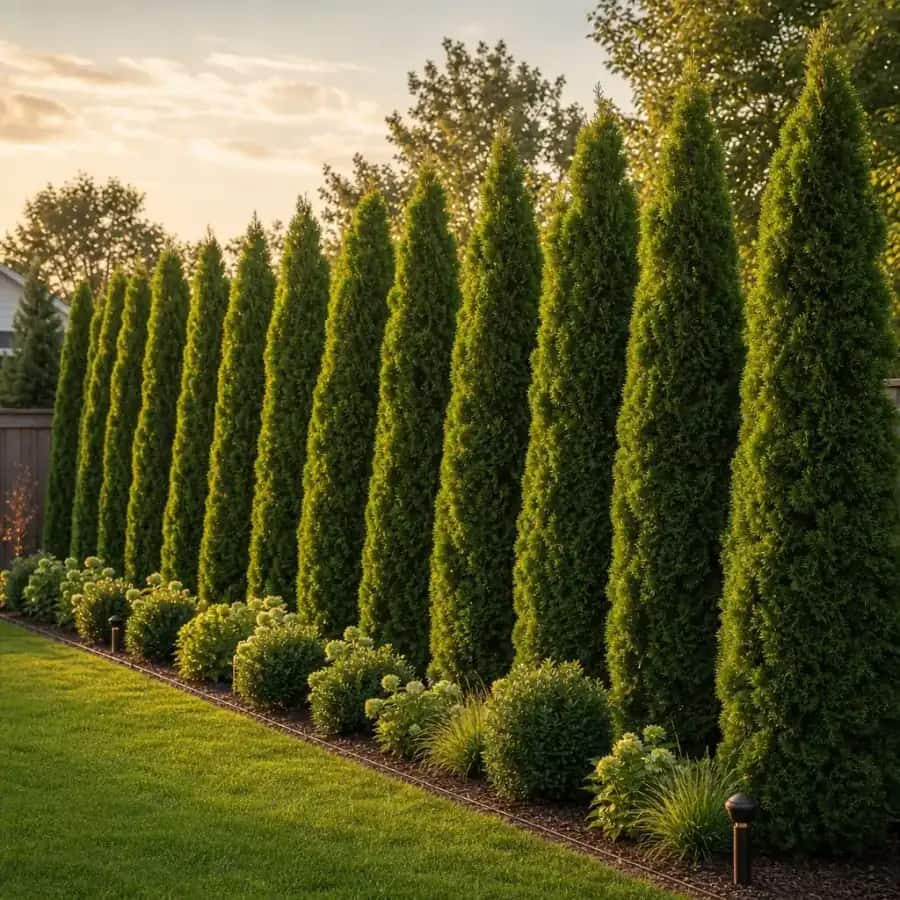
Privacy and screening. Leyland Cypress, Italian Cypress. Fast growth but requires spacing; avoid planting under power lines.

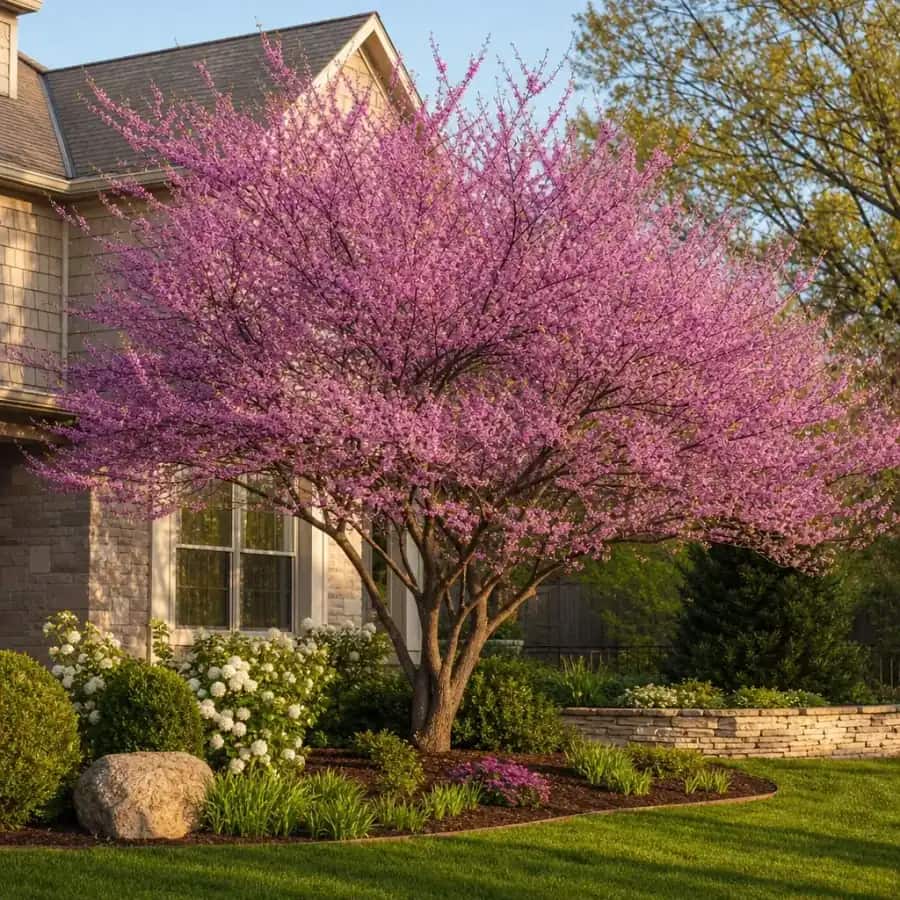
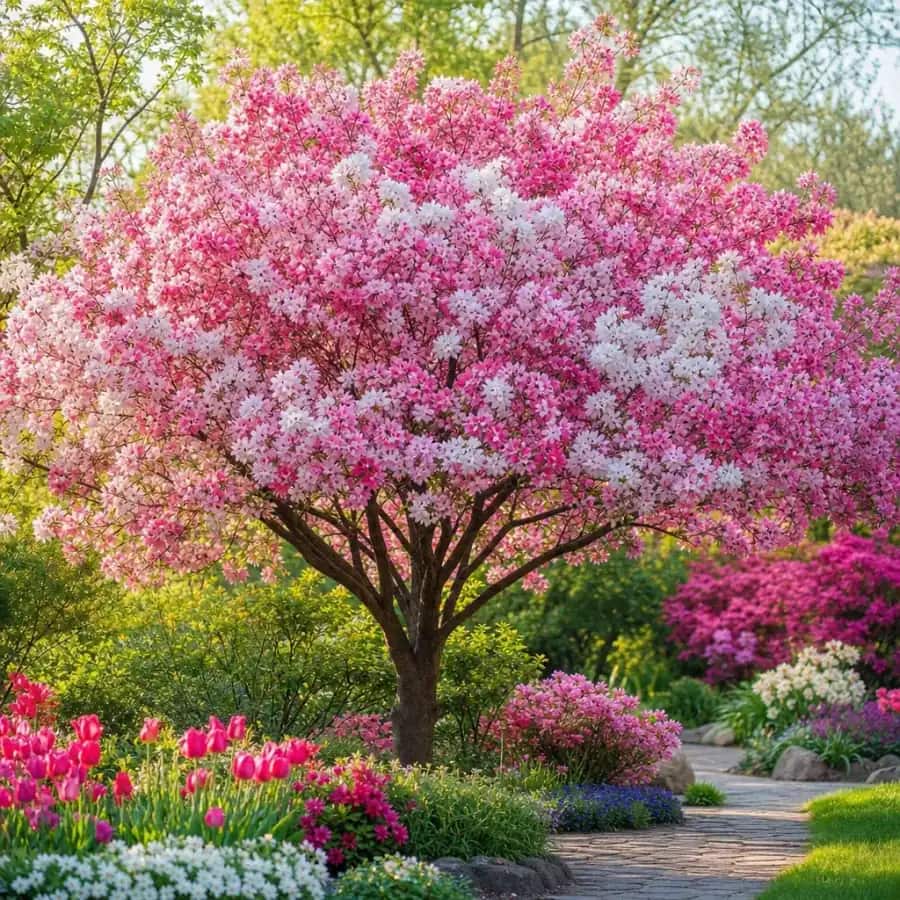
Flowering and curb appeal. Crape Myrtle, Wisteria Tree. Blooms best in full sun; some varieties lose leaves in winter.

Grow your own fruit. Elberta Peach, Meyer Lemon. Needs consistent irrigation and protection from late frost if you plant in a colder pocket of 9a.

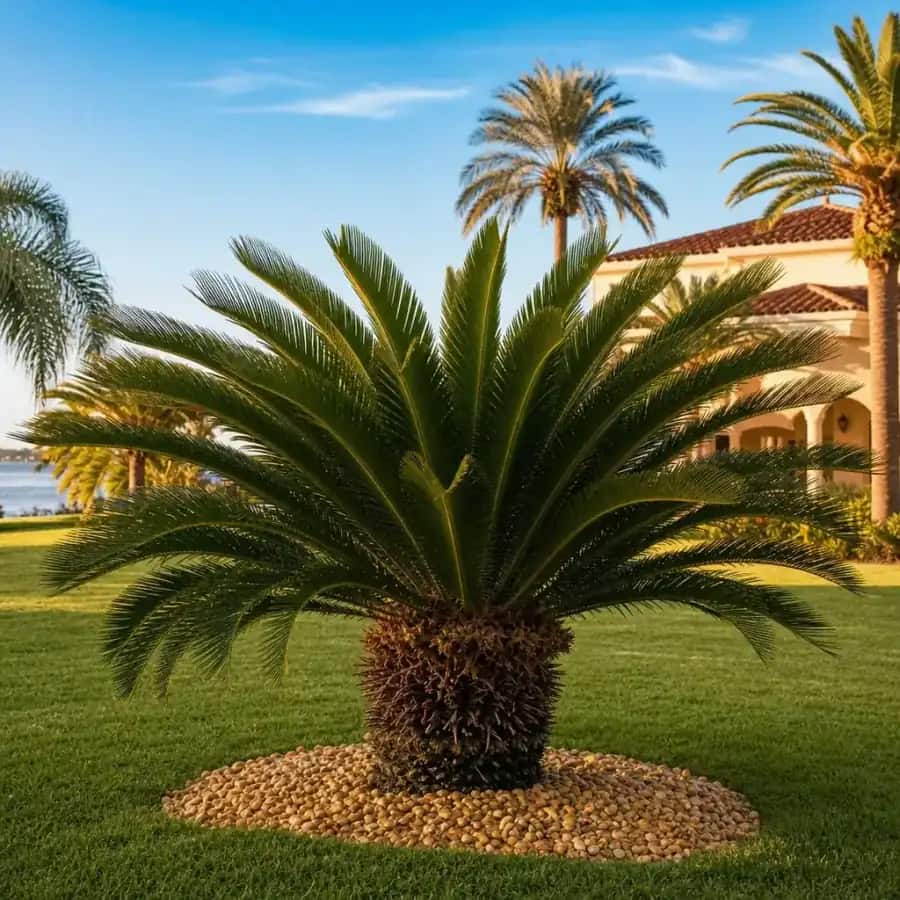
Small spaces and accents. Chinese Windmill Palm, Sago Palm. Slow growing but low maintenance; palm prefers well-drained soil.

Local fit, from data

Growing conditions in Pinal County

USDA zones

9a to 9b

Typical winter lows

about 20 to 30 F

ZIP codes served

30

Largest city

Apache Junction

Arbor Buddy delivers large, nursery-grown trees by freight straight to your home in Pinal County, Arizona (AZ). Whether you need shade, privacy, fruit, or flowers, each tree is matched to the county's hardiness zone range from 9a to 9b. Homeowners and contractors alike can shop a curated selection that thrives in your local winters, which typically stay between 20 and 30 degrees Fahrenheit. Start browsing below and get zone-matched trees delivered to your door.

Climate and Hardiness Zone Fit in Pinal County

Pinal County spans USDA hardiness zones 9a to 9b across its 30 ZIP codes, meaning typical winter lows run about 20 to 30 degrees Fahrenheit. The 9b end stays warmer and supports more tender palms and citrus, while the 9a areas can see colder snaps that make the Chinese Windmill Palm a safer tropical choice. Summers are hot and dry, so trees that tolerate drought and reflected heat like the Texas Ash and Crape Myrtle naturally perform better.

Many flowering and fruit trees from zones 8 and 9 adapt well here because they need a mild winter chill but not deep cold. The county's dry air helps reduce fungal issues, making it easier to grow peaches and crape myrtles without constant spraying. If you are looking for trees for zone 9 in Pinal County, focus on species proven to handle both the heat and the occasional light freeze. The suburban core near Apache Junction sees slightly warmer lows, while the rural fringes can dip closer to 20 F, so check your exact ZIP when selecting.

Shop Trees by Category in Pinal County

  • Shade Trees: Large canopies that cut cooling costs and provide real shelter from the Arizona sun.
  • Flowering & Ornamental: Spring and summer color that draws pollinators and boosts curb appeal without heavy watering.
  • Evergreen & Privacy: Year-round screening that blocks dust and wind while staying low maintenance in this arid zone.
  • Palms & Tropicals: Exotic textures that thrive in the warm 9b microclimates and add a resort feel to your yard.
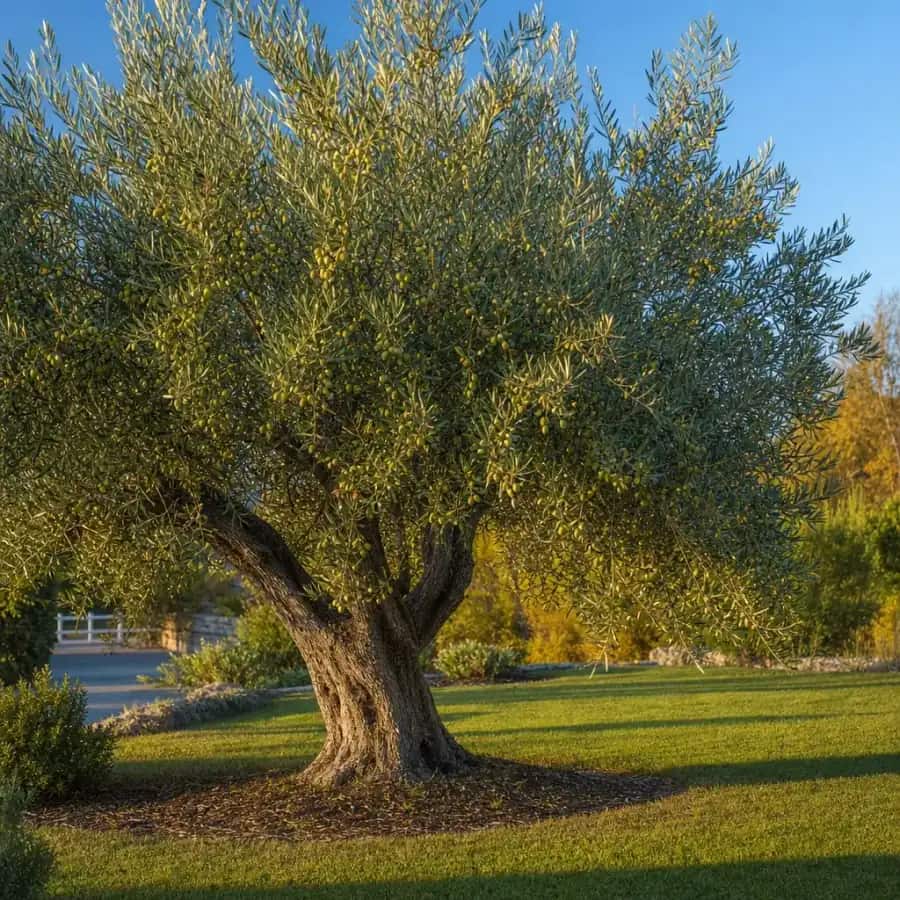
  • Fruit Trees: Homegrown peaches, citrus, and olives that ripen fully during the long, hot growing season.

Frequently Asked Questions

What trees grow in zone 9?

Zone 9 supports a wide range including crape myrtles, palms, citrus, and many shade trees. In Pinal County, with winter lows around 20 to 30 F, you can grow Texas Ash, Leyland Cypress, Chinese Windmill Palm, and Elberta Peach. The key is choosing trees rated for zones 7 through 9 to handle both summer heat and occasional freezes.

What are the best shade trees for Pinal County?

Texas Ash is a top choice because it handles drought and produces fall color. Other great options include Chinese Elm and Mexican White Oak. All these trees stay tough in the dry heat and provide real cooling shade for your home or yard.

What is the 1-Year Alive & Thrive Guarantee?

It means if your tree dies within the first year after planting, Arbor Buddy replaces it free of charge. No complicated paperwork. We simply send a new tree to your address in Pinal County. The guarantee covers trees shipped during the fall-to-early-spring season and matched to your zone.

Can I grow fruit trees in Pinal County?

Yes. Elberta Peach, Arbequina Olive, and Meyer Lemon all produce well here. The warm summers and mild winters let fruit ripen fully. Just provide regular water and choose varieties suited to zone 9. Avoid cold-sensitive citrus in the 9a pockets where temperatures might dip to 20 F.

How Pinal County Compares to Other Areas

Compared to Iron County, Utah (UT), which sits in zones 5b to 7a with winter lows of -15 to 5 F, Pinal County is significantly warmer. That difference means Japanese maples, which struggle in iron cold, would be a risk in Utah but are surprisingly viable in the milder 9a pockets of Pinal County. In practice, buyers here lean toward semi-deciduous shade trees that can handle both heat and occasional light freezes. Utah gardeners have to focus on conifers and cold-hardy oaks; you can enjoy a much broader palette including crape myrtles and palms.

Charlottesville, Virginia (VA) is in zone 7b with typical winter lows of 5 to 10 F. That gap changes the local shortlist to favor fruit and citrus viability. In Pinal County, you can grow Elberta peaches and even citrus like Meyer Lemon with minimal winter protection, while Charlottesville growers must wrap trees or choose super-hardy varieties. The longer, hotter summer here also means peaches ripen more reliably and with better flavor. Pinal's dry cold is easier on plants than the damp cold of Virginia.

Washington County, Vermont (VT) lies in zones 4b to 5a with winter lows of -25 to -15 F. For your cart, that means palms and tropicals are out of the question in Vermont, while you can plant Chinese Windmill Palms and Queen Sago Palms with confidence. Vermont gardeners rely on maples, spruces, and birches; your options include subtropical species that would never survive that far north. The contrast highlights how Pinal County's warm zone 9 climate opens up ornamental and fruit trees that are simply not possible in colder regions.

What this means for you: Pinal County's moderate winter lows allow a mix of drought-tolerant shade trees, flowering ornamentals, and fruit trees that would be impractical in colder parts of the country. Your cart can include species from zones 7 through 9 that deliver both beauty and function.

Freight delivery and the Alive & Thrive Guarantee

When you order from Arbor Buddy, your tree arrives on a freight truck at a usable landscape size, already matched to your hardiness zone. Zone 9 orders travel in the fall-to-early-spring stretch, not peak summer, so the tree experiences milder transit conditions. A healthy, nursery-grown tree shows up with its root ball protected, ready for planting after a short acclimation period.

Before delivery day, check:

  • Someone is home to receive the tree and inspect it on arrival.
  • A freight truck can reach your street with enough room to stop or turn around.
  • You have a designated drop spot that is level and accessible.
  • Watch for long or narrow driveways, soft ground, or low branches and wires that might block the truck.

Every tree is backed by the 1-Year Alive & Thrive Guarantee. If your tree does not survive its first year, we replace it free of charge. No extra steps: just let us know, and we ship a new one.

Arbor Buddy ships large, nursery-grown trees to your door across Pinal County. Every order is zone-matched to your ZIP code and backed by the 1-Year Alive & Thrive Guarantee. Browse the curated collection online, check your hardiness zone, and arrange delivery during the fall-to-early-spring shipping window. No need to wait in line at a nursery. Your trees arrive ready to plant.

1

Enter your ZIP, shop only what thrives in your zone.

2

Freight delivery to your address, quoted at checkout.

3

Plant it, watch it thrive, covered for one year.

Not sure which tree fits your yard?

Take the 60-second Plant Finder, or message a tree specialist and we'll shortlist zone-safe picks for your address.

Good to know · Growing guide

Buying trees in Pinal County: what locals should know

Ordering a large tree online is not like ordering a lamp. Here is what is worth knowing before you buy, from reading your hardiness zone to what actually shows up on the truck.

How to read your hardiness zone

Pinal County sits in USDA zones 9a to 9b. Your zone describes the coldest winter a tree can reliably survive. In a warm zone the question flips: winter rarely kills a tree, but summer heat can. Heat and drought tolerance matter as much as the zone number.

Typical winter lows here run about 20 to 30 F. Half-zones matter at the edges: two steps on the map are about five winter degrees, which is enough to decide whether a borderline pick belongs in your cart.

What freight delivery actually means

Your tree arrives large, nursery-grown and at a usable landscape size, secured to a pallet and delivered curbside or as close as the truck can safely get. Before delivery day, run through this quick checklist:

  • Someone can be home to receive the tree and look it over on arrival.
  • A freight truck can reach your street, with room to stop or turn around.
  • You know where you want it dropped: curbside, or as close as the driver can safely get.
  • Access watch-outs are handled: narrow driveways, soft ground after rain, low branches or wires.

The guarantee, in plain terms

If a tree does not survive its first year, we replace it free. The promise works because every tree ships zone-matched and nursery-grown, so it arrives set up to succeed in your climate rather than gambling against it.

Coverage runs a full year from delivery. If something goes wrong, contact the team and they arrange the replacement. No store-credit games, no fine-print maze.

More growing guides on the Arbor Buddy blog →

Frequently asked questions

What trees grow in zone 9?+

Zone 9 supports a wide range including crape myrtles, palms, citrus, and many shade trees. In Pinal County, with winter lows around 20 to 30 F, you can grow Texas Ash, Leyland Cypress, Chinese Windmill Palm, and Elberta Peach. The key is choosing trees rated for zones 7 through 9 to handle both summer heat and occasional freezes.

What are the best shade trees for Pinal County?+

Texas Ash is a top choice because it handles drought and produces fall color. Other great options include Chinese Elm and Mexican White Oak. All these trees stay tough in the dry heat and provide real cooling shade for your home or yard.

What is the 1-Year Alive & Thrive Guarantee?+

It means if your tree dies within the first year after planting, Arbor Buddy replaces it free of charge. No complicated paperwork. We simply send a new tree to your address in Pinal County. The guarantee covers trees shipped during the fall-to-early-spring season and matched to your zone.

Can I grow fruit trees in Pinal County?+

Yes. Elberta Peach, Arbequina Olive, and Meyer Lemon all produce well here. The warm summers and mild winters let fruit ripen fully. Just provide regular water and choose varieties suited to zone 9. Avoid cold-sensitive citrus in the 9a pockets where temperatures might dip to 20 F.

Ready to plant your Pinal County yard?

Shade, privacy, flowering and fruit trees matched to Pinal County's zones, shipped large and covered by the 1-Year Alive & Thrive Guarantee.

Browse trees for your zone