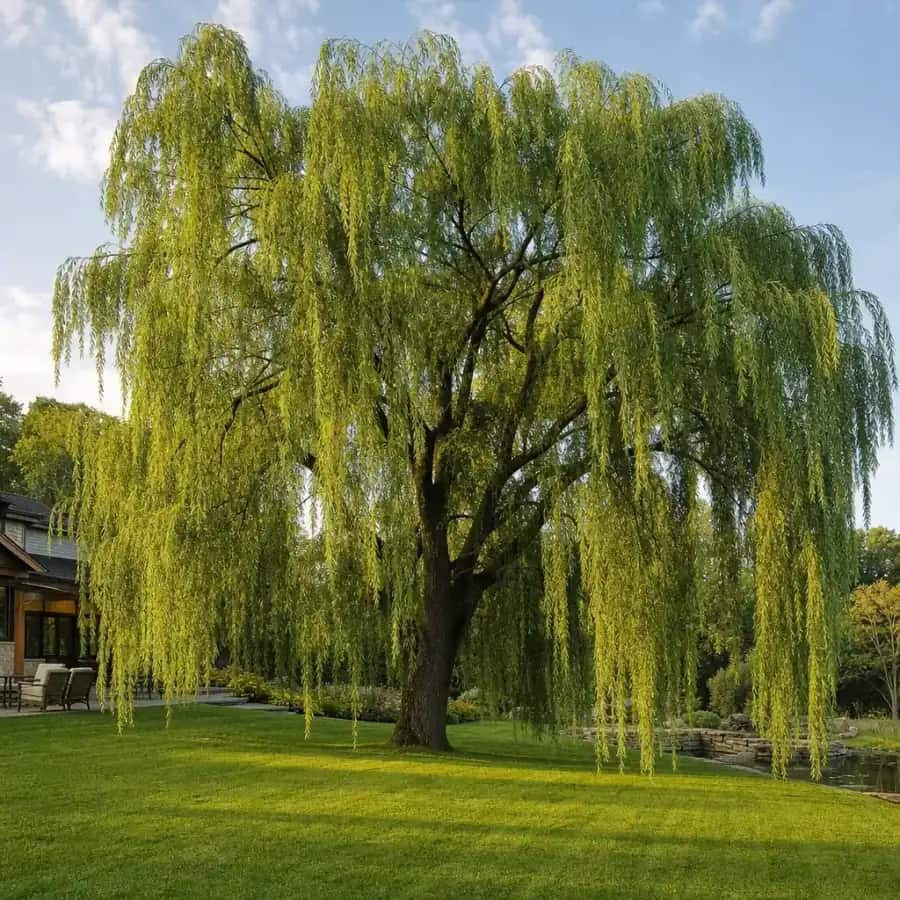
 Zones 4 to 9
Shade Trees
Weeping Willow
$40
Shop large, nursery-grown shade, privacy, flowering and fruit trees, delivered by freight in Franklin County. Every tree is matched to your hardiness zone and backed by our 1-Year Thrive Guarantee.
Enter your ZIP and we'll match trees to your exact growing zone.
Typical winter lows in Franklin County run about 5 to 15 F.
Matched to Franklin County's zones
Zones 4 to 9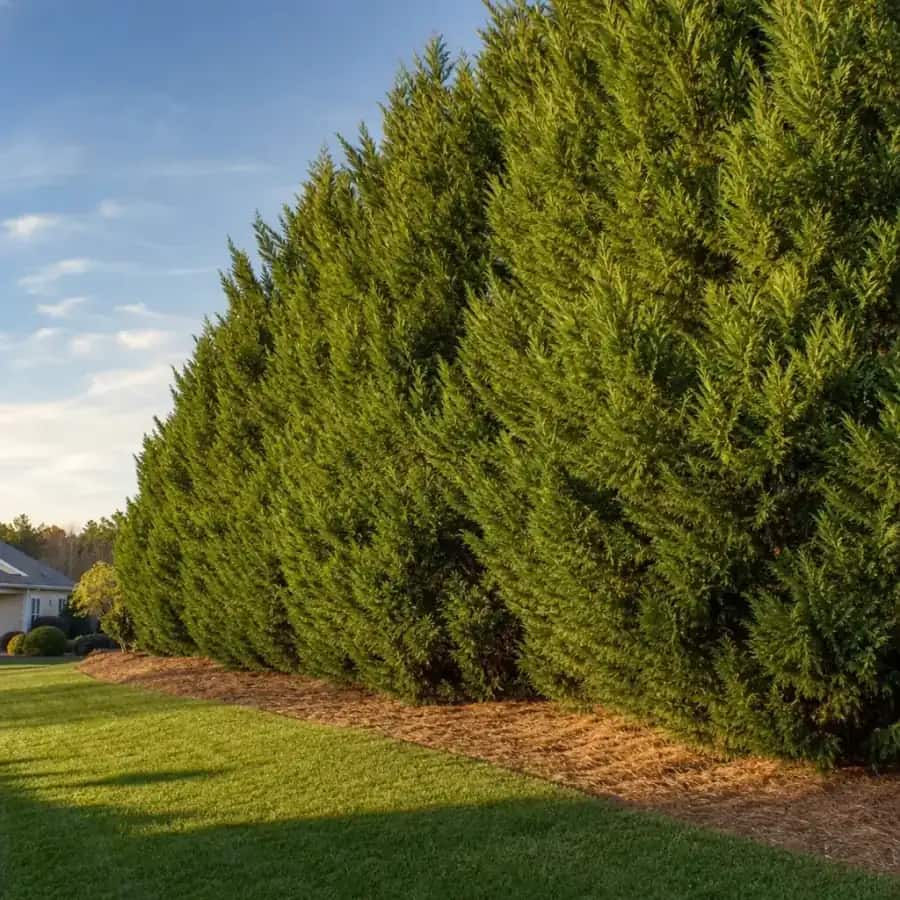 Zones 6 to 10
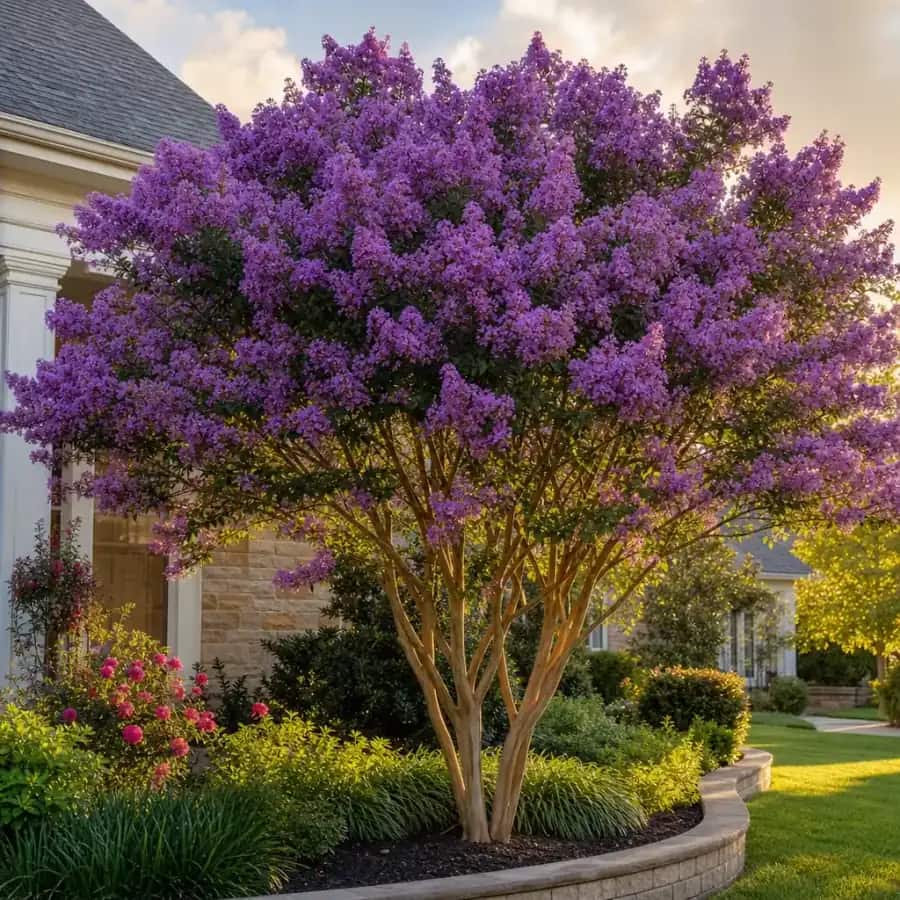 Zones 7 to 9
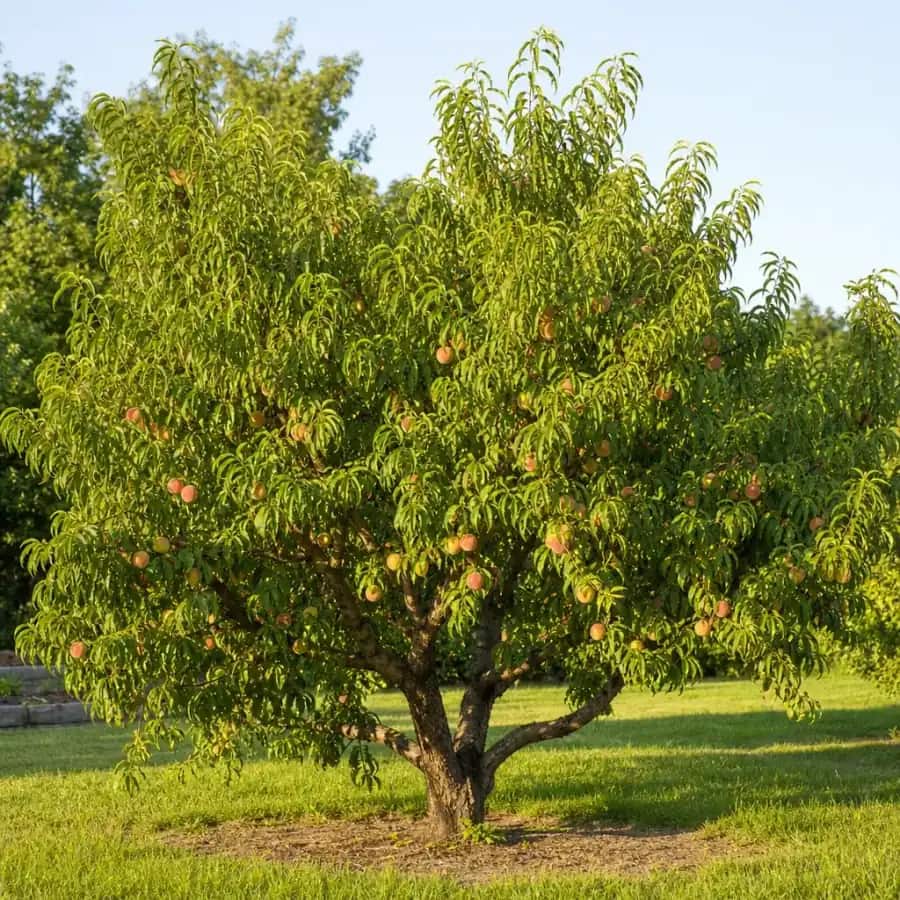 Zones 5 to 9
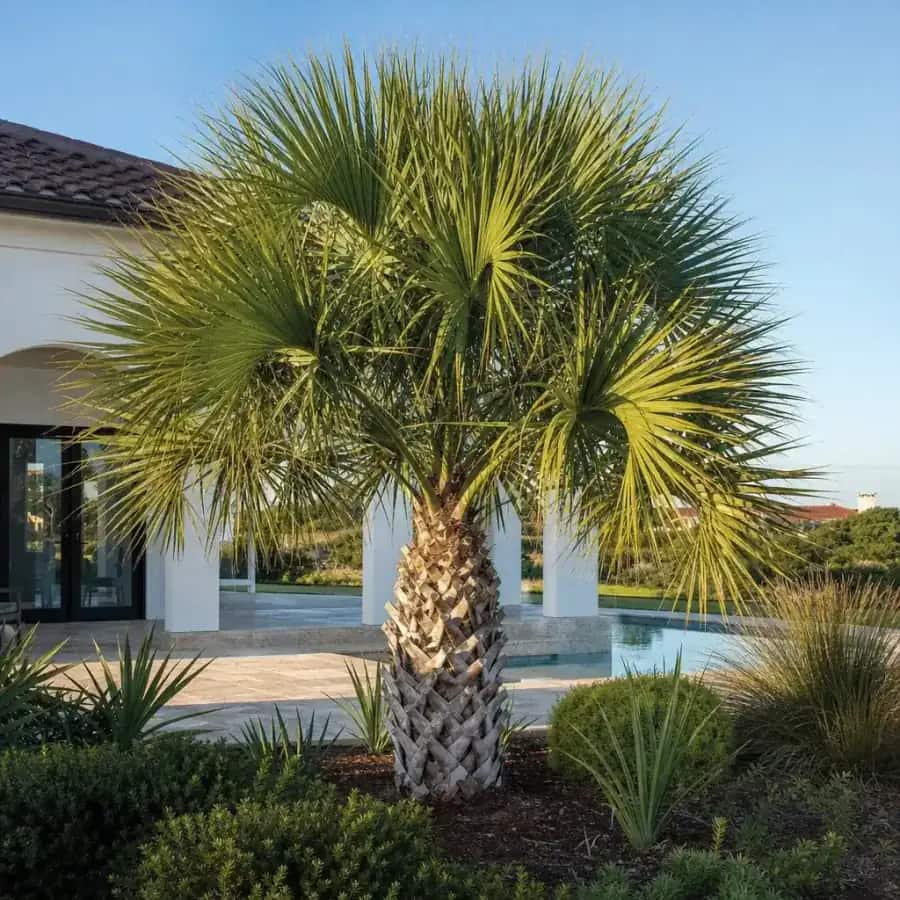 Zones 7 to 11
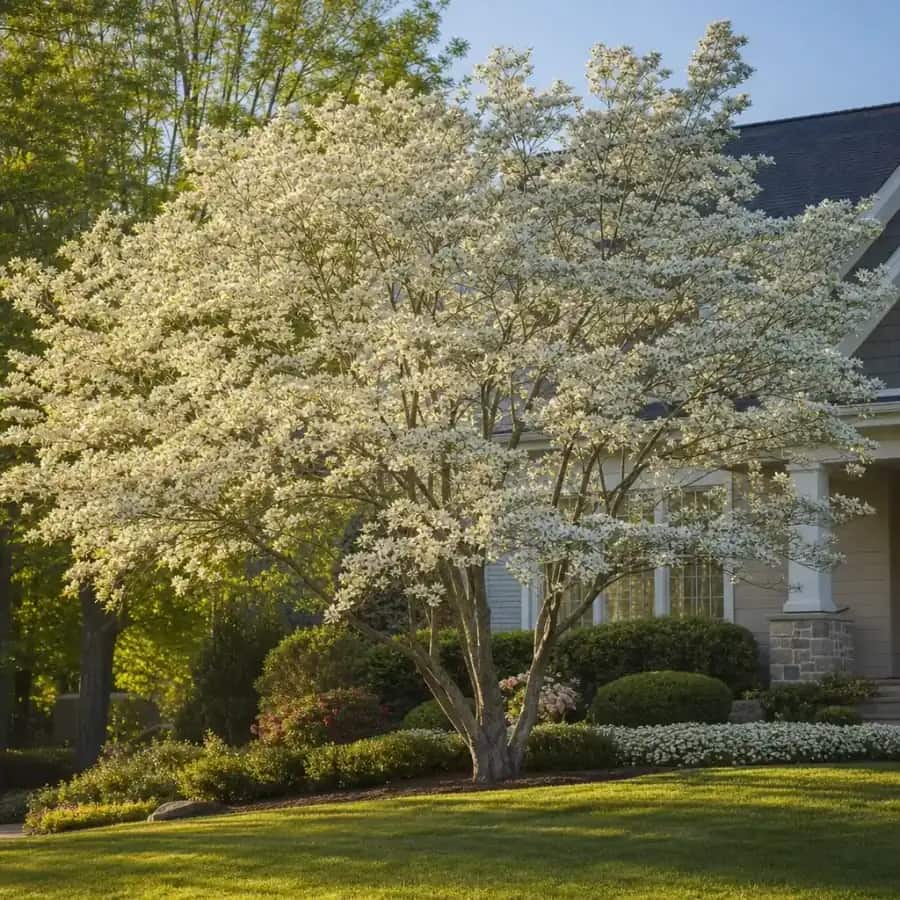 Zones 5 to 9
Shop by category
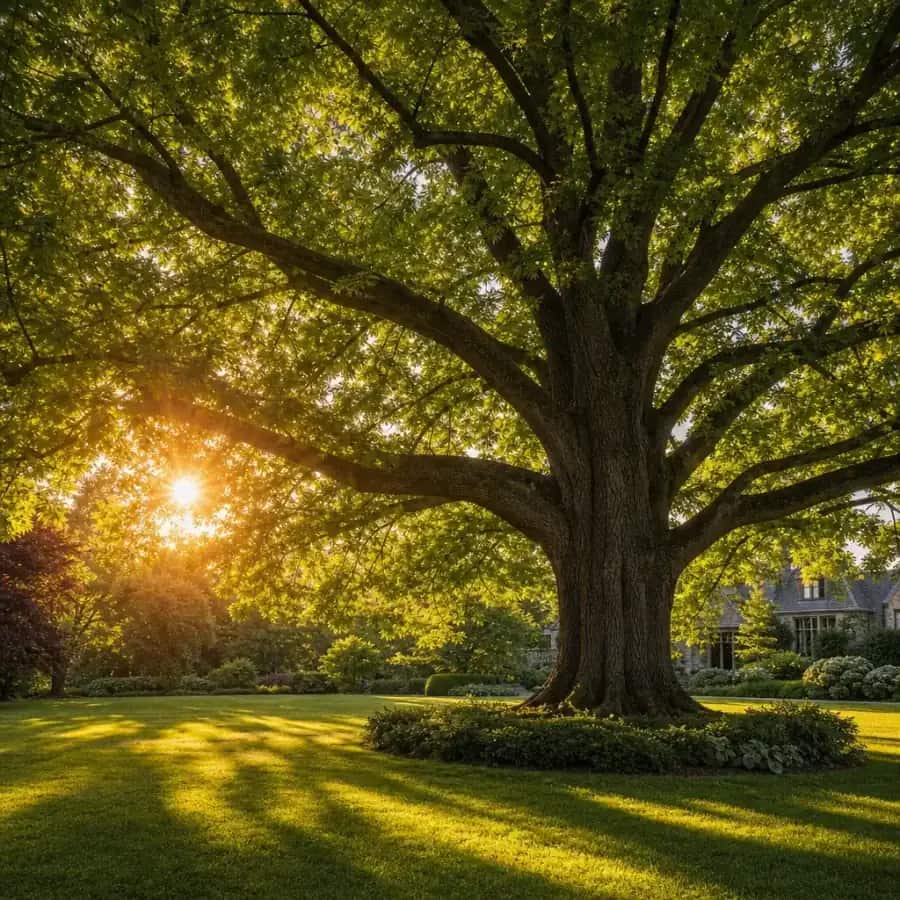 Shade TreesShade your home fast with a Cedar Elm or a tall American Sycamore built for southern heat.View all Shade Trees →
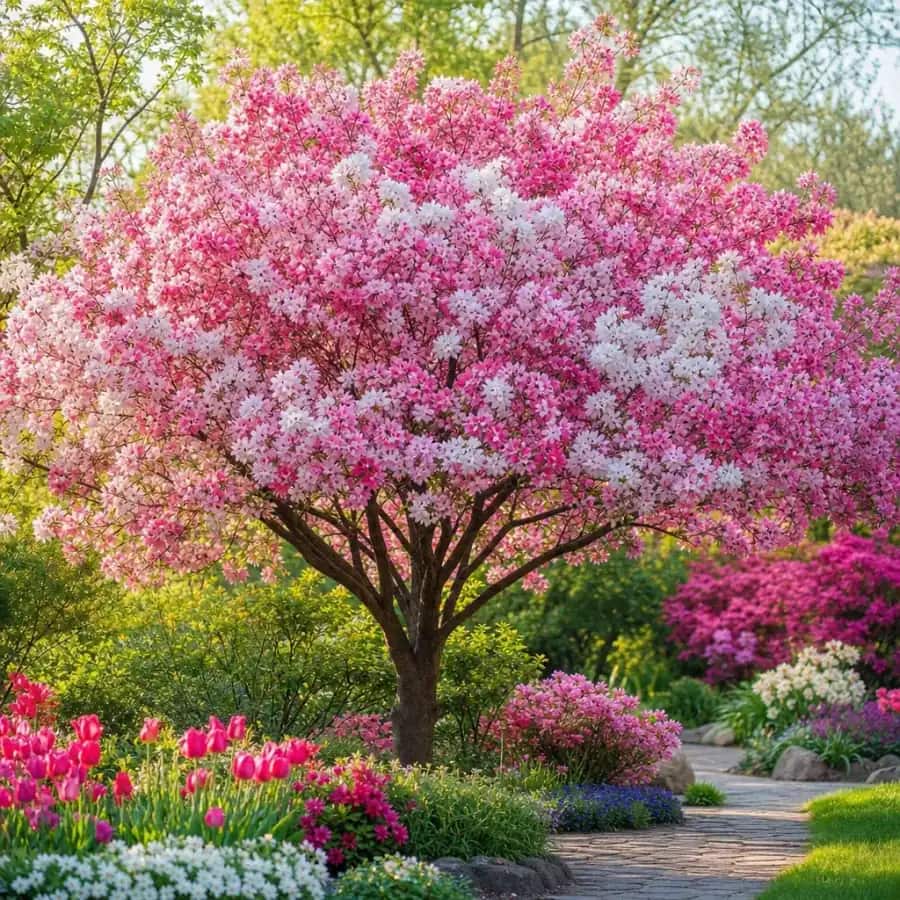 Flowering & OrnamentalBrighten your yard with the Natchez Crape Myrtle or a Forest Pansy Redbud.View all Flowering & Ornamental →
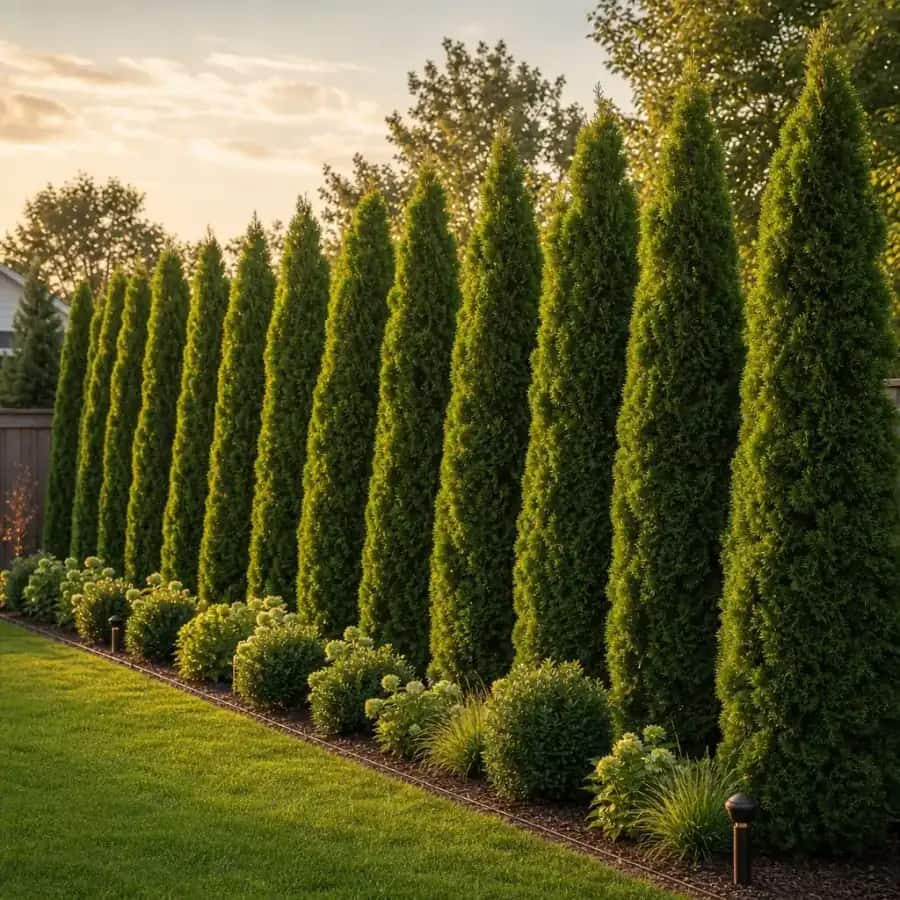 Evergreen & PrivacyBlock harsh winds with a Teddy Bear Magnolia or a Pendula Weeping Yaupon Holly.View all Evergreen & Privacy →
 Japanese MaplesAdd elegance with an Orangeola or Emperor 1; provide light shade in full sun.View all Japanese Maples →
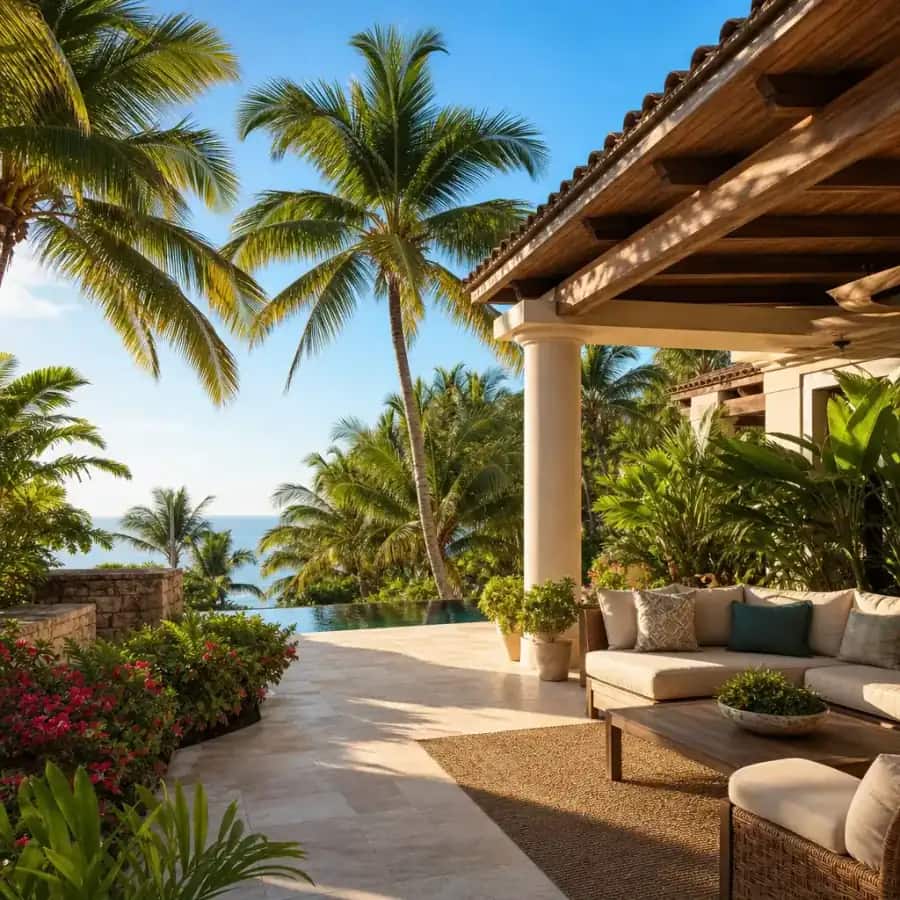 Palms & TropicalsBring a tropical feel with a Chinese Windmill Palm, but give it some humidity and dappled light.View all Palms & Tropicals →
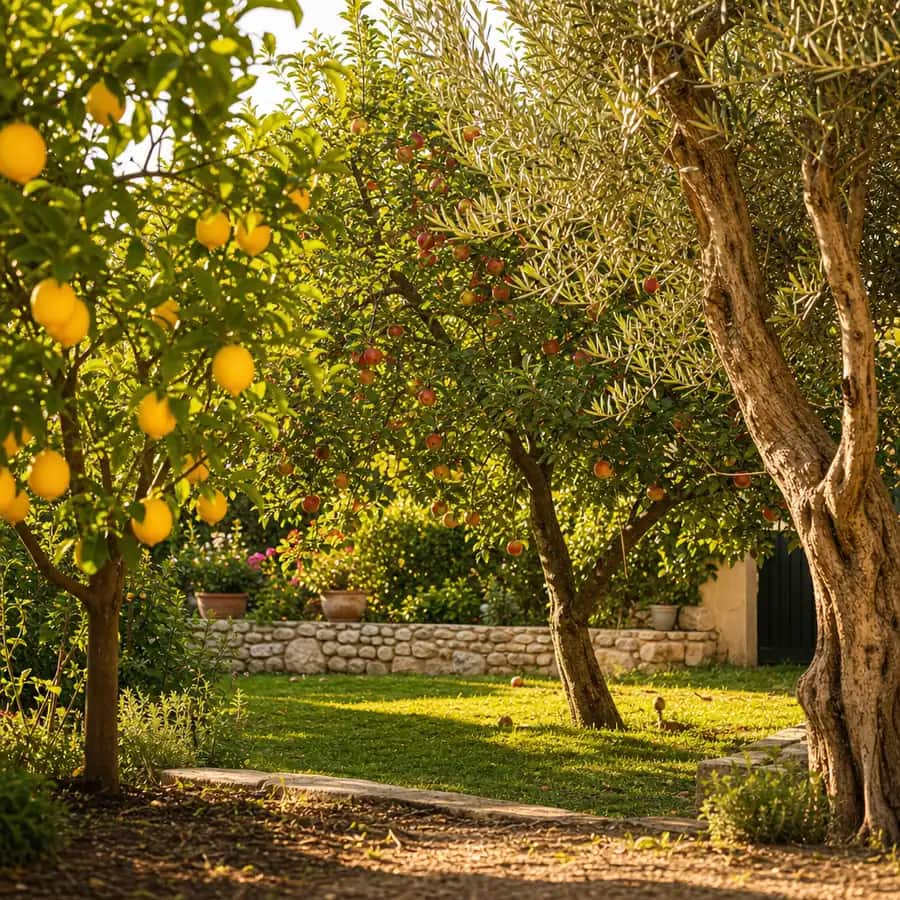 Fruit TreesHarvest figs from the Chicago Hardy or peaches from the Elberta; many Franklin County winters deliver enough chill hours.View all Fruit Trees →
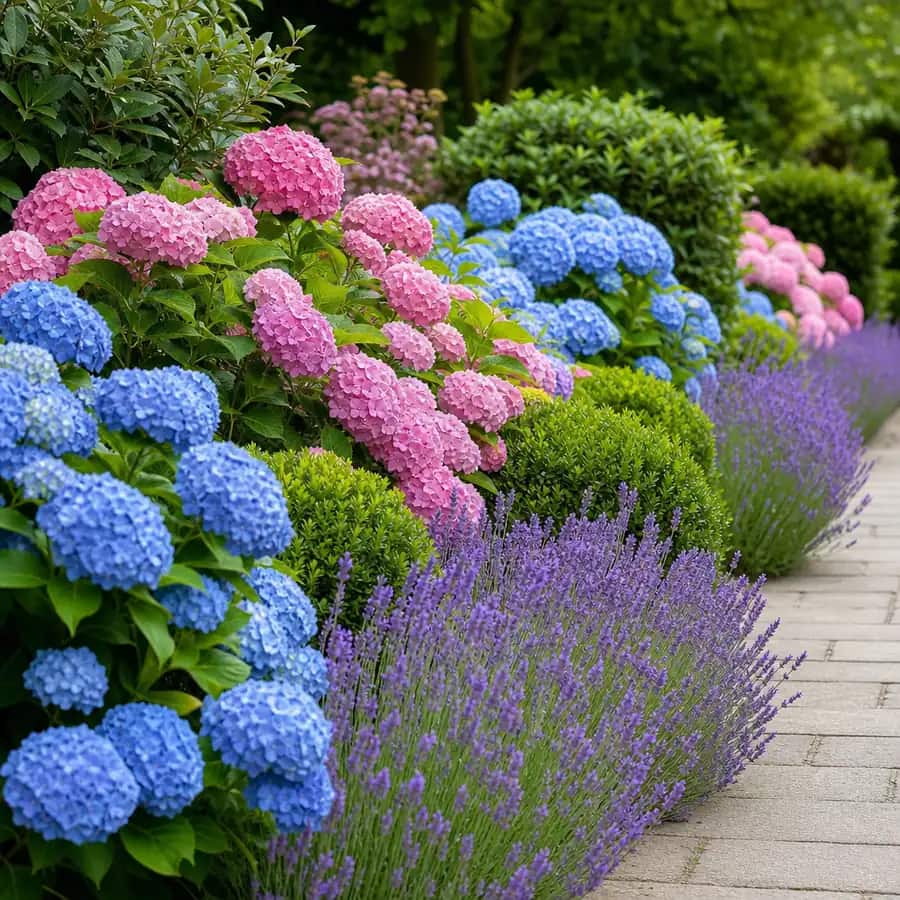 Shrubs & HedgesFrame your property with Nellie Stevens Holly or an Endless Summer Hydrangea for season-long blooms.View all Shrubs & Hedges →
Local fit, from data
7b to 8a
about 5 to 15 F
6
Alix
Shade, privacy, and fruit trees in Franklin County, Arkansas (AR) delivered straight to your driveway. Arbor Buddy ships large nursery-grown trees by freight to homeowners and contractors. Every tree is matched to your hardiness zone - here that spans 7b to 8a, with winter lows around 5 to 15 degrees. Choose from strong shade trees, flowering ornamentals, evergreens, and more.
Your county spans nearly the full width of zone 7b to 8a. That means the colder northern ZIP codes dip to 5 F while the warmer southern ones see lows around 15 F. Typical winter lows run about 5 to 15 F across the county's 6 ZIP codes. The main town, Alix, sits in the warmer zone 8a.
Summers are hot and humid, with strong sun. Trees that handle heat and humidity like Southern magnolias and crape myrtles thrive. Evergreens stay lush through moderate winters. Fruit trees like figs and peaches need winter chill, and your area delivers enough for most popular varieties.
For the warmest spots, look at trees for zone 8 in Franklin County that also tolerate occasional light frost. Shade trees such as cedar elm and ornamentals like the Natchez crape myrtle are excellent choices.
Pick your trees now and plant with confidence. The 1-Year Thrive Guarantee means if any tree does not survive its first year, you get a free replacement. No risk, just a greener yard. Shop your zone-matched trees today.
In Sanpete County, Utah (UT), the zone is 5b to 6b with winter lows of -15 to 0 F. That cold rules out most palms and tropicals entirely. In practice, buyers here lean toward tough conifers and cold-hardy maples. For your cart, that means the Chinese Windmill Palm and other subtropicals are not viable in Sanpete County but can grow in Franklin County if given shelter.
Indiana County, Pennsylvania (PA) sits in zone 6a to 6b with winter lows -10 to 0 F. Fruit and citrus options narrow there. Many peach and fig trees need more chill than that zone provides, or they risk winter kill. For your cart, that means the Chicago Hardy Fig and Elberta Peach are reliable in Franklin County but risky in Indiana County. That gap changes the local shortlist to include only the hardiest fruit varieties for Indiana County.
Dunn County, Wisconsin (WI) is zone 4b with winter lows -25 to -20 F. Flowering trees like crape myrtle and redbud cannot survive such deep freezes. That gap changes the local shortlist to species like serviceberry and crabapple that tolerate extreme cold. For Franklin County buyers, the contrasts mean you can reliably plant figs, magnolias, and crape myrtles that would struggle in colder areas.
Every tree ships with our 1-Year Thrive Guarantee. If it does not survive its first year, we replace it free. We ship large nursery-grown trees by freight to Franklin County. Most deliveries reach Alix and surrounding areas. Your zone 8 order ships for a fall or early-spring window, ahead of summer heat.
Before delivery day, check:
Enter your ZIP, shop only what thrives in your zone.
Freight delivery to your address: $149 flat per order, shown at checkout.
Plant it, watch it thrive, covered for one year.
Good to know · Growing guide
Coverage runs a full year from delivery. If something goes wrong, contact the team and they arrange the replacement. No store-credit games, no fine-print maze.