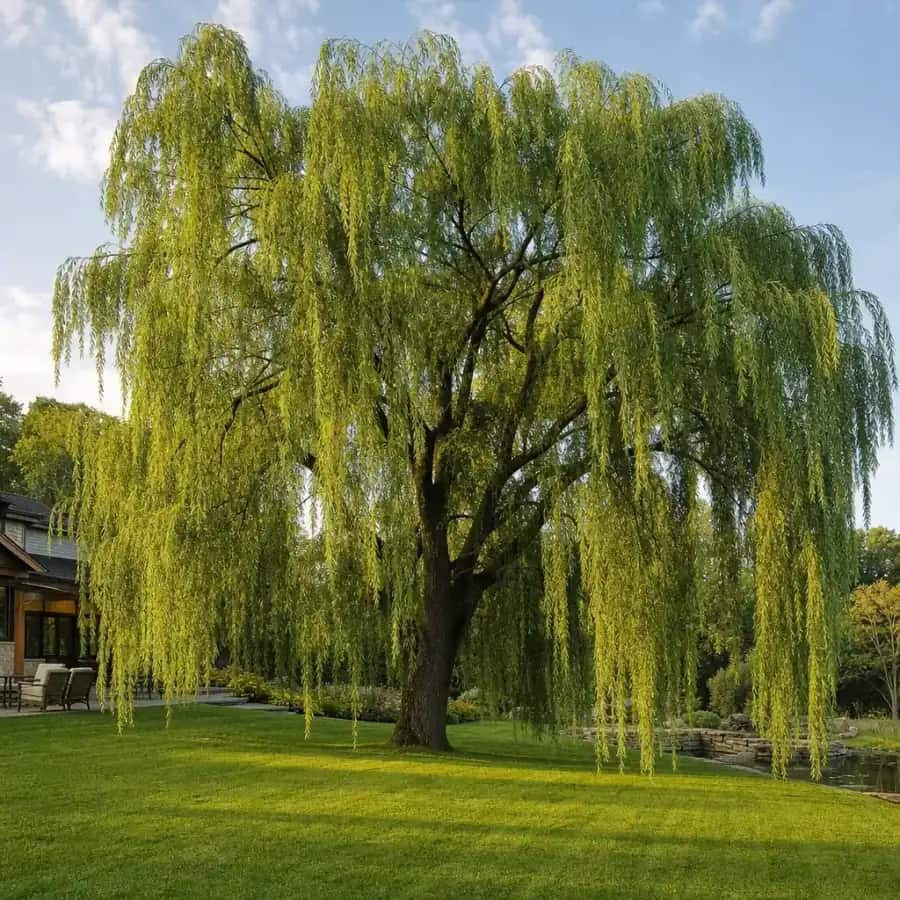
 Zones 4 to 9
Shade Trees
Weeping Willow
$40
Shop large, nursery-grown shade, privacy, flowering and fruit trees, delivered by freight in Clay County. Every tree is matched to your hardiness zone and backed by our 1-Year Thrive Guarantee.
Enter your ZIP and we'll match trees to your exact growing zone.
Typical winter lows in Clay County run about 20 to 30 F.
Matched to Clay County's zones
Zones 4 to 9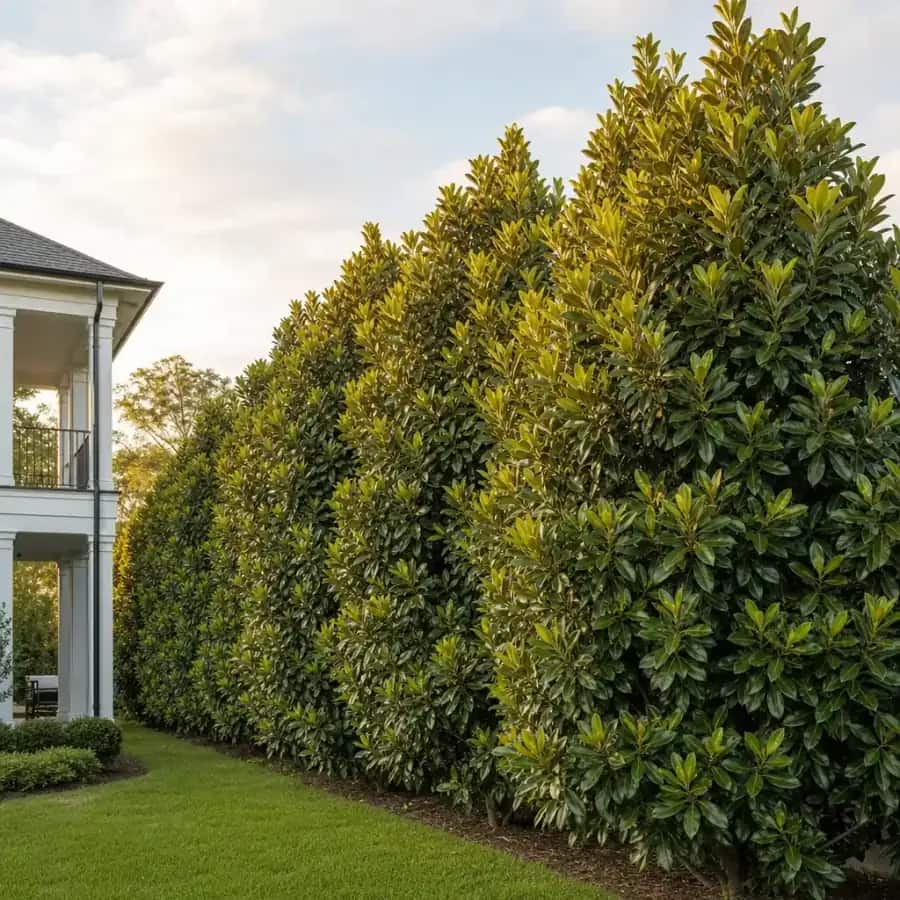 Zones 7 to 9
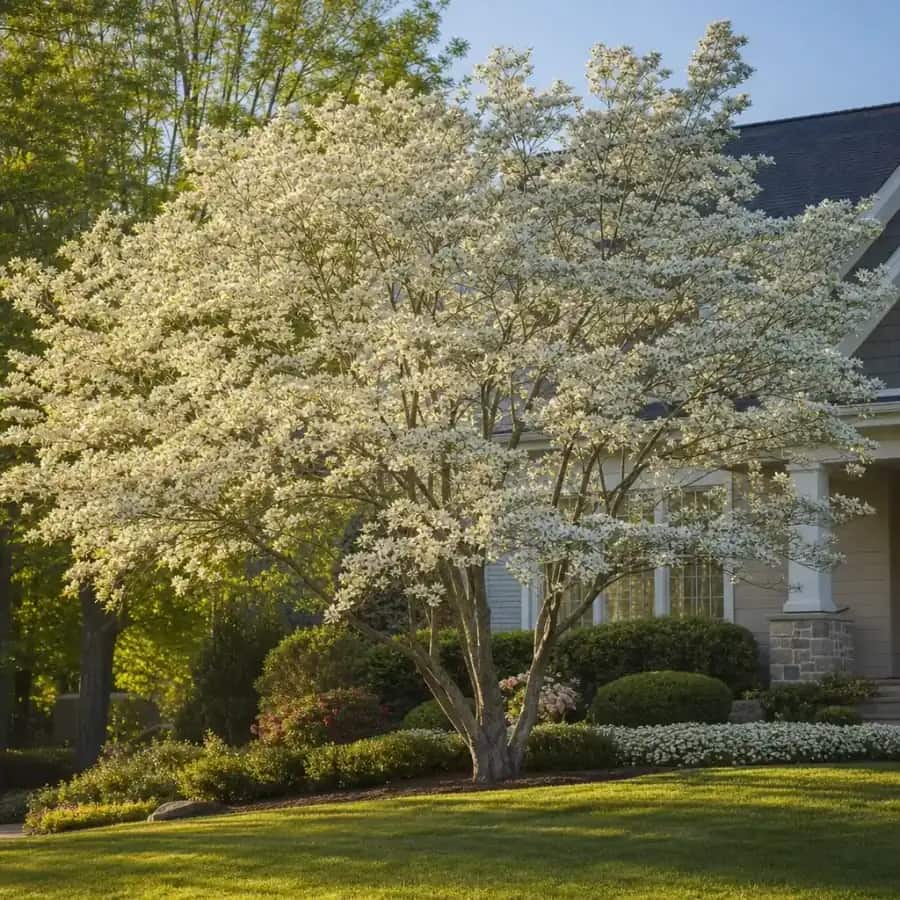 Zones 5 to 9
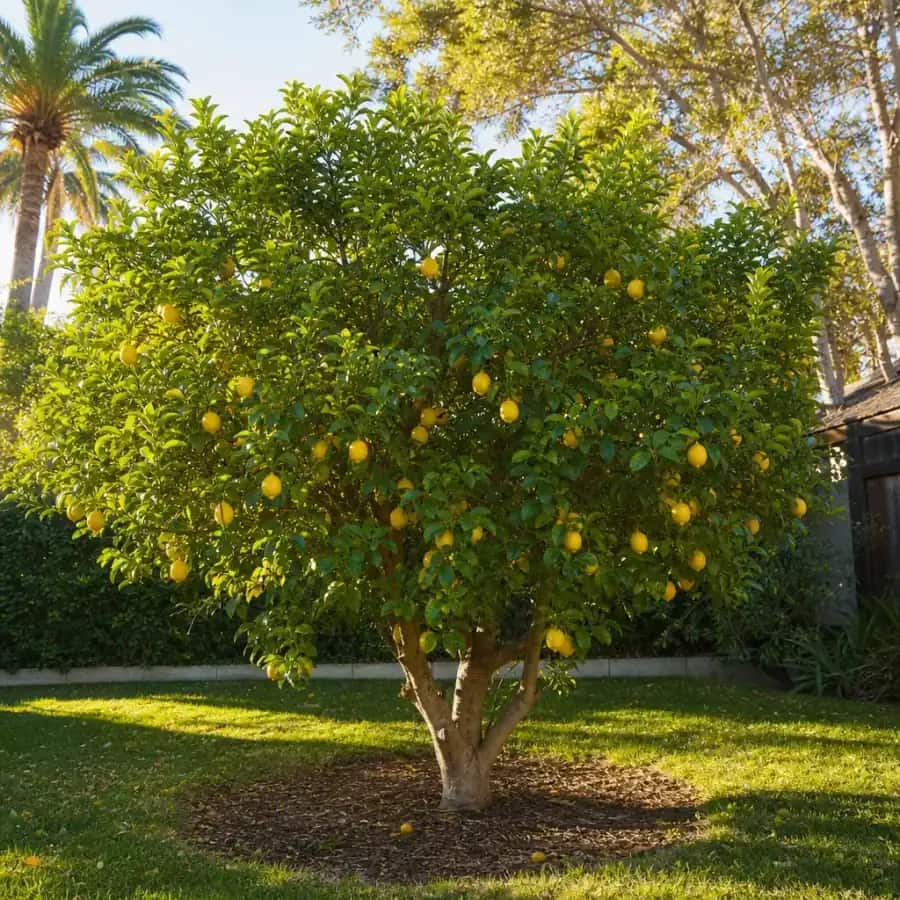 Zones 8 to 11
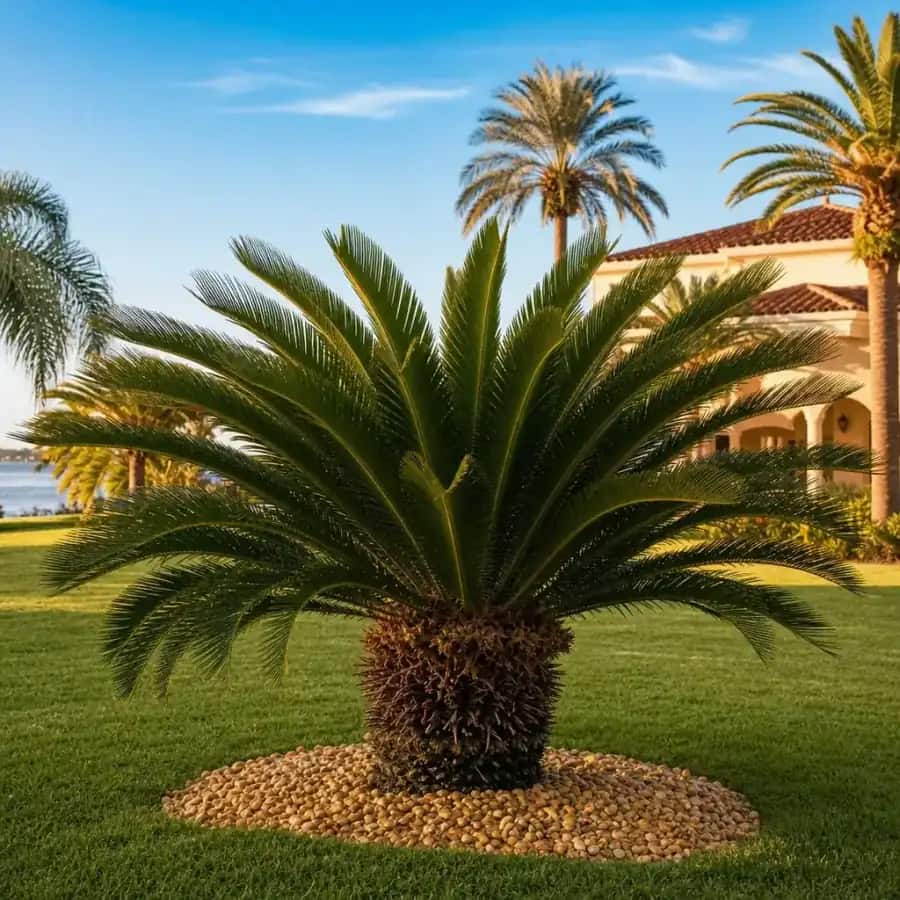 Zones 8 to 11
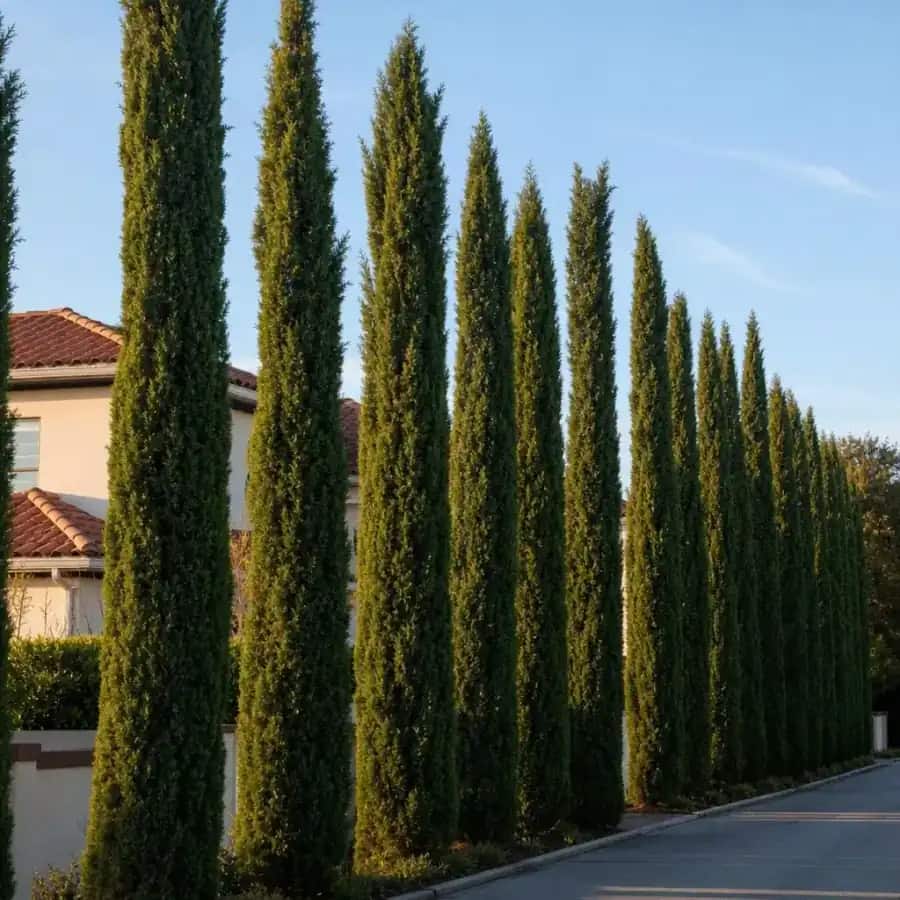 Zones 7 to 11
Shop by category
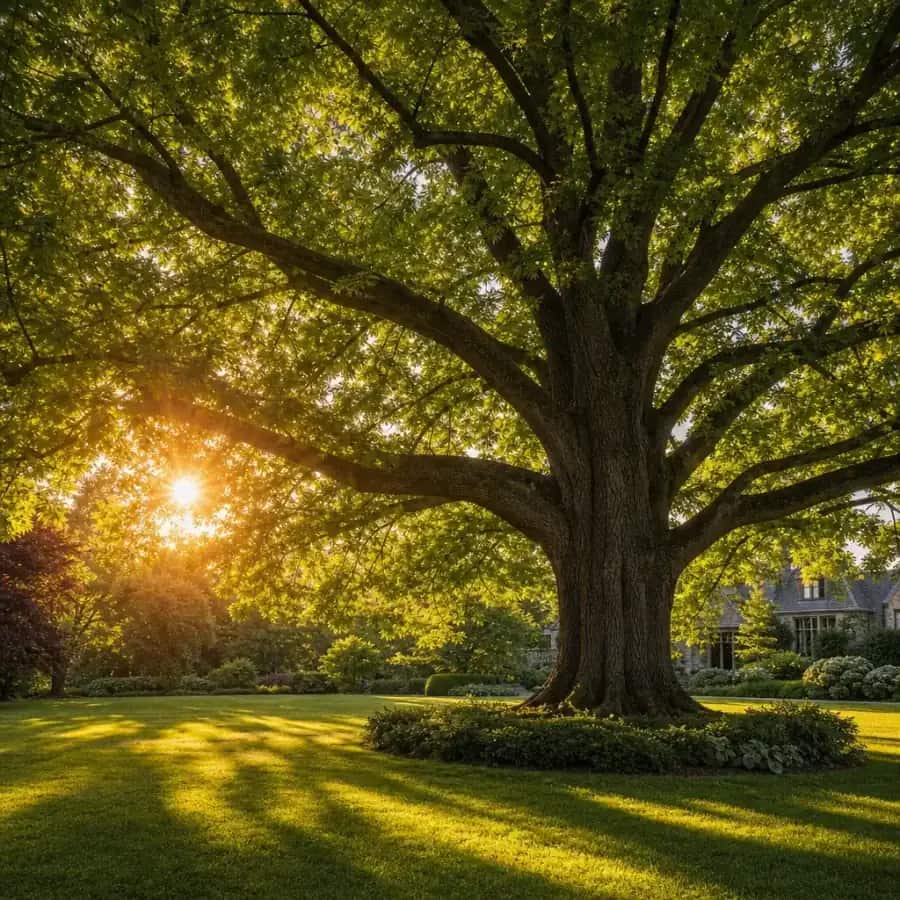 Shade TreesBig, fast canopy. Oaks, elms, maples and more.View all Shade Trees →
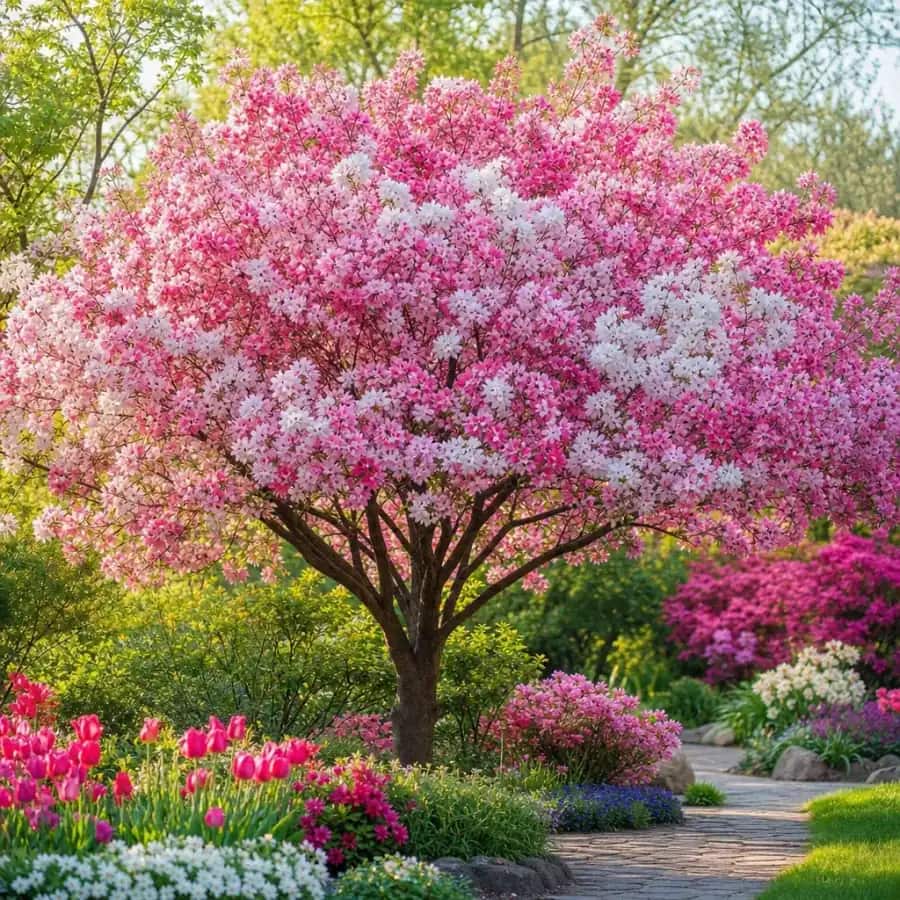 Flowering & OrnamentalSpring-blooming trees that tolerate humid zone 9 conditions and add color.View all Flowering & Ornamental →
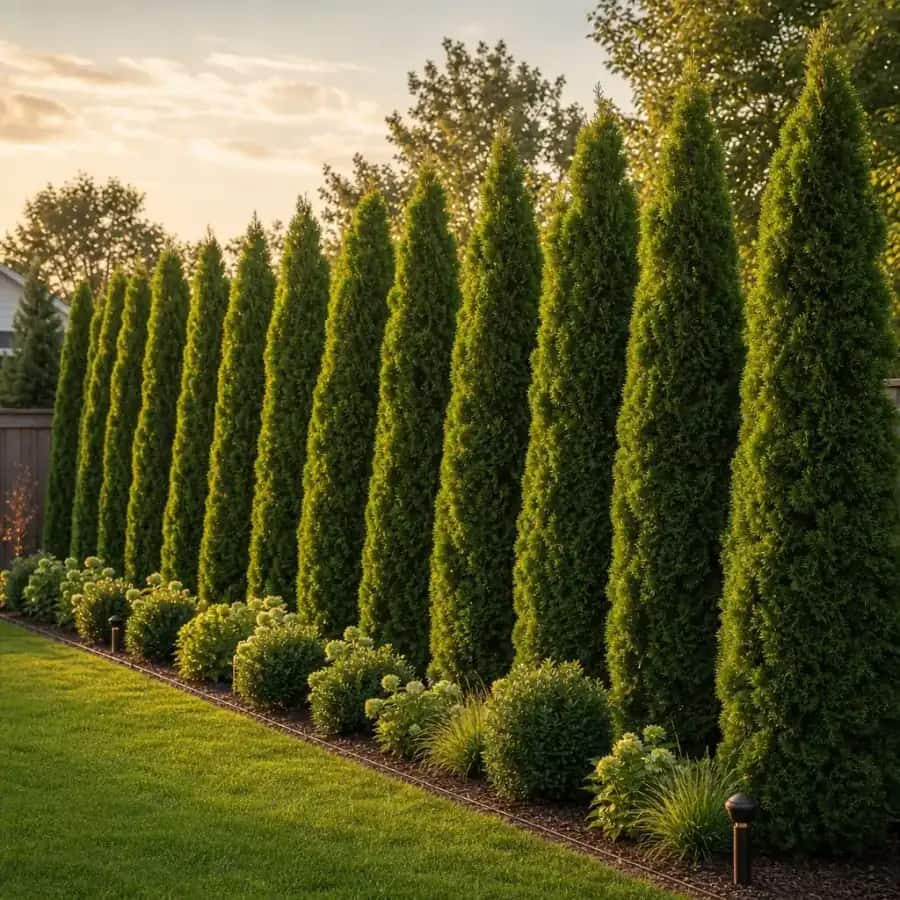 Evergreen & PrivacyYear-round green: cypress, juniper, holly, magnolia.View all Evergreen & Privacy →
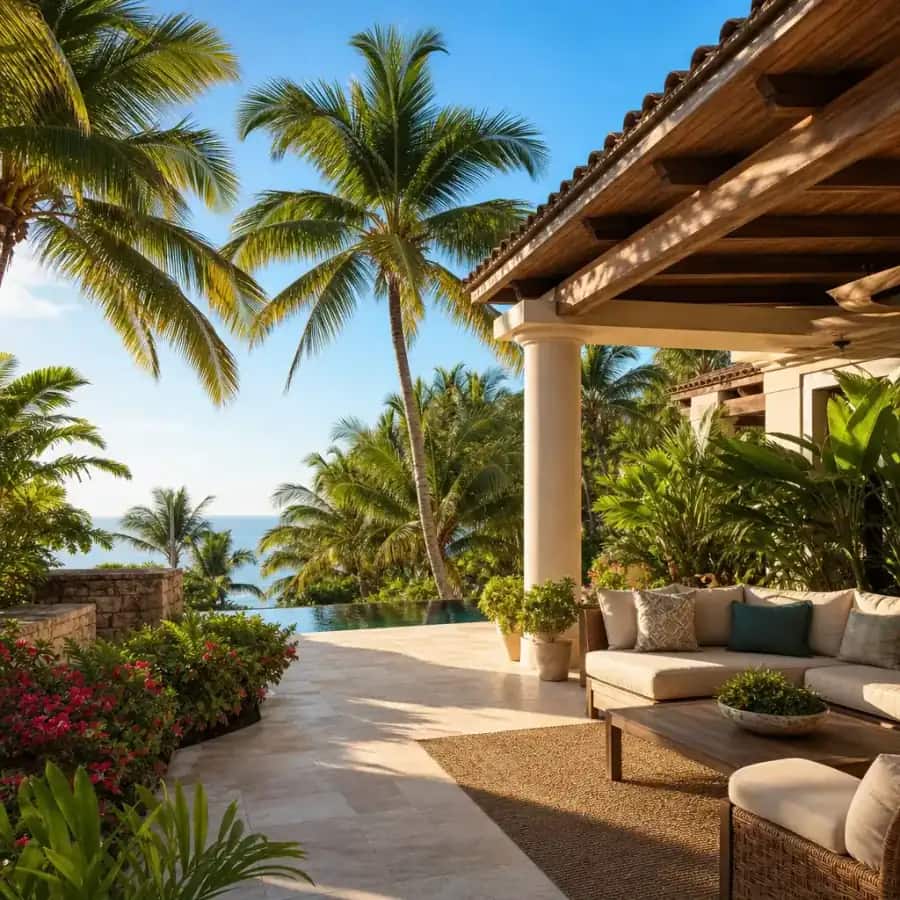 Palms & TropicalsZone-friendly palm species that bring a subtropical accent to your landscape.View all Palms & Tropicals →
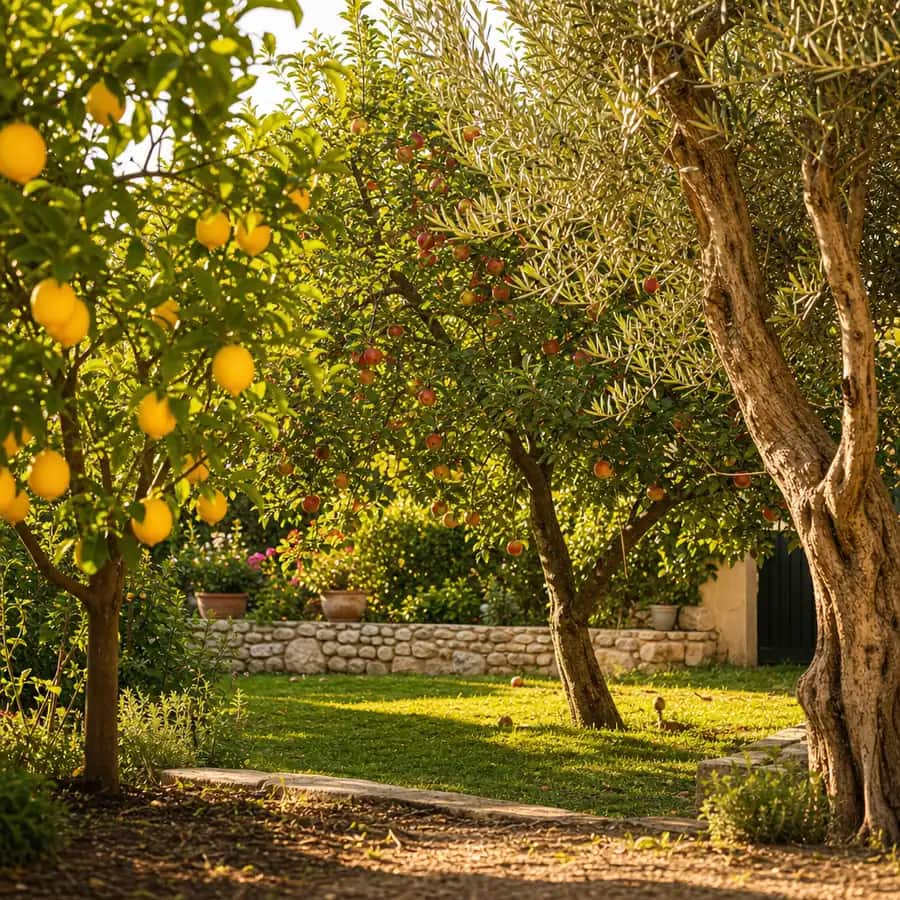 Fruit TreesHomegrown lemons, apples, figs, olives and more.View all Fruit Trees →
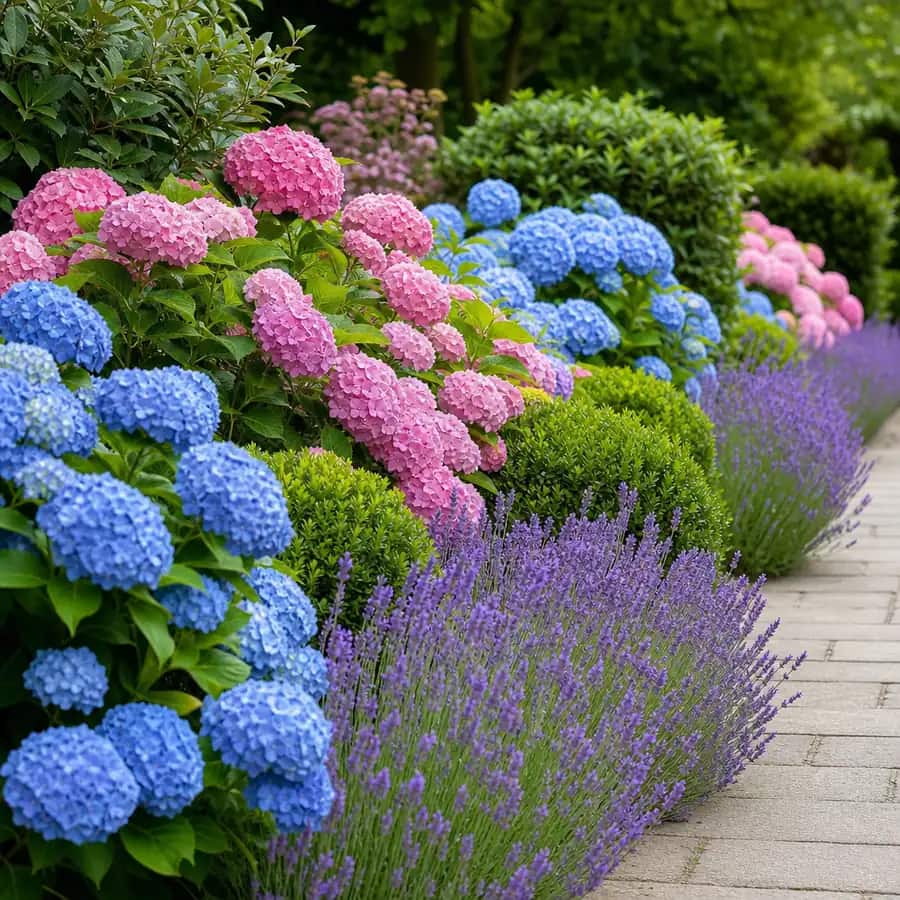 Shrubs & HedgesCompact shrubs for borders, foundation planting, and low-maintenance structure.View all Shrubs & Hedges →
Local fit, from data
9a to 9b
about 20 to 30 F
12
Orange Park
Shade, privacy, and fruit trees in Clay County, Florida (FL) are available through Arbor Buddy. We deliver large nursery-grown trees by freight direct to homeowners and contractors. Every tree is matched to your hardiness zone, here zone 9a to 9b. You get a 1-Year Thrive Guarantee on every order.
Clay County spans USDA zones 9a to 9b across its 12 ZIP codes. Typical winter lows run about 20 to 30 F. The colder zones see occasional brief freezes, while the warmer inner areas rarely drop below 25 F. That narrow temperature range means most zone 9 trees grow well here without winter damage.
The county receives ample rainfall and high humidity through summer. Trees that tolerate wet feet and resist fungal diseases perform best. Shade trees like oaks and evergreens such as magnolias handle the humidity naturally. Fruit trees with moderate chill requirements, like figs, are a reliable choice. The mild winters also support many flowering ornamentals that would suffer in colder zones.
When you search for trees for zone 9 in Clay County, look for species that thrive in warm, humid conditions. The western part of the county, with slightly higher elevation, tends to stay cooler at night. The suburban core near Orange Park stays consistently warm. Matching the tree to your exact microclimate ensures strong growth.
Browse the full selection for your zone. Choose from shade, flowering, evergreen, or fruit trees. Arbor Buddy ships large trees by freight to your door, zone-matched and backed by a 1-Year Thrive Guarantee. Order now for your fall or early-spring delivery window.
Garfield County, Colorado (CO) sits in zones 6a to 6b with typical winter lows of -10 to 0 F. That climate demands trees that can survive deep freezes and dry air. Here, the zone usually pushes the choice toward cold-hardy conifers and aspens. Clay County's mild winters and high humidity let you grow evergreen magnolias and figs that would die in Garfield County.
Tolland County, Connecticut (CT) also falls in zones 6a to 6b, with lows reaching -10 to 0 F. The practical difference is the length of the growing season. Connecticut's short summers limit heat-loving trees like crape myrtles and figs. Clay County's long warm season gives you more options for flowering trees and fruit trees that need summer heat to ripen.
New Castle County, Delaware (DE) is in zone 7b, with winter lows of 5 to 10 F. That climate is colder than Clay County but less extreme than Colorado or Connecticut. Locally, that points buyers toward trees that tolerate a real winter chill, like red maples and dogwoods. In Clay County, you can grow tropical accents like the Sago Palm and heat-tolerant redbuds that would struggle in Delaware's colder winters.
What those contrasts mean for your cart: Clay County's combination of mild winters, long summers, and high humidity makes it ideal for trees from across the warm-temperate and subtropical spectrum. You can plant a wider variety of flowering and fruiting trees than is possible in colder inland or northern counties.
Arbor Buddy ships trees by freight to much of Clay County. Because these are large nursery-grown trees at a usable landscape size, the truck needs room to stop and turn. Check that your street or driveway can accommodate a freight truck. Have someone home to receive the tree and examine it on arrival.
Every tree is zone-matched before shipping. Orders to zone 9 areas are scheduled for fall and early-spring arrival. That timing lets roots establish before the heat of summer. Your tree comes with a 1-Year Thrive Guarantee. If it does not survive the first year, we replace it free.
Before delivery day, check:
Enter your ZIP, shop only what thrives in your zone.
Freight delivery to your address: $149 flat per order, shown at checkout.
Plant it, watch it thrive, covered for one year.
Good to know · Growing guide
Coverage runs a full year from delivery. If something goes wrong, contact the team and they arrange the replacement. No store-credit games, no fine-print maze.