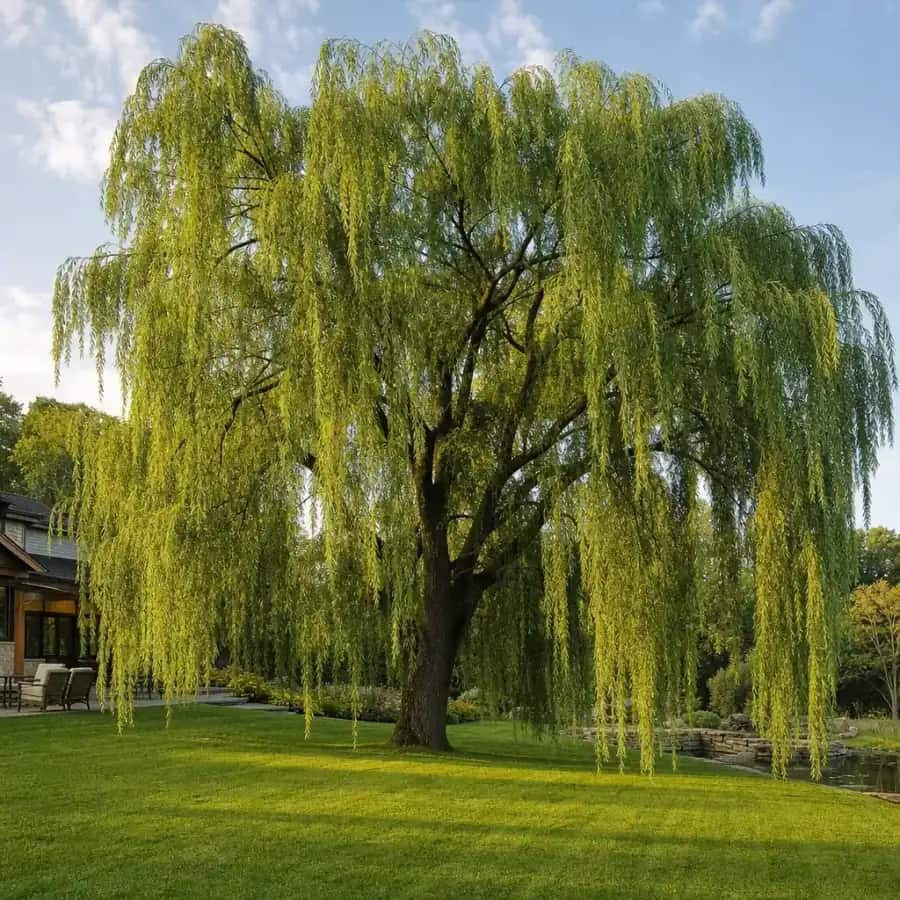
 Zones 4 to 9
Shade Trees
Weeping Willow
$40

Shop large, nursery-grown shade, privacy, flowering and fruit trees, delivered by freight in Santa Rosa County. Every tree is matched to your hardiness zone and backed by our 1-Year Thrive Guarantee.
Enter your ZIP and we'll match trees to your exact growing zone.
Typical winter lows in Santa Rosa County run about 15 to 30 F.
Matched to Santa Rosa County's zones
Zones 4 to 9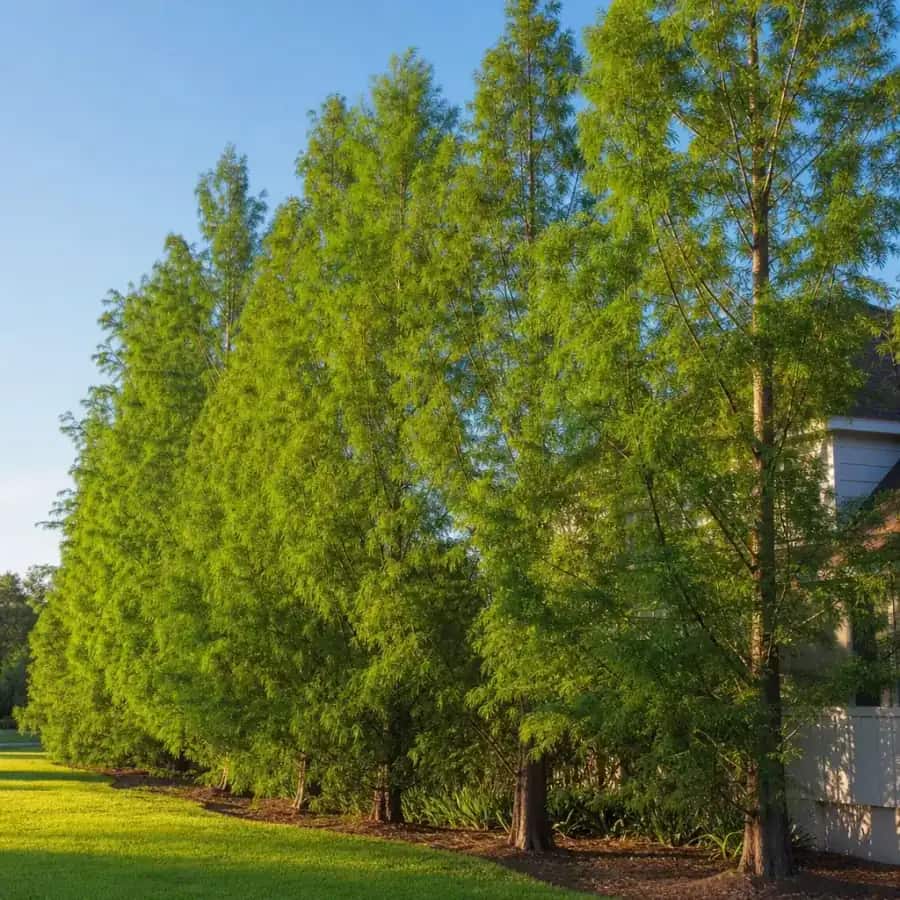 Zones 5 to 9
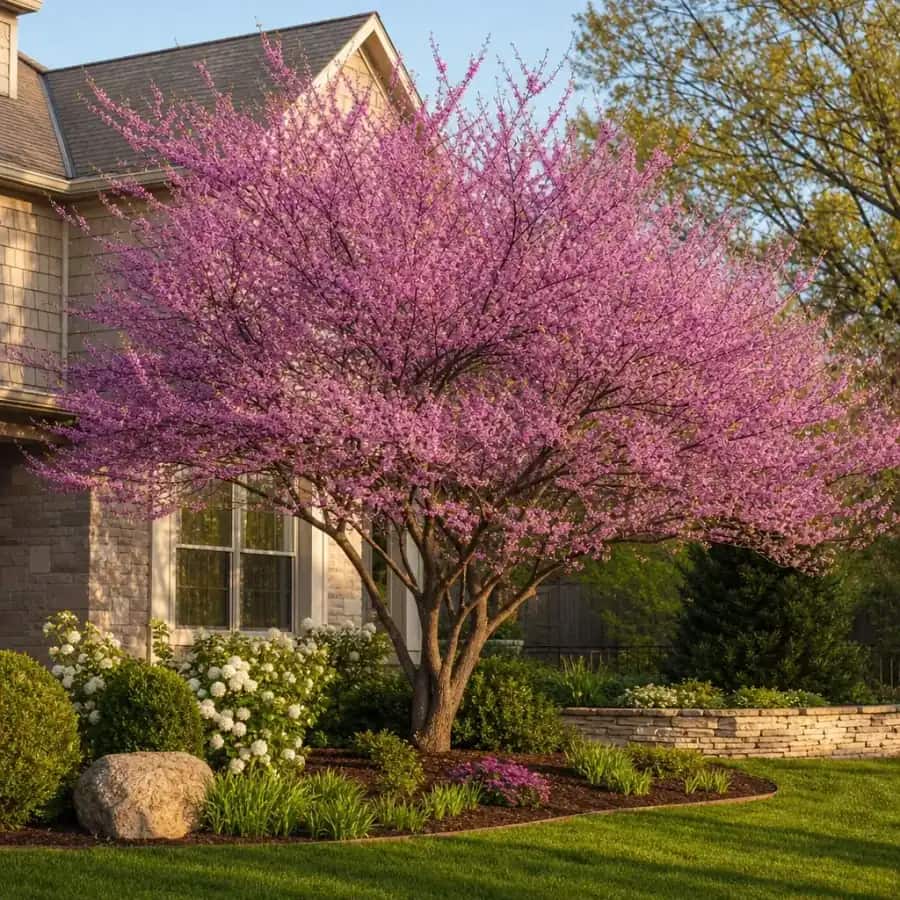 Zones 4 to 9
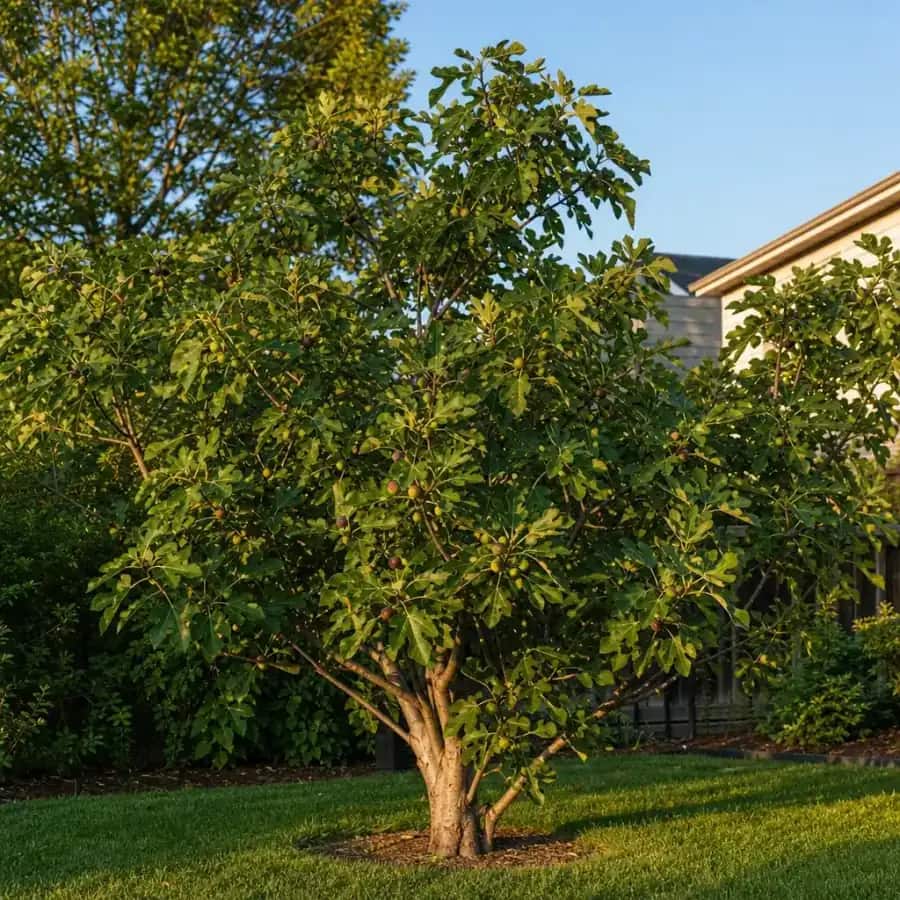 Zones 5 to 10
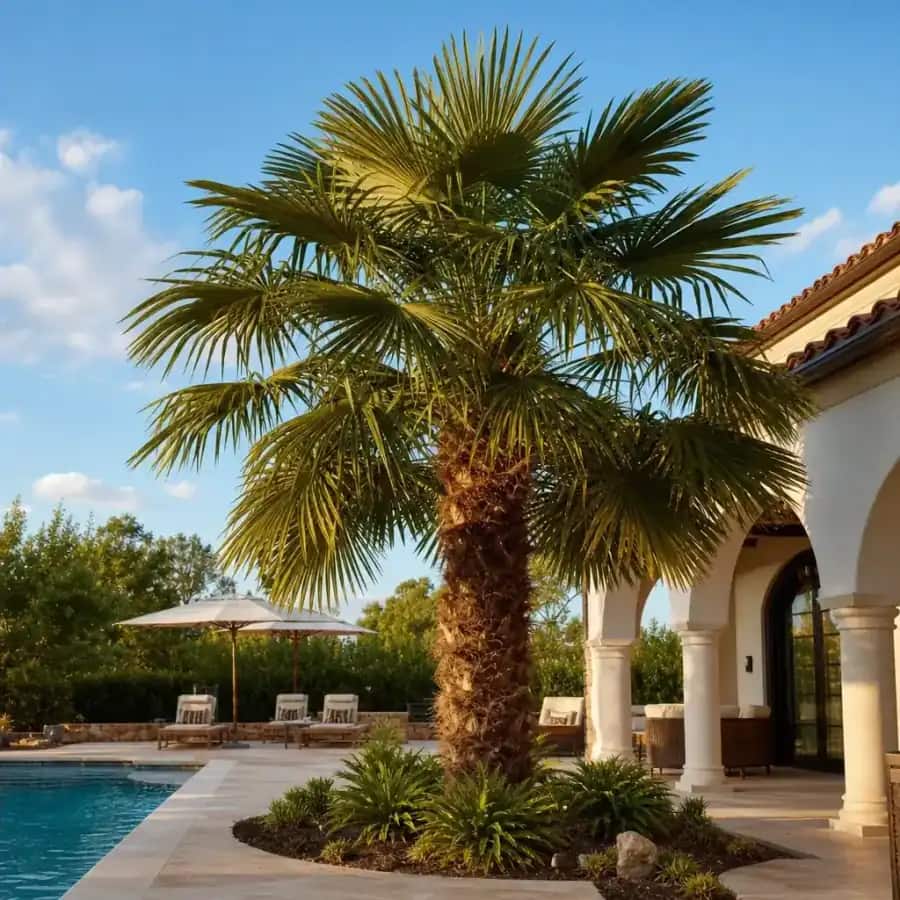 Zones 7 to 11
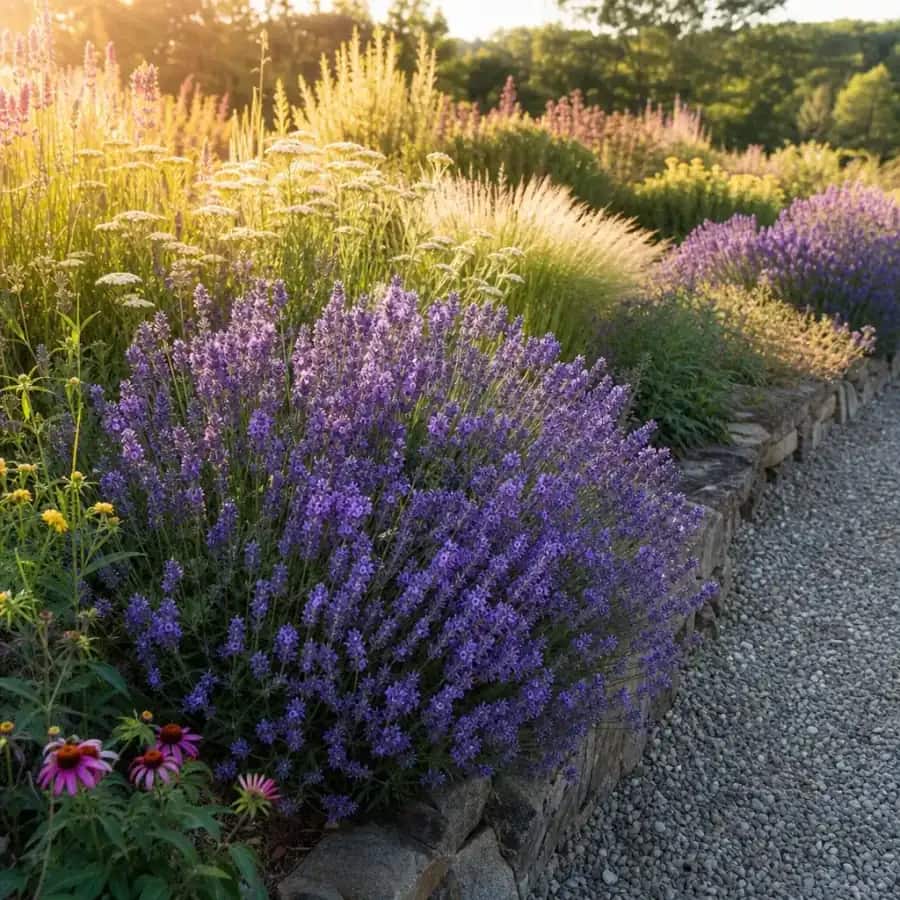 Zones 5 to 9
Shop by category
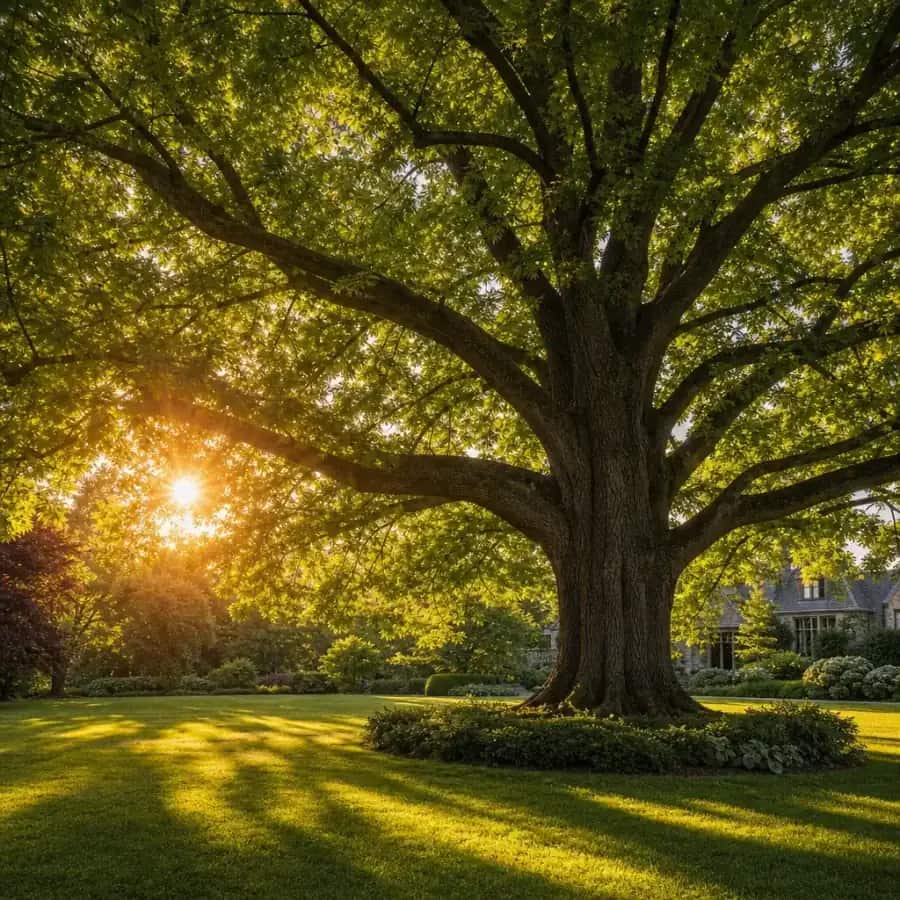 Shade TreesFast-growing oaks and sycamores that beat the Florida heat.View all Shade Trees →
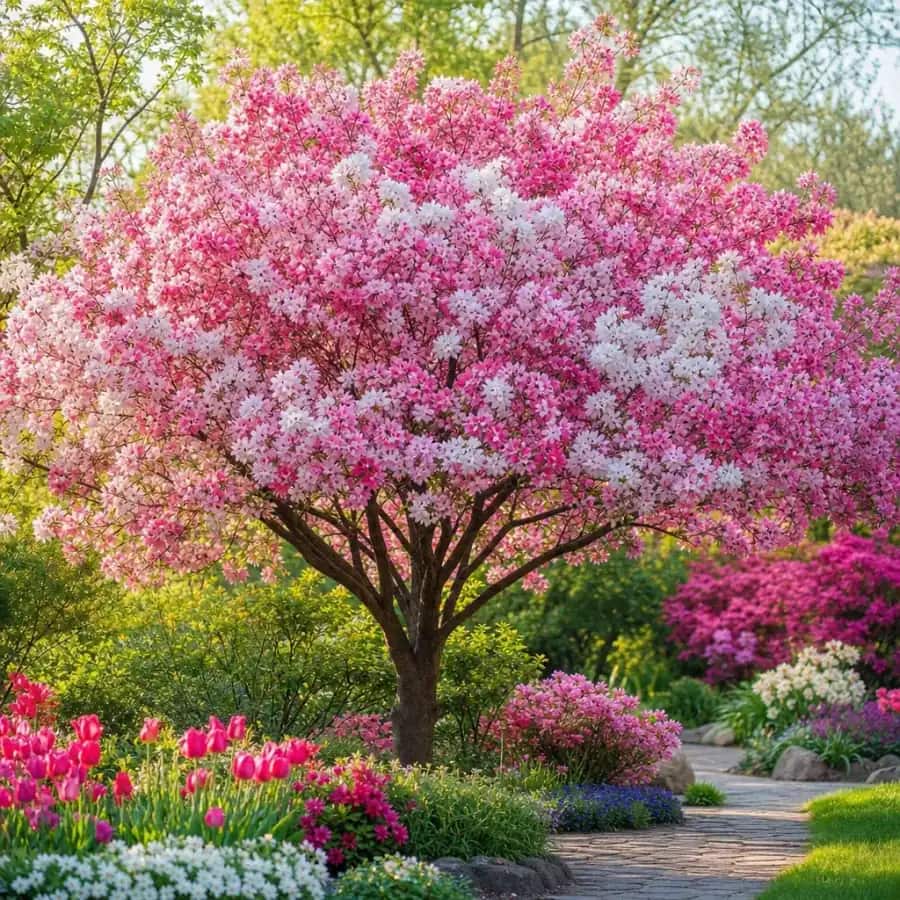 Flowering & OrnamentalCrape myrtles and plums that add color from spring to fall.View all Flowering & Ornamental →
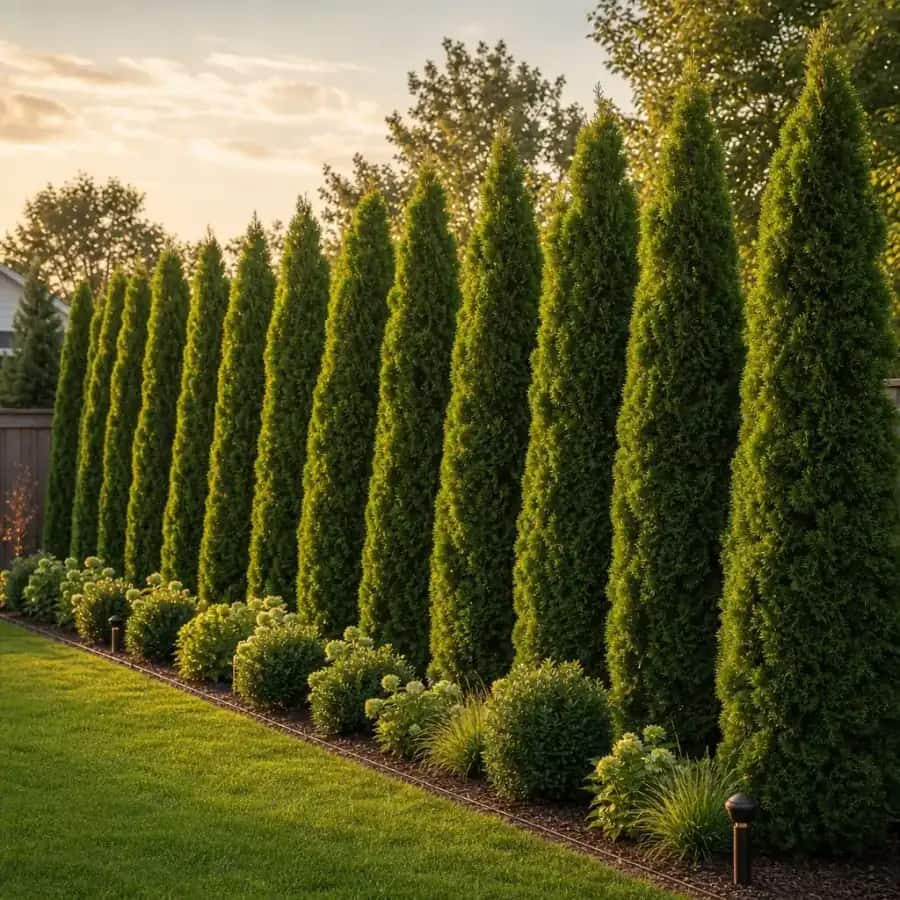 Evergreen & PrivacyHollies and magnolias that screen year-round.View all Evergreen & Privacy →
 Japanese MaplesLaceleaf varieties for dappled-shade gardens in cooler microclimates.
 Palms & TropicalsCold-hardy palms like Dwarf Palmetto that tolerate zone 9 lows.View all Palms & Tropicals →
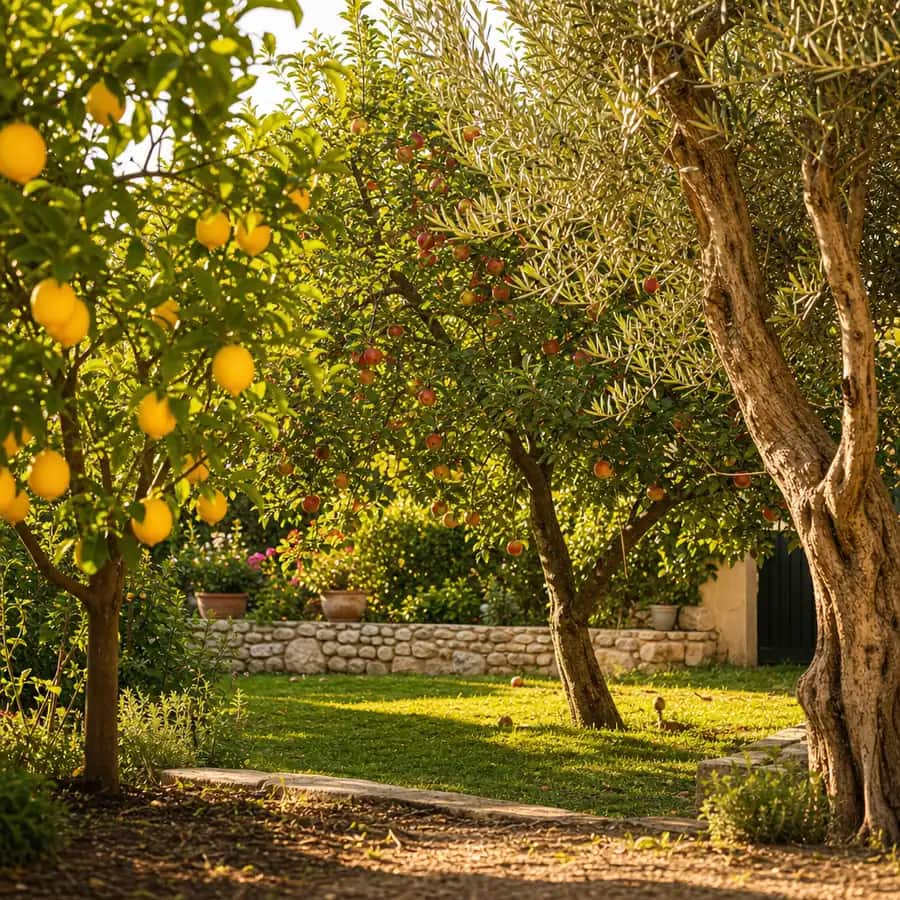 Fruit TreesFigs and other low-chill fruits for reliable harvests.View all Fruit Trees →
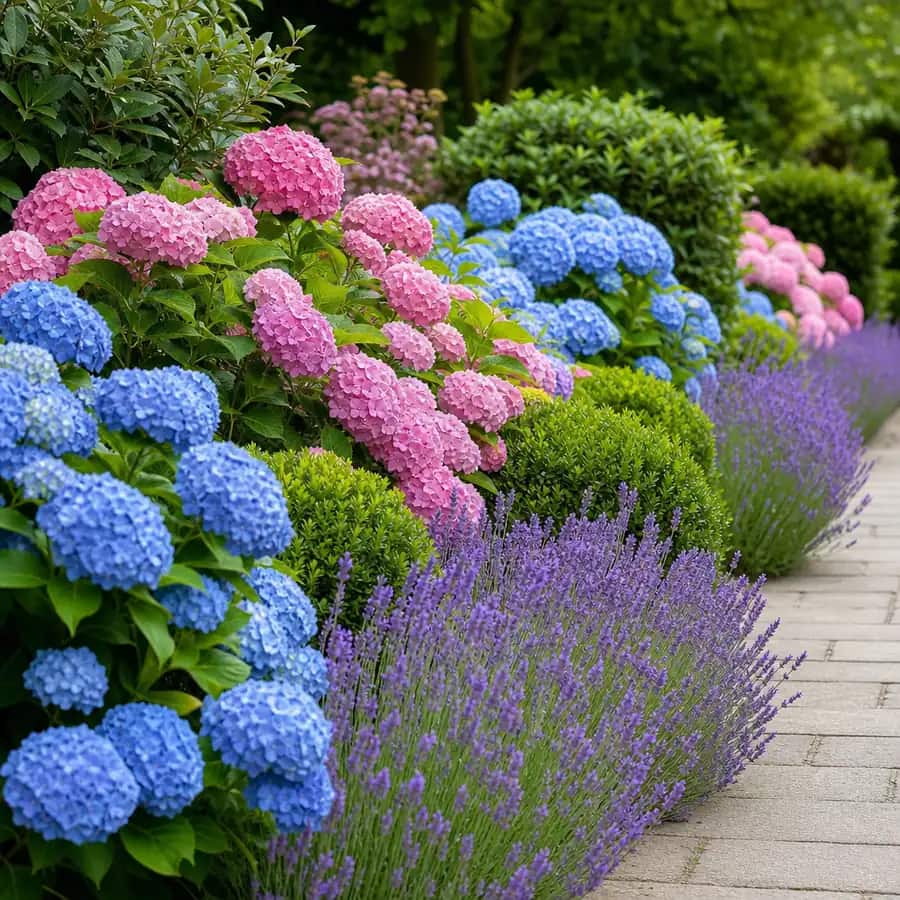 Shrubs & HedgesCompact evergreens and willows for structure and privacy.View all Shrubs & Hedges →
Local fit, from data
8b to 9b
about 15 to 30 F
10
Milton
Arbor Buddy delivers large, nursery-grown landscape trees by freight straight to your home in Santa Rosa County, Florida (FL). We serve homeowners and contractors with shade, privacy, flowering, and fruit trees that are matched to your yard's hardiness zone. Your climate spans zones 8b to 9b, so each tree we recommend is selected to thrive here.
Santa Rosa County spans zones 8b to 9b across its 10 ZIP codes. The warmer end (9b) lets you grow palms and tropicals like Dwarf Palmetto with confidence. The cooler end (8b) still supports crape myrtles and figs but may limit some citrus varieties. Typical winter lows run about 15 to 30 degrees Fahrenheit, so a freeze is rare but possible. The county's humid summers create an ideal environment for broadleaf evergreens and native hollies. Milton, the largest city, sits in the heart of the zone. For the mildest climates near the coast, trees for zone 9 in Santa Rosa County such as Chicago Hardy Fig and Muskogee Crape Myrtle perform best.
Daggett County, Utah (UT) sits in zone 5b with winter lows of -15 to -10 degrees F. That cold kills every tree we ship to Santa Rosa County except the most hardy. In practice, buyers here lean toward Japanese maples only in protected microclimates; the same trees struggle in Daggett County's dry, intense cold. For your yard, that means you can enjoy Japanese maples like Crimson Queen without the scorch risk that plagues them in Utah.
Smyth County, Virginia (VA) is zone 7a with lows of 0 to 5 degrees F. That gap changes the local shortlist to fruit and citrus viability. In Smyth County, Chicago Hardy Fig survives but many citrus trees do not. Here in Santa Rosa County, you can grow figs reliably and even try citrus with frost protection. The milder winter gives you more fruit options.
Chittenden County, Vermont (VT) spans zones 5a to 5b with lows of -20 to -10 degrees F. Palms and tropicals are impossible there. For your cart, that means you have a unique chance to grow Dwarf Palmetto and other cold-hardy palms that would never survive a Vermont winter. The takeaway: Santa Rosa County's warm climate lets you plant a much wider variety of trees, especially those that need mild winters.
We ship each tree by freight to your property. Because you order online, we first match every tree to your zone. Trees arrive nursery-grown at a usable landscape size. Your order comes with a 1-Year Thrive Guarantee: if a tree doesn't survive its first year, we replace it free. Zone 9 orders travel in the fall-to-early-spring stretch, not peak summer, to reduce transplant stress.
Before delivery day, check:
Ready to order? Browse our trees online, and we'll ship the right zone-matched tree to your Milton address. Arbor Buddy handles the logistics so you get a healthy, large tree ready to plant. Start your order today and enjoy the 1-Year Thrive Guarantee.
Enter your ZIP, shop only what thrives in your zone.
Freight delivery to your address: $149 flat per order, shown at checkout.
Plant it, watch it thrive, covered for one year.
Good to know · Growing guide
Coverage runs a full year from delivery. If something goes wrong, contact the team and they arrange the replacement. No store-credit games, no fine-print maze.