 Zones 4 to 9
Shade Trees
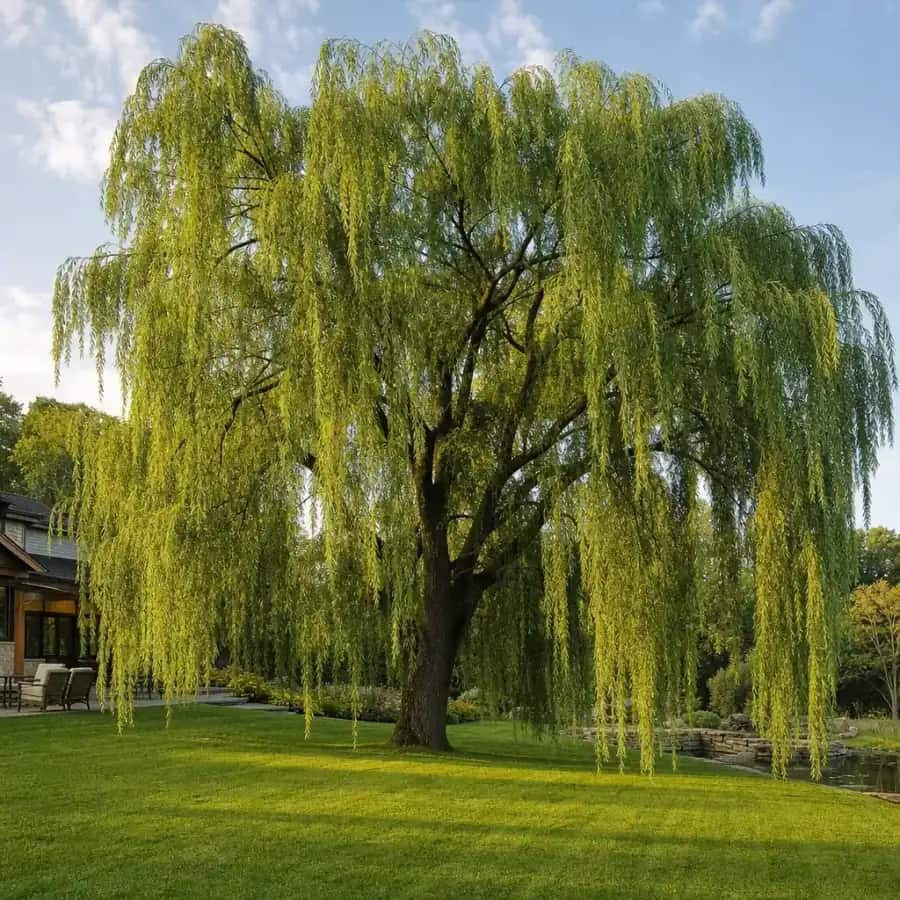
Weeping Willow
$40
Shop large, nursery-grown shade, privacy, flowering and fruit trees, delivered by freight in Walton County. Every tree is matched to your hardiness zone and backed by our 1-Year Thrive Guarantee.
Enter your ZIP and we'll match trees to your exact growing zone.
Typical winter lows in Walton County run about 15 to 30 F.
Matched to Walton County's zones
Shop by category
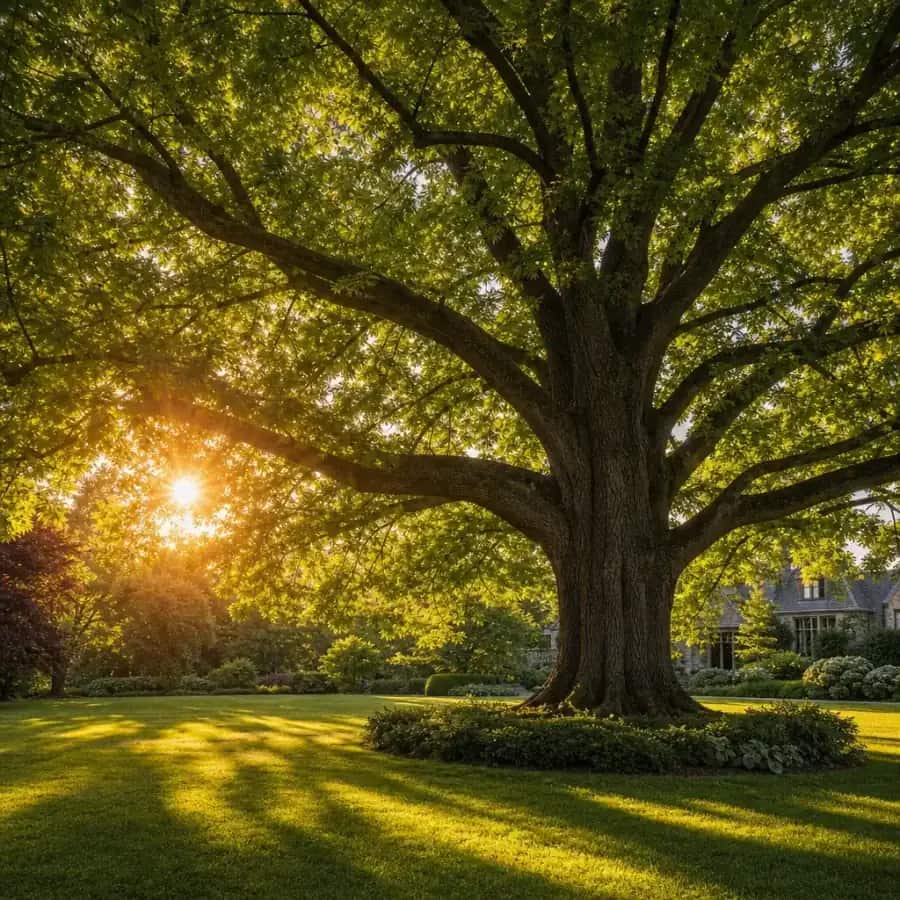 Shade TreesBeat the heat with broad-canopy trees that cool your home in Walton County's zone 8b to 9b.View all Shade Trees →
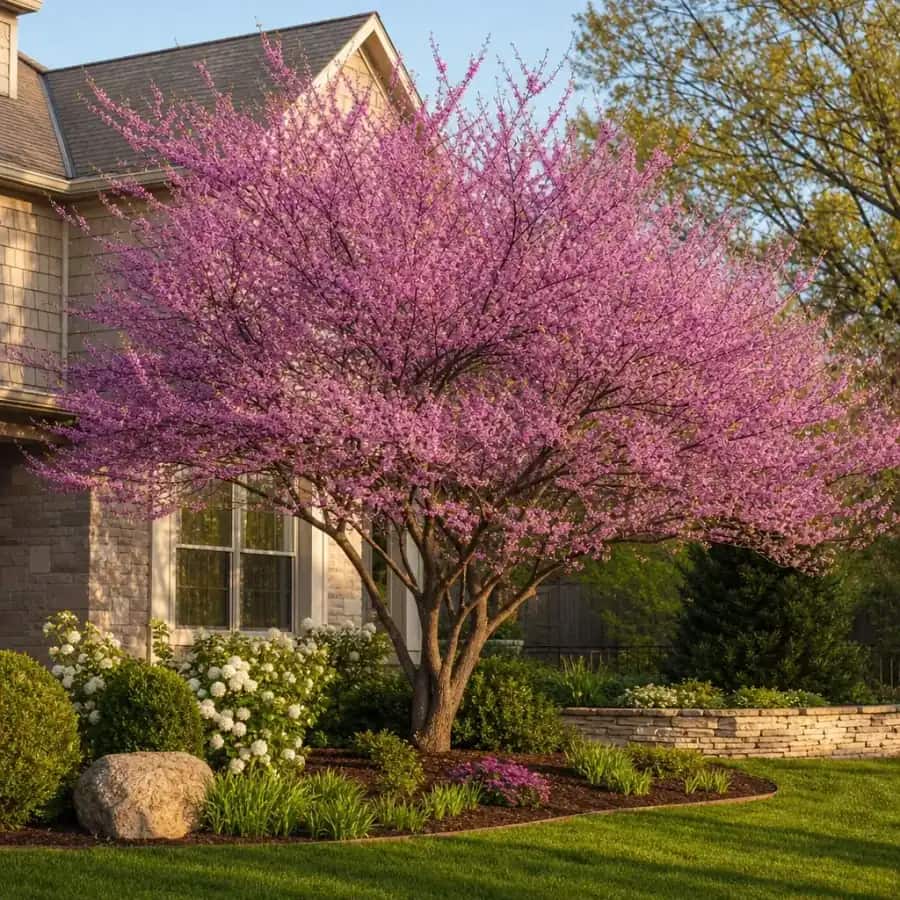
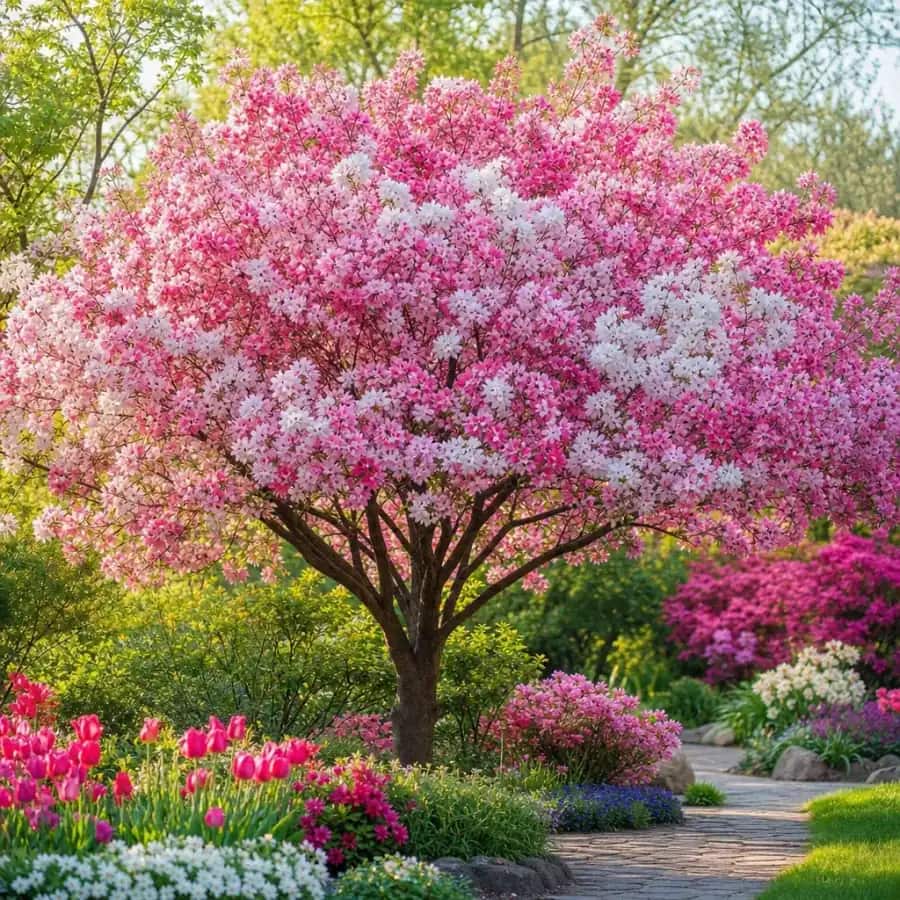 Flowering & OrnamentalProlonged bloom seasons from crape myrtles and dogwoods add color through warm fall months.View all Flowering & Ornamental →
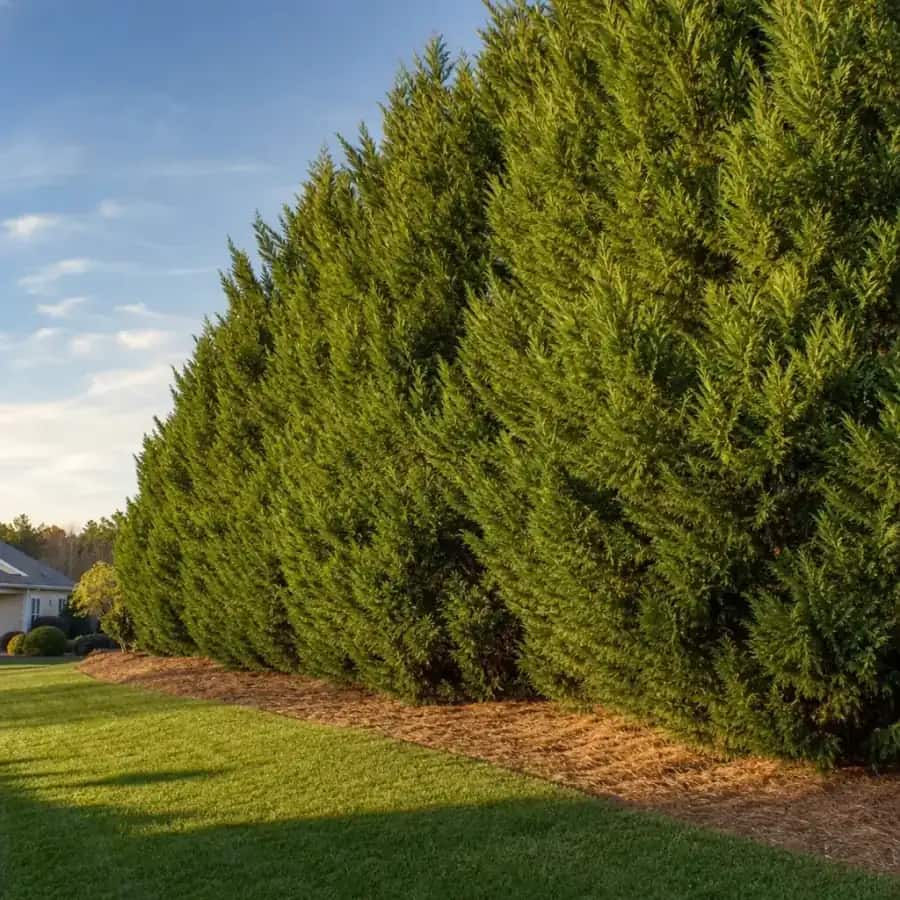
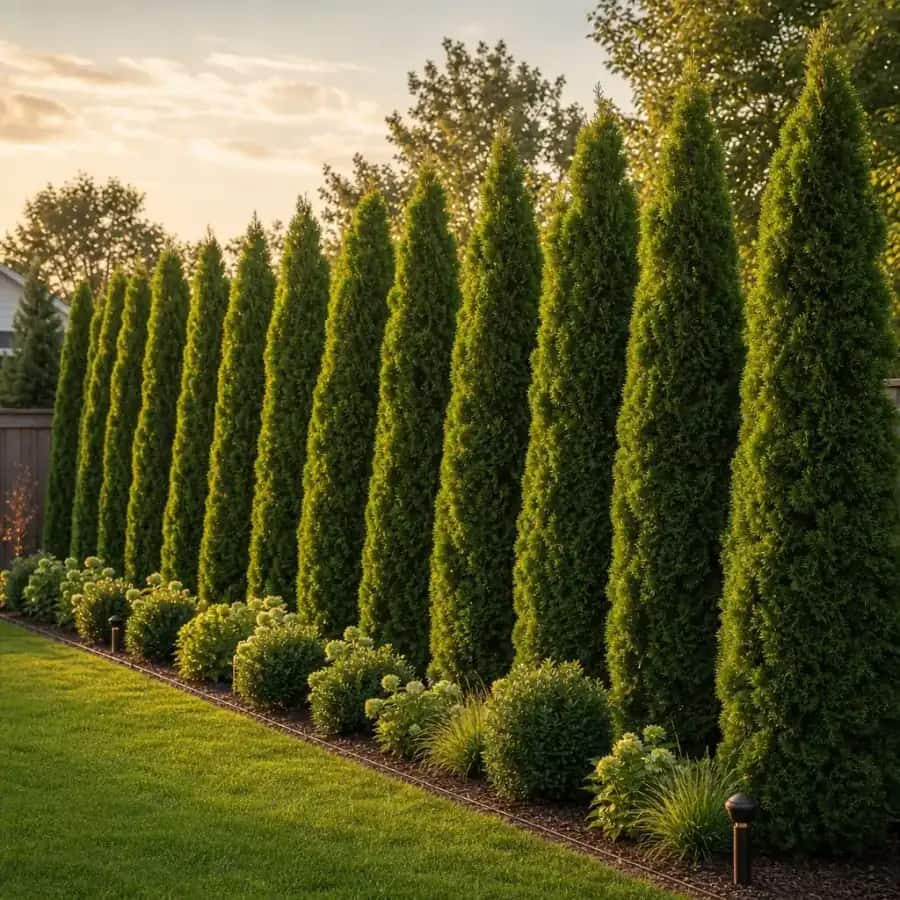 Evergreen & PrivacyYear-round screens that handle humidity without flopping, from columnar junipers to redcedar.View all Evergreen & Privacy →
 Japanese MaplesDelicate laceleaf maples can thrive here with afternoon shade to avoid leaf scorch.
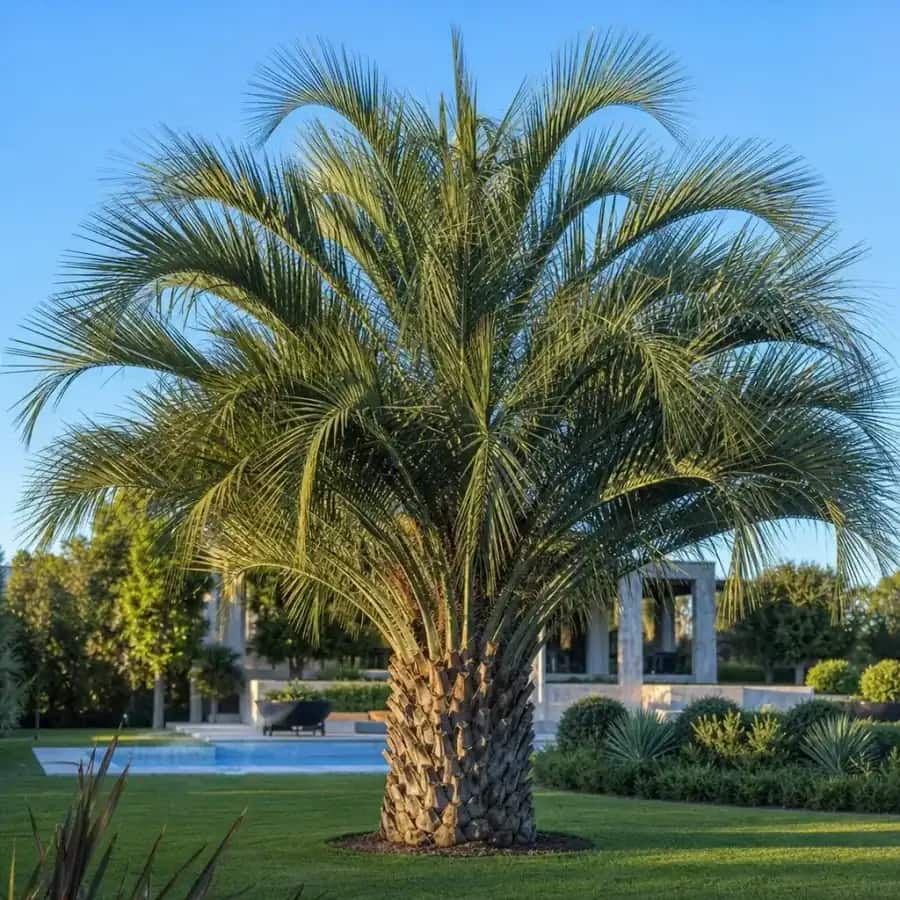
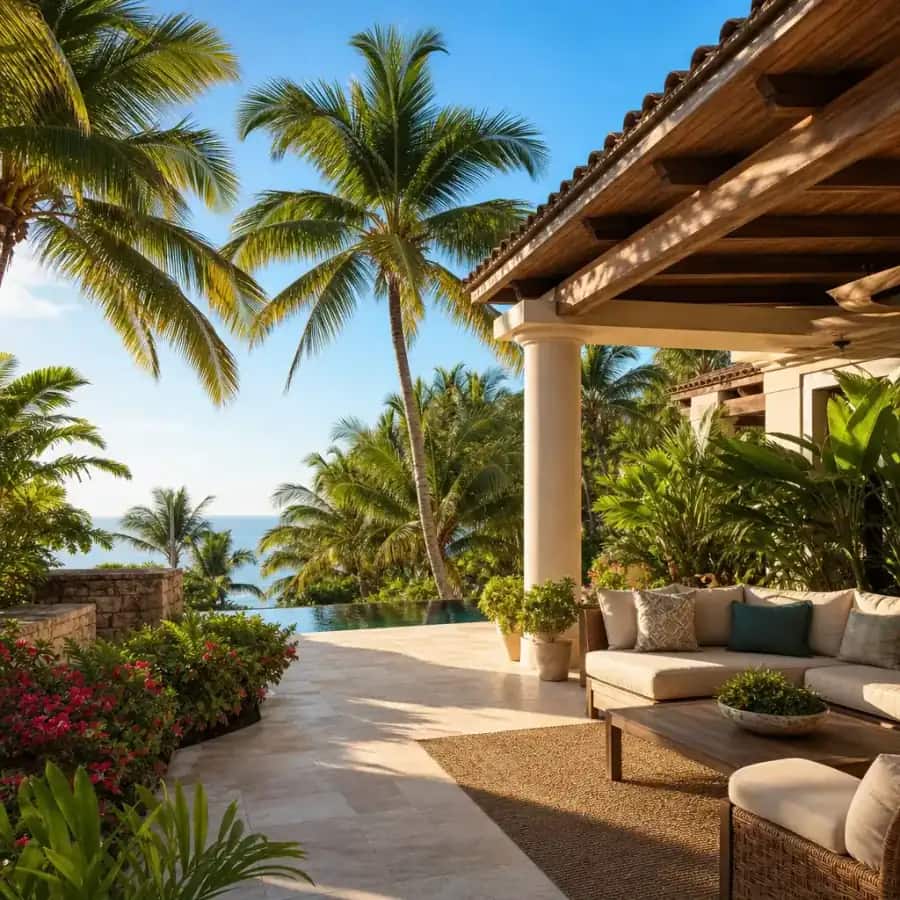 Palms & TropicalsDwarf palmetto and windmill palm bring a low-maintenance tropical look to zone 8b to 9b yards.View all Palms & Tropicals →
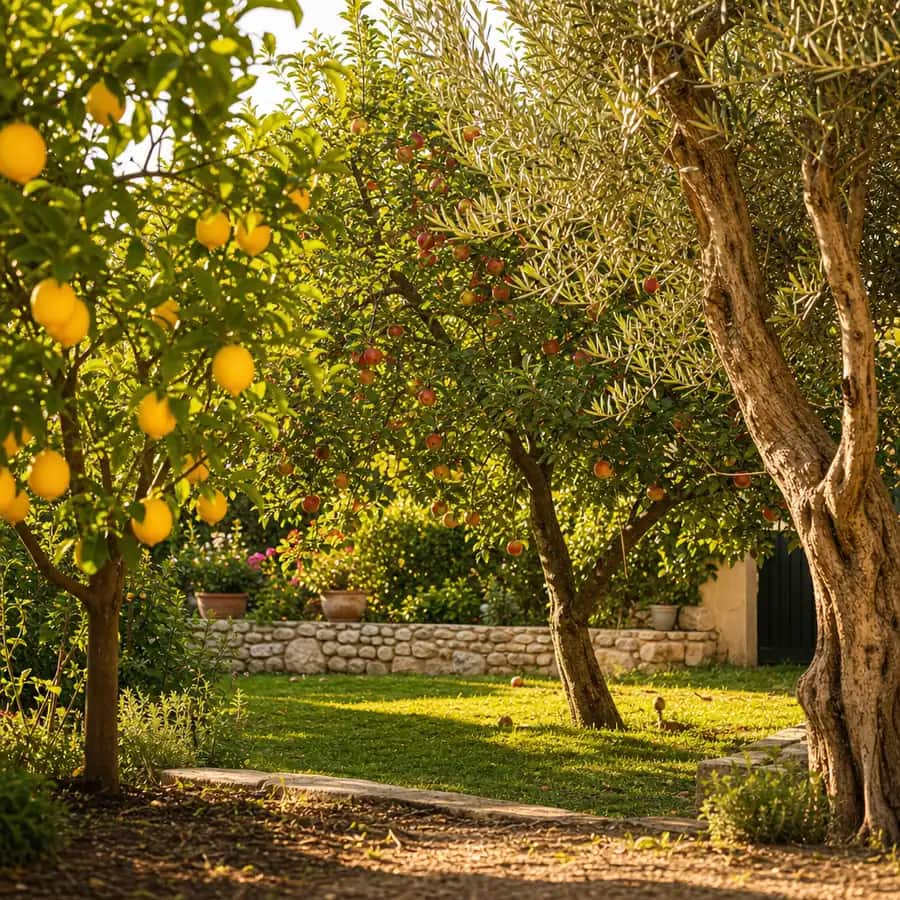 Fruit TreesLow-chill figs and citrus produce reliably here; check chill-hour needs before ordering.View all Fruit Trees →
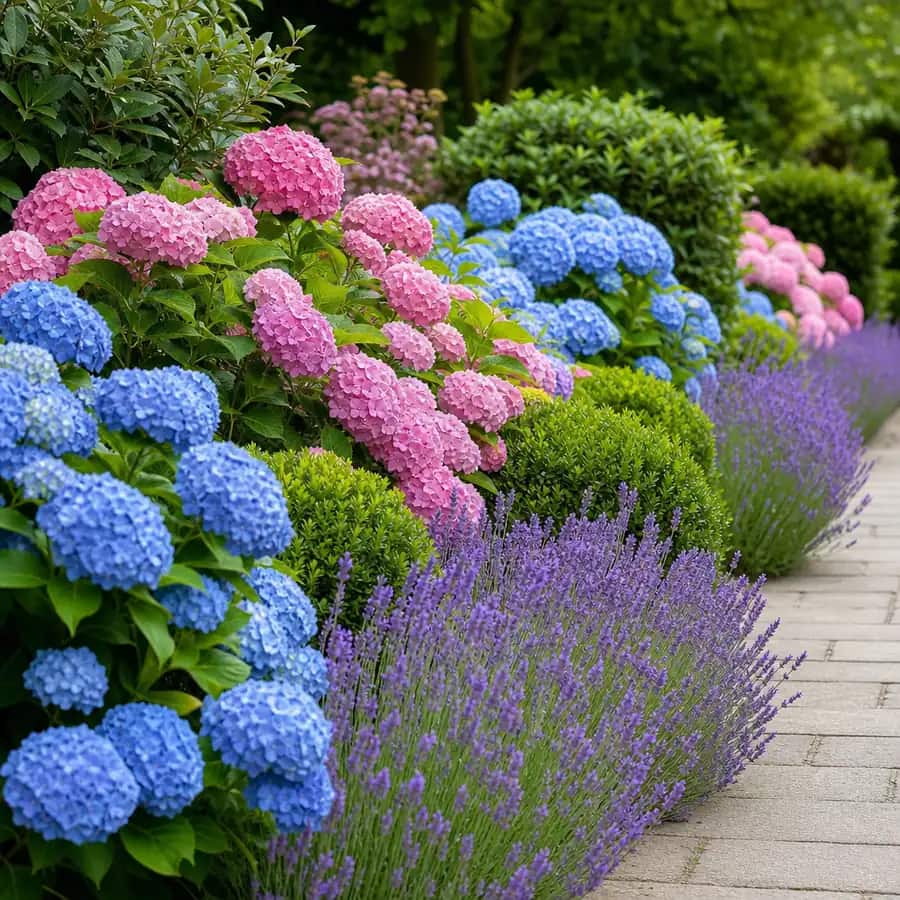 Shrubs & HedgesFoundation plants like hydrangeas and lavender that tolerate the county's warm, humid conditions.View all Shrubs & Hedges →
Local fit, from data
8b to 9b
about 15 to 30 F
10
Defuniak Springs
In Walton County, Florida (FL), the cooler months from fall to early spring are the prime time for tree deliveries. Arbor Buddy ships large, nursery-grown shade, flowering, privacy, and fruit trees by freight directly to homeowners and contractors. Every tree is matched to the county's hardiness zone range of 8b to 9b, ensuring it will thrive in your local conditions.
Walton County spans USDA hardiness zones 8b to 9b across its 10 ZIP codes. The colder pockets near the northern edge (zone 8b) see typical winter lows around 15 to 30 degrees Fahrenheit, while the southern coastal areas (zone 9b) stay milder. This range lets you choose from a broad palette of trees that handle heat, humidity, and occasional cold snaps.
If you are looking for trees for zone 9 in Walton County, prioritize species that tolerate persistent humidity and warm nights. Shade trees, flowering ornamentals, and cold-hardy palms perform consistently. Japanese maples need careful siting with afternoon shade to avoid leaf scorch during the hottest months. Defuniak Springs is the main delivery area, but we ship to addresses throughout the county.
Use this cheat sheet to match your yard goal to the best tree category in Walton County.
Cedar Elm is a top pick because it handles humidity and heat while providing broad shade. Other strong options include live oak and southern magnolia, but cedar elm adapts well to the county's zone 8b to 9b range.
Your zone 8b to 9b climate suits flowering ornamentals like crape myrtle and dogwood, plus cold-hardy palms and figs. The typical winter lows of 15 to 30 F allow a wide mix, but avoid trees that need more than 800 chill hours, like traditional peaches.
Yes, we ship by freight to most addresses in Walton County, including Defuniak Springs. Because delivery is freight, you need to be home to receive the tree and ensure the truck can access your property.
If any tree you order dies from causes within our control during its first year, we replace it free of charge. The guarantee covers the replacement tree and its shipping, not labor. It gives you confidence to invest in larger landscape trees.
Browse our full selection of zone-matched trees for Walton County. Arbor Buddy delivers large, nursery-grown trees to your door with a 1-year guarantee. Pick the species that fits your yard goal and season your order for the upcoming fall-to-spring shipping window.
Washington County, Rhode Island (RI) sits in zone 6b to 7a with winter lows down to -5 to 5 F. Here, the zone usually pushes the choice toward cold-hardy Japanese maples that can handle harsh winters. In Walton County, the same maples can thrive but need shade from intense afternoon sun. The practical difference is that we can grow many varieties without worrying about winterkill, but must manage summer heat stress instead.
Lincoln County, South Dakota (SD) is zone 5a with typical winter lows of -20 to -15 F. The practical difference is that heat and humidity tolerance matters little there, while in Walton County it is a top concern. Locally, that points buyers toward trees like cedar elm and crape myrtle that shrug off humid summers, rather than the drought-tolerant evergreens common on the Great Plains.
Fayette County, Pennsylvania (PA) falls in zone 6a to 6b with winter lows -10 to 0 F. Locally, that points buyers toward drought-tolerant species because their summers can be dry. In Walton County, we have ample summer rainfall but higher humidity, so choose trees that resist fungal issues rather than intensive drought toughness. Your main challenge is not cold but keeping roots aerated in wet periods.
For Walton County buyers, these contrasts mean focusing on heat tolerance, humidity resistance, and proper siting rather than extreme cold hardiness. Your tree choices should emphasize species that thrive in warm, moist conditions.
Arbor Buddy ships your trees by freight directly to your Walton County address. Each tree is nursery-grown at a usable landscape size and zone-matched before shipment. In zone 9, shipments are timed for the cooler months, fall to early spring, to reduce transplant stress. Every tree comes with our 1-Year Thrive Guarantee: if it does not survive its first year, we replace it free.
Before delivery day, check:
Enter your ZIP, shop only what thrives in your zone.
Freight delivery to your address: $149 flat per order, shown at checkout.
Plant it, watch it thrive, covered for one year.
Good to know · Growing guide
Coverage runs a full year from delivery. If something goes wrong, contact the team and they arrange the replacement. No store-credit games, no fine-print maze.