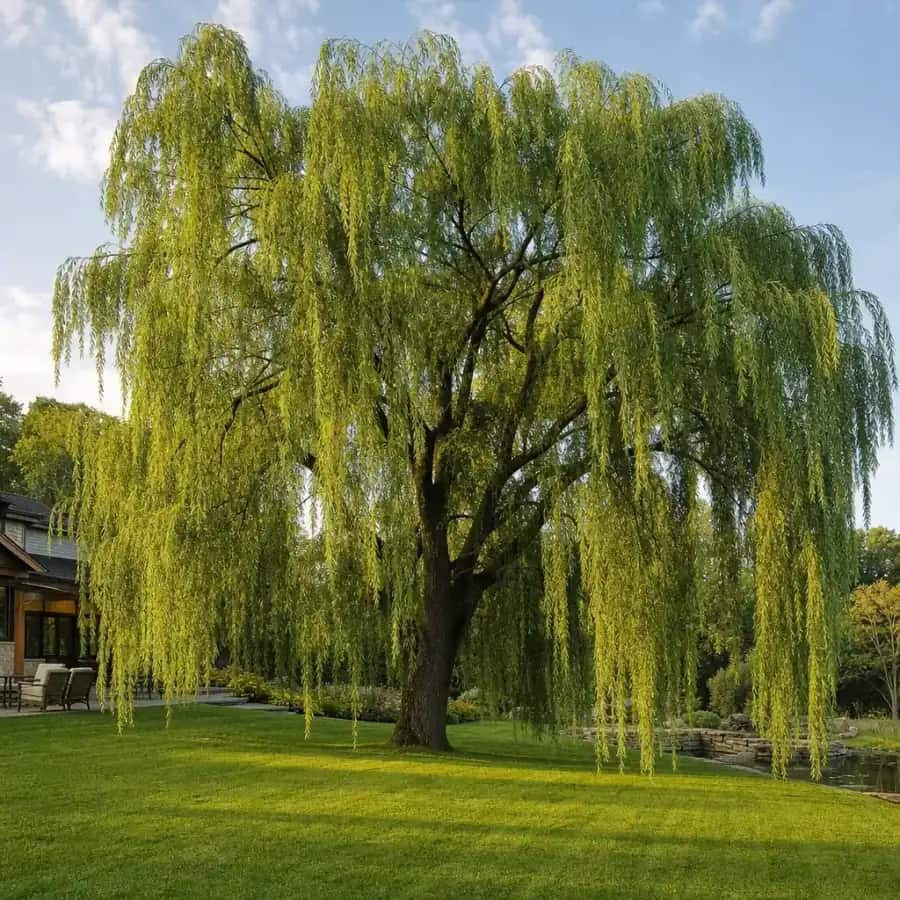
 Zones 4 to 9
Shade Trees
Weeping Willow
$40
Shop large, nursery-grown shade, privacy, flowering and fruit trees, delivered by freight in Clay County. Every tree is matched to your hardiness zone and backed by our 1-Year Thrive Guarantee.
Enter your ZIP and we'll match trees to your exact growing zone.
Typical winter lows in Clay County run about 15 to 20 F.
Matched to Clay County's zones
Zones 4 to 9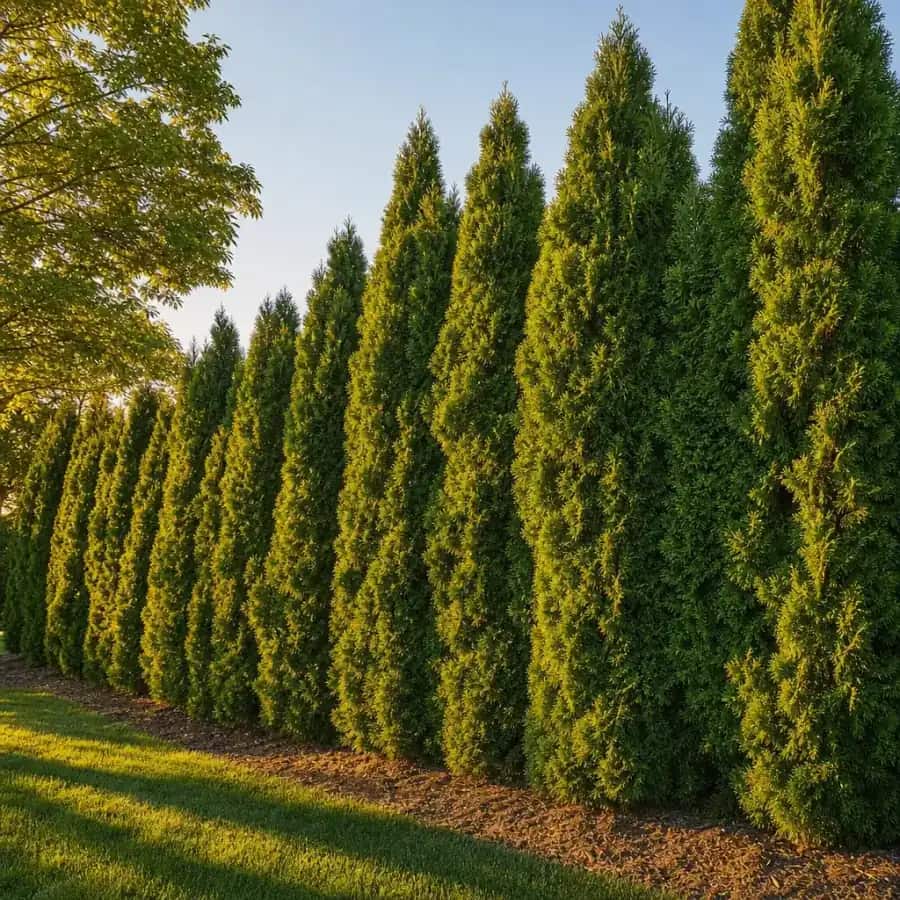 Zones 5 to 8
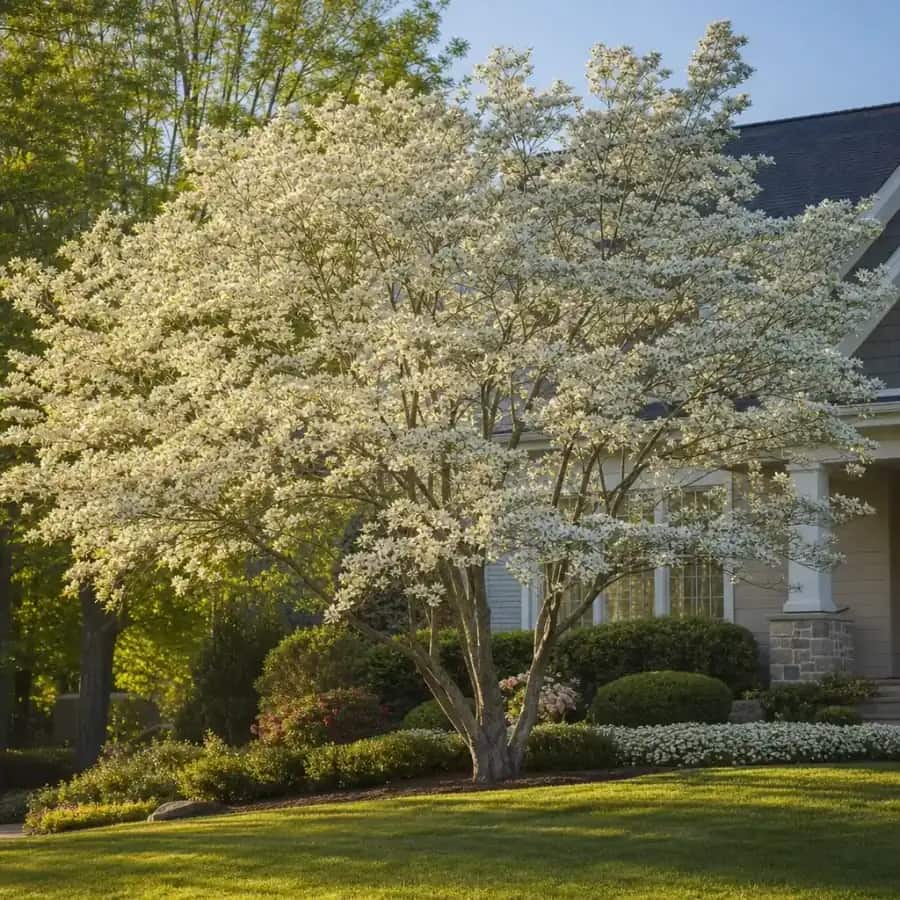 Zones 5 to 9
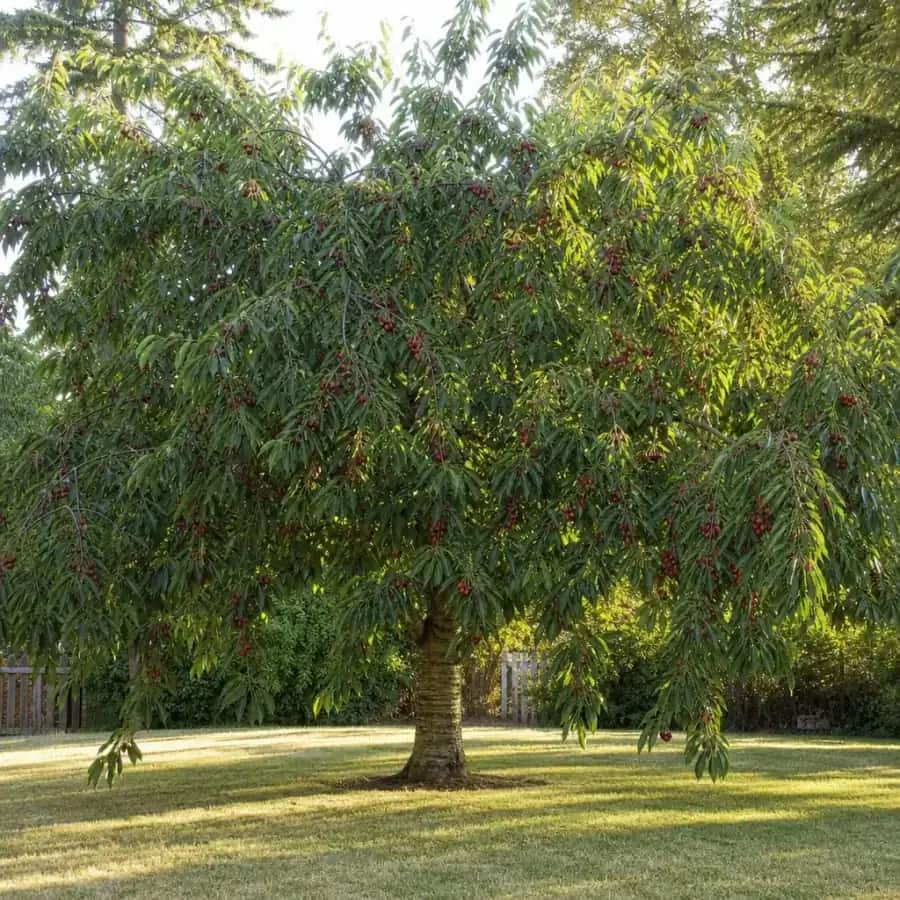 Zones 5 to 8
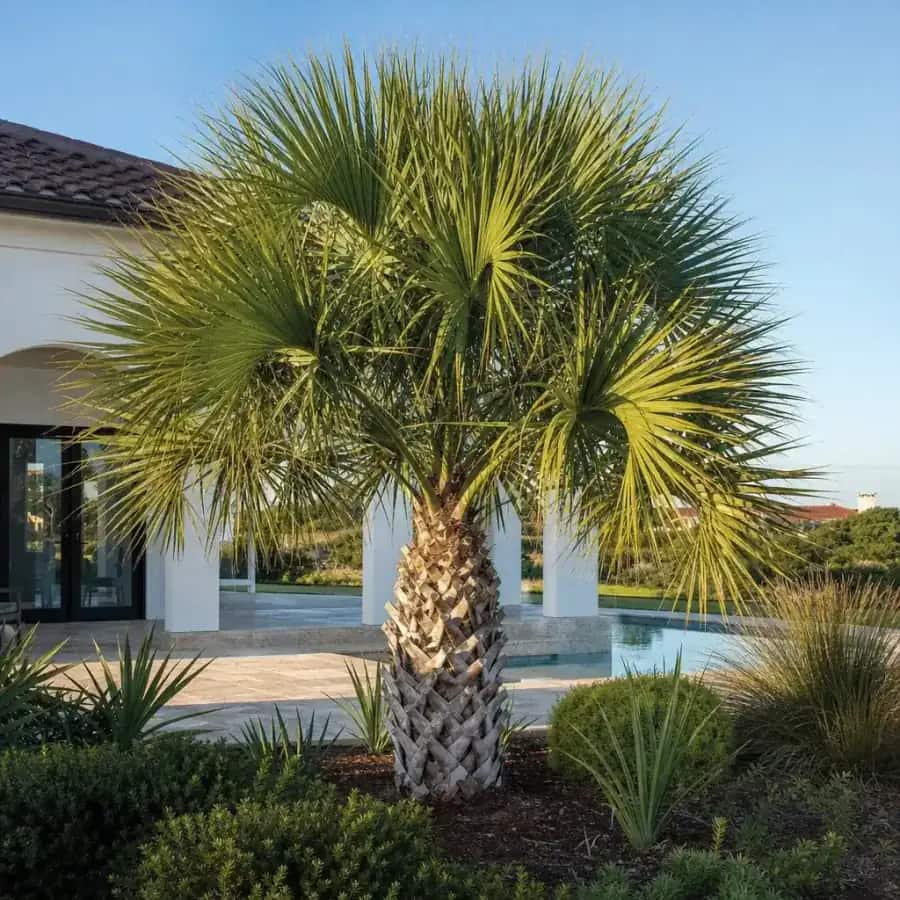 Zones 7 to 11
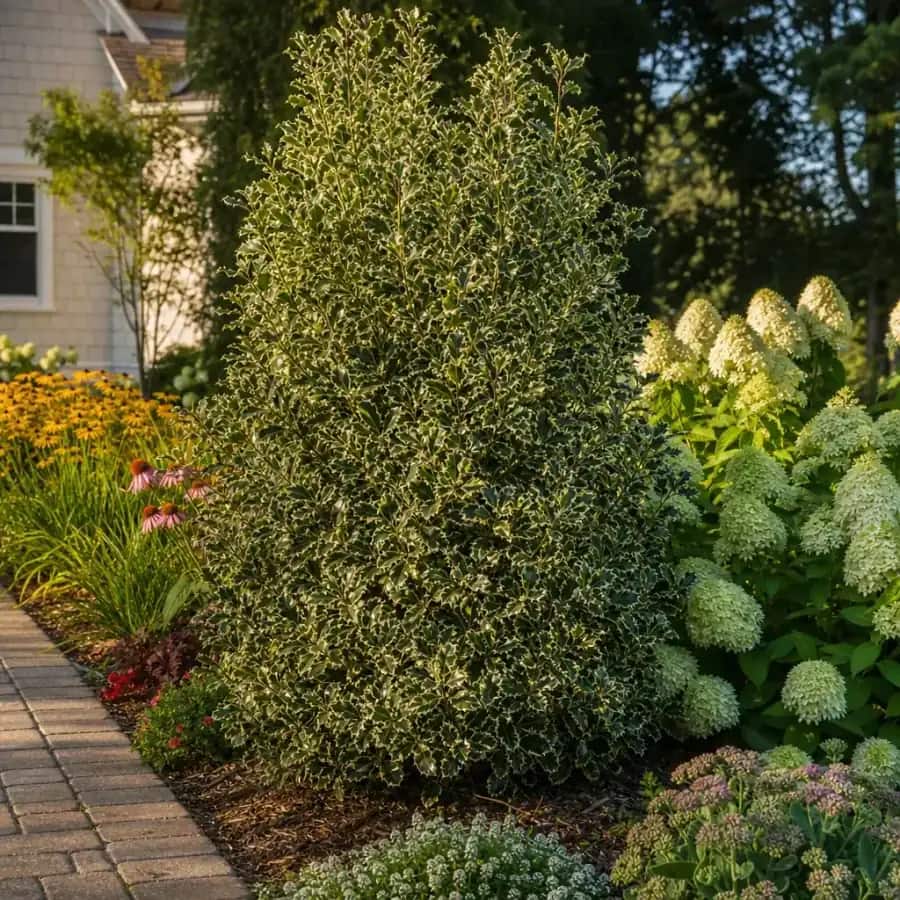 Zones 6 to 9
Shop by category
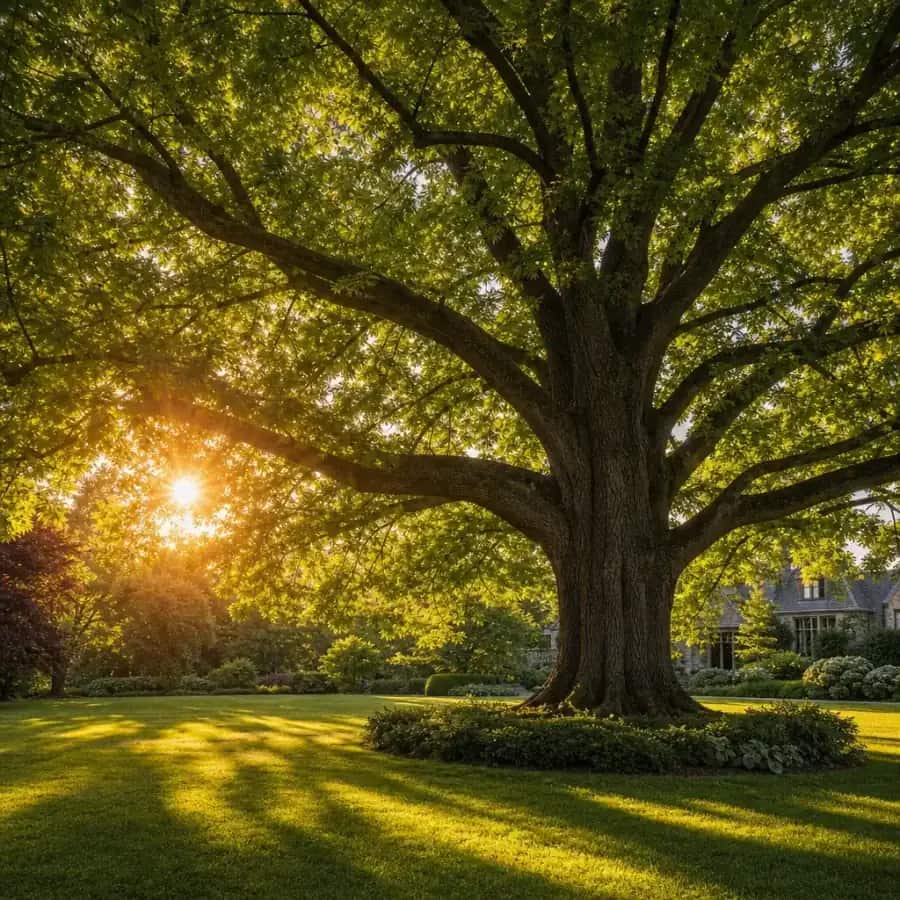 Shade TreesBroad canopies that cool your yard, from oaks to elms built for the Southeast.View all Shade Trees →
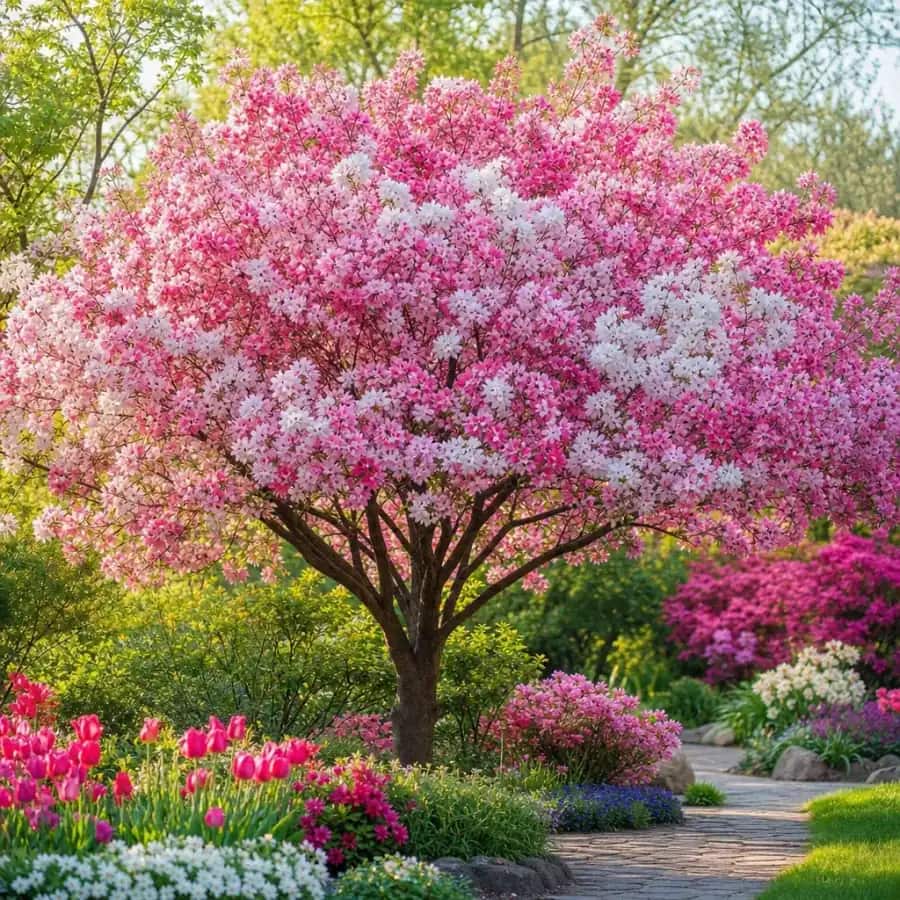 Flowering & OrnamentalCrape myrtles and redbuds add months of color without heavy upkeep.View all Flowering & Ornamental →
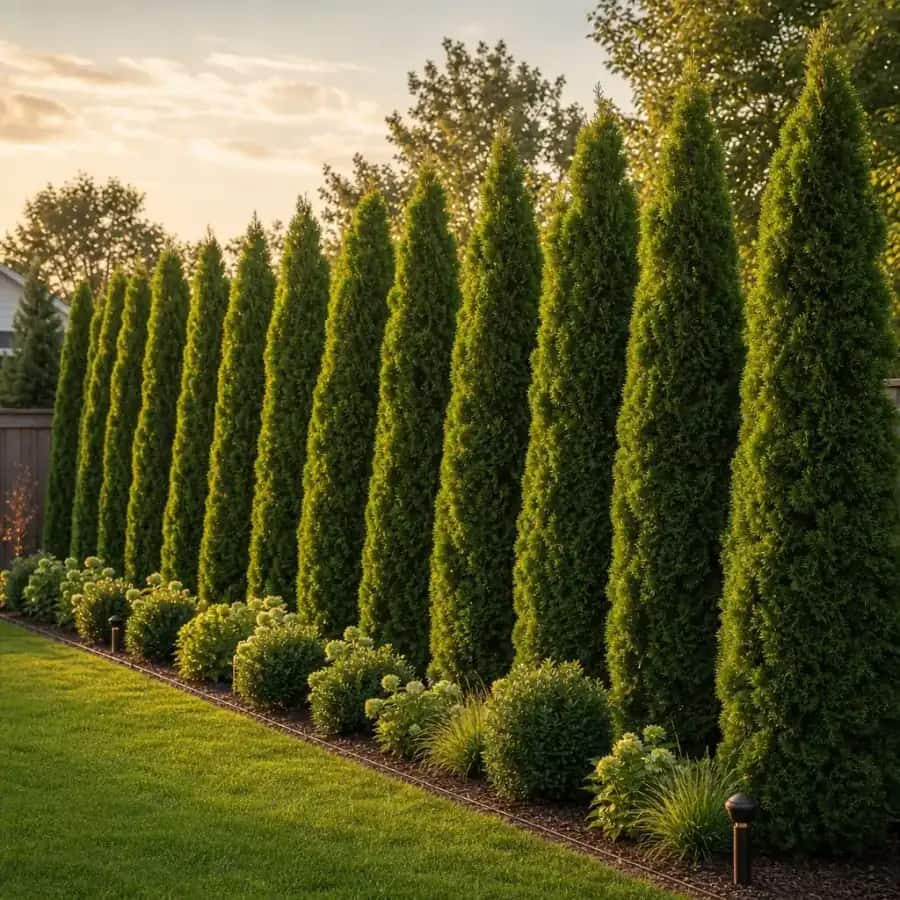 Evergreen & PrivacyYear-round screening with hollies and junipers that stay green through mild winters.View all Evergreen & Privacy →
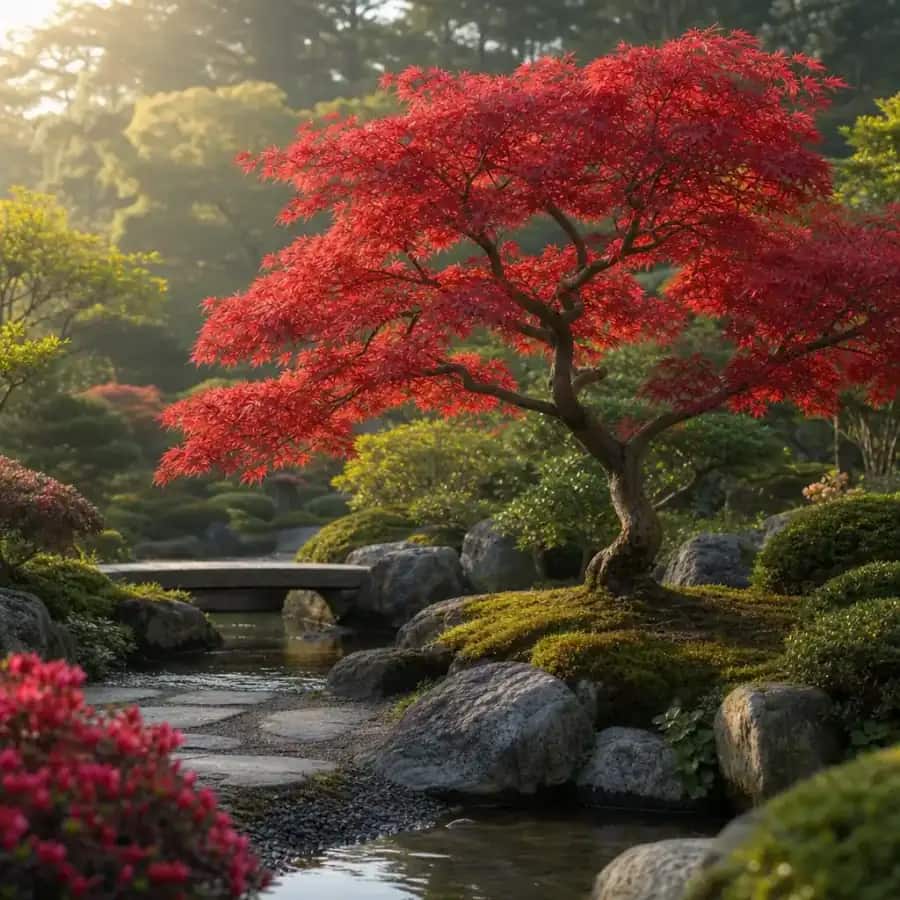 Japanese MaplesSculptural small trees that love afternoon shade and add vivid fall tones.
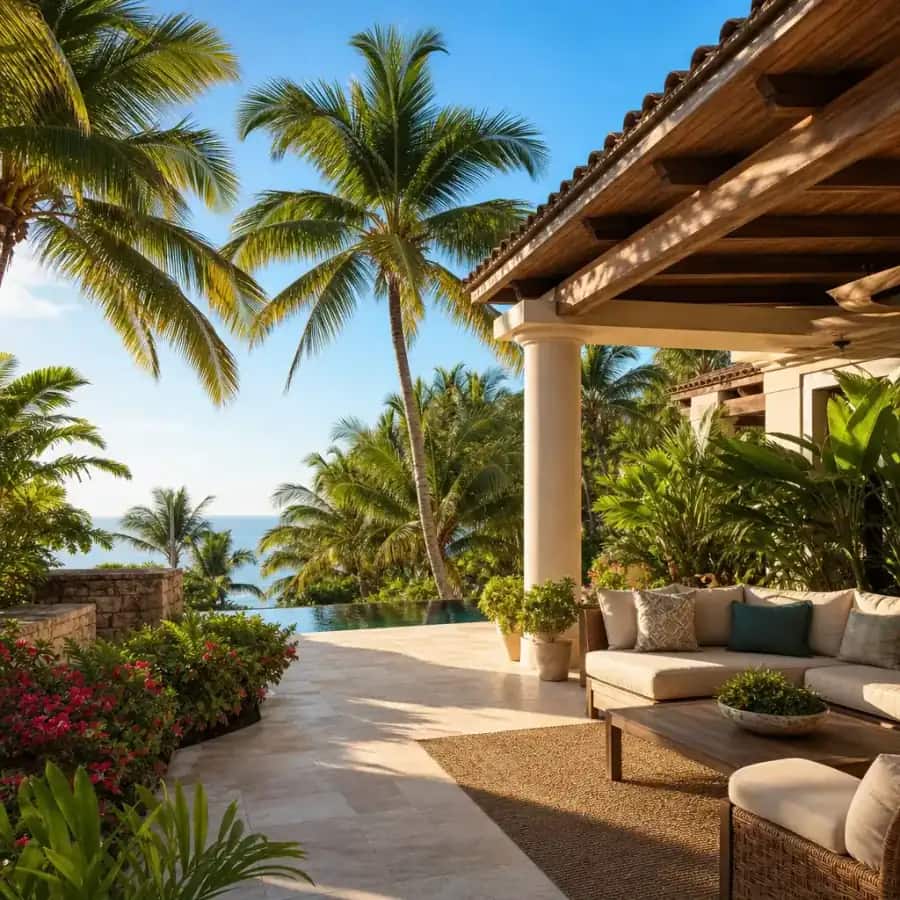 Palms & TropicalsCold-hardy palms like Dwarf Palmetto give a tropical feel without winter worry.View all Palms & Tropicals →
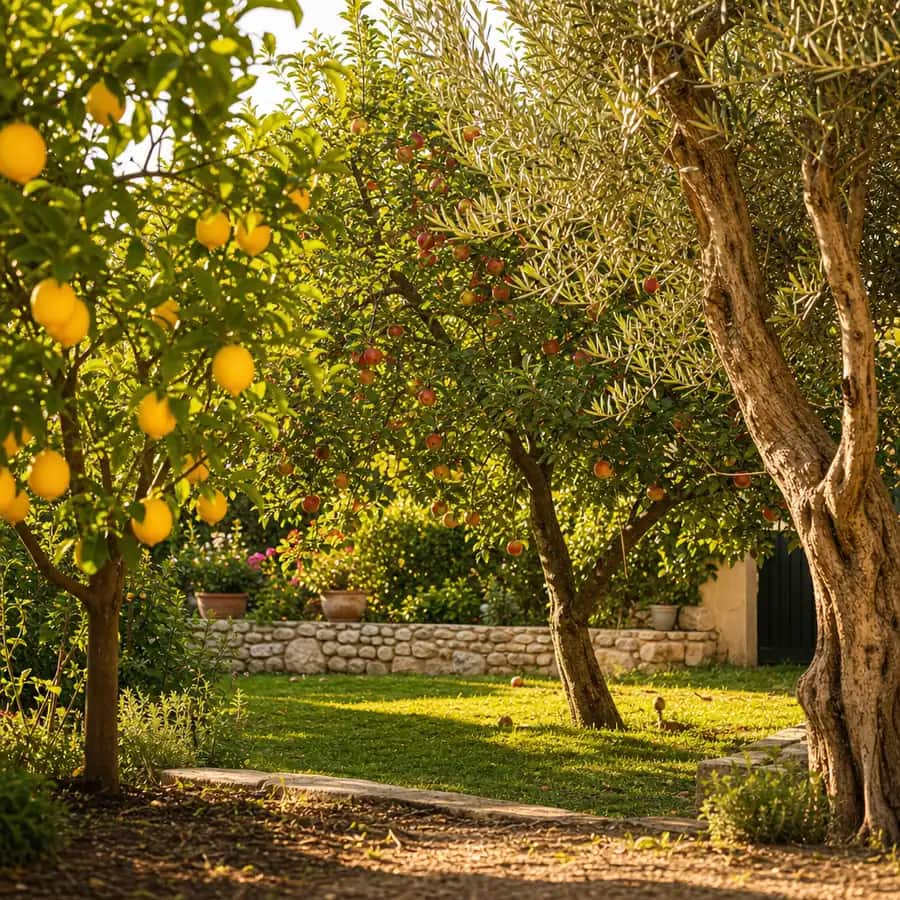 Fruit TreesZone 8b allows sweet cherries, peaches, and citrus with proper variety selection.View all Fruit Trees →
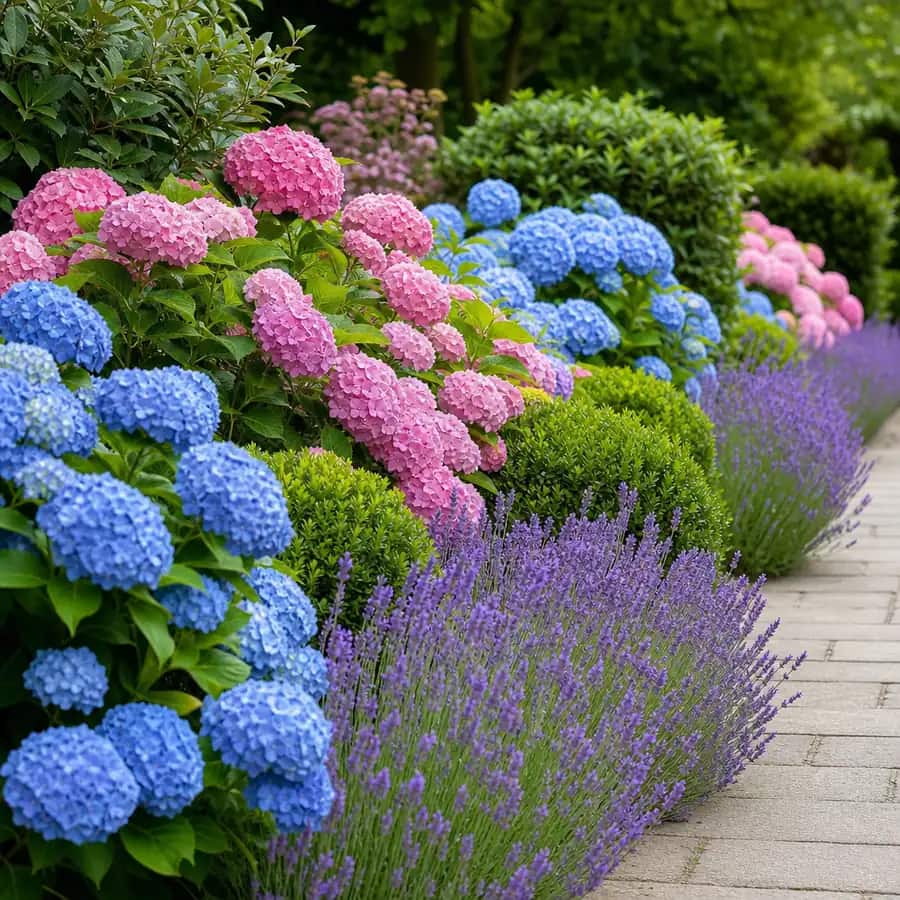 Shrubs & HedgesDense fillers and flowerers such as hydrangea and lavender that anchor beds.View all Shrubs & Hedges →
Local fit, from data
8b
about 15 to 20 F
3
Bluffton
Arbor Buddy delivers large, nursery-grown trees straight to your door via freight. Homeowners in Clay County, Georgia (GA) can choose from shade, privacy, flowering, and fruit trees, each matched to your zone 8b climate. Typical winter lows run about 15 to 20 F, which opens the door to many landscape options.
Clay County falls in zone 8b across its three ZIP codes. Typical winter lows of 15 to 20 F mean you can grow many species that would struggle farther north. The area has humid summers and occasional dry spells, but most shade and flowering trees handle that pattern well.
The warmer end of 8b lets you include palms, citrus, and crape myrtles. Cold snaps happen but rarely damage zone-hardy trees. For the best results, choose trees for zone 8 in Clay County that are proven in this band. Bluffton, the largest city, sees the same climate envelope as the rest of the county.
Evergreens and broadleaf screening hollies do particularly well here. Palms and tropicals also thrive, while Japanese maples need afternoon shade to avoid leaf scorch. Overall, your zone opens a broad selection of landscape trees.
Many. In Clay County (zone 8b) you can grow shade trees like Mexican White Oak and Cedar Elm, privacy screens such as Eagleston Topel Holly, flowering picks like crape myrtles, fruit trees including Bing Cherry (with a pollinator), and cold-hardy palms like Dwarf Palmetto. The mild winter lows of 15 to 20 F allow a wide selection, but avoid frost-tender blossoms like Bing Cherry if a late freeze is forecast.
Mexican White Oak and Cedar Elm are top choices. Mexican White Oak grows fast, stays semievergreen, and handles Clay County's heat. Cedar Elm is tough in clay soils and adapts to dry spells. Both offer broad shade within a few years. If you want something smaller, consider a Japanese maple for dappled shade.
If your tree does not survive its first year, Arbor Buddy will replace it for free. The guarantee covers any zone-matched tree purchased and planted within the recommended season. You do not have to buy extra insurance; it comes with every tree. Shipping to Clay County is scheduled for fall and early-spring arrival, so your tree gets the best start.
Yes. Your zone 8b allows sweet cherries, peaches, and even citrus with winter protection. The Bing Cherry needs a second compatible cherry nearby because it is self-sterile. Its blossoms are frost-tender, so plant it where late freezes are less likely. Other fruit options include Elberta Peach (about 800 chill hours) and Meyer Lemon (protect below 20 F).
To see how your tree choices stack up, compare Clay County with three other regions.
Hampshire County, Massachusetts (MA) sits in zone 5b to 6a with winter lows of -15 to -5 F. That is much colder than your 15 to 20 F. Japanese maples, for instance, are hardy to about zone 5b there, but in Clay County they can be grown with afternoon shade protection. In practice, buyers here lean toward heat-tolerant crape myrtles and evergreens instead of maples.
Piscataquis County, Maine (ME) is zone 4a to 5a with lows -30 to -15 F. Fruit and citrus viability is almost nil there; most fruit trees need milder winters. Your zone 8b allows sweet cherries (with a pollinator) and even citrus such as Meyer lemon if protected from hard freezes. That gap changes the local shortlist to include fruit trees that would never survive a Maine winter.
Wayne County, Michigan (MI) spans zone 6a to 6b with winter lows -10 to 0 F. Palms and tropicals cannot survive outdoors there without heavy winter protection. In Clay County, cold-hardy palms like Dwarf Palmetto thrive in the ground year-round. For your cart, that means you can confidently add a palm or two for instant tropical accent, something a Michigan buyer cannot do.
What does this mean for you? Clay County's mild winters let you choose from a wider palette: shade trees, fruit, palms, and flowering ornamentals that struggle in colder zones. Focus on trees that tolerate heat and humidity, and you will build a landscape that looks good all year.
Orders to zone 8 areas are scheduled for fall and early-spring arrival. Arbor Buddy ships large, nursery-grown trees by freight directly to your property. You need someone home to receive the tree and inspect it. The driver will drop the pallet where you direct, but a standard freight truck needs room to stop and turn around.
Every tree comes zone-matched before it leaves the nursery. And if your tree does not survive its first year, the 1-Year Thrive Guarantee covers a free replacement. That gives you confidence to plant without worry.
Before delivery day, check:
Ready to add a tree to your yard? Arbor Buddy ships large, nursery-grown trees by freight across Clay County. Every tree is zone-matched to 8b and backed by the 1-Year Thrive Guarantee. Browse the categories above, pick your tree, and order online for fall or early-spring arrival. Your new landscape starts with a simple click.
Enter your ZIP, shop only what thrives in your zone.
Freight delivery to your address: $149 flat per order, shown at checkout.
Plant it, watch it thrive, covered for one year.
Good to know · Growing guide
Coverage runs a full year from delivery. If something goes wrong, contact the team and they arrange the replacement. No store-credit games, no fine-print maze.