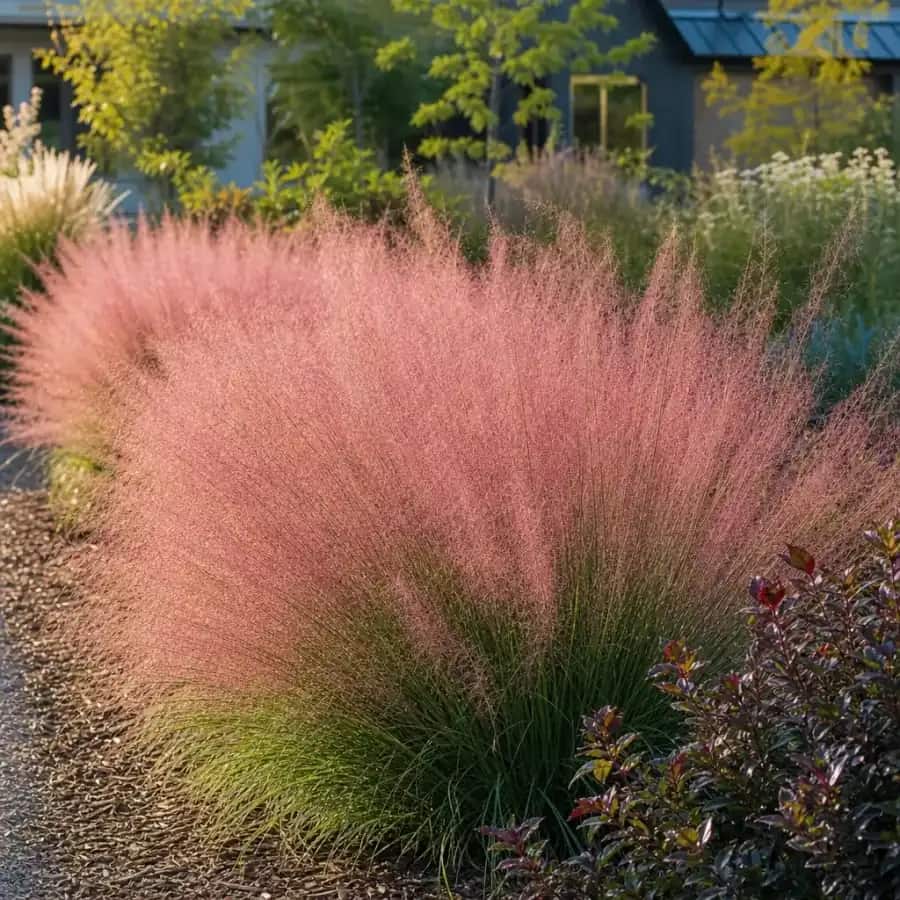
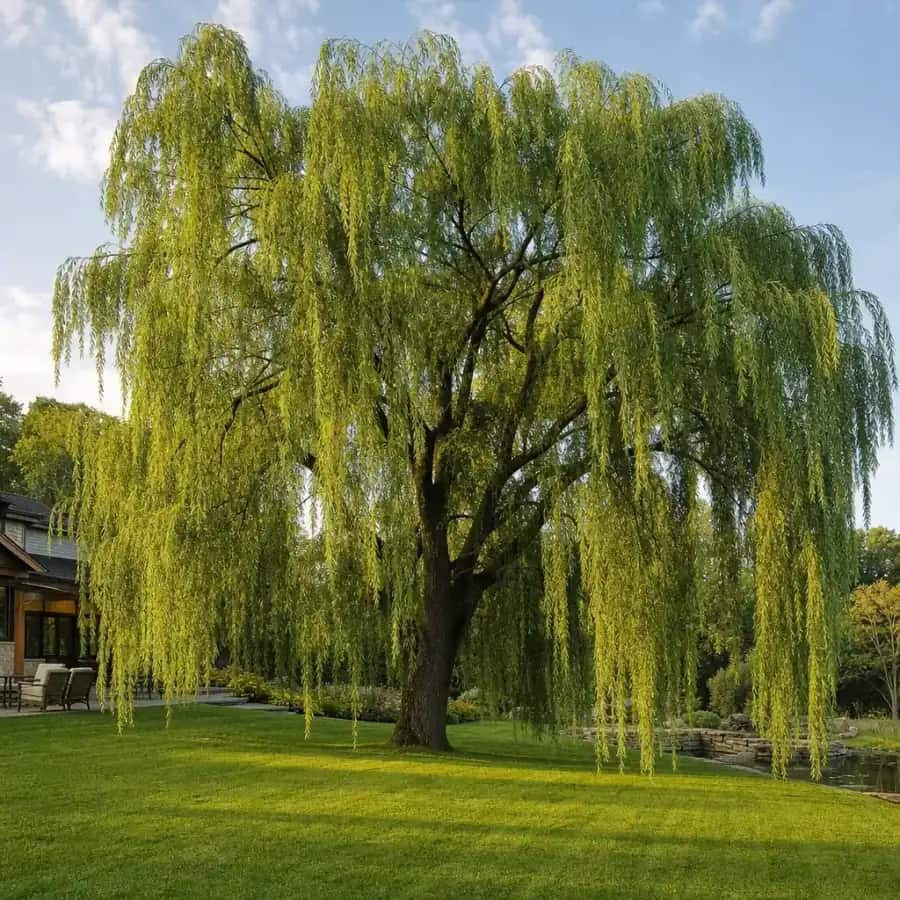
 Zones 4 to 9
Shade Trees
Weeping Willow
$40
Shop large, nursery-grown shade, privacy, flowering and fruit trees, delivered by freight in Seminole County. Every tree is matched to your hardiness zone and backed by our 1-Year Thrive Guarantee.
Enter your ZIP and we'll match trees to your exact growing zone.
Typical winter lows in Seminole County run about 20 to 25 F.
Matched to Seminole County's zones
Shop by category
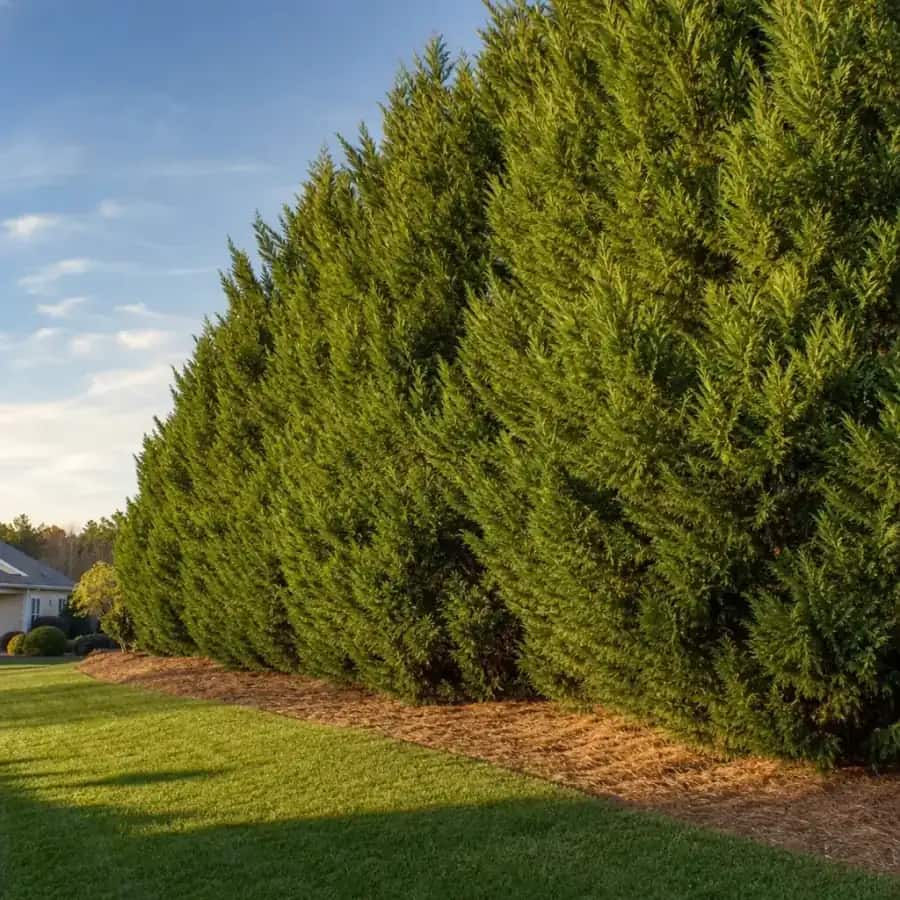
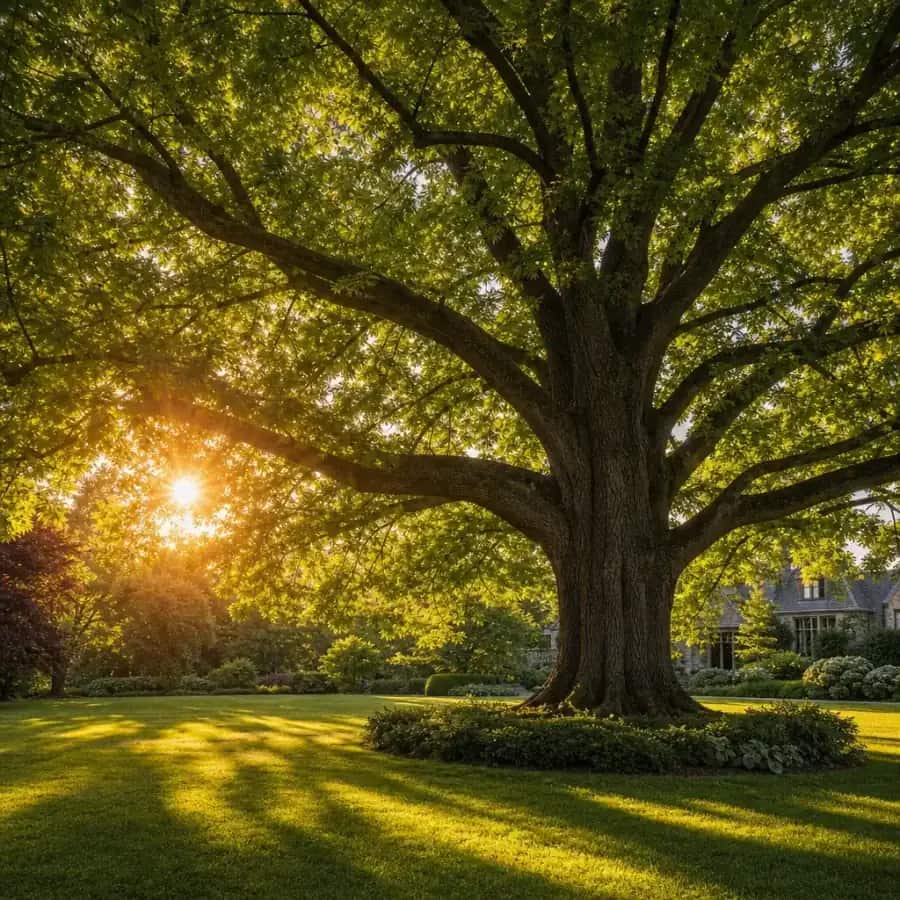 Shade TreesBroad-canopy trees like Mexican Sycamore that beat Seminole County's summer heat.View all Shade Trees →
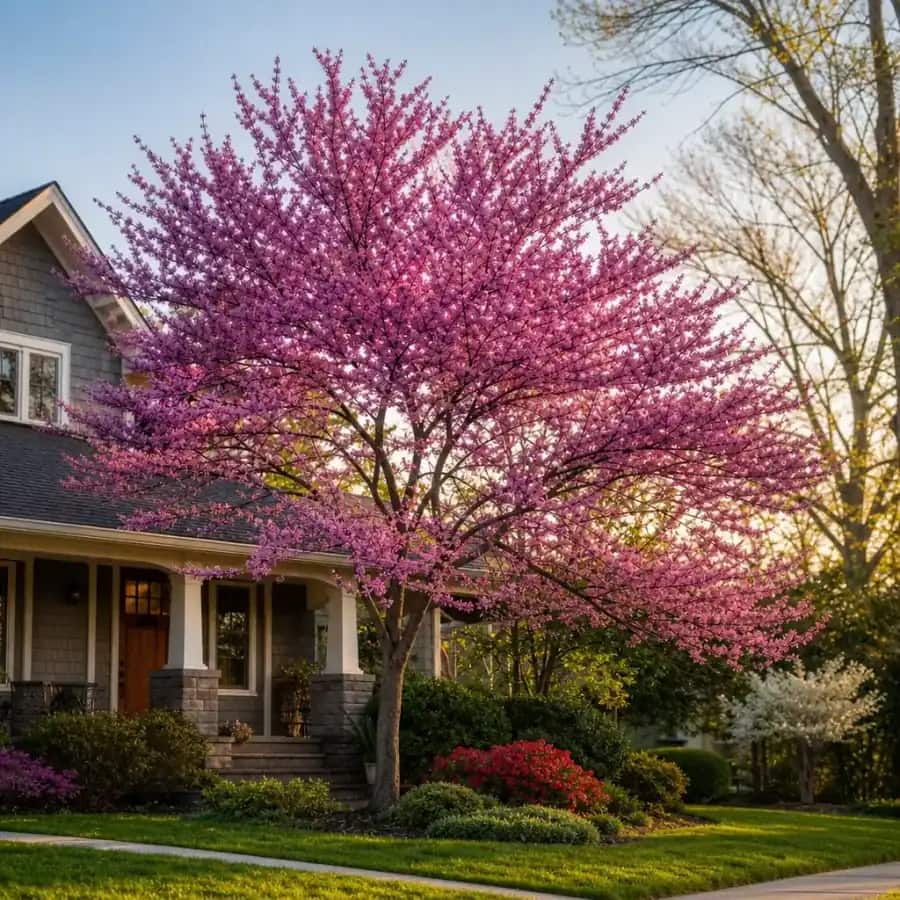
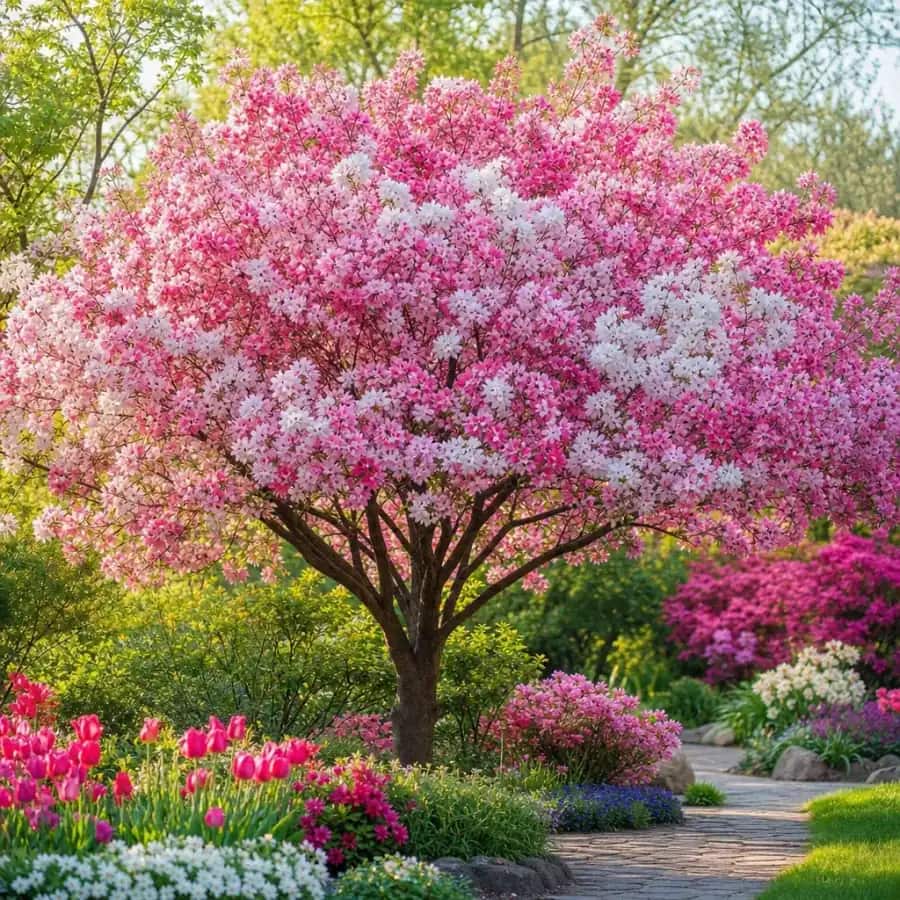 Flowering & OrnamentalColorful bloomers such as Forest Pansy Eastern Redbud for spring curb appeal.View all Flowering & Ornamental →
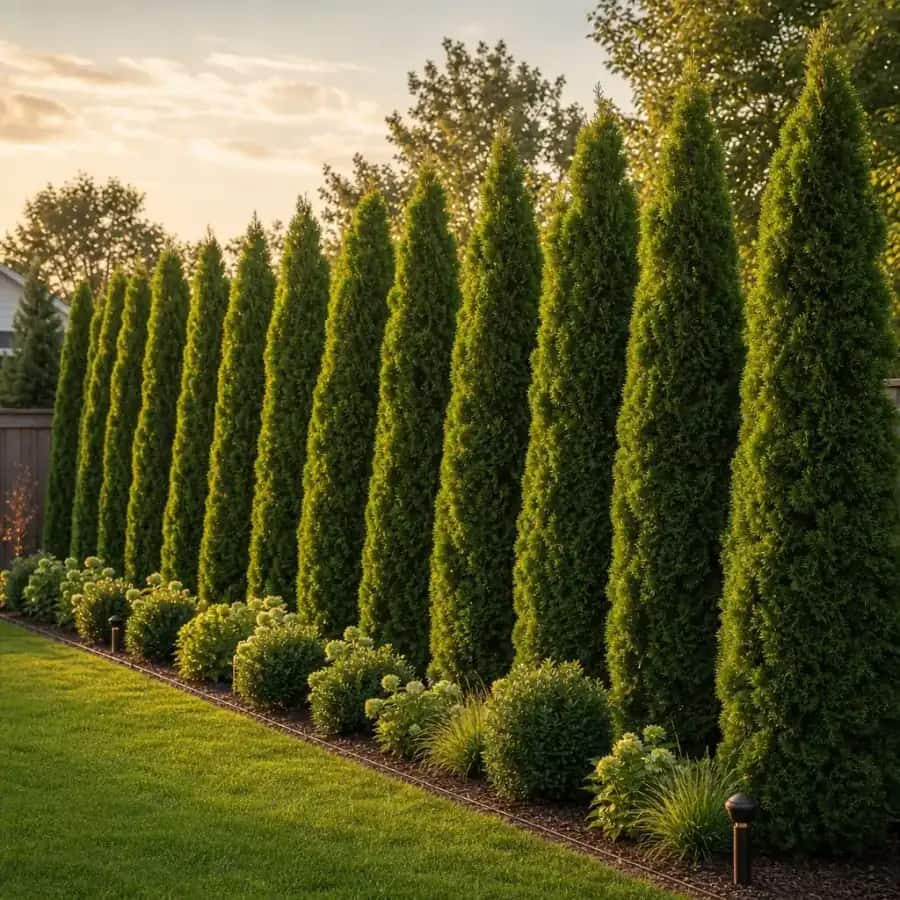 Evergreen & PrivacyYear-round screening trees like Teddy Bear Southern Magnolia for wind and privacy.View all Evergreen & Privacy →
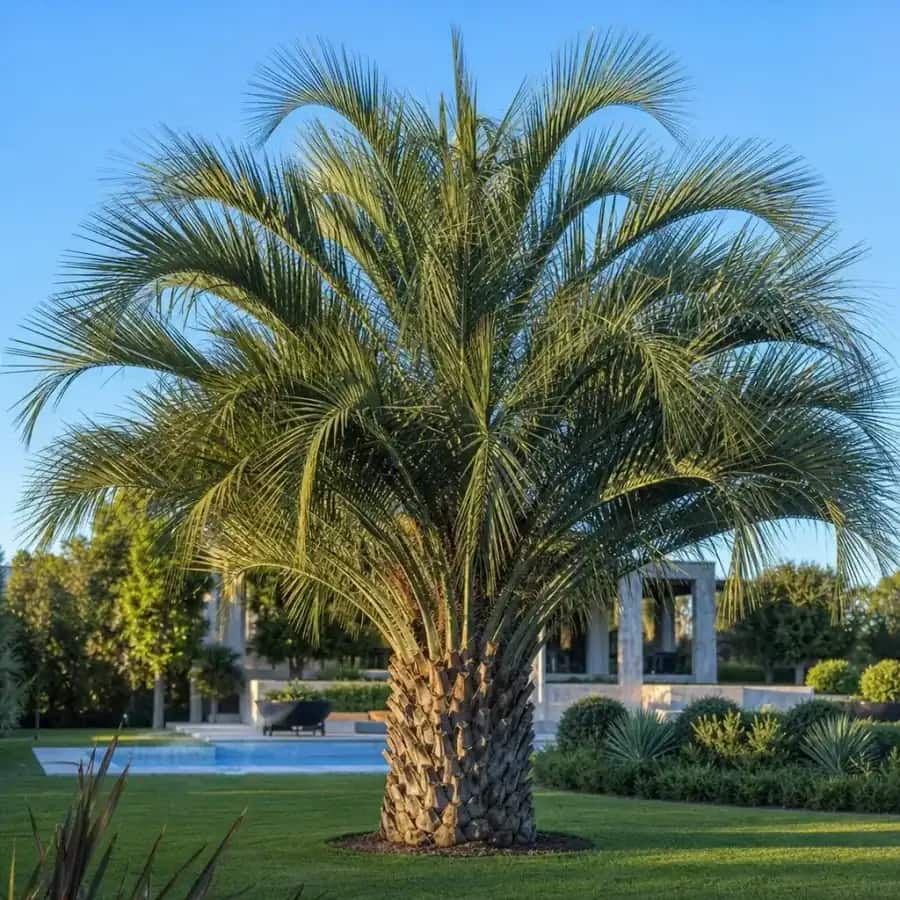
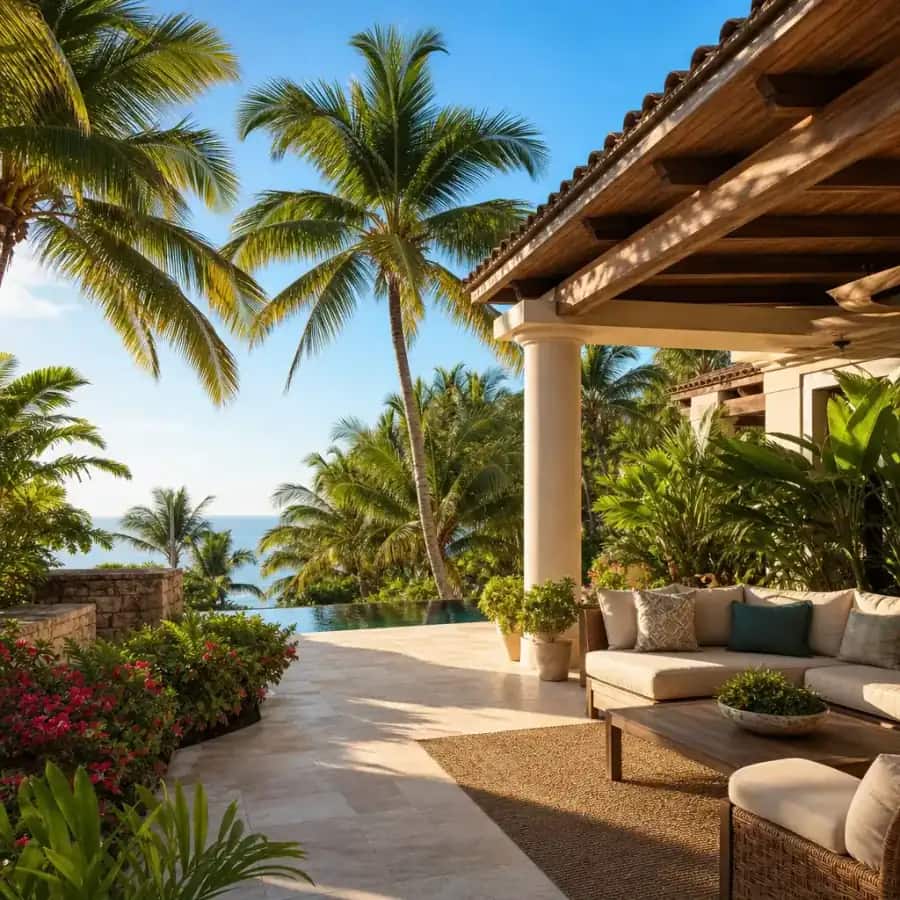 Palms & TropicalsCold-hardy palms such as Jelly Palm and Dwarf Palmetto that thrive in zone 9.View all Palms & Tropicals →
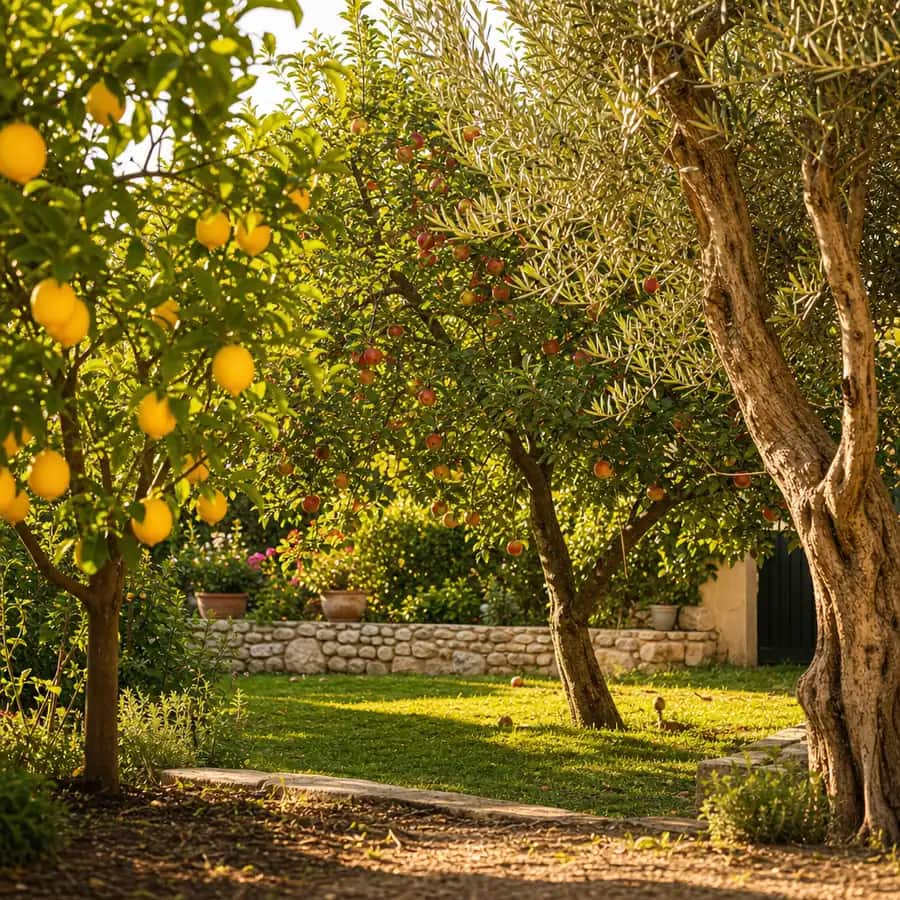 Fruit TreesSelf-fertile picks like Cold Hardy Avocado that bear in Seminole County's mild winters.View all Fruit Trees →
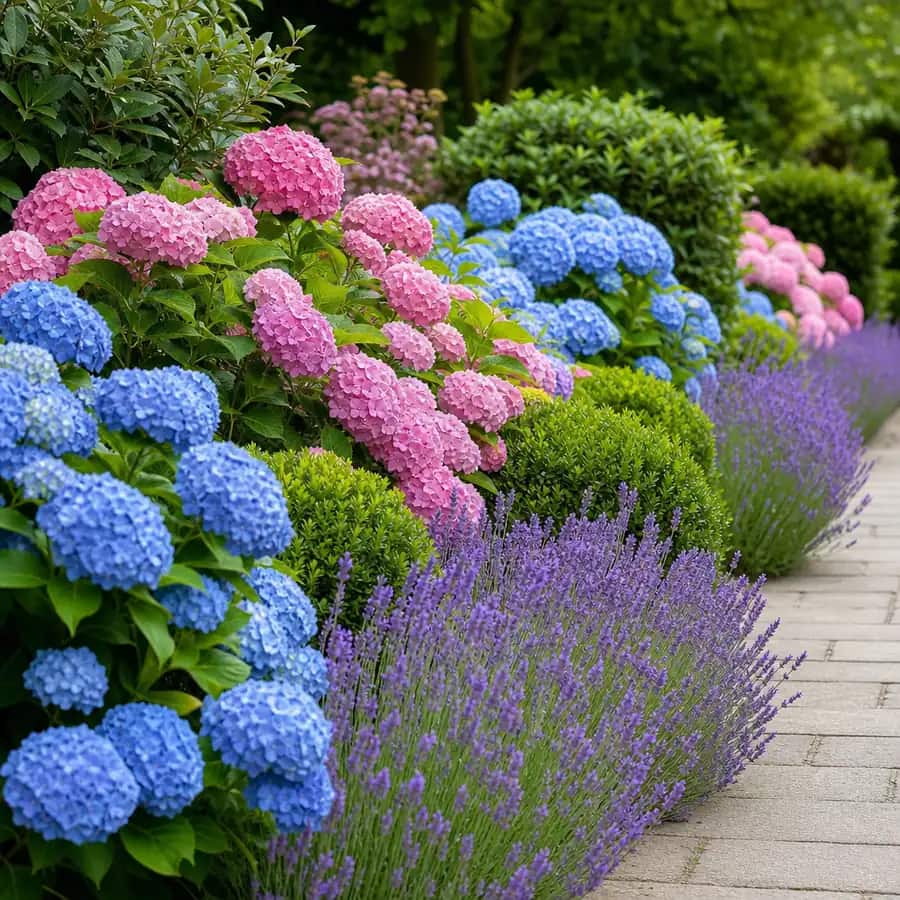 Shrubs & HedgesDense fillers and borders for structure around patios and driveways.View all Shrubs & Hedges →
Local fit, from data
9a
about 20 to 25 F
2
Donalsonville
Arbor Buddy ships large nursery-grown trees by freight to homeowners and contractors in Seminole County, Georgia (GA). Shade, privacy, fruit, and ornamental trees are matched to your hardiness zone. Seminole County sits in zone 9a with winter lows around 20 to 25 F. That opens the door to palms, subtropicals, and heat-loving hardwoods that struggle further north.
Seminole County spans zone 9a across its two ZIP codes. Typical winter lows run about 20 to 25 F. That rules out trees that need deep winter chill or heavy frost. It also rules out subtropicals that freeze below 20 F.
Summers are hot and humid with regular rain. Trees for zone 9 in Seminole County must handle heat and wet soil without rotting. The county sits in the southwestern part of Georgia, where sandy soils drain fast in some spots and clay holds moisture in others.
Palms and tropicals like Jelly Palm and Dwarf Palmetto thrive here. So do heat-tolerant shade trees such as Mexican Sycamore. The mild winters mean early spring flowers arrive reliably without late frost damage.
Your zone 9 order ships for a fall or early-spring window, ahead of summer heat. That timing helps the tree establish roots before the hottest months arrive. Arbor Buddy schedules shipments by hardiness zone, not calendar date.
Trees rated for zone 9 or warmer do best. Mexican Sycamore, Cold Hardy Avocado, and Jelly Palm all match Seminole County's 9a climate. Avoid trees that require winter chill below 20 F or need dry summer conditions.
Every tree ships at a usable landscape size, nursery-grown and root-pruned for freight. Trees arrive in a box or crate, ready to plant. The exact size varies by species, but all are large enough to make an immediate impact in your yard.
Mexican Sycamore leads the list for fast shade with heat-reflecting silver leaves. It handles Seminole County's hot summers and mild winters. Other strong options include Live Oak and American Sycamore, both available in the Shade Trees category.
Your zone 9 order ships for a fall or early-spring window. That timing gives your tree the best start before summer heat sets in. Browse the featured trees above or shop by category. Arbor Buddy matches every tree to your zone and backs it with a 1-Year Thrive Guarantee. Order now to lock in your shipping window for Seminole County.
Sussex County, Delaware (DE) sits in zone 7b to 8a with winter lows of 5 to 15 F. That colder envelope rules out palms and subtropicals that Seminole County handles easily. The practical difference is that Delaware buyers focus on cold-hardy oaks and maples while you can choose Jelly Palm or Cold Hardy Avocado.
Garfield County, Colorado (CO) is zone 6a to 6b with lows down to -10 to 0 F. Dry air and intense sun define that climate, not humidity. Here, the zone usually pushes the choice toward drought-tolerant evergreens and aspens. Seminole County's humidity and mild winters let you grow broadleaf evergreens and tropical fruit trees that would never survive a Colorado winter.
New Haven County, Connecticut (CT) sits in zone 6b to 7a with lows from -5 to 5 F. Winters are cold and snowy, summers are mild. Locally, that points buyers toward sugar maples, dogwoods, and spruce. Seminole County buyers skip the cold-hardy staples and reach for subtropical options like Dwarf Palmetto and Mexican Sycamore that need heat to thrive.
For you in Seminole County, the takeaway is clear: your zone 9 climate opens categories that colder regions cannot touch. Shop the palms and fruit trees confidently, knowing your winter lows stay above the danger line for most of these picks.
Your tree arrives on a freight truck at a usable landscape size. It is nursery-grown, root-pruned for transport, and already matched to zone 9 before it ships. Your zone 9 order ships for a fall or early-spring window, ahead of summer heat. That timing lets the tree settle roots before the hottest months.
Every tree carries a 1-Year Thrive Guarantee. If it does not survive its first year, you get a free replacement.
Before delivery day, check:
Enter your ZIP, shop only what thrives in your zone.
Freight delivery to your address: $149 flat per order, shown at checkout.
Plant it, watch it thrive, covered for one year.
Good to know · Growing guide
Coverage runs a full year from delivery. If something goes wrong, contact the team and they arrange the replacement. No store-credit games, no fine-print maze.