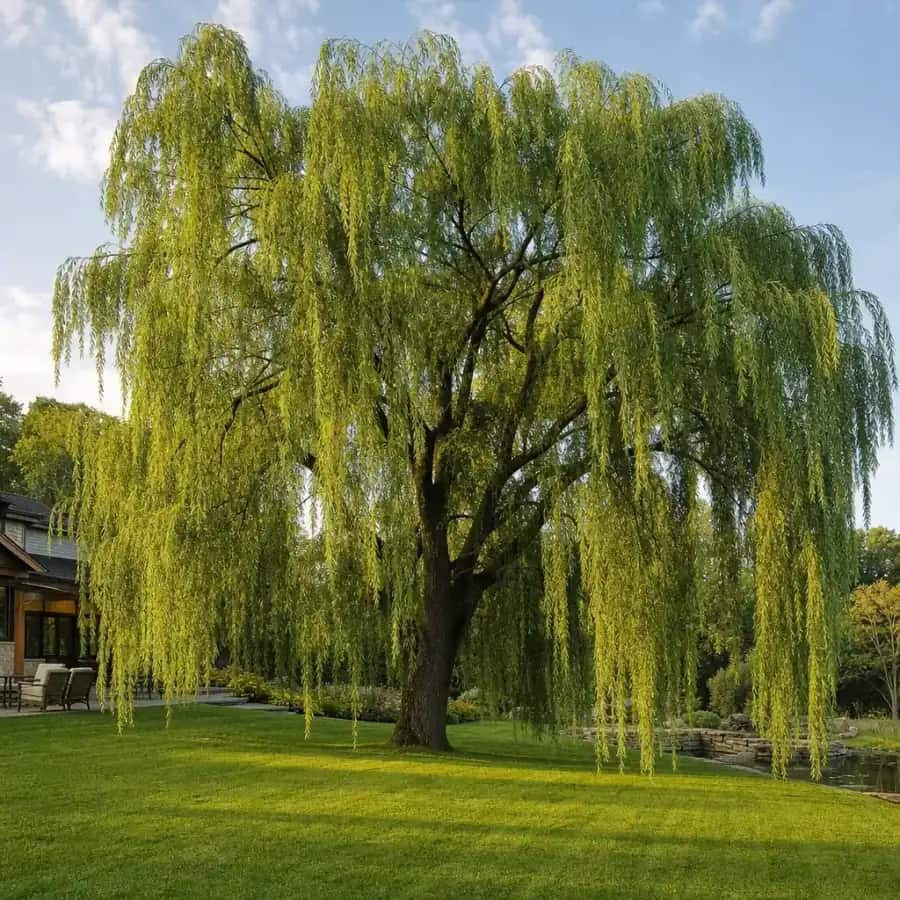
 Zones 4 to 9
Shade Trees
Weeping Willow
$40
Shop large, nursery-grown shade, privacy, flowering and fruit trees, delivered by freight in Magnolia. Every tree is matched to your hardiness zone and backed by our 1-Year Thrive Guarantee.
Enter your ZIP and we'll match trees to your exact growing zone.
Typical winter lows in Magnolia run about -15 to -10 F.
Matched to Magnolia's zone
Zones 4 to 9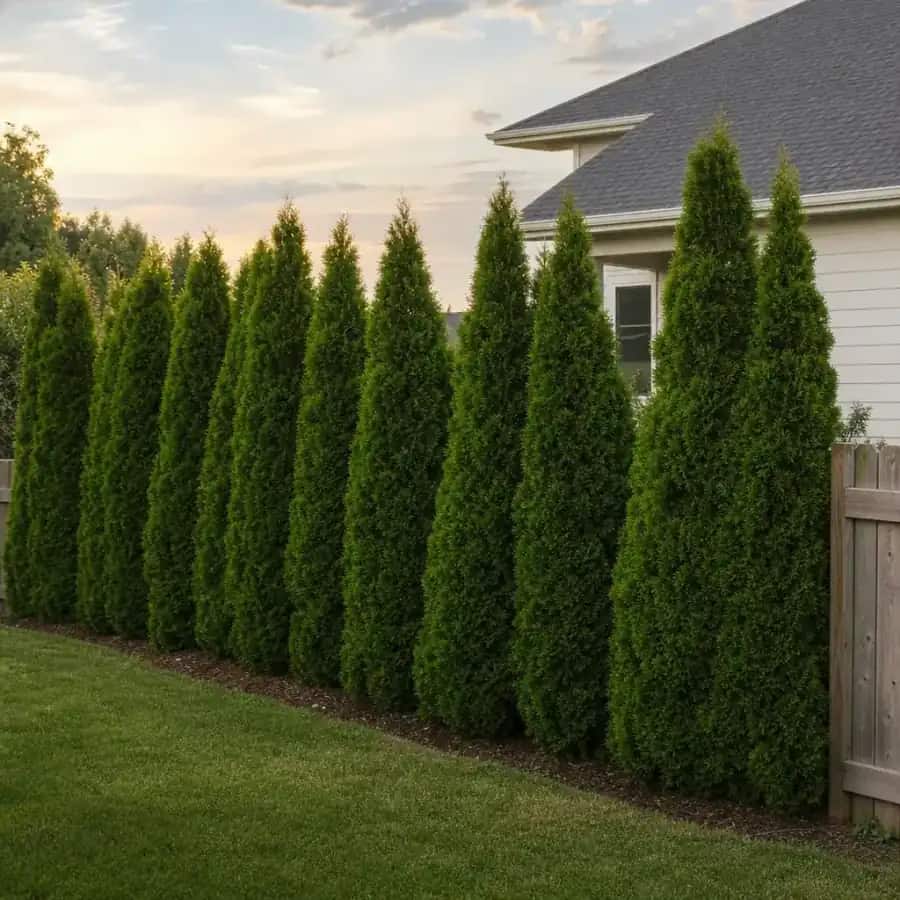 Zones 3 to 8
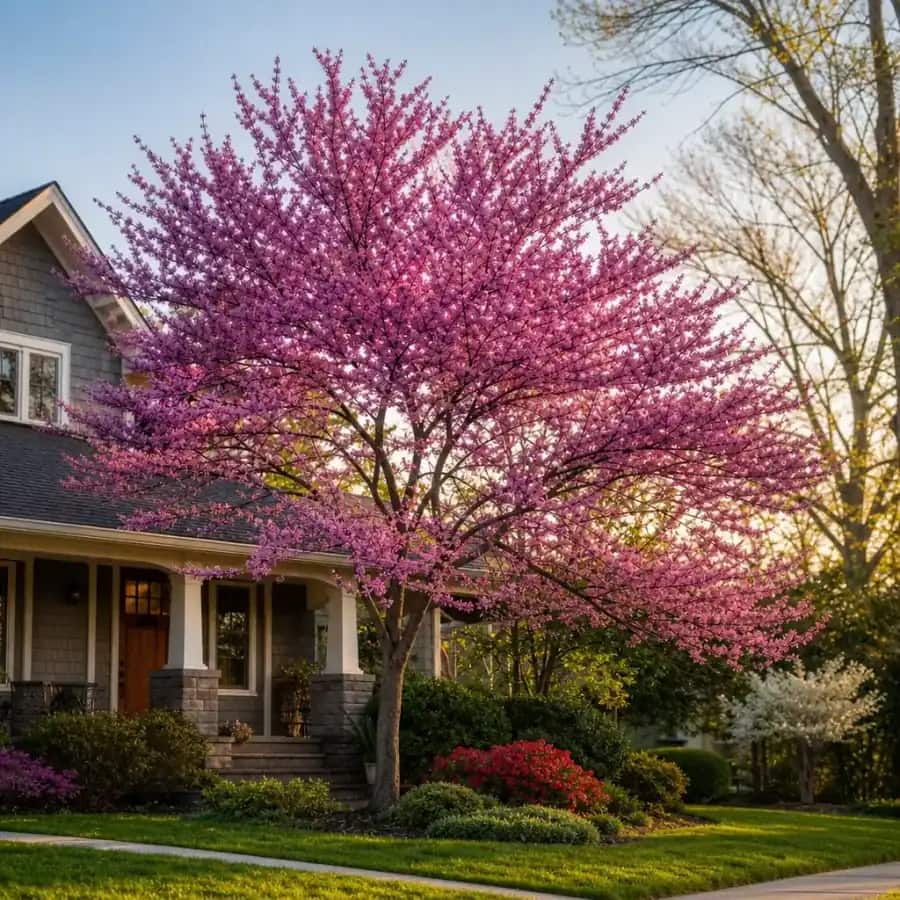 Zones 4 to 9
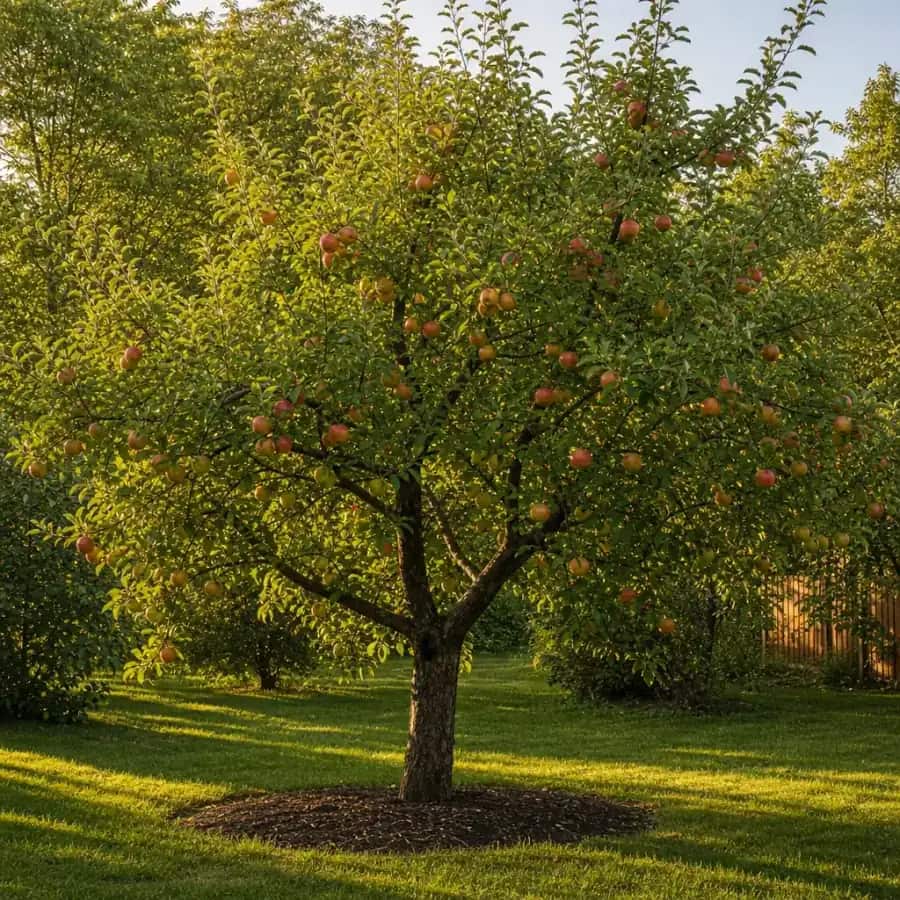 Zones 3 to 8
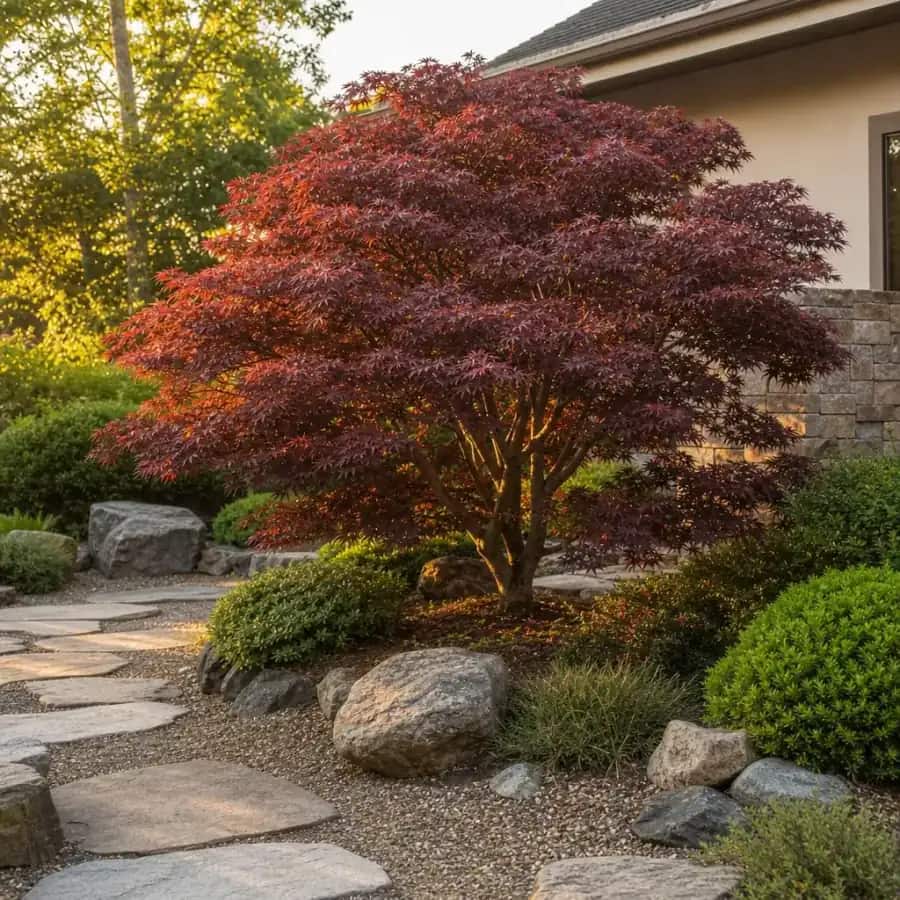 Zones 5 to 8
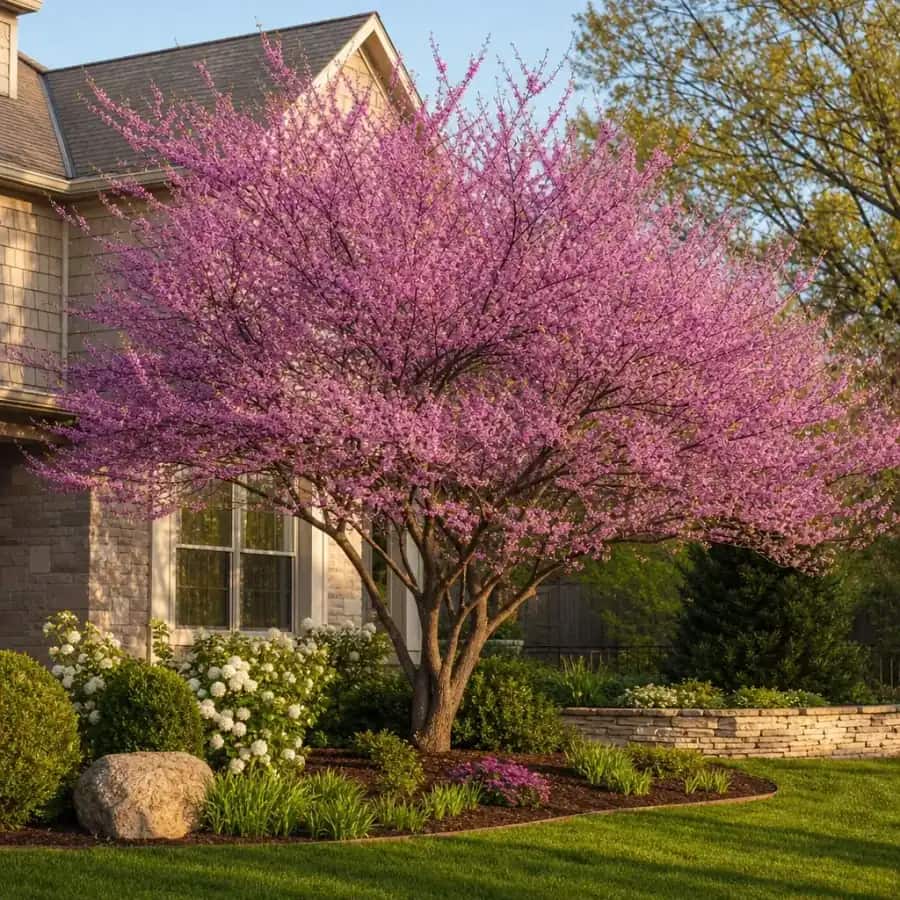 Zones 4 to 9
Shop by category
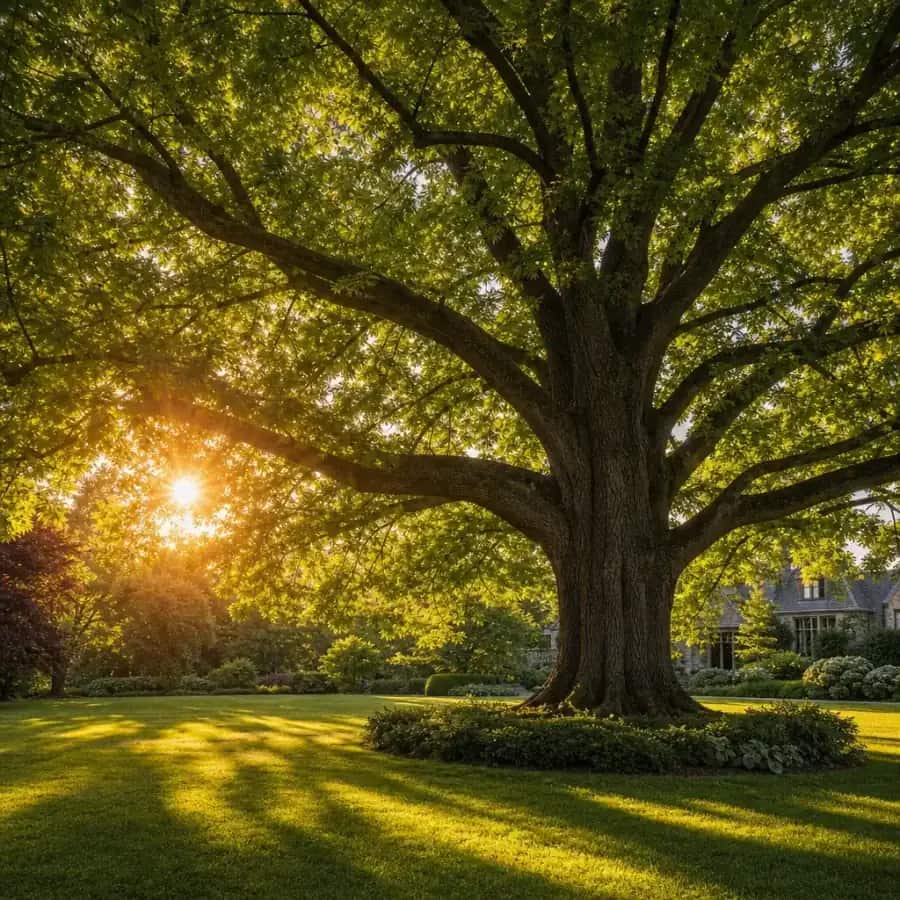 Shade TreesBroad-canopy options like Allee Chinese Elm and Weeping Willow for zone 5 lots.View all Shade Trees →
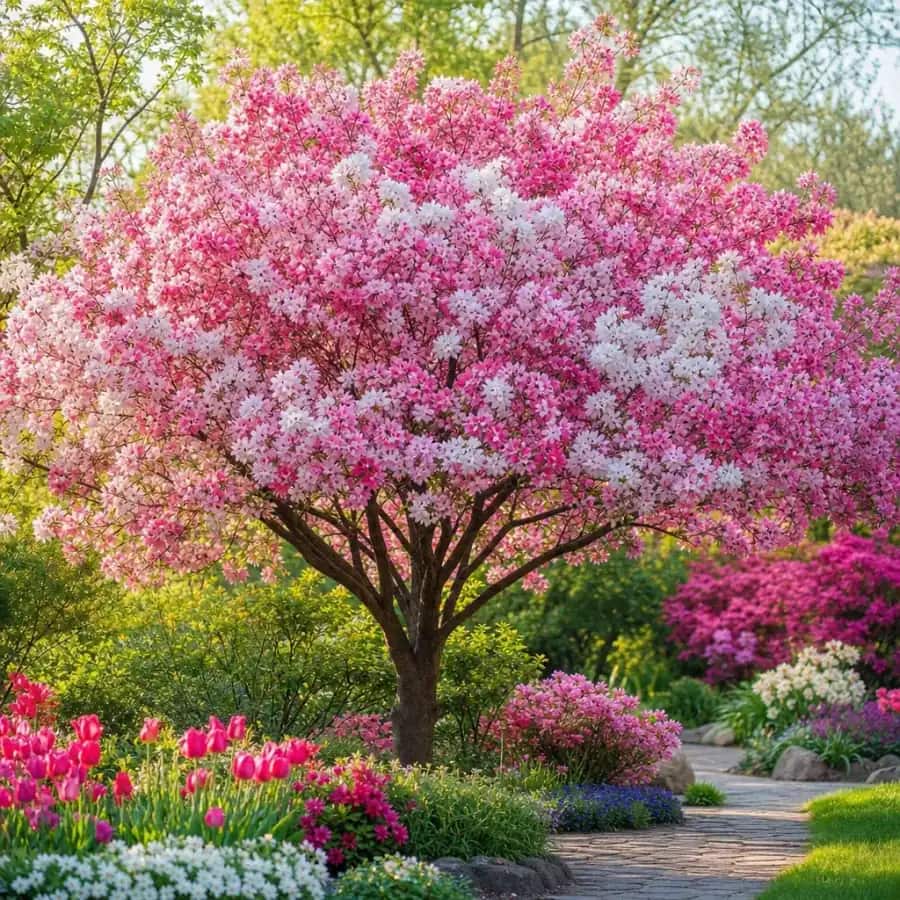 Flowering & OrnamentalMexican Plum, Forest Pansy Redbud, and Royal White Redbud for spring color in your zone.View all Flowering & Ornamental →
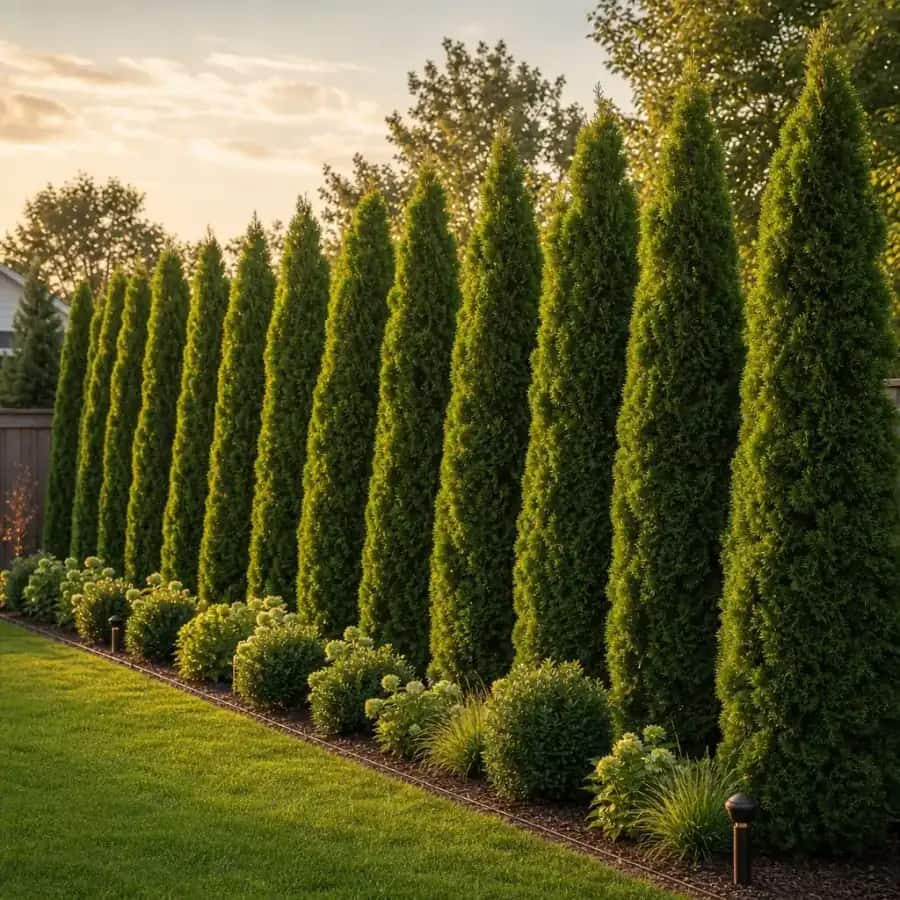 Evergreen & PrivacyLiberty Holly, Thuja Green Giant, and Taylor Eastern Red Cedar for year-round screening.
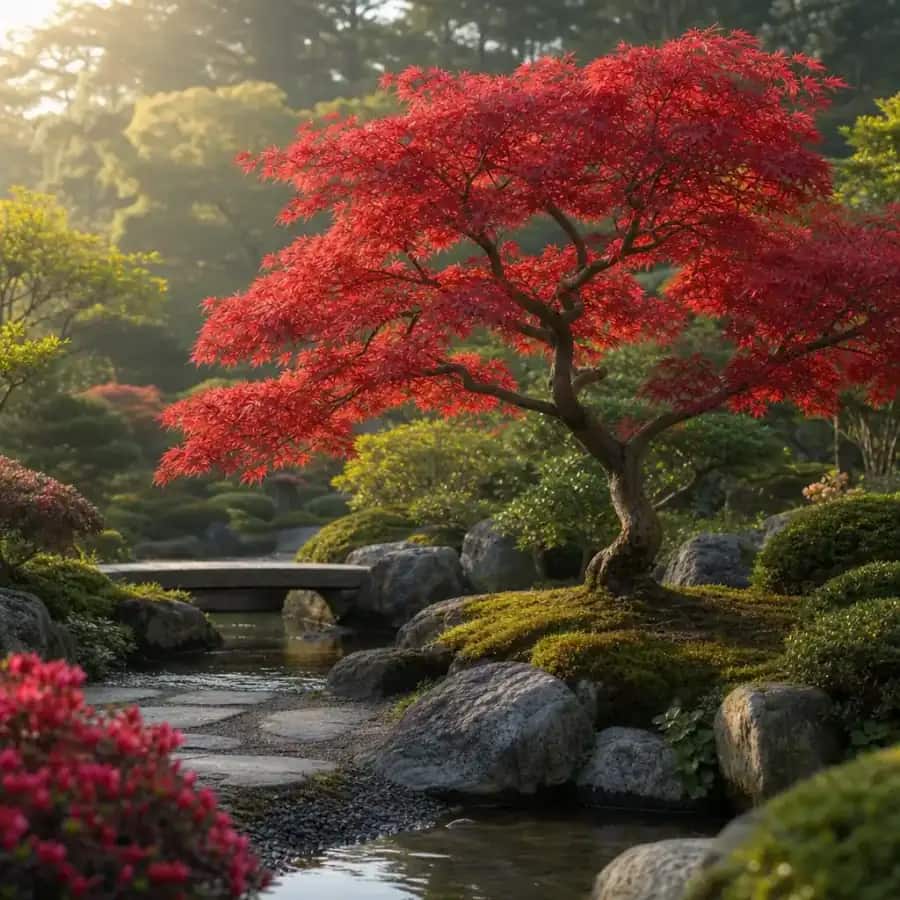 Japanese MaplesBloodgood, Orangeola, and Tamukeyama laceleaf maples that thrive in zone 5 with part shade.
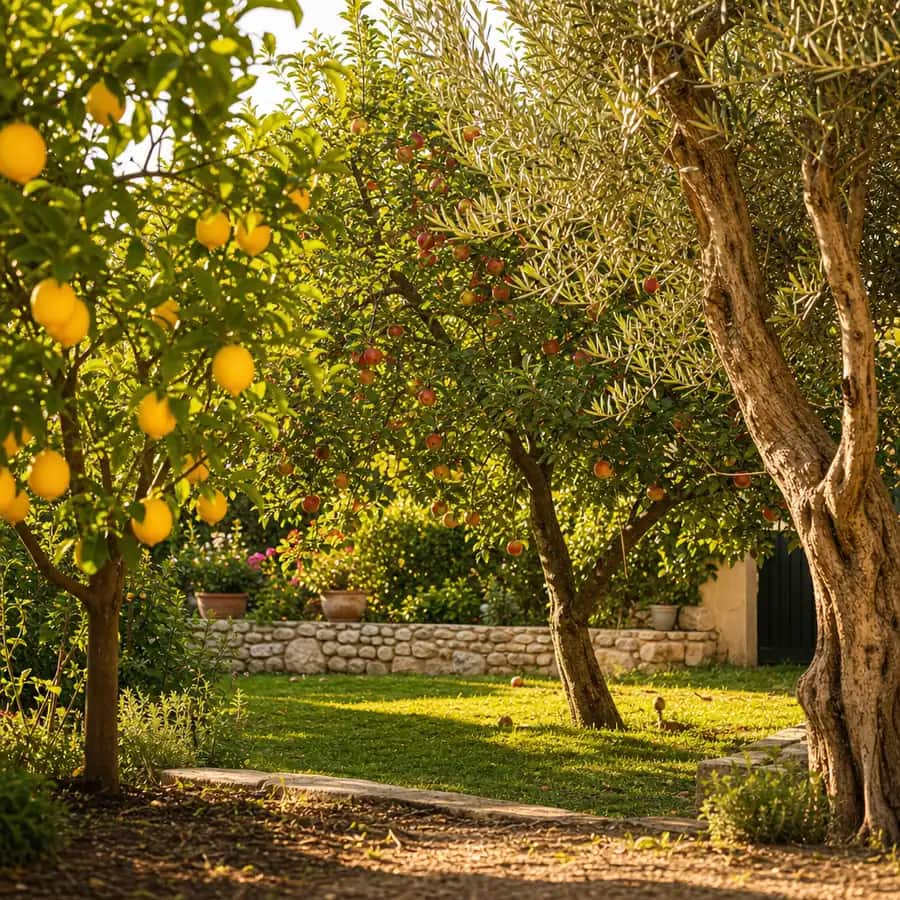 Fruit TreesElberta Peach, Bing Cherry, and Honeycrisp Apple for home harvests in your climate.View all Fruit Trees →
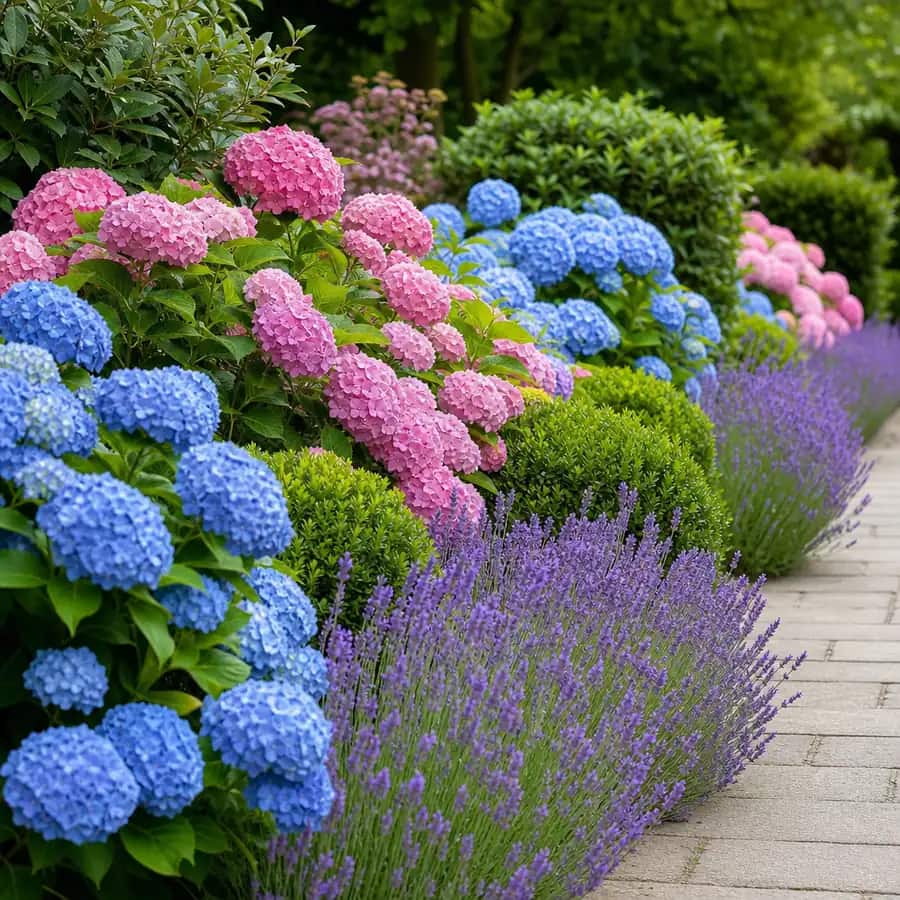 Shrubs & HedgesPhenomenal Lavender, Tri-Color Dappled Willow, and Endless Summer Hydrangea for layered planting.View all Shrubs & Hedges →
Local fit, from data
5b
about -15 to -10 F
Putnam County
Illinois
Need shade, privacy, or color in your yard? Trees delivered to Magnolia, IL 61336 from Arbor Buddy match your zone. We ship large, nursery-grown trees by freight direct to homeowners. Choose from shade trees, evergreens, flowering ornamentals, Japanese maples, and fruit trees. Every tree is zone-matched to zone 5b before it ships.
Zone 5b sets the floor here. Typical winter lows for this ZIP run about -15 to -10 degrees F. That rules out tender species like citrus, most palms, and evergreen broadleafs that need warmer winters.
What grows well? Native oaks like Chinkapin Oak handle the cold and dry spells. Arborvitae varieties create year-round privacy without winter damage. White Dogwood and Chicago Hardy Fig push the cold edge with reliable performance. Japanese maples like Crimson Queen need part shade to avoid leaf scorch in summer heat.
Trees for zone 5 in Magnolia need to handle cold snaps and occasional wet springs. Shade trees, evergreens, and cold-hardy fruit trees are the most dependable categories here. Stick with species rated for zone 5 or colder.
Zone 5b. Typical winter lows run about -15 to -10 degrees F. That is cold enough to rule out citrus, most palms, and tender evergreens. Stick with trees rated for zone 5 or colder.
American Pillar Arborvitae fills in faster than any other arborvitae variety, giving you privacy in a few seasons. Chinkapin Oak also grows at a solid rate for a shade tree once its roots establish in zone 5 soil.
Arbor Buddy ships large, nursery-grown trees at a usable landscape size. You get a tree that is ready to go in the ground, not a seedling. Exact size varies by species, but every tree is big enough to make an impact in your yard.
Not citrus. Zone 5b is too cold for oranges, lemons, or limes. But you can grow cold-hardy fruit trees. Chicago Hardy Fig is a reliable choice. So are Elberta Peach and Honeycrisp Apple. Note that Honeycrisp needs a second compatible apple nearby to set fruit.
Every tree from Arbor Buddy ships zone-matched to Magnolia and backed by a 1-Year Thrive Guarantee. If it does not survive its first year, we replace it free. That is the reason to order now instead of waiting.
Browse the trees suited to your zone and have them delivered to your yard in Magnolia, IL 61336.
Zone 5b winters in Magnolia are colder than many parts of the country. That changes what grows here compared to warmer areas.
Take ZIP 38223 in Como, Tennessee (TN), zone 7b, with typical winter lows of 5 to 10 F. That warmer zone lets yards grow palms and tropicals like crape myrtle and magnolia without winter protection. In practice, buyers here lean toward broadleaf evergreens and early-blooming ornamentals that would not survive a Magnolia winter.
Now look at ZIP 77449 in Katy, Texas (TX), zone 9b, with lows of 25 to 30 F. Citrus and tropical fruit trees grow outdoors there year-round. For your cart, that means you cannot plant an orange or lemon tree in Magnolia and expect it to live through January. Stick with Chicago Hardy Fig or other zone-5 fruit instead.
Consider ZIP 98368 in Port Townsend, Washington (WA), zone 8b, with winter lows of 15 to 20 F. That mild coastal climate supports flowering ornamentals like dogwood and redbud with less worry about late frosts. That gap changes the local shortlist to include more tender Japanese maples and early-blooming cherries. In Magnolia, your White Dogwood will bloom later but face fewer frost surprises.
The takeaway: colder winters here mean you buy trees rated for zone 5 or colder. The payoff is dependable growth without winter protection rituals.
Your zone 5 order ships for spring arrival, when planting weather returns. Arbor Buddy ships large, nursery-grown trees by freight to ZIP 61336. A freight truck can reach most Magnolia addresses, but check your driveway and street access. Someone needs to be home to receive the tree and inspect it on delivery.
Every tree is zone-matched to 5b before it leaves the nursery. The 1-Year Thrive Guarantee means if your tree does not survive its first year, we replace it free. No fine print on cold damage in your zone.
Before delivery day, check:
Enter your ZIP, shop only what thrives in your zone.
Freight delivery to your address: $149 flat per order, shown at checkout.
Plant it, watch it thrive, covered for one year.
Good to know · Growing guide
Coverage runs a full year from delivery. If something goes wrong, contact the team and they arrange the replacement. No store-credit games, no fine-print maze.