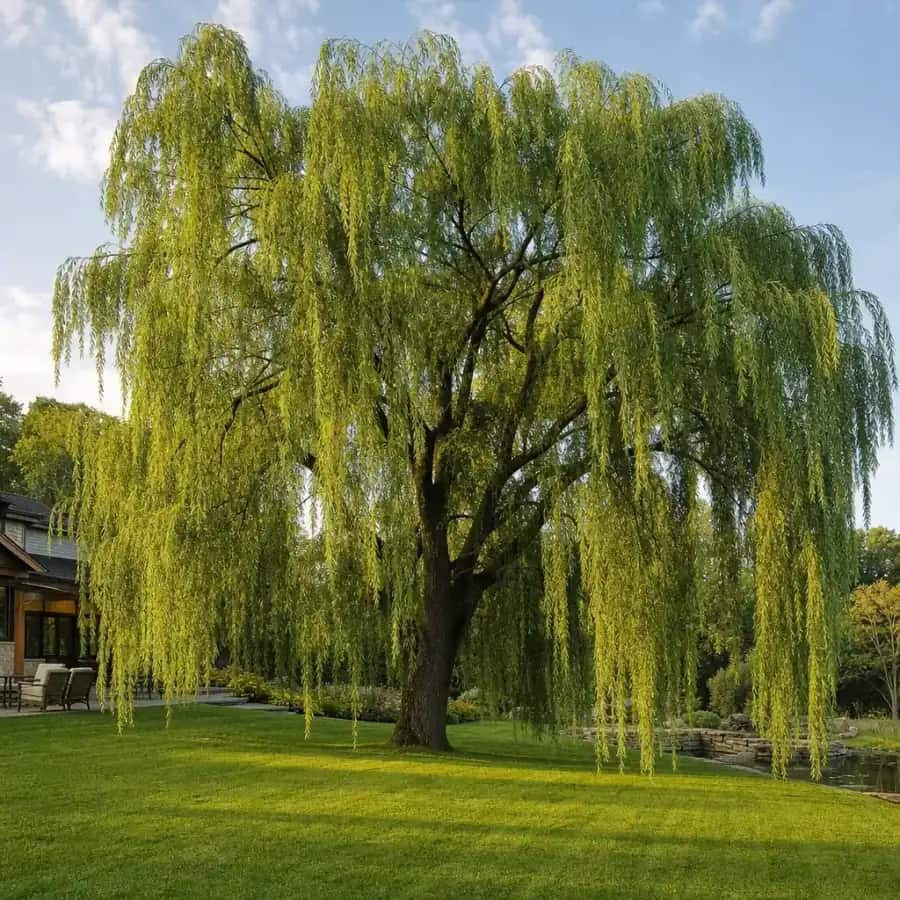
 Zones 4 to 9
Shade Trees
Weeping Willow
$40
Shop large, nursery-grown shade, privacy, flowering and fruit trees, delivered by freight in Chestnut. Every tree is matched to your hardiness zone and backed by our 1-Year Thrive Guarantee.
Enter your ZIP and we'll match trees to your exact growing zone.
Typical winter lows in Chestnut run about -10 to -5 F.
Matched to Chestnut's zone
Zones 4 to 9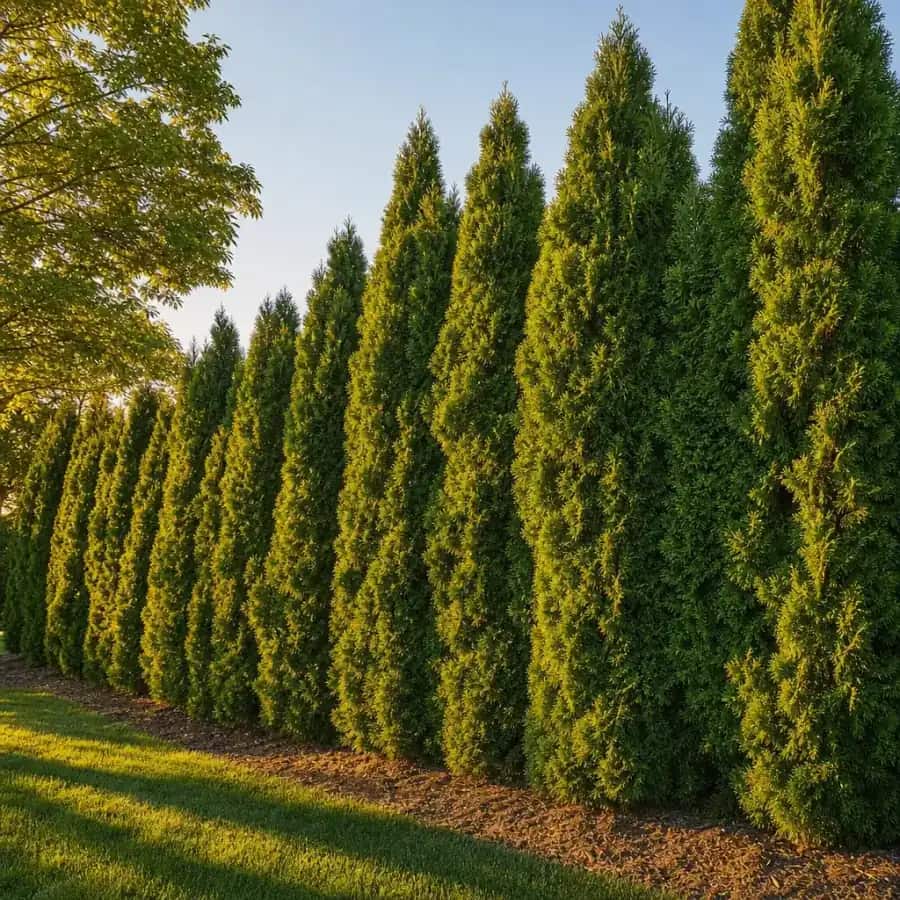 Zones 5 to 8
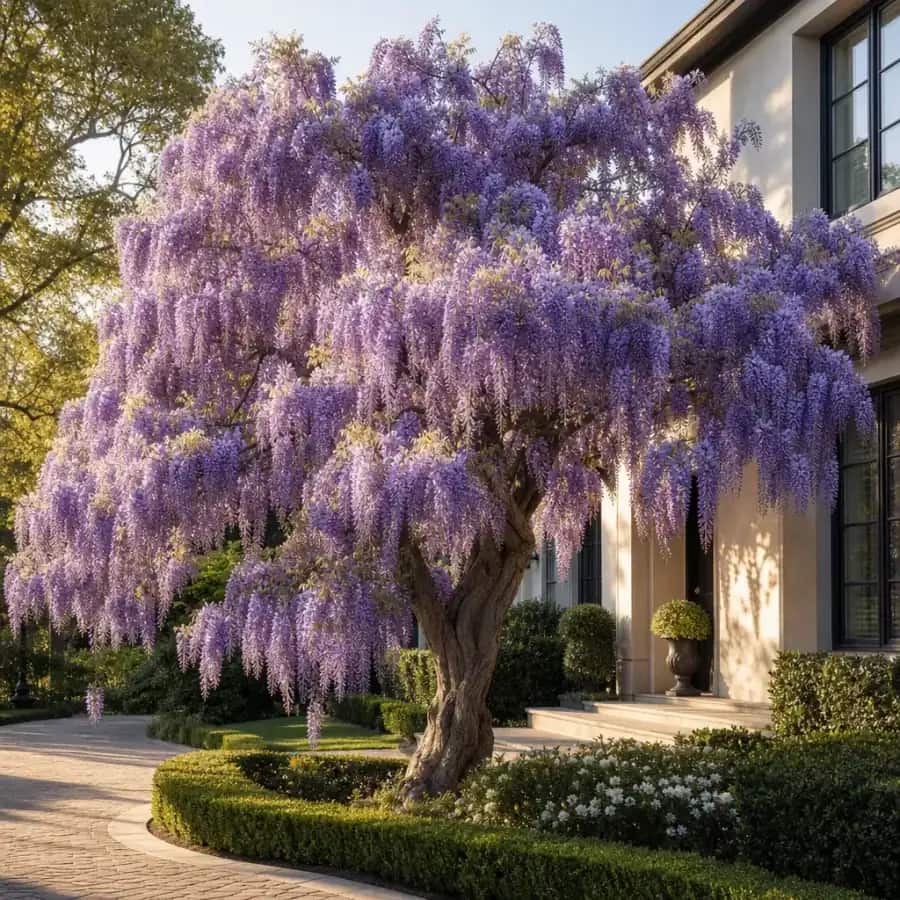 Zones 4 to 9
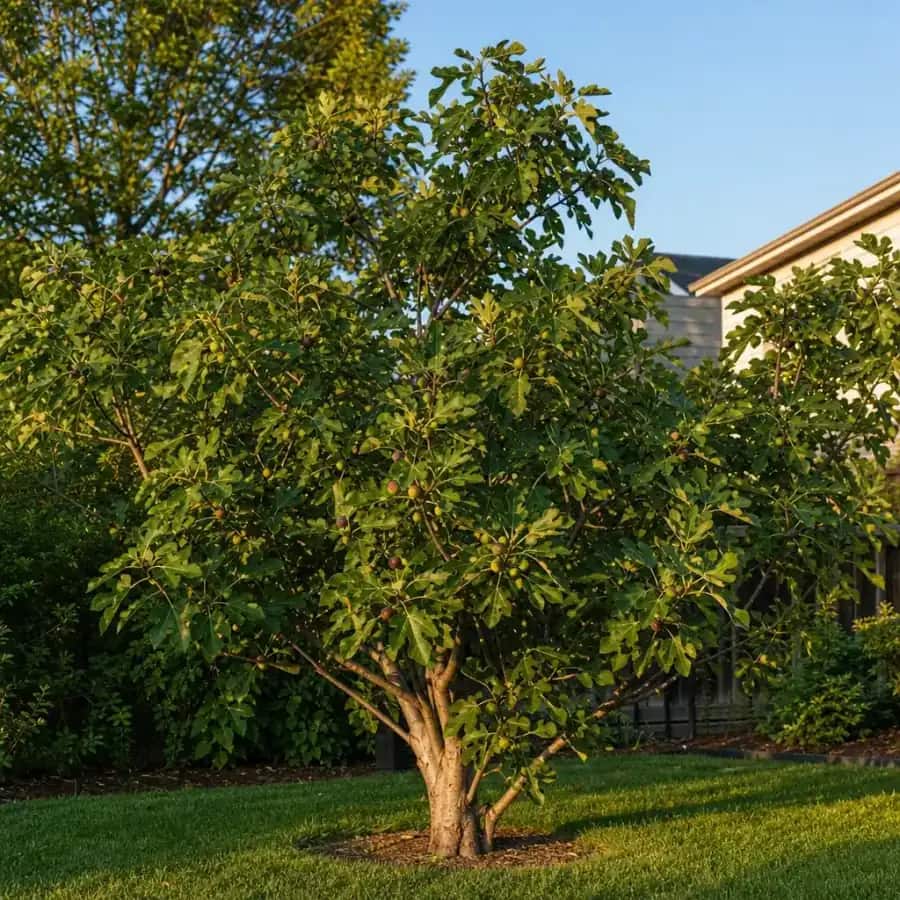 Zones 5 to 10
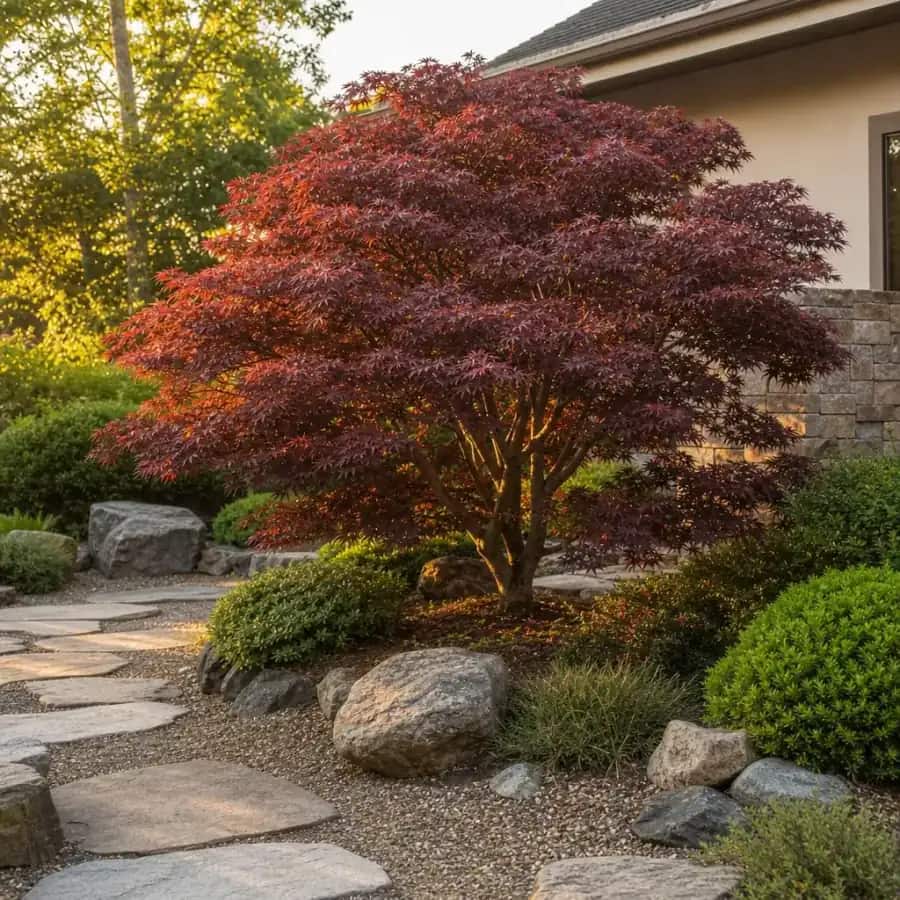 Zones 5 to 8
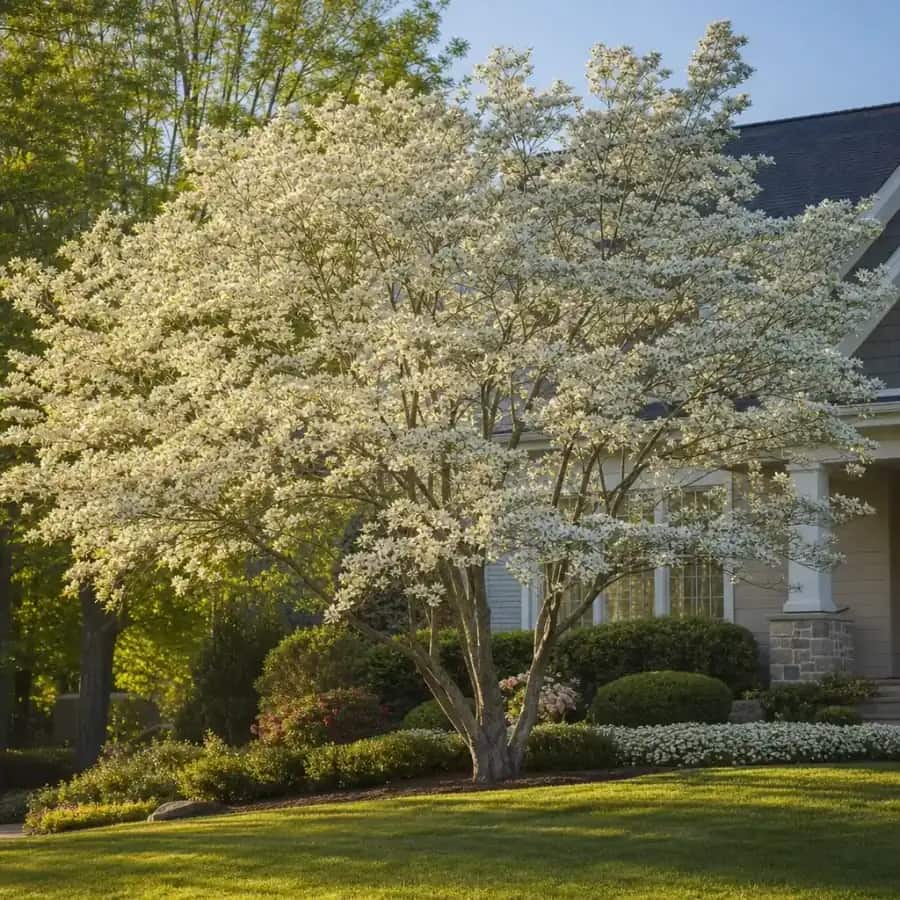 Zones 5 to 9
Shop by category
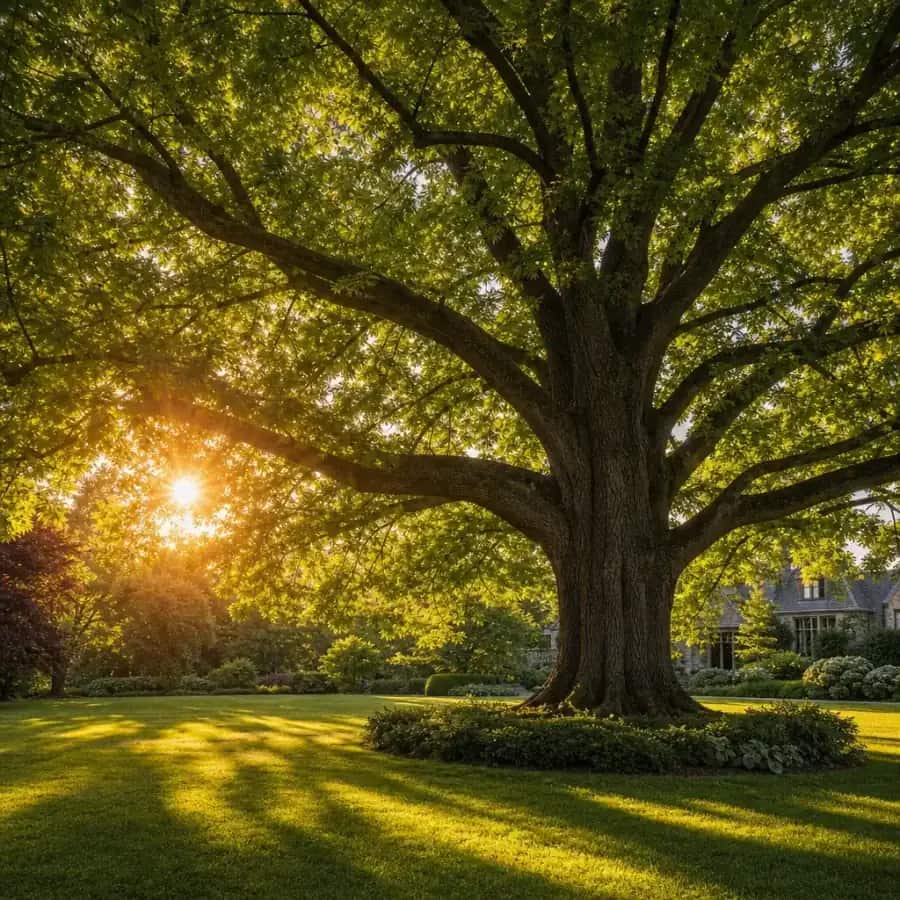 Shade TreesBroad shade canopy for hot Illinois summers, from oaks to elms that thrive in zone 6.View all Shade Trees →
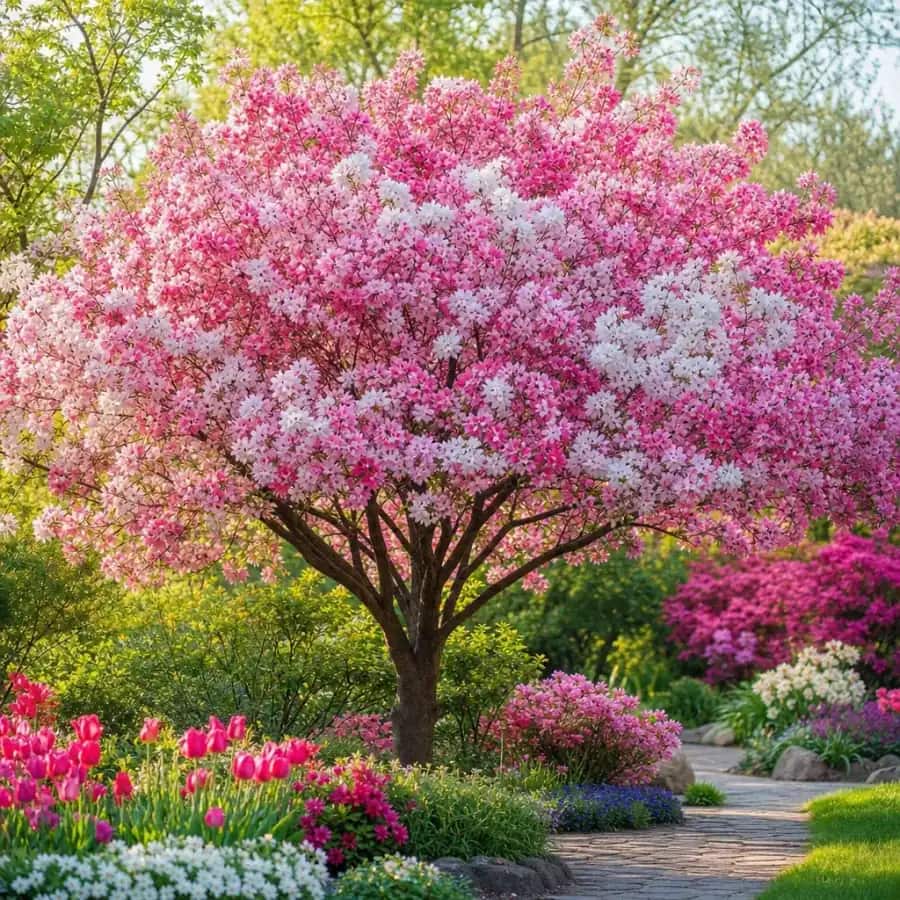 Flowering & OrnamentalSpring color and fall interest with redbuds and plums that handle local winters.View all Flowering & Ornamental →
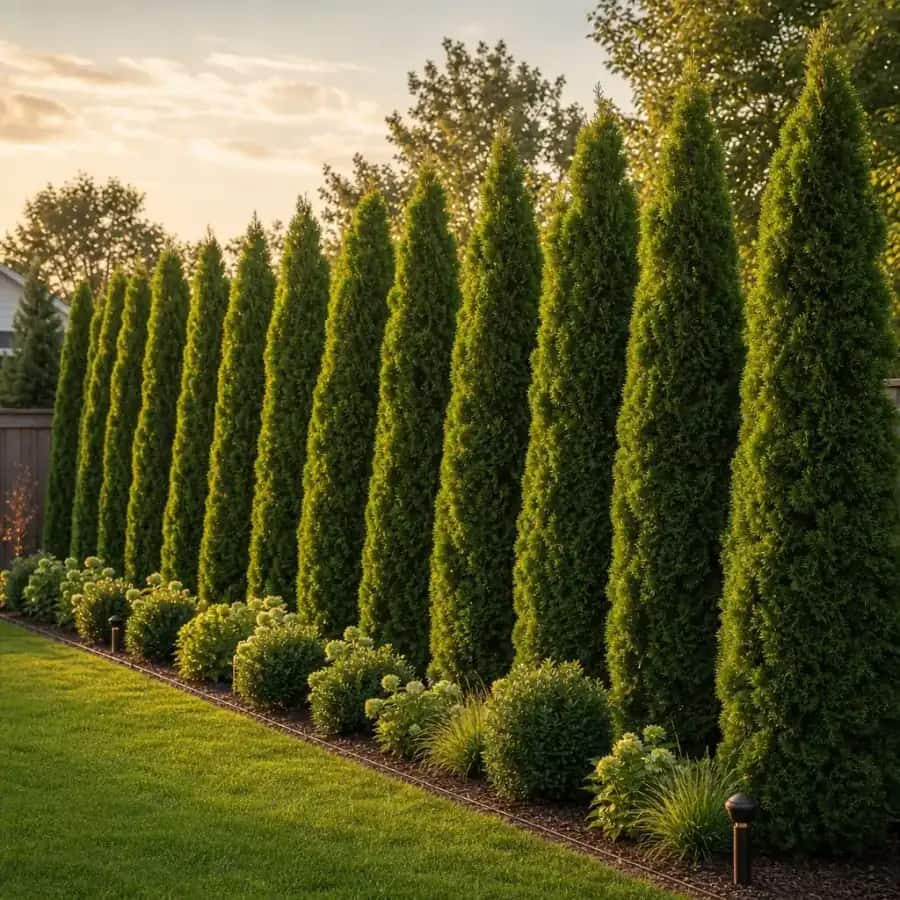 Evergreen & PrivacyYear-round screening with hollies and arborvitaes that stay green through zone 6 cold.View all Evergreen & Privacy →
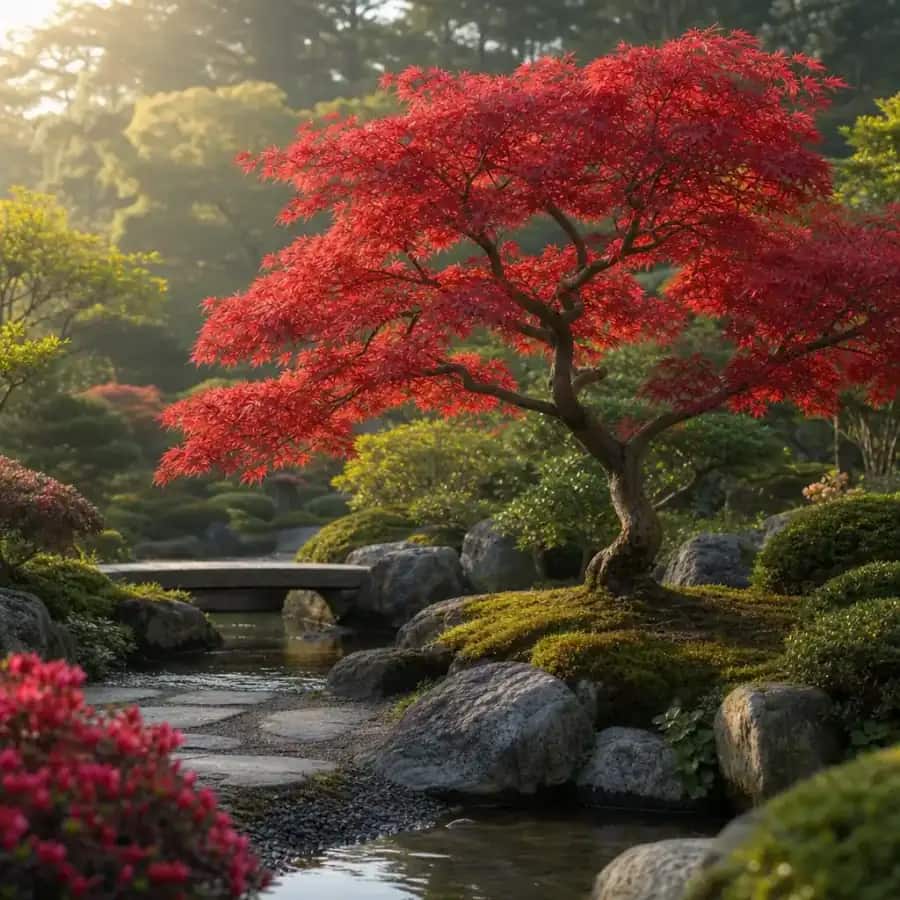 Japanese MaplesDelicate leaf forms and fall color; choose cold-hardy varieties like Bloodgood or laceleaf types.
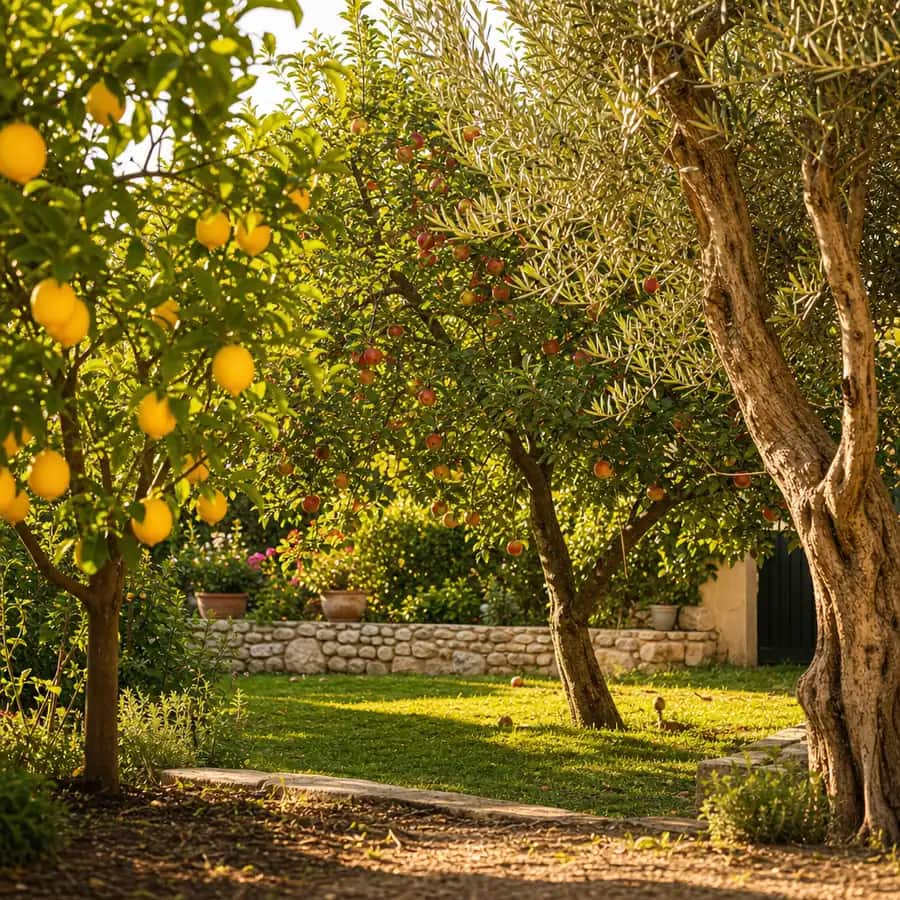 Fruit TreesHomegrown apples, peaches, and cherries sized for your property in central Illinois.View all Fruit Trees →
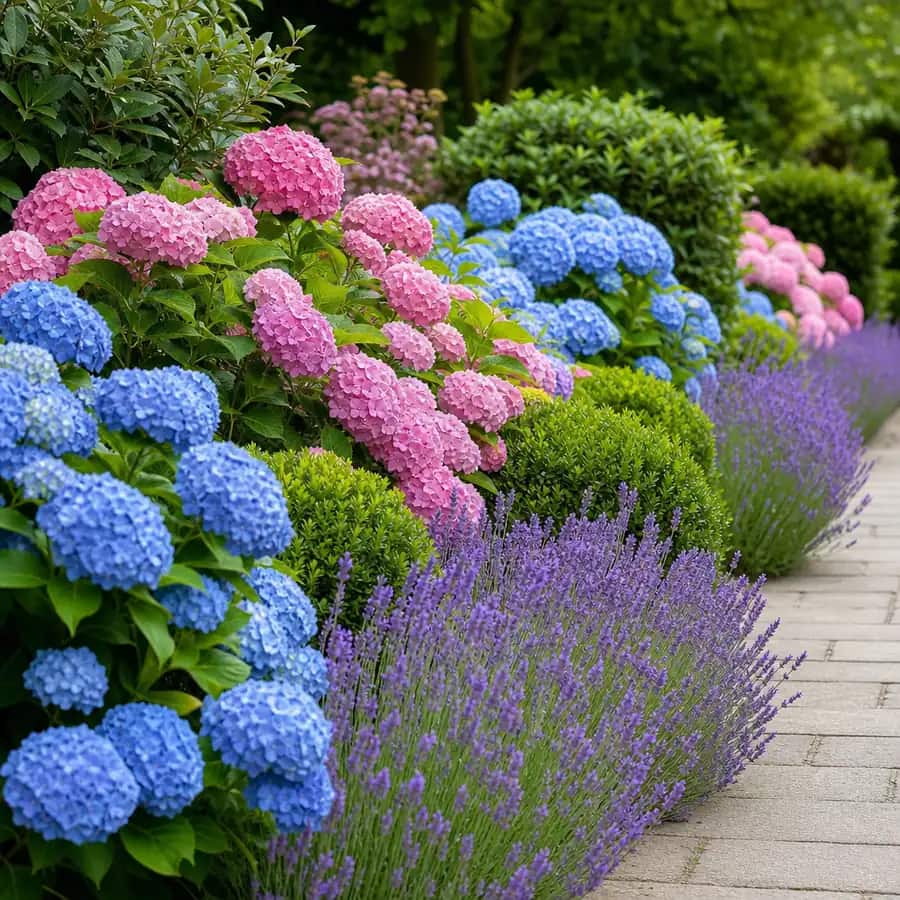 Shrubs & HedgesFoundation plantings and borders with lavender, hollies, and dappled willow for zone 6.View all Shrubs & Hedges →
Local fit, from data
6a
about -10 to -5 F
Logan County
Illinois
Trees delivered to Chestnut, IL 62518 arrive via freight from Arbor Buddy. You get large, nursery-grown trees shipped to your door, matched to your USDA hardiness zone. Whether you need shade, privacy, flowers, fruit, or a garden accent, the selection is sized for homeowners and contractors alike. This page focuses on what grows well in zone 6a.
Zone 6a in Chestnut, IL, means winter lows around -10 to -5 degrees Fahrenheit. That climate allows a broad mix of trees, from shade oaks to flowering plums. The warmest band of zone 6 opens the door for many southern species that would fail in colder zones. Japanese maples, for instance, do well here because the cold is not extreme enough to kill the hardier varieties. Evergreens like magnolia and cedar also thrive, giving you year-round structure.
Moisture is usually adequate in central Illinois, but summer heat can stress shallow-rooted trees. River birch needs consistent water; other shade trees like oaks and elms handle the conditions better. Fruit trees such as Bing Cherry and apple varieties set fruit well when you provide a pollination partner. The trees for zone 6 in Chestnut also include many flowering ornamentals that burst into bloom before the last frost.
Nearby towns like Emden, Lincoln, and New Holland share the same zone and similar soil types, so recommendations apply across the area.
Dura Heat River Birch is a strong choice for zone 6a. It tolerates heat and adds peeling bark interest. For a larger canopy, consider oaks like Shumard Oak or Chinese elms from the Shade Trees category.
Fast-growing options include river birch and certain elms. The durability of the tree matters more than speed alone. Arbor Buddy focuses on nursery-grown trees that establish well in your yard.
Evergreens like D. D. Blanchard Southern Magnolia, Nellie R. Stevens Holly, and Thuja Green Giant work well in zone 6. They stay green through winter and provide dense cover when spaced correctly.
Yes, you can grow fruit trees like Bing Cherry and apples, but citrus is not practical here. Bing Cherry needs a second compatible sweet cherry nearby for pollination. Zone 6 winters are too cold for citrus, but cold-hardy fruit varieties thrive.
For shade, privacy, flowering, fruit, and accent trees matched to your zone in ZIP 62518 of Chestnut, Arbor Buddy ships large, nursery-grown trees with a 1-Year Thrive Guarantee. Browse the trees suited to your area and order online.
Tree choices shift dramatically when you compare Chestnut’s zone 6a with other climates. In ZIP 98160 in Seattle, Washington (WA), zone 9a brings winter lows of 20 to 25 degrees Fahrenheit. That mild climate allows citrus and many subtropicals that would freeze here. In practice, buyers here lean toward palms or tender fruit trees that cannot survive a Chestnut winter.
ZIP 76538 in Jonesboro, Texas (TX) falls in zone 8b with winter lows of 15 to 20 degrees. Palms and tropicals grow well there, but the heat and humidity create different disease pressures. That gap changes the local shortlist to cold-hardy evergreens and heat-tolerant shade trees instead of tropical species.
ZIP 57274 in Webster, South Dakota (SD) sits in zone 4b with winter lows down to -25 to -20 degrees. In that cold, privacy screens rely on hardy conifers like junipers. For your cart, that means your screening options in Chestnut are much wider, including southern magnolia and hollies that would not survive in South Dakota.
The practical takeaway: Chestnut’s zone 6a lets you grow a diverse mix that many warmer or colder areas cannot match. Your choices include flowering trees, Japanese maples, and fruit trees that are impossible in colder zones or risky in hotter ones.
Arbor Buddy ships large, nursery-grown trees via freight to ZIP 62518. Each tree is matched to your hardiness zone before shipping, so you get a tree ready for your climate. The 1-Year Thrive Guarantee covers survival through the first year: if your tree does not make it, Arbor Buddy sends a free replacement. Zone 6 orders travel in the spring and fall windows on either side of summer.
Before delivery day, check:
Enter your ZIP, shop only what thrives in your zone.
Freight delivery to your address: $149 flat per order, shown at checkout.
Plant it, watch it thrive, covered for one year.
Good to know · Growing guide
Coverage runs a full year from delivery. If something goes wrong, contact the team and they arrange the replacement. No store-credit games, no fine-print maze.