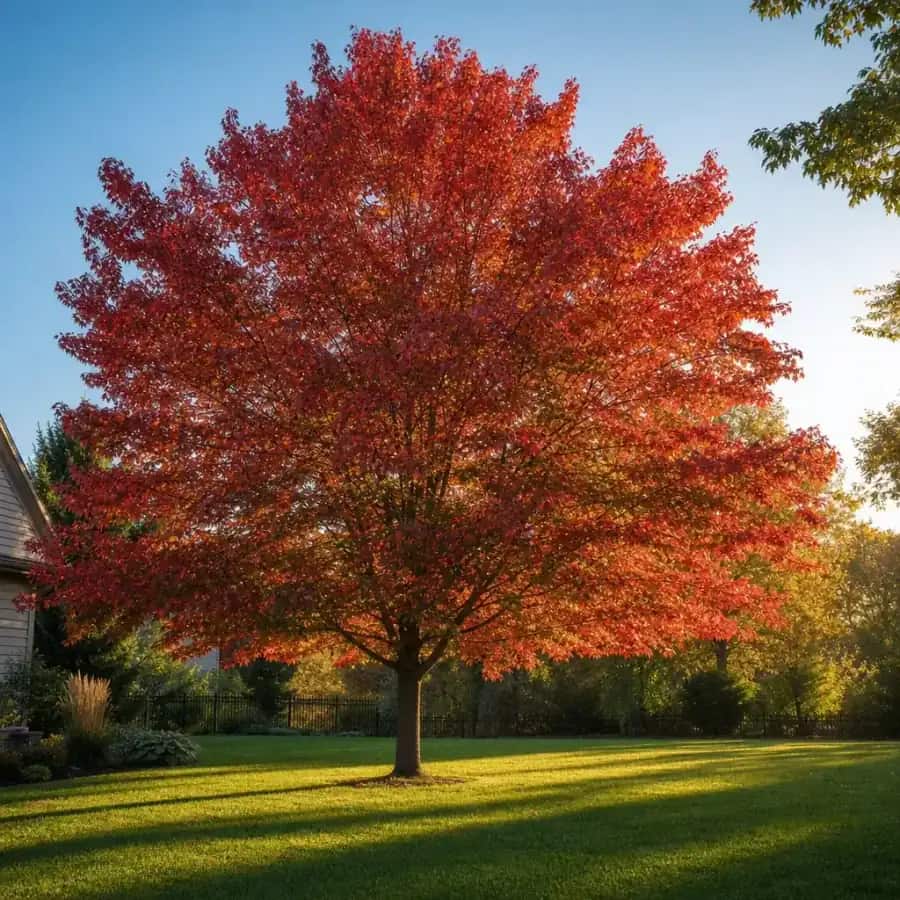
 Zones 3 to 8
Shade Trees
Autumn Blaze Red Maple
$60
Shop large, nursery-grown shade, privacy, flowering and fruit trees, delivered by freight in Bureau County. Every tree is matched to your hardiness zone and backed by our 1-Year Thrive Guarantee.
Enter your ZIP and we'll match trees to your exact growing zone.
Typical winter lows in Bureau County run about -15 to -10 F.
Matched to Bureau County's zones
Zones 3 to 8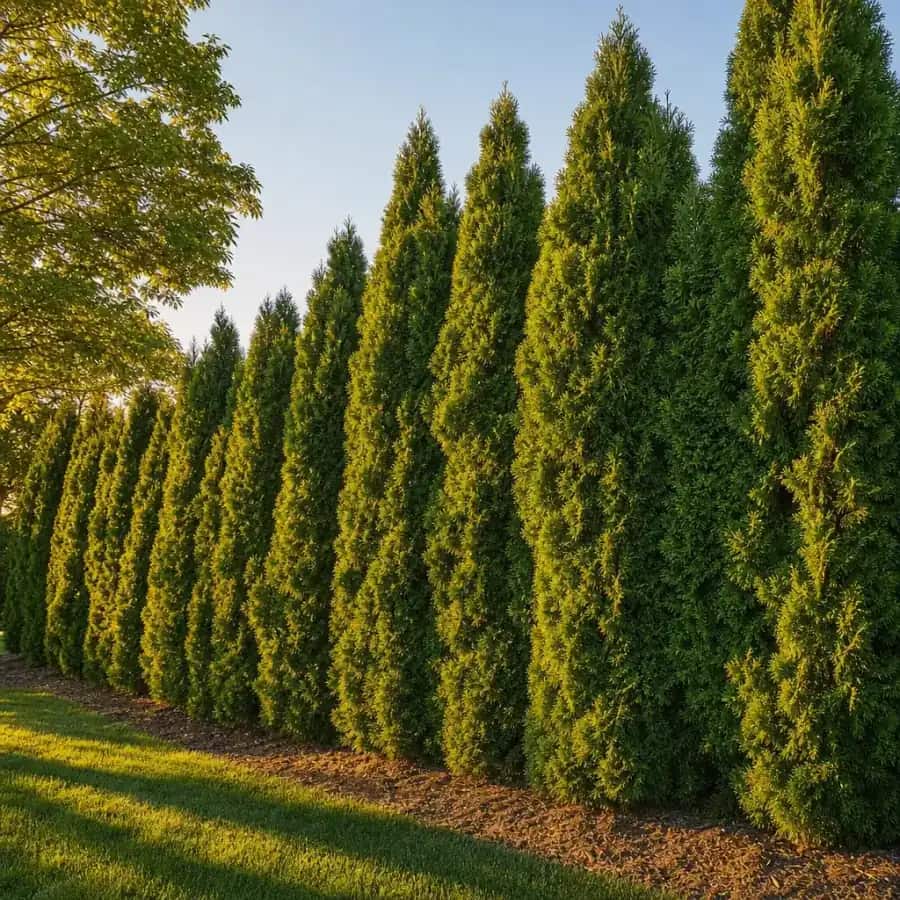 Zones 5 to 8
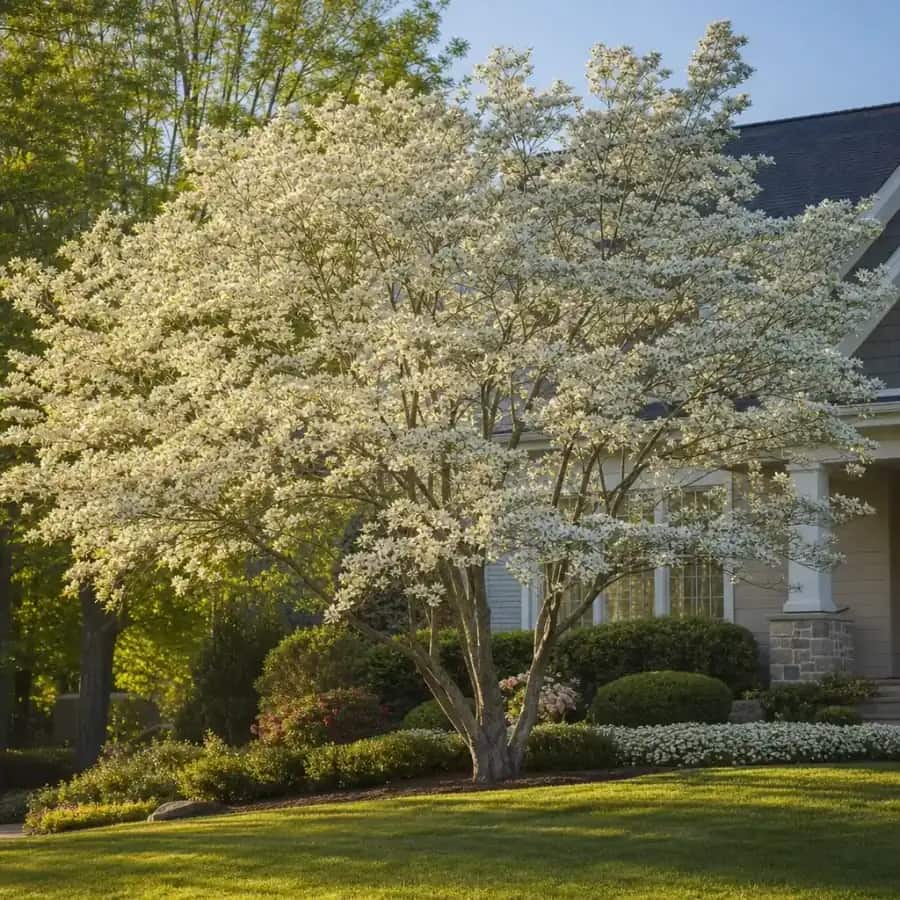 Zones 5 to 9
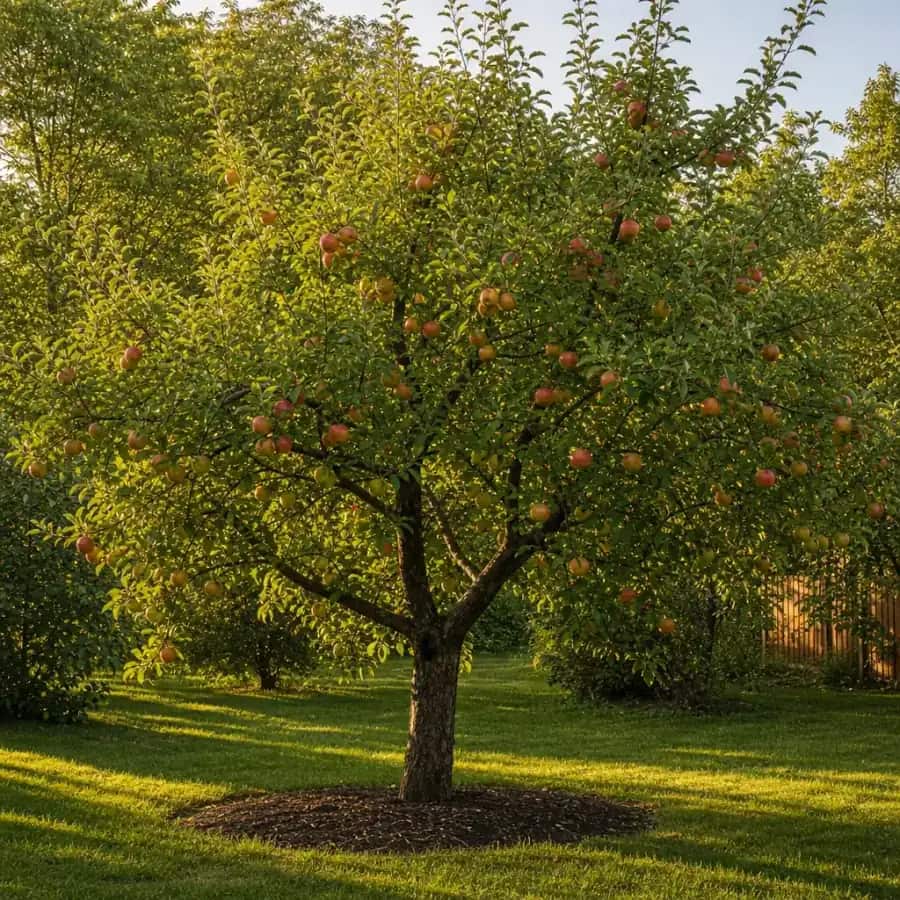 Zones 3 to 8
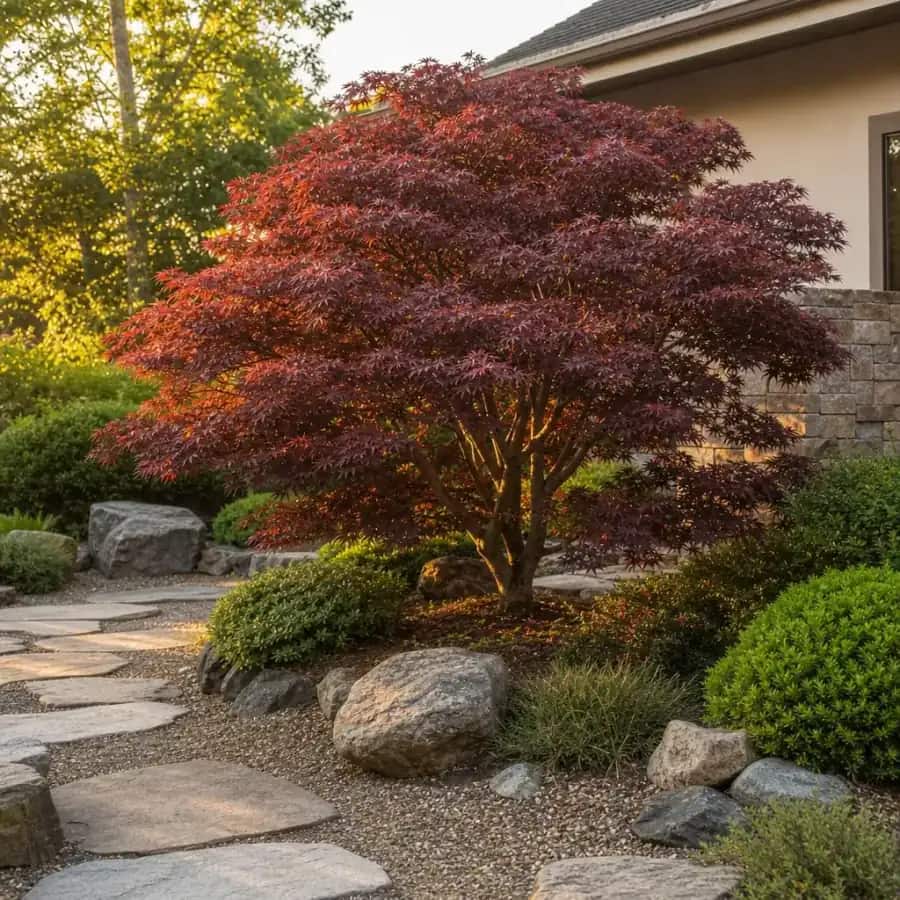 Zones 5 to 8
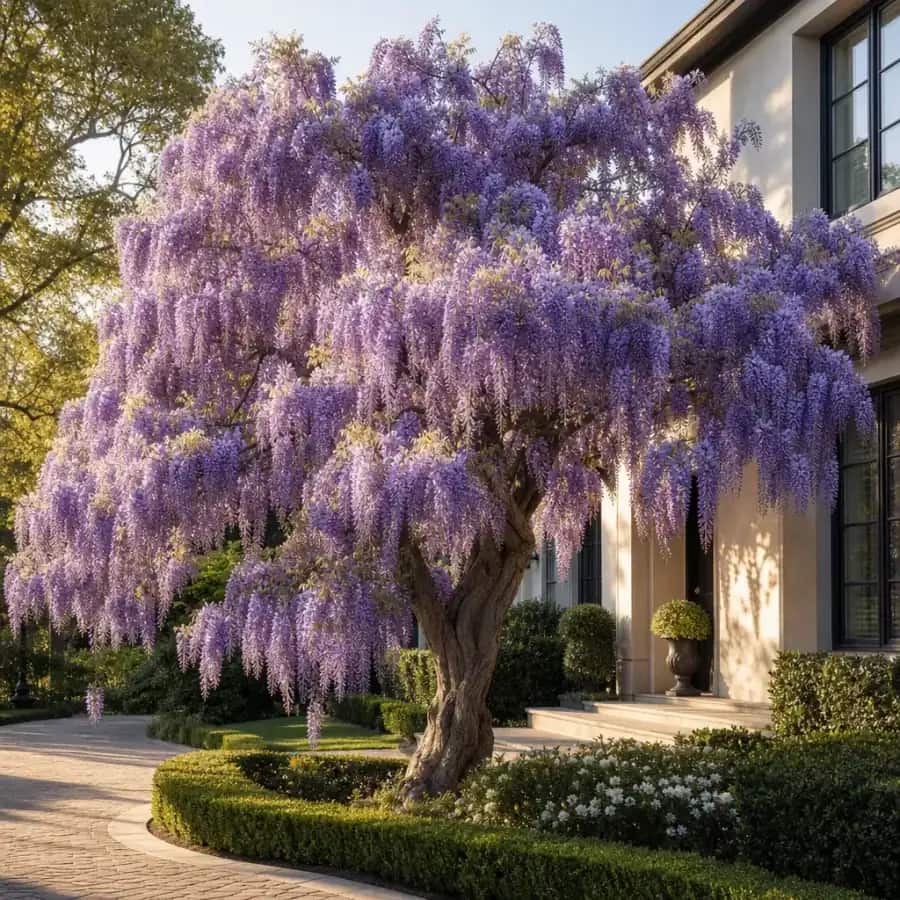 Zones 4 to 9
Shop by category
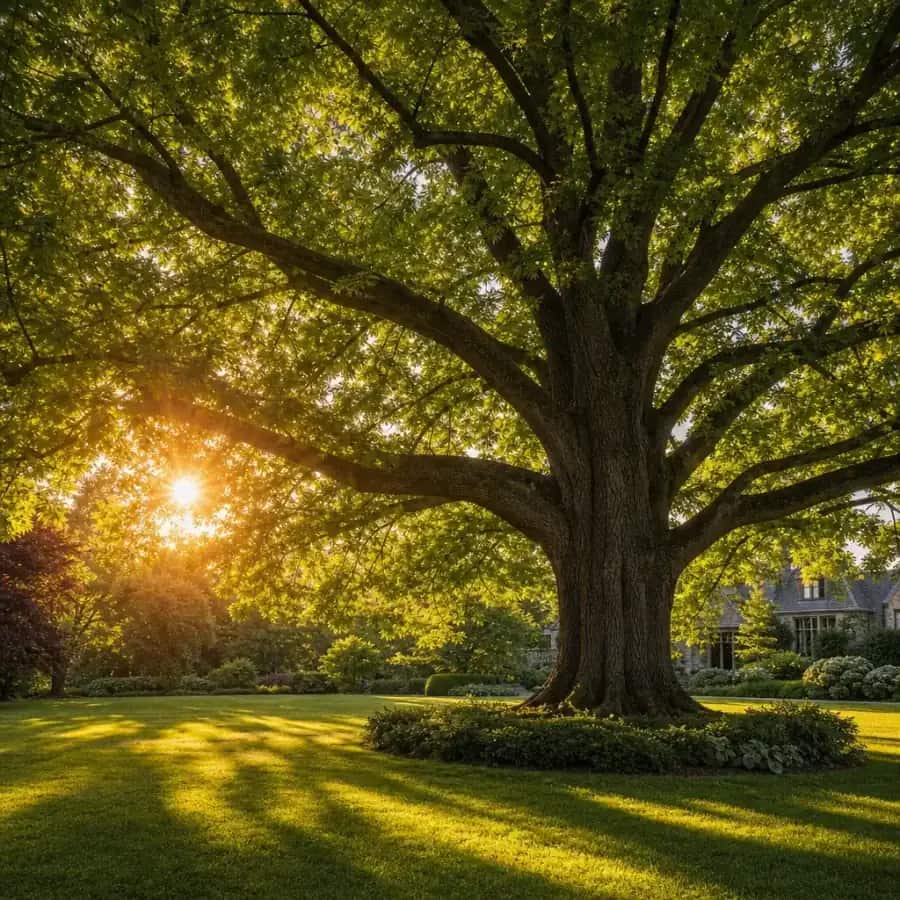 Shade TreesBroad-canopy trees that cool your yard and stand up to zone 5 winters.View all Shade Trees →
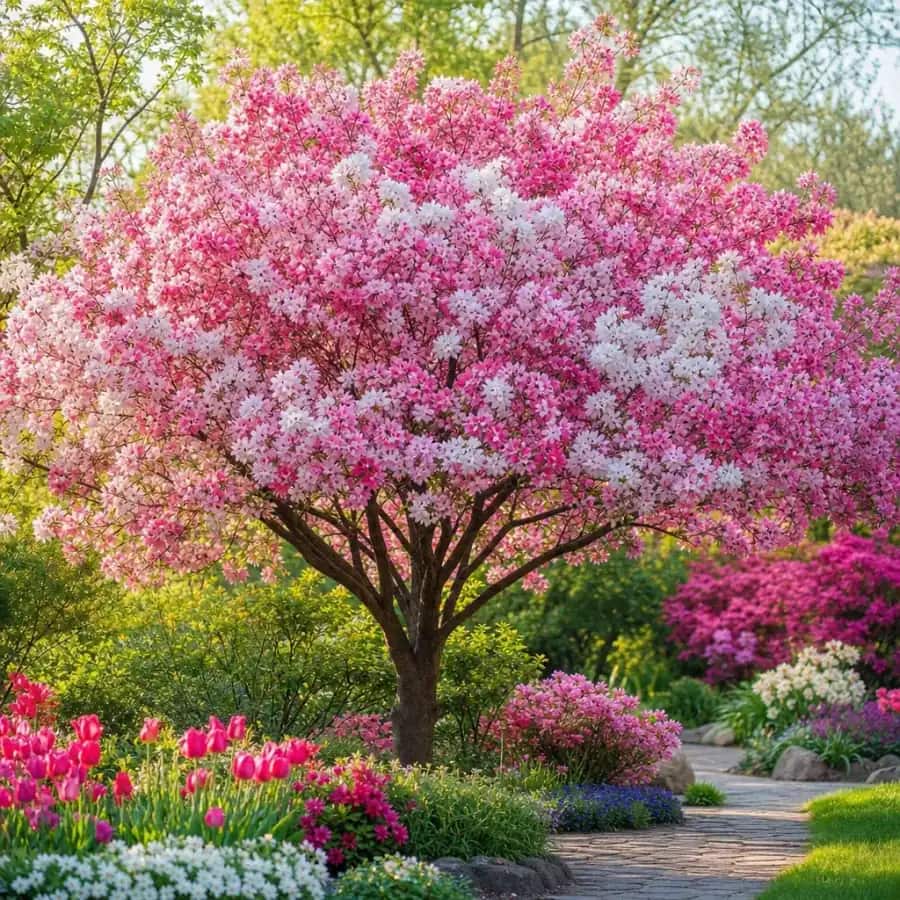 Flowering & OrnamentalEarly bloomers that add color before the last frost clears in spring.View all Flowering & Ornamental →
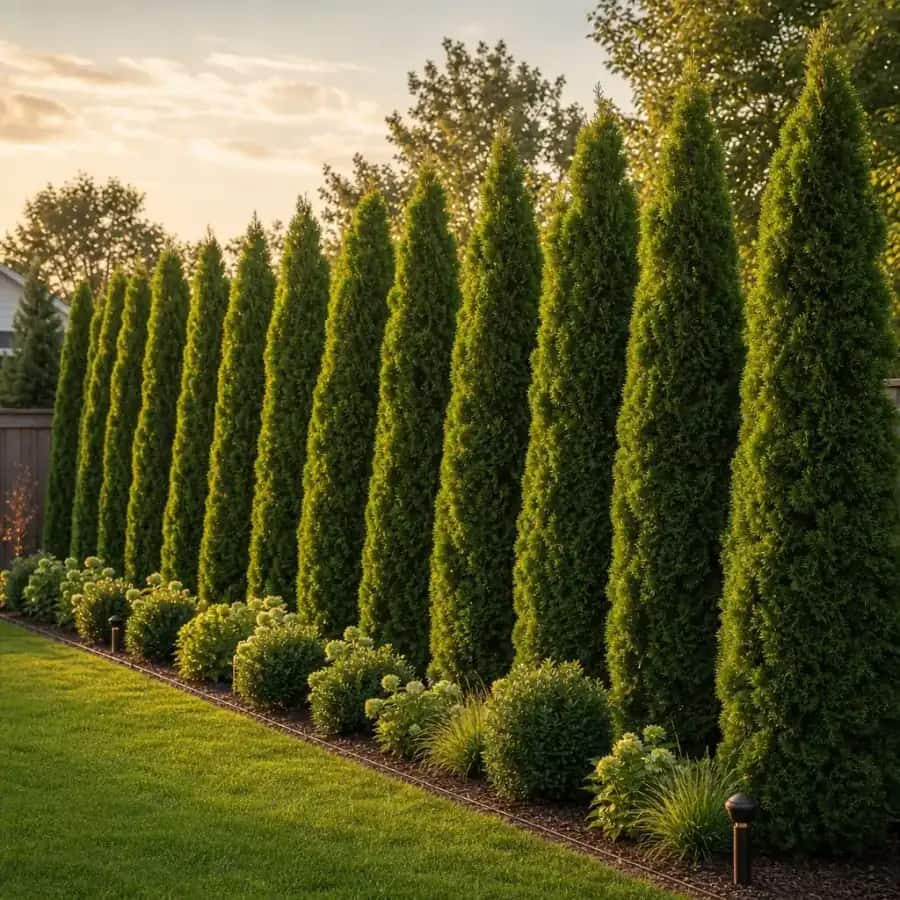 Evergreen & PrivacyNarrow or dense evergreens that screen year-round without crowding tight lots.
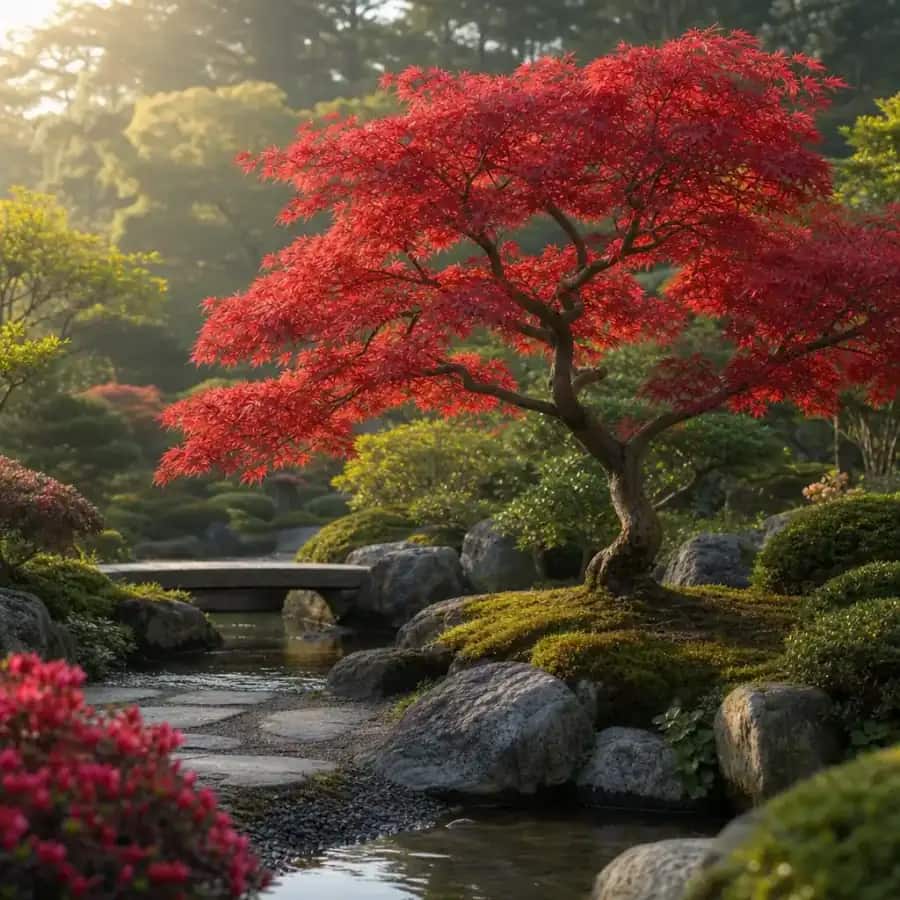 Japanese MaplesCompact trees with vivid seasonal color for a sheltered corner of your landscape.
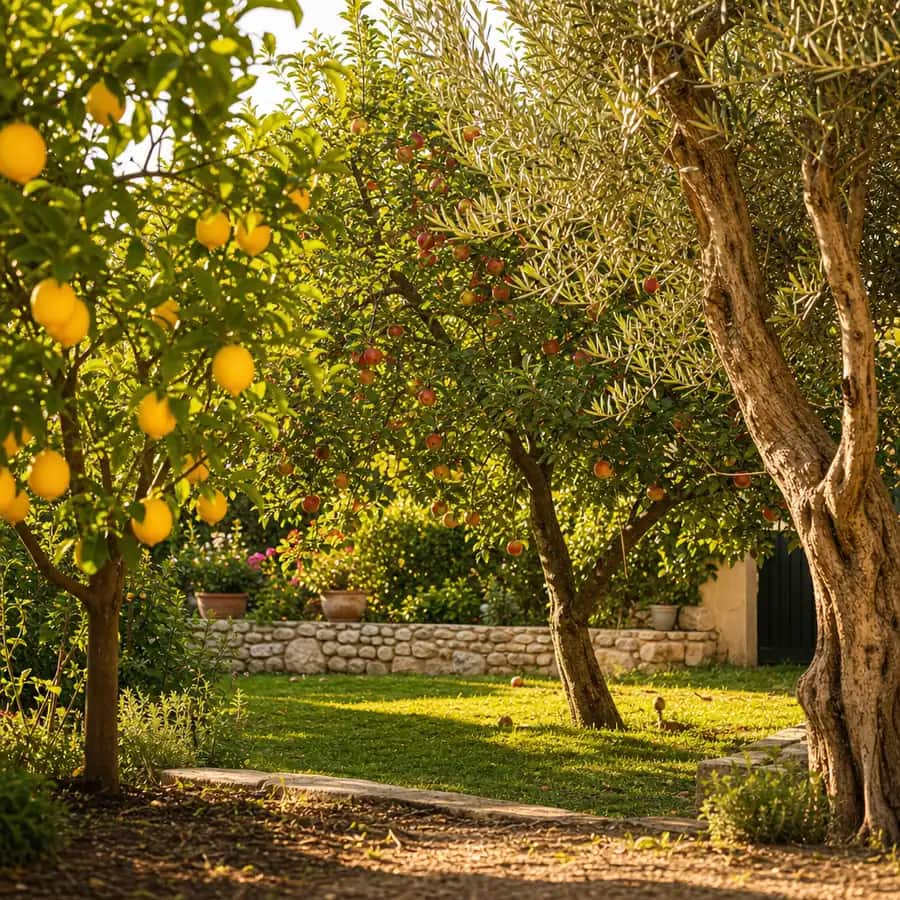 Fruit TreesHomegrown lemons, apples, figs, olives and more.View all Fruit Trees →
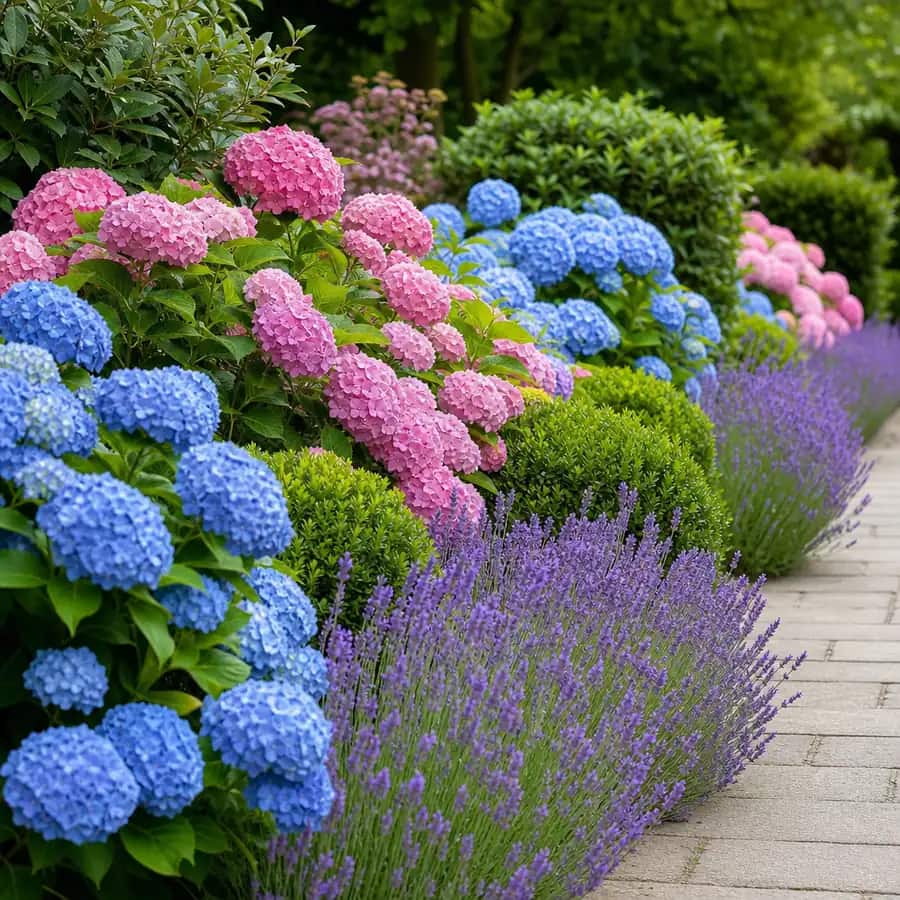 Shrubs & HedgesFiller plants and foundation hedges that hold structure through cold Illinois winters.View all Shrubs & Hedges →
Local fit, from data
5b
about -15 to -10 F
24
Arlington
Shade, privacy, and fruit trees in Bureau County arrive by freight at your driveway. Arbor Buddy ships large, nursery-grown landscape trees directly to homeowners in Bureau County, Illinois (IL). Every tree is matched to hardiness zone 5b, where typical winter lows reach about minus 15 to minus 10 degrees. You can shop shade trees, flowering ornamentals, evergreens, Japanese maples, and fruit trees with the confidence that each one fits your climate.
Bureau County spans USDA hardiness zone 5b across its 24 ZIP codes. Typical winter lows run about minus 15 to minus 10 degrees Fahrenheit. That means trees you choose must tolerate deep cold and a growing season that runs from spring through early fall.
In practice, trees for zone 5 in Bureau County include cold-hardy shade species, early-blooming ornamentals that push past the last frost, and narrow evergreens that stand up to winter winds. The western part of the county tends to be more rural with open exposure, while the suburban core around Arlington offers a bit more shelter from structures. Japanese maples do well in protected spots. Fruit trees with low chill-hour needs and late-blooming varieties reduce the risk of frost damage.
Summer heat and humidity arrive in July and August. Consistent summer moisture helps trees establish, especially species like river birch that do not tolerate dry conditions. Overall, zone 5b gives you a solid range of choices as long as you match each tree to its microclimate.
Many trees grow in zone 5, including shade trees like Dura Heat River Birch, flowering trees like Hearts A'fire Eastern Redbud, and cold-hardy fruit trees like Honeycrisp Apple. Zone 5b means winter lows reach about minus 15 to minus 10 degrees, so trees must tolerate deep cold. Evergreens like Skyrocket Juniper and Japanese maples in protected spots also do well here.
Dura Heat River Birch is a strong choice for shade in Bureau County because it handles heat and tolerates the zone 5 winter lows. Other good options include oaks and maples that are hardy to zone 5. The key is picking a species that matches your soil moisture and sun exposure.
The 1-Year Thrive Guarantee means Arbor Buddy replaces any tree free of charge if it does not survive its first year in the ground. The guarantee covers the replacement tree and its shipping, not planting. It gives you confidence that your tree is zone-matched and healthy when it arrives.
Yes, cold-hardy fruit trees like Honeycrisp Apple grow well in Bureau County. Bing Cherry is also an option, but it is self-sterile, so you need a second compatible sweet cherry nearby to get fruit. Spring frosts can damage blossoms, so choose late-blooming varieties and plant in a protected spot.
LaSalle Parish, Louisiana (LA) sits in zone 8b with typical winter lows of 15 to 20 degrees. That warmer climate allows Japanese maples to grow without the winter protection they need in Bureau County. In practice, buyers here lean toward heat-tolerant shade trees and citrus, not cold-hardy varieties like the ones suited to your zone 5 yard.
Jackson County, Oklahoma (OK) falls in zone 7b with winter lows of 5 to 10 degrees. It is milder than Bureau County but still too cold for most citrus and tender fruit trees. That gap changes the local shortlist to cold-hardy fruit and nut trees similar to yours, though Oklahoma's hotter summers shift the emphasis to drought-tolerant species more than moisture-loving ones.
Lane County, Oregon (OR) spans zones 8b to 9a with winter lows of 15 to 25 degrees. Palms and tropicals are viable there, which is not the case in zone 5b. For your cart, that means the trees that work in Bureau County are chosen for cold hardiness and a shorter growing season, not the broad palette of mild-climate options available in the Pacific Northwest.
Every tree you order from Arbor Buddy ships by freight to your driveway in Bureau County. Trees arrive at a usable landscape size, nursery-grown and matched to your hardiness zone before shipping. In zone 5, shipments land in spring, after hard-freeze season. The 1-Year Thrive Guarantee covers free replacement if a tree does not survive its first year.
Before delivery day, check:
Arbor Buddy ships zone-matched trees by freight to your driveway in Bureau County. Every tree arrives nursery-grown at a usable landscape size, backed by the 1-Year Thrive Guarantee. Browse the categories above and place your order online. Your tree ships in spring after the hard-freeze season ends.
Enter your ZIP, shop only what thrives in your zone.
Freight delivery to your address: $149 flat per order, shown at checkout.
Plant it, watch it thrive, covered for one year.
Good to know · Growing guide
Coverage runs a full year from delivery. If something goes wrong, contact the team and they arrange the replacement. No store-credit games, no fine-print maze.