 Zones 4 to 9
Shade Trees
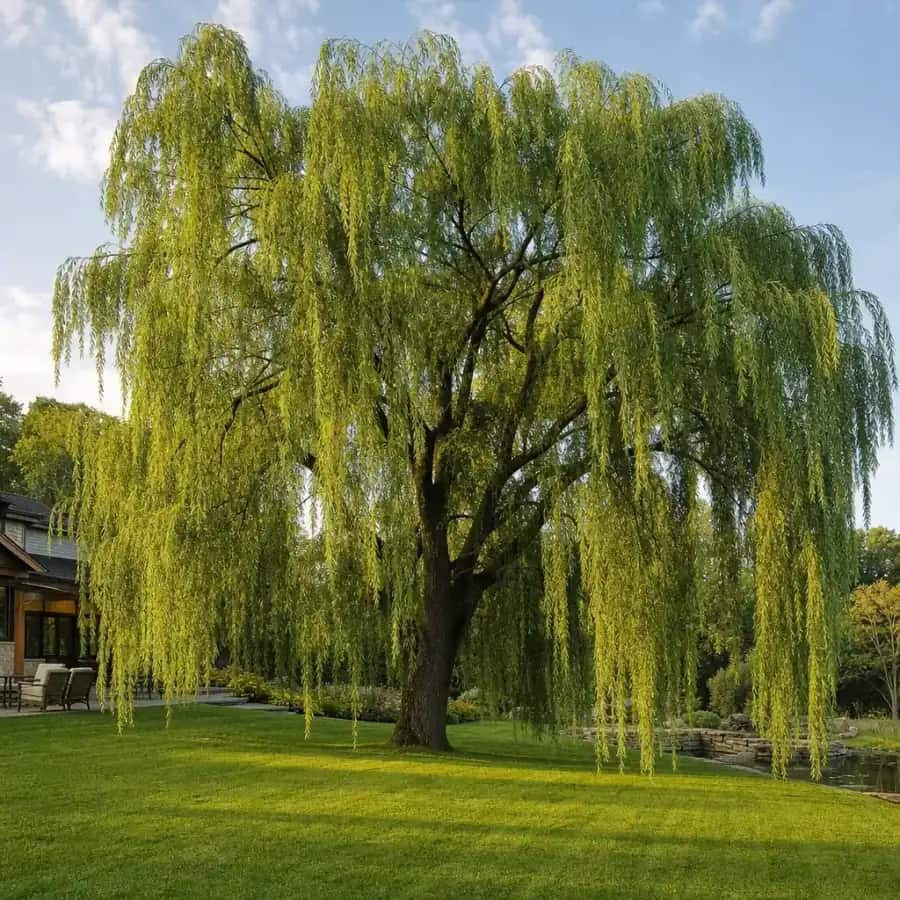
Weeping Willow
$40
Shop large, nursery-grown shade, privacy, flowering and fruit trees, delivered by freight in Dry Prong. Every tree is matched to your hardiness zone and backed by our 1-Year Thrive Guarantee.
Enter your ZIP and we'll match trees to your exact growing zone.
Typical winter lows in Dry Prong run about 20 to 25 F.
Matched to Dry Prong's zone
Zones 4 to 9 Zones 6 to 10
 Zones 7 to 9
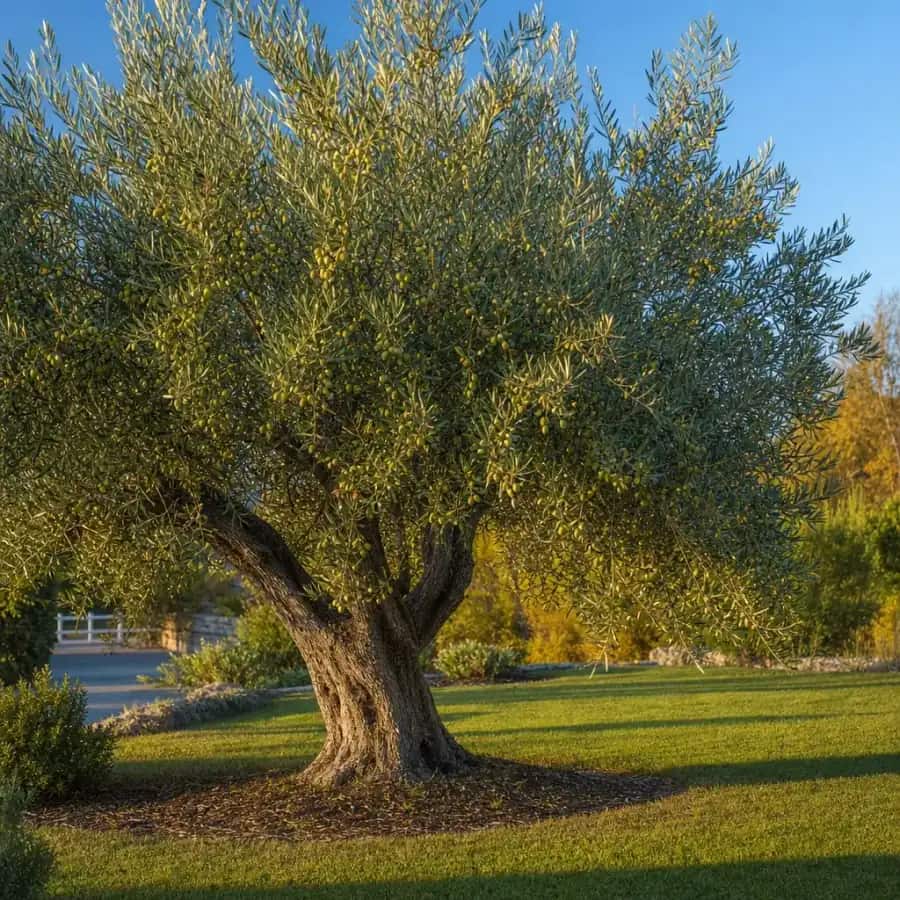 Zones 8 to 11
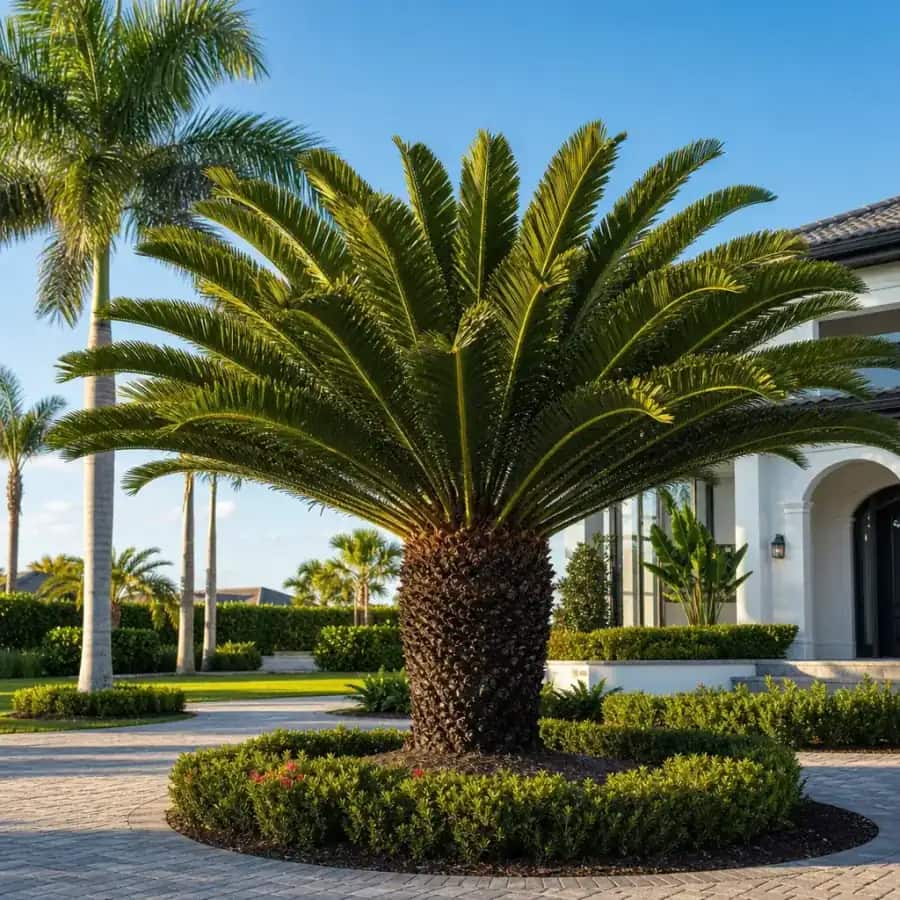 Zones 9 to 11
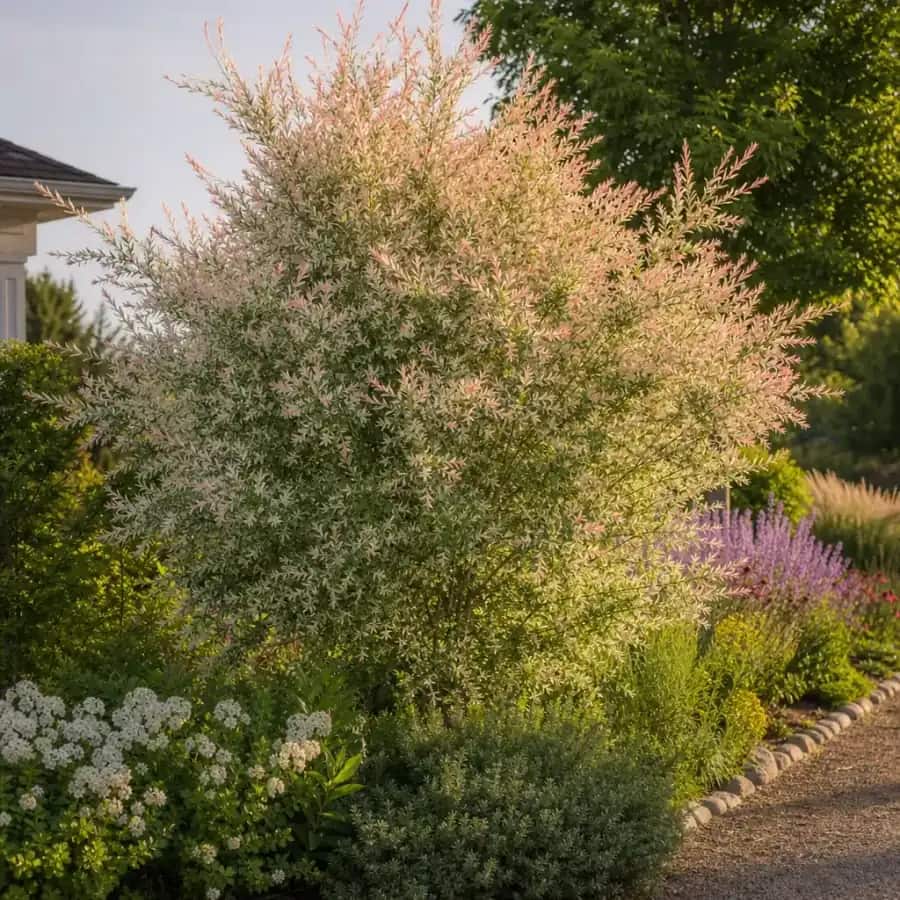 Zones 5 to 9
Shop by category
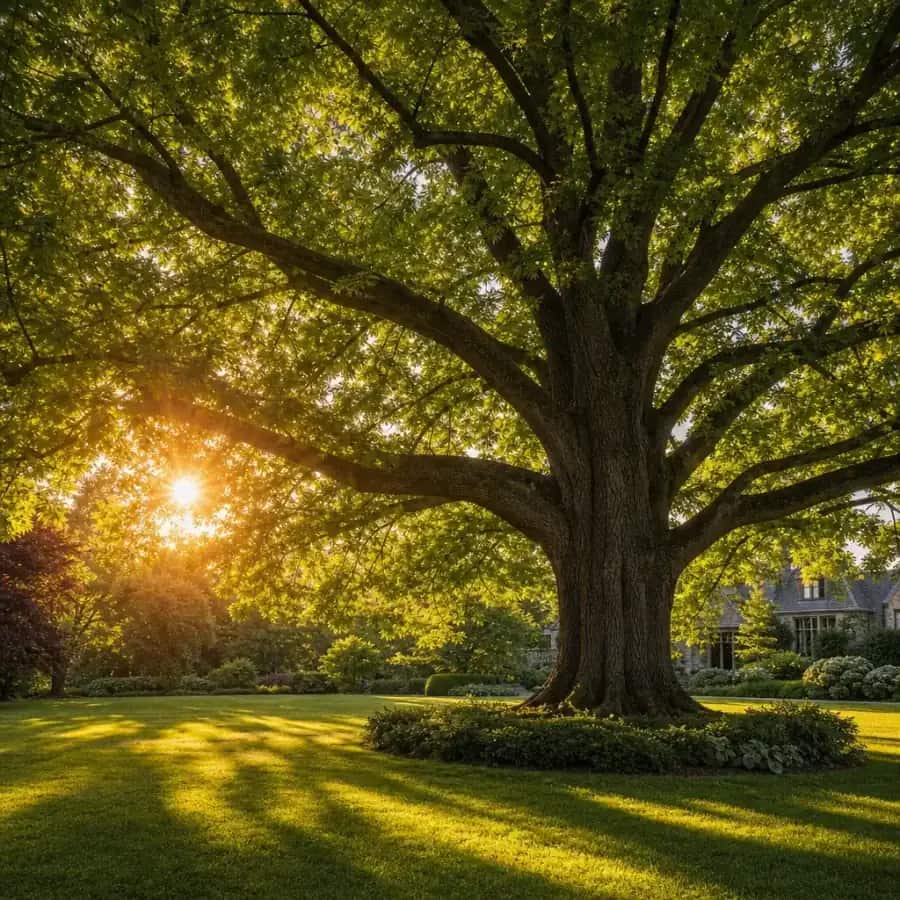 Shade TreesBlock the Louisiana sun with elms and oaks bred for zone 9 heat.
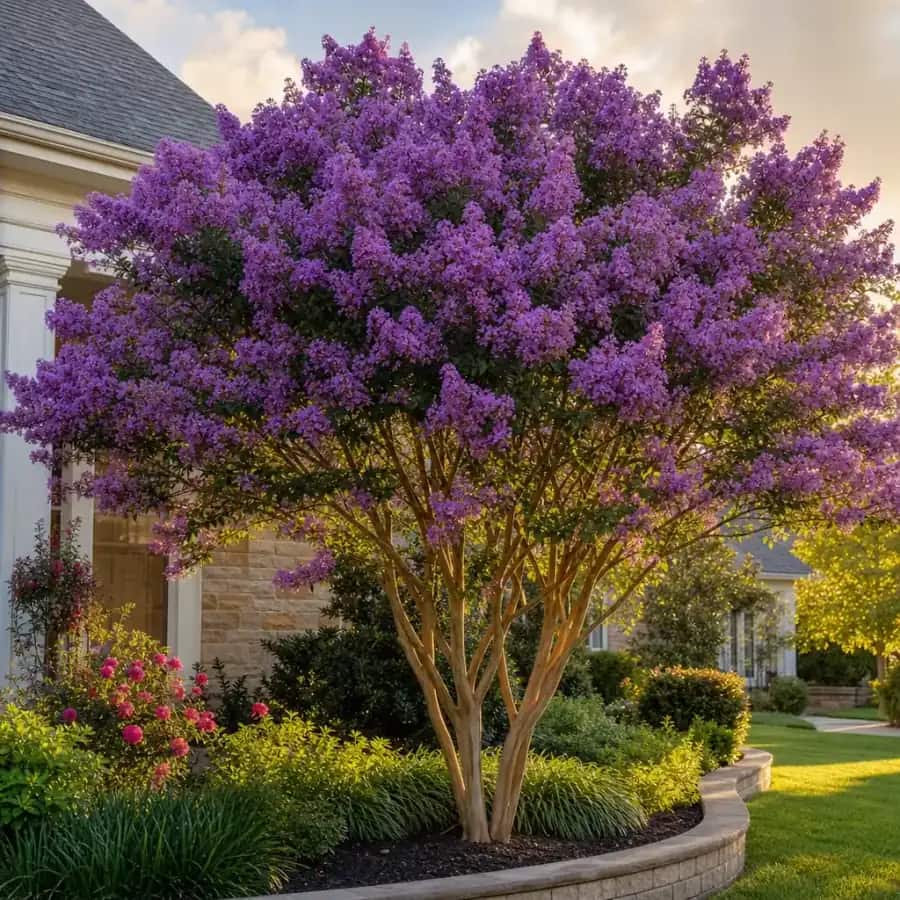
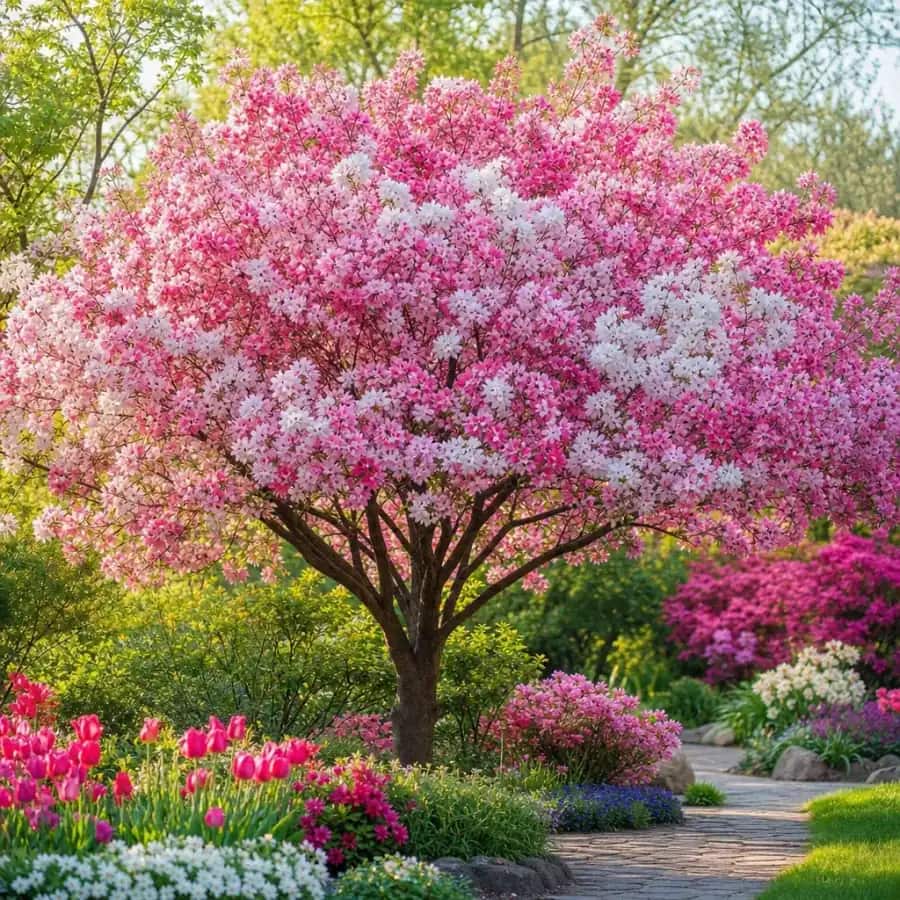 Flowering & OrnamentalAdd spring color from crape myrtles and redbuds that bloom reliably here.View all Flowering & Ornamental →
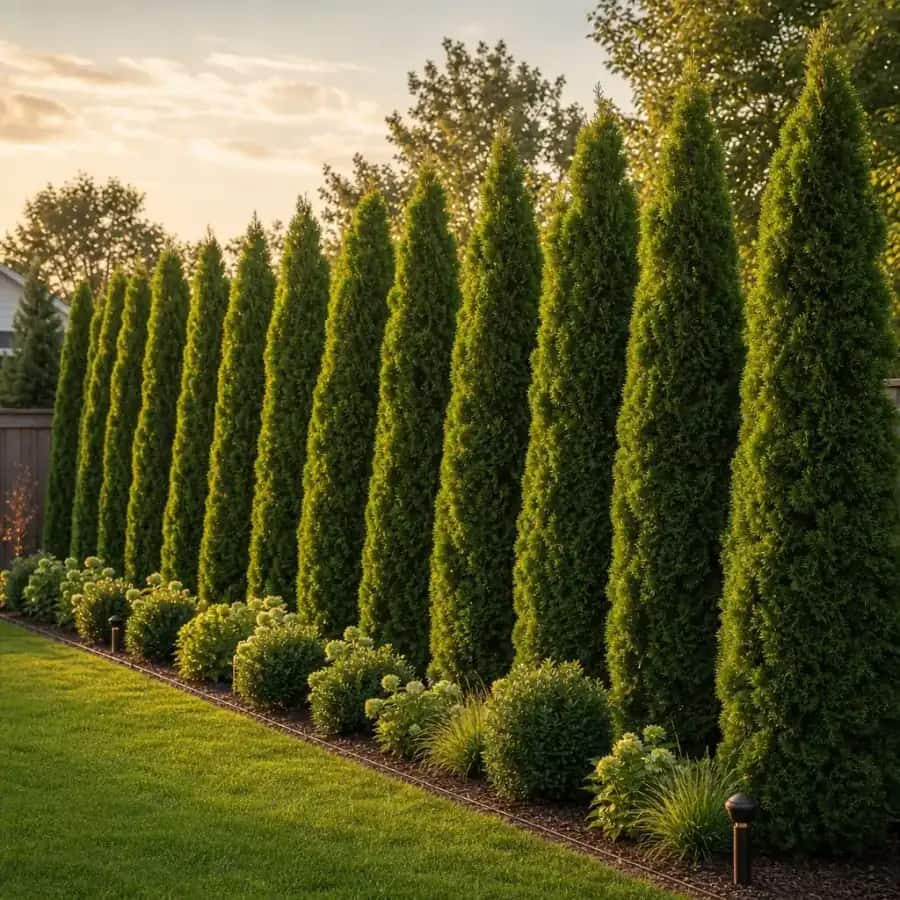 Evergreen & PrivacyPlant hollies and junipers that stay green through mild Dry Prong winters.View all Evergreen & Privacy →
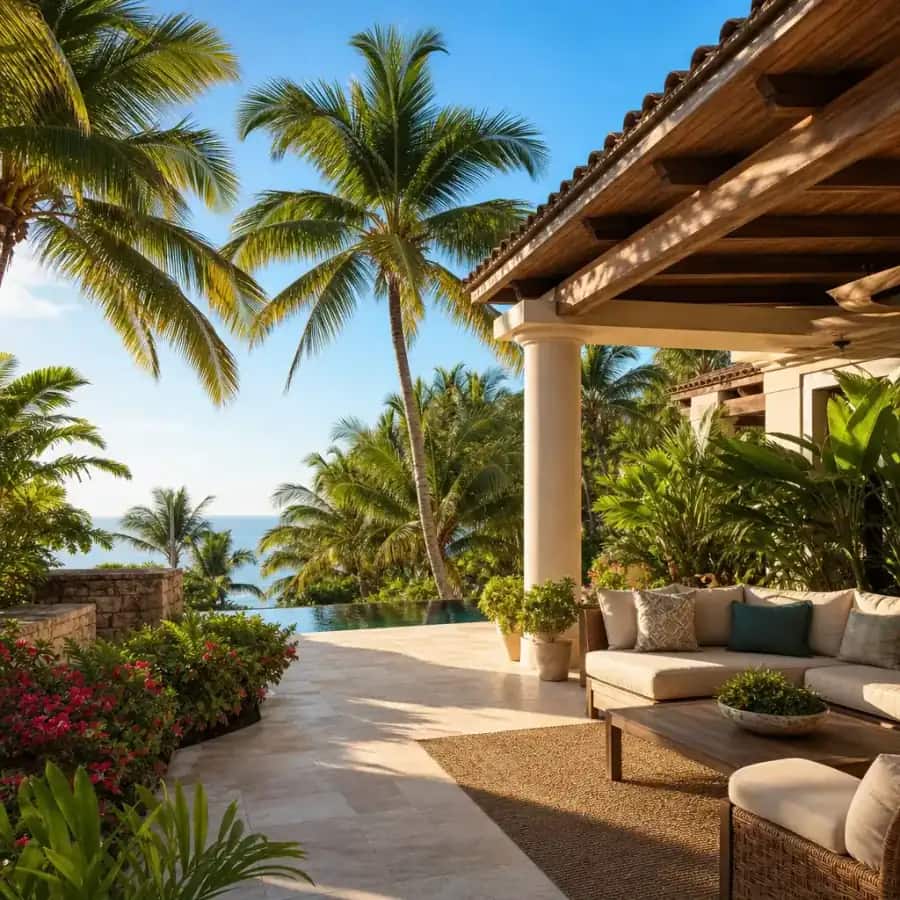 Palms & TropicalsResort-worthy palms and architectural foliage.View all Palms & Tropicals →
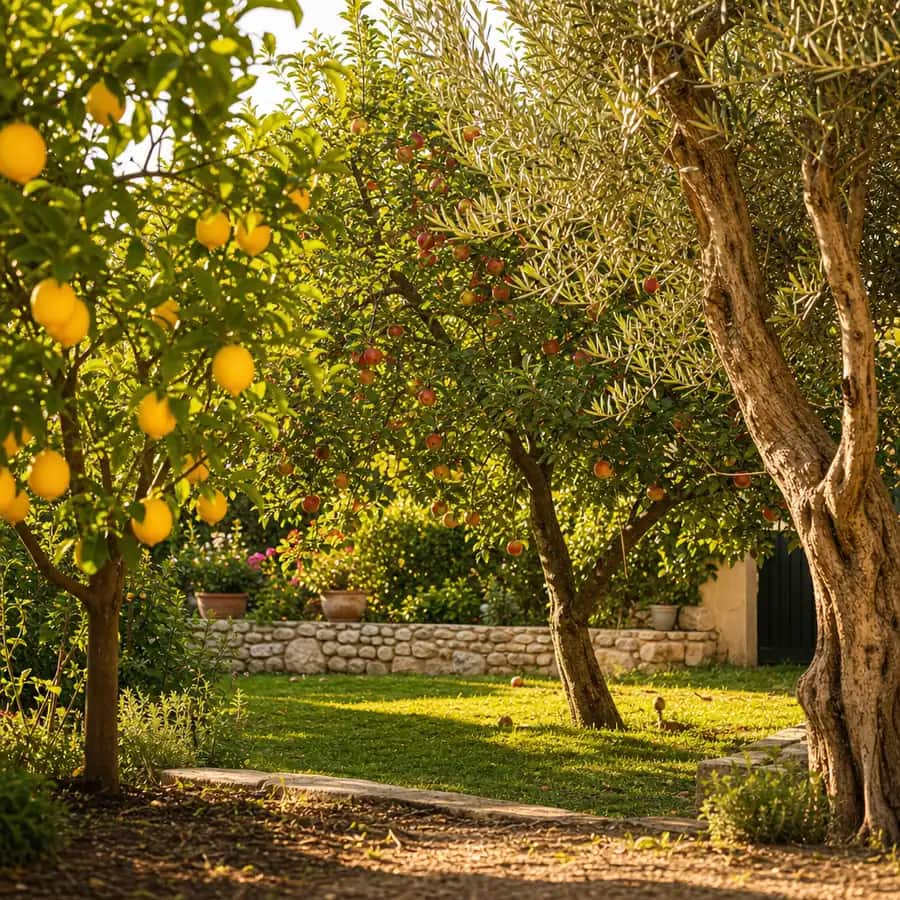 Fruit TreesGrow lemons, figs, or low-chill peaches that produce in zone 9.View all Fruit Trees →
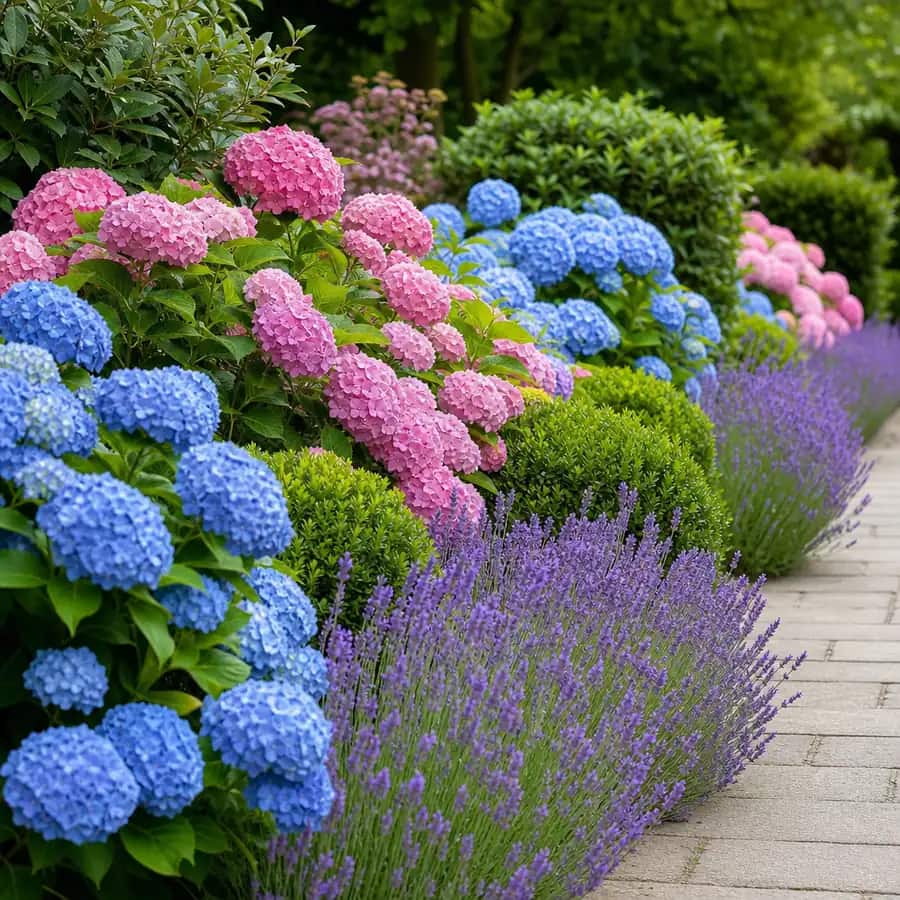 Shrubs & HedgesHydrangeas, hollies, lavender and living privacy.View all Shrubs & Hedges →
Local fit, from data
9a
about 20 to 25 F
Grant Parish
Louisiana
When you order trees delivered to Dry Prong, LA 71423, your growing conditions start with USDA zone 9a. That zone shapes which trees will thrive in your yard. Arbor Buddy ships large, nursery-grown landscape trees directly to your property by freight. We match every tree to your hardiness zone, so you get species proven for your area. Homeowners and contractors in ZIP 71423 find shade, flowering, and fruit trees ready for planting.
Dry Prong sits in USDA zone 9a, where typical winter lows run about 20 to 25 degrees Fahrenheit. That means you get a long growing season but the occasional hard freeze. Trees that thrive here handle heat and humidity well. Evergreen options like oakleaf holly and southern junipers stay green through mild winters. Deciduous choices like cedar elm and redbud drop leaves in fall and emerge early in spring.
The area sees plenty of rainfall, so most trees for zone 9 in Dry Prong do fine without extra watering once established. Sandy or clay soils are common, so consider drainage when planting. Shade trees, flowering ornamentals, and fruit trees all perform well here. Palms and tropicals need a protected spot away from cold winds. With the right match, your trees will grow strong and give you shade, fruit, or color every year.
Fast growers include the Cedar Elm and American Sycamore. In zone 9a, these two can add 2 to 3 feet per year once established, giving you quick shade.
Top shade picks are Cedar Elm and Dura Heat River Birch. Both handle the heat, but river birch needs consistent moisture and may show chlorosis in alkaline soil. Cedar Elm is more adaptable to local soils.
Trees ship as large, nursery-grown plants, typically 4 to 6 feet tall or larger, depending on the species. They arrive ready to go in the ground, not as tiny seedlings. Freight carriers deliver them directly to your property.
Yes. Meyer Lemon is a good choice for zone 9a. It produces sweet, thin-skinned lemons. Protect it when temperatures drop below 20 °F. Chicago Hardy Fig also does well here without extra care.
For shade, privacy, flowering, fruit, and accent trees matched to your zone in ZIP 71423 of Dry Prong, Arbor Buddy ships large, nursery-grown trees with a 1-Year Thrive Guarantee.
Browse the trees suited to your area and order online.
Your zone 9a climate in Dry Prong gives you options that cooler regions do not have. Compared to ZIP 23282 in Richmond, Virginia (zone 7b, winter lows 5 to 10 °F), your winters are much milder. Richmond gets frost that kills many tropicals and limits citrus. For your cart, that means you can grow flowering trees like crape myrtles and redbuds that would struggle with harsh freezes there. In dry Prong, those same trees bloom earlier and longer.
ZIP 05448 in East Fairfield, Vermont (zone 5a, winter lows -20 to -15 °F) faces extreme cold. Privacy and screening options there are limited to hardy evergreens like spruce and fir. That gap changes the local shortlist to broadleaf evergreens and hollies that would never survive Vermont winters. In Dry Prong, you can choose oakleaf holly or southern junipers for year-round screens without worrying about deep freezes.
ZIP 84782 in Veyo, Utah (zone 7b, winter lows 5 to 10 °F) has a dry, high-desert climate. Palms and tropicals are mostly out of reach there because of low humidity and cold nights. In practice, buyers here lean toward palms like the Queen Sago and Meyer Lemon that need humidity and mild temperatures. Your zone 9a gives you a longer window for subtropical plants than Veyo can offer. For Dry Prong buyers, these contrasts mean your yard can support more tropical and fruit options than many other parts of the country.
Arbor Buddy delivers large trees to ZIP 71423 via freight carrier. Trees headed to zone 9 arrive between fall and early spring, matched to mild ground temperatures. A freight truck can reach most streets in Dry Prong, but check your driveway or road for long narrow sections, low branches, or soft ground. Someone must be home to receive the tree and inspect it upon arrival.
Every tree comes with a 1-Year Thrive Guarantee. If your tree does not survive the first year, we replace it free. Shipping is easy: we match your tree to your zone, pack it securely, and deliver it to a spot you choose.
Before delivery day, check:
Enter your ZIP, shop only what thrives in your zone.
Freight delivery to your address: $149 flat per order, shown at checkout.
Plant it, watch it thrive, covered for one year.
Good to know · Growing guide
Coverage runs a full year from delivery. If something goes wrong, contact the team and they arrange the replacement. No store-credit games, no fine-print maze.