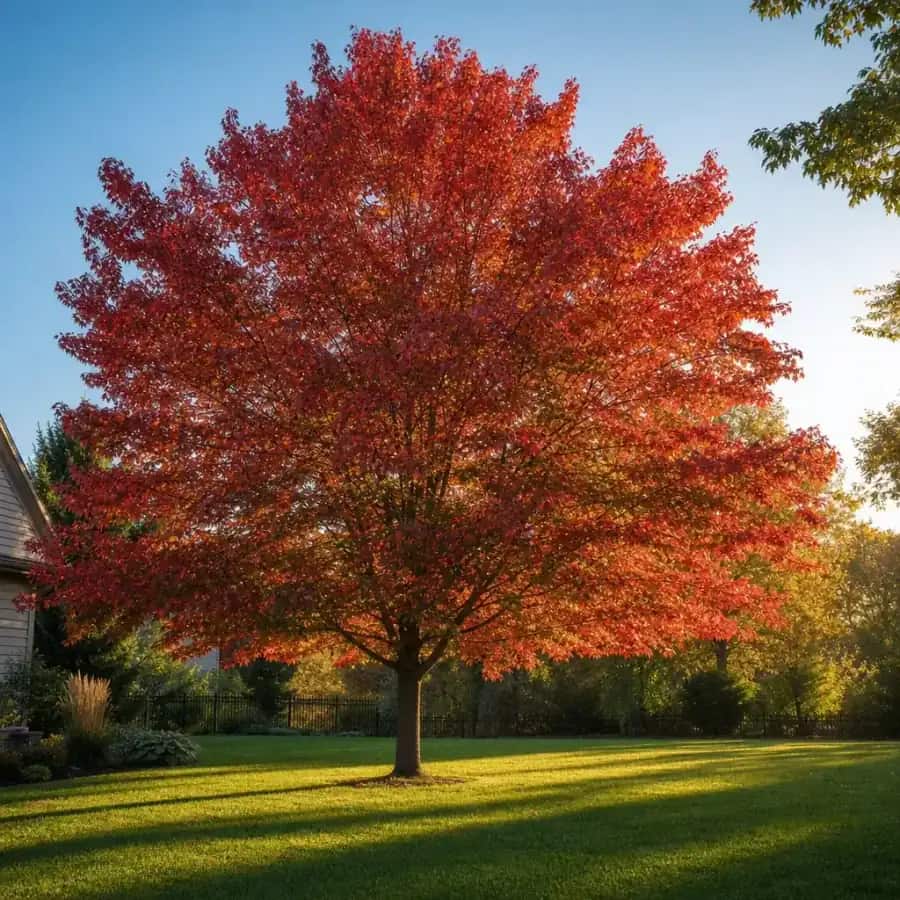
 Zones 3 to 8
Shade Trees
Autumn Blaze Red Maple
$60
Shop large, nursery-grown shade, privacy, flowering and fruit trees, delivered by freight in Amazonia. Every tree is matched to your hardiness zone and backed by our 1-Year Thrive Guarantee.
Enter your ZIP and we'll match trees to your exact growing zone.
Typical winter lows in Amazonia run about -10 to -5 F.
Matched to Amazonia's zone
Zones 3 to 8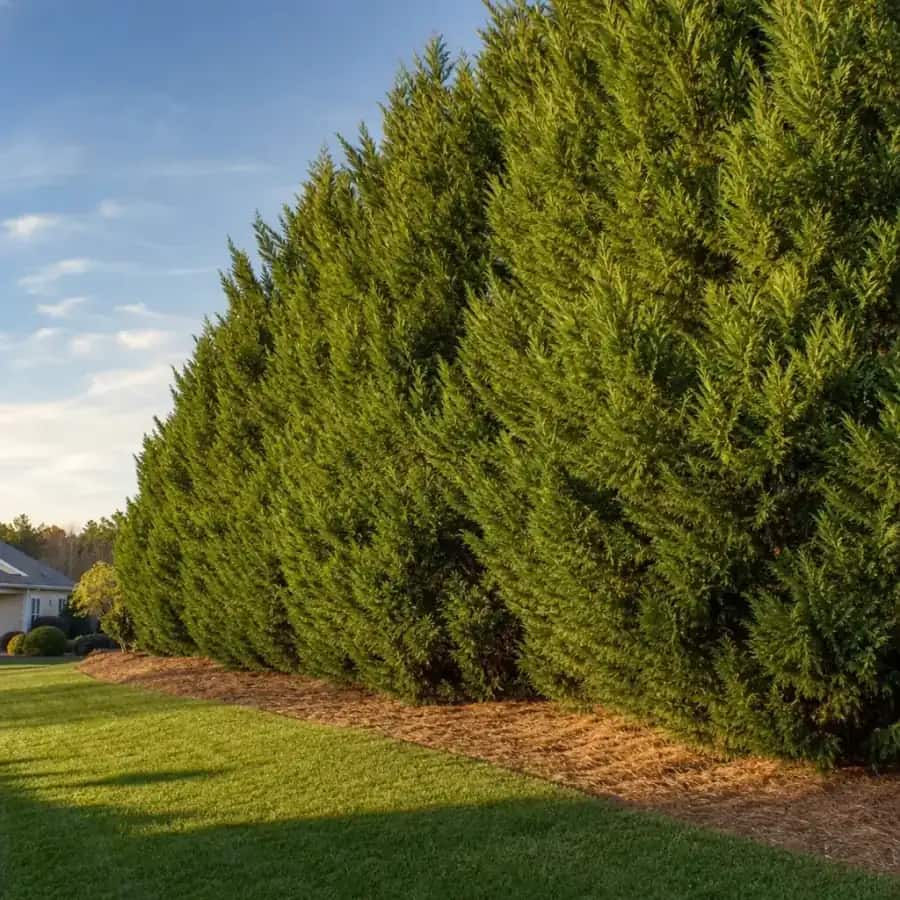 Zones 6 to 10
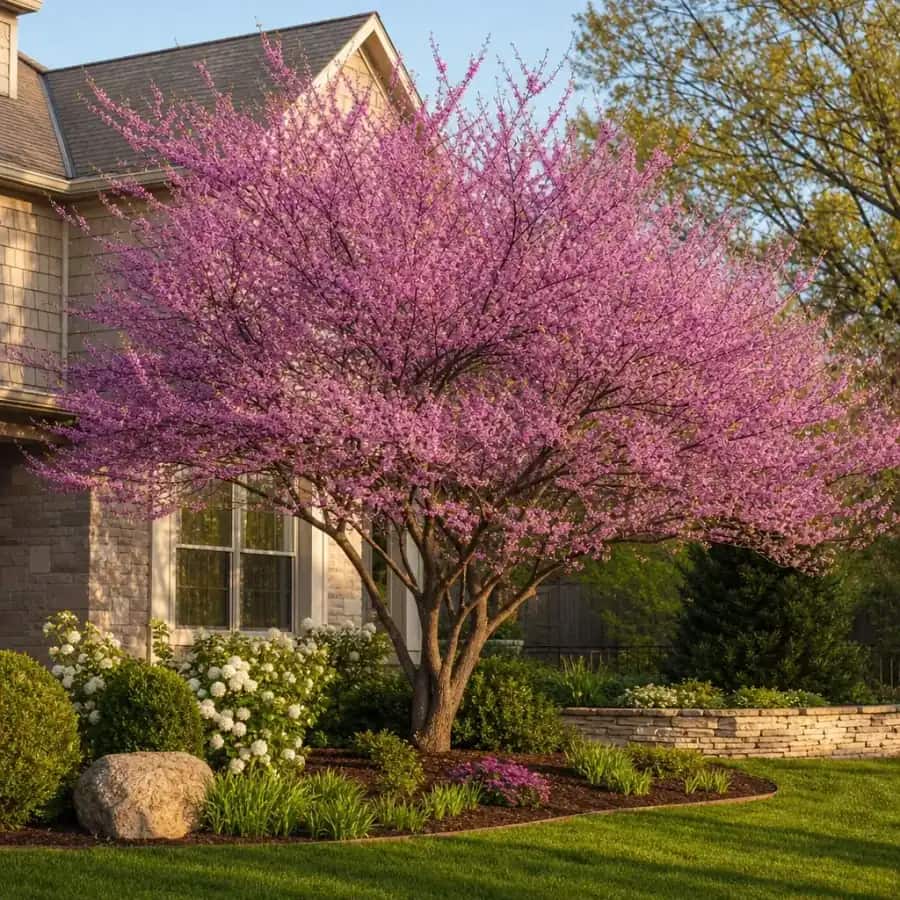 Zones 4 to 9
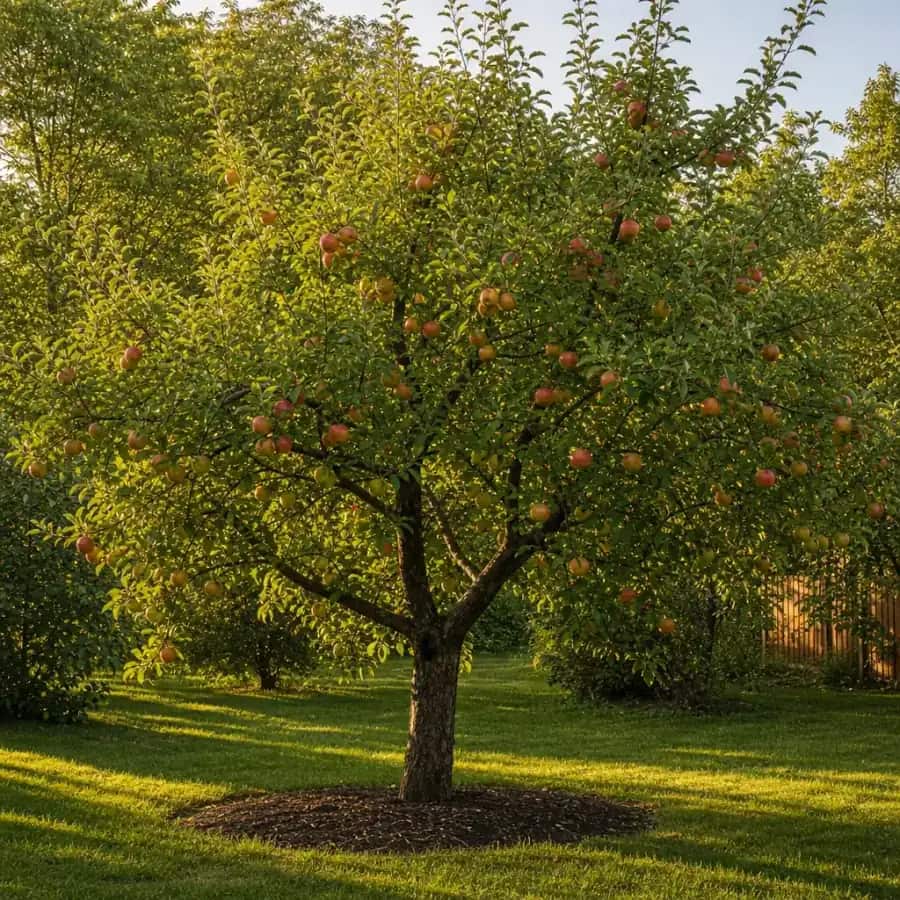 Zones 3 to 8
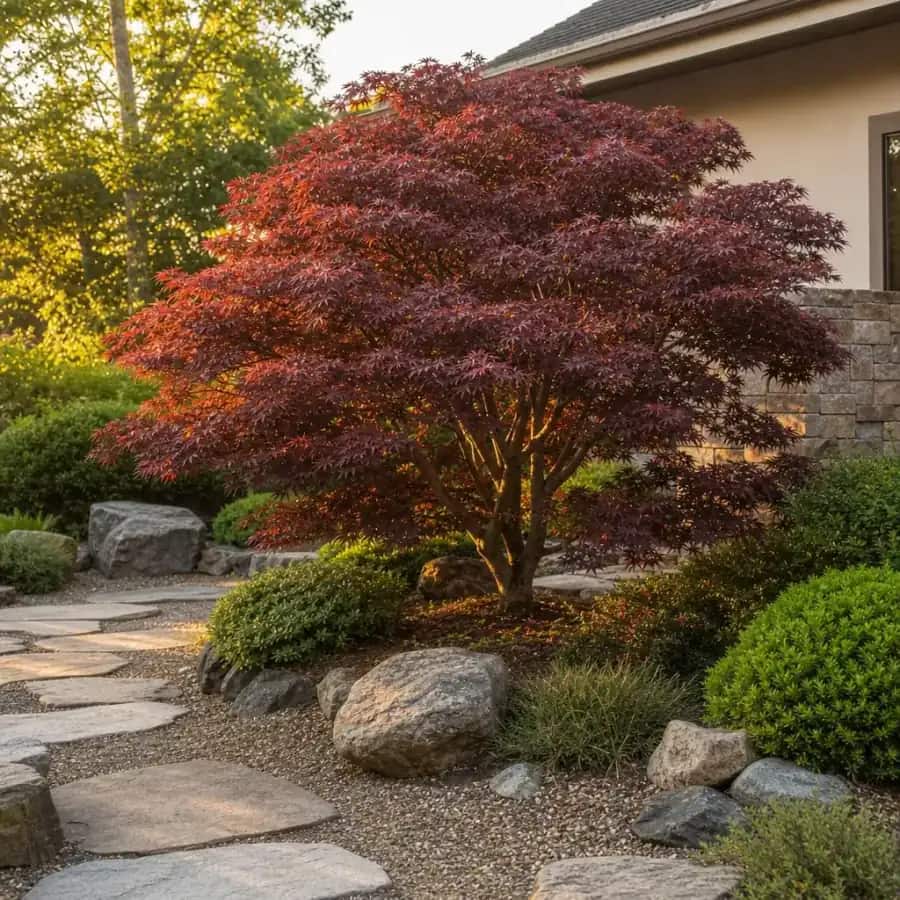 Zones 5 to 8
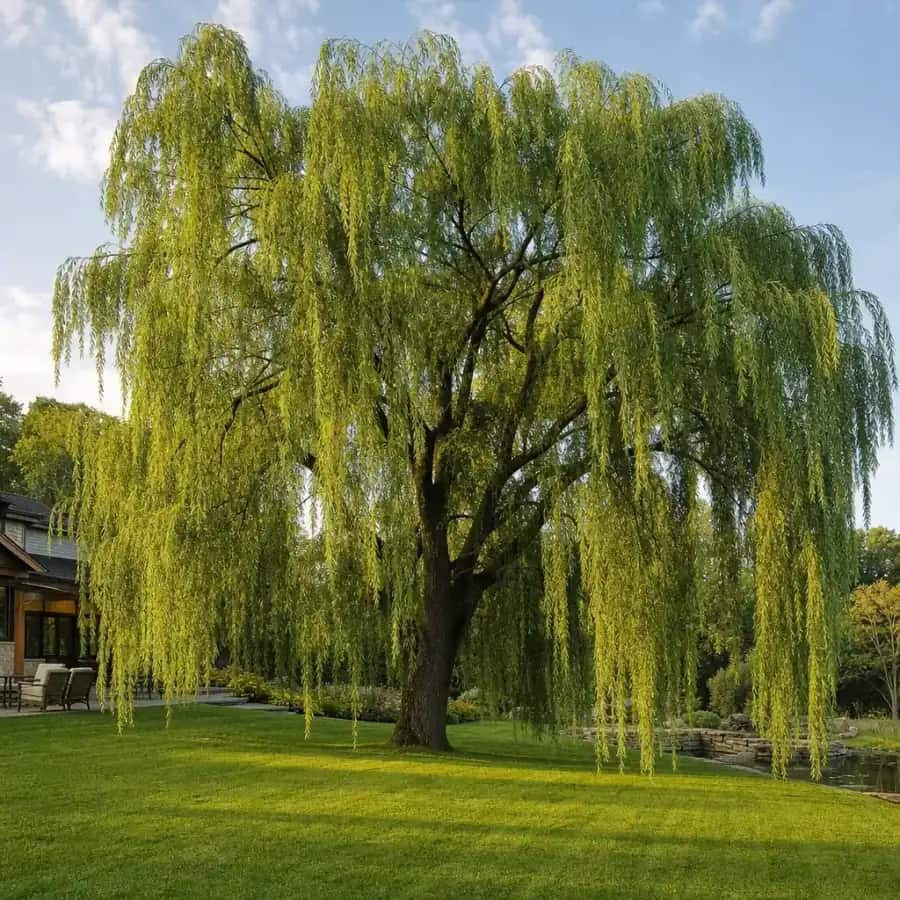 Zones 4 to 9
Shop by category
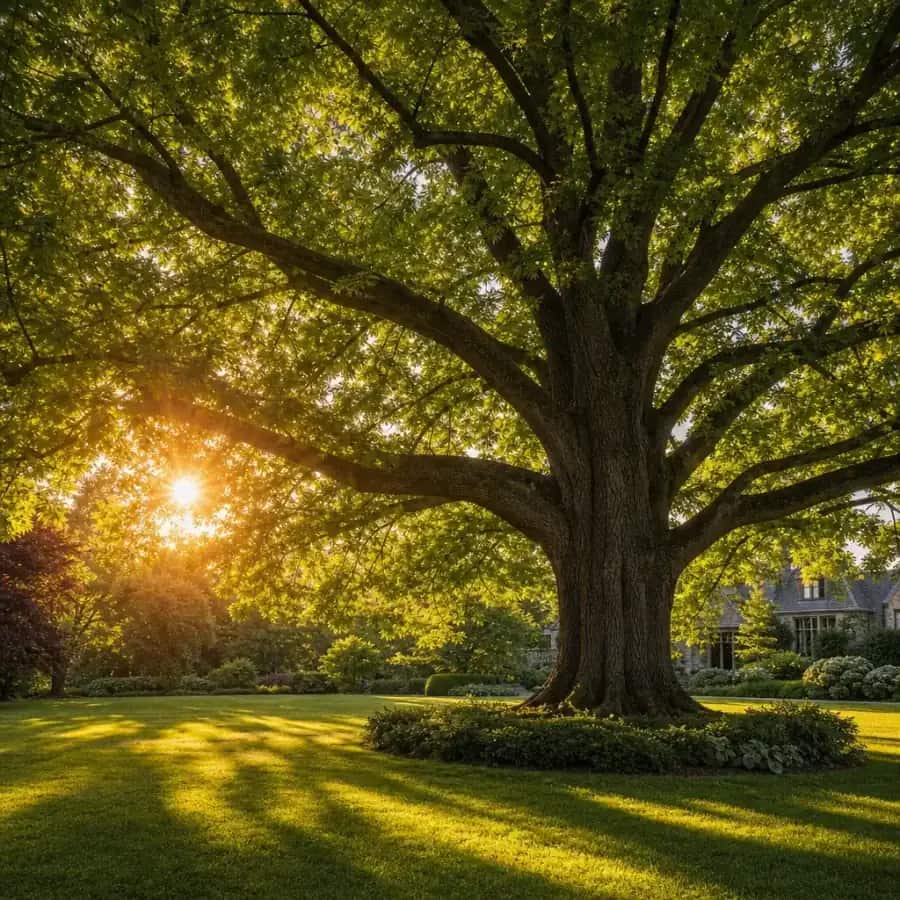 Shade TreesBig, fast canopy. Oaks, elms, maples and more.View all Shade Trees →
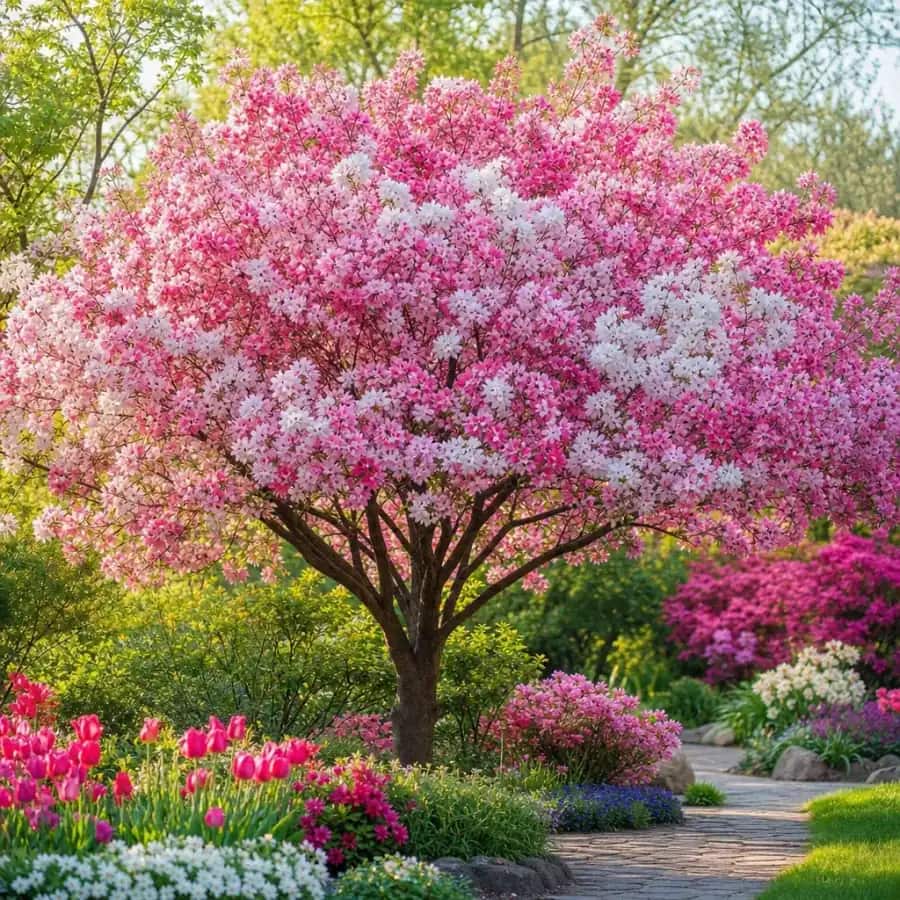 Flowering & OrnamentalRedbuds, crape myrtles and blooming showpieces.View all Flowering & Ornamental →
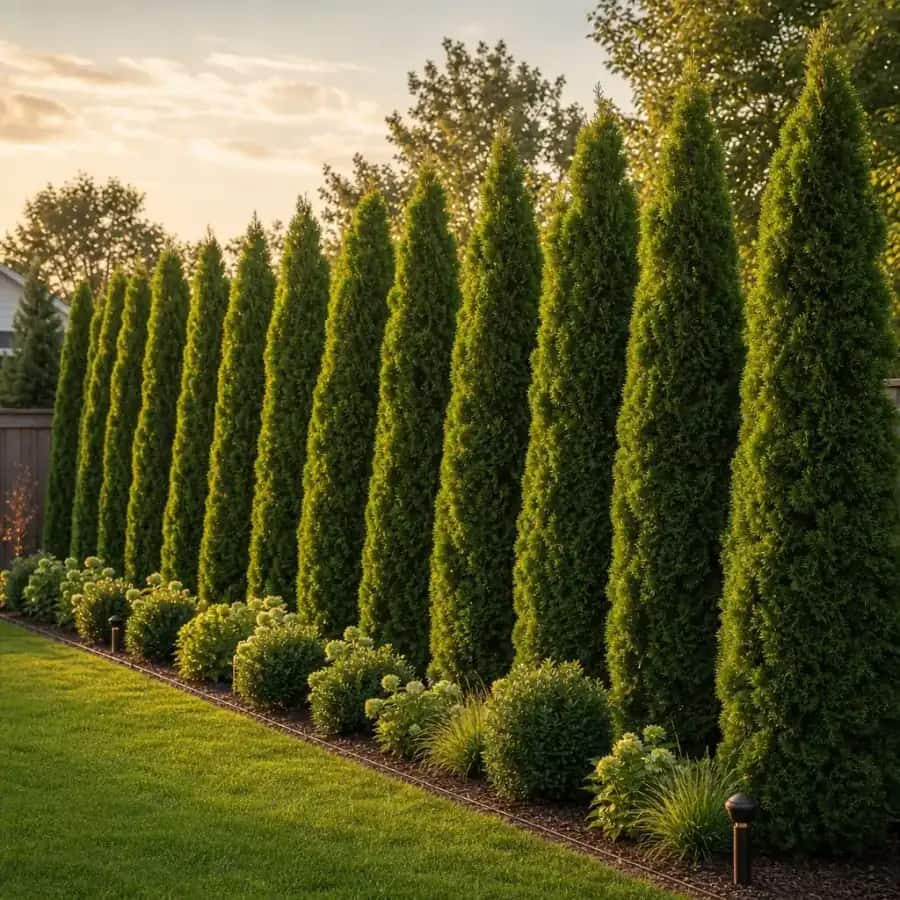 Evergreen & PrivacyYear-round green: cypress, juniper, holly, magnolia.
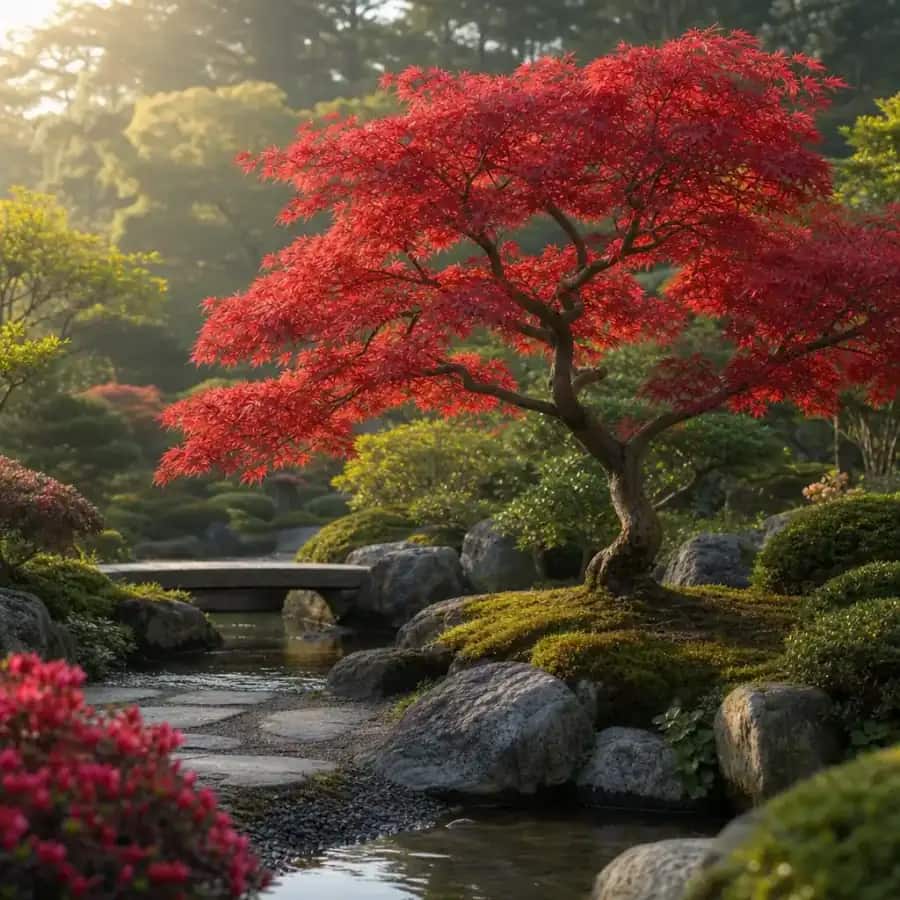 Japanese MaplesLiving sculpture in crimson, coral and lace.
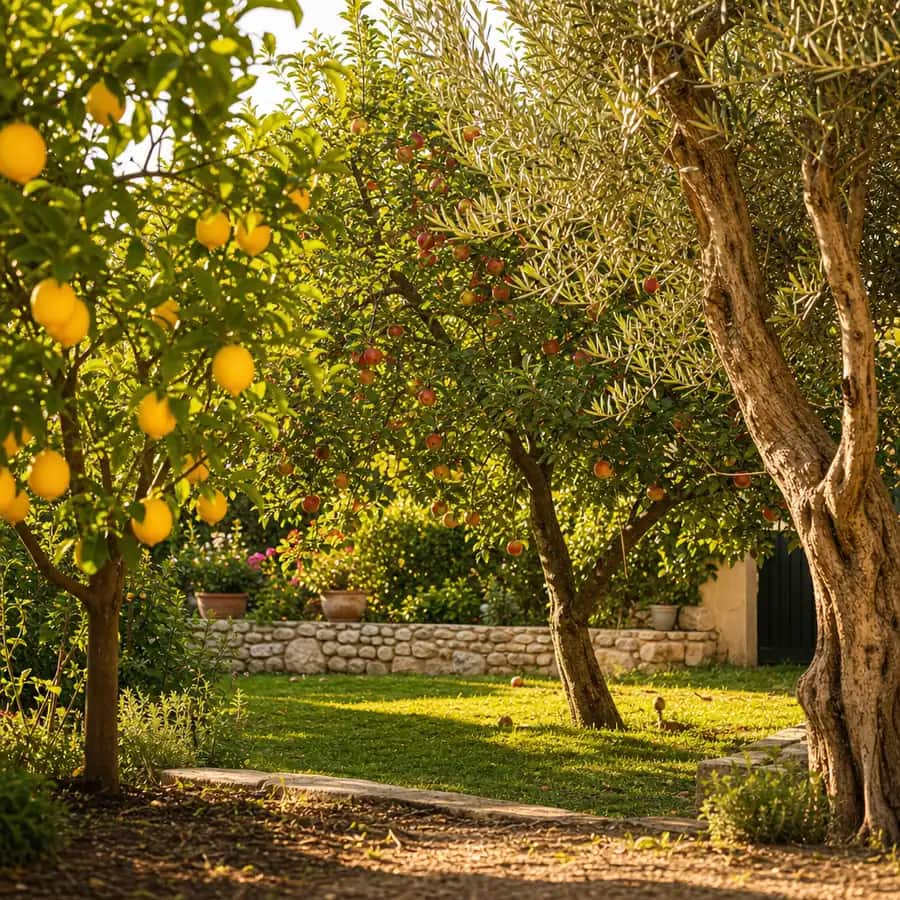 Fruit TreesHomegrown lemons, apples, figs, olives and more.View all Fruit Trees →
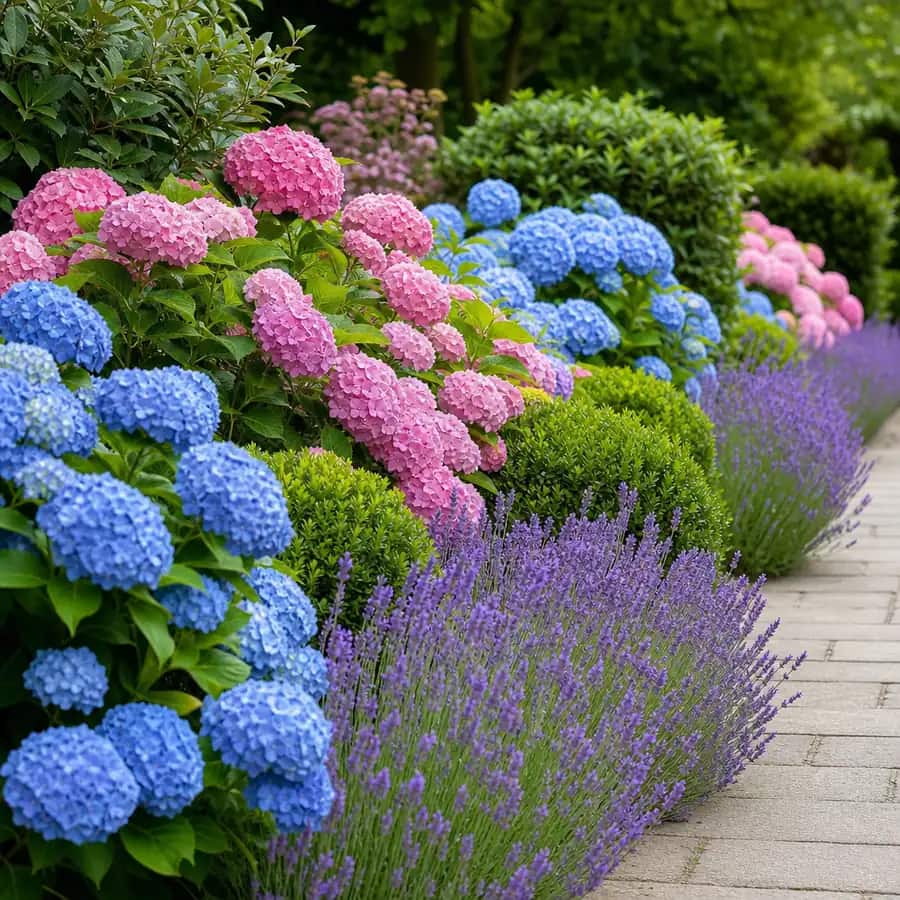 Shrubs & HedgesHydrangeas, hollies, lavender and living privacy.View all Shrubs & Hedges →
Local fit, from data
6a
about -10 to -5 F
Andrew County
Missouri
Looking for trees delivered to Amazonia, MO 64421? Arbor Buddy ships large, nursery-grown landscape trees by freight to your driveway. We match every tree to your hardiness zone, here zone 6a, so you get picks that survive winter lows near -10 to -5°F. Homeowners and contractors can choose from shade trees, evergreens, flowering trees, Japanese maples, and fruit varieties.
All trees come with a 1-Year Thrive Guarantee: free replacement if a tree doesn't make it through its first season.
Amazonia sits in USDA zone 6a, with typical winter lows of -10 to -5 degrees F. That means trees that flower or fruit must survive deep freezes, but the summers are warm enough to ripen peaches and bring out full fall color. Not everything thrives here: palms and tropicals die overwinter. What does well are cold-hardy shade trees like the Autumn Blaze Red Maple, evergreens that shrug off snow, and fruit trees with high chill-hour needs.
This zone also suits a range of ornamentals. The Eastern Redcedar and Krauter's Vesuvius Cherry Plum hold up through summer humidity and winter cold snaps. Japanese maples like Bloodgood push out fresh growth each spring. For privacy, your best bets are the columnar evergreens that keep foliage year-round. The key is picking trees for zone 6 in Amazonia that can handle the swing from -10°F winter nights to 90°F summer afternoons.
The Autumn Blaze Red Maple tops the list. It handles zone 6a winters just fine and delivers fast shade with brilliant orange-red fall color. Other shade trees like the Allee Chinese Elm and Chinese Pistachio also do well in this zone, but Autumn Blaze is a proven performer for local soils.
The Autumn Blaze Red Maple and Eastern Redcedar both grow several feet per year once established. Autumn Blaze adds shade quickly, while Eastern Redcedar builds a privacy screen fast. For a columnar option, the Brodie Eastern Red Cedar also grows at a good clip.
Eastern Redcedar and Brodie Eastern Red Cedar are the top picks. Both are native evergreens that stay full through the cold. The Eastern Redcedar is extremely tough, while Brodie stays narrow for tight spaces. Skyrocket Juniper and Hetzii Columnaris Chinese Juniper are also solid choices for year-round screening.
Yes, you can grow fruits like peaches, apples, and plums. The Elberta Peach needs about 800 chill hours, which zone 6a provides. Citrus won't survive outdoors over winter. Stick to tree fruits that match your cold hardiness zone and get enough chill hours, Arbor Buddy matches every fruit tree to your zone before shipping.
Your hardiness zone, 6a, guides every tree choice for Amazonia. Arbor Buddy ships large, nursery-grown trees to ZIP 64421 with a 1-Year Thrive Guarantee. Explore the zone-matched picks for shade, privacy, flowering, and fruit.
Browse your options and order online for the next planting window.
Zone and climate differences shift which trees are practical. Here's how Amazonia stacks up against three other locations.
ZIP 20237 in Washington, District of Columbia (DC), zone 8a (winter lows 10 to 15 F). That zone is warmer than Amazonia by about 10 degrees. The warmer nights let DC grow Southern magnolias and crape myrtles that wouldn't survive your -10°F lows. That gap changes the local shortlist to cold-hardy evergreens like Eastern Redcedar for privacy rather than broadleaf evergreens. For your cart, that means you lean toward conifers and deciduous screens.
ZIP 33785 in Indian Rocks Beach, Florida (FL), zone 10b (winter lows 35 to 40 F). Florida's subtropical climate never freezes, so citrus and palms are standard. In Amazonia, those are out of the question. Flowering color in Florida comes from bougainvillea and hibiscus; here, your cart shifts to Krauter's Vesuvius Cherry Plum and Bloodgood Japanese Maple. In practice, buyers here lean toward cold-hardy ornamental trees that bloom after the last frost.
ZIP 30375 in Atlanta, Georgia (GA), zone 8a (winter lows 10 to 15 F). Atlanta gets heat and humidity similar to yours but milder winters. That allows peaches with lower chill hours and a longer growing season. In Amazonia, the Elberta Peach (800 chill hours) performs reliably because your winters cover those hours. Fruit and citrus viability is the key difference: Atlanta can push the zone on certain figs, but your winter lows rule out tender fruits. For your area, stick to apples, pears, and high-chill peaches.
The bottom line: Amazonia's zone 6a means your tree choices focus on hardiness over variety. The contrasts show that cold-hardy shade and privacy trees, plus fruit trees that need winter chill, are the smartest picks for your ZIP 64421.
We ship your trees as large nursery-grown plants via freight to Amazonia, MO 64421. Orders to zone 6 areas are scheduled for spring and fall arrival windows. Before you place an order, think about access: freight trucks need a spot to stop and turn around. Someone must be home to receive the tree and inspect it on arrival.
Every tree arrives zone-matched to 6a and backed by the 1-Year Thrive Guarantee. If the tree doesn't survive its first year, we replace it free.
Before delivery day, check:
Enter your ZIP, shop only what thrives in your zone.
Freight delivery to your address: $149 flat per order, shown at checkout.
Plant it, watch it thrive, covered for one year.
Good to know · Growing guide
Coverage runs a full year from delivery. If something goes wrong, contact the team and they arrange the replacement. No store-credit games, no fine-print maze.