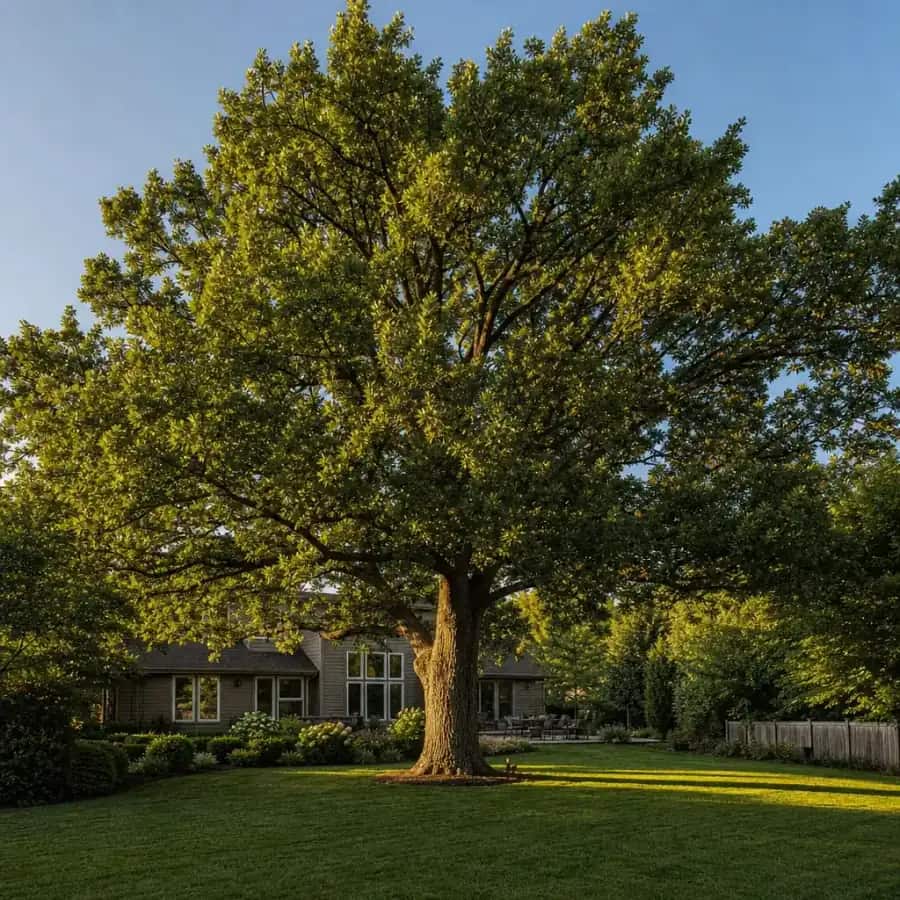
 Zones 3 to 8
Shade Trees
Bur Oak
$490
Shop large, nursery-grown shade, privacy, flowering and fruit trees, delivered by freight in Ray County. Every tree is matched to your hardiness zone and backed by our 1-Year Thrive Guarantee.
Enter your ZIP and we'll match trees to your exact growing zone.
Typical winter lows in Ray County run about -10 to -5 F.
Matched to Ray County's zones
Zones 3 to 8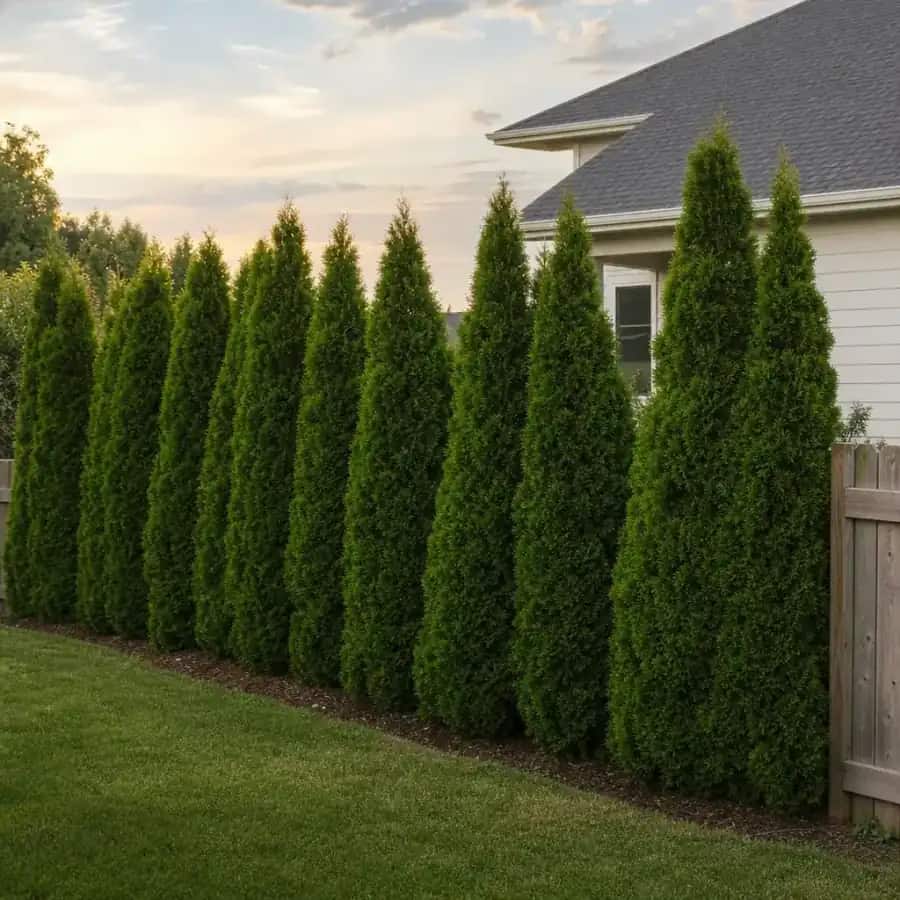 Zones 3 to 8
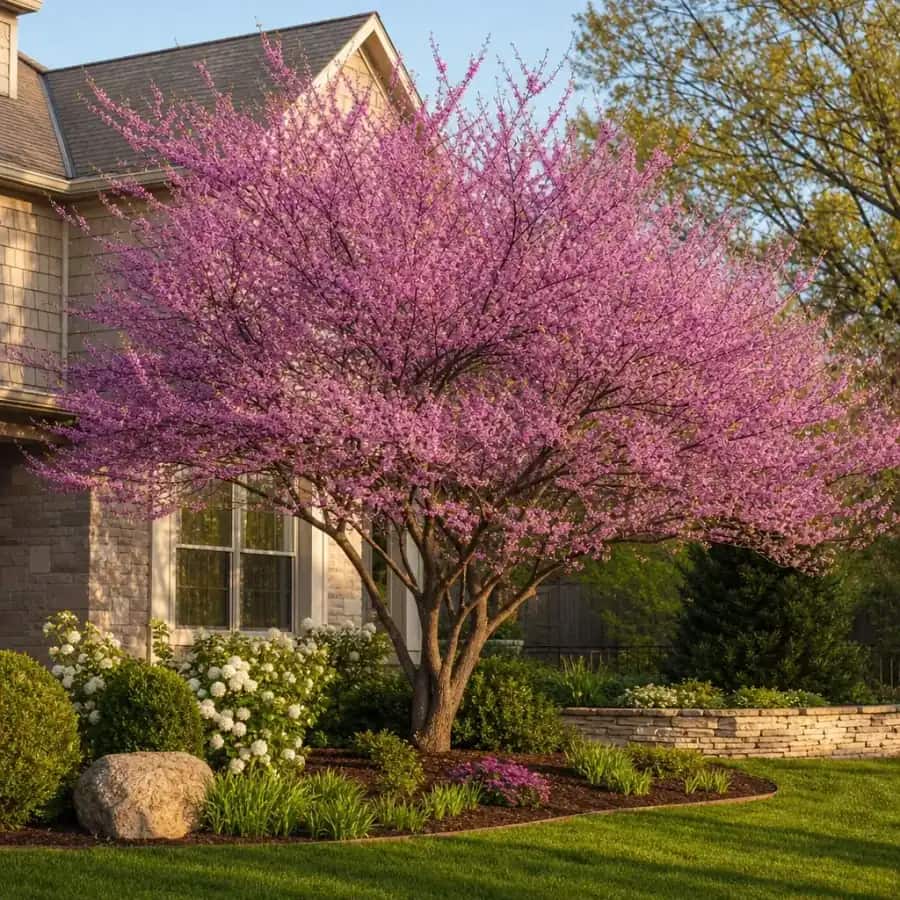 Zones 4 to 9
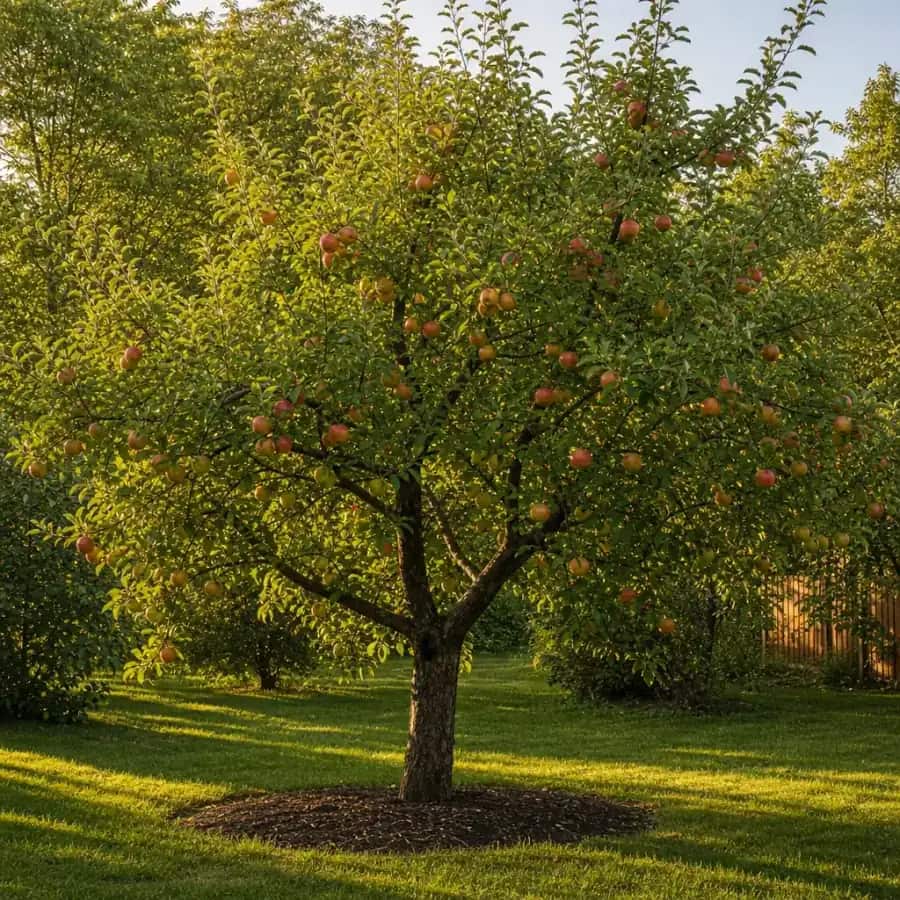 Zones 3 to 8
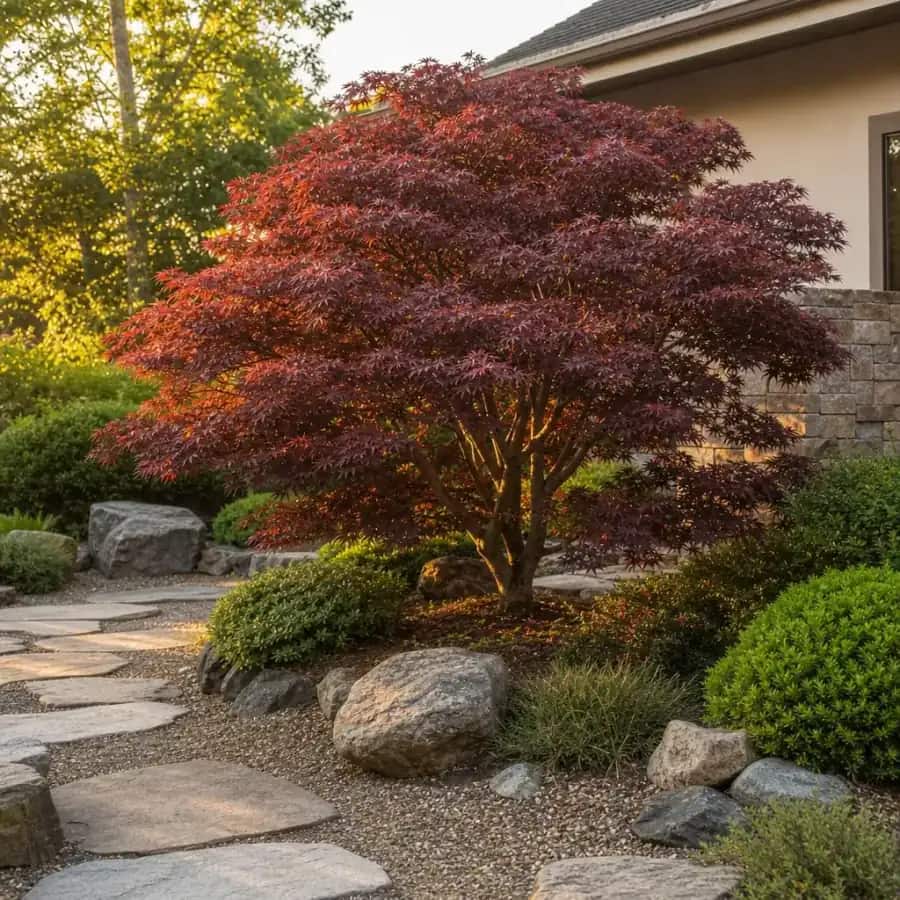 Zones 5 to 8
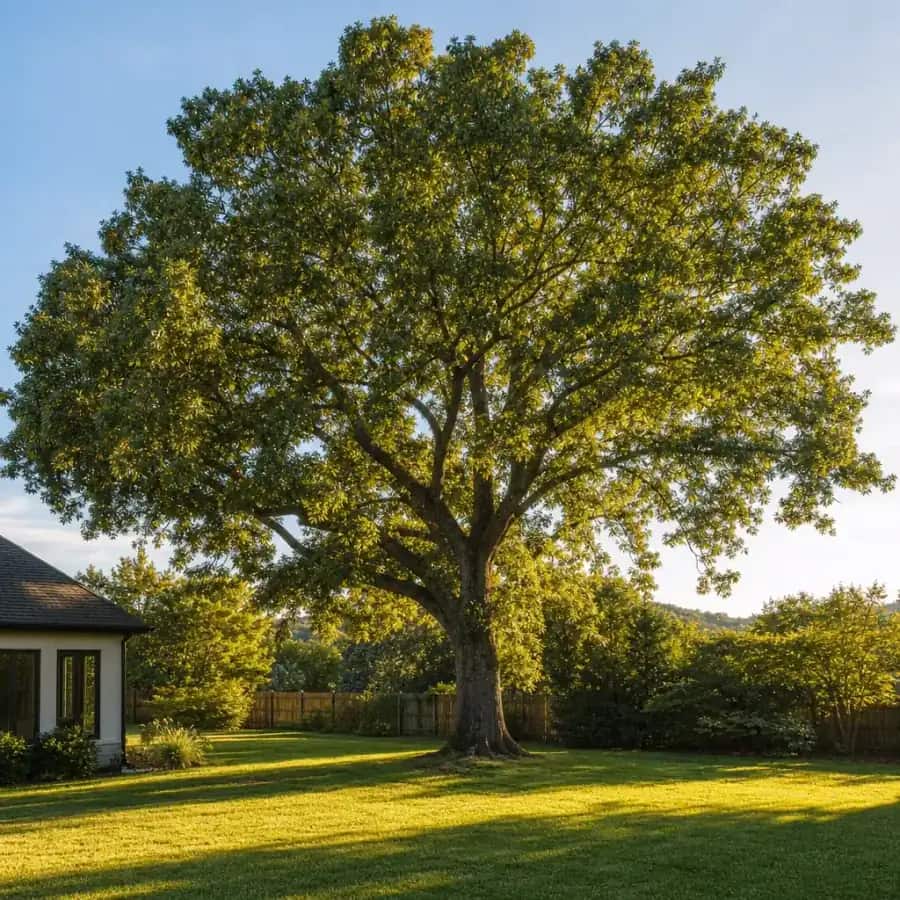 Zones 4 to 8
Shop by category
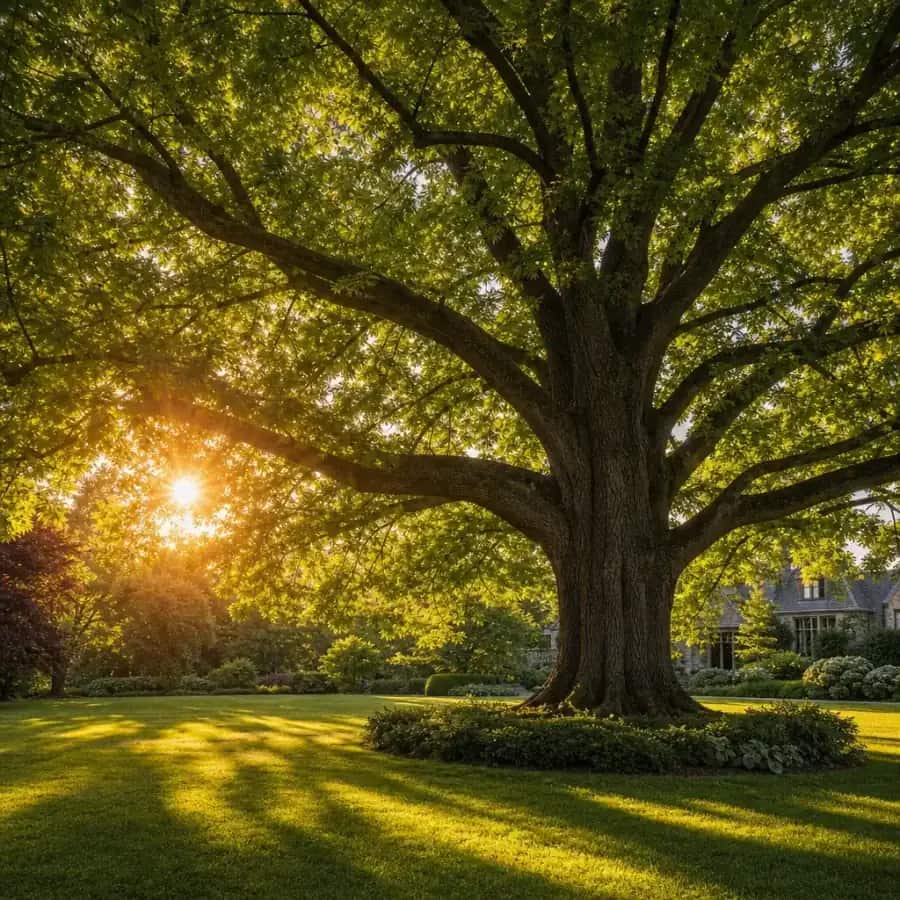 Shade TreesLarge oaks and maples that create cooling canopies in Ray County's hot summers and handle the cold winters.View all Shade Trees →
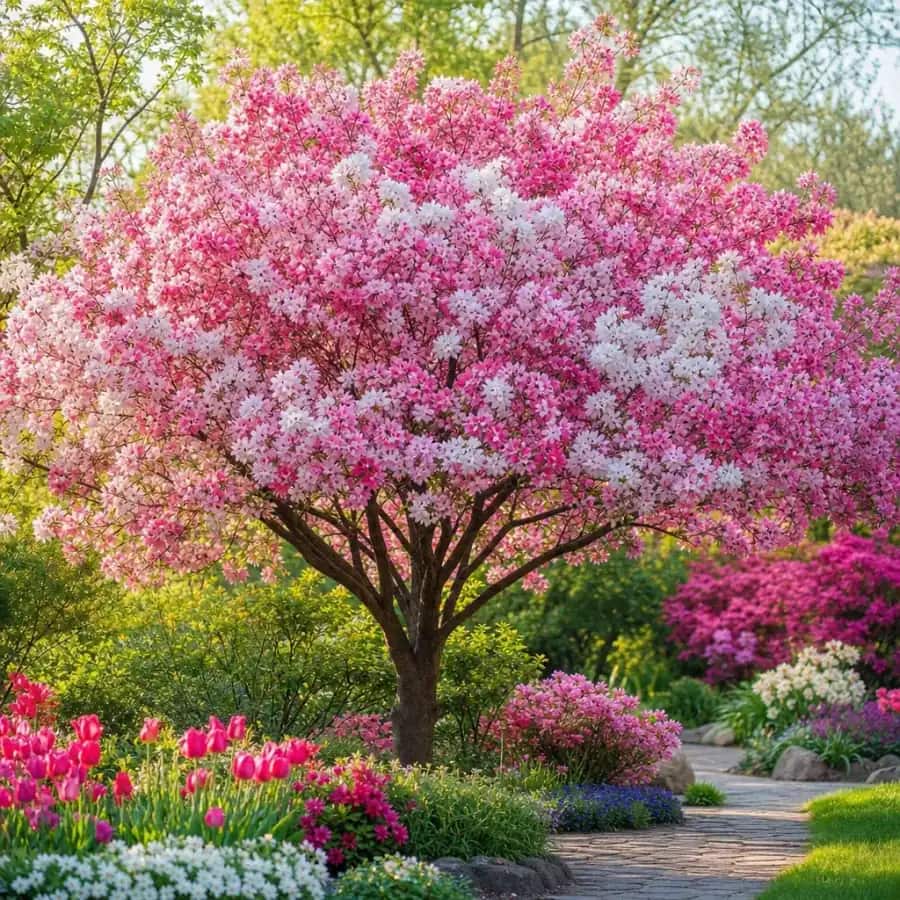 Flowering & OrnamentalShowy spring bloomers like redbuds and dogwoods that tolerate zone 6 winter lows.View all Flowering & Ornamental →
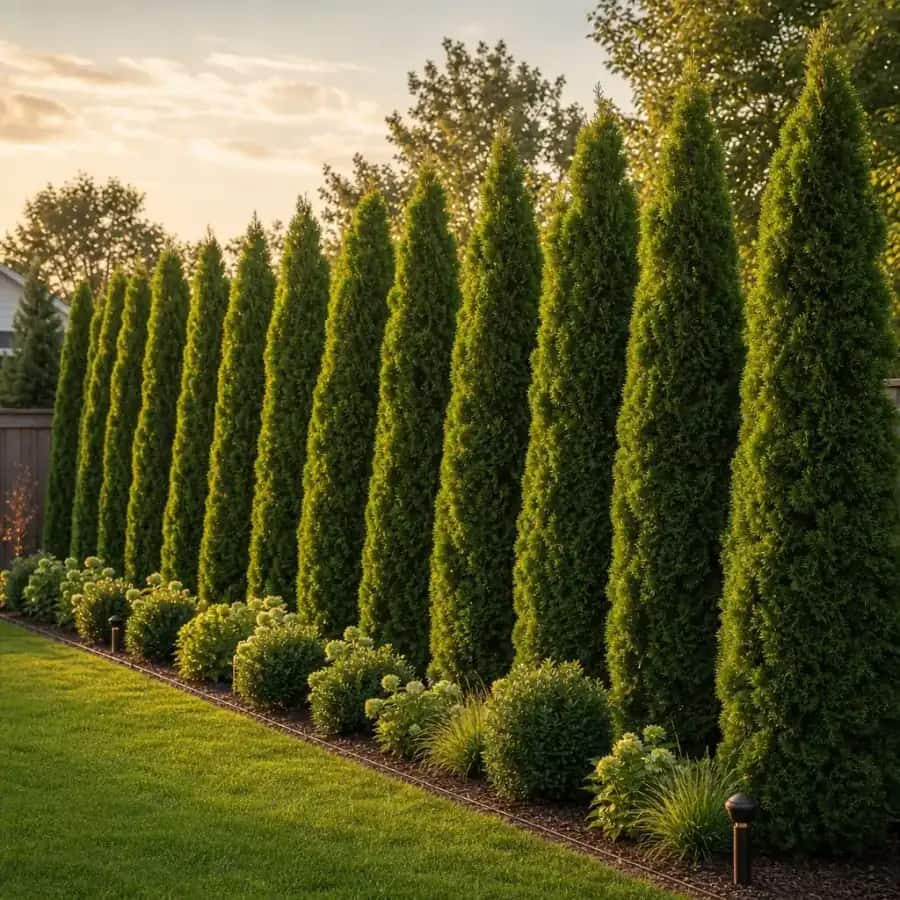 Evergreen & PrivacyYear-round screening with junipers and hollies that stay solid through ice and snow.View all Evergreen & Privacy →
 Japanese MaplesDelicate laceleaf and upright forms for sheltered spots protected from drying winter winds.
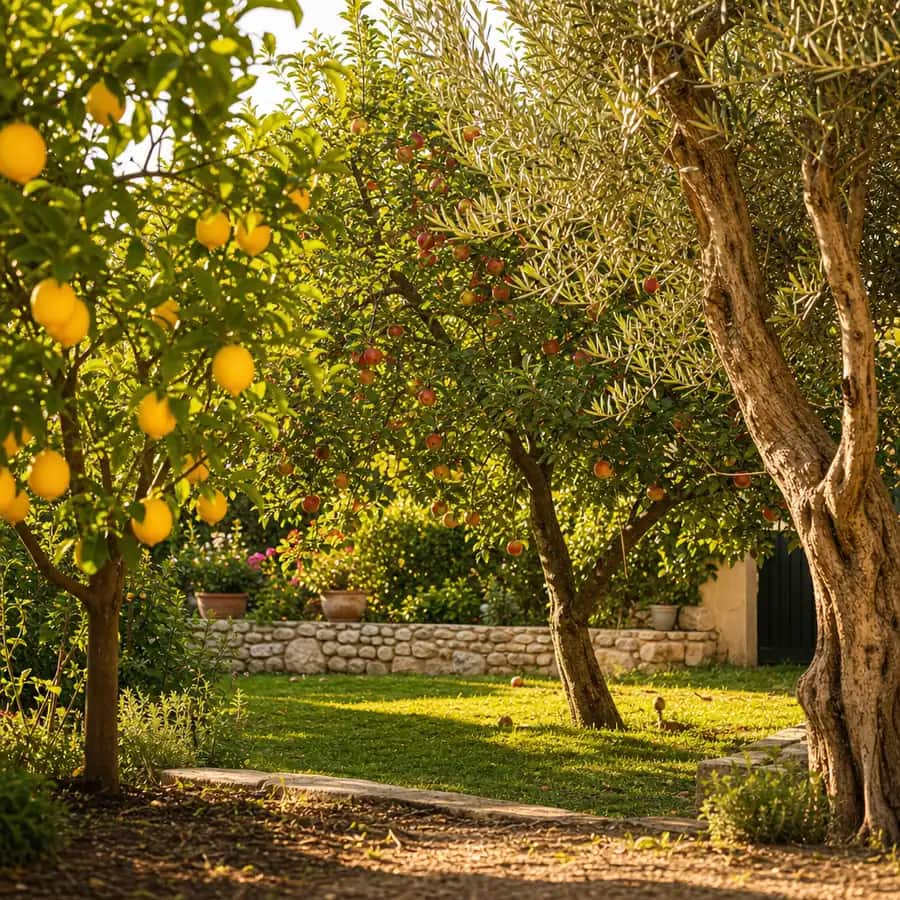 Fruit TreesCold-hardy figs and apples that set fruit reliably after Ray County's frosts.View all Fruit Trees →
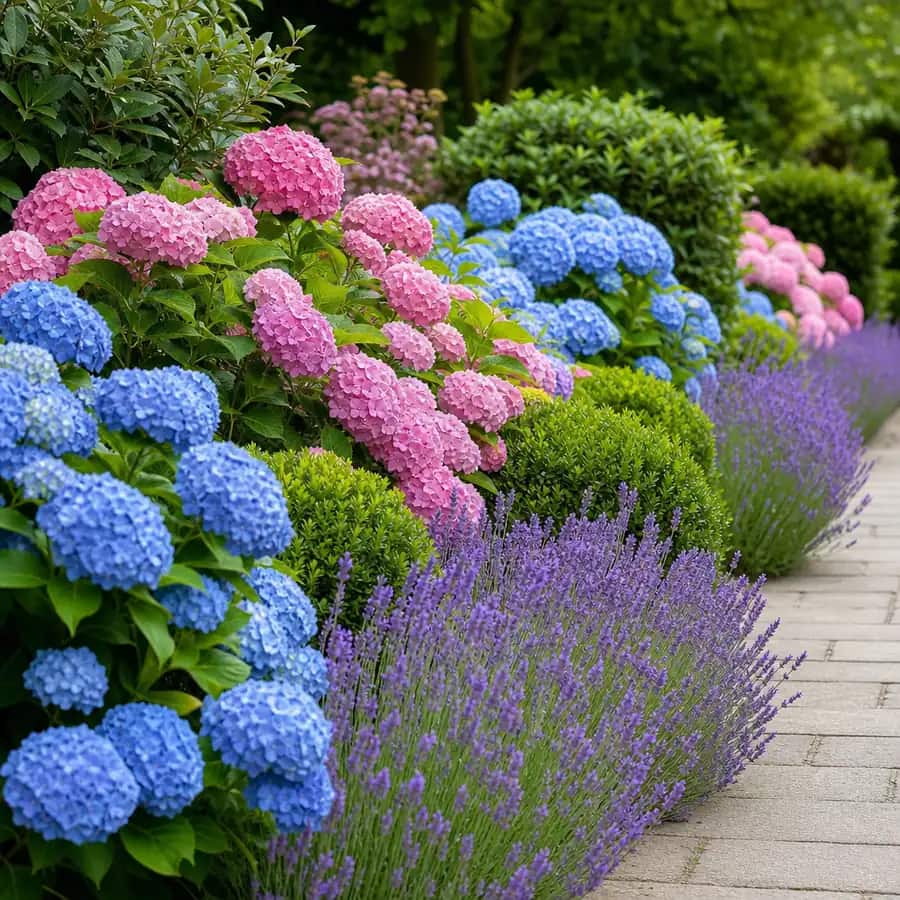 Shrubs & HedgesOngoing privacy and seasonal color with hydrangeas, lavender, and willow.View all Shrubs & Hedges →
Local fit, from data
6a
about -10 to -5 F
7
Camden
Shade, privacy, and fruit trees in Ray County, MO start with Arbor Buddy. We deliver large, nursery-grown landscape trees by freight direct to homeowners (and contractors). Every tree is matched to your hardiness zone. Ray County sits in zone 6a, where typical winter lows reach about -10 to -5 degrees. That shapes which trees thrive in your yard.
Ray County covers about 7 ZIP codes, all in USDA zone 6a. Winter lows typically drop to between -10 and -5 degrees. That cold limits which trees survive, but also gives many fruit and flowering trees the chill they need to bloom. The county's summer heat and humidity favor oaks, maples, and junipers that tolerate both extremes. In the rural areas west of Camden, open fields mean more wind, so privacy screens become common. If you are selecting trees for zone 6 in Ray County, stick with species that have proven cold hardiness to zone 5 or below. This ensures they handle a hard freeze without damage.
Trees ship in spring or fall. Deliveries into zone 6 land in those planting-friendly stretches. That gives your tree time to establish roots before extreme temperatures arrive.
Many trees thrive in zone 6, including oaks, junipers, redbuds, and cold-hardy figs. Ray County's typical winter lows of -10 to -5 are within the hardiness range of these species. Choose trees labeled for zones 4 through 8 to be safe.
Trees are nursery-grown at a usable landscape size. They ship in the root ball, ready for planting. Expect a tree that is several feet tall, not a tiny seedling.
Yes. Cold-hardy fruit trees like Chicago Hardy Fig and certain apple varieties do well in zone 6. Choose varieties that require a winter chill period but can withstand the cold.
Your tree arrives zone-matched and ready. If it does not survive its first year, we replace it free. That is the 1-Year Thrive Guarantee. Browse the six trees for Ray County above and order your landscape investment today. Arbor Buddy delivers directly to your yard.
Ray County sits in zone 6a with winter lows near -10 to -5. That puts it in a different world from other areas.
Take Chambers County, Texas (TX), zone 9b, where winter lows stay above 25 degrees. There, palms and tropicals thrive year-round. In Ray County, those plants would not survive a typical winter. In practice, buyers here lean toward cold-hardy oaks, junipers, and figs that handle the freeze.
Benton County, Washington (WA) is zone 7b with lows 5 to 10. That milder zone allows more fruit and citrus options than Ray County. For your cart, that means you should stick with cold-hardy fruit like Chicago Hardy Fig, which tolerates zone 6.
Perkins County, South Dakota (SD) is zone 4b with lows -25 to -20. Winters are much harsher, and many flowering trees struggle. That gap changes the local shortlist to only the toughest species. For Ray County, your list is broader: you can enjoy flowering redbuds and laceleaf maples that would not survive in Perkins County.
What it means for you: Ray County's zone 6a gives you a solid middle ground. You can grow shade trees, fruit trees, and ornamental trees that are not options in colder or warmer zones.
Trees ship by freight truck to Ray County. Deliveries into zone 6 land in spring or fall, the two planting-friendly stretches. A large tree arrives at a usable landscape size, ready to plant. Every tree is zone-matched before shipping and backed by our 1-Year Thrive Guarantee. If a tree does not survive its first year, we replace it free.
Before delivery day, check:
Enter your ZIP, shop only what thrives in your zone.
Freight delivery to your address: $149 flat per order, shown at checkout.
Plant it, watch it thrive, covered for one year.
Good to know · Growing guide
Coverage runs a full year from delivery. If something goes wrong, contact the team and they arrange the replacement. No store-credit games, no fine-print maze.