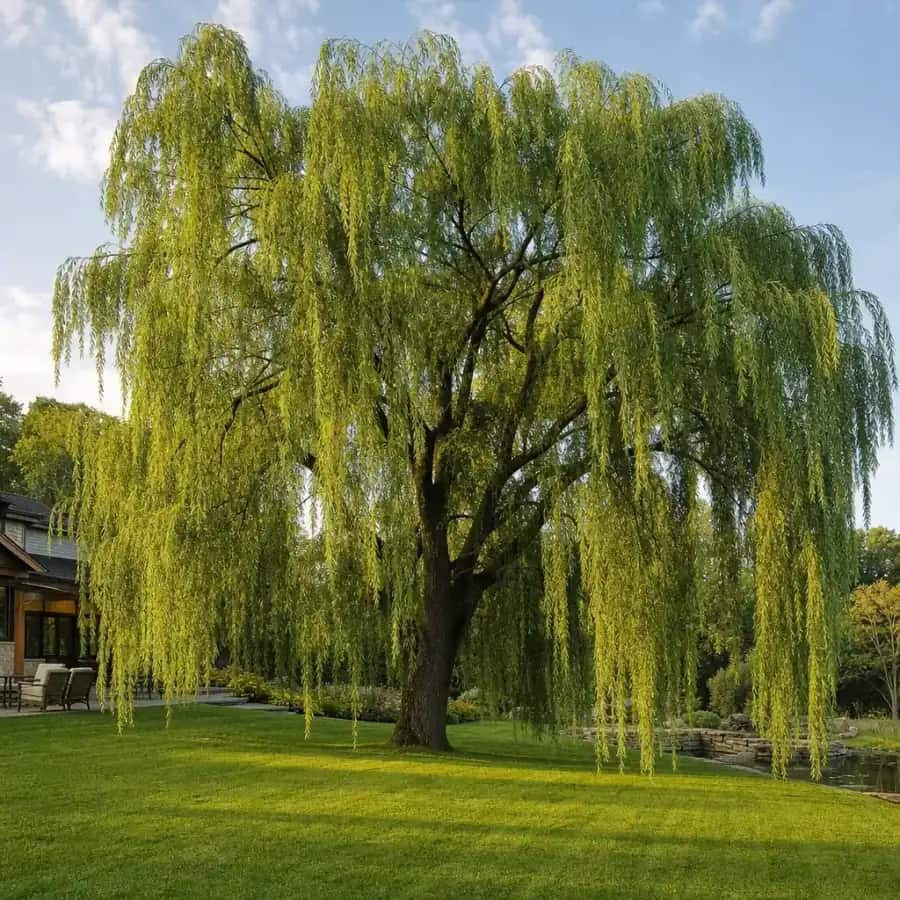
 Zones 4 to 9
Shade Trees
Weeping Willow
$40
Shop large, nursery-grown shade, privacy, flowering and fruit trees, delivered by freight in Bertie County. Every tree is matched to your hardiness zone and backed by our 1-Year Thrive Guarantee.
Enter your ZIP and we'll match trees to your exact growing zone.
Typical winter lows in Bertie County run about 10 to 15 F.
Matched to Bertie County's zones
Zones 4 to 9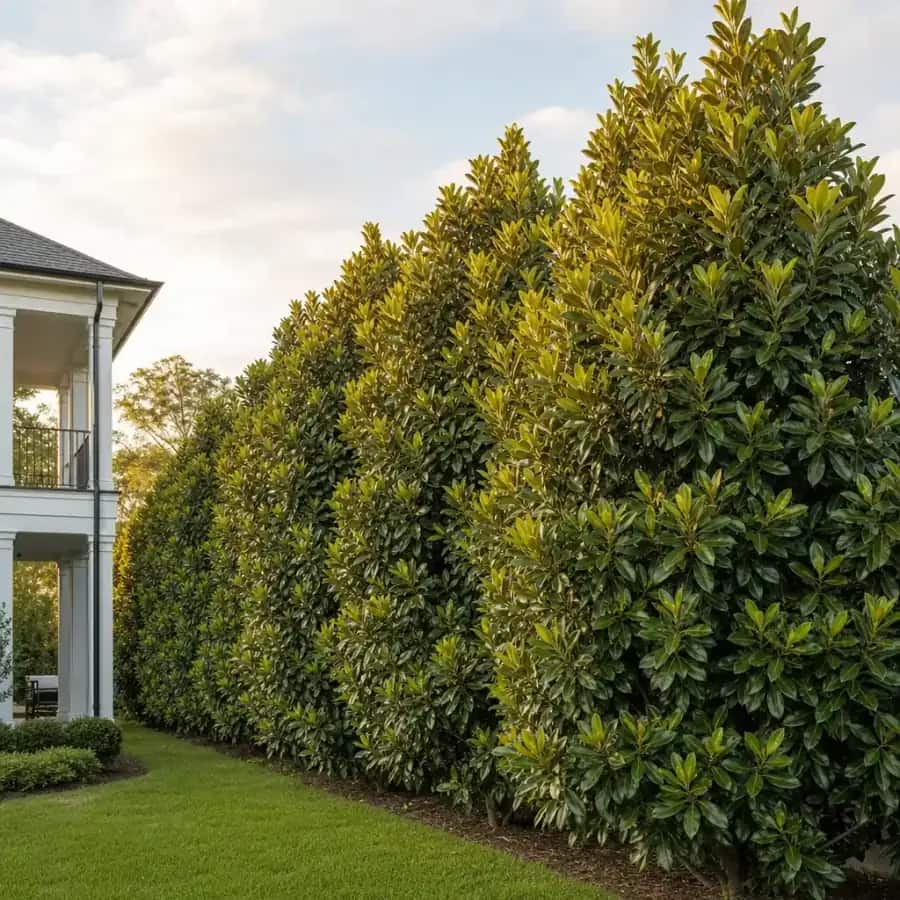 Zones 7 to 9
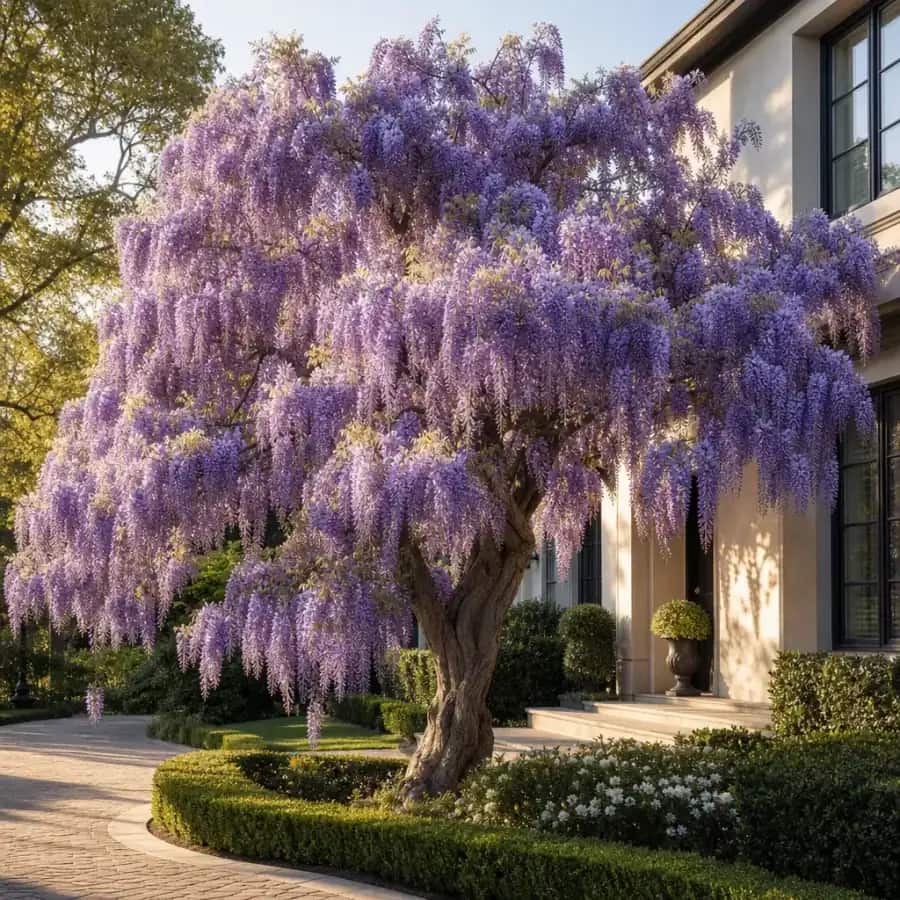 Zones 4 to 9
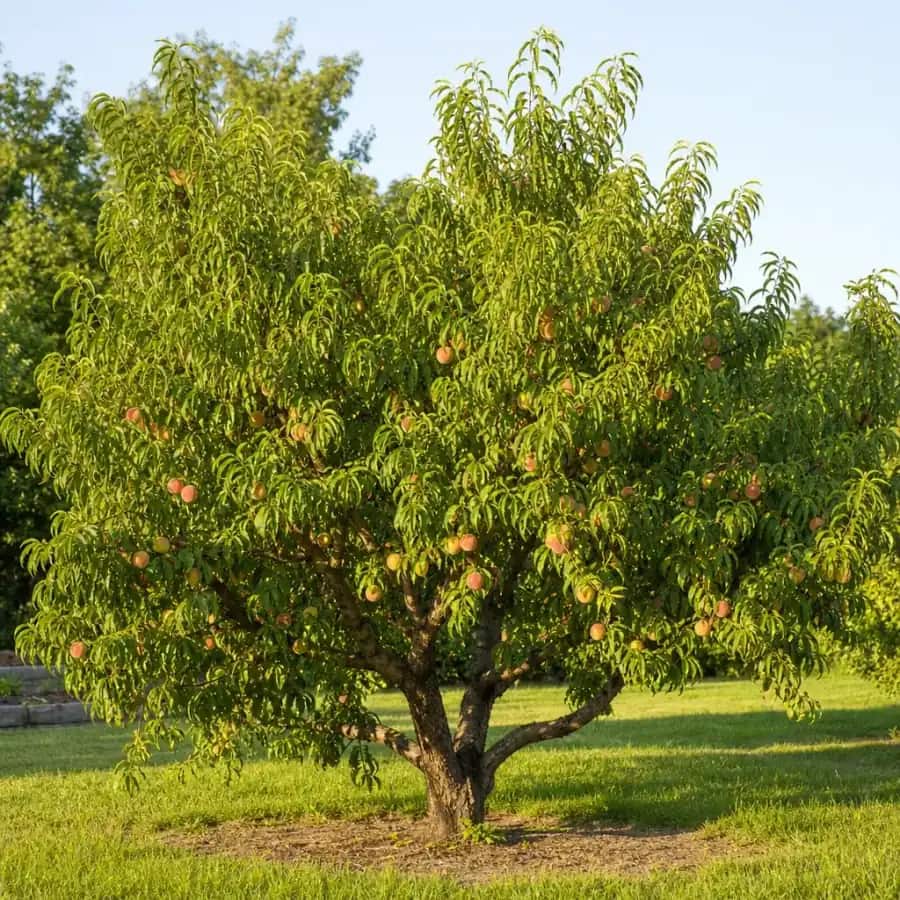 Zones 5 to 9
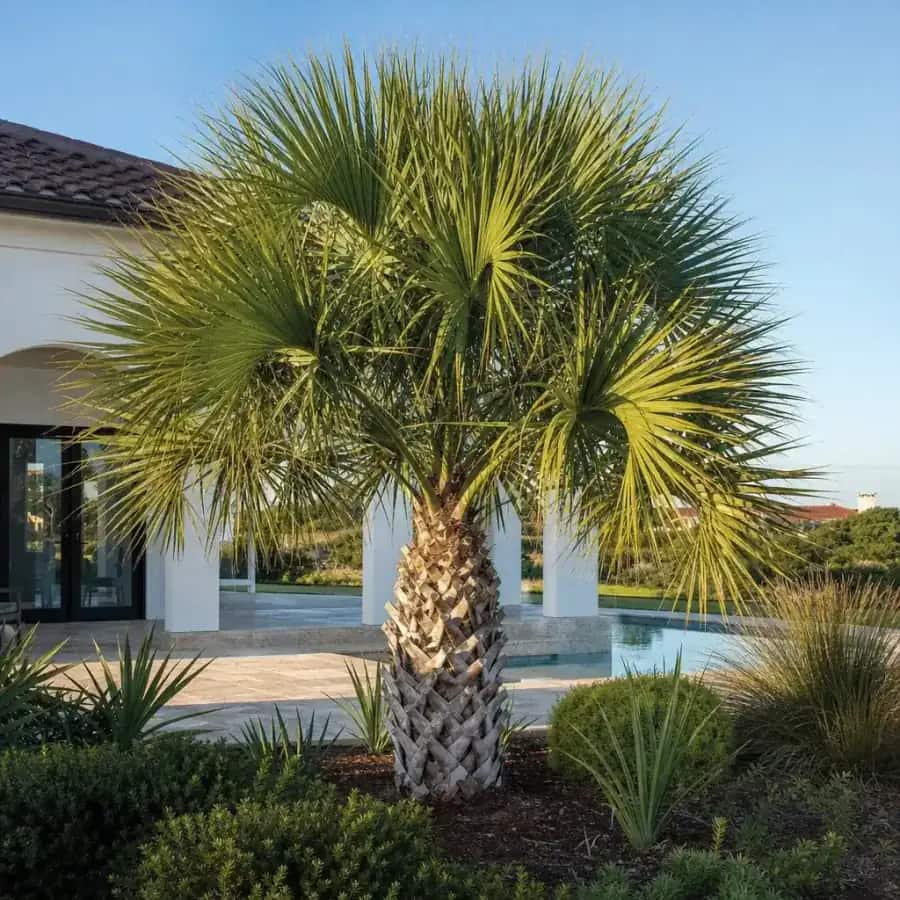 Zones 7 to 11
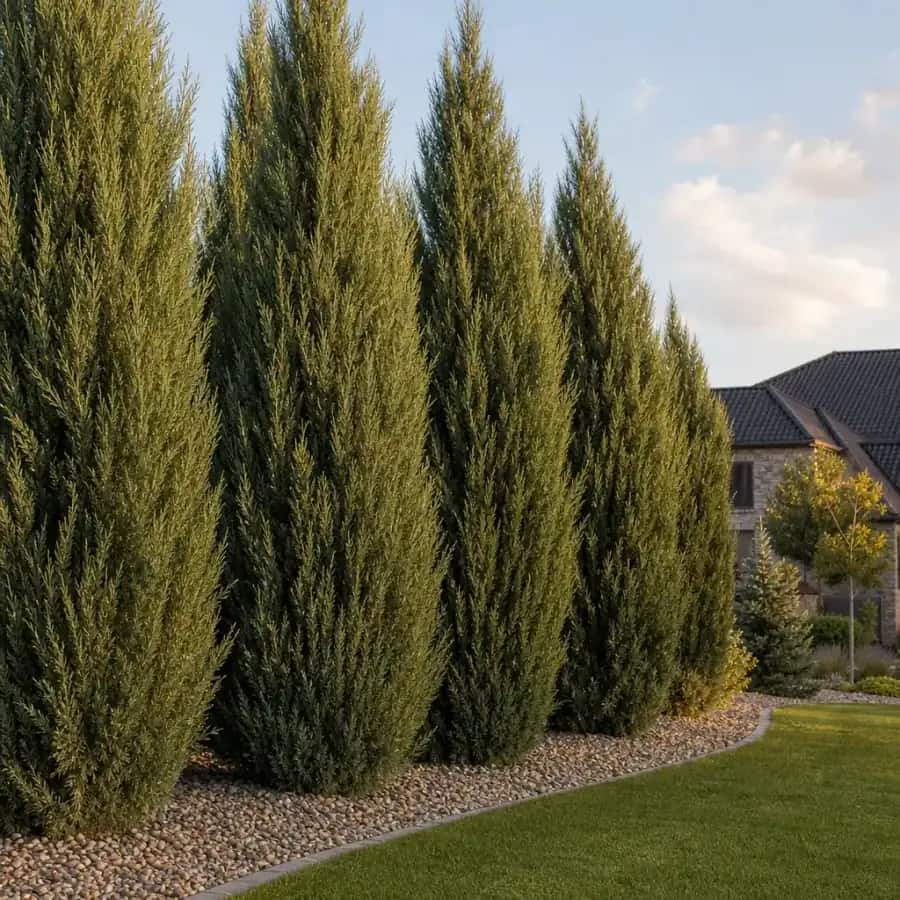 Zones 4 to 9
Shop by category
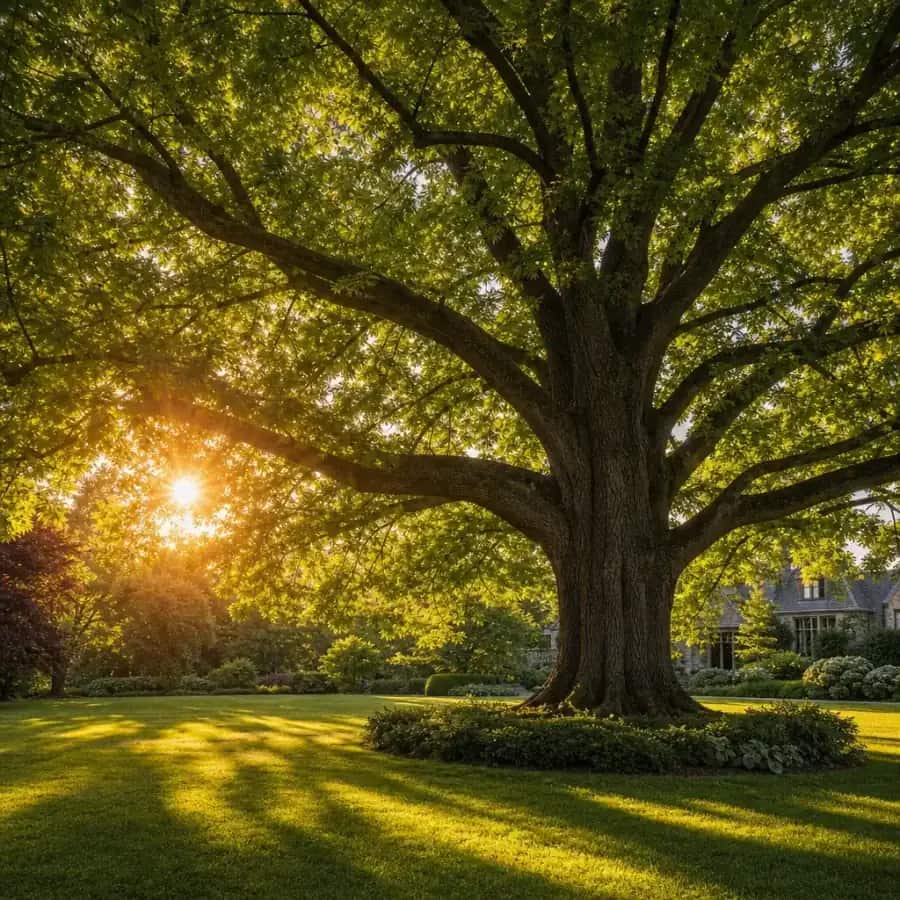 Shade TreesBroad canopies to cool your yard during zone 8a summers.View all Shade Trees →
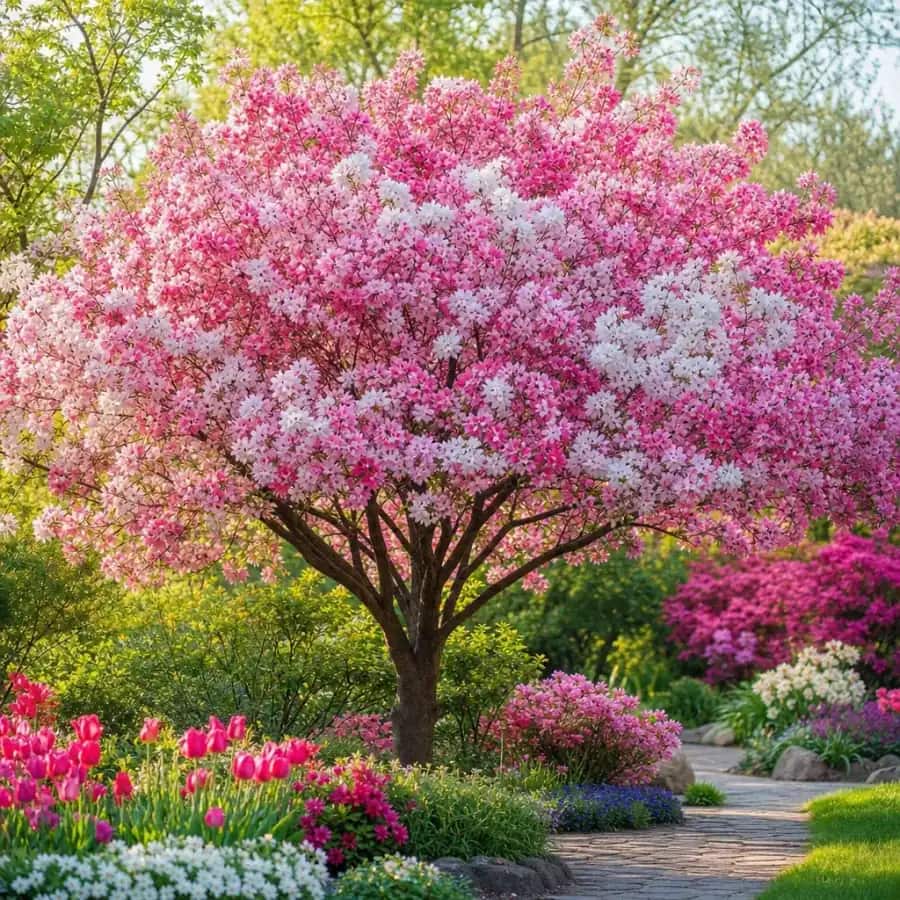 Flowering & OrnamentalBlossoms that add curb appeal and tolerate humid winters.View all Flowering & Ornamental →
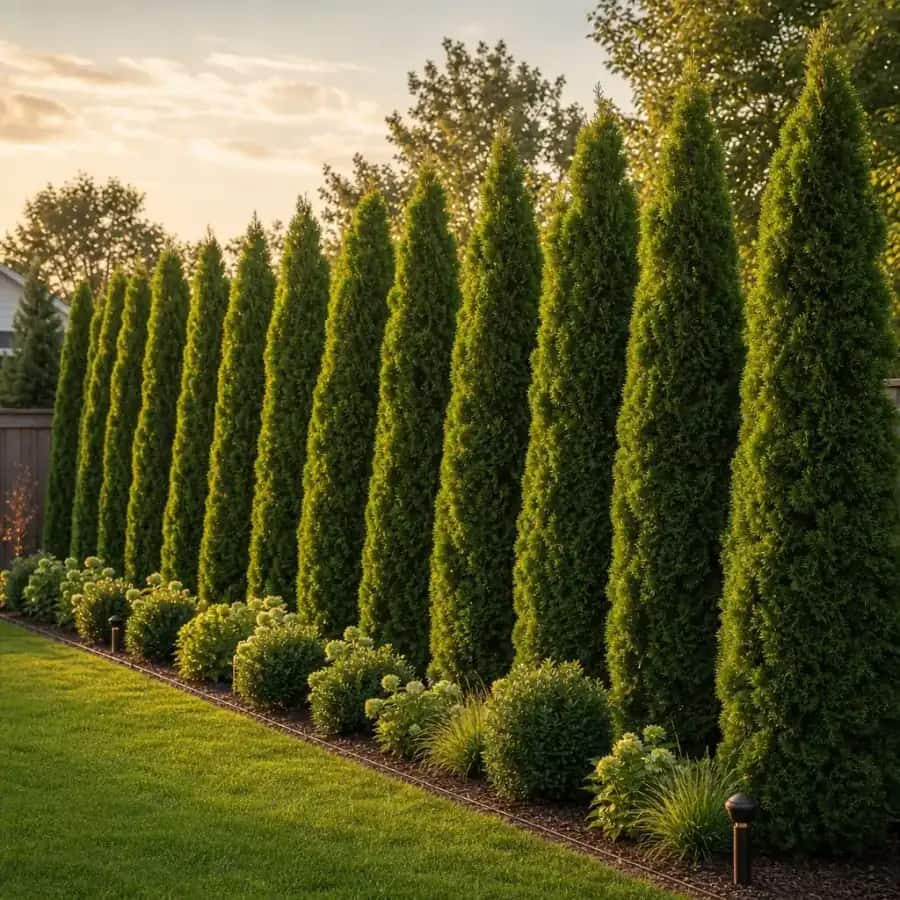 Evergreen & PrivacyYear-round screening that handles 10 to 15 F lows.
 Japanese MaplesCompact accents with colorful foliage, need afternoon shade.
 Palms & TropicalsLush height for zone 8a, but protect from hard frost.View all Palms & Tropicals →
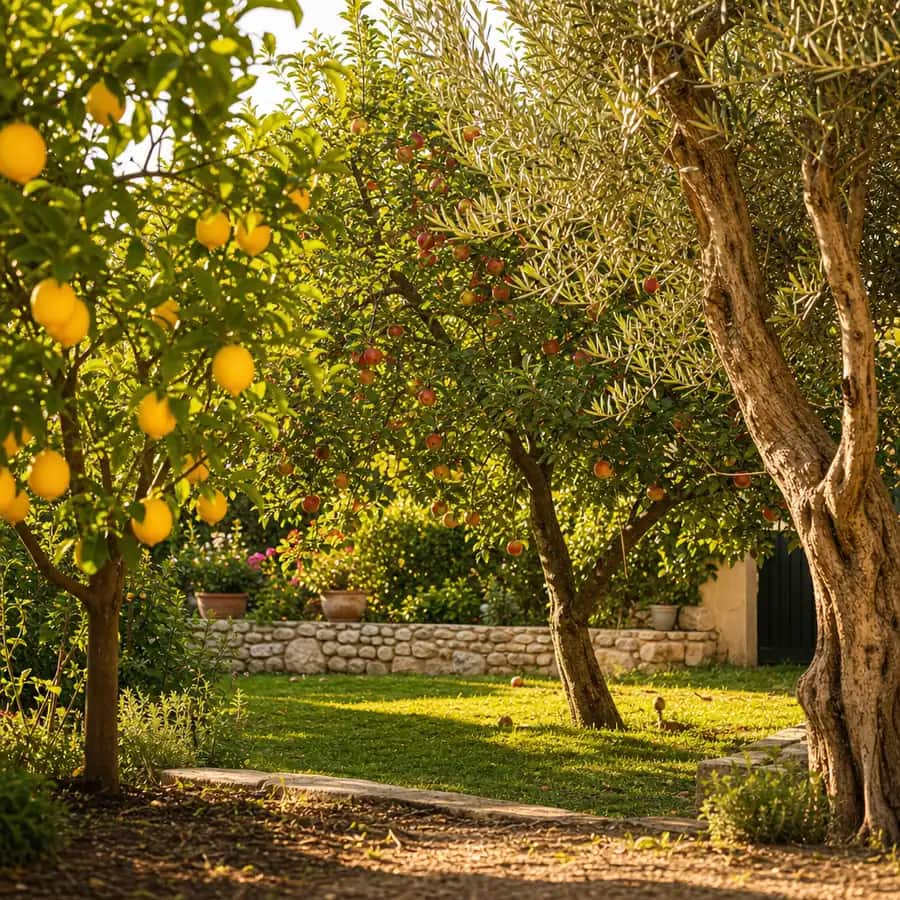 Fruit TreesSelf-fruitful varieties like Elberta Peach thrive with proper chill.View all Fruit Trees →
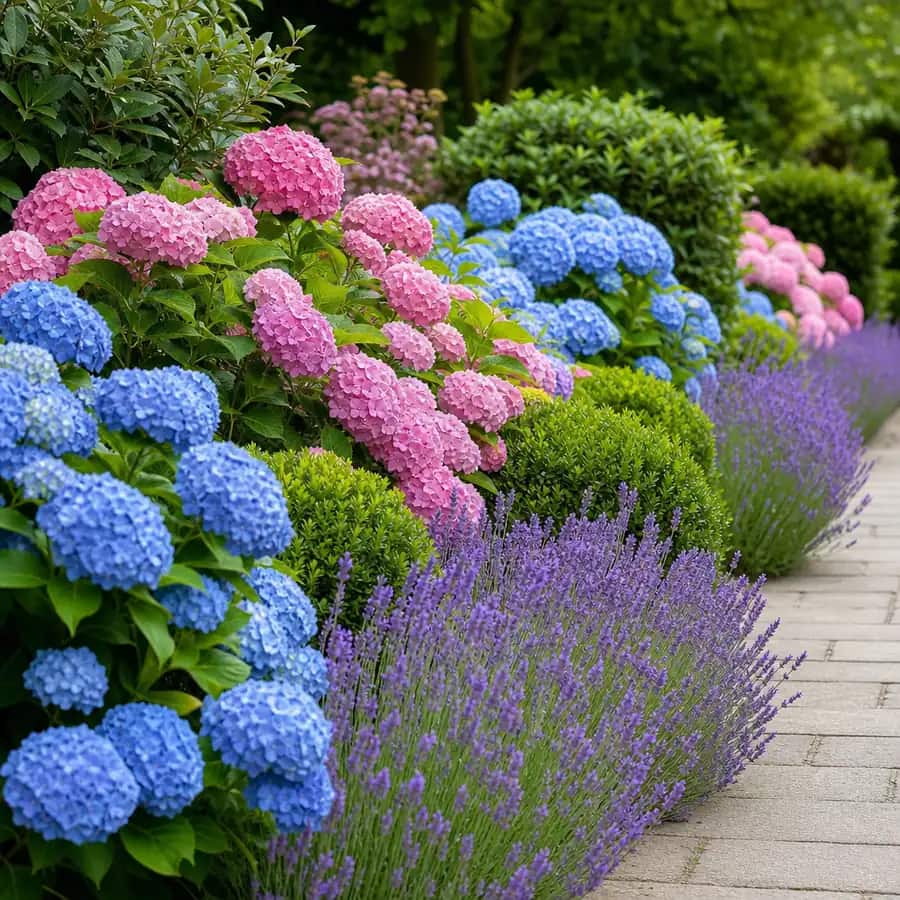 Shrubs & HedgesFoundation plants that fill gaps and add structure.View all Shrubs & Hedges →
Local fit, from data
8a
about 10 to 15 F
8
Aulander
Need shade, privacy, and fruit trees in Bertie County, North Carolina (NC)? Arbor Buddy delivers large nursery-grown trees by freight, matched to your hardiness zone of 8a. Winter lows run 10 to 15 F, so zone 8a trees feel right at home. Homeowners and contractors get quality picks that thrive here.
Bertie County covers 8 ZIP codes, all within USDA zone 8a. Winter lows typically fall between 10 and 15 F. That climate lets you grow a broad mix of trees, from subtropical ferns to classic fruit varieties.
The county experiences humid summers and mild winters. Trees that handle heat and moderate humidity do best here. Shade trees like Mexican Sycamore spread quickly. Flowering ornamentals such as crape myrtles and redbuds bloom reliably. Evergreens like Spartan Juniper stay dense year-round.
If you search for trees for zone 8 in Bertie County, you will find choices that suit both the warmer winters and the humid growing season. Aulander, the largest city, sees the same conditions.
Arbor Buddy backs every tree with the 1-Year Thrive Guarantee. Shop the full selection for zone 8a in Bertie County. Choose your shade, privacy, or fruit tree and order online with confidence. The replacement guarantee means you can plant without worry.
Summit County, Utah (UT) sits in zones 5b to 6a, with winter lows as low as -15 to -5 F. That cold rules out most Japanese maples, which need milder winters. In practice, buyers here lean toward hardy evergreens and cold-tolerant shade trees. For your cart, that means Bertie County's warmer zone 8a opens the door to coral bark maples and other zone 5-b variants that Summit County cannot reliably grow.
Washington County, Vermont (VT) falls in zones 4b to 5a, with lows down to -25 to -15 F. Palms and tropicals, which rely on zone 8a's 10 to 15 F lows, would not survive a Vermont winter. For your cart, that means you can plant Sago Palms and Jelly Palms here. That gap changes the local shortlist to include tropical foliage for your yard.
Lafayette County, Wisconsin (WI) is zone 5a, with lows -20 to -15 F. Fruit trees with low chill requirements are a must there, but Bertie County's 800+ chill hours allow Elberta Peach and other classic varieties. That gap changes the local shortlist to include nearly any fruit tree suited to zone 8a. For Bertie County buyers, the contrast means you have a wider fruit selection than colder regions.
Practical takeaway: Bertie County's mild winters let you grow Japanese maples, tropicals, and full-size fruit trees that would fail in colder zones. Stick with zone-8a adapted species.
All trees ship by freight to your driveway or street. Every order is zone-matched before it leaves the nursery. The 1-Year Thrive Guarantee means a free replacement if the tree does not survive its first year. Your zone 8 order ships for a fall or early-spring window, ahead of summer heat.
Before delivery day, check:
Enter your ZIP, shop only what thrives in your zone.
Freight delivery to your address: $149 flat per order, shown at checkout.
Plant it, watch it thrive, covered for one year.
Good to know · Growing guide
Coverage runs a full year from delivery. If something goes wrong, contact the team and they arrange the replacement. No store-credit games, no fine-print maze.