 Zones 4 to 9
Shade Trees
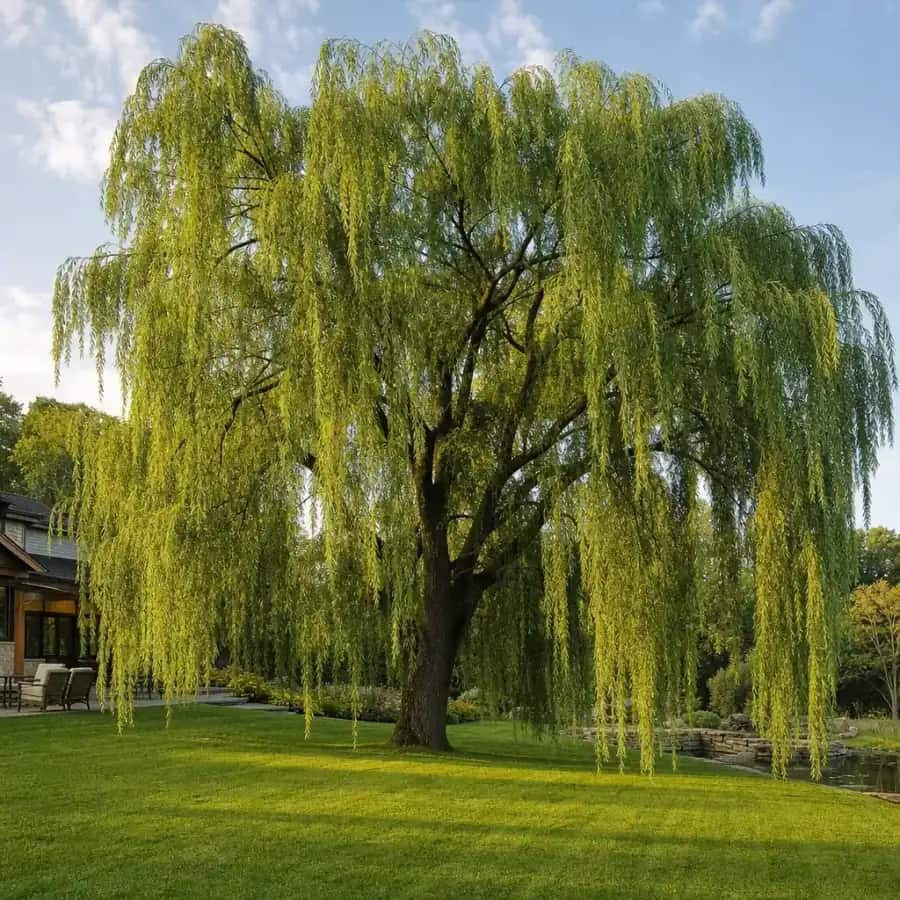
Weeping Willow
$40
Shop large, nursery-grown shade, privacy, flowering and fruit trees, delivered by freight in Pitt County. Every tree is matched to your hardiness zone and backed by our 1-Year Thrive Guarantee.
Enter your ZIP and we'll match trees to your exact growing zone.
Typical winter lows in Pitt County run about 10 to 20 F.
Matched to Pitt County's zones
Zones 4 to 9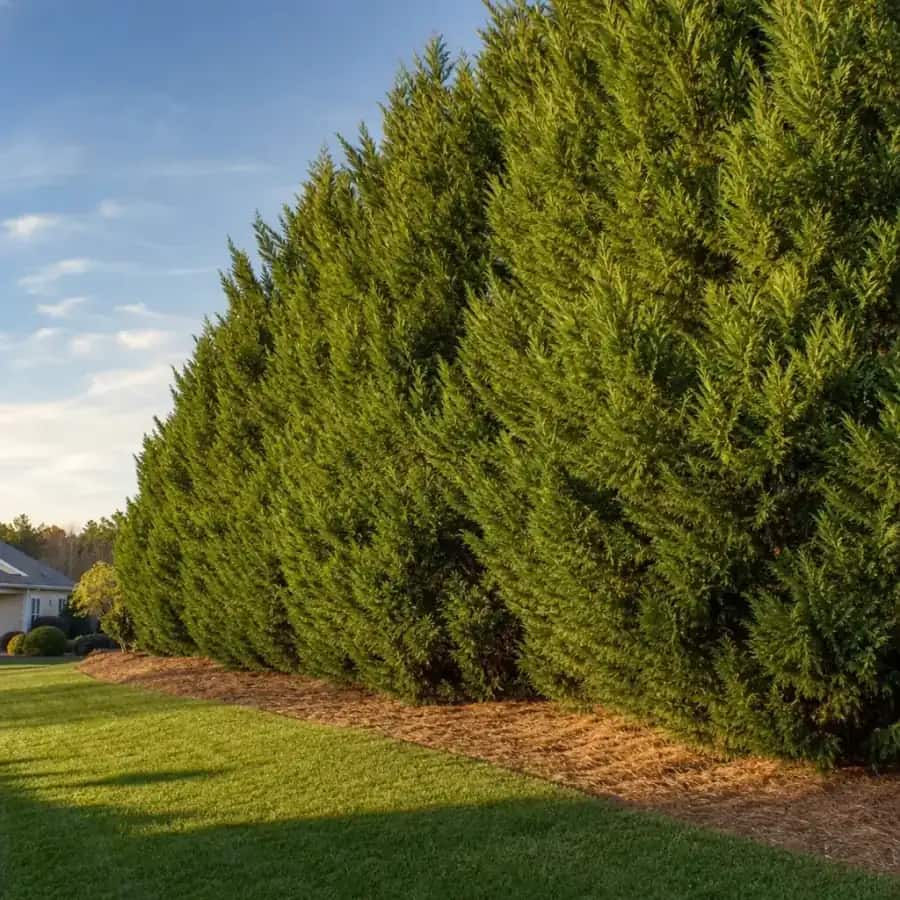 Zones 6 to 10
 Zones 4 to 9
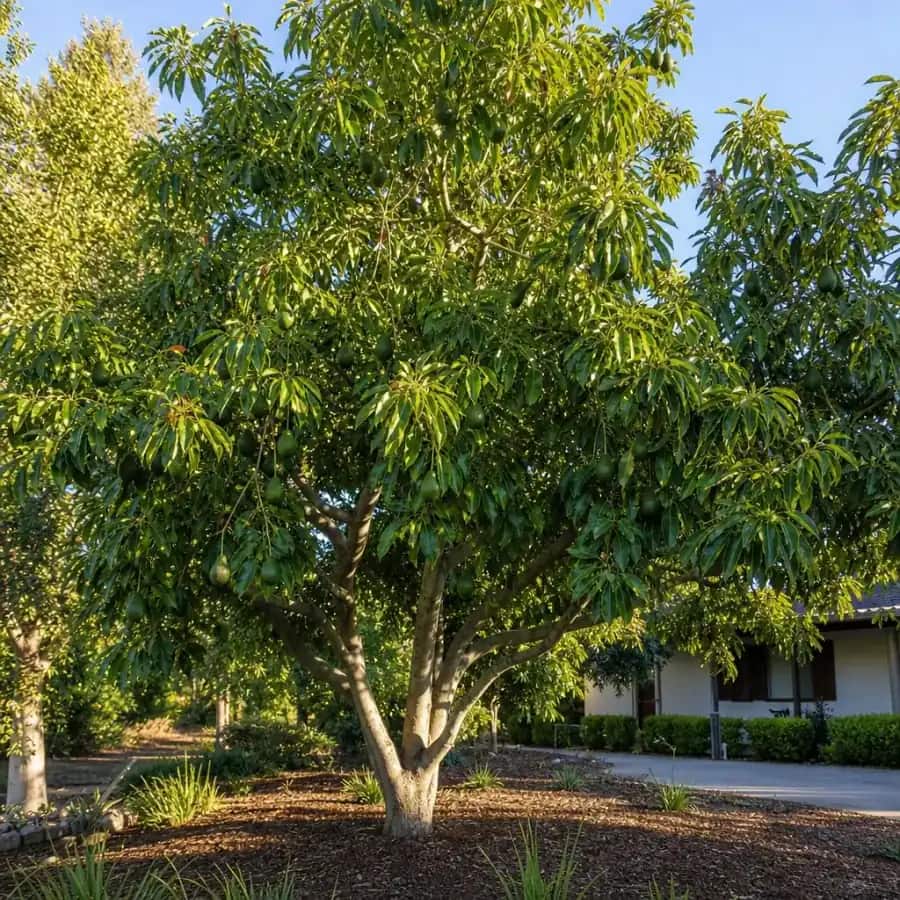 Zones 8 to 11
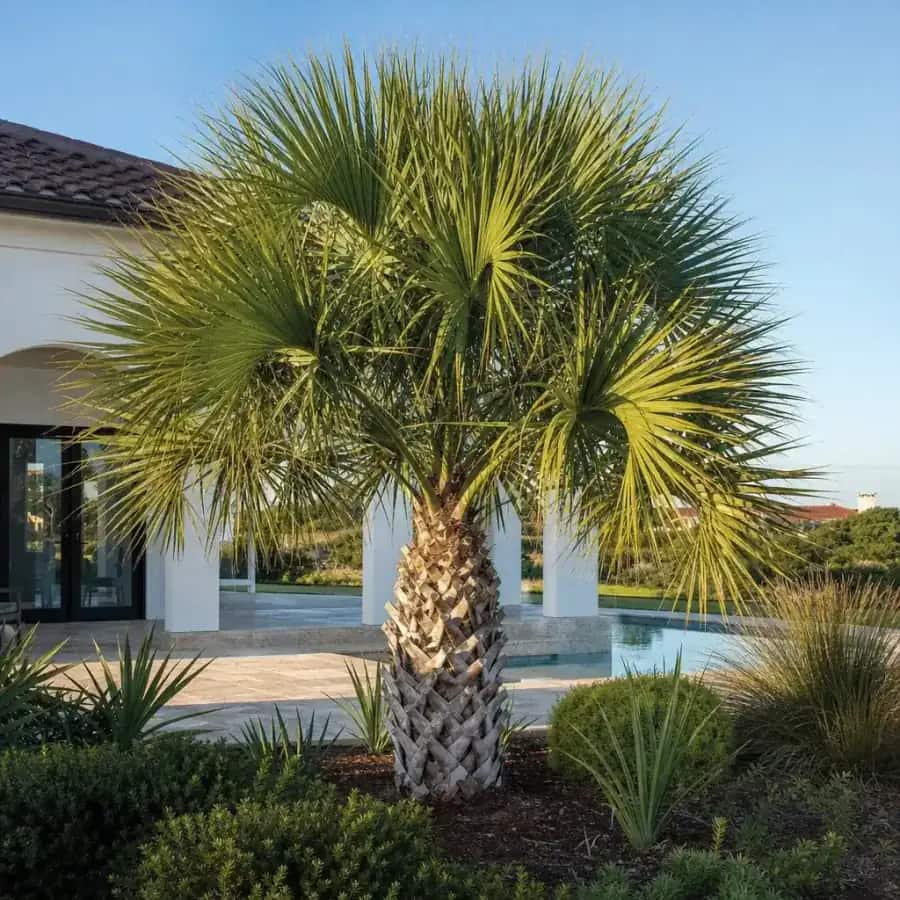 Zones 7 to 11
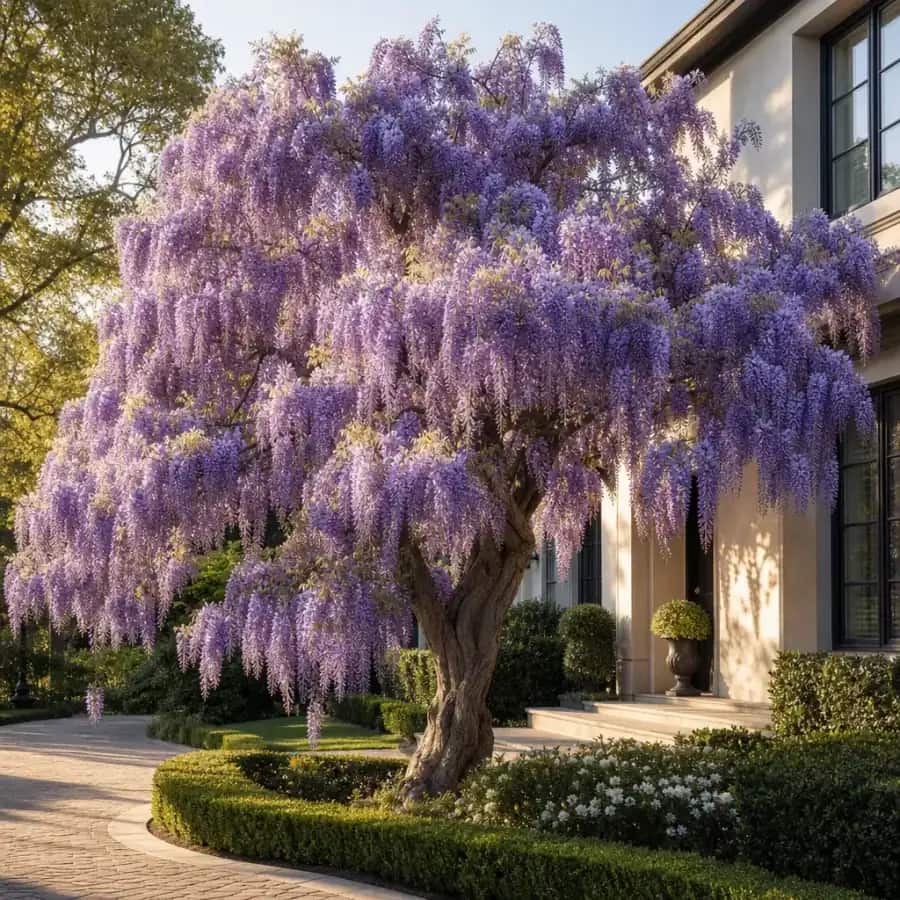 Zones 4 to 9
Shop by category
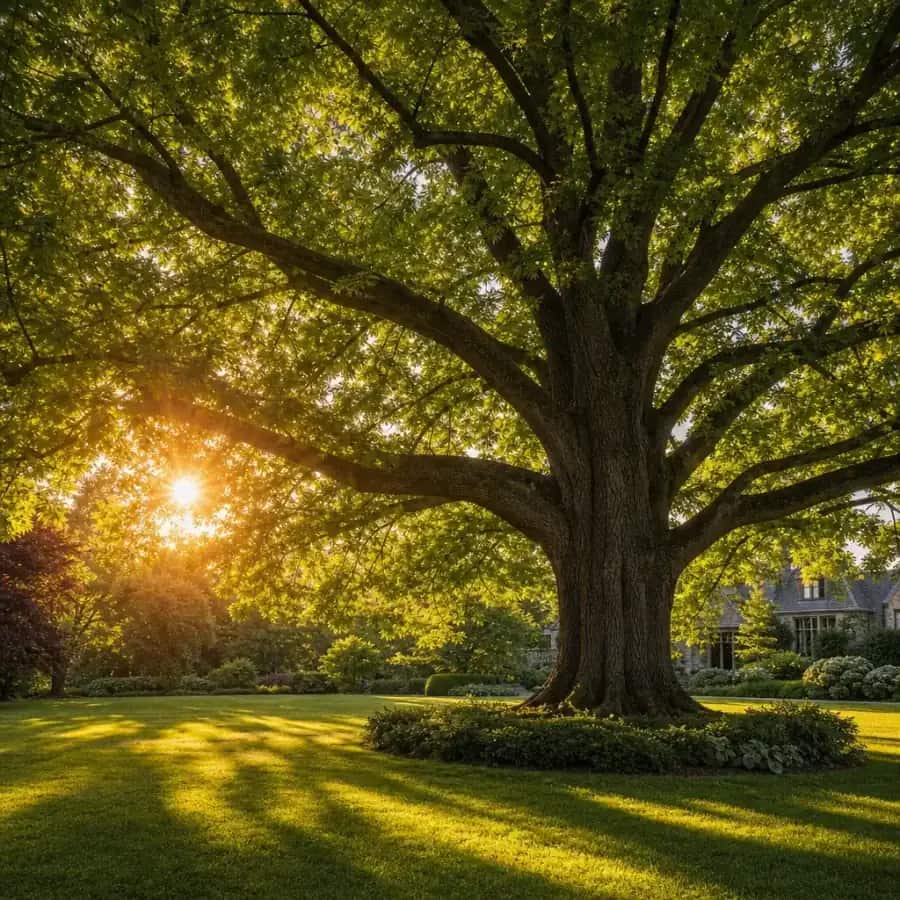 Shade TreesBroad canopy options like Texas Ash cool patios and yards in Pitt County's mild winters.View all Shade Trees →
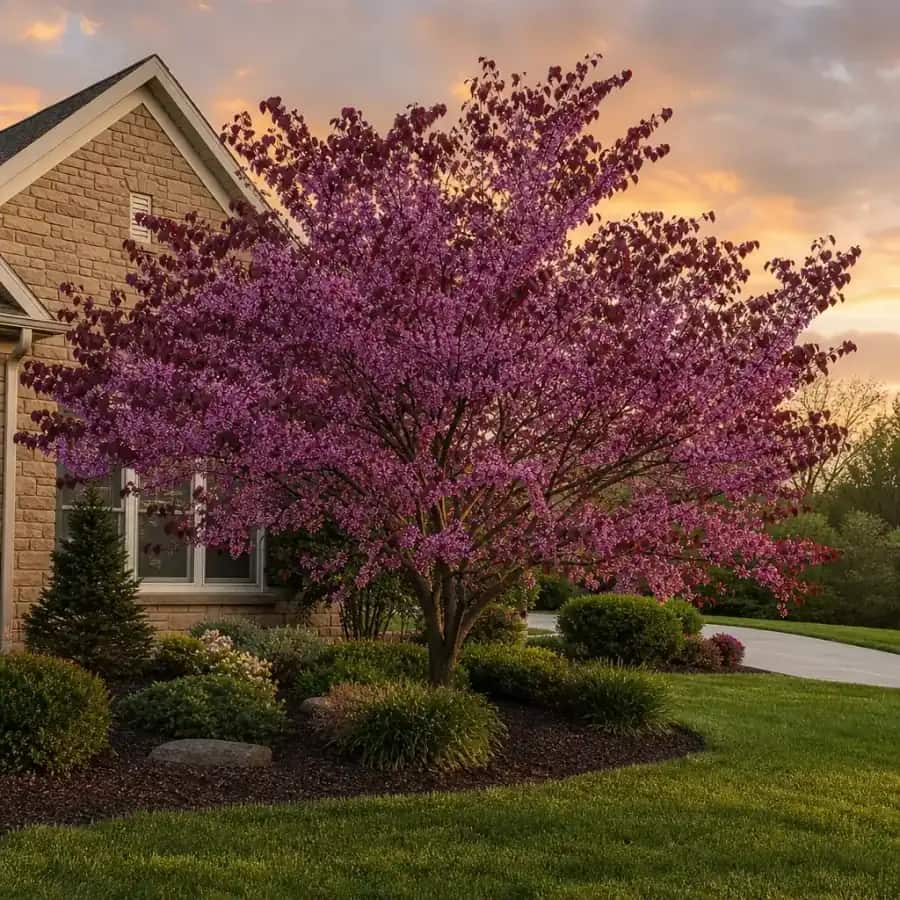
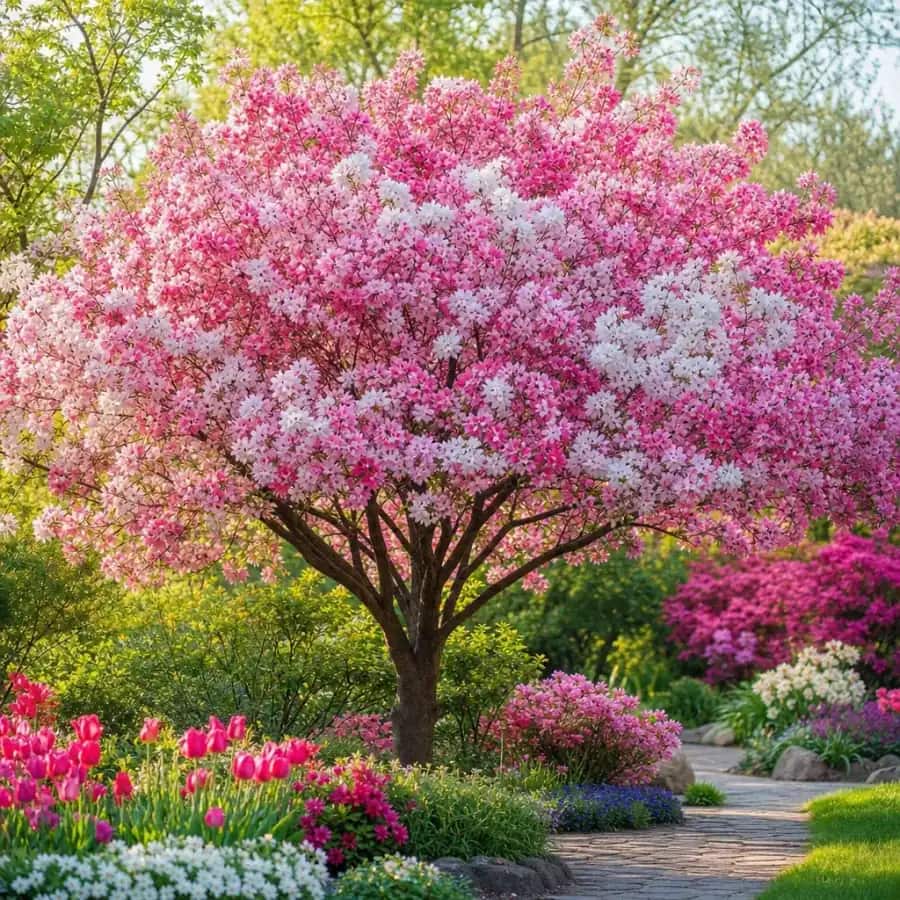 Flowering & OrnamentalRedbuds, crape myrtles and blooming showpieces.View all Flowering & Ornamental →
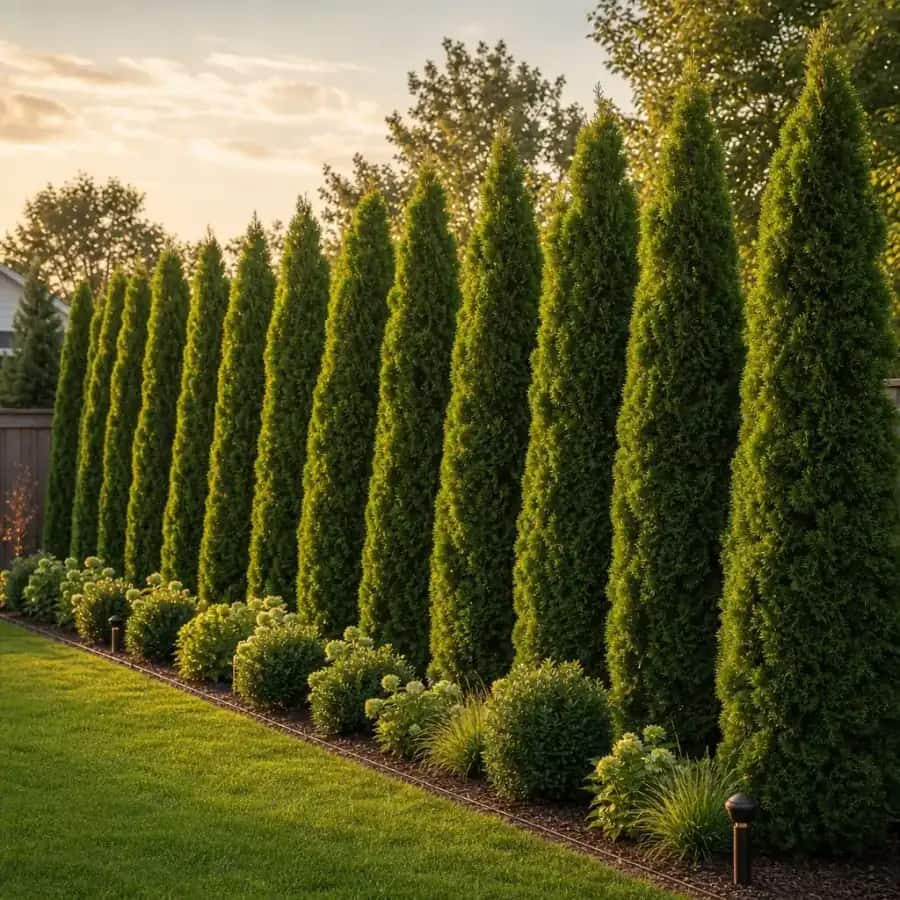 Evergreen & PrivacyYear-round green: cypress, juniper, holly, magnolia.View all Evergreen & Privacy →
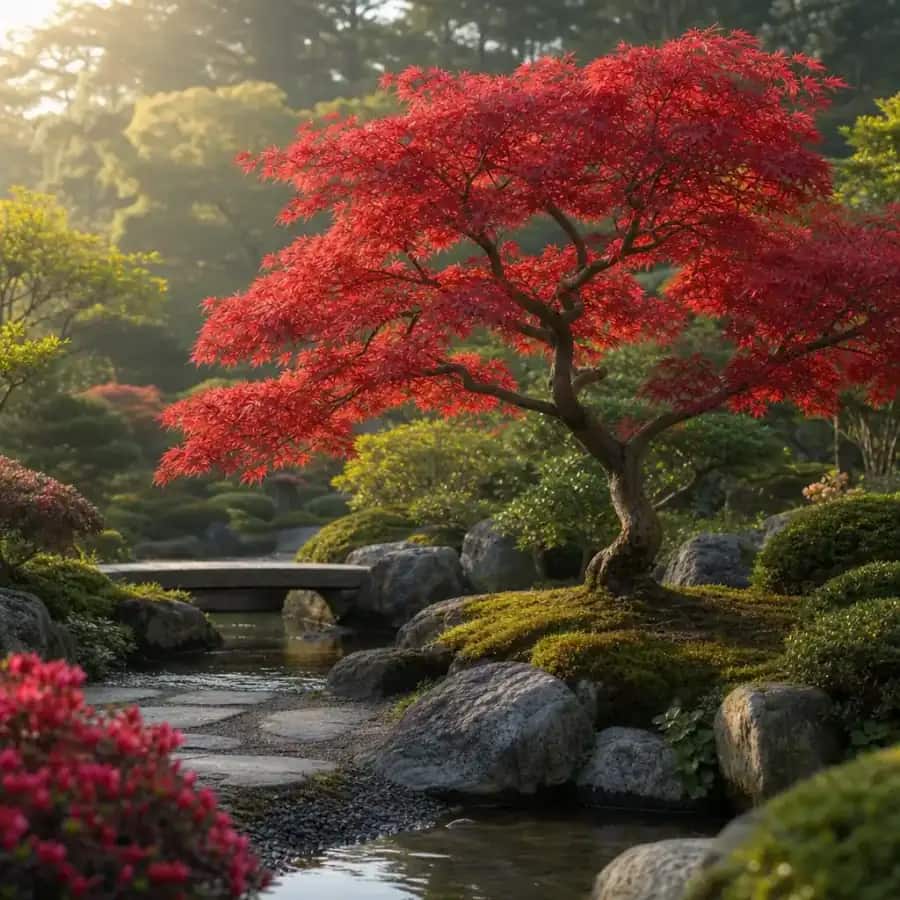 Japanese MaplesLaceleaf varieties such as Viridis bring delicate form to shaded garden beds.
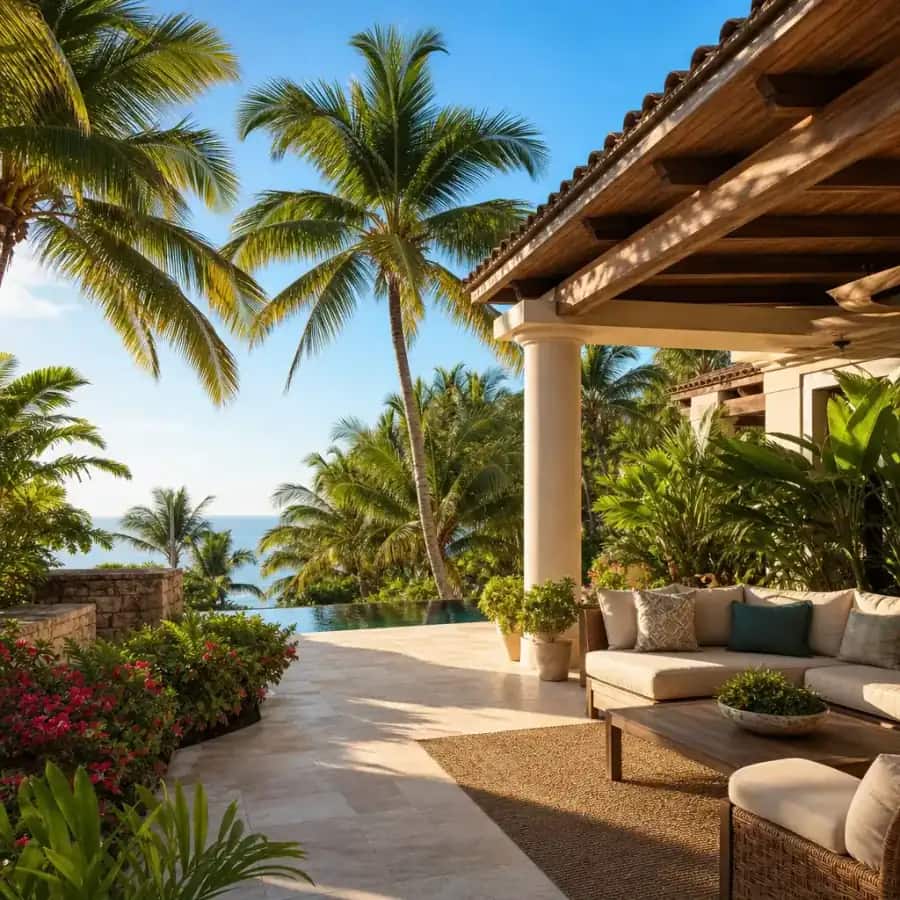 Palms & TropicalsSago Palm and cold-hardy palms accent entryways in Pitt County's warmer 8b zones.View all Palms & Tropicals →
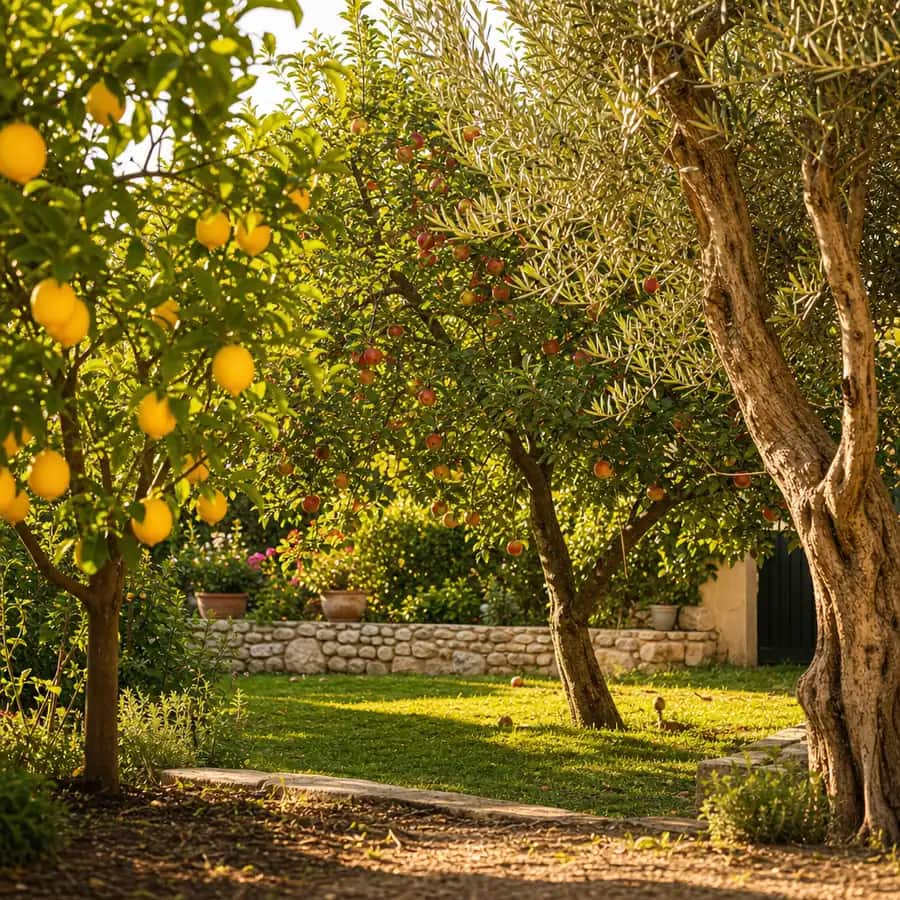 Fruit TreesHomegrown lemons, apples, figs, olives and more.View all Fruit Trees →
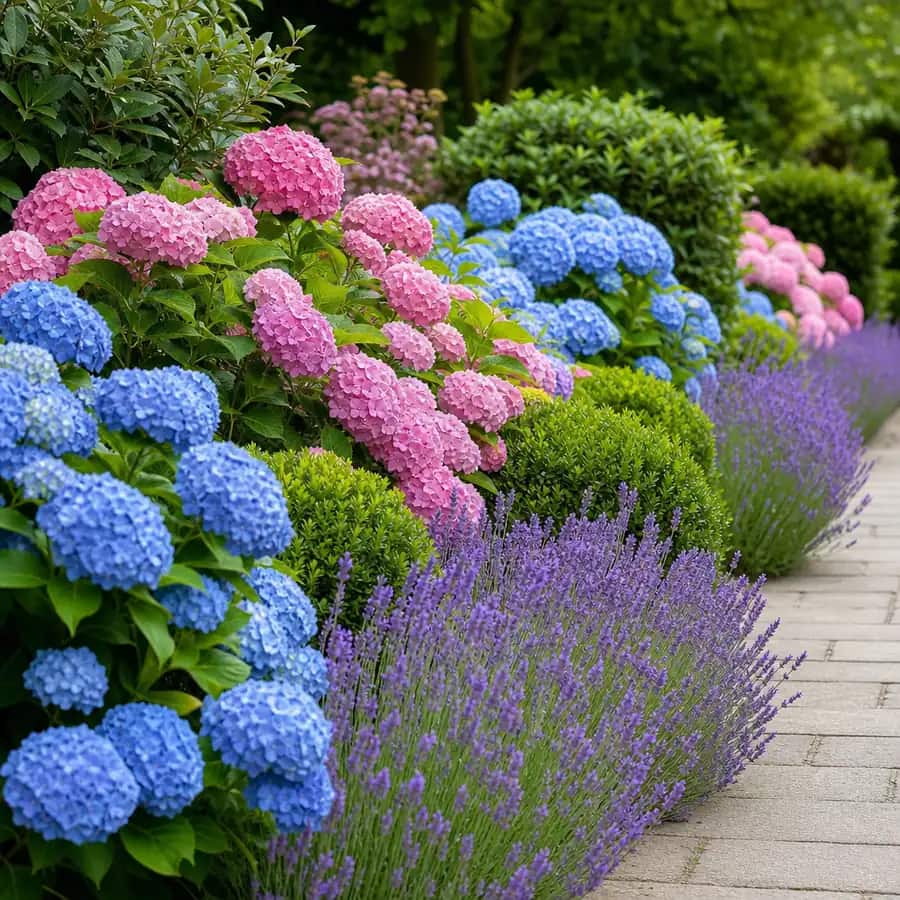 Shrubs & HedgesNellie Stevens Holly and similar shrubs define borders and fill gaps in a privacy plan.View all Shrubs & Hedges →
Local fit, from data
8a to 8b
about 10 to 20 F
16
Greenville
Shade, privacy, and fruit trees in Pitt County, North Carolina (NC) arrive at your door through Arbor Buddy. We are a delivery-only vendor of large, nursery-grown landscape trees shipped by freight nationwide. Every tree we send matches your growing zone. Homeowners across Pitt County can choose from shade, flowering, evergreen, and fruit categories that thrive in the local 8a to 8b climate.
Pitt County spans USDA zones 8a to 8b across its 16 ZIP codes. The colder 8a end sees winter lows around 10 degrees F, while the warmer 8b areas rarely dip below 20 F. Typical winter lows run about 10 to 20 F countywide. This zone range lets you grow a broad mix of trees, from shade trees that shrug off summer humidity to flowering ornamentals that need a mild winter chill.
The western part of the county tends to be slightly cooler, which suits fruit trees like the Elberta Peach that need enough chill hours. The eastern and suburban areas around Greenville stay warmer, making them ideal for evergreen screens and Japanese maples that benefit from moderate winters. For most home landscapes in Pitt County, the category that performs best is shade trees, because they handle both the humid summers and the occasional cold snap. When you shop trees for zone 8 in Pitt County, look for species that thrive in this balanced climate.
Pitt County's shipping window runs from fall through early spring. Order your zone-matched trees now to secure the best selection for your yard. Arbor Buddy ships large trees that are ready to plant. Browse the featured trees above and add them to your cart today.
In Pottawattamie County, Iowa (IA), zones 5a to 6a push winter lows down to -20 to -5 F. That cold eliminates most Japanese maples without heavy protection. The practical difference is that in Pitt County, zone 8 lets you grow laceleaf maples like Viridis in a sheltered spot, while Pottawattamie growers must stick with zone-hardy alternatives.
Gooding County, Idaho (ID) sits in zones 6b to 7a with lows from -5 to 5 F. Summers there are dry, which limits drought tolerance as a priority. Here, the zone usually pushes the choice toward conifers and deciduous trees that handle arid heat. In Pitt County, the higher humidity means you can enjoy lush shade trees like Autumn Blaze Maple without worrying about dry air stress.
Jasper County, Illinois (IL) is zone 6b with winter lows from -5 to 0 F. That colder climate limits heat and humidity tolerance in many species. Locally, that points buyers toward trees bred for hot summers. In Pitt County, the warmer zone 8 lets you plant heat-tolerant selections like Texas Ash and Elberta Peach that would struggle in Jasper County's colder winters.
The takeaway: Pitt County's mild winters and humid summers open up a wider palette of trees than in colder, drier regions. Your cart can include Japanese maples, fruit trees, and shade varieties that simply cannot survive in zone 6b or colder areas.
Your tree arrives by freight truck to your address in Pitt County. We ship large, nursery-grown trees at a usable landscape size. Before dispatch, every tree is matched to our zone 8 shipping schedule. Trees headed to zone 8 arrive between fall and early spring, matched to mild ground temperatures. That timing gives roots time to settle before summer heat arrives. All orders include the 1-Year Thrive Guarantee: if your tree does not survive its first year, we replace it free.
Before delivery day, check:
Enter your ZIP, shop only what thrives in your zone.
Freight delivery to your address: $149 flat per order, shown at checkout.
Plant it, watch it thrive, covered for one year.
Good to know · Growing guide
Coverage runs a full year from delivery. If something goes wrong, contact the team and they arrange the replacement. No store-credit games, no fine-print maze.