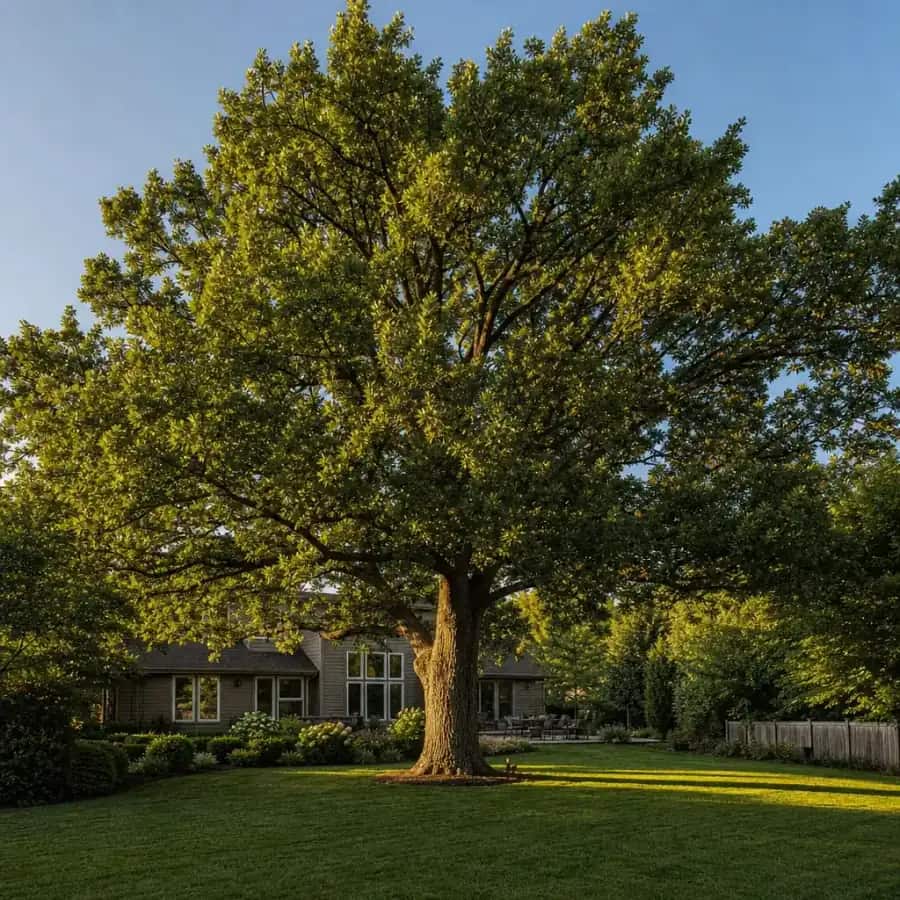
 Zones 3 to 8
Shade Trees
Bur Oak
$490
Shop large, nursery-grown shade, privacy, flowering and fruit trees, delivered by freight in North Plains. Every tree is matched to your hardiness zone and backed by our 1-Year Thrive Guarantee.
Enter your ZIP and we'll match trees to your exact growing zone.
Typical winter lows in North Plains run about 15 to 20 F.
Matched to North Plains's zone
Zones 3 to 8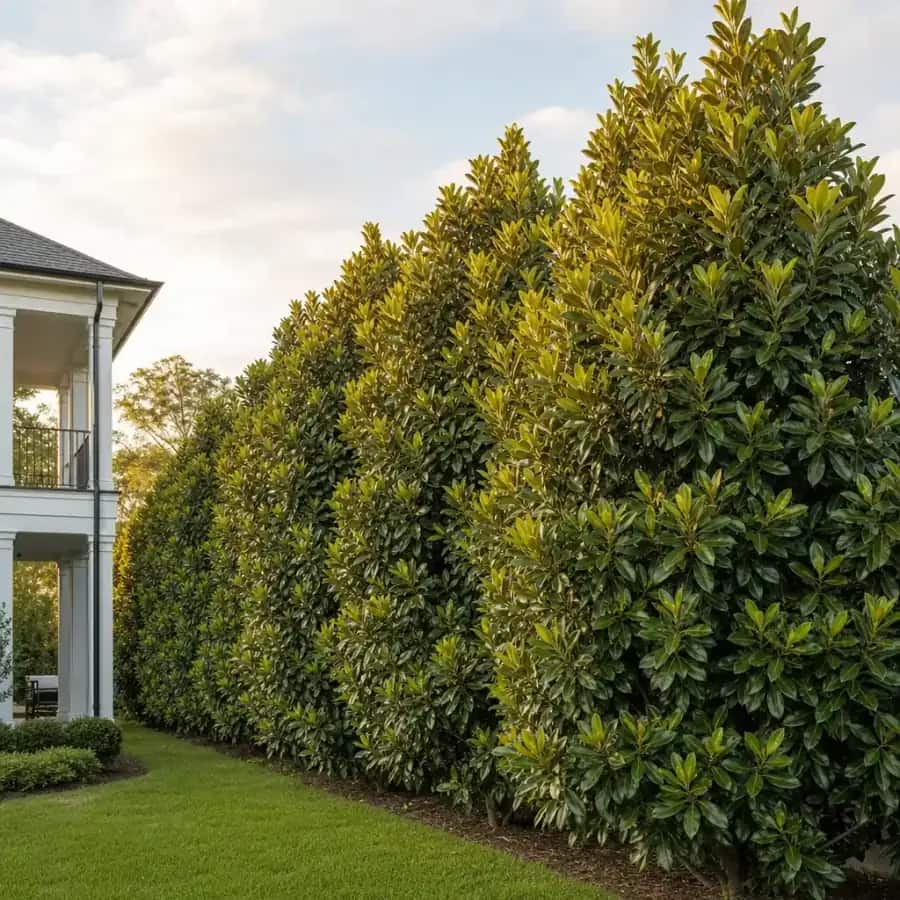 Zones 7 to 9
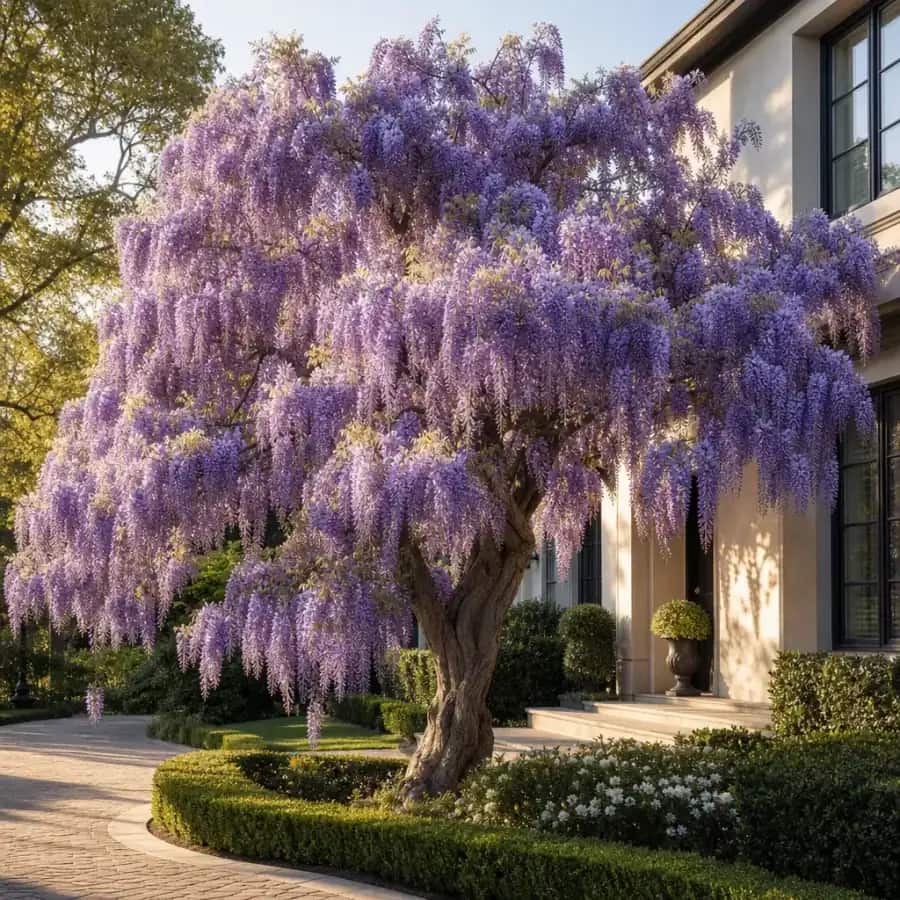 Zones 4 to 9
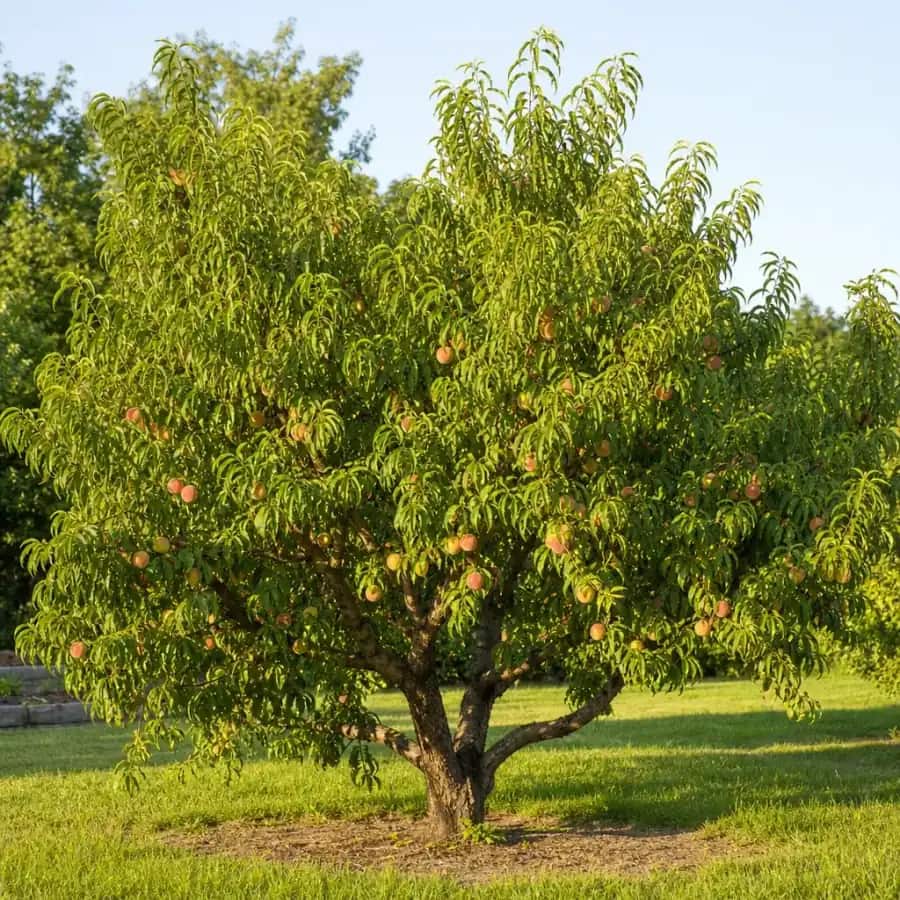 Zones 5 to 9
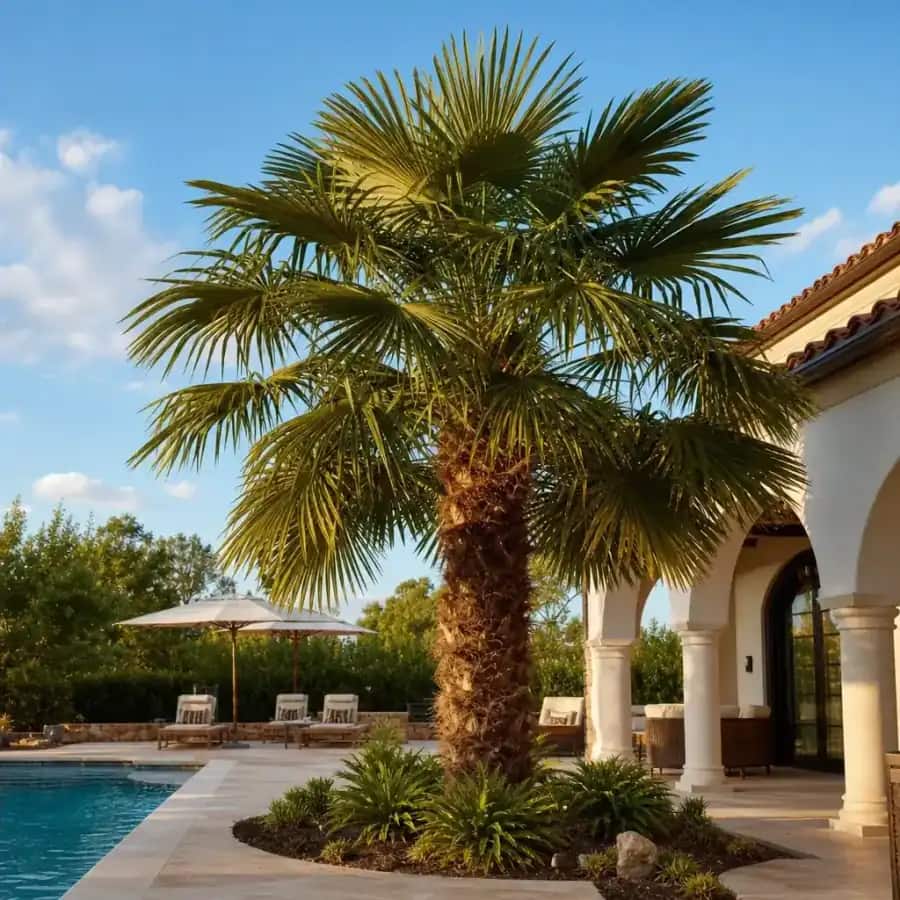 Zones 7 to 11
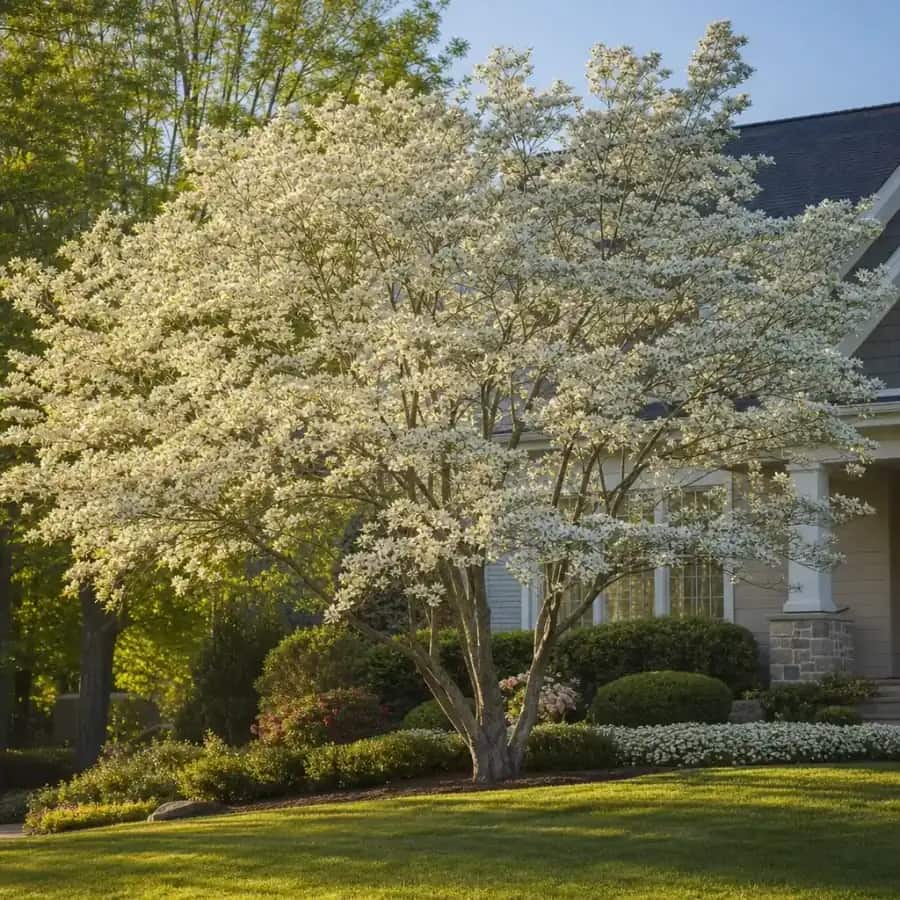 Zones 5 to 9
Shop by category
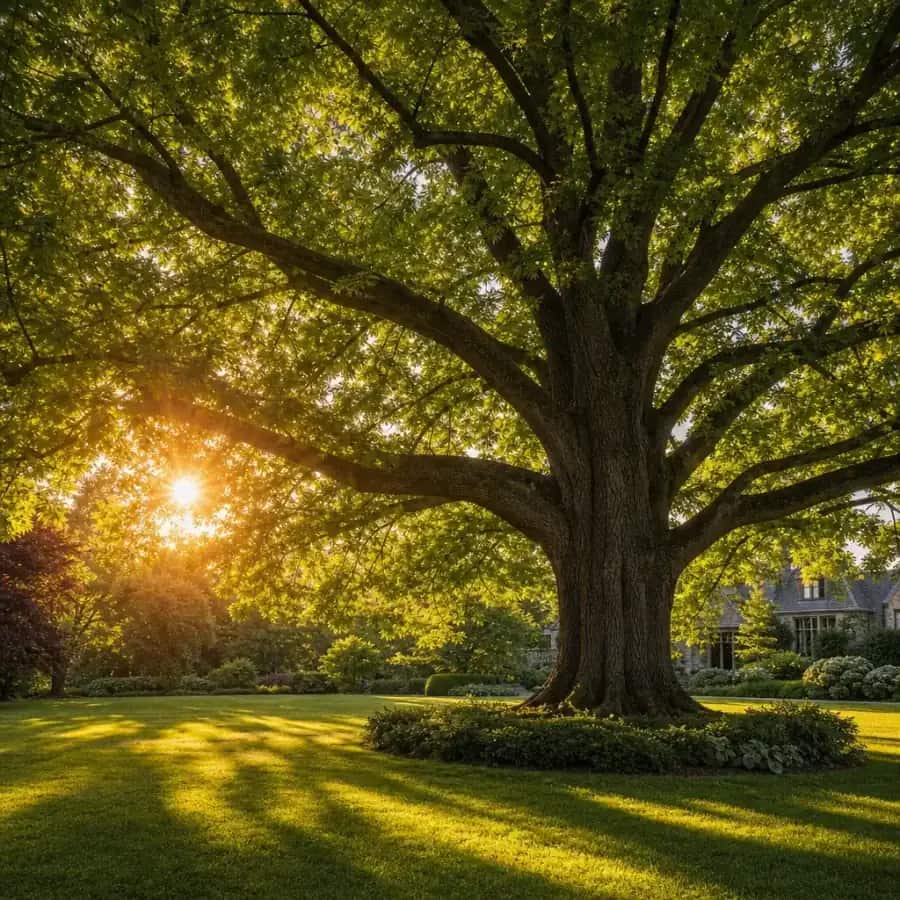 Shade TreesLarge canopies that cut summer heat and boost property value in zone 8b.View all Shade Trees →
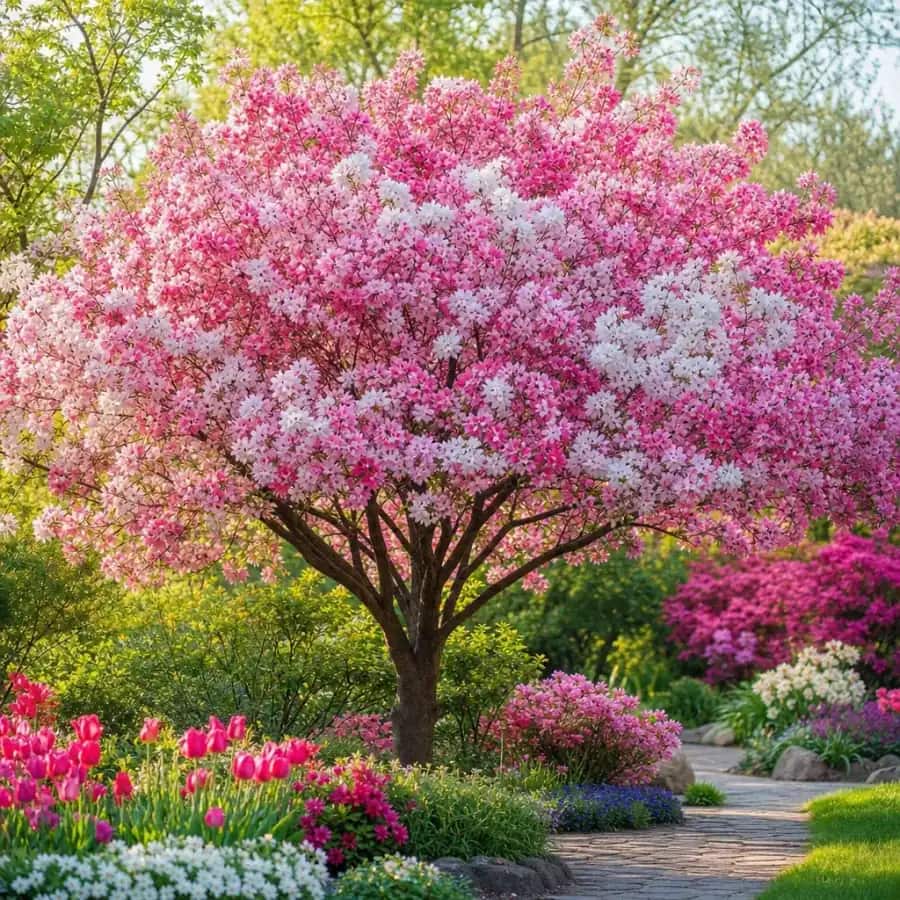 Flowering & OrnamentalShowy blooms for curb appeal and spring color that last in mild winters.
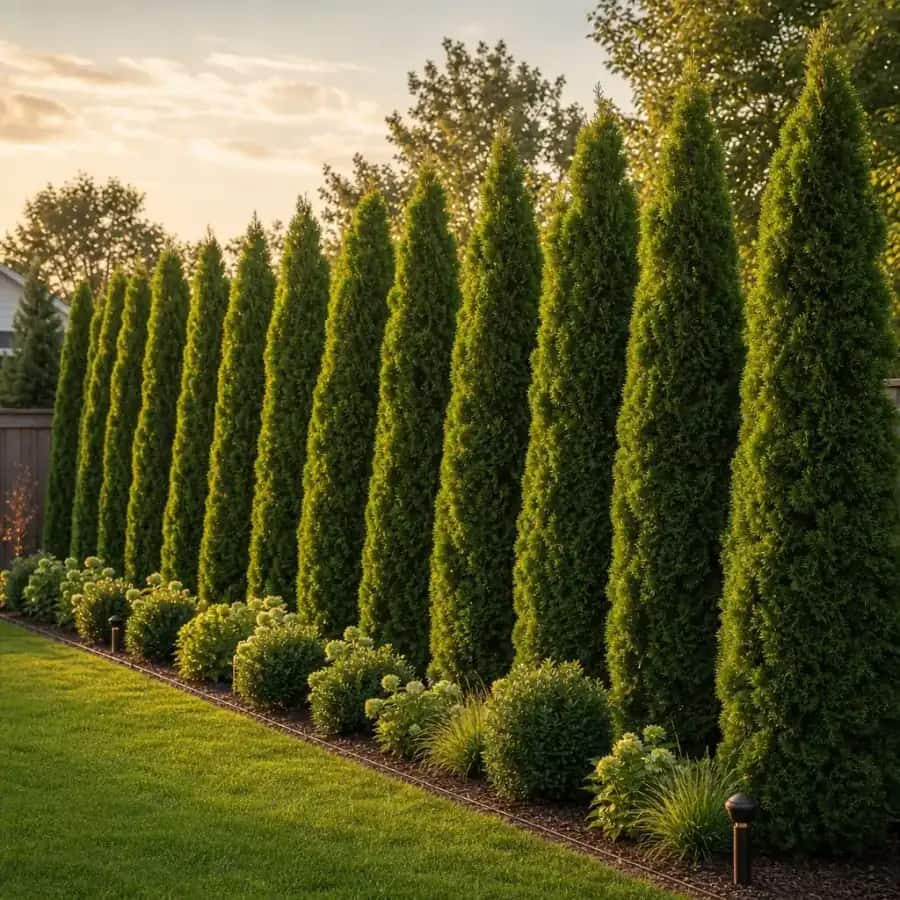 Evergreen & PrivacyYear-round screening and wind protection for North Plains yards.View all Evergreen & Privacy →
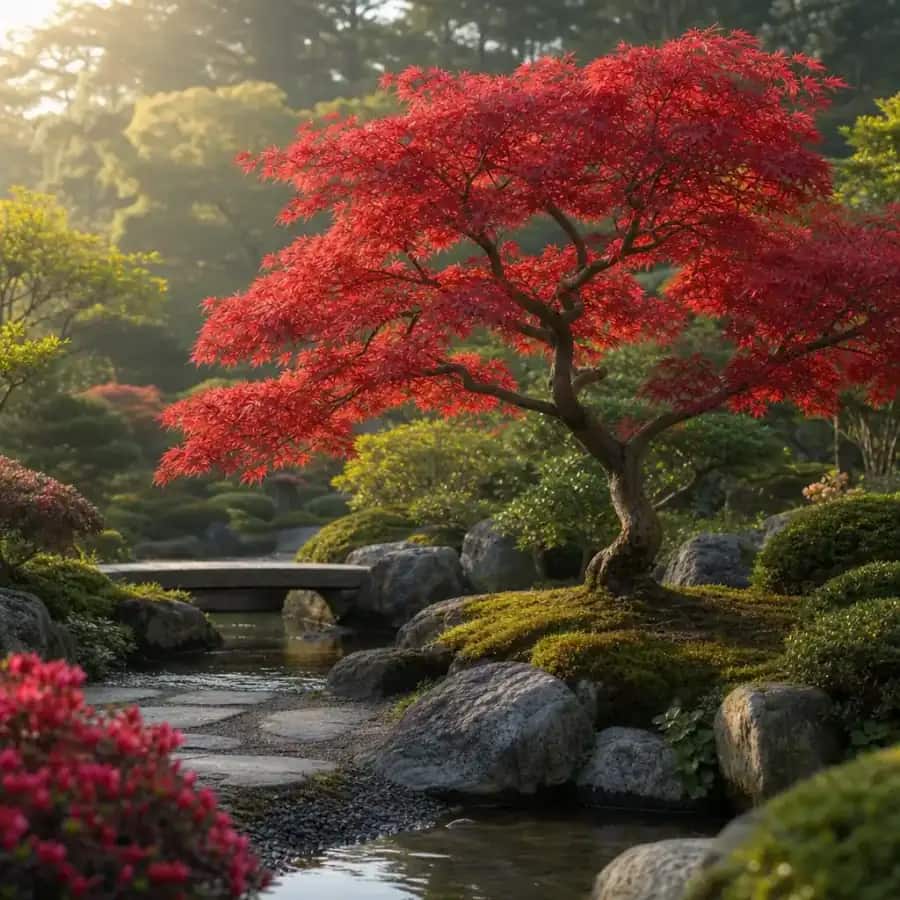 Japanese MaplesArtistic form and leaf color for small spaces or accent points.
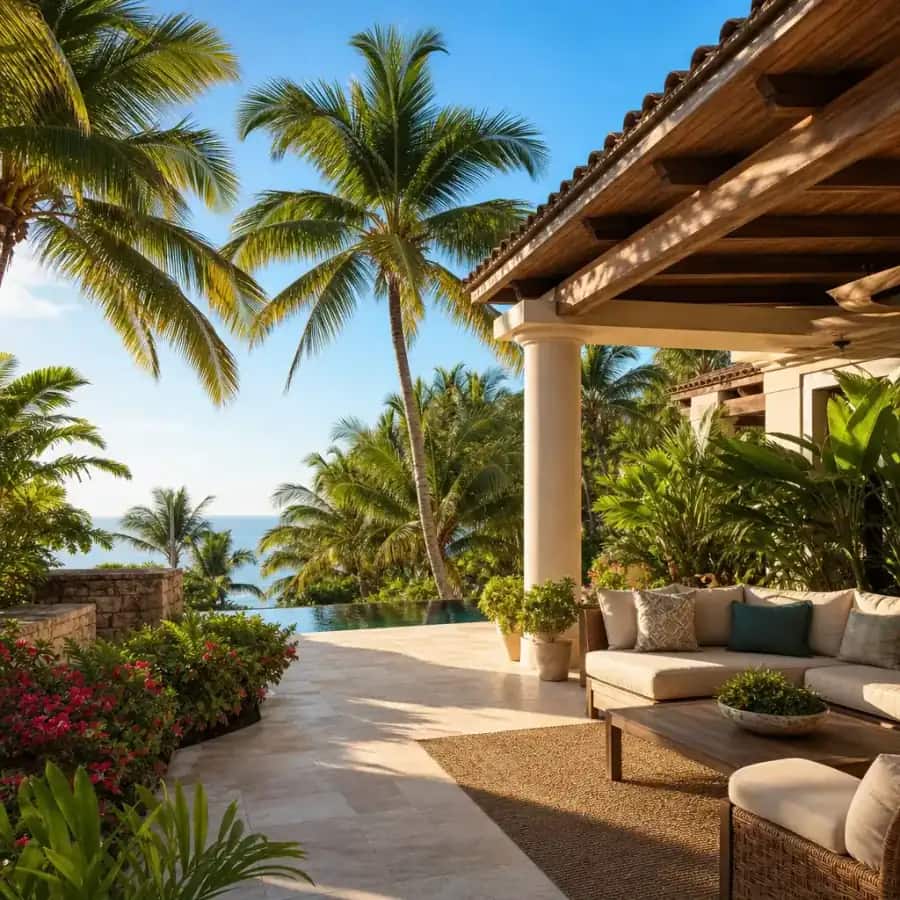 Palms & TropicalsWarm-climate texture that works here with the right microclimate.View all Palms & Tropicals →
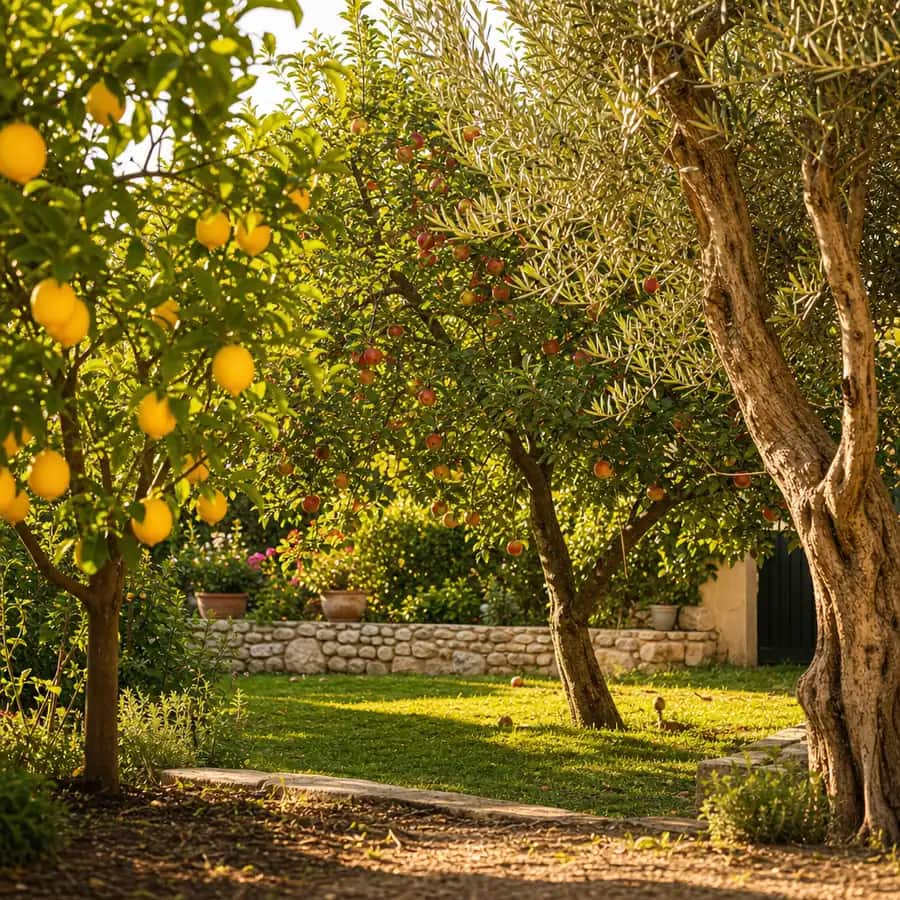 Fruit TreesHomegrown apples and other fruit that ripen before frost.View all Fruit Trees →
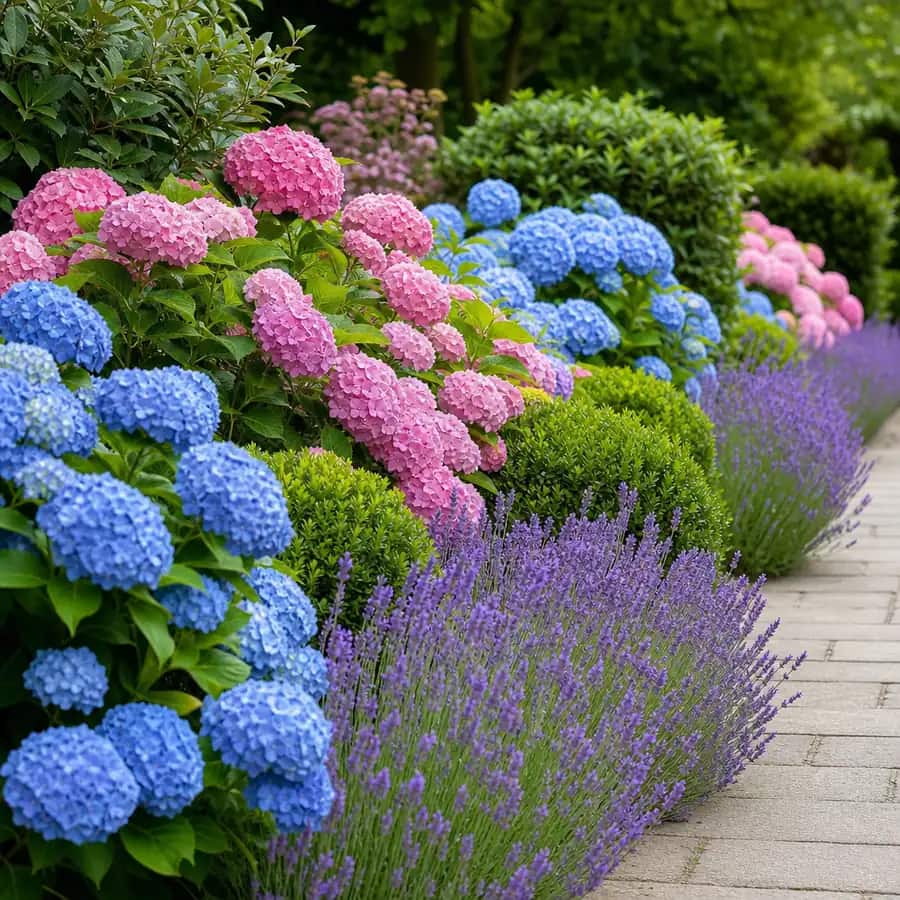 Shrubs & HedgesHydrangeas, hollies, lavender and living privacy.View all Shrubs & Hedges →
Local fit, from data
8b
about 15 to 20 F
Washington County
Oregon
Looking for trees that will really grow in your North Plains yard? Arbor Buddy delivers large, nursery-grown landscape trees right to your driveway in ZIP 97133. Every tree is matched to your zone 8b climate, and homeowners (plus contractors) can choose from shade, flowering, evergreen, fruit, and more.
Not everything that grows in warmer climates can handle the occasional cold snap here. In zone 8b, typical winter lows run about 15 to 20 degrees Fahrenheit, which rules out many tropicals and citrus. But it opens the door for reliable shade, flowering, and fruit trees that need a cool period.
The wet winters and mild summers suit trees that like consistent moisture. Shade trees and evergreens do well, as do many Japanese maples if given afternoon shade. The key is choosing trees that are already matched to this zone, our trees for zone 8 in North Plains are pre-selected to thrive.
Autumn Blaze Red Maple is a top pick for zone 8b. It gives fast shade and brilliant orange-red fall color on a tough trunk that handles our winter lows (15 to 20 F) without trouble. Other shade options include oaks and sycamores from the Shade Trees category.
Autumn Blaze Red Maple and Nellie R. Stevens Holly both establish quickly. Autumn Blaze adds height and canopy fast, while Nellie R. Stevens Holly fills in as a dense screen within a few seasons. Both are matched to zone 8b and shipped at a usable landscape size.
Nellie R. Stevens Holly and Teddy Bear Southern Magnolia both work well. Nellie R. Stevens Holly grows fast and stays dense year-round. Teddy Bear Southern Magnolia is a compact evergreen with large leaves. Both tolerate the cooler winters of North Plains and need no special care after establishment.
Yes, but citrus is not reliable here, winter lows of 15 to 20 F damage most citrus. Apples, like Honeycrisp Apple, do well because they need winter chill. Be aware that Honeycrisp requires a second apple variety nearby for pollination. Other fruit trees such as figs and pears also suit zone 8b.
Your zone decides your list. For shade, privacy, flowering, and fruit trees that match zone 8b in North Plains, Arbor Buddy ships large, nursery-grown trees with a 1-Year Thrive Guarantee. Browse the trees that fit your yard and order online.
In ZIP 34282 in Bradenton, Florida (FL), zone 10a with winter lows 30 to 35 F, privacy and screening options shift toward heat-loving evergreens. That gap changes the local shortlist to cold-hardy hollies and magnolias in North Plains. Your cooler winters mean you can plant Nellie R. Stevens Holly and Teddy Bear Southern Magnolia without worrying about heat stress.
For your cart, that means you get dependable year-round screens that wouldn't survive the deeper cold further north.
Compare with ZIP 95036 in Milpitas, California (CA), also zone 10a with lows 30 to 35 F. Their flowering color choices lean toward subtropical bloomers. For your cart, that means you can rely on Wisteria Tree for its fragrant spring show, while California growers might need more heat-tolerant options like crape myrtles.
In practice, buyers here lean toward deciduous flowers that can handle a real winter.
Finally, look at ZIP 80735 in Idalia, Colorado (CO), zone 6a with lows -10 to -5 F. There, fruit trees need extreme cold hardiness. In practice, buyers here lean toward Honeycrisp Apple, which needs a pollinator, because it handles your milder winters and still gets enough chill. Idalia growers would struggle with many of the same varieties.
North Plains sits in a sweet spot: cold enough for apples, warm enough for magnolias, with winter lows that let you choose from a broad mix of shade, privacy, and fruit trees.
Every tree comes with a 1-Year Thrive Guarantee. If a tree does not survive its first year, we replace it free. Shipments go out by freight truck directly to your driveway in North Plains. In zone 8, shipments are timed for the cooler months, fall to early spring.
Before delivery day, check:
Enter your ZIP, shop only what thrives in your zone.
Freight delivery to your address: $149 flat per order, shown at checkout.
Plant it, watch it thrive, covered for one year.
Good to know · Growing guide
Coverage runs a full year from delivery. If something goes wrong, contact the team and they arrange the replacement. No store-credit games, no fine-print maze.