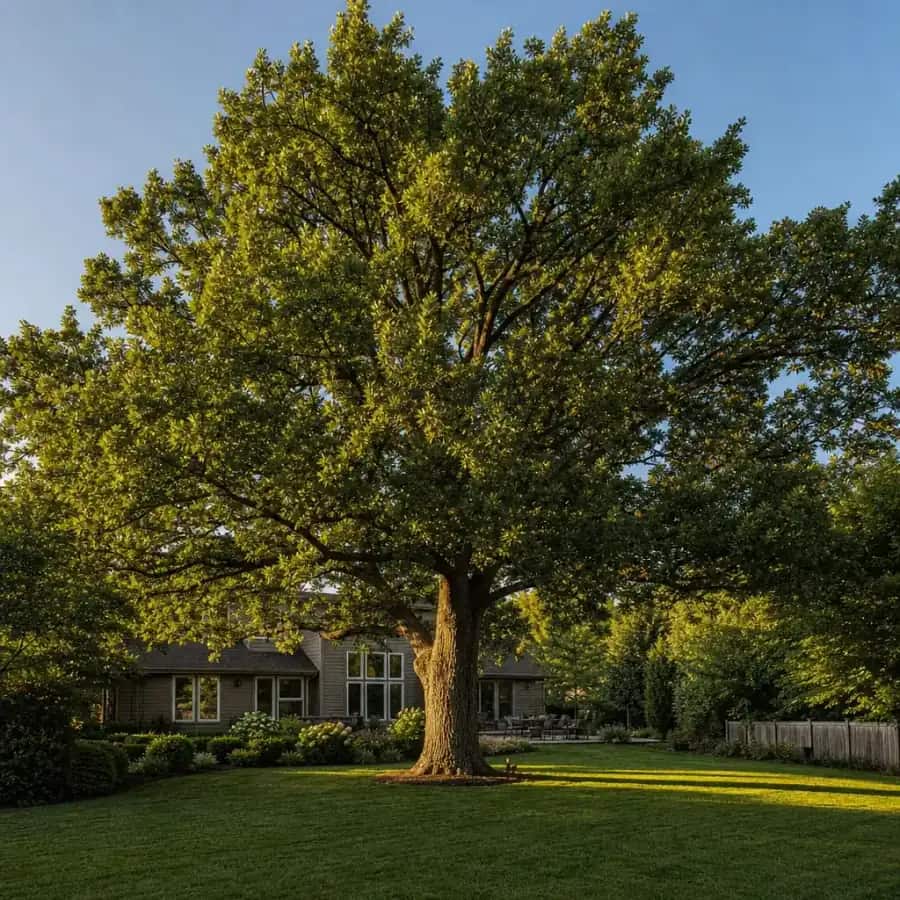
 Zones 3 to 8
Shade Trees
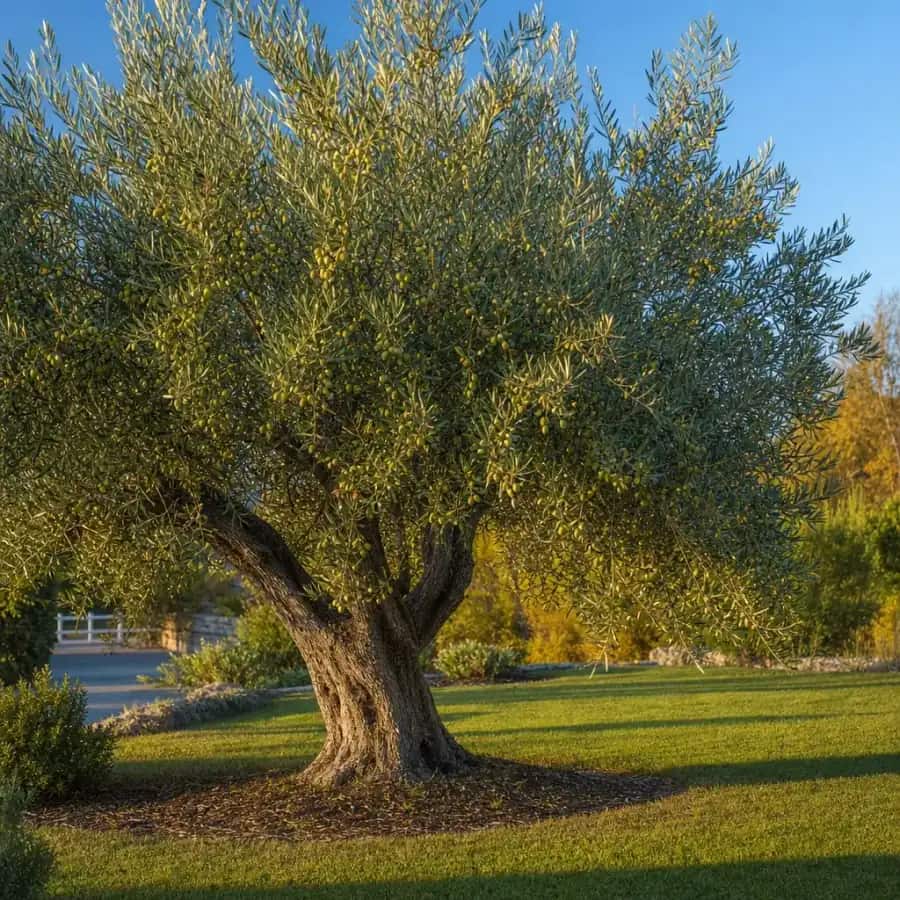
Bur Oak
$490
Shop large, nursery-grown shade, privacy, flowering and fruit trees, delivered by freight in Linn County. Every tree is matched to your hardiness zone and backed by our 1-Year Thrive Guarantee.
Enter your ZIP and we'll match trees to your exact growing zone.
Typical winter lows in Linn County run about 15 to 20 F.
Matched to Linn County's zones
Zones 3 to 8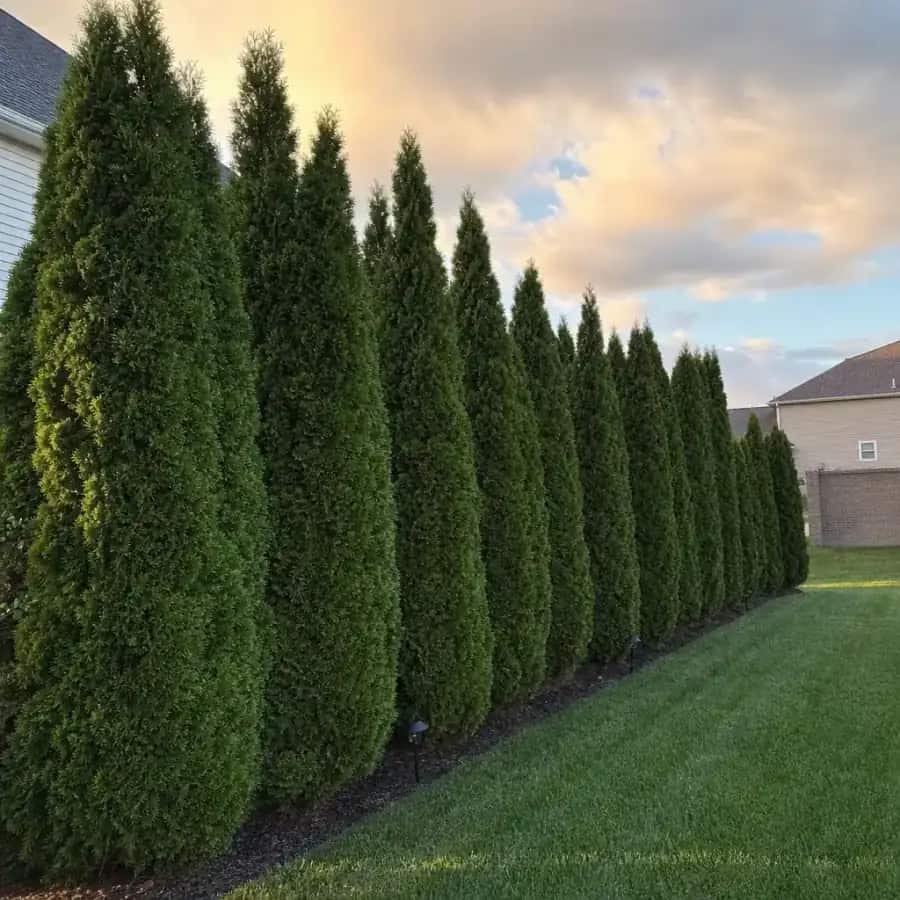 Zones 3 to 8
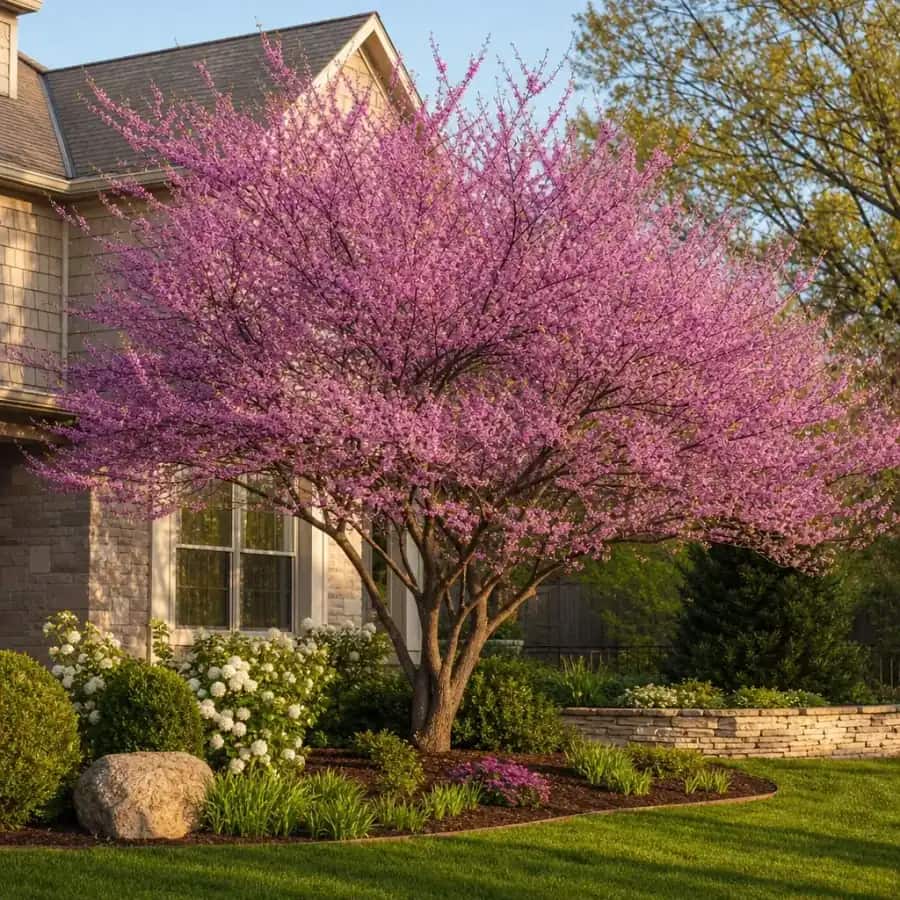 Zones 4 to 9
 Zones 8 to 11
 Zones 8 to 11
 Zones 5 to 10
Shop by category
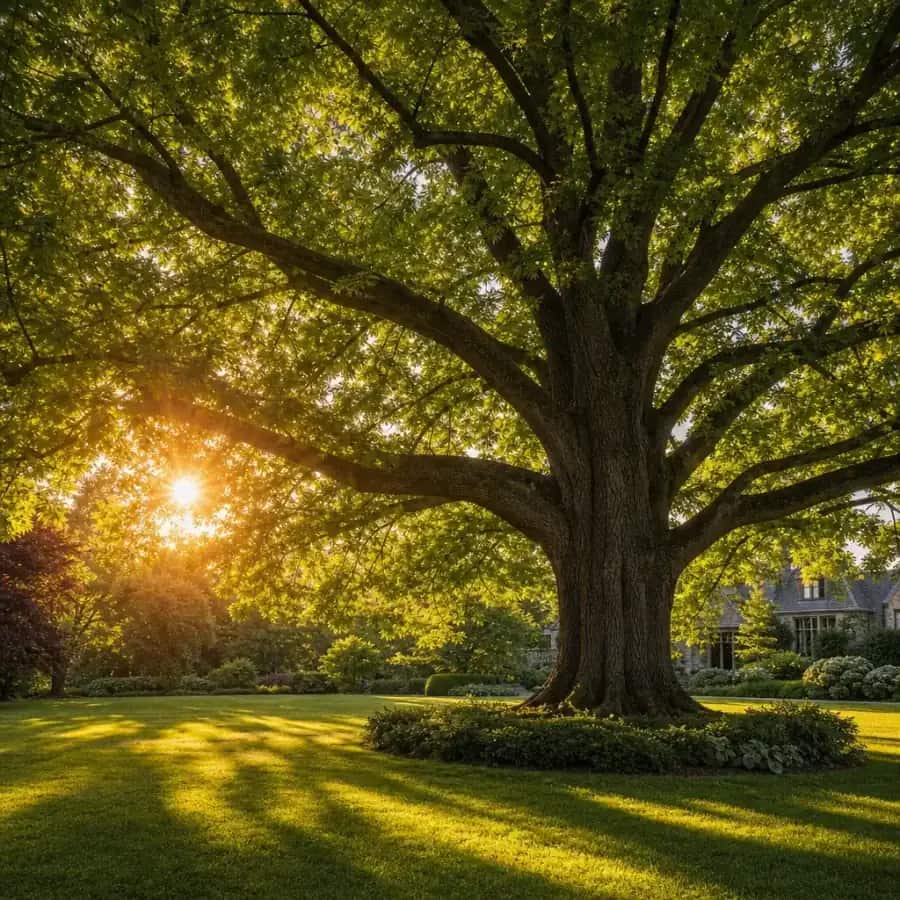 Shade TreesFor the wide lawns of Linn County, oaks and maples provide real cooling from June through September.View all Shade Trees →
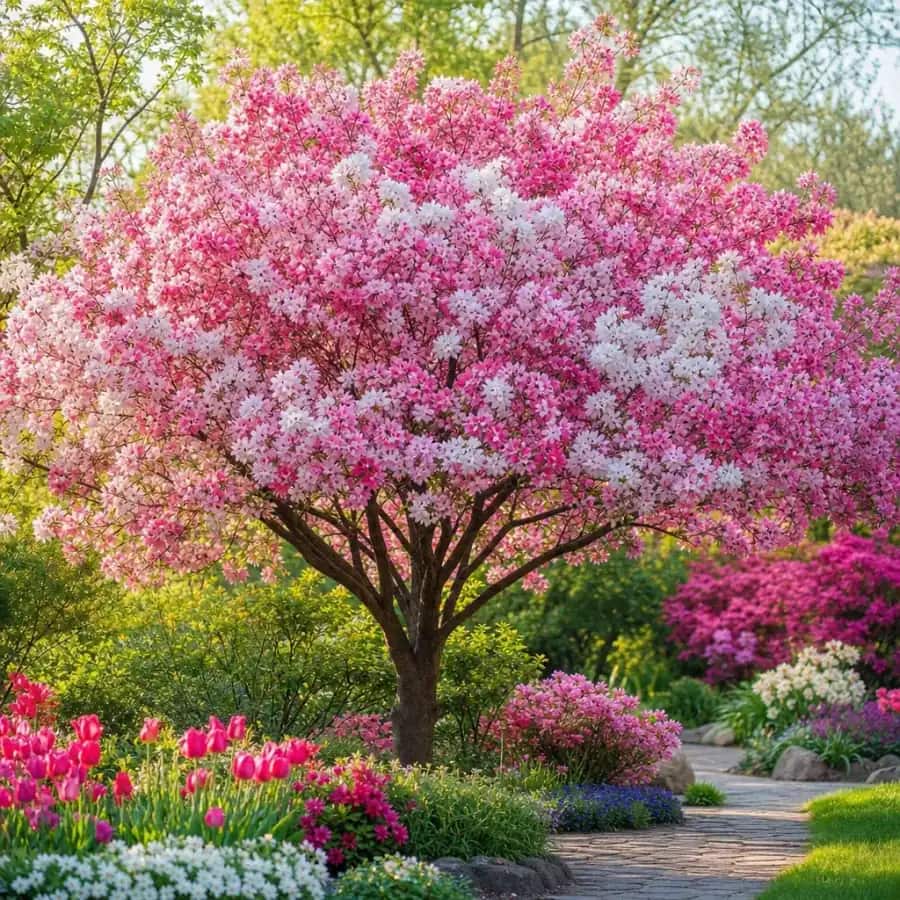 Flowering & OrnamentalCoral crape myrtles and redbuds add months of color in zone 8's long growing season.View all Flowering & Ornamental →
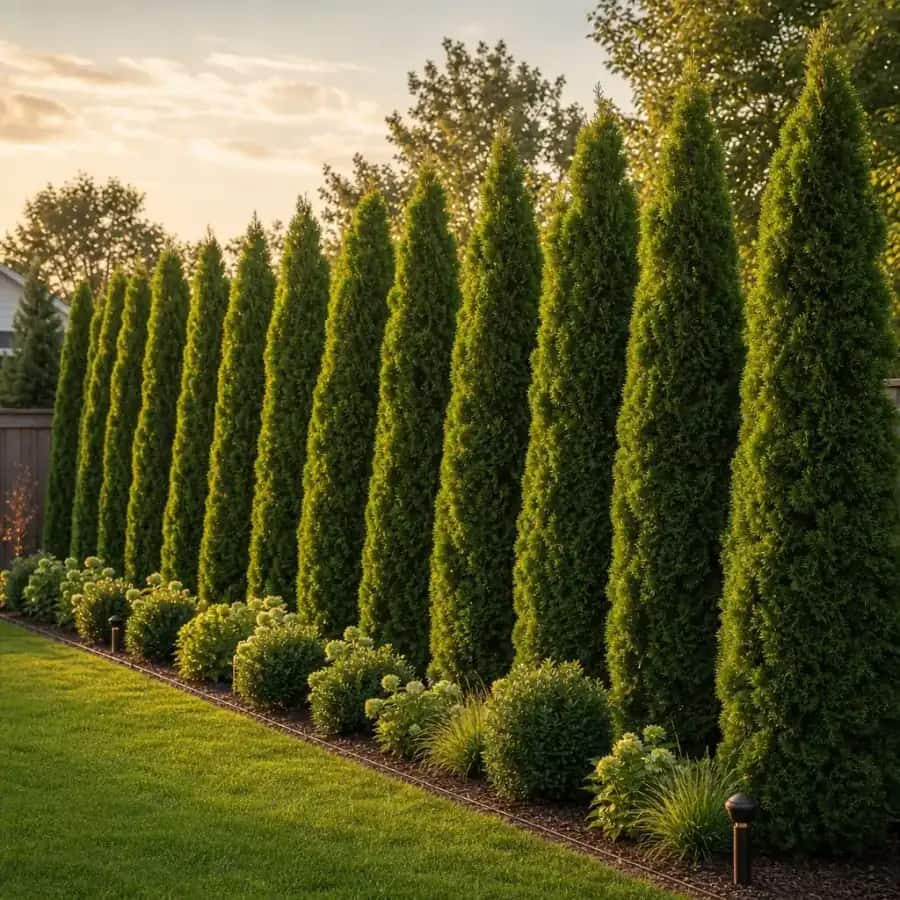 Evergreen & PrivacyNative eastern redcedar screens year-round without irrigation in Linn County's mild climate.View all Evergreen & Privacy →
 Japanese MaplesCascading laceleaf maples bring dramatic fall color to protected beds and entry gardens.
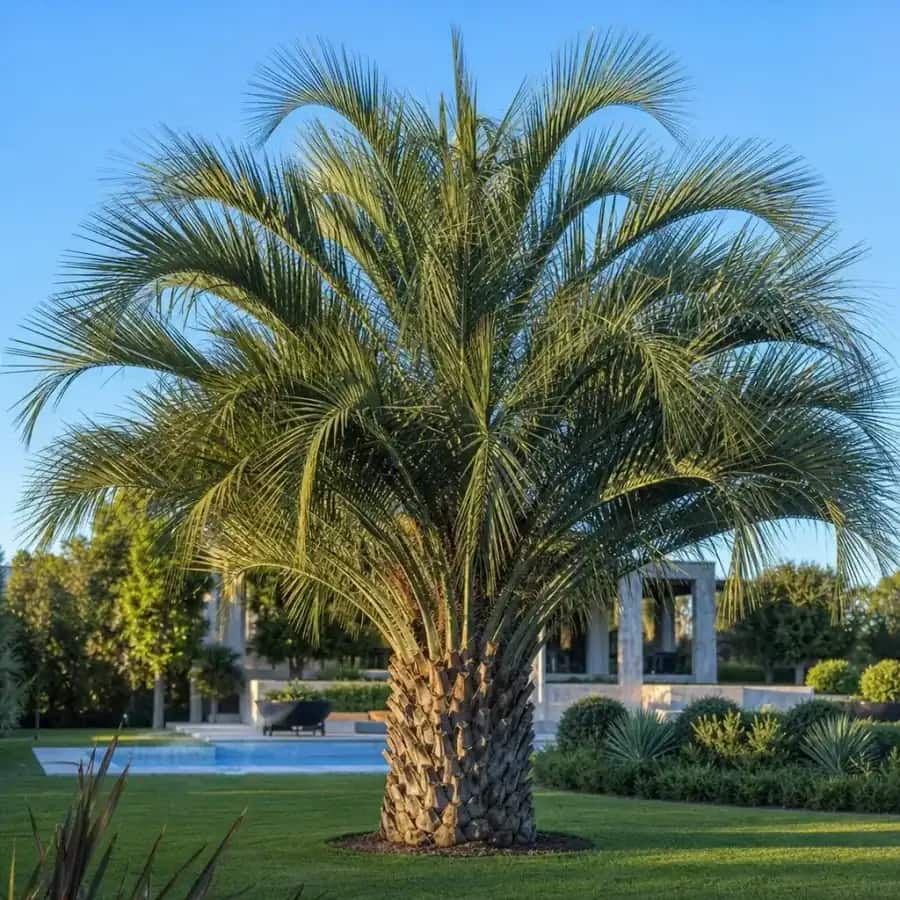
 Palms & TropicalsHardy windmill palms can survive zone 8 winters when planted in a sheltered spot.View all Palms & Tropicals →
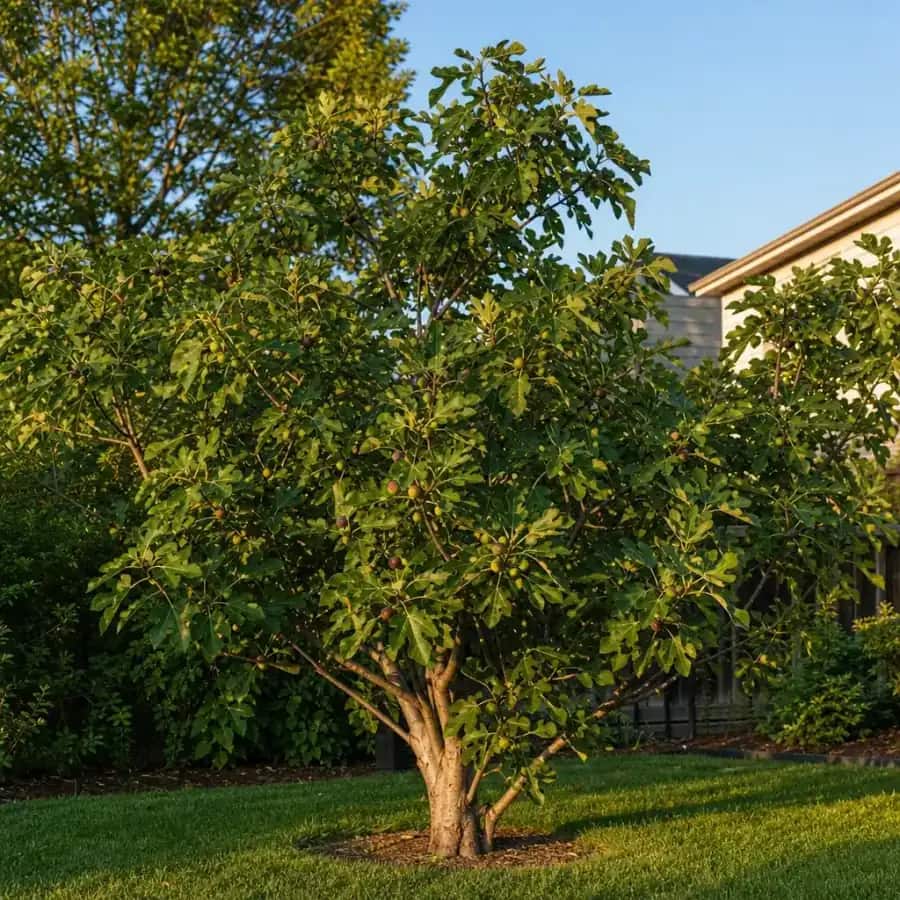
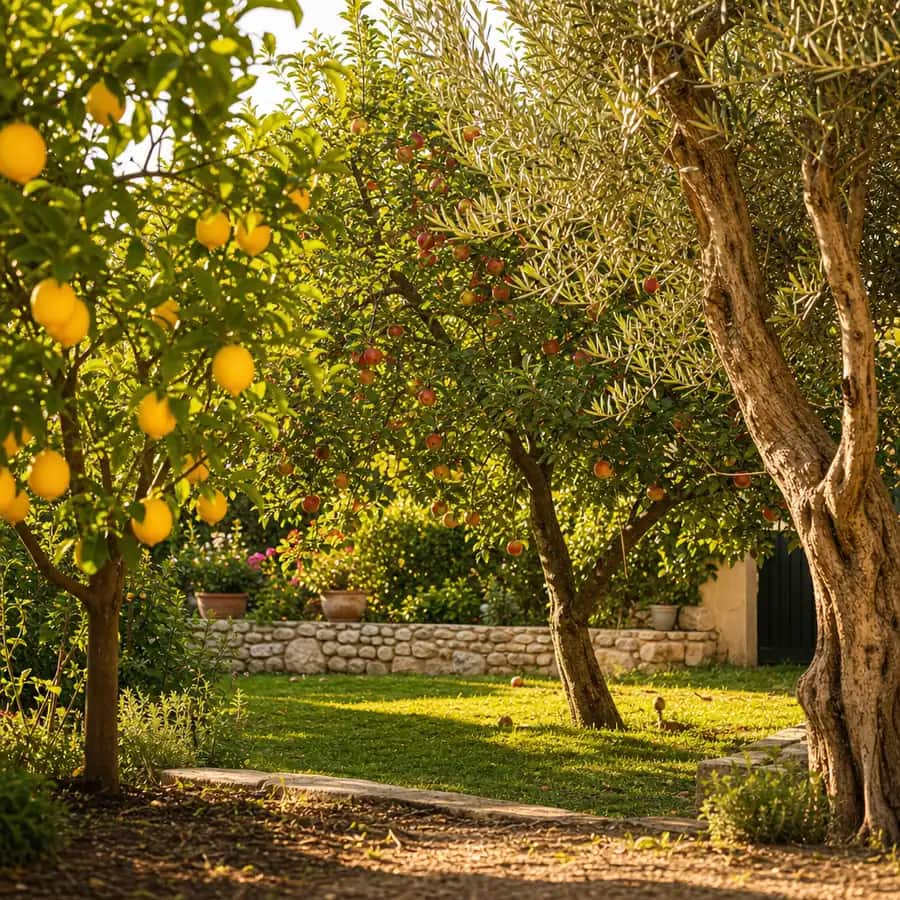 Fruit TreesCold-hardy figs and potted citrus reward Linn County gardeners with fresh harvests.View all Fruit Trees →
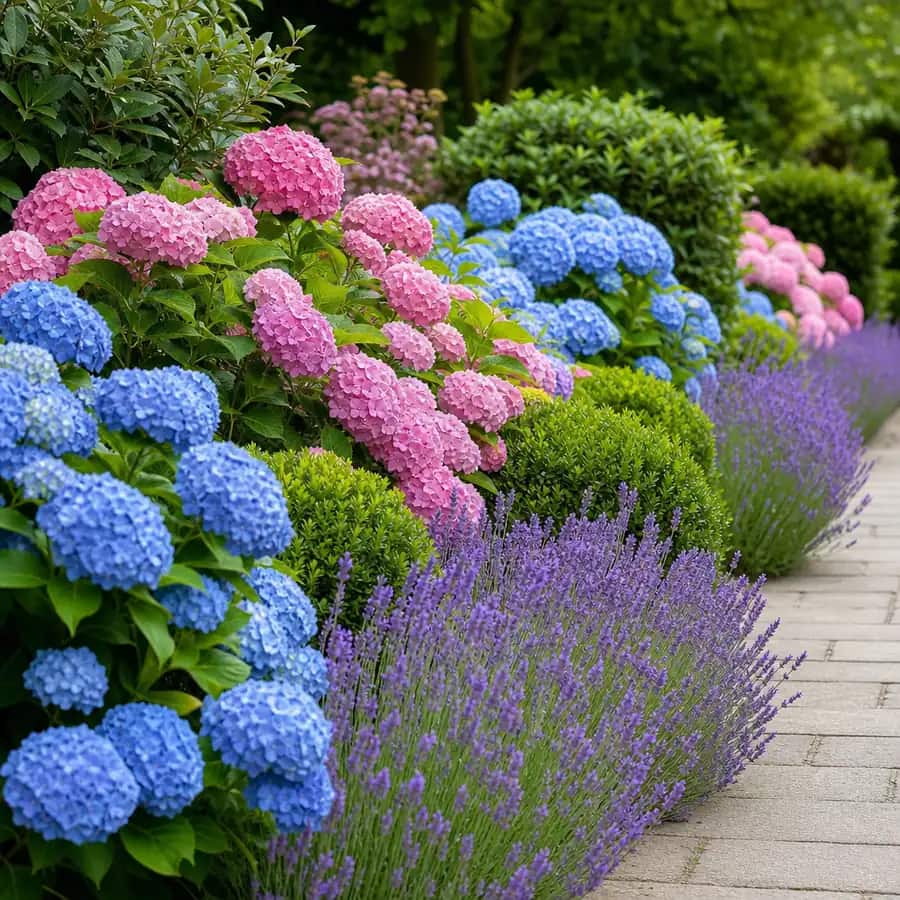 Shrubs & HedgesLavender and hydrangea thrive in the county's well-drained soils and moderate rainfall.View all Shrubs & Hedges →
Local fit, from data
8b
about 15 to 20 F
16
Albany
Shade, privacy, and fruit trees in Linn County start with the right match. Arbor Buddy delivers large, nursery-grown trees by freight to homeowners and contractors across the region. Every tree is matched to your hardiness zone, and Linn County, Oregon (OR) sits in zone 8b. That means mild winters and a long growing season for the right picks.
Linn County sits across 16 ZIP codes, all in zone 8b. Typical winter lows run about 15 to 20 F. That band rules out most citrus that cannot take frost, but it opens a wide window for cold-hardy shade trees, native evergreens, and many flowering ornamentals.
The county's mild winters allow deciduous trees to enter dormancy without deep freezes, then leaf out early in spring. Summers bring moderate heat; afternoon shade helps Japanese maples avoid leaf scorch. For the best results, match your tree to the microclimate of your yard. The western part of the county stays slightly cooler, while the warmer areas near Albany support fig trees and some palms.
In short, trees for zone 8 in Linn County include oaks, cedars, crape myrtles, and cold-hardy fruits. Potted citrus and tender ornamentals need winter protection.
Trees arrive between fall and early spring. For zone 8, that matches mild ground temperatures. You order online and we schedule freight delivery within that window.
Many shade trees, evergreens, crape myrtles, and cold-hardy fruit trees are good fits. For Linn County, species like Bur Oak and Eastern Redcedar perform well. Your selection depends on your yard's sun and space.
Trees are large, nursery-grown at a usable landscape size. Not small seedlings but established plants ready to thrive after planting. Exact size varies by species.
Yes, you can grow several types. Cold-hardy figs like Chicago Hardy Fig produce well. Potted citrus such as Meyer Lemon can be moved indoors in frosty weather. Stone fruits need careful site selection.
Arbor Buddy backs every tree with a 1-Year Thrive Guarantee. If your tree does not survive its first year, we replace it free. Browse the shop, pick your zone match, and schedule delivery to Linn County. Your guarantee starts the day your tree arrives.
In Ventura County, California (CA), zone 9b to 10b keeps winter lows above 25 F. Palms and tropicals grow year-round in the ground there. In practice, buyers here lean toward citrus and tropical foliage. For your cart, that means zone 8 rules out in-ground palms and frost-tender citrus without protection.
Pueblo County, Colorado (CO) sits in zone 5b to 6a with lows down to -15 F. Fruit and citrus are not viable in the ground; only the hardiest apples survive. That gap changes the local shortlist to cold-hardy shade trees and native evergreens. In Linn County, you can grow figs, cold-hardy citrus in pots, and many flowering trees.
Fairfield County, Connecticut (CT) falls in zone 6b to 7a with lows near -5 F. Flowering color is limited to spring-blooming trees and hardy hydrangeas. That gap changes the local shortlist to summer-flowering crape myrtles and Japanese maples that would struggle there. For your cart, that means Linn County's milder winters allow a longer, more colorful bloom season.
What do these contrasts mean for your cart? Linn County's zone 8 extends the options: you can plant cold-hardy fruit trees, heat-tolerant crape myrtles, and broad-canopy shade trees that would fail in colder or warmer climates.
Arbor Buddy ships by freight directly to your Linn County address. Every tree is nursery-grown at a usable landscape size and zone-matched before shipping. Trees headed to zone 8 arrive between fall and early spring, matched to mild ground temperatures. The 1-Year Thrive Guarantee covers replacement if the tree does not survive its first year.
Before delivery day, check:
Enter your ZIP, shop only what thrives in your zone.
Freight delivery to your address: $149 flat per order, shown at checkout.
Plant it, watch it thrive, covered for one year.
Good to know · Growing guide
Coverage runs a full year from delivery. If something goes wrong, contact the team and they arrange the replacement. No store-credit games, no fine-print maze.