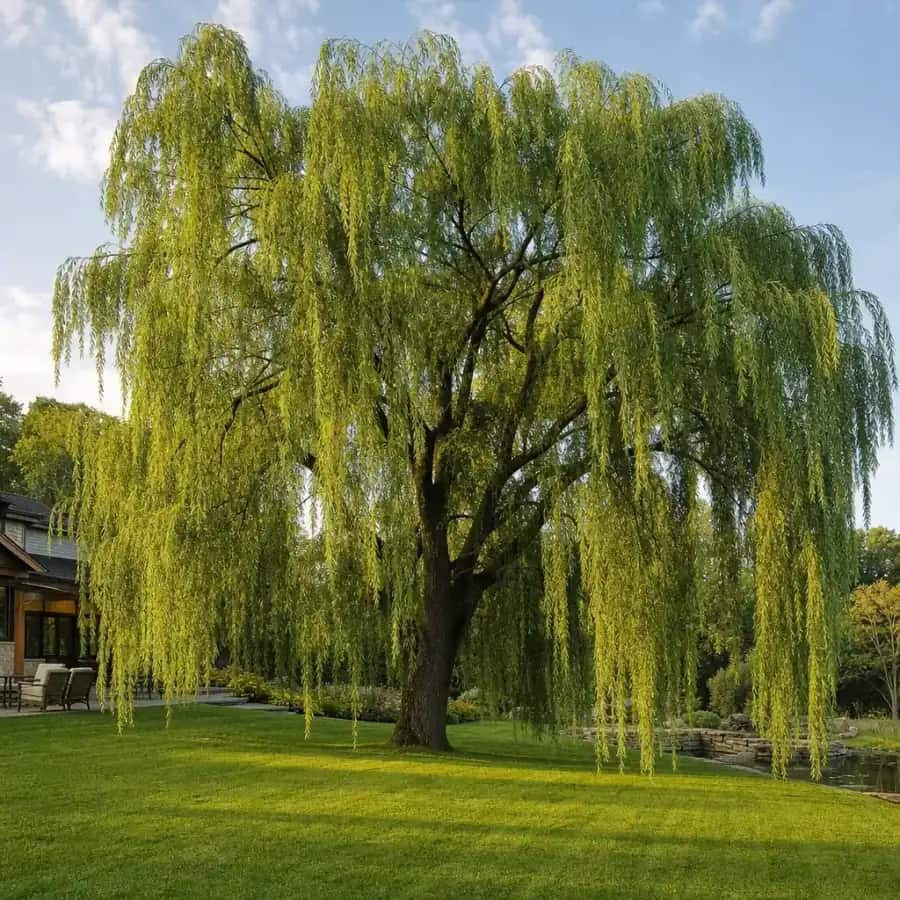
 Zones 4 to 9
Shade Trees
Weeping Willow
$40
Shop large, nursery-grown shade, privacy, flowering and fruit trees, delivered by freight across Texas. Every tree is matched to your hardiness zone and backed by our 1-Year Thrive Guarantee.
Enter your ZIP and we'll match trees to your exact growing zone.
Typical winter lows in Texas run about 5 to 30 F.
Matched to Texas's zones
Zones 4 to 9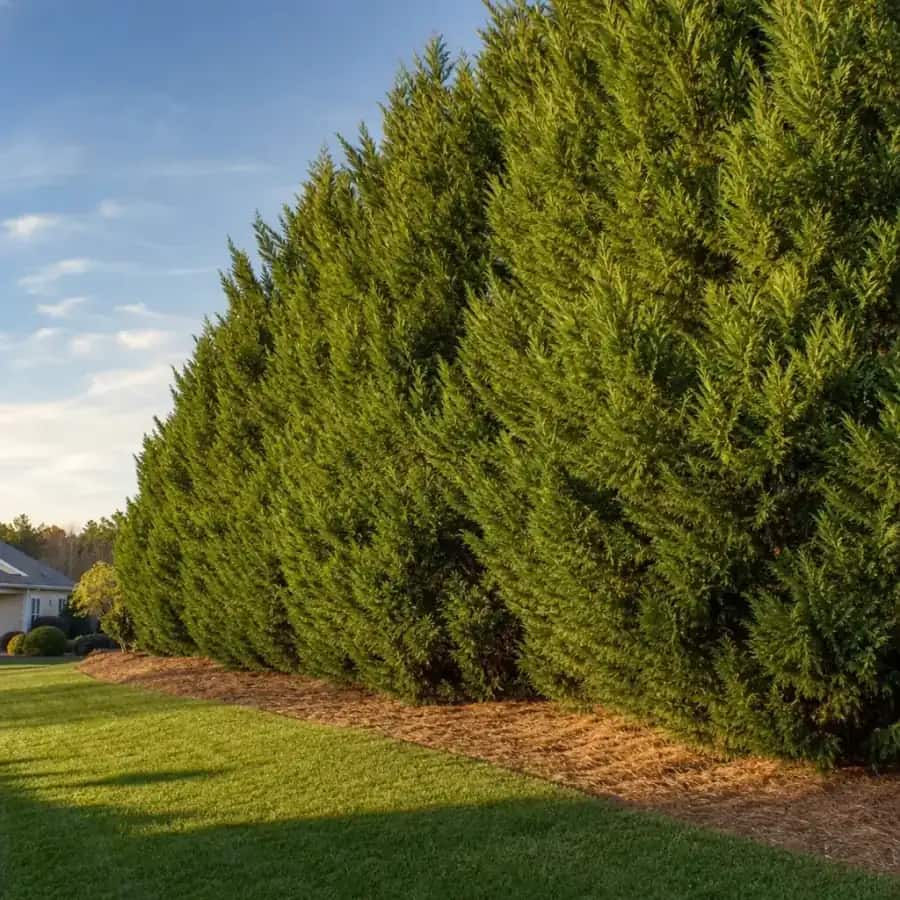 Zones 6 to 10
 Zones 4 to 9
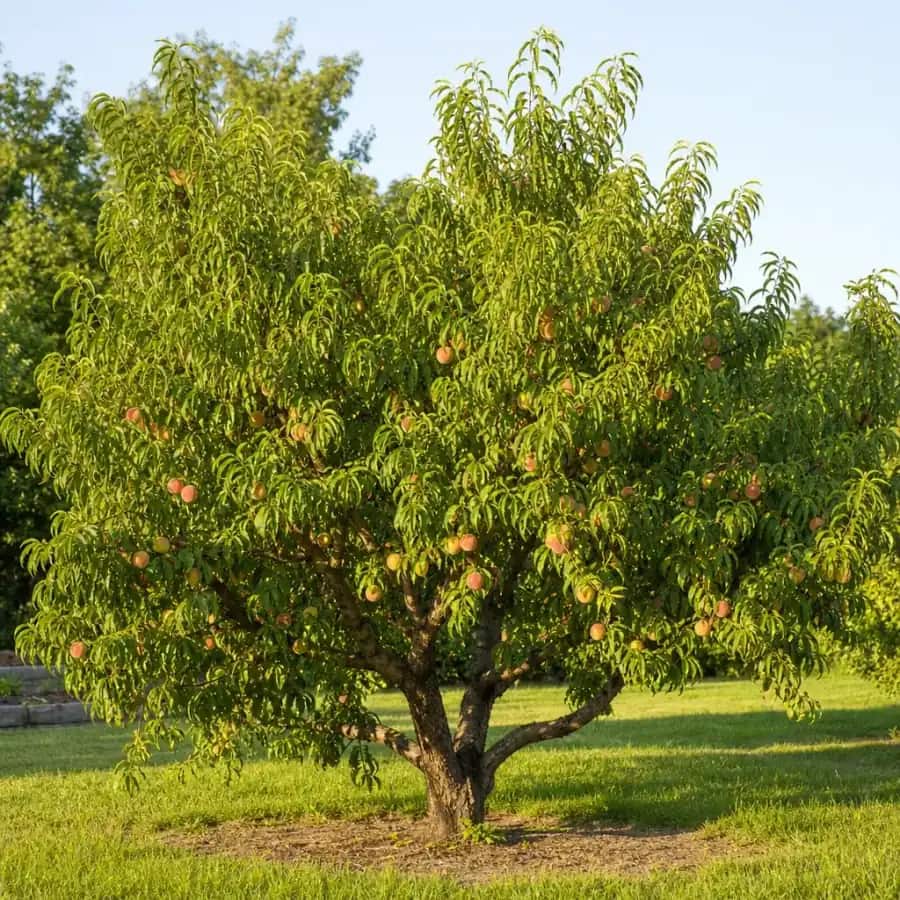 Zones 5 to 9
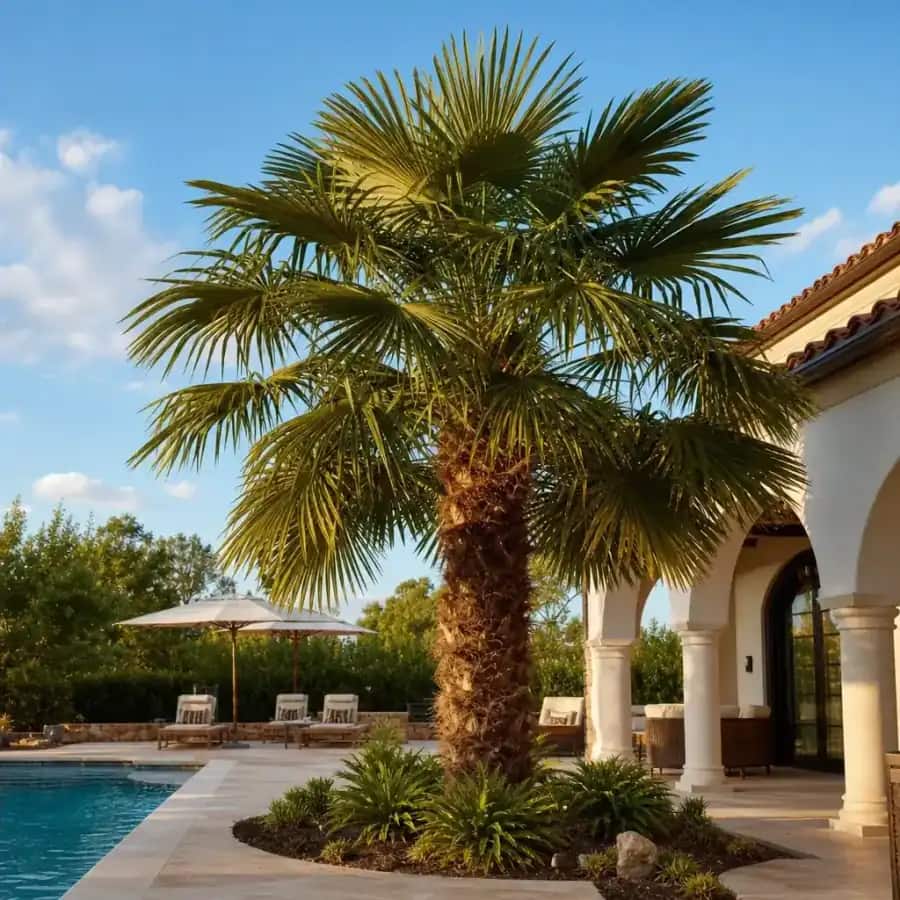 Zones 7 to 11
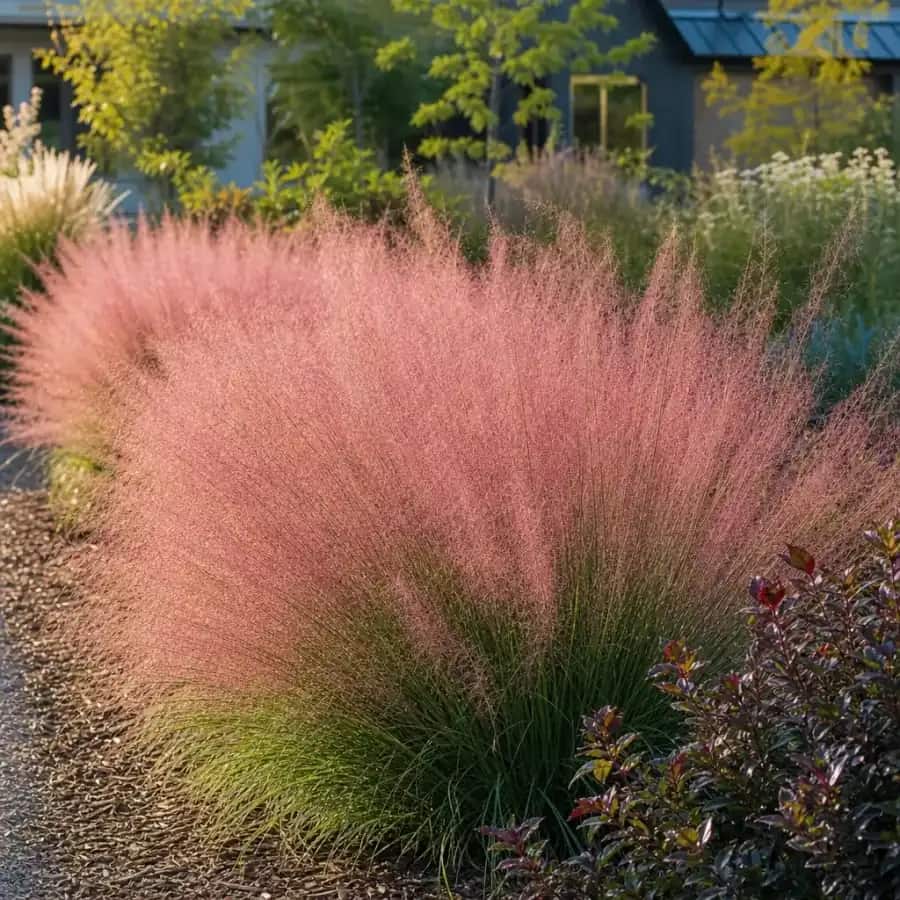 Zones 6 to 9
Shop by category
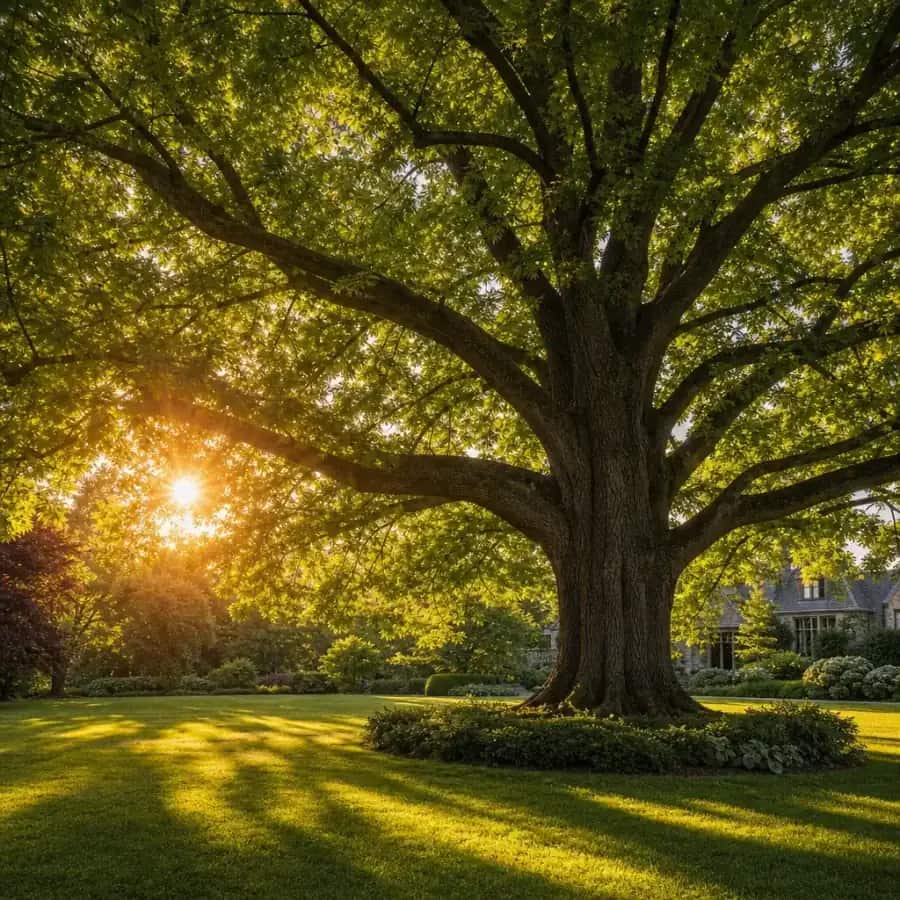 Shade TreesShade trees for Texas handle heat and drought; Chinese Pistachio and Slender Silhouette Sweetgum offer canopy and fall color.View all Shade Trees →
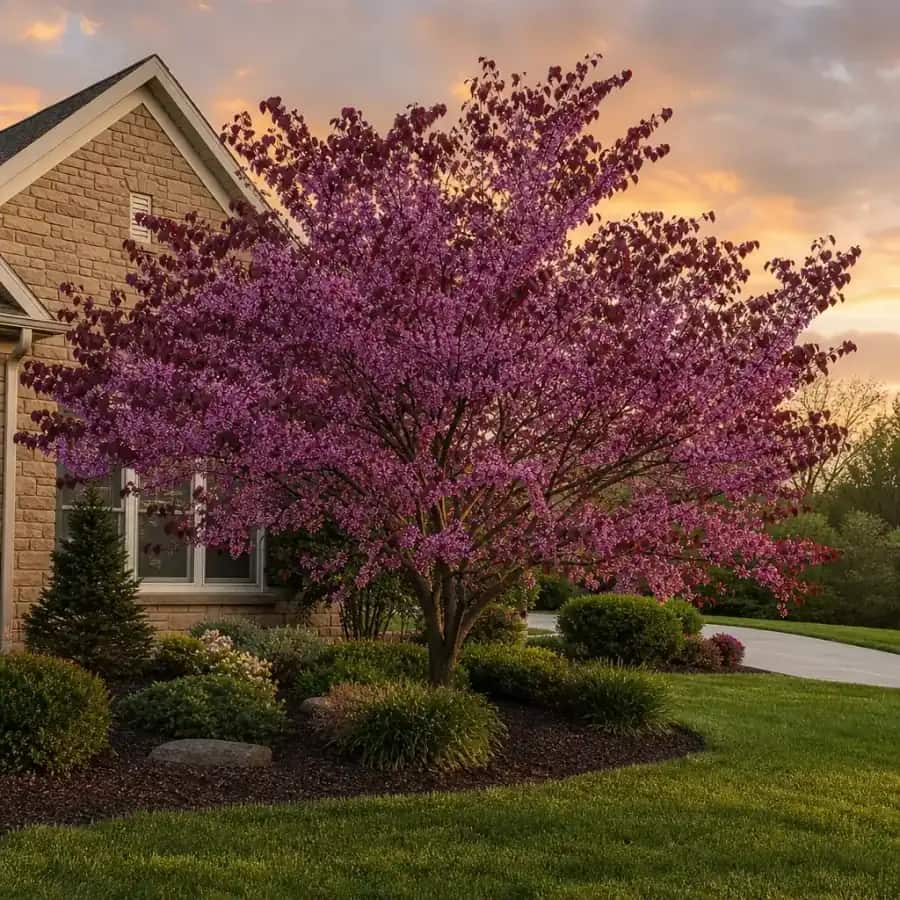
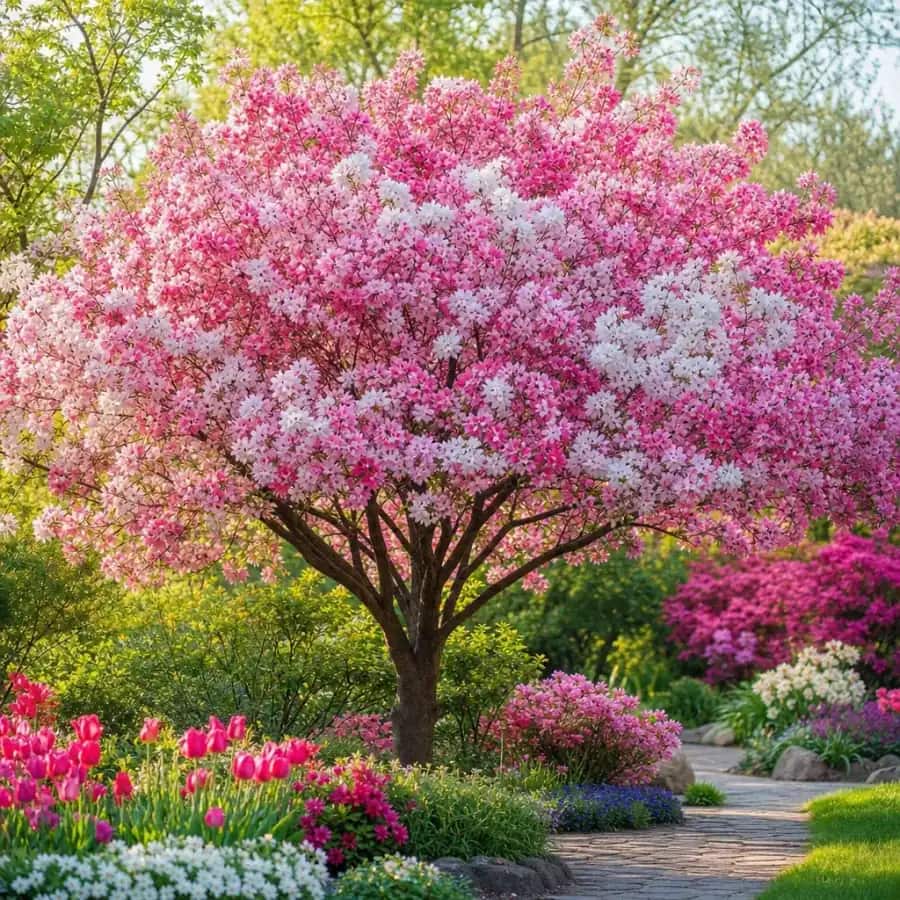 Flowering & OrnamentalFlowering trees like Ruby Falls Weeping Redbud and Desert Willow bring color and withstand Texas summer heat.View all Flowering & Ornamental →
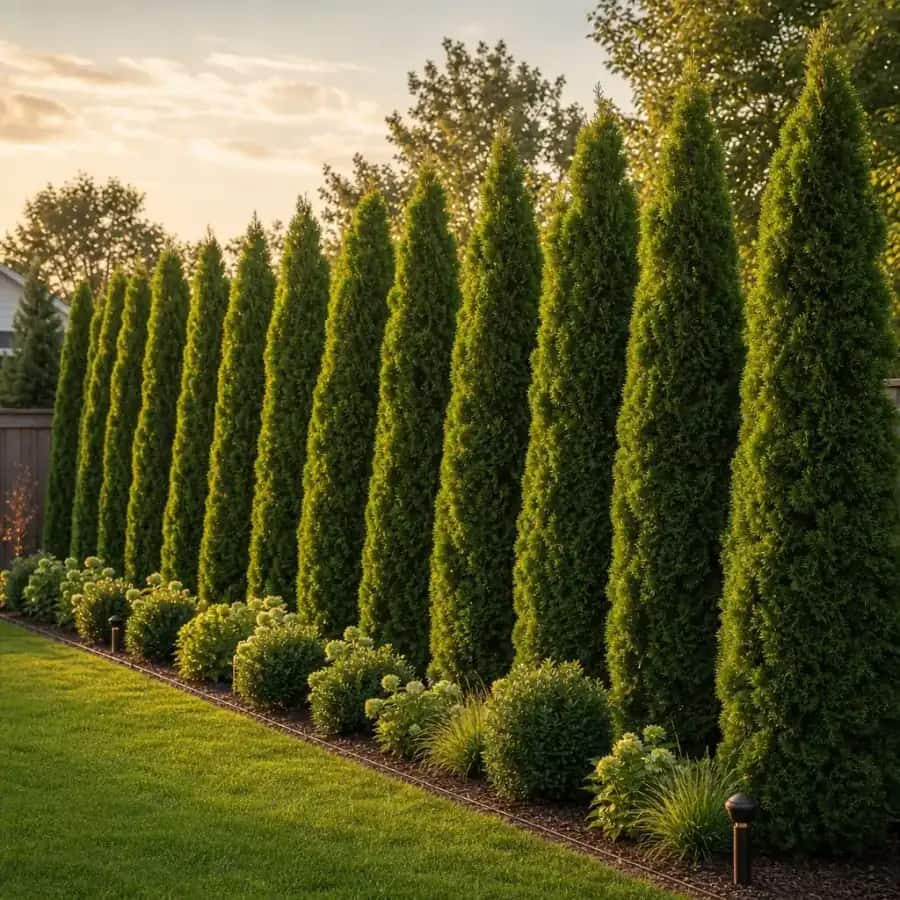 Evergreen & PrivacyEvergreen trees for Texas include Bald Cypress and Leyland Cypress, but check heat tolerance for your area.View all Evergreen & Privacy →
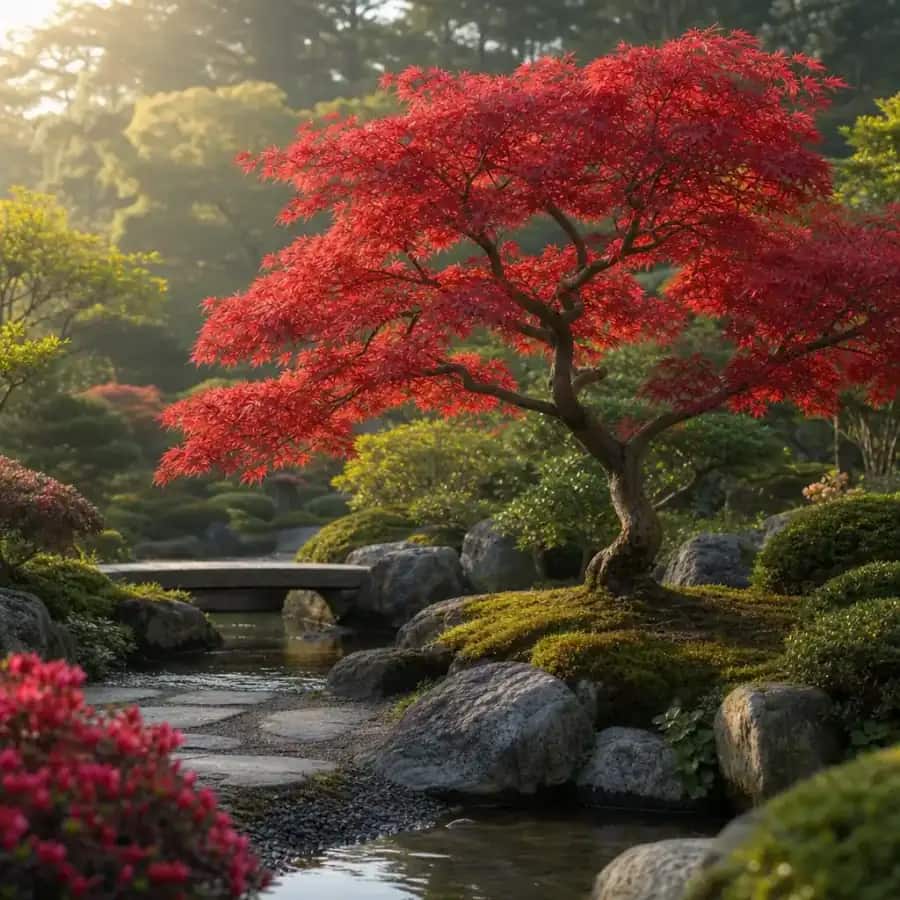 Japanese MaplesJapanese maples like Seiryu and Crimson Queen need protection from afternoon sun in Texas heat.View all Japanese Maples →
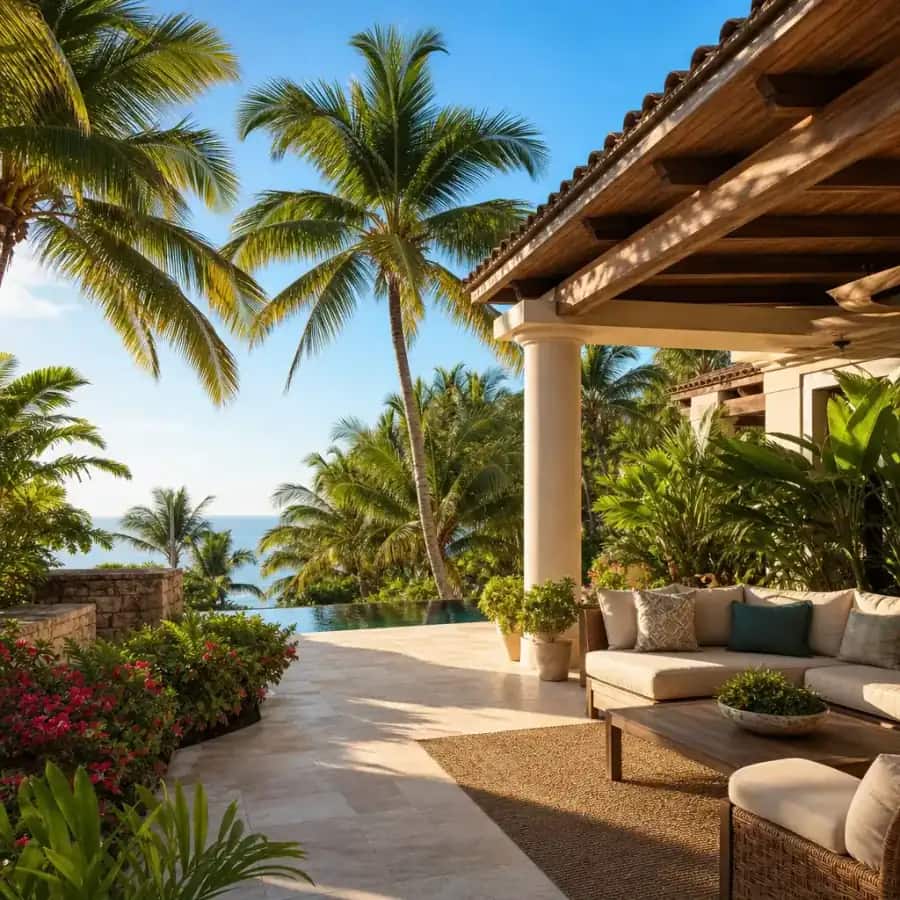 Palms & TropicalsPalms for Texas include Chinese Windmill Palm and Dwarf Palmetto, suited for warmer zones with some shade.View all Palms & Tropicals →
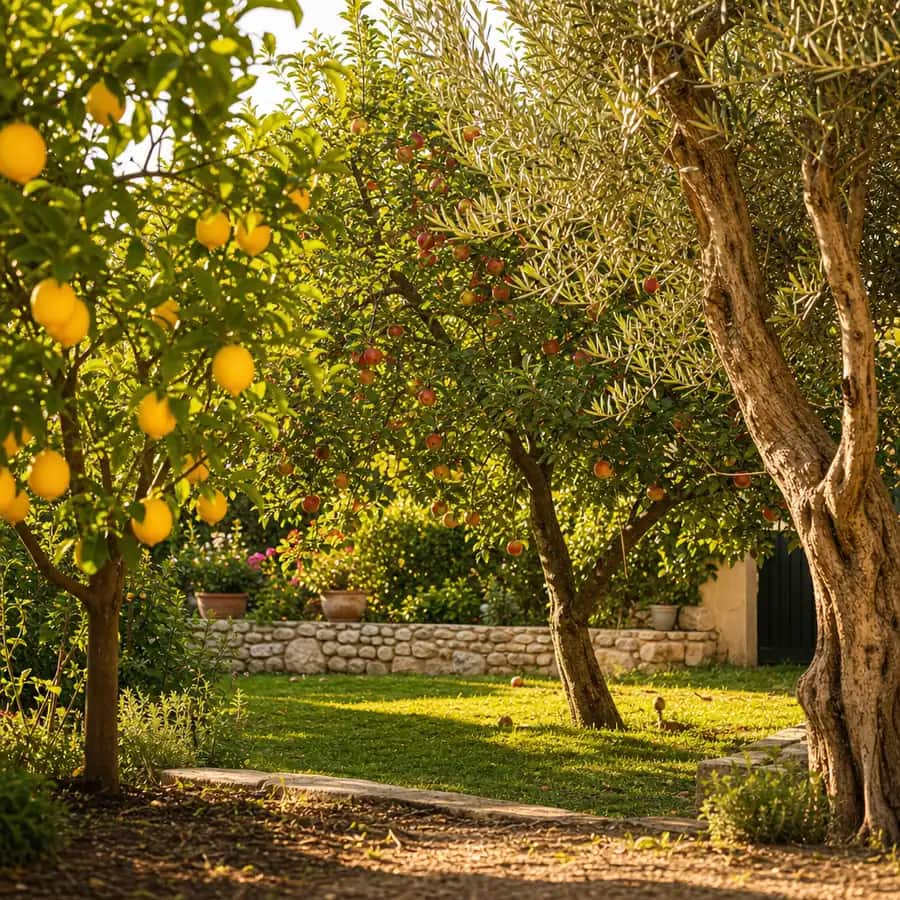 Fruit TreesFruit trees such as Chicago Hardy Fig and Cold Hardy Avocado can produce in Texas with proper zone matching.View all Fruit Trees →
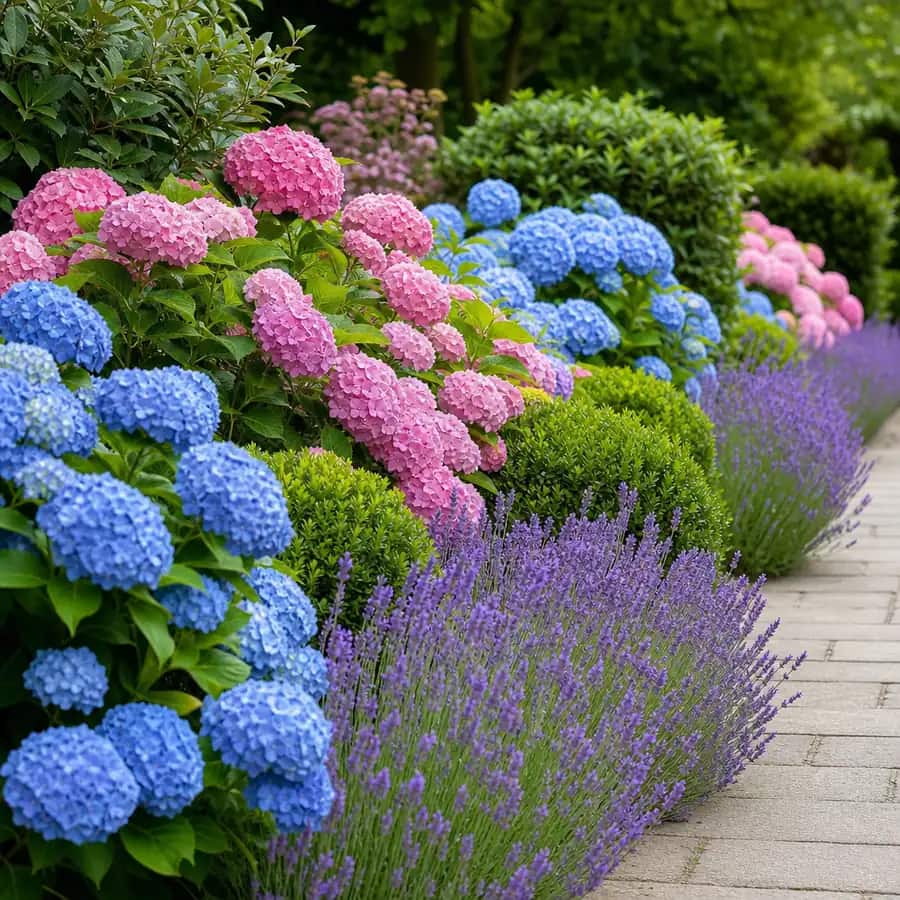 Shrubs & HedgesShrubs like Endless Summer Hydrangea and Nellie Stevens Holly offer structure and seasonal interest in Texas gardens.View all Shrubs & Hedges →
Local fit, from data
Trees for sale in Texas from Arbor Buddy are large, nursery-grown trees shipped by freight to homeowners and contractors. Main categories include shade, flowering, privacy, fruit, and palms. Every tree is matched to Texas's hardiness zones, which range from 6b to 10b with winter lows from 5 to 30 degrees Fahrenheit.
Texas spans USDA hardiness zones 6b to 10b, meaning winter lows range from about 5 to 30 degrees Fahrenheit. The coldest areas, covering about 60% of the state's ZIPs, fall in zones 7b to 8b. These northern and central parts can support trees that need moderate winter chill, such as Elberta Peach.
The core 9a zone, about 24% of ZIPs, offers milder winters suitable for live oaks and crape myrtles. The warmest 9b zones, around 16%, can grow palms and tropicals with care. When choosing trees for zone 8 in Texas, look for heat-tolerant species that handle summer drought and periodic cold snaps.
Shade trees and flowering ornamentals generally thrive across the state, while Japanese maples need afternoon shade in hotter areas. Palms and tropicals perform best in the warmest zones with some protection from intense sun.
Trees ship for a fall or early-spring window, ahead of summer heat. This timing helps trees establish roots before the hottest months in Texas zone 8.
Many trees grow in zone 8, including Live Oak, Italian Cypress, Natchez Crape Myrtle, and Chinese Elm. Texas zone 8 covers areas with winter lows from 10 to 20 degrees, so choose trees hardy to at least zone 7.
Fast-growing trees for Texas include Chinese Elm and certain crape myrtles. Chinese Elm can add several feet per year in good conditions, giving you quicker shade.
Arbor Buddy matches every tree to your USDA hardiness zone before shipping. You only see trees that will survive in your area. The 1-Year Thrive Guarantee gives added confidence.
For shade, privacy, flowering, fruit, and accent trees matched to Texas's hardiness zones, Arbor Buddy ships large, nursery-grown trees with a 1-Year Thrive Guarantee. Browse the trees suited to your zone and order online.
Texas spans a wider hardiness range than Florida (FL). Florida's zones run from 8b to 11b with winter lows around 20 to 45 degrees Fahrenheit, while Texas can see lows down to 5 degrees. This means Texas must incorporate more cold-hardy trees, especially in the northern and central parts. Florida's consistent warmth allows a broader selection of tropical fruit trees and palms year-round. For Texas buyers, focus on trees that handle both heat and occasional frost, unlike Florida's more consistently warm climate.
Arbor Buddy delivers large, nursery-grown trees by freight to locations across Texas. A responsible adult must be present to receive and inspect the tree. Every tree is zone-matched before shipping. If your tree does not survive its first year, the 1-Year Thrive Guarantee provides a free replacement. Your zone 8 order ships for a fall or early-spring window, ahead of summer heat.
Before delivery day, check:
Enter your ZIP, shop only what thrives in your zone.
Freight delivery to your address: $149 flat per order, shown at checkout.
Plant it, watch it thrive, covered for one year.
Good to know · Growing guide
| Category | Strongest at | Keep in mind |
|---|---|---|
| Shade trees | Fast canopy that cuts summer cooling load | Drop their leaves each fall |
| Evergreen & privacy | Year-round screening along lines and pools | Narrower habit, so a screen takes several |
| Flowering & ornamental | Weeks of seasonal color and curb appeal | Less structure than a full shade tree |
| Fruit trees | Citrus, figs and olives are realistic backyard fruit where the zone allows. | Want the warmest suitable spot in the yard |
| Japanese maples & accents | Courtyards, entries, and tight corners | Happiest out of the harshest afternoon sun |
| Ornamental grasses | Texture and movement on very little water | Softest structure of the group |
Coverage runs a full year from delivery. If something goes wrong, contact the team and they arrange the replacement. No store-credit games, no fine-print maze.