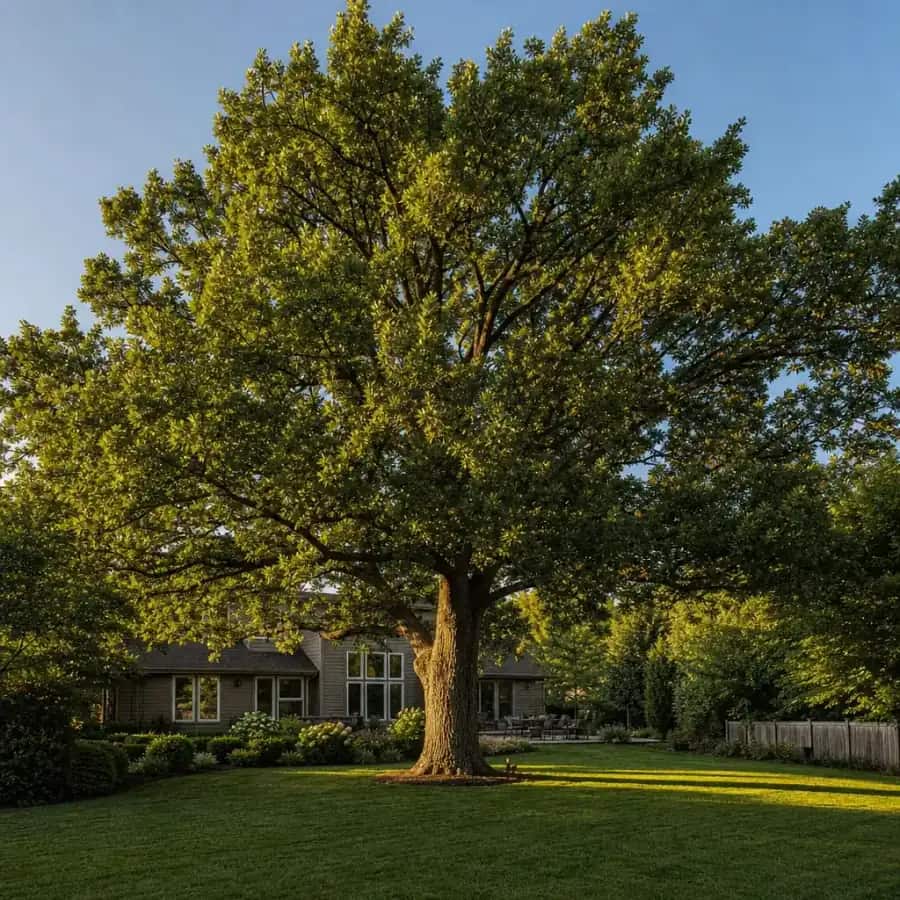
 Zones 3 to 8
Shade Trees
Bur Oak
$490
Shop large, nursery-grown shade, privacy, flowering and fruit trees, delivered by freight in Armstrong County. Every tree is matched to your hardiness zone and backed by our 1-Year Thrive Guarantee.
Enter your ZIP and we'll match trees to your exact growing zone.
Typical winter lows in Armstrong County run about 0 to 5 F.
Matched to Armstrong County's zones
Zones 3 to 8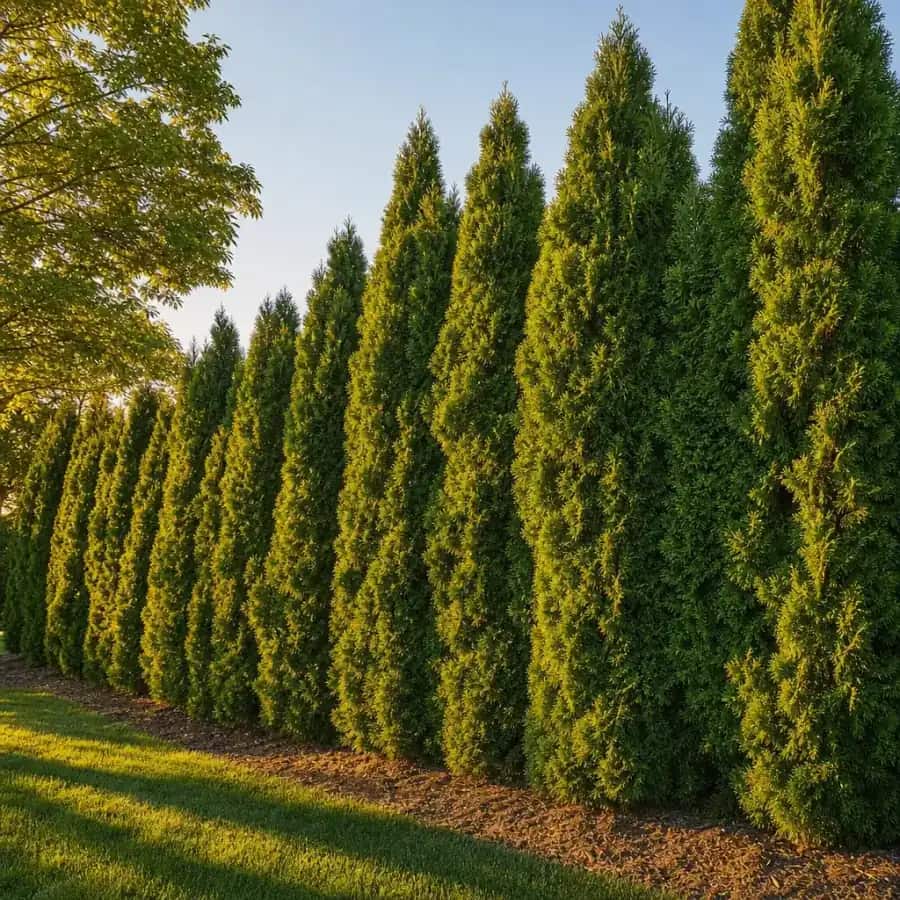 Zones 5 to 8
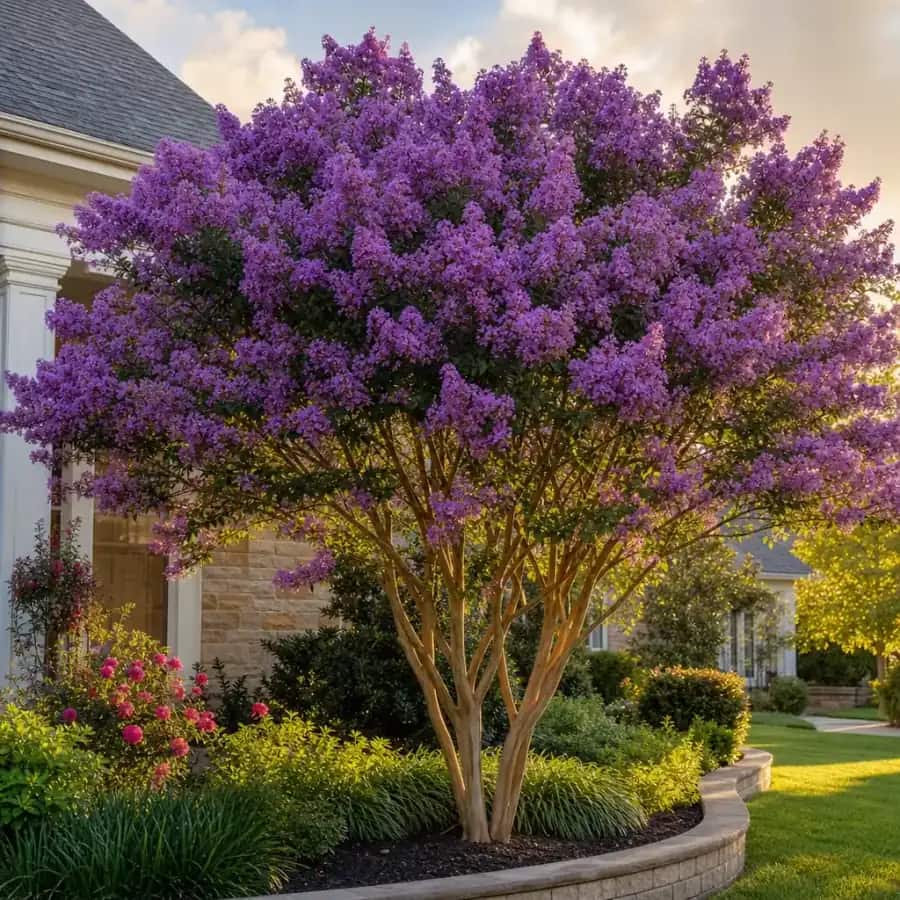 Zones 7 to 9
 Zones 5 to 9
 Zones 5 to 8
 Zones 6 to 10
Shop by category
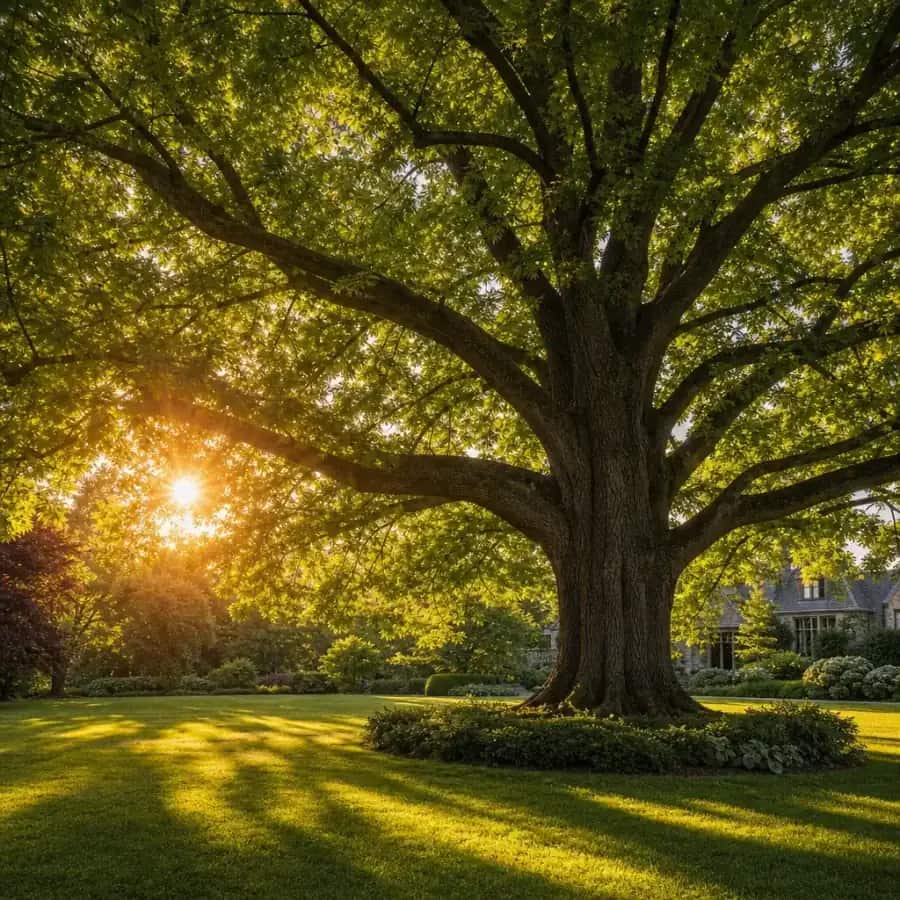 Shade TreesLarge oaks and maples that cool the yard and handle Armstrong County's cold snaps.View all Shade Trees →
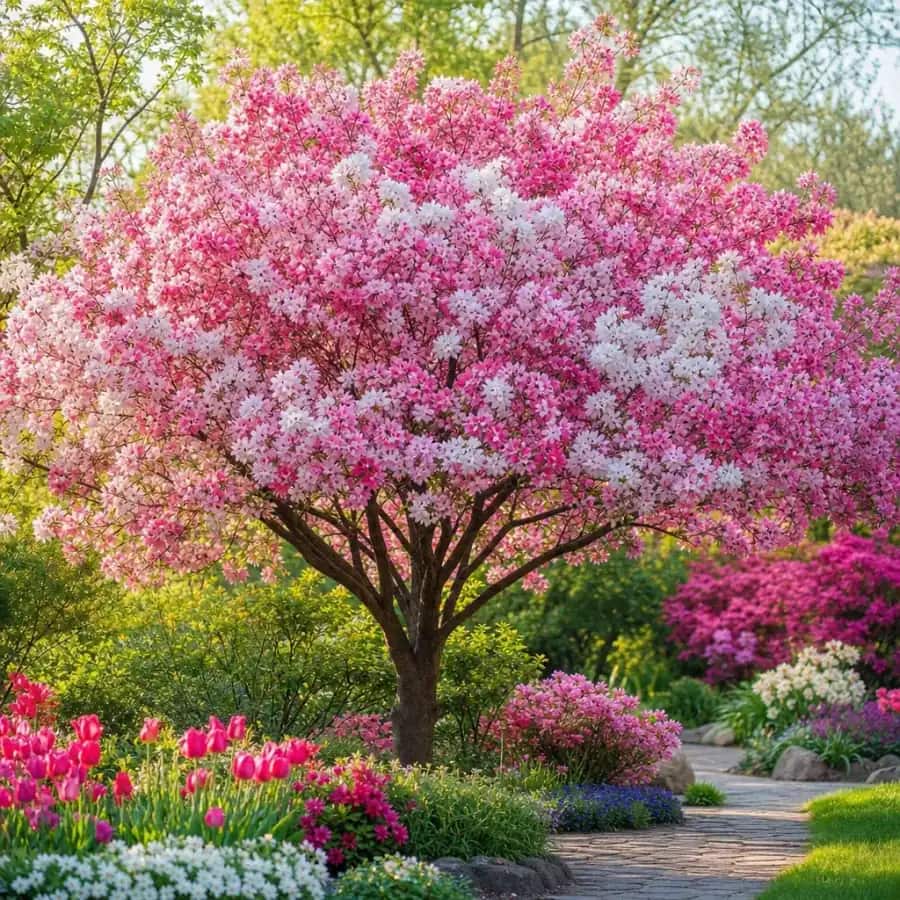 Flowering & OrnamentalTrees like redbuds and crape myrtles that bloom reliably in zone 7a.View all Flowering & Ornamental →
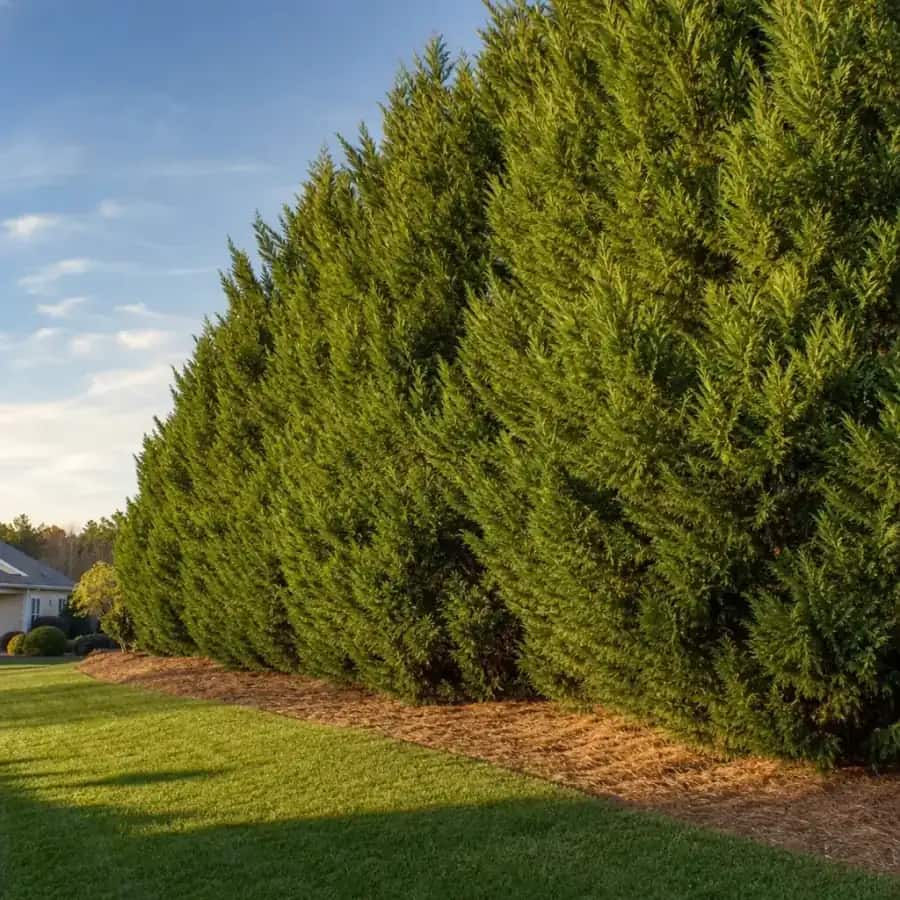
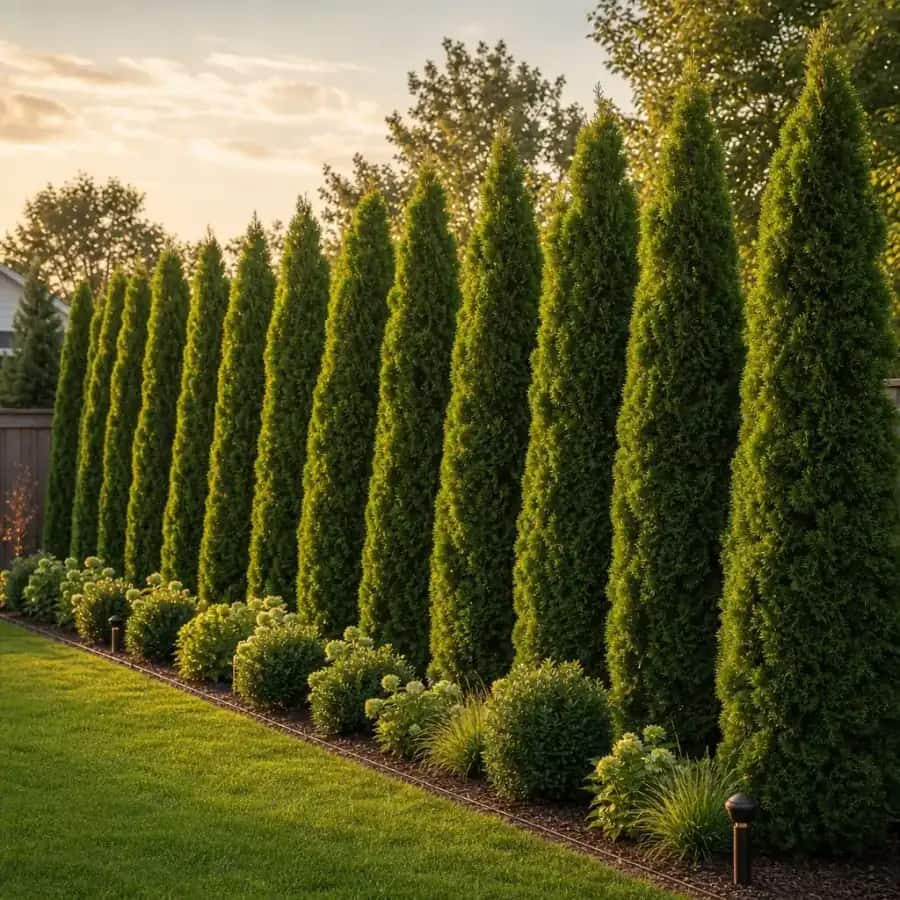 Evergreen & PrivacyColumnar junipers and hollies that screen views year-round with minimal pruning.View all Evergreen & Privacy →
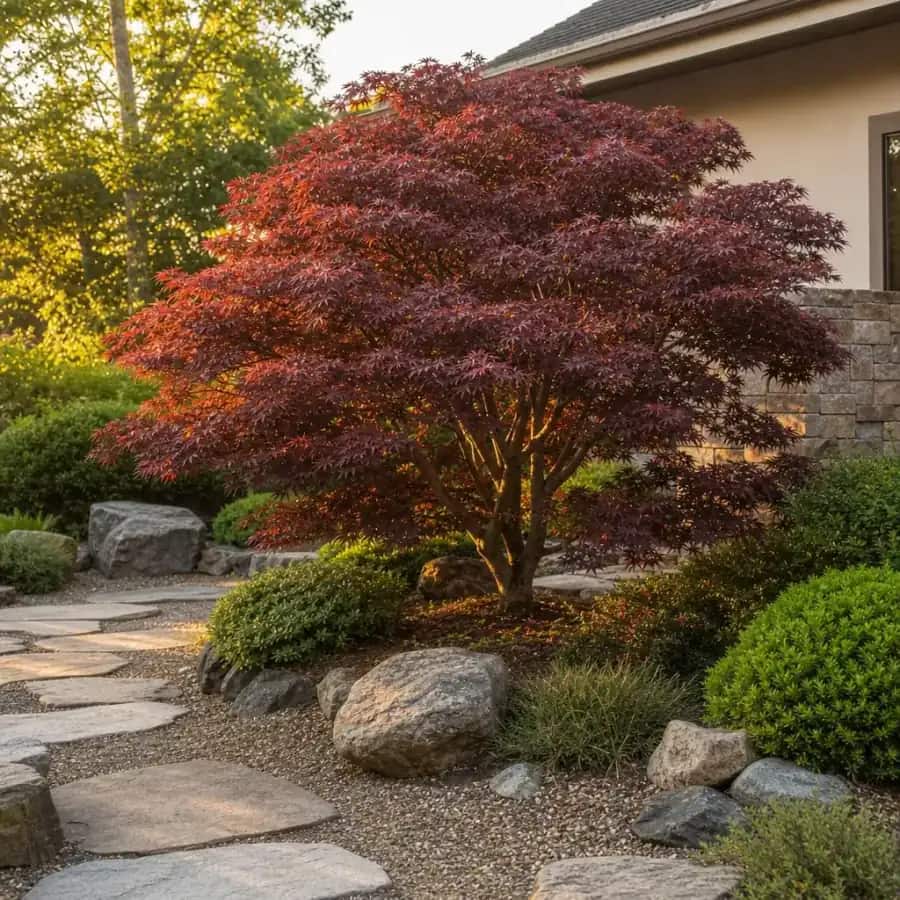
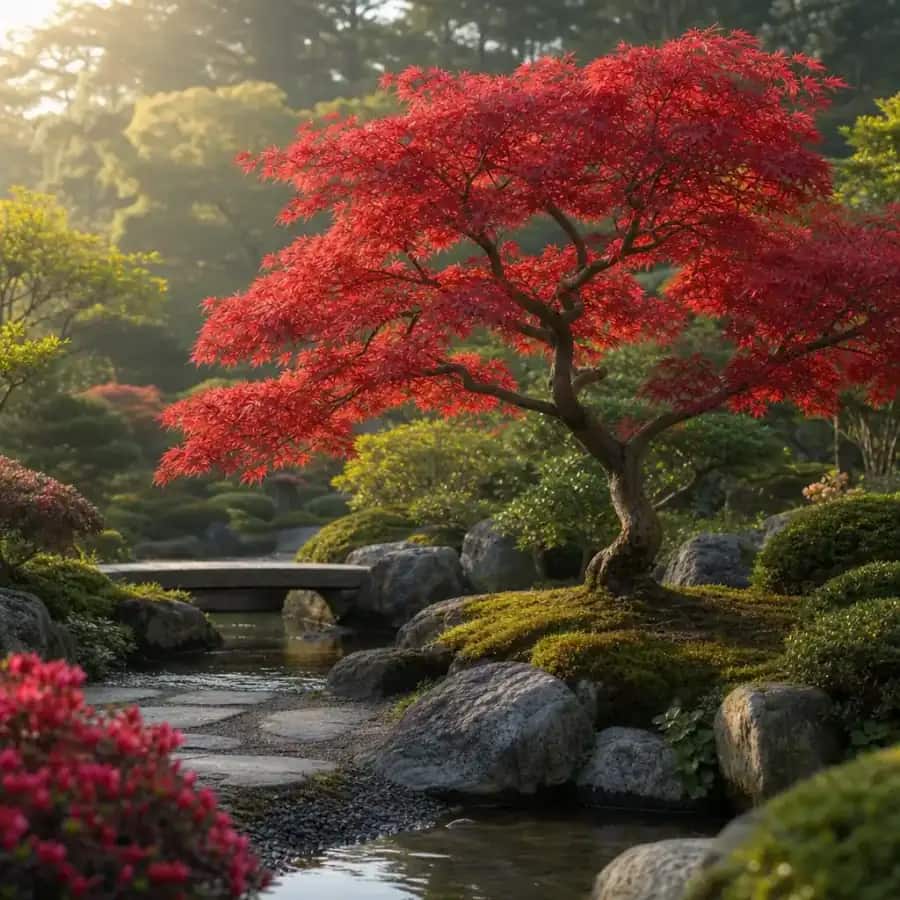 Japanese MaplesLaceleaf and upright varieties that thrive in sheltered spots away from hot afternoon glare.
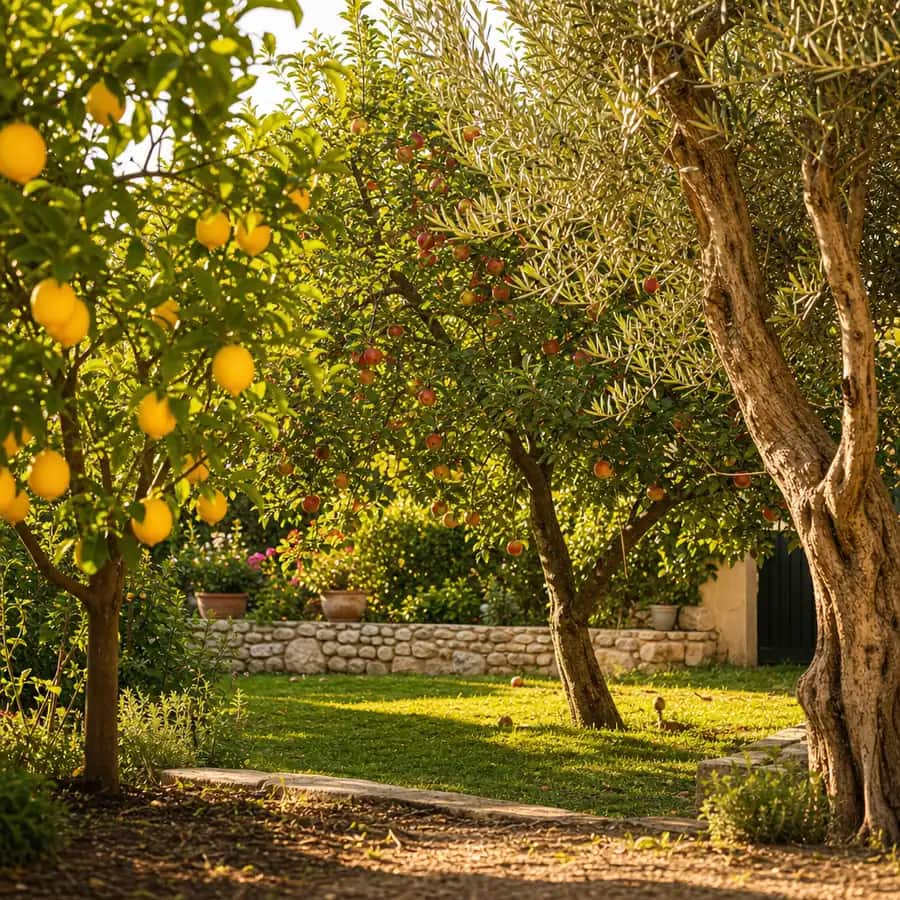 Fruit TreesSweet cherries, figs, and apples that need a compatible pollinator for a good yield.View all Fruit Trees →
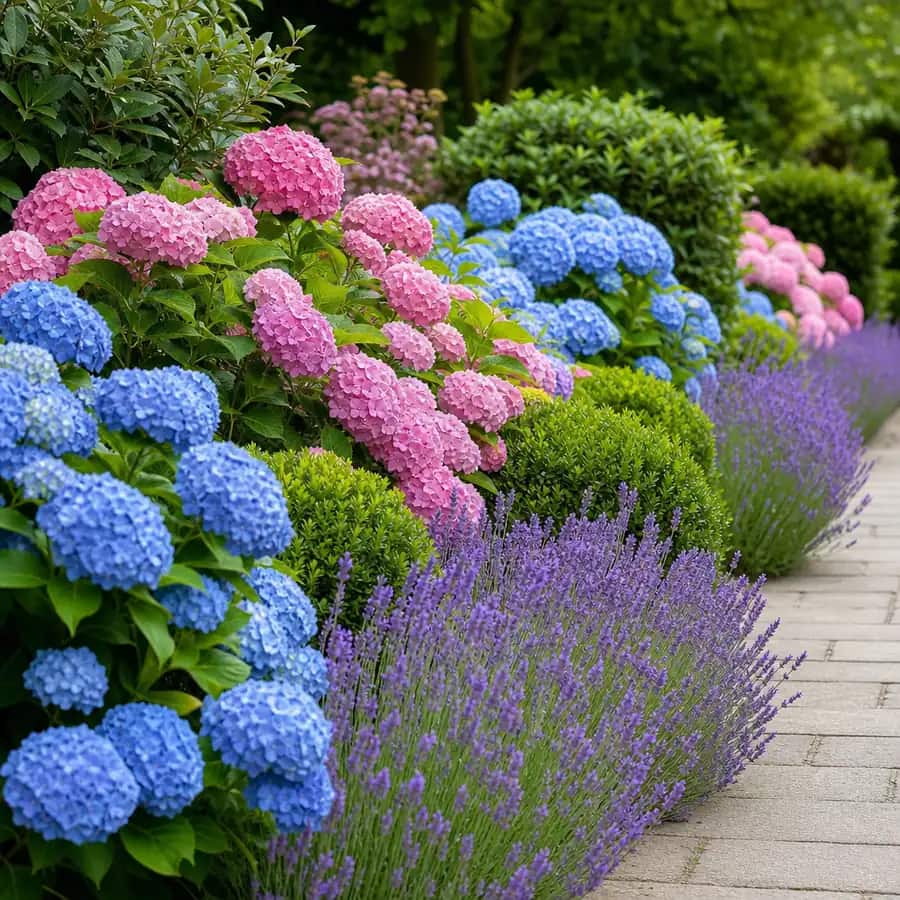 Shrubs & HedgesCompact evergreens and flowering shrubs for borders and foundation plantings.View all Shrubs & Hedges →
Local fit, from data
7a
about 0 to 5 F
2
Claude
Need shade, privacy, and fruit trees in Armstrong County? Arbor Buddy delivers large, nursery-grown trees straight to your door by freight. Homeowners and contractors across Armstrong County, Texas (TX) can order a tree that is zone-matched to the local hardiness zone 7a. The selection includes top-quality options from shade and flowering trees to Japanese maples and palms. Each tree ships at a usable landscape size and is backed by a 1-Year Thrive Guarantee.
Armstrong County sits in USDA hardiness zone 7a, with typical winter lows that run about 0 to 5 degrees Fahrenheit. The county covers 2 ZIP codes, and the western part near Claude can be a tad drier than areas to the east. Winters are cold enough to kill back borderline tropicals, but the zone span means most deciduous trees and many evergreens are a reliable fit.
The heat of summer arrives with low humidity and frequent dry spells. That makes well-established shade trees a smart investment for cooling the yard. Trees for zone 7 in Armstrong County need to handle a cool winter followed by a hot, rain-sparse summer. The featured selections above have been matched by Arbor Buddy's team to thrive under these conditions.
Many trees thrive in zone 7, including oaks, redbuds, crape myrtles, junipers, and many fruit trees. Armstrong County's zone 7a winters hit 0 to 5 degrees, so any tree labeled hardy to zone 7 or colder will grow here. Arbor Buddy matches every tree to your local hardiness zone before shipping.
Shumard Oak is a top choice for shade in Armstrong County. It is a fast-growing oak that reaches a large size and provides red fall color. Other good options include American Sycamore and autumn-blaze red maples, which also handle the county's 7a winter lows and dry summers.
The 1-Year Thrive Guarantee means that if any tree purchased from Arbor Buddy does not survive its first year in the ground, we will send a free replacement tree. You just need to follow the basic planting and watering instructions that come with your order. No questions asked.
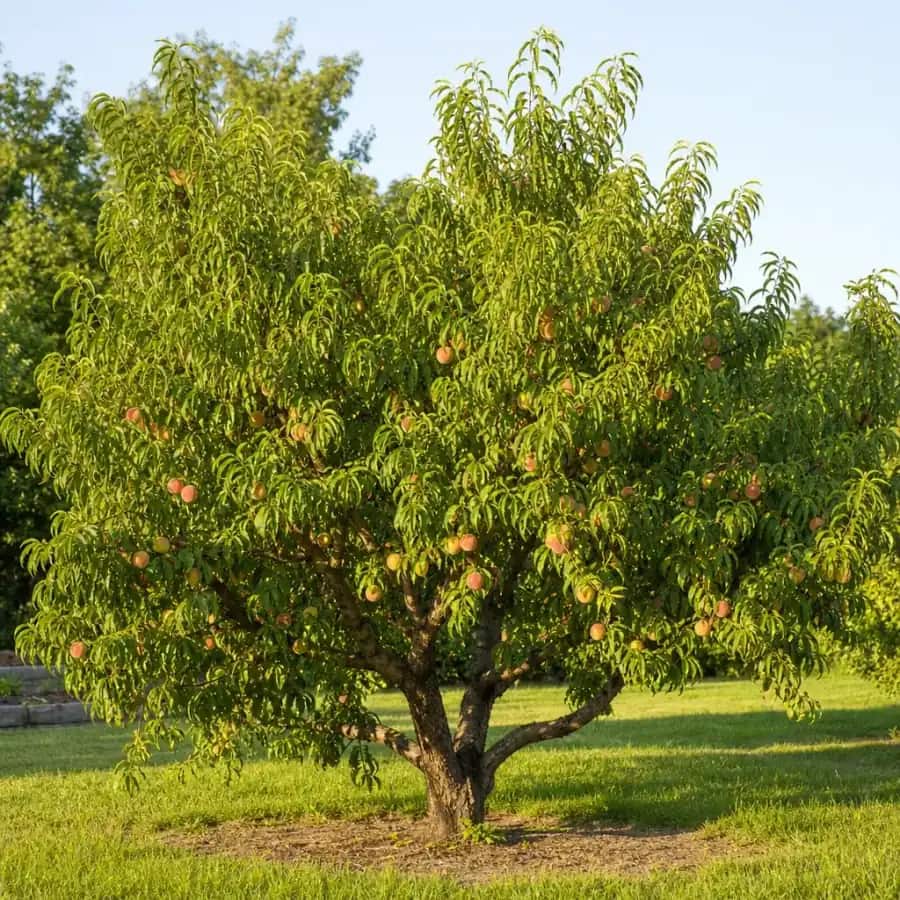
Yes, fruit trees can grow and bear in Armstrong County, but you must choose varieties suited to zone 7a. The Bing Cherry tree will produce fruit, but it requires a second compatible sweet cherry nearby for pollination, and its blossoms are frost-tender. Figs and certain apple varieties also do well here.
Waukesha County, Wisconsin (WI) sits in zone 5b with winter lows of -15 to -10 F. That zone is about two full steps colder than Armstrong County. In practice, buyers here lean toward extremely cold-hardy conifers and maples that can survive deep freezes. Japanese maples, for instance, are rarely a safe bet there, whereas Armstrong County's zone 7a lets you grow laceleaf varieties like Seiryu with just a bit of afternoon shade. That gap changes the local shortlist to a much broader palette.
Albany County, Wyoming (WY) covers zones 4a to 5b, with typical winter lows of -30 to -10 F. The cold is far more punishing than what Armstrong County sees. Fruit and citrus viability is nearly zero in Albany County without heavy winter protection. For your cart, that means you can confidently plant a Bing Cherry tree here, while Wyoming growers have to limit themselves to super-hardy apples and plums.
Washington County, Vermont (VT) is in zones 4b to 5a, with winter lows of -25 to -15 F. Palms and tropicals are out of the question in Vermont. In Armstrong County, you can grow a Dwarf Palmetto Palm without special winter wrapping. That changes the local shortlist dramatically. For your cart, that means you have the freedom to add an exotic accent that northern homeowners must skip.
The bottom line for Armstrong County buyers: your zone 7a climate opens the door to a much wider selection of trees than colder regions, including Japanese maples, sweet cherries, and small palms. Stick with species matched to your local conditions, and the 1-Year Guarantee covers your investment.
When you order from Arbor Buddy, a large nursery-grown tree is loaded onto a freight truck and delivered to your address in Armstrong County. The tree arrives at a usable landscape size, not a tiny sapling, and is zone-matched to 7a before it ships. Zone 7 orders travel in the spring and fall windows on either side of summer. Every tree is backed by a 1-Year Thrive Guarantee, which means a free replacement if it does not survive its first year.
Before delivery day, check:
Ordering from Arbor Buddy is simple: browse the trees matched to zone 7a, choose the ones that fit your yard, and place your order online. We ship large nursery-grown trees by freight to your home in Armstrong County, Texas. Every tree arrives with the 1-Year Thrive Guarantee so you can plant with confidence. Start browsing the collection today.
Enter your ZIP, shop only what thrives in your zone.
Freight delivery to your address: $149 flat per order, shown at checkout.
Plant it, watch it thrive, covered for one year.
Good to know · Growing guide
Coverage runs a full year from delivery. If something goes wrong, contact the team and they arrange the replacement. No store-credit games, no fine-print maze.