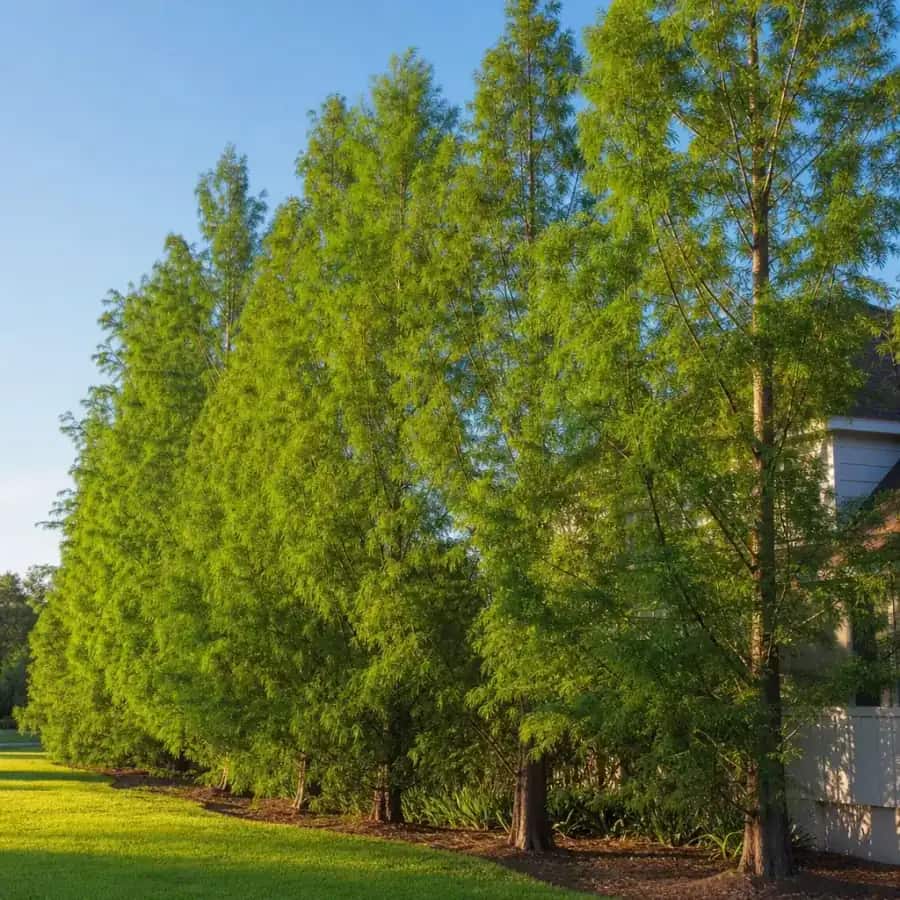
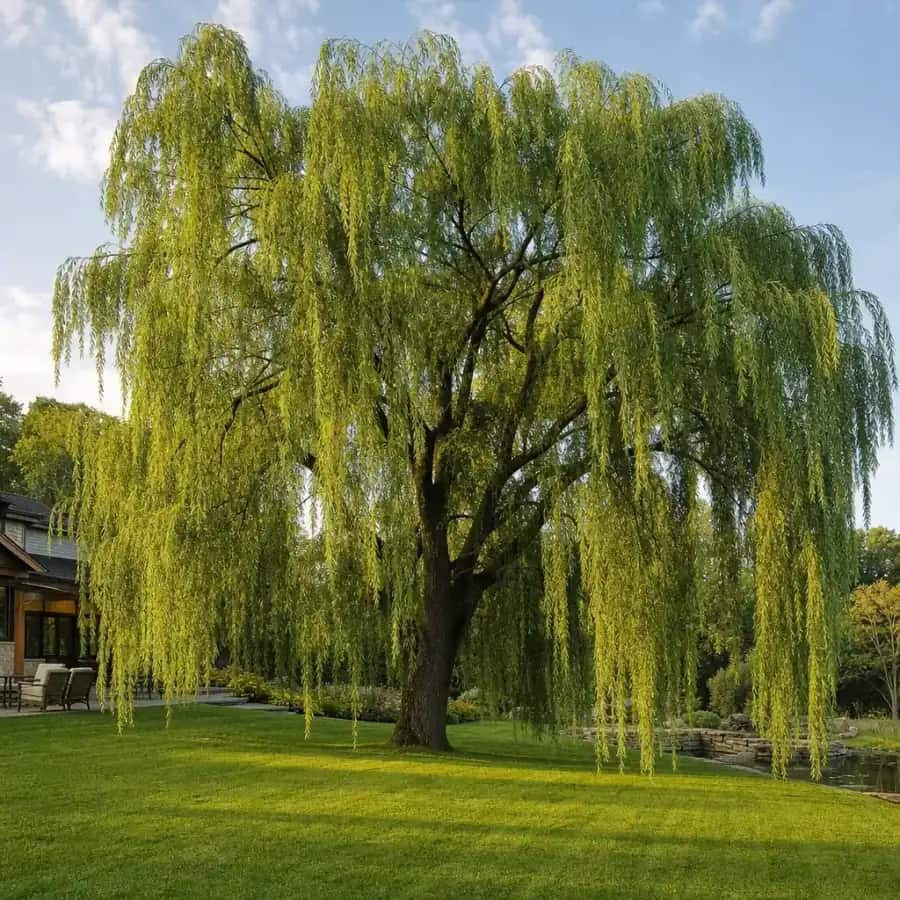
 Zones 4 to 9
Shade Trees
Weeping Willow
$40
Shop large, nursery-grown shade, privacy, flowering and fruit trees, delivered by freight across Washington. Every tree is matched to your hardiness zone and backed by our 1-Year Thrive Guarantee.
Enter your ZIP and we'll match trees to your exact growing zone.
Typical winter lows in Washington run about -5 to 25 F.
Matched to Washington's zones
Shop by category
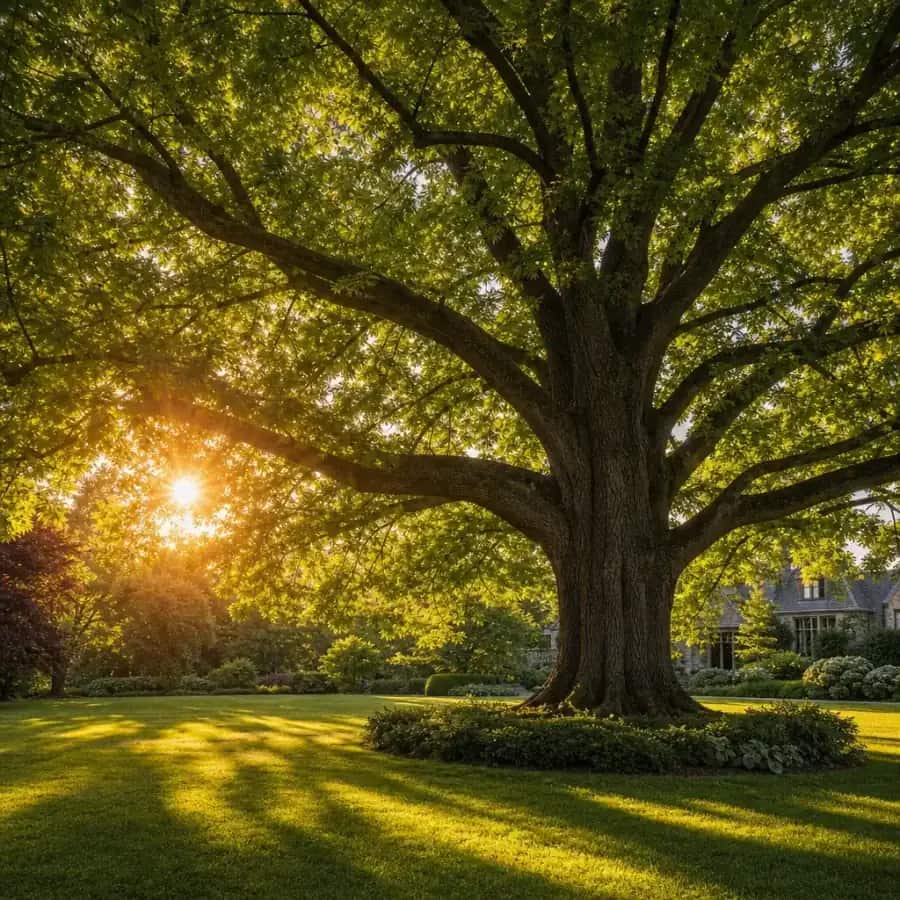 Shade TreesShumard Oak, weeping willow, and river birch cast deep shade and handle Washington's wet winters.View all Shade Trees →
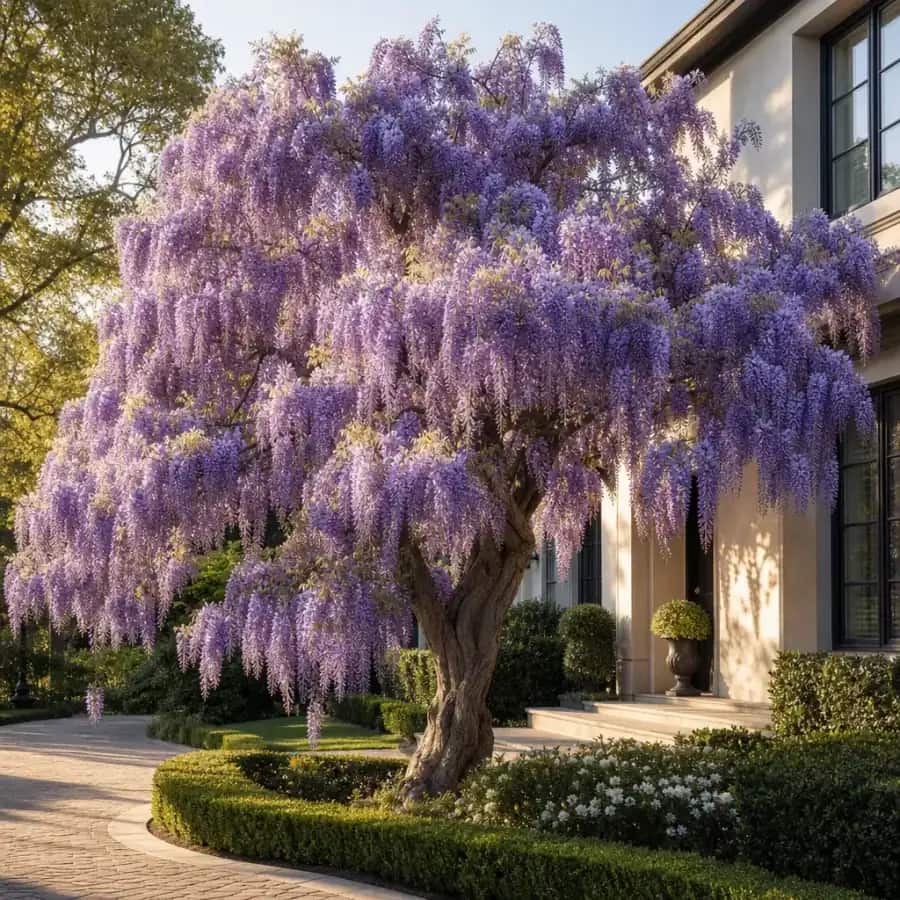
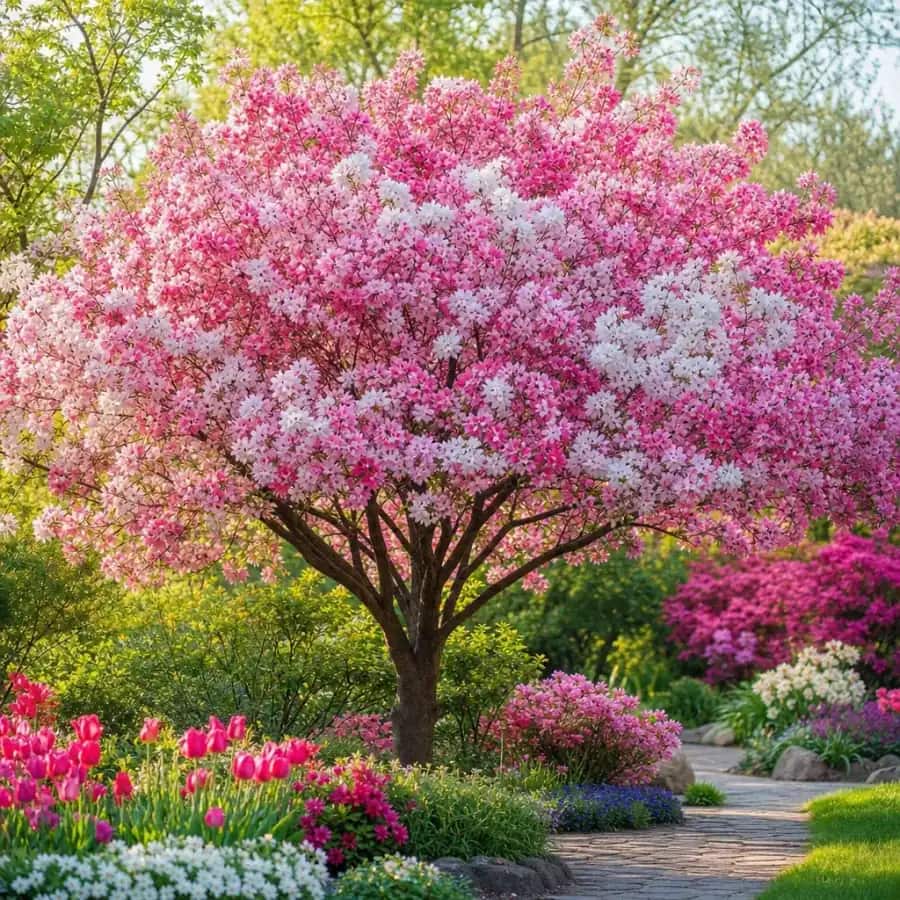 Flowering & OrnamentalEastern redbud and Mexican plum bring spring color that lasts through cool summers.View all Flowering & Ornamental →
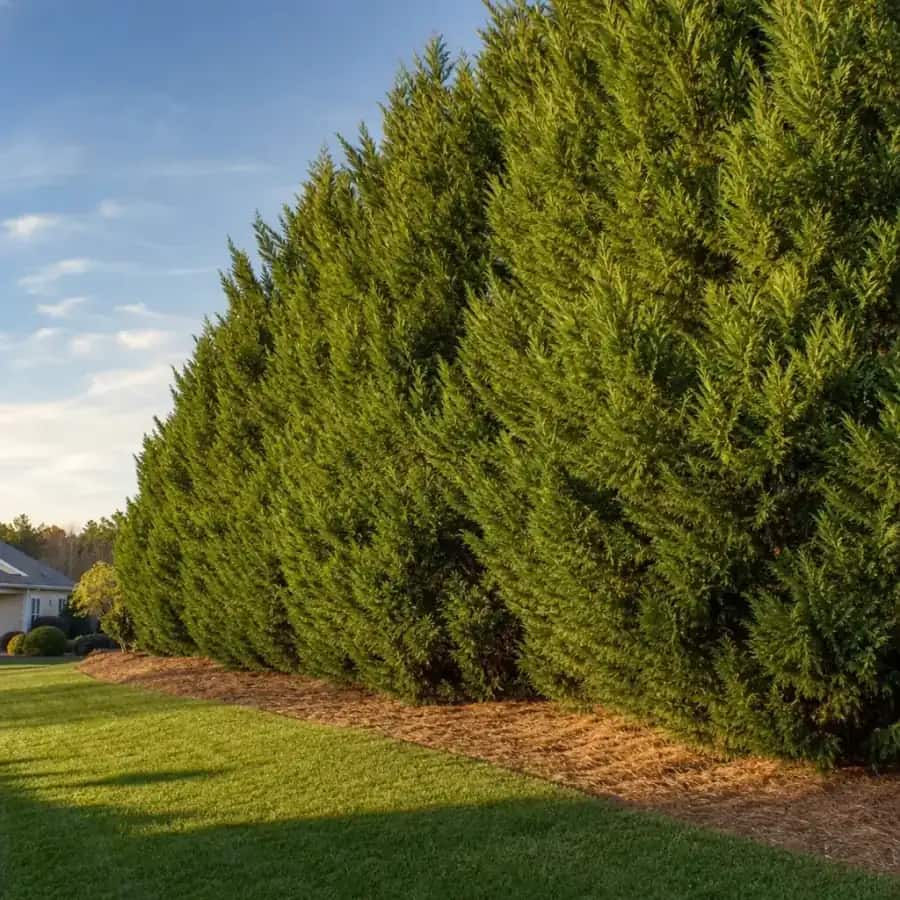
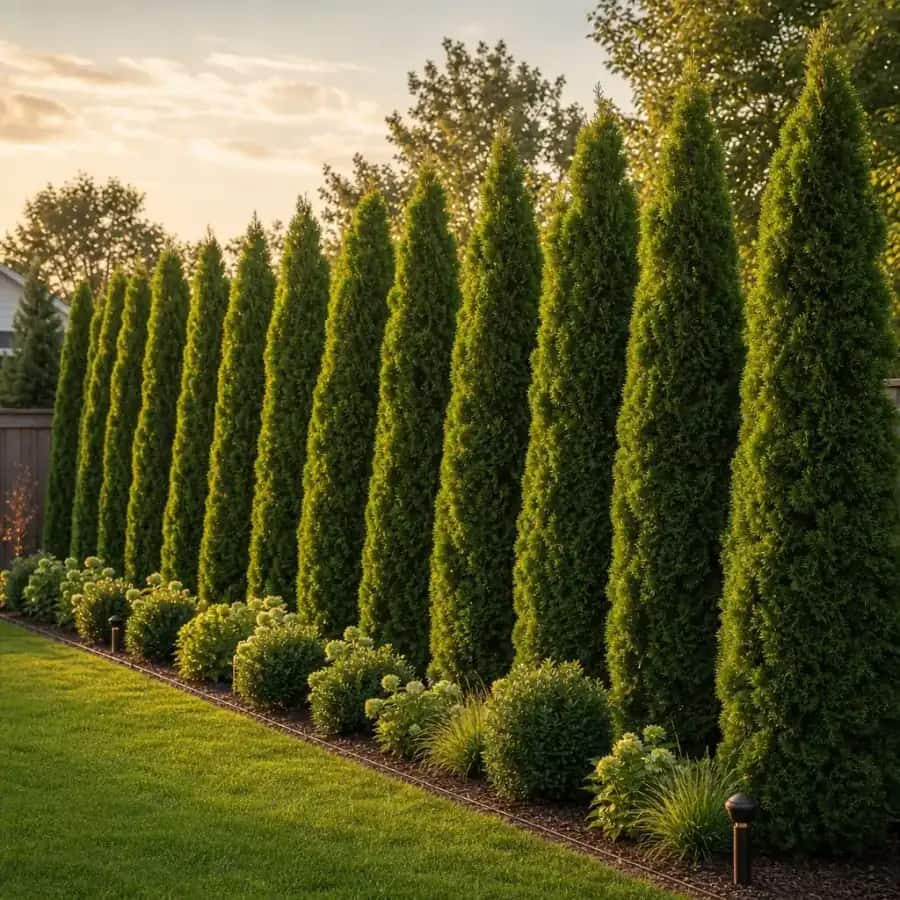 Evergreen & PrivacyLeyland cypress and Carolina sapphire build quick screens for yard borders.View all Evergreen & Privacy →
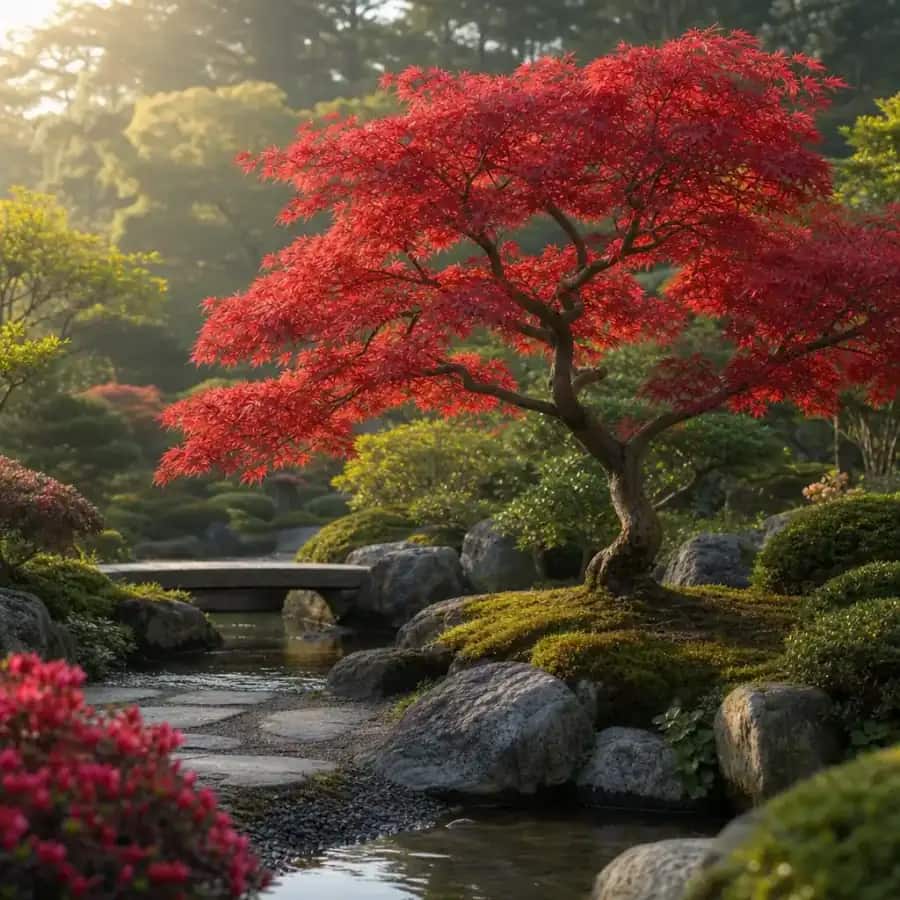 Japanese MaplesLaceleaf and upright forms add graceful texture, but protect from dry afternoon sun in the eastern part of the state.View all Japanese Maples →
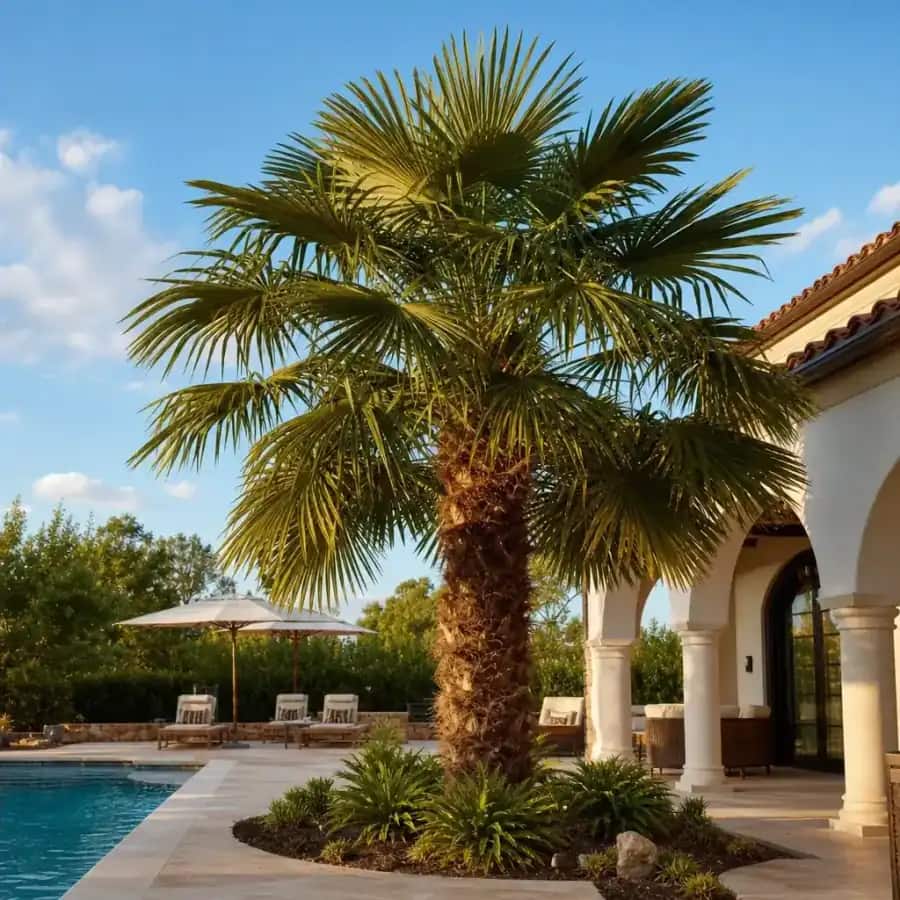
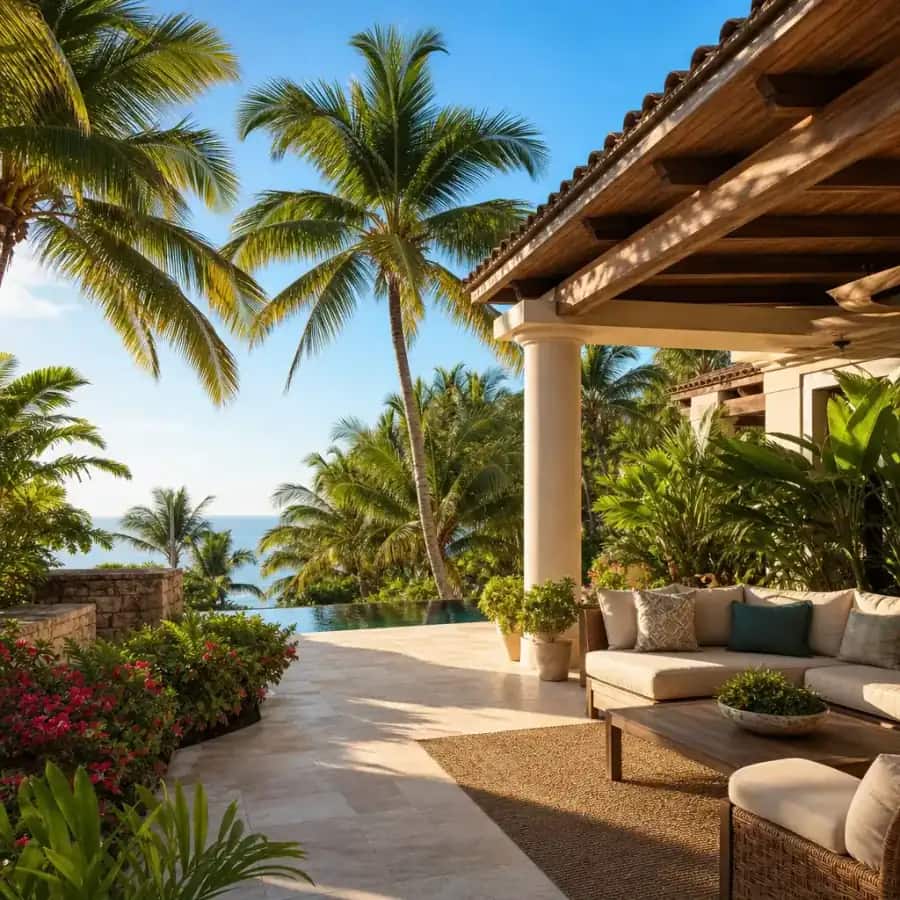 Palms & TropicalsDwarf palmetto and Chinese windmill palm survive mild winters in zone 8 and 9 areas near the coast.View all Palms & Tropicals →
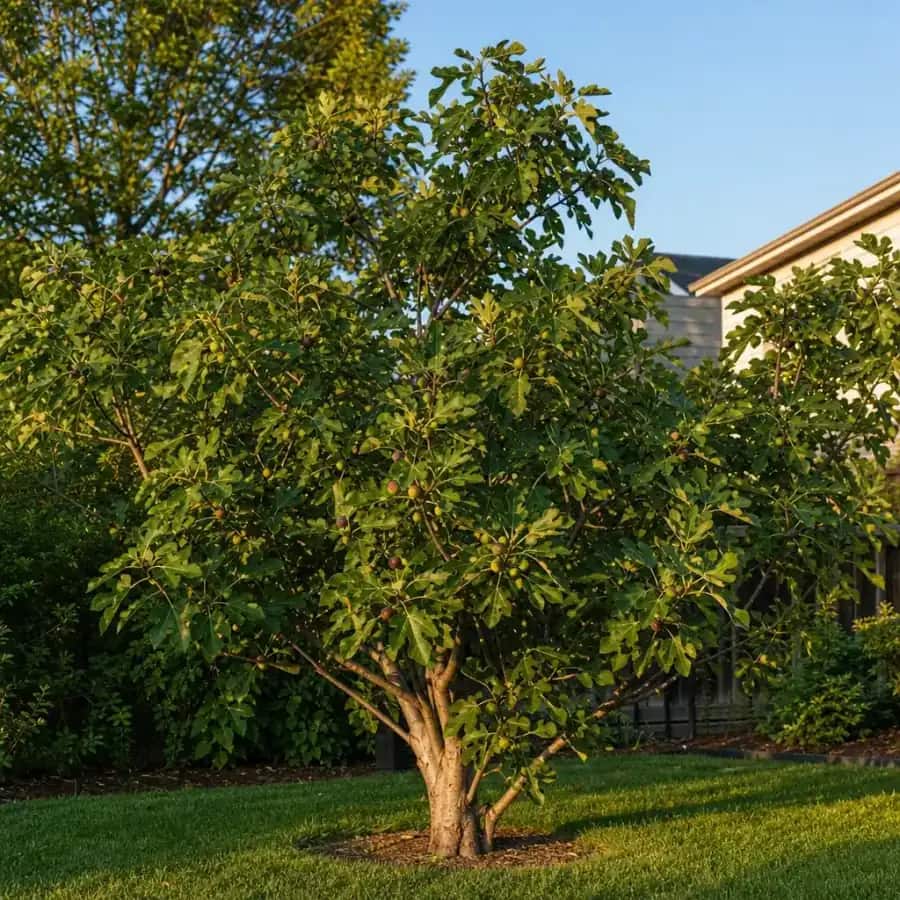
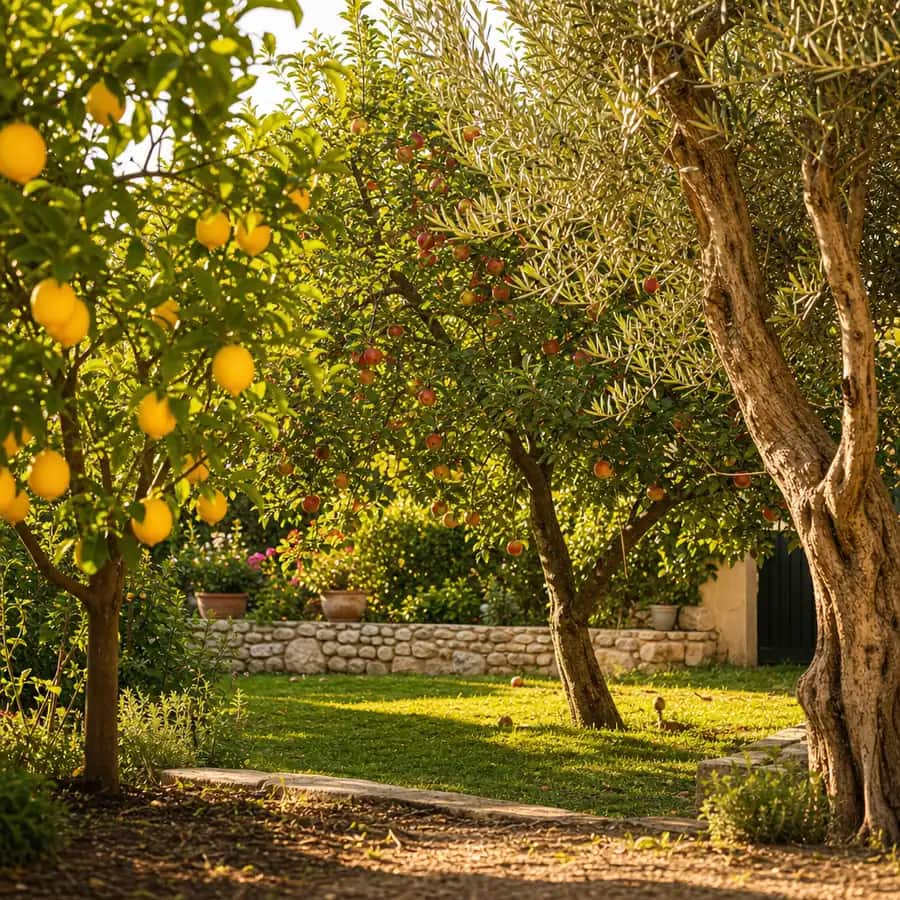 Fruit TreesChicago Hardy fig, honeycrisp apple, and bing cherry produce in Washington's cool climate with proper chill hours.View all Fruit Trees →
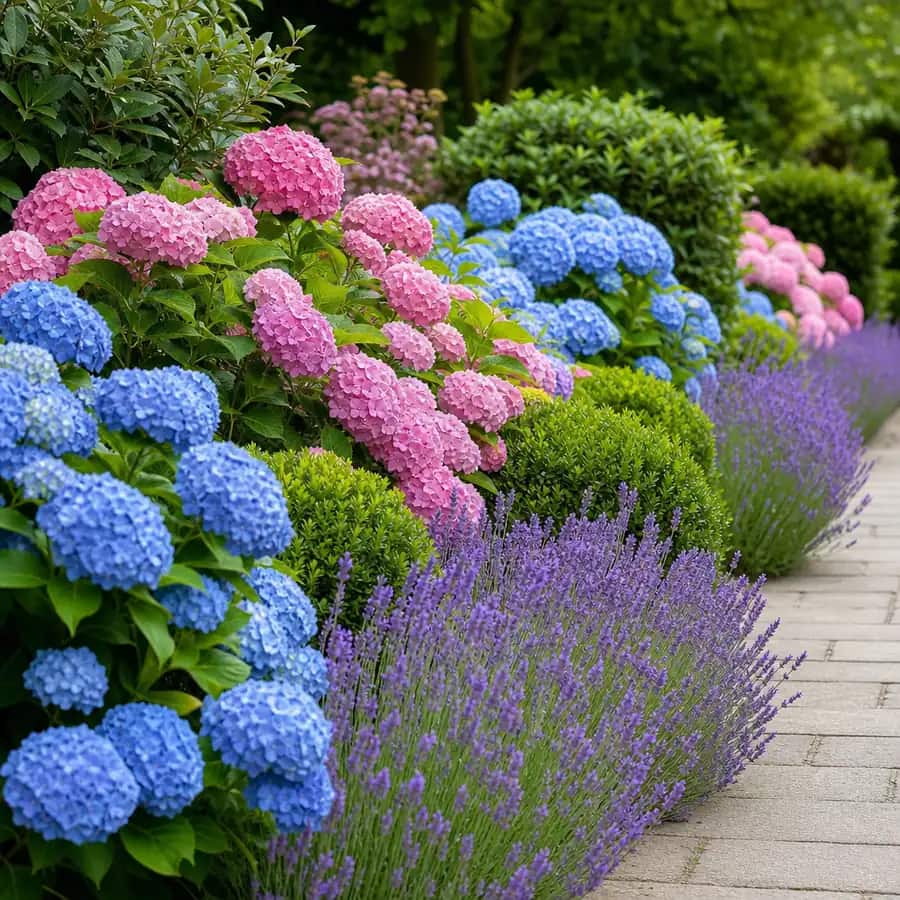 Shrubs & HedgesNellie Stevens holly and endless summer hydrangea fill borders with form and flowers.View all Shrubs & Hedges →
Local fit, from data
Washington trees for sale. Arbor Buddy ships large, nursery-grown landscape trees by freight to homeowners across the state. Shade, flowering, privacy, and fruit trees matched to your hardiness zone from 6a to 9b. Cold winters and warm summers? We pair every tree to your yard's climate.
Washington spans zones 6a to 9b. That means winter lows can dip to -5 F in the coldest parts and stay mild in the warmest coastal pockets. About 37% of the state's ZIPs fall in zones 6b to 7b, where winters are cold and summers moderate. This band suits deciduous shade trees and most fruit trees that need chilling. The core band, around 46% of ZIPs, lies in zones 8a to 8b, where winters are cooler but not extreme. Here you can confidently plant many evergreens and Japanese maples with protection. About 17% of ZIPs reach zone 9a, with winter lows around 20 to 25 F. That opens tropicals like palms and more sensitive broadleaf evergreens. Typical winter lows run about -5 to 25 F across the state. Cold-hardiness is the main filter, but in the warmer zones, heat tolerance also matters. Trees for zone 8 in Washington thrive best in the central and coastal bands, while zone 6 areas need tougher species. The state's wet Pacific climate means most trees get ample moisture, but drainage matters.
Fast growers in Washington include Leyland Cypress for privacy and Slender Silhouette Sweetgum for upright shade. Both put on 2 to 3 feet per year once established. The mild, wet climate in many parts of the state gives them a long growing season.
We match every tree to your USDA hardiness zone from 6a to 9b. Before you order, we confirm the tree is hardy in your specific zone. If it is not, we will not ship it to you. This zone-matching is built into our system.
Our trees arrive as large, nursery-grown specimens, typically in 5- to 15-gallon containers or as balled-and-burlapped. They are ready to go into your yard as a landscape tree. Exact sizes vary by species, but you get a mature start, not a seedling.
The guarantee covers your first year. If any tree dies from causes within our control, we send a free replacement. No pruning or care advice required from you. It is our promise that the tree will survive and thrive in your climate.
Arbor Buddy's 1-Year Thrive Guarantee means you can order landscape trees for Washington with confidence. Shade trees, evergreens, fruit trees, and more, all zone-matched and shipped by freight. Browse the trees suited to your hardiness zone and order online. We handle the rest.
Washington's zone range (6a to 9b) is similar to Utah (UT), but the winters in Utah run much colder, from -15 to 10 F. That gives Utah's zone 5a to 8b areas a harder winter. In Washington, more of the state stays above zero. So while Utah needs top cold-hardy species for its mountain valleys, Washington can grow a broader palette of evergreens and marginal cold-tolerant trees. The warmer western parts of Washington also allow palms and camellias that struggle in Utah's dry cold. For Washington buyers, the contrast means you can often choose the more ornamental option rather than the most cold-hardy one. Your cart should lean toward trees that handle both cold and moisture, rather than just extreme cold.
Arbor Buddy ships trees by freight to any address in Washington. Each tree arrives nursery-grown and at a usable landscape size. We match every order to your hardiness zone before it leaves. And every tree comes with a 1-Year Thrive Guarantee: if a tree does not survive its first year, we replace it for free. Deliveries into zone 8 land in fall through early spring, when planting weather is on your side.
Before delivery day, check:
Enter your ZIP, shop only what thrives in your zone.
Freight delivery to your address: $149 flat per order, shown at checkout.
Plant it, watch it thrive, covered for one year.
Good to know · Growing guide
| Category | Strongest at | Keep in mind |
|---|---|---|
| Shade trees | Fast canopy that cuts summer cooling load | Drop their leaves each fall |
| Evergreen & privacy | Year-round screening along lines and pools | Narrower habit, so a screen takes several |
| Flowering & ornamental | Weeks of seasonal color and curb appeal | Less structure than a full shade tree |
| Fruit trees | Citrus, figs and olives are realistic backyard fruit where the zone allows. | Want the warmest suitable spot in the yard |
| Japanese maples & accents | Courtyards, entries, and tight corners | Happiest out of the harshest afternoon sun |
| Ornamental grasses | Texture and movement on very little water | Softest structure of the group |
Coverage runs a full year from delivery. If something goes wrong, contact the team and they arrange the replacement. No store-credit games, no fine-print maze.