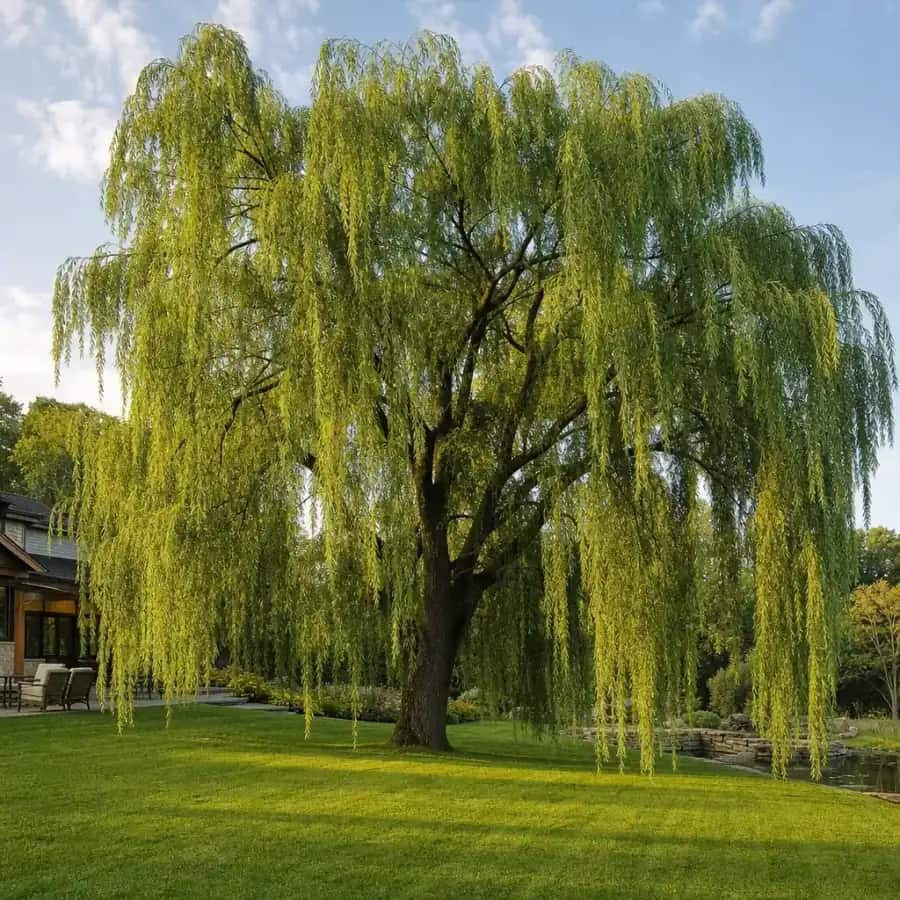
 Zones 4 to 9
Shade Trees
Weeping Willow
$40
Shop large, nursery-grown shade, privacy, flowering and fruit trees, delivered by freight in Douglas County. Every tree is matched to your hardiness zone and backed by our 1-Year Thrive Guarantee.
Enter your ZIP and we'll match trees to your exact growing zone.
Typical winter lows in Douglas County run about -5 to 5 F.
Matched to Douglas County's zones
Zones 4 to 9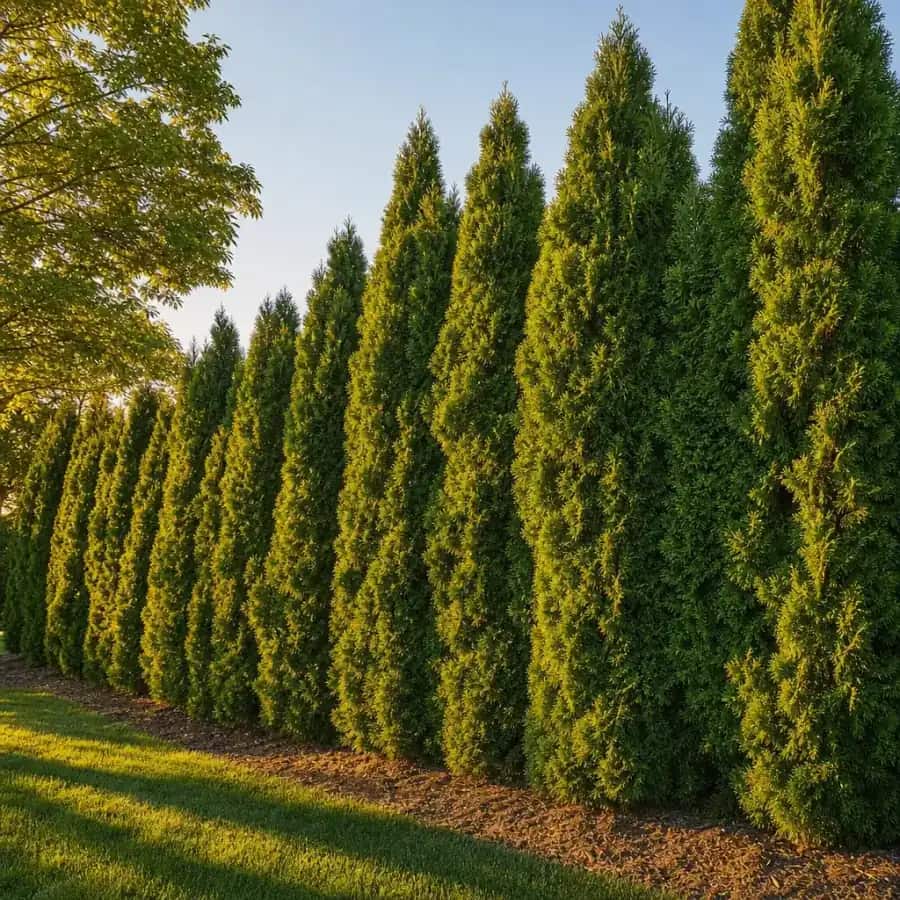 Zones 5 to 8
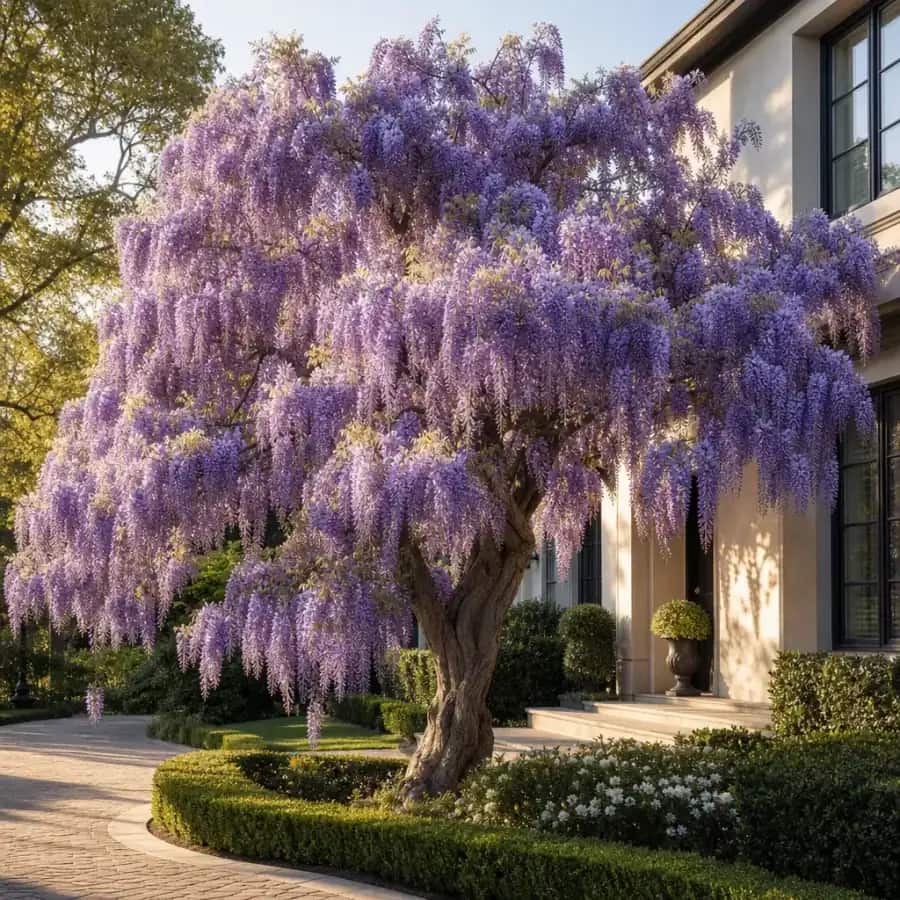 Zones 4 to 9
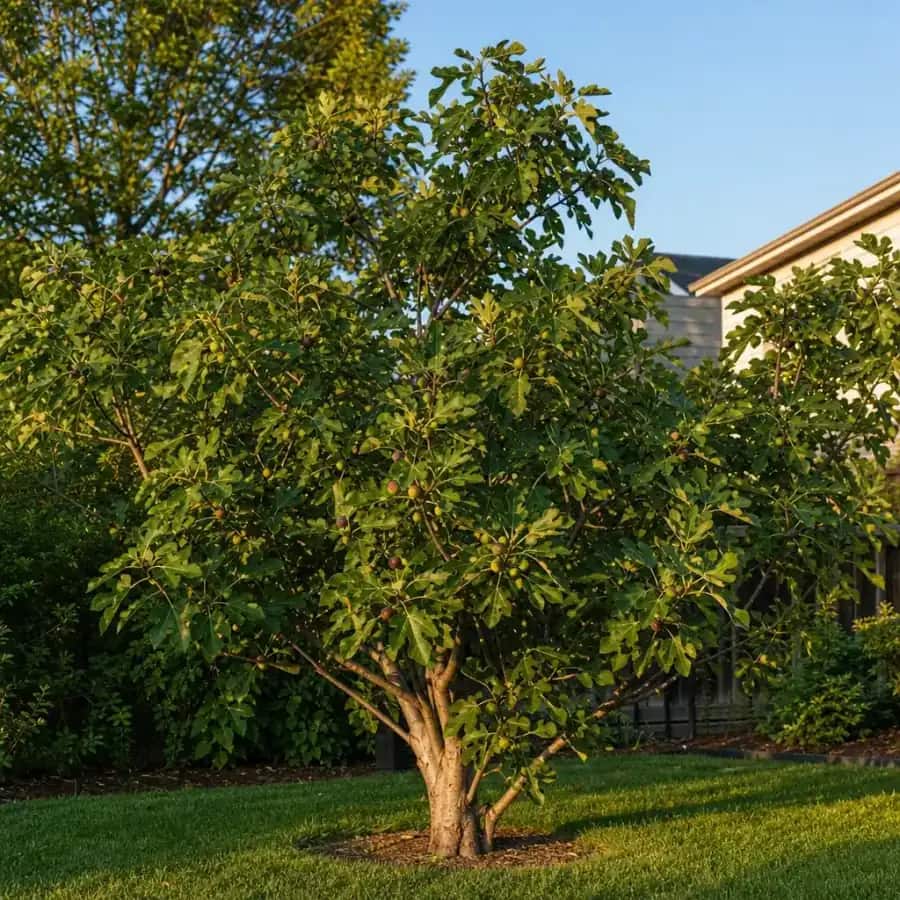 Zones 5 to 10
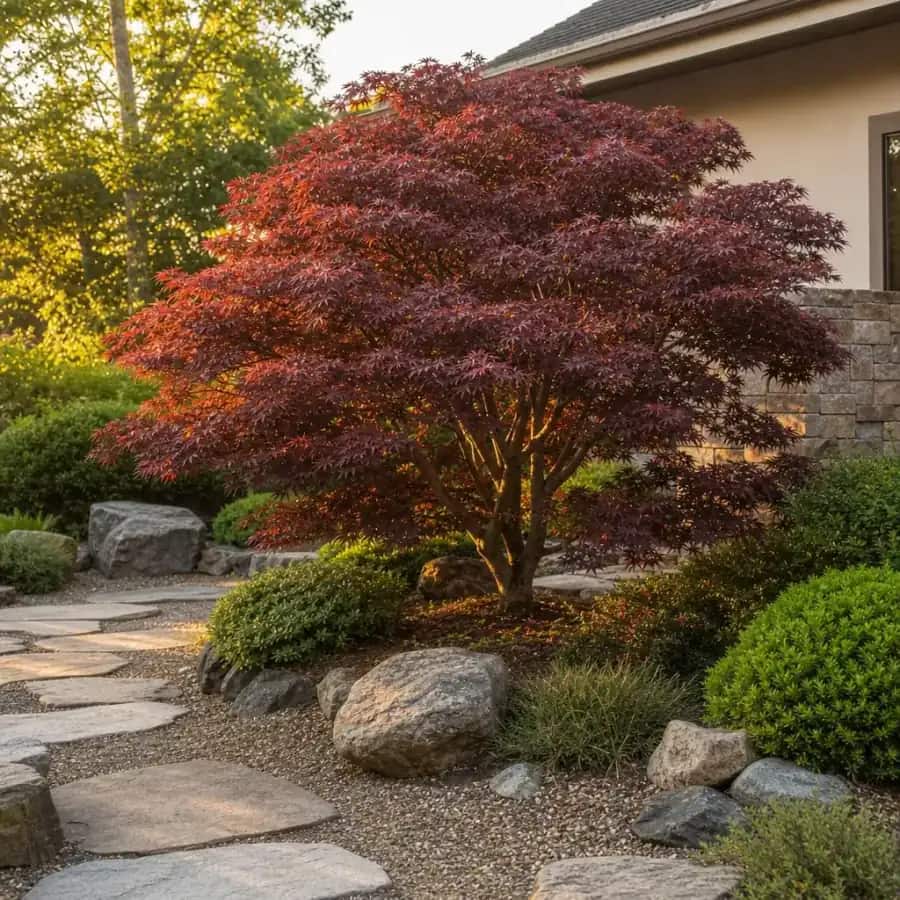 Zones 5 to 8
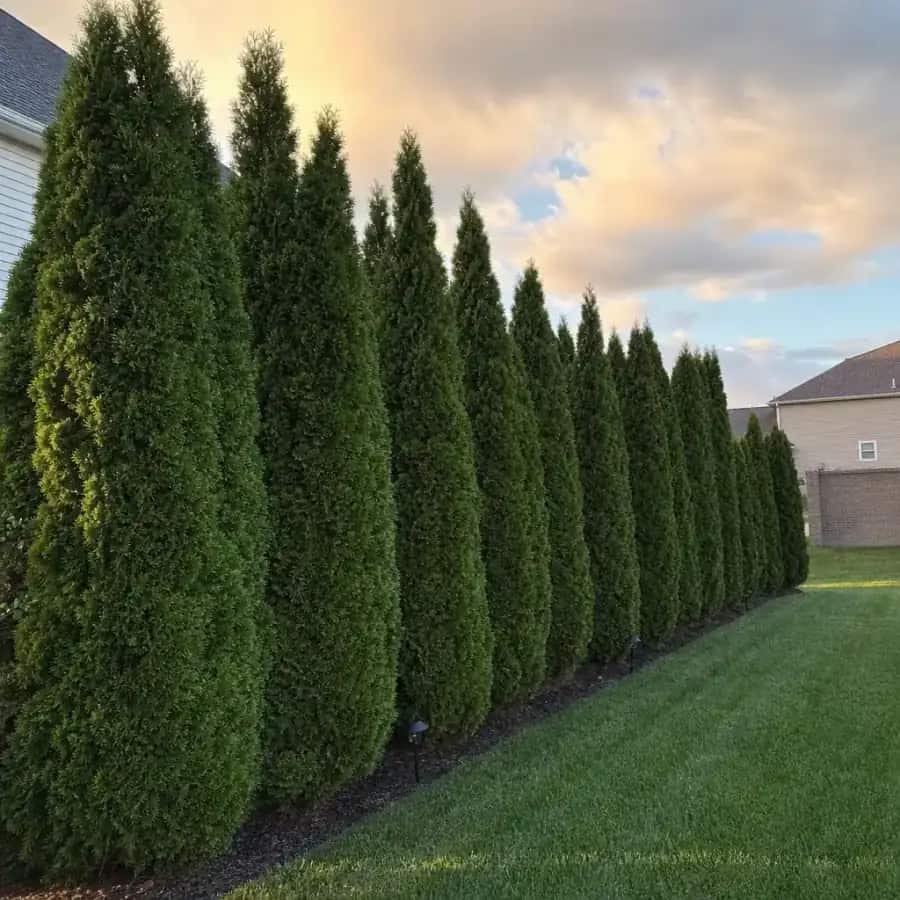 Zones 3 to 8
Shop by category
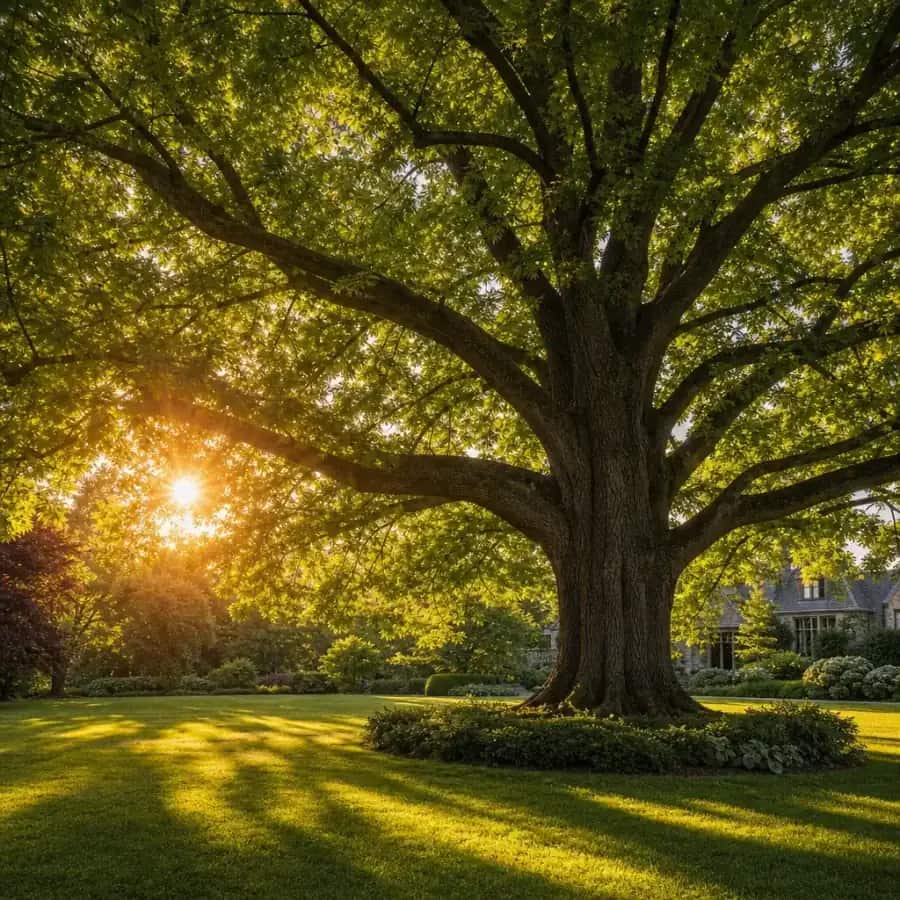 Shade TreesBig, fast canopy. Oaks, elms, maples and more.View all Shade Trees →
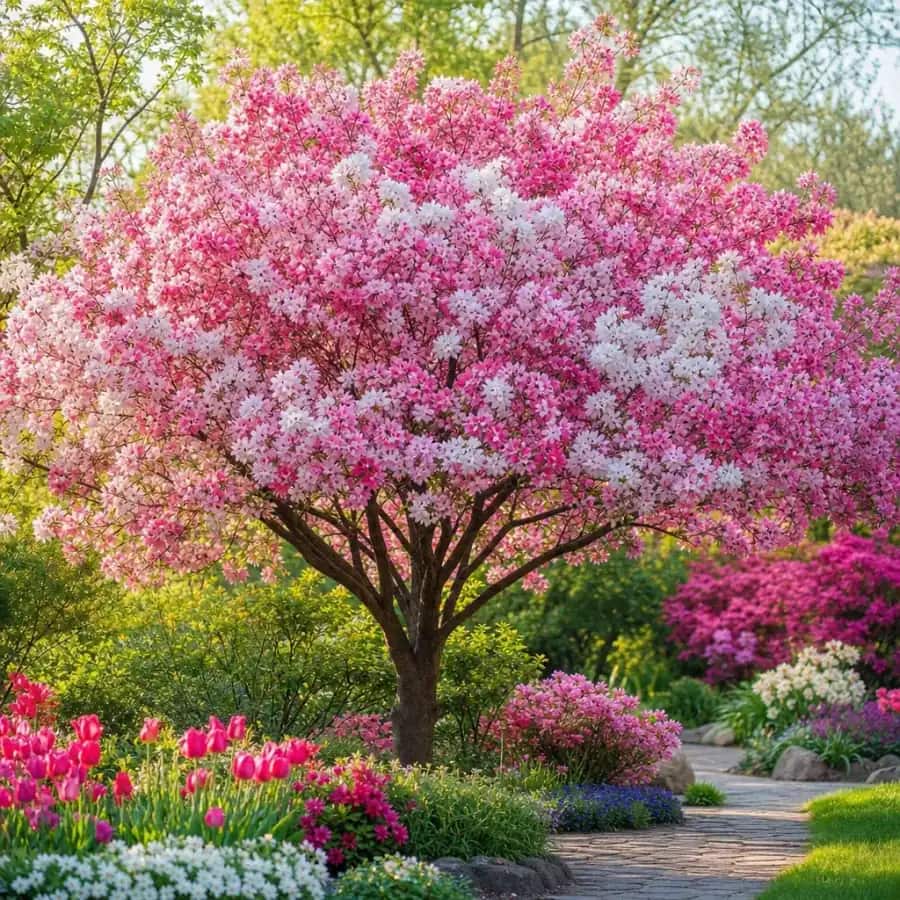 Flowering & OrnamentalRedbuds, crape myrtles and blooming showpieces.View all Flowering & Ornamental →
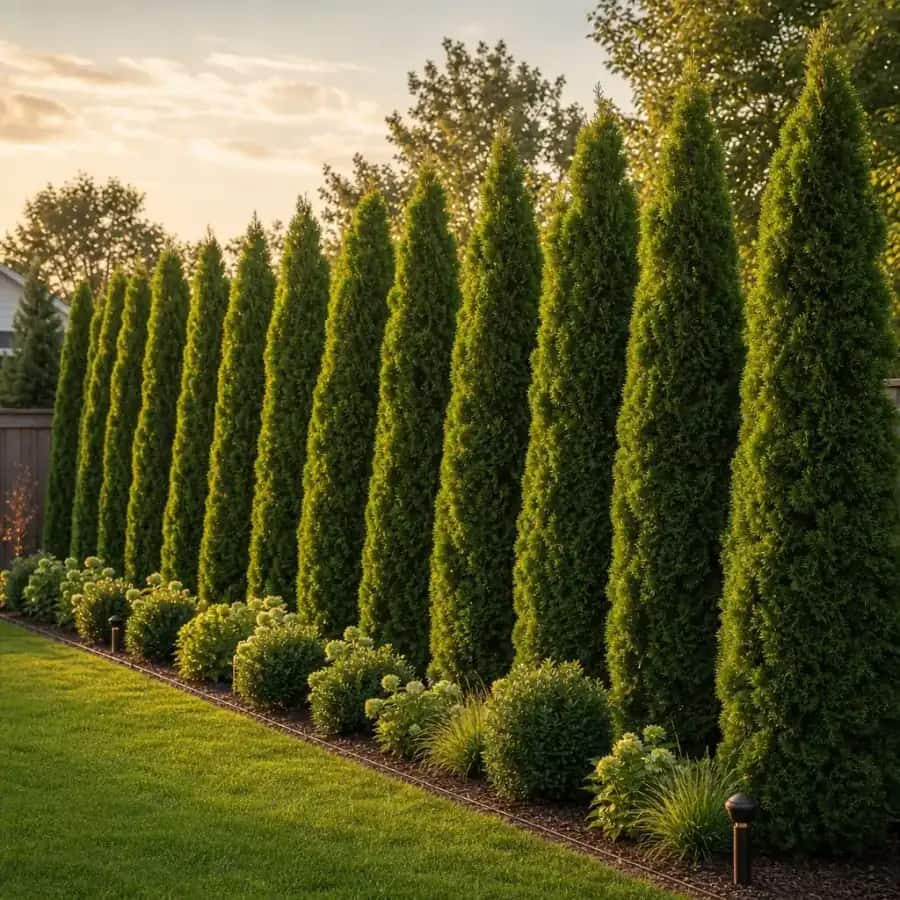 Evergreen & PrivacyYear-round green: cypress, juniper, holly, magnolia.View all Evergreen & Privacy →
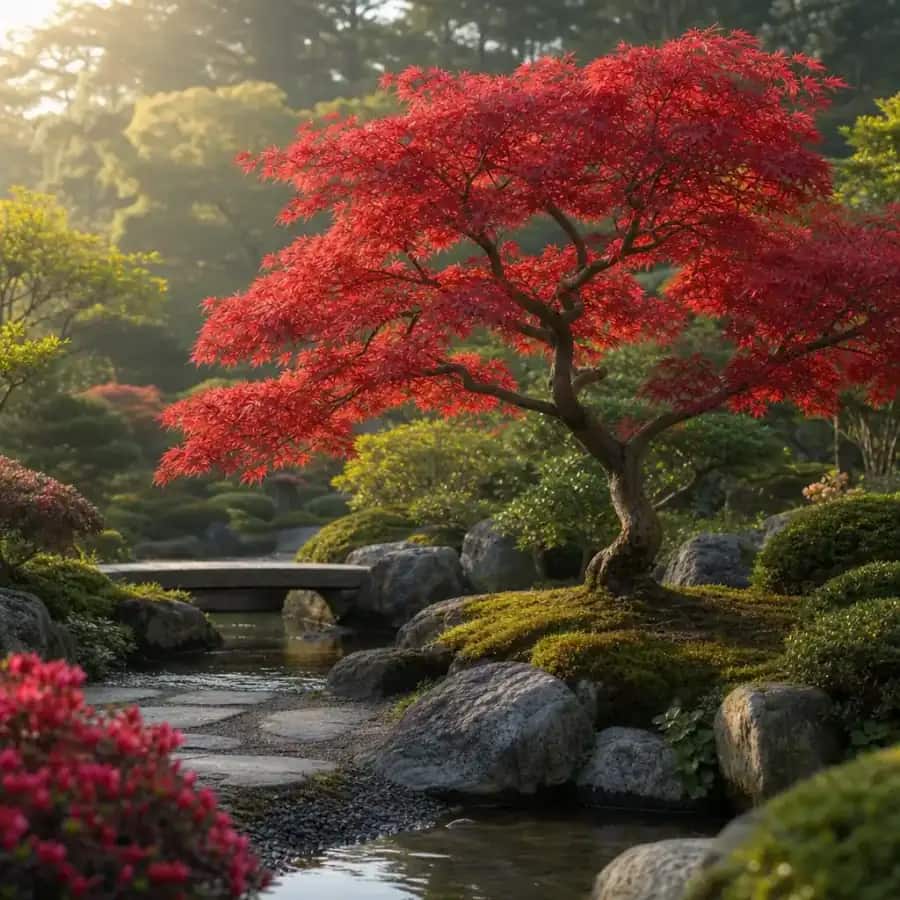 Japanese MaplesLiving sculpture in crimson, coral and lace.
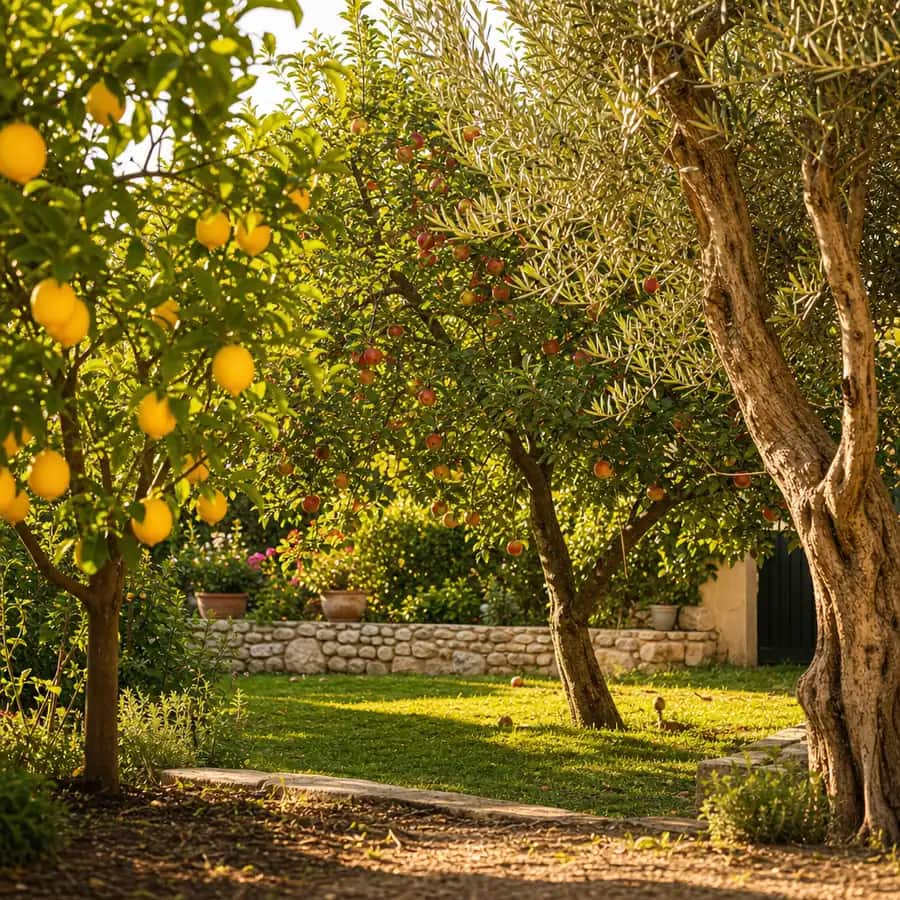 Fruit TreesHomegrown lemons, apples, figs, olives and more.View all Fruit Trees →
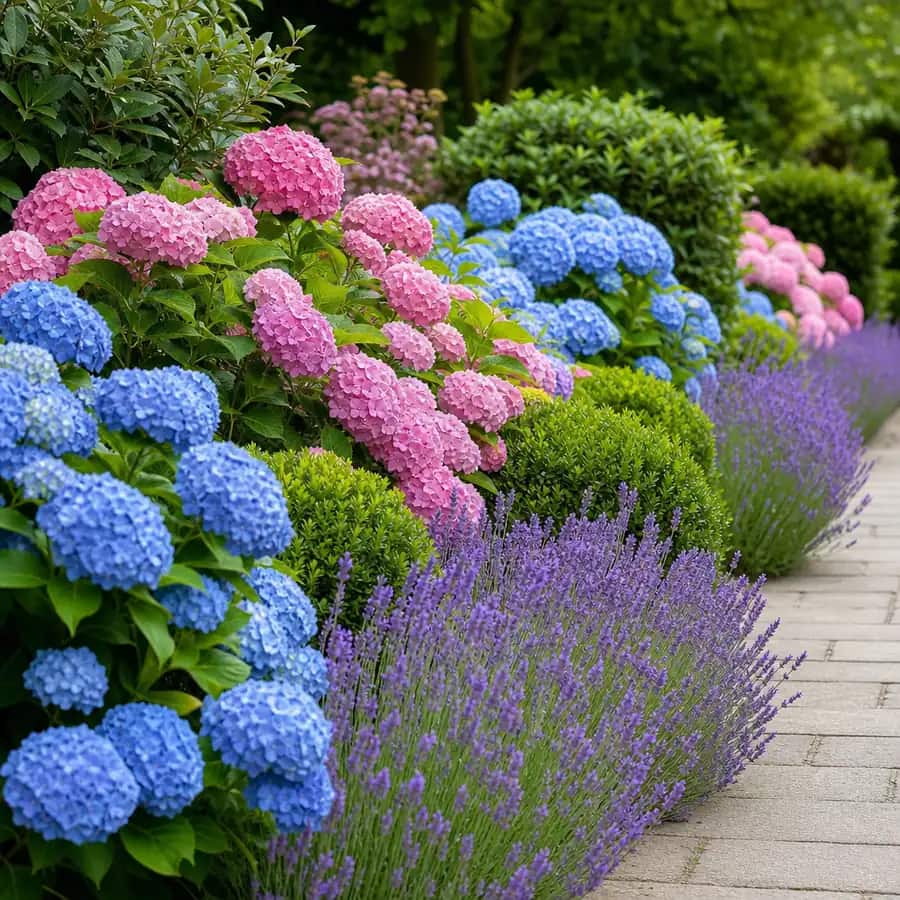 Shrubs & HedgesHydrangeas, hollies, lavender and living privacy.View all Shrubs & Hedges →
Local fit, from data
6b to 7a
about -5 to 5 F
7
Bridgeport
Arbor Buddy delivers large, nursery-grown landscape trees by freight straight to homeowners in Douglas County, Washington (WA). We match every tree to your hardiness zone, and your county spans zones 6b to 7a. Whether you need shade, privacy, flowering color, or fruit, each tree is backed by our 1-Year Thrive Guarantee.
Your county covers a zone range of 6b to 7a across its seven ZIP codes. Typical winter lows run about -5 to 5 degrees Fahrenheit, so the colder end favors hardier varieties while the warmer 7a pockets open up more options like certain Japanese maples and sweet cherries.
The climate is semi-arid with hot summers and cold winters. Most of the county receives modest rainfall, so trees that tolerate dry spells or need supplemental watering do best. In the more sheltered areas near Bridgeport, you can push the zone boundary a little. For trees for zone 7 in Douglas County, our featured picks are already matched to survive your coldest nights.
Western parts of the county, being slightly warmer, suit flowering ornamentals and fruit trees as long as you protect blossoms from late spring frosts. The eastern side, closer to the river, benefits from more consistent moisture for willows and moisture-loving species.
A wide selection of trees grow in zone 7, including Japanese maples, sweet cherries, redbuds, and many shade trees. In Douglas County, your range of 6b to 7a means you can choose from species like Weeping Willow, Bing Cherry, and Seiryu Japanese Laceleaf Maple. Check the zone range on each tree's page to confirm it fits your specific ZIP.
Weeping Willow is a top choice for damp areas, but its aggressive roots require careful placement. For drier spots, consider a Bur Oak from our Shade Trees category. Both handle your winter lows of -5 to 5 F well and provide substantial shade for your yard.
If a tree you buy from Arbor Buddy does not survive its first year, we replace it free of charge. The guarantee covers trees shipped to Douglas County as long as you follow basic planting and care instructions. It gives you confidence that your investment is protected.
Yes, you can grow fruit trees like Bing Cherry in Douglas County, provided you meet two conditions: choose a variety hardy to zone 6b or colder, and plant a second compatible sweet cherry nearby for pollination. Blossoms are frost-tender, so avoid low-lying frost pockets. Spring and fall shipping windows help you get established at the right time.
In Traill County, North Dakota (ND), the zone drops to 4a with winter lows of -30 to -25 F. That climate rules out most Japanese maples and sweet cherries entirely. In practice, buyers here lean toward hardy shade trees like Bur Oak. Your zone 6b to 7a lets you grow those same maples and cherries as long as you protect them from late frosts.
Wayne County, Nebraska (NE) sits in zone 5a to 5b with lows of -20 to -10 F. That colder envelope kills most peach and citrus options. That gap changes the local shortlist to cold-hardy apples and plums. In Douglas County you have a broader fruit selection, including Bing Cherry, but you still need a second pollinator and frost protection for the blossoms.
Carroll County, New Hampshire (NH) also runs zone 5a to 5b with winter lows of -20 to -10 F. Tropicals and palms cannot survive there. For your cart, that means you can safely choose Japanese maples and even some borderline ornamentals that would fail in New Hampshire. Your winter lows around -5 to 5 F open up categories that are impossible in colder zones.
What this means for you: your Douglas County yard can handle a wider mix of flowering, fruiting, and Japanese maple varieties than many northern areas, but always account for your own microclimate and spring frosts.
Every tree you order from Arbor Buddy ships by freight to your property in Douglas County. We match it to your hardiness zone before dispatch, so it arrives ready for your climate. Orders to zone 7 areas are scheduled for spring and fall arrival windows. Your tree is nursery-grown to a usable landscape size, not a tiny starter, and it comes with our 1-Year Thrive Guarantee: free replacement if it doesn't survive its first year.
Before delivery day, check:
Ready to add a tree to your yard? Arbor Buddy delivers large, nursery-grown trees by freight directly to your property in Douglas County. Every tree is zone-matched and backed by our 1-Year Thrive Guarantee. Browse your options online, pick your favorites, and we will handle the shipping logistics. No need to haul a tree yourself; it arrives at your door, ready to plant.
Enter your ZIP, shop only what thrives in your zone.
Freight delivery to your address: $149 flat per order, shown at checkout.
Plant it, watch it thrive, covered for one year.
Good to know · Growing guide
Coverage runs a full year from delivery. If something goes wrong, contact the team and they arrange the replacement. No store-credit games, no fine-print maze.