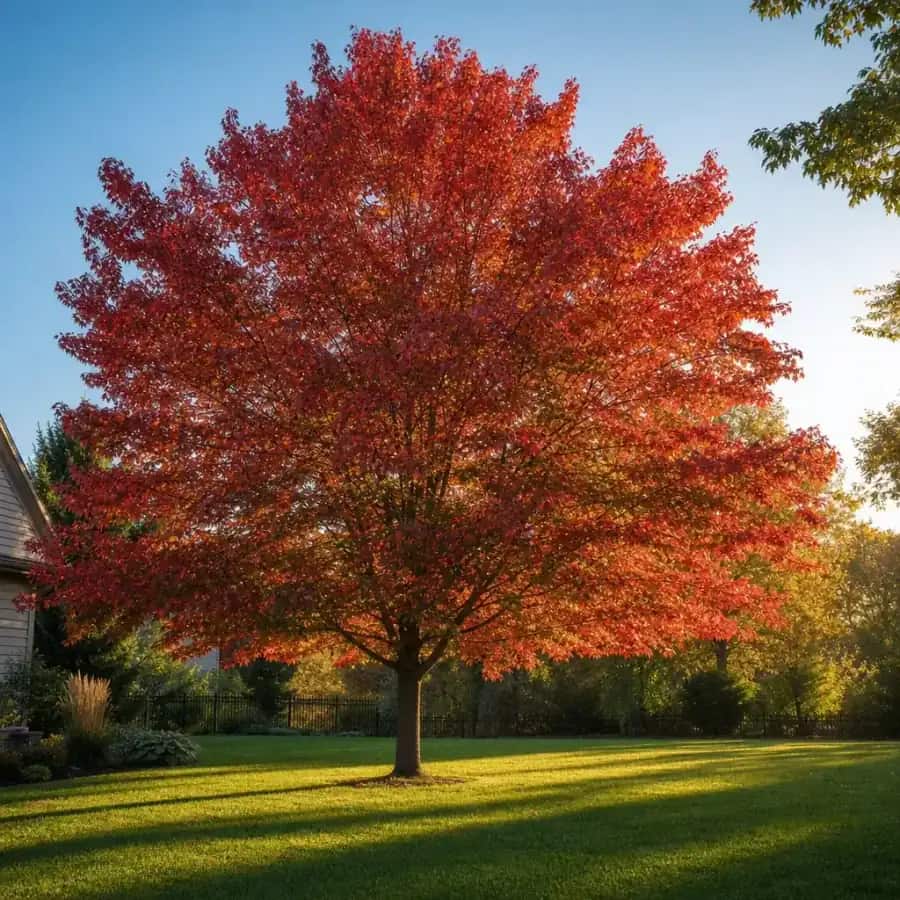
 Zones 3 to 8
Shade Trees
Autumn Blaze Red Maple
$60

Shop large, nursery-grown shade, privacy, flowering and fruit trees, delivered by freight in Kittitas County. Every tree is matched to your hardiness zone and backed by our 1-Year Thrive Guarantee.
Enter your ZIP and we'll match trees to your exact growing zone.
Typical winter lows in Kittitas County run about -5 to 5 F.
Matched to Kittitas County's zones
Zones 3 to 8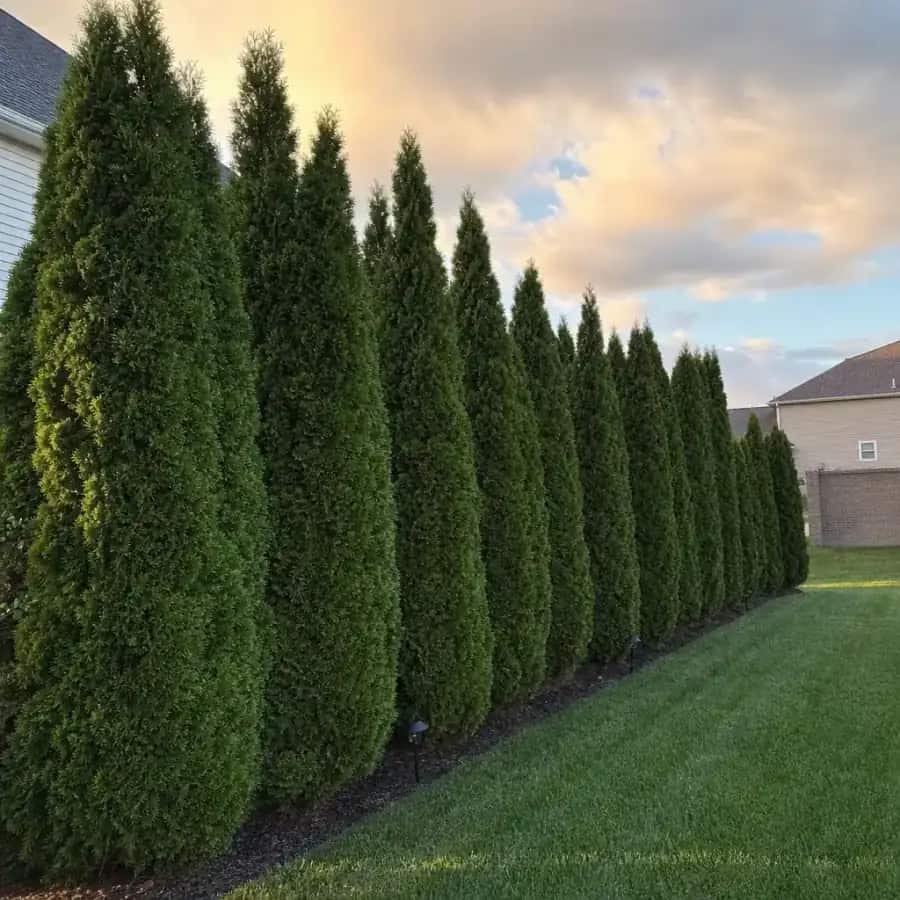 Zones 3 to 8
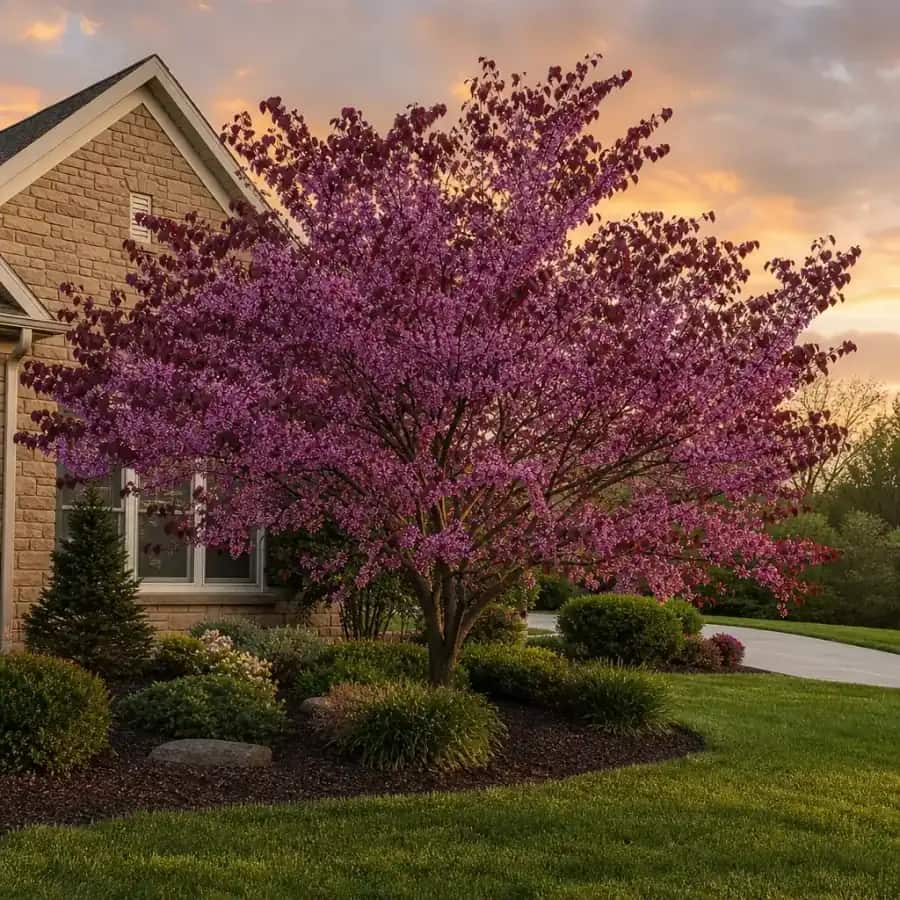 Zones 4 to 9
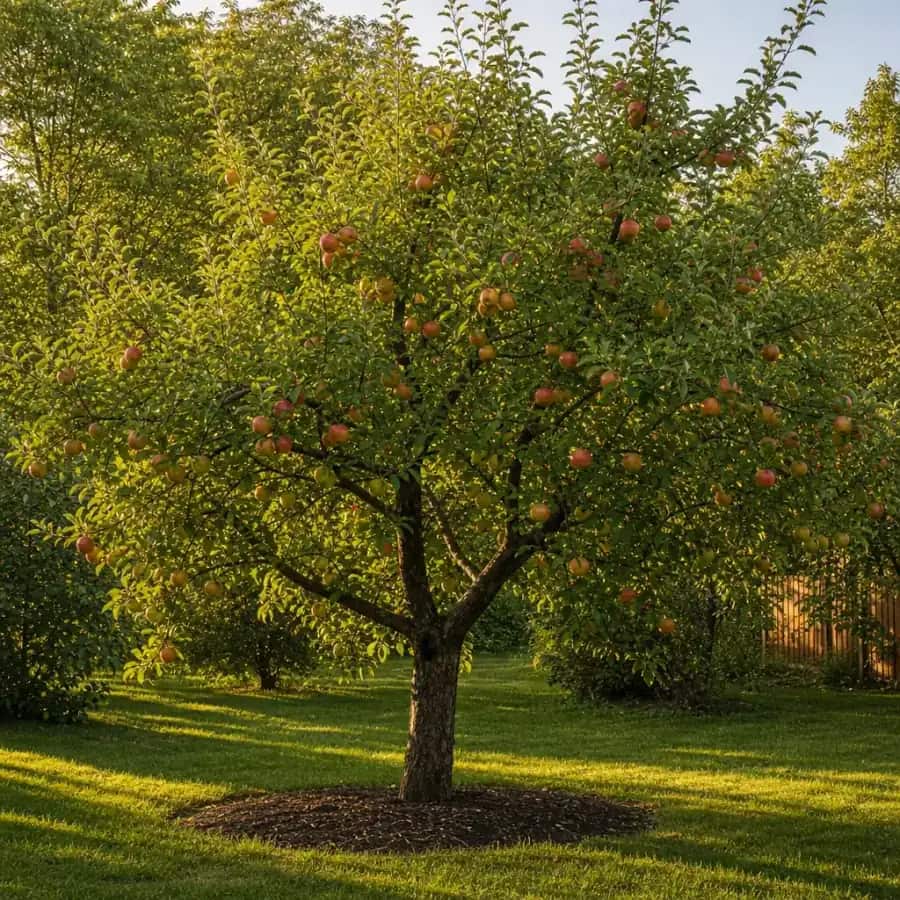 Zones 3 to 8
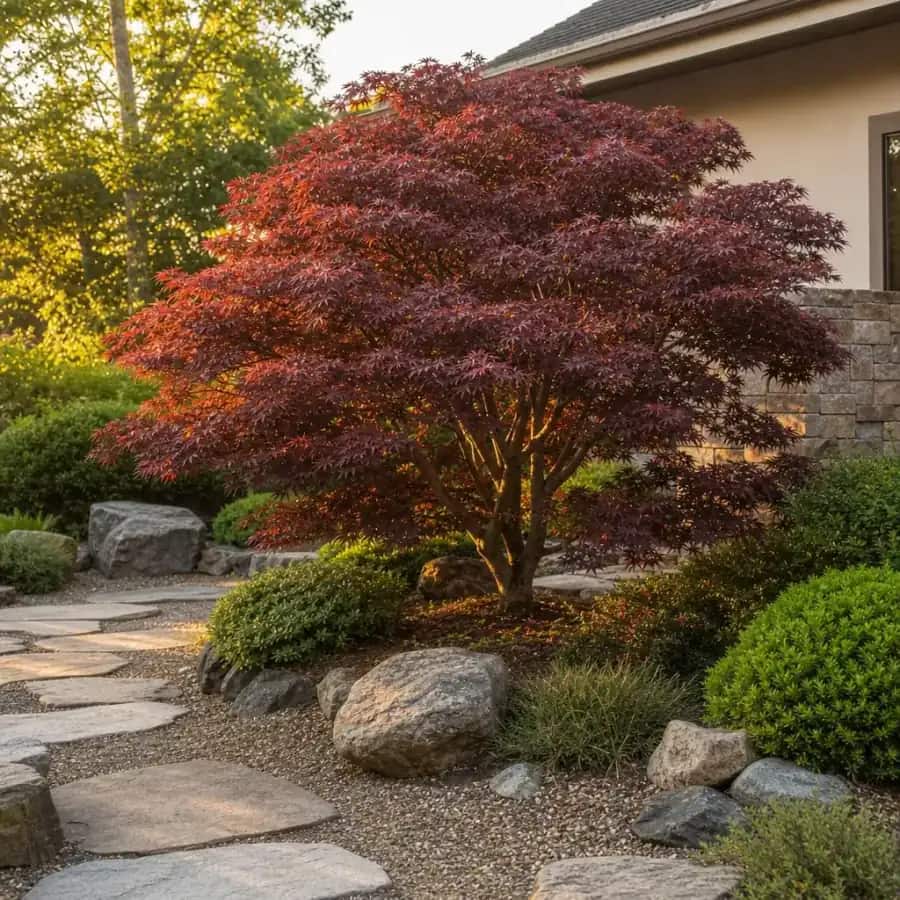 Zones 5 to 8
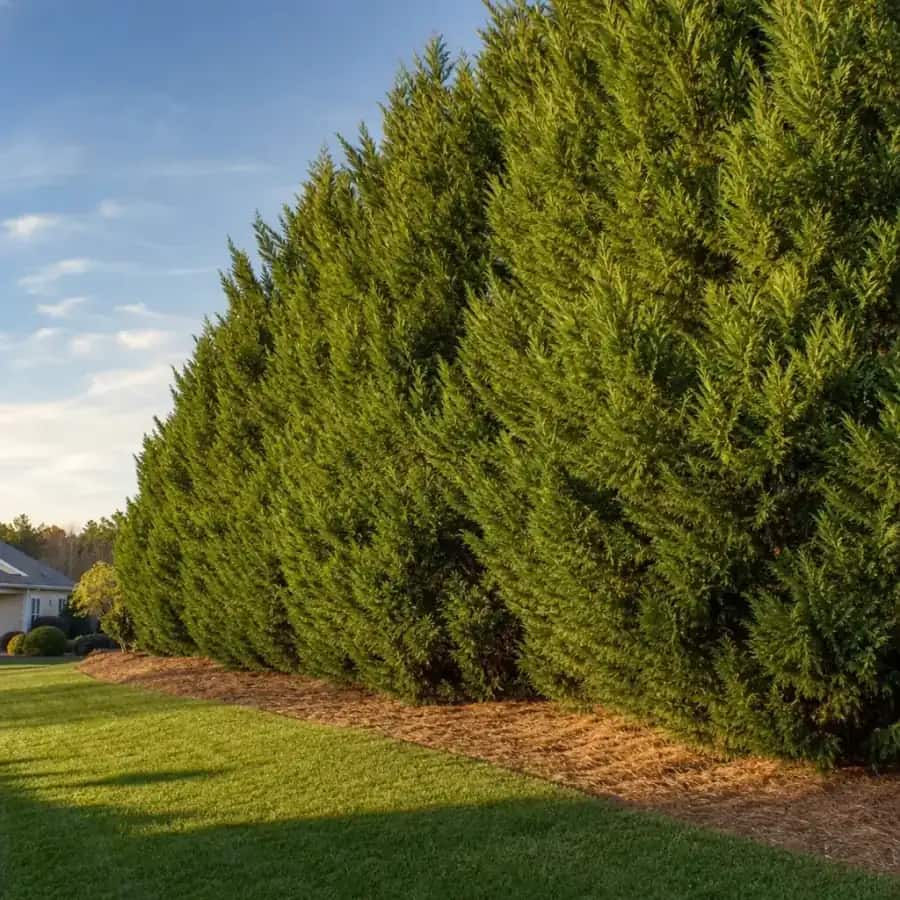 Zones 6 to 10
Shop by category
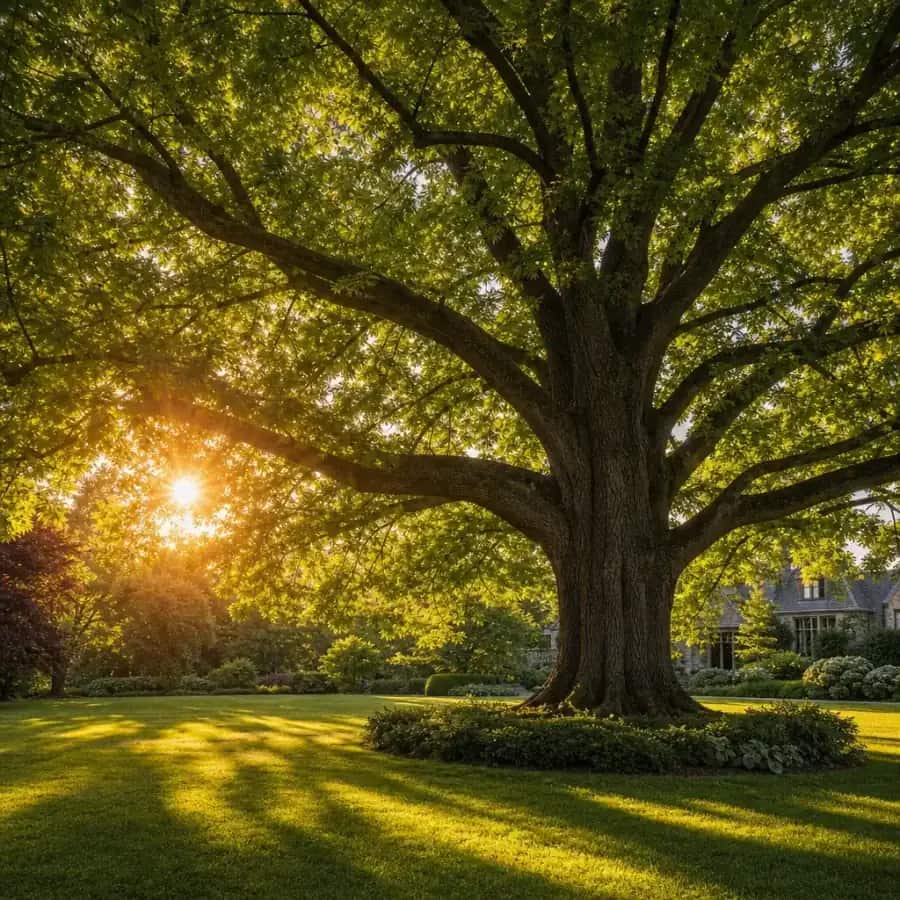 Shade TreesBig, fast canopy. Oaks, elms, maples and more.View all Shade Trees →
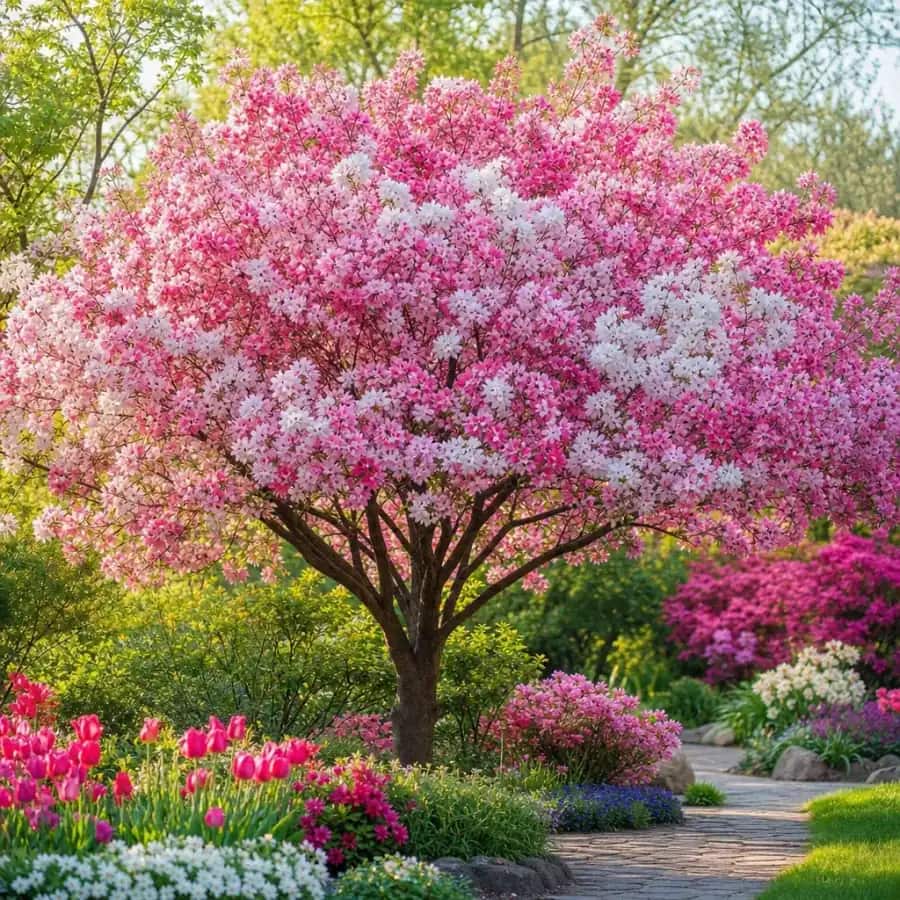 Flowering & OrnamentalRedbuds, crape myrtles and blooming showpieces.View all Flowering & Ornamental →
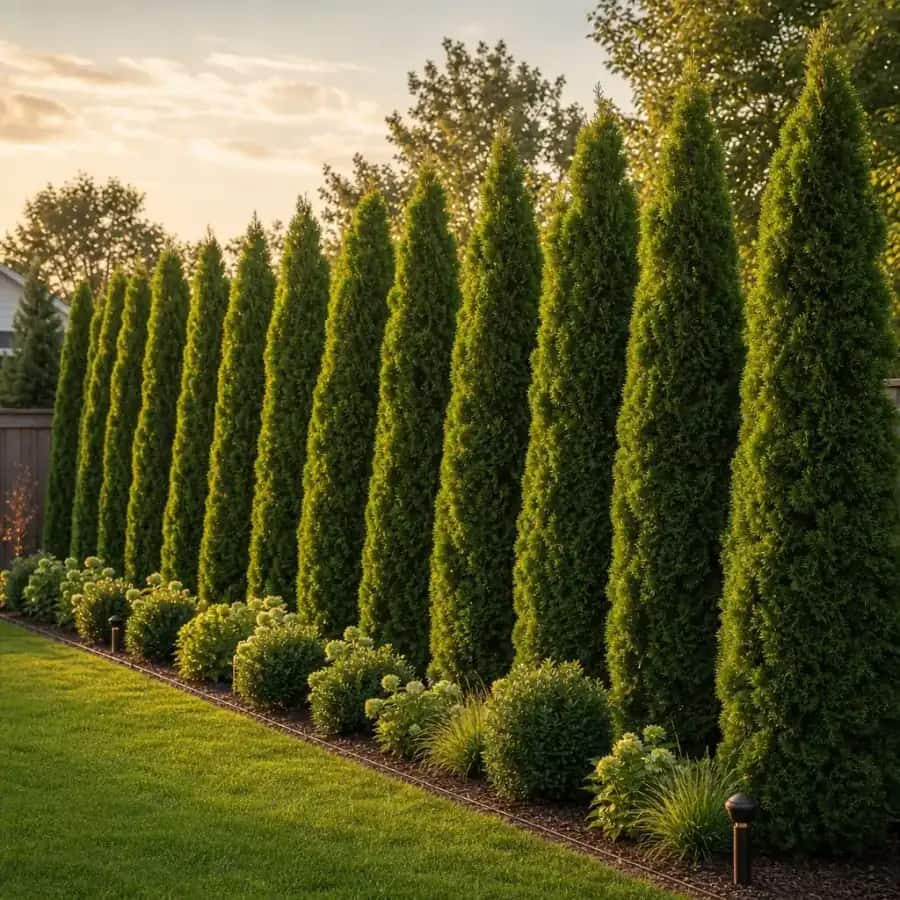 Evergreen & PrivacyYear-round green: cypress, juniper, holly, magnolia.View all Evergreen & Privacy →
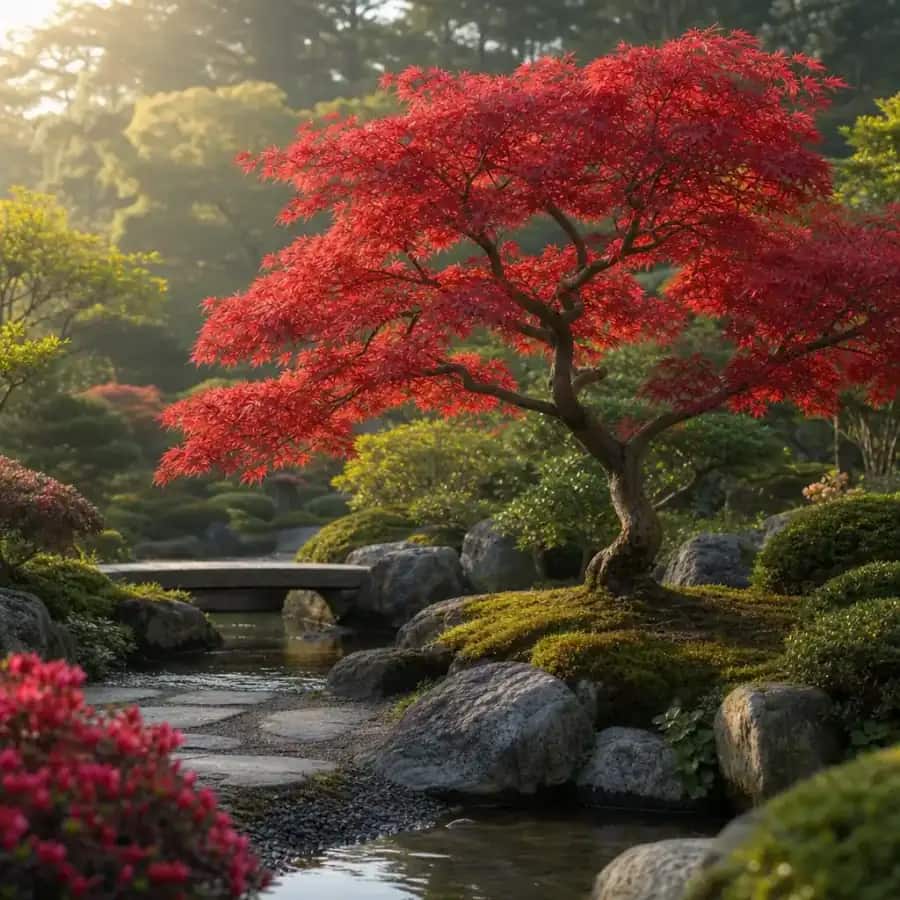 Japanese MaplesChoose from laceleafs and uprights that need part shade in this dry-summer climate.
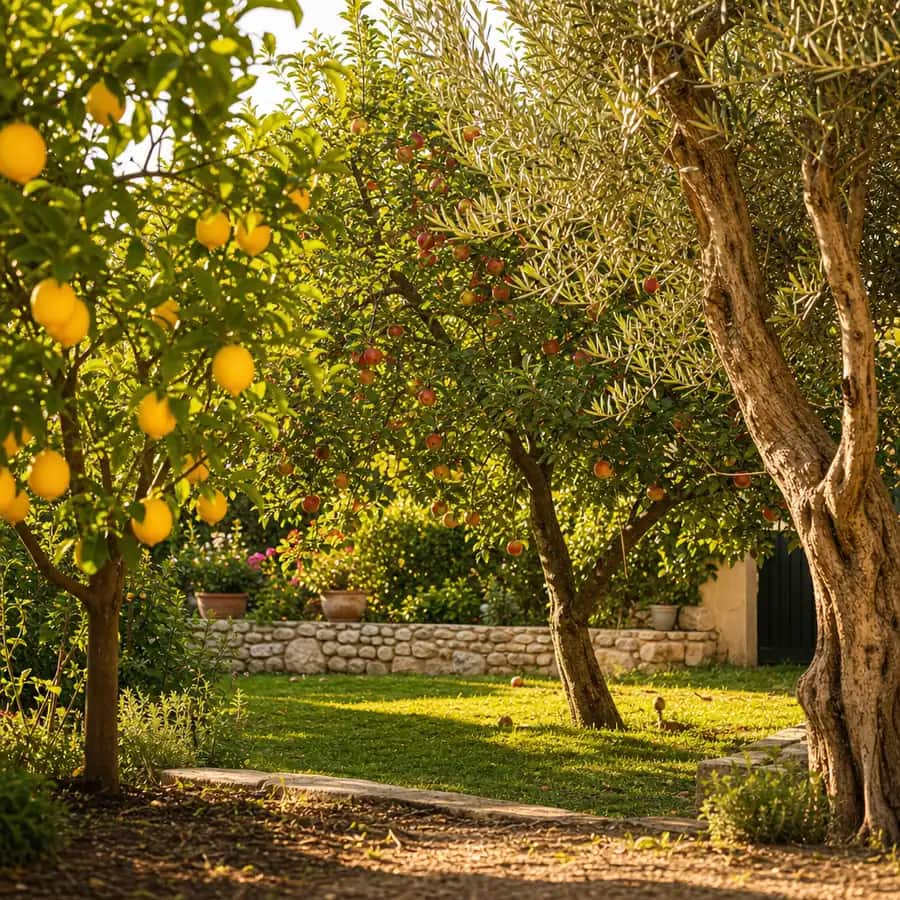 Fruit TreesGrow apples, peaches, and figs that need the chill hours Kittitas County delivers.View all Fruit Trees →
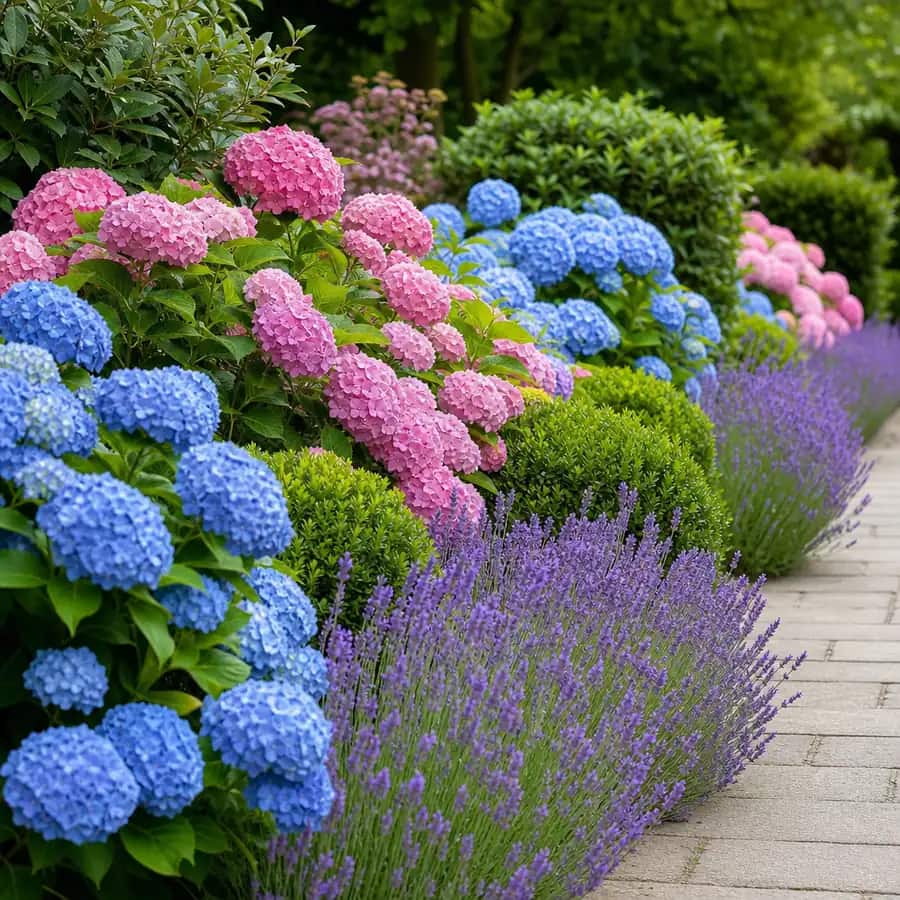 Shrubs & HedgesFill gaps with willows and hydrangeas that handle the local winter lows.View all Shrubs & Hedges →
Local fit, from data
6b to 7a
about -5 to 5 F
10
Cle Elum
Looking for shade, privacy, and fruit trees in Kittitas County, Washington (WA) that actually survive here? Arbor Buddy delivers large, nursery-grown landscape trees nationwide by freight. We match every tree to your hardiness zone so it thrives from day one. Homeowners and contractors in Kittitas County can count on trees suited to the local 6b to 7a zone span.
Kittitas County spans zones 6b to 7a across its 10 ZIP codes. The warmer 7a areas, like Cle Elum, allow more tender evergreens and peach trees, while the colder 6b pockets favor hardy maples and oaks. Typical winter lows run about -5 to 5 degrees F, so the cold snaps are real but within range of what our featured trees handle.
Summers are dry and warm, with low humidity. That limits leaf diseases but also means extra water for new trees in their first year. Deciduous trees for zone 7 in Kittitas County, such as Chinese Pistachio and redbuds, adapt well to the dryness once established. Evergreens like Thuja Green Giant need consistent moisture during the first two growing seasons. For Japanese maples, a spot that gets morning sun and afternoon shade prevents leaf scorch in the hotter parts of the county.
Shipments are timed for spring and autumn, skipping temperature extremes. Because Kittitas County spans zones 6b to 7a, we avoid the hottest and coldest months to protect your tree during transit.
Many trees thrive in zone 7. For Kittitas County, Chinese Pistachio, Oakland Holly, Forest Pansy Redbud, Elberta Peach, Emperor 1 Japanese Maple, and Thuja Green Giant all grow well. The zone 7 band here runs from about -5 to 5 degrees F, so every featured tree is a safe match.
Trees arrive nursery-grown at a usable landscape size. That means they are large enough to make an immediate visual impact in your yard without being too heavy to handle. Exact dimensions vary by species, but all come ready for planting.
Thuja Green Giant Arborvitae and Oakland Southern Living Holly are top picks for Kittitas County. The Thuja grows up to 3 feet per year, creating a fast hedge, while the Oakland Holly stays compact and glossy for tighter spaces. Both handle the local winters well.
Your hardiness zone decides which trees will thrive in your yard. Arbor Buddy matches every tree to the 6b to 7a conditions in Kittitas County so you can shop with confidence. Browse the featured trees above or filter by category to find your next shade, privacy, or fruit tree.
Tree choices shift when you look at other parts of the country. Here is how three other areas stack up against Kittitas County.
Baker County, Florida (FL) sits in zone 9a with winter lows of 20 to 25 F. That warmth lets southern magnolias and crape myrtles grow without winter protection. Here, evergreens like the Thuja Green Giant and Oakland Holly need less cold tolerance but still thrive. That gap changes the local shortlist to species that can handle a real freeze, not just a mild chill.
Yavapai County, Arizona (AZ) covers zones 7b to 9a with winter lows from 5 to 25 F. It shares the same low end as Kittitas County but reaches much warmer. Flowering trees like the Forest Pansy Redbud bloom earlier there. For your cart, that means you get a longer, later bloom season here because springs warm up slowly, which can protect flowers from late frosts.
Ventura County, California (CA) ranges from zone 9b to 10b with winter lows of 25 to 40 F. Fruit trees like Elberta Peach barely get enough chill hours there. Kittitas County's cold winters give you the full chill requirement for peaches and apples. In practice, buyers here lean toward fruit trees that demand cold dormancy, while Ventura buyers focus on citrus and subtropical varieties.
What these contrasts mean for your cart in Kittitas County: you need trees that handle a real freeze and a dry summer, but you can grow a wider range of cool-climate fruits and maples than many warmer areas.
We ship your trees by freight to much of Kittitas County. The shipping season is set to avoid temperature extremes: in zone 7, shipments are timed for spring and autumn, skipping temperature extremes. That means your tree arrives when conditions are safest for planting.
Before delivery day, check:
Every tree is nursery-grown at a usable landscape size and backed by our 1-Year Thrive Guarantee. If it does not survive its first year, we replace it free.
Enter your ZIP, shop only what thrives in your zone.
Freight delivery to your address: $149 flat per order, shown at checkout.
Plant it, watch it thrive, covered for one year.
Good to know · Growing guide
Coverage runs a full year from delivery. If something goes wrong, contact the team and they arrange the replacement. No store-credit games, no fine-print maze.