
First-Year Care
How Long Does It Take for a Tree to Grow and Become Established?
Quick answer: Figure roughly one year of root establishment for every inch of trunk caliper measured at planting, so a 2-inch caliper tree typically needs about two years before it settles into the native soil and starts growing on its own schedule. Bigger trees take longer, not because something is wrong with them, but because they start out with proportionally smaller root systems relative to the canopy they support.
If you're asking how long does it take for a tree to grow into something you don't have to babysit anymore, the caliper rule above is the clearest starting point. It comes from university extension research on transplanted trees and holds up across most species sold as nursery stock. The number that follows is an estimate, not a guarantee, and weather, soil, and watering habits all push it a bit in either direction.
How Long Does It Take for a Tree to Grow Established Roots?
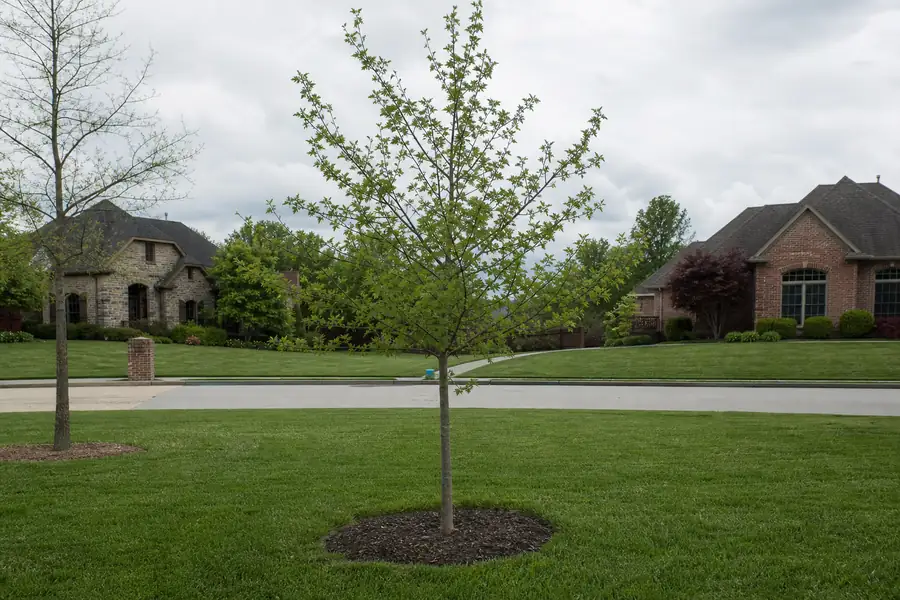
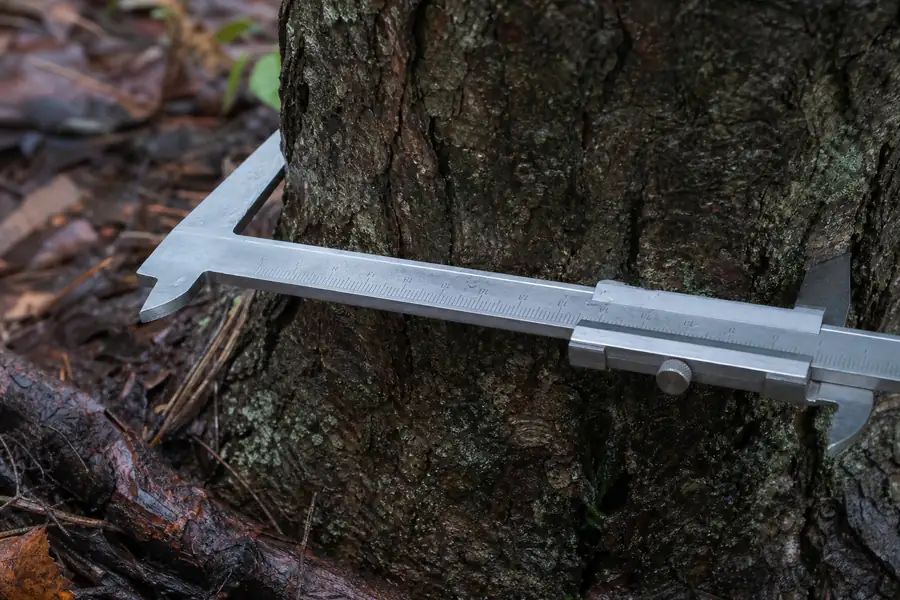
The industry rule of thumb is about one year of establishment per inch of trunk caliper, measured six inches above the ground on younger trees. A 1-inch caliper tree needs roughly a year. A 3-inch caliper tree needs roughly three years. This isn't a guess pulled from nowhere; it reflects how much root mass a tree lost when it was dug at the nursery and how long it takes to regrow that mass in your yard.
| Trunk caliper at planting | Typical establishment time |
|---|---|
| 1 inch | About 1 year |
| 2 inches | About 2 years |
| 3 inches | About 3 years |
| 4+ inches | 4 years or more |
Larger balled and burlapped trees sometimes run a little past this pace because a larger root ball still represents a smaller fraction of the tree's full root system. Patience matters more than most buyers expect going in. A tree that looks stalled in its second year isn't failing, it's doing the underground work that doesn't show yet.
What Does "Established" Actually Mean?
A tree is established once its roots have grown out past the original root ball and into the surrounding native soil on their own. At that point it no longer depends on the small reservoir of soil it shipped with, so it needs far less hand-watering and starts producing normal seasonal growth instead of just surviving. Before that point, the tree is pulling almost all of its water from a root zone barely bigger than the pot or burlap ball it arrived in.
This is also the stage where symptoms of transplant shock, like leaf drop or slow bud break, finally stop showing up. Our guide to newly planted tree care walks through what to watch for during this window, since the signs of a struggling young tree and a perfectly normal, still-establishing one often look alike.
Where Do Tree Roots Actually Grow?
Tree roots spread outward, not downward. Most of a tree's feeder roots, the fine roots that absorb water and nutrients, stay in the top 12 to 18 inches of soil and extend out two to three times the width of the branch spread, often well past the drip line (the ground directly beneath the outermost branch tips). Over the first few growing seasons, those roots push out from the original ball in a widening ring rather than driving straight down like a carrot.
That outward pattern is exactly why compacted soil and a too-small planting hole slow establishment so much. Roots can't establish well if they have nowhere loose to grow into, which is the main reason a tree can sit in the same spot for three seasons and barely expand its root system.
What Speeds Up or Slows Down Establishment?
Warm weather and a long growing season speed root establishment because roots grow fastest in warm, moist soil, giving trees in mild or southern zones a head start over those planted right before a hard winter. Drought, compacted soil, and inconsistent watering slow it down, sometimes by a full growing season or more. Our breakdown on how often to water trees covers the watering rhythm that keeps roots growing instead of stalling.
Planting depth matters just as much as watering. A tree planted too deep struggles to push roots outward at all, which is one more reason establishment timelines vary so much between two trees of the same size.
Established Is Not the Same as Fully Grown
Establishment and full maturity are two different milestones, and mixing them up is the most common mistake in planning a yard. A tree can be fully established, meaning its roots are self-sufficient, years or even decades before it reaches its mature size. Reaching full height and canopy spread depends almost entirely on species growth rate.
| Growth rate | Typical example | Years to approach mature size |
|---|---|---|
| Fast | Bald Cypress, Chinese Elm | 10-15 years |
| Medium | Bur Oak, Little Gem Southern Magnolia | 15-25 years |
| Slow | Chinkapin Oak, many Japanese maples | 25-40+ years |
So a 2-inch caliper tree might be fully established in two years, but it could still take another decade or two to fill out into the canopy you picture when you buy it. That's a feature of how trees grow, not a problem with the tree.
How to Help a Tree Establish Faster
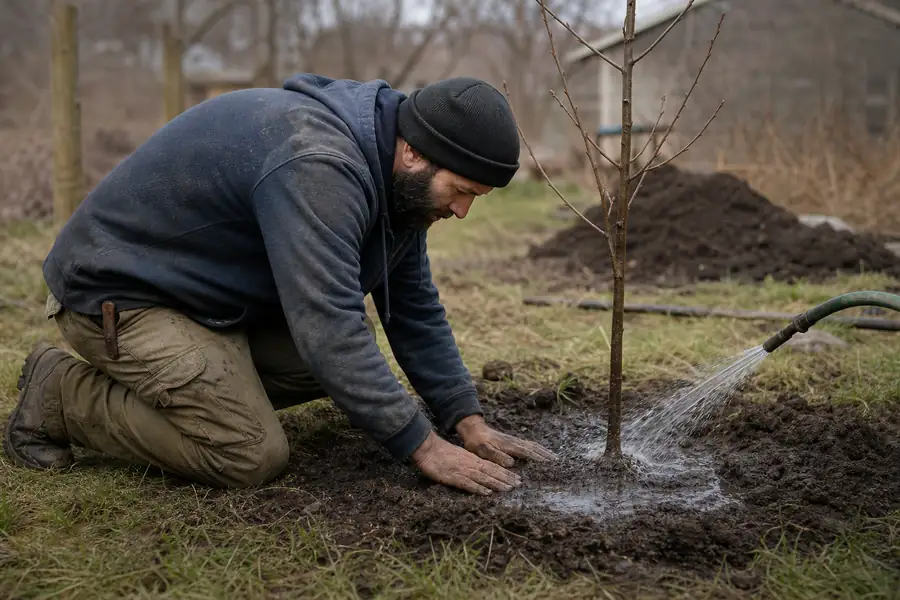
Consistent watering does more for establishment speed than anything else a homeowner can control. Deep, regular watering encourages roots to grow outward into moist soil instead of staying shallow and dependent on the surface. Planting at the correct depth, with the root flare visible at soil level, and laying two to three inches of mulch in a ring (never piled against the trunk) both support that outward root growth; see our guide on how to mulch around a tree for the right technique.
Skip fertilizer in year one. A newly planted tree is focused on rebuilding roots, and pushing top growth with fertilizer before that root system is ready just adds stress. Every tree from Arbor Buddy ships already matched to your USDA hardiness zone, and it's protected during establishment by our one-year guarantee, so if it doesn't survive that critical first year, it gets replaced.
FAQs
How long until a tree is established?
Most trees need about one year of establishment for every inch of trunk caliper measured at planting, so a 2-inch tree takes roughly two years and a 4-inch tree can take four years or more. Soil, climate, and watering habits shift that timeline in either direction.
Does a bigger tree take longer to establish?
Yes. A larger tree arrives with a bigger canopy to support but a root system that is still proportionally small compared to that canopy, so it needs more time to regrow enough roots to keep up. This is normal and expected, not a sign of a weak tree.
How do I know a tree is established?
An established tree needs far less supplemental watering because its roots have spread into the surrounding native soil instead of staying confined to the original root ball. You'll also see it resume steady seasonal growth, like fuller leaf-out and new branch extension, instead of just holding steady.
Can I speed up tree establishment?
Consistent deep watering, correct planting depth, and a proper mulch ring are the biggest levers a homeowner has, since they encourage roots to grow outward into loose, moist soil. Skipping fertilizer in the first year and avoiding soil compaction near the root zone also help, though no amount of care skips the underlying timeline entirely.
When does a tree reach its full mature size?
Full maturity takes far longer than establishment and depends heavily on species: fast growers can approach mature size in 10 to 15 years, medium growers in 15 to 25 years, and slow growers in 25 years or more. A tree can be completely established and healthy long before it reaches the size you picture at maturity.