
First-Year Care
Realistic Growth: What Your Tree Does in Years 1-5
Quick answer: A newly planted tree follows a sleep, creep, leap pattern: almost no visible growth in year one while it builds roots, a modest growth spurt in year two, then a faster, more noticeable leap in height and canopy fullness from years three through five.
That pattern holds for nearly every species Arbor Buddy ships, from oaks to crape myrtles. Knowing the tree growth stages ahead of time keeps a quiet first year from looking like a failing one.
Each stage reflects where the tree is putting its energy. Root development comes first, because a tree can't support faster top growth until its roots can pull enough water and nutrients to fuel it. Once that foundation is in place, growth rate picks up and the canopy starts filling out.
Year 1, the Sleep: Why Your Tree Looks Like It's Standing Still
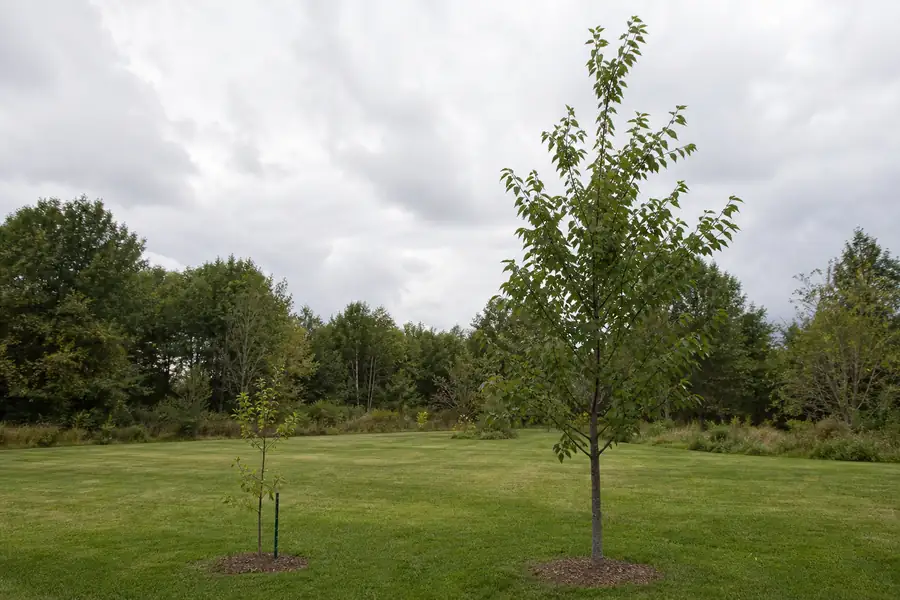
In year one, a tree spends most of its energy on root development, not height. You might see little to no new growth above ground, and that is normal, not a sign of a dying tree.
Below the soil, fine roots are spreading out to replace the ones lost or cut back during digging and transport. This underground work doesn't show, which is exactly why year one feels stalled even on a perfectly healthy tree. For the day-to-day routine that supports this stage, our guide to newly planted tree care covers watering frequency and what to check for.
Year 2, the Creep: Modest, Steady New Growth
In year two, a tree shows modest but steady new growth as its root system starts catching up to its top. Expect a few new inches of height or a handful of new branches, not a dramatic change.
This is the creep. Roots have spread wide enough to support a little more canopy, so you'll see new leaves come in fuller and stems firm up. It's still a building year, but it's visibly different from the stillness of year one.
Years 3-5, the Leap: Faster Height and a Fuller Canopy
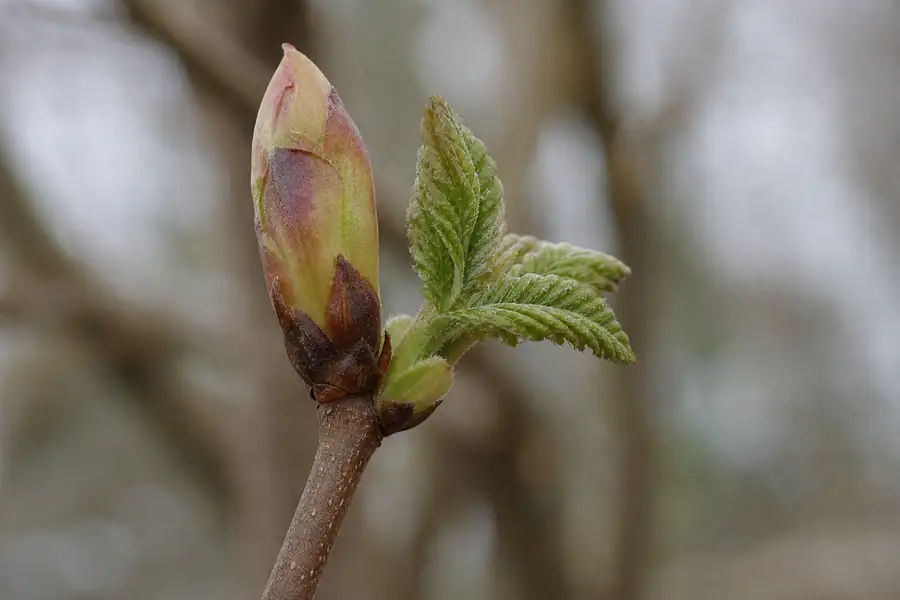
From years three through five, many trees hit the leap stage and add noticeably more height and canopy each year. This is when a new tree starts to look like a real tree instead of a stake with leaves.
With roots established, the plant can support faster growth above ground without overextending itself. Shade species like Chinkapin Oak and Shumard Oak often put on their most visible growth during this window, while faster growers like Autumn Blaze Maple can leap even sooner. Growth still varies by species, soil, and climate, but the shift from creep to leap is one of the most consistent patterns in tree establishment.
Tree Growth Stages: What Counts as Slow, Medium, or Fast
Roughly under 12 inches of new growth a year counts as slow, 12 to 24 inches is medium, and 24-plus inches a year is fast, once a tree is past its first establishment year. These bands help set realistic expectations instead of comparing your tree to the fastest grower on the block.
| Growth Rate | Typical Inches per Year | Example Species |
|---|---|---|
| Slow | Under 12 inches | Japanese maples, Little Gem Southern Magnolia |
| Medium | 12-24 inches | Bald Cypress, Eastern Redbud varieties |
| Fast | 24-plus inches | Autumn Blaze Maple, Thuja Green Giant |
Why the First Year Looks Stalled
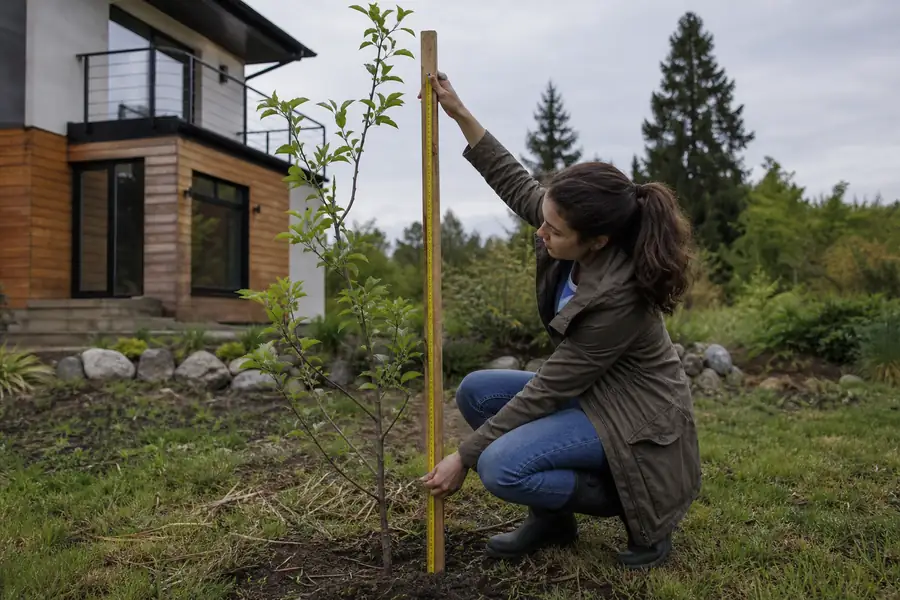
The first year looks stalled because the canopy waits for the roots to catch up, not because the tree is struggling. A tree that pushed hard on top growth before its roots could support it would be more likely to fail, not less.
During this stage, watering and mulch matter far more than feeding. Extension research on tree establishment consistently points to consistent soil moisture as the biggest driver of early root development, while fertilizer does little until roots are in place to use it. Keeping a two to three inch mulch ring, covered in our guide to mulching around a tree, helps hold that moisture steady. For more on how size at planting relates to this slow start, see our breakdown of tree size vs. establishment.
Arbor Buddy only ships zone-matched, landscape-grade trees sized to establish well in your yard, and every tree is backed by Arbor Buddy's one-year guarantee. A slow but healthy first year is expected, not a reason to worry.
What Changes the Pace of Tree Growth
Climate, soil, water, and species decide how fast a tree moves through its growth stages, and no two yards produce identical results. Warmer zones with longer growing seasons tend to speed up early root development, while compacted or heavy clay soils slow it down regardless of species.
| Year | What's Happening | What You'll See |
|---|---|---|
| Year 1 | Root development, root system rebuilding | Little to no top growth |
| Year 2 | Roots widen, start supporting more canopy | Modest, steady new growth |
| Year 3 | Root system largely established | Noticeable height gain begins |
| Year 4 | Faster water and nutrient uptake | Canopy fills out, faster growth rate |
| Year 5 | Tree approaches mature growth pattern | Height and spread close to species norm |
FAQs
Why isn't my new tree growing?
A new tree usually isn't growing above ground because it's spending its energy on root development instead, which is the normal sleep stage in year one. As long as the bark looks healthy and buds are present, slow top growth in year one is expected, not a sign of trouble.
What is sleep creep leap?
Sleep, creep, leap describes the typical pace of a newly planted tree: little visible growth in year one (sleep), modest growth in year two (creep), and faster height and canopy growth in years three through five (leap). It reflects the shift from building roots to supporting fuller top growth.
When will my tree take off?
Most trees start their visible leap in height and canopy sometime between years three and five, once the root system is established enough to support faster growth. Exact timing depends on the species, local climate, and how consistently the tree was watered in its first two years.
How fast is fast tree growth?
Fast growth generally means 24 inches or more of new height per year once a tree is past its first establishment year. Species like Autumn Blaze Maple and Thuja Green Giant regularly grow at this pace, while many oaks and magnolias grow more slowly by nature.
Does watering speed up growth?
Consistent watering speeds up root development, which indirectly speeds up the whole growth timeline, but it won't make a tree skip its early establishment stage. Steady soil moisture in the first two years is one of the most reliable ways to help a tree move through its growth stages on schedule.