Quick answer: A bigger transplant loses more of its root system when it's dug, so it stalls longer before it resumes normal growth. A smaller tree planted the same day often equals or passes that bigger tree within 5 to 10 years, because it never lost as much root mass to begin with. Buy big anyway if you need screening or a focal point right now, not later.
This is the part of tree size vs establishment that nobody selling big trees wants to talk about. We sell plenty of large-caliper stock ourselves, and we're publishing this anyway, because a customer who understands the tradeoff waters correctly and gets a tree that survives. That matters more to us than moving the bigger, pricier item.
What Digging Does to Tree Roots
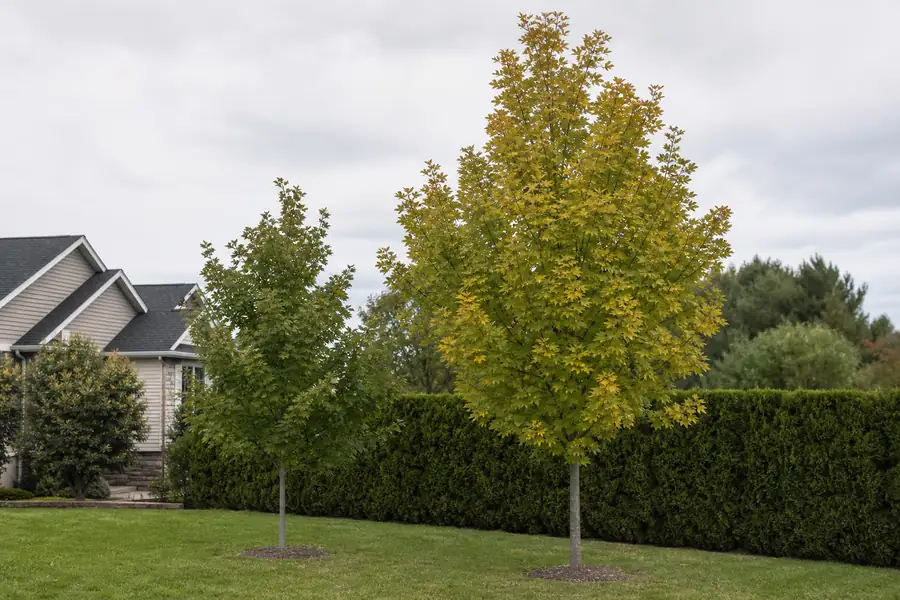
Field-digging a tree for sale cuts away most of its root system, and the bigger the tree, the more roots get left behind. University extension research on large-caliper stock puts the loss at up to 90 percent of the original root mass for trees dug straight from a field. That's not a defect. It's just physics: a tree that's been growing in open ground for years has spread roots far wider than any shovel or tree spade can capture.
Container-grown trees keep their roots intact, which sounds like a clean win. It mostly is, but containers bring their own catch: roots can start circling the inside of the pot instead of growing outward. A circling root system needs to be corrected at planting, or it can girdle the trunk years later. Either way, the tree you plant rarely has the root spread its top growth suggests.
The Establishment Clock: Tree Size vs Establishment Time
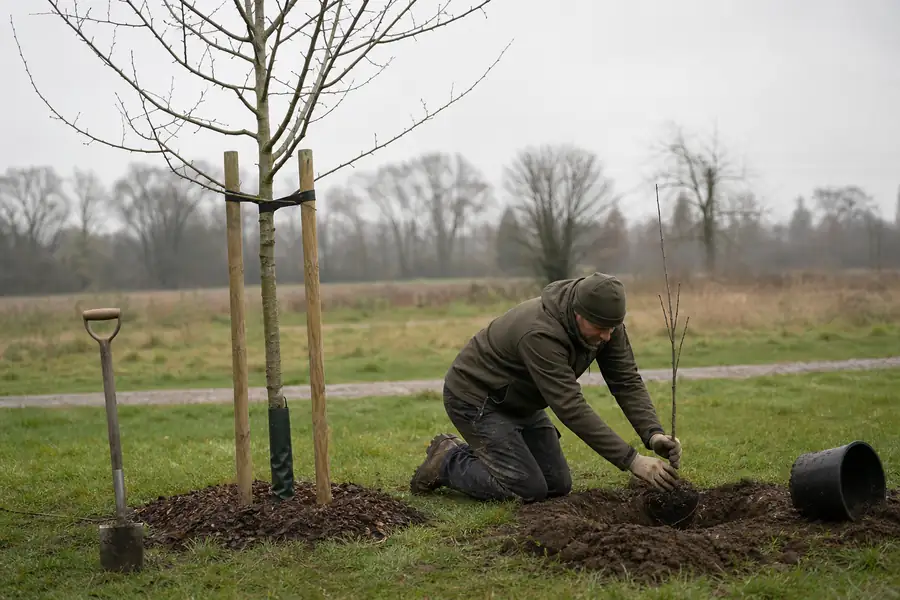
Establishment period is the stretch after planting when a tree is rebuilding lost roots instead of growing new branches, and it scales almost directly with trunk caliper. Trunk caliper is the standard nursery measurement of trunk diameter taken a few inches above the root ball, and it's the number that drives both root loss and recovery time. The rule of thumb: roughly one year of establishment for every inch of caliper.
A 1-inch caliper tree is usually back to normal growth by its second year in the ground. A 3-inch caliper tree, with far more roots to regrow, is often closer to year four before it puts on real canopy growth again. During that stretch, the bigger tree can look stalled while the smaller one is already stretching upward.
The Catch-Up Effect
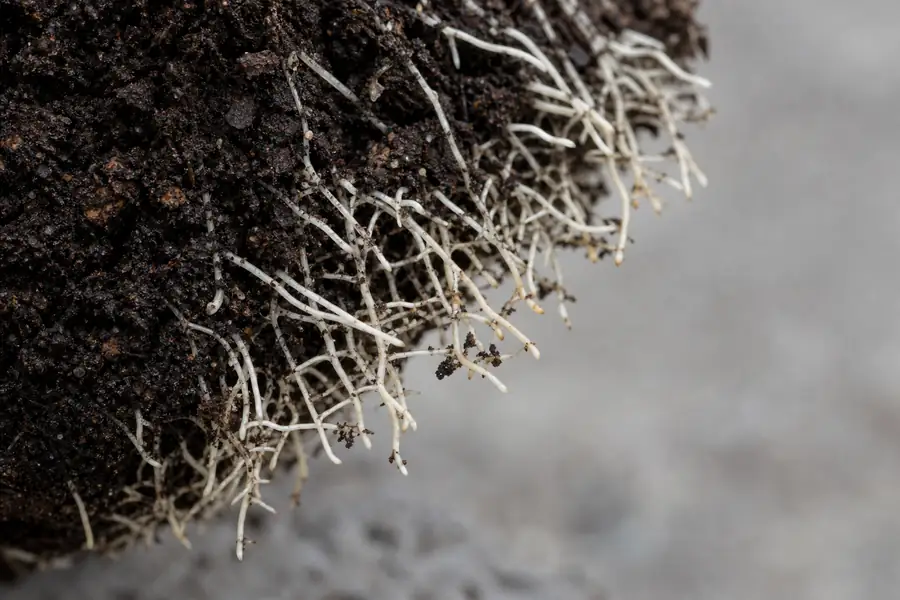
Smaller trees resume full growth sooner, and that head start is why they often equal or overtake a larger transplant within 5 to 10 years. Extension research on transplant recovery consistently shows the same pattern: the tree that loses less root mass at planting resumes vigorous shoot growth faster, while the larger tree spends its early years rebuilding a root-to-shoot ratio, the balance between root capacity and the top growth it has to support, that got knocked out of proportion by digging.
This doesn't mean small always wins. A tree with a rough site, poor soil, or inconsistent water can stay behind schedule indefinitely. But given comparable care, the size gap between a 1-inch and a 3-inch tree planted the same day narrows a lot faster than most buyers expect, and sometimes closes entirely.
Before you buy either size, run your address through Arbor Buddy's growing zone lookup so you're not solving a size question on a tree that was never going to survive your winters in the first place.
Water Math Scales With Trunk Size
A bigger tree doesn't just take longer to establish, it needs a lot more water while it does. The general guideline is about 10 gallons per caliper inch, applied weekly, sustained through the growing season for as many years as the establishment period runs.
| Trunk Caliper | Typical Root Loss (Field-Dug) | Establishment Period | Weekly Water Needed |
|---|---|---|---|
| 1 inch | Low (often container-grown) | 1-2 years | About 10 gallons |
| 2 inch | Moderate to high | 2-3 years | About 20 gallons |
| 3 inch | Up to 90 percent | 3-4 years | About 30 gallons |
Skip a few weeks of watering on a 1-inch tree and it usually bounces back. Skip the same weeks on a 3-inch tree carrying a fraction of its old root system, and you're looking at real transplant shock, wilting, leaf drop, and sometimes death, because there simply aren't enough roots left to pull water from a wider soil volume.
When Bigger Is Still the Right Call
A larger tree earns its price when you need results now, not in five years. Instant privacy screening, a single front-yard focal point for a home sale or event, or a hard deadline like a landscaping project tied to a closing date, all justify buying big.
If you go that route, pair the purchase with a real irrigation plan and a written guarantee, not just optimism. Every tree we ship, large or small, carries Arbor Buddy's 1-Year Alive & Thrive Guarantee, and we recommend photographing the tree at arrival so you have a clear record if you ever need to file a claim.
Buying This Smart
Match tree size to your patience and your watering capacity, not your budget alone. If screening is the goal and you can't commit to years of heavy watering on one giant tree, two mid-size trees spaced correctly often fill in and outperform a single oversized specimen, since each has less root to rebuild and less water demand to sustain.
If you're not sure which size or species fits your yard, Arbor Buddy's Plant Finder quiz builds a shortlist based on your space and climate before you commit to a size. Browse trees sized for realistic results and check the caliper and container details on each listing before you decide.
FAQs
Do small trees really catch up to bigger ones?
Often, yes. Given similar care and site conditions, a smaller tree frequently equals or passes a larger tree planted the same day within 5 to 10 years, though the exact timeline depends on species and growing conditions.
How long does tree establishment actually take?
A common rule of thumb is about one year of establishment for every inch of trunk caliper. A 1-inch tree is typically growing normally again within a year or two, while a 3-inch tree often takes three to four years.
Is a bigger tree a better investment?
Only if you commit to the watering it needs. A larger tree that gets inconsistent water during establishment can underperform or fail, while a smaller tree with steady care usually thrives and can overtake it in growth over time.
Does the root loss principle apply to evergreens too?
Yes. Evergreens lose roots to field-digging the same way deciduous shade trees do, and the establishment math based on trunk caliper applies whether the tree holds its leaves year-round or not.
Should I just buy the biggest tree I can afford?
Buy the biggest tree you can water, not just afford. A tree sized to match your realistic watering capacity for the next several years will establish more reliably than one bought at the edge of your budget and left to fend for itself.