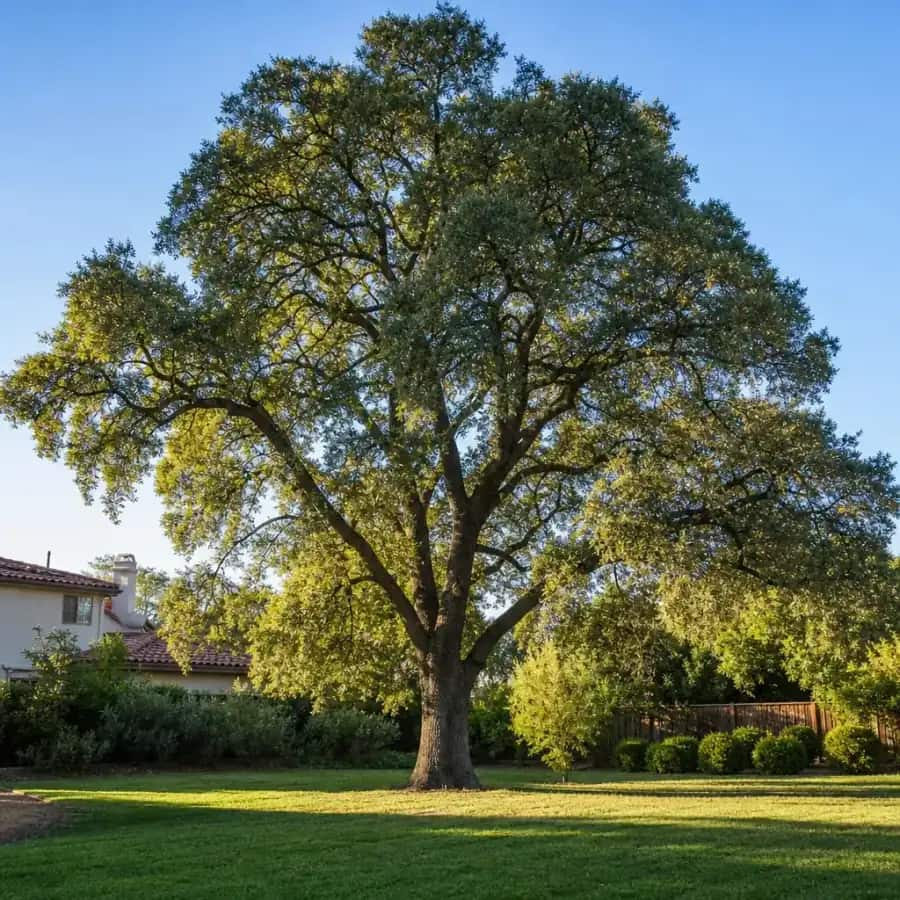
 Zones 7 to 11
Shade Trees
Mexican White Oak
$418
Shop large, nursery-grown shade, privacy, flowering and fruit trees, delivered by freight in Phoenix. Every tree is matched to your hardiness zone and backed by our 1-Year Thrive Guarantee.
Enter your ZIP and we'll match trees to your exact growing zone.
Typical winter lows in Phoenix run about 25 to 30 F.
Matched to Phoenix's zone
Zones 7 to 11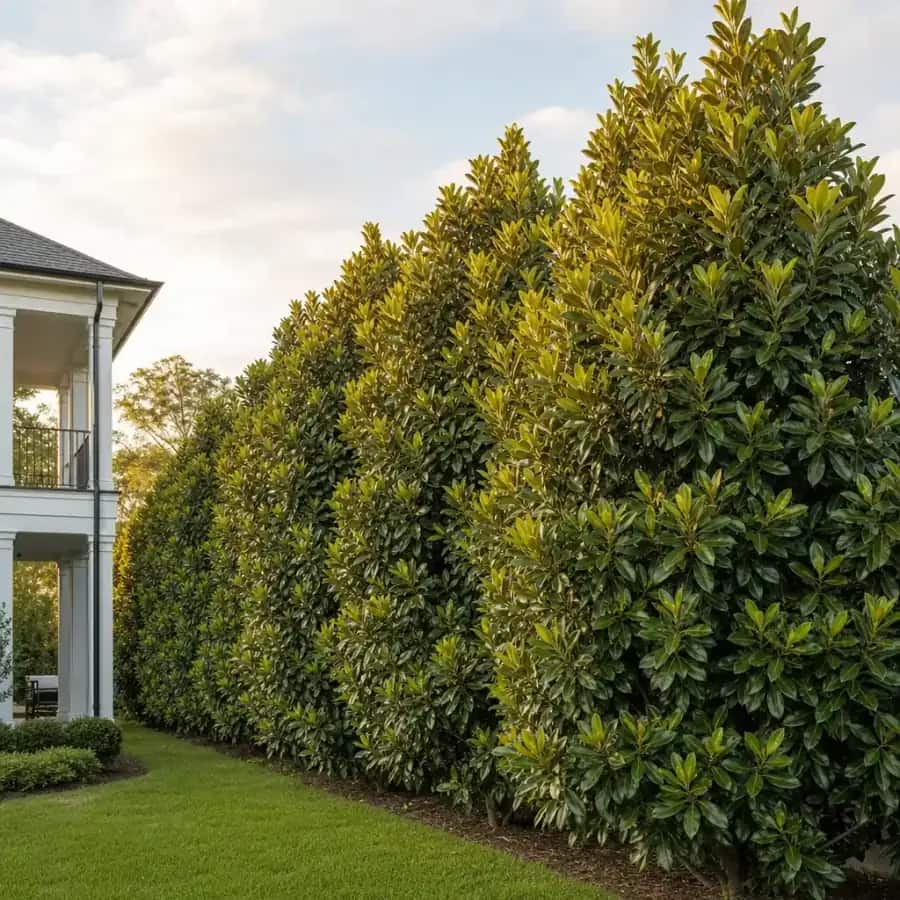 Zones 7 to 9
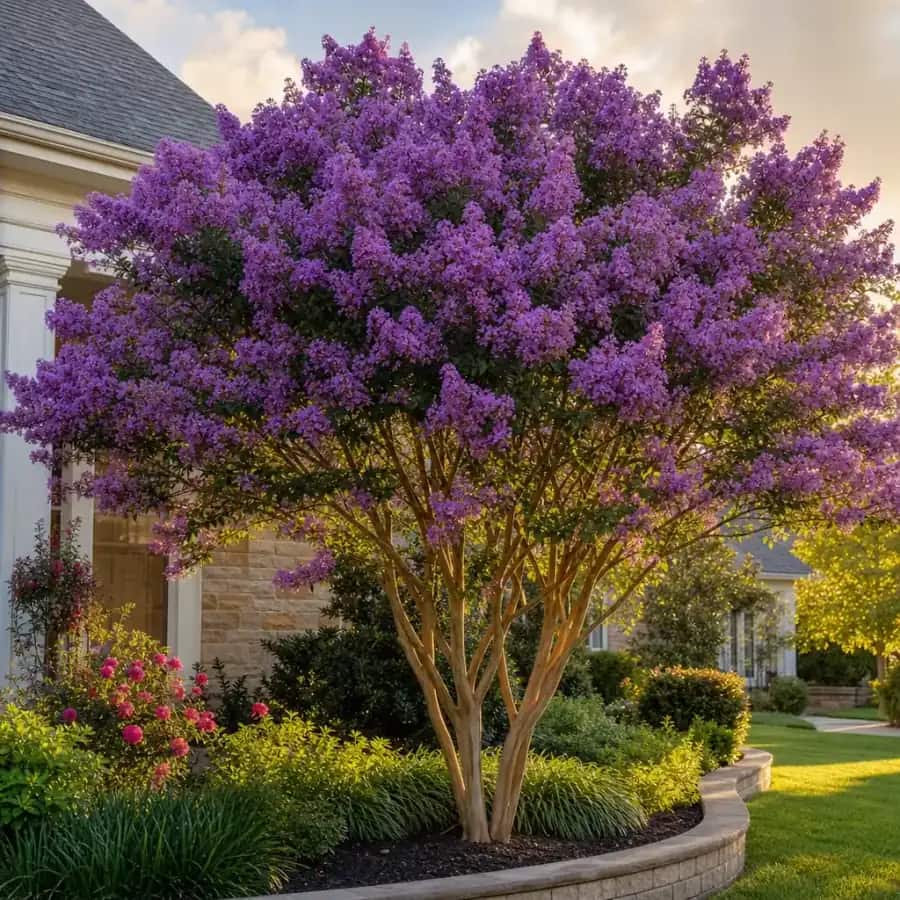 Zones 7 to 9
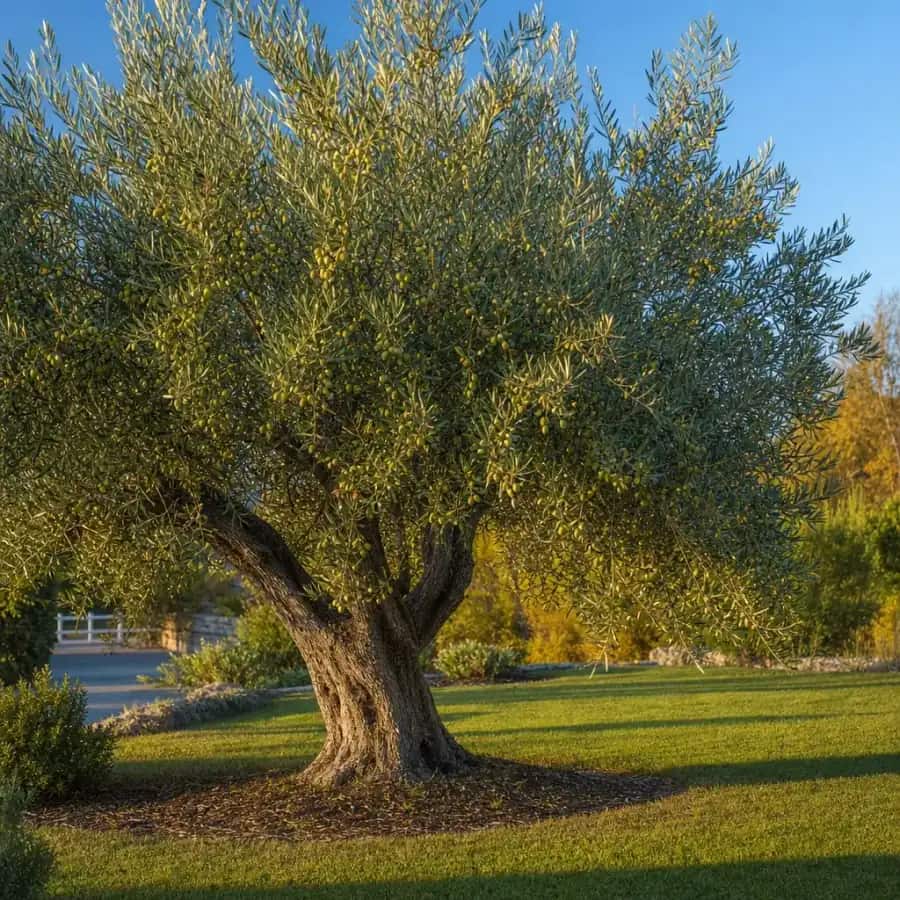 Zones 8 to 11
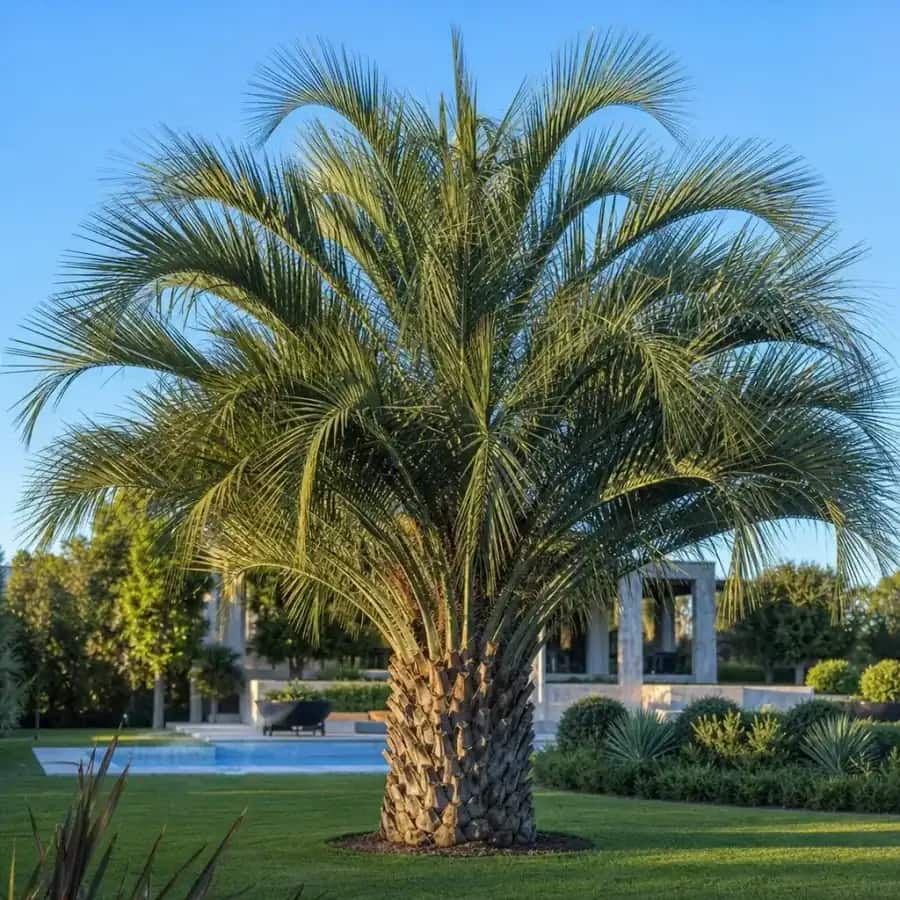 Zones 8 to 11
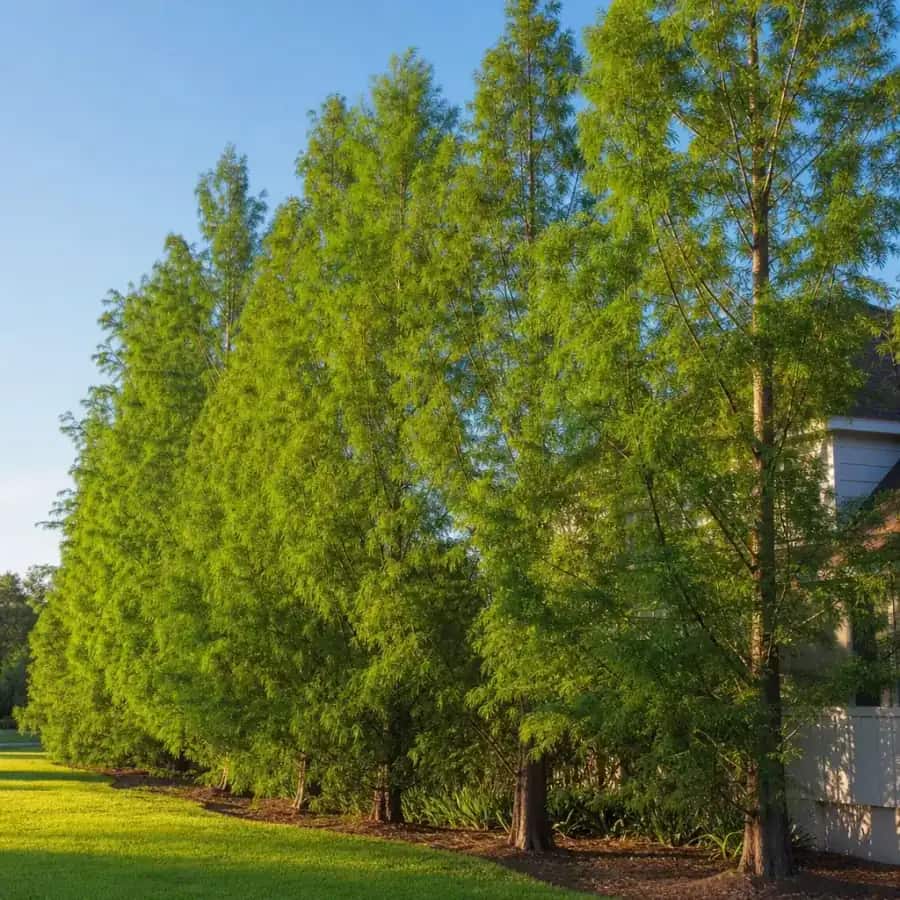 Zones 5 to 9
Shop by category
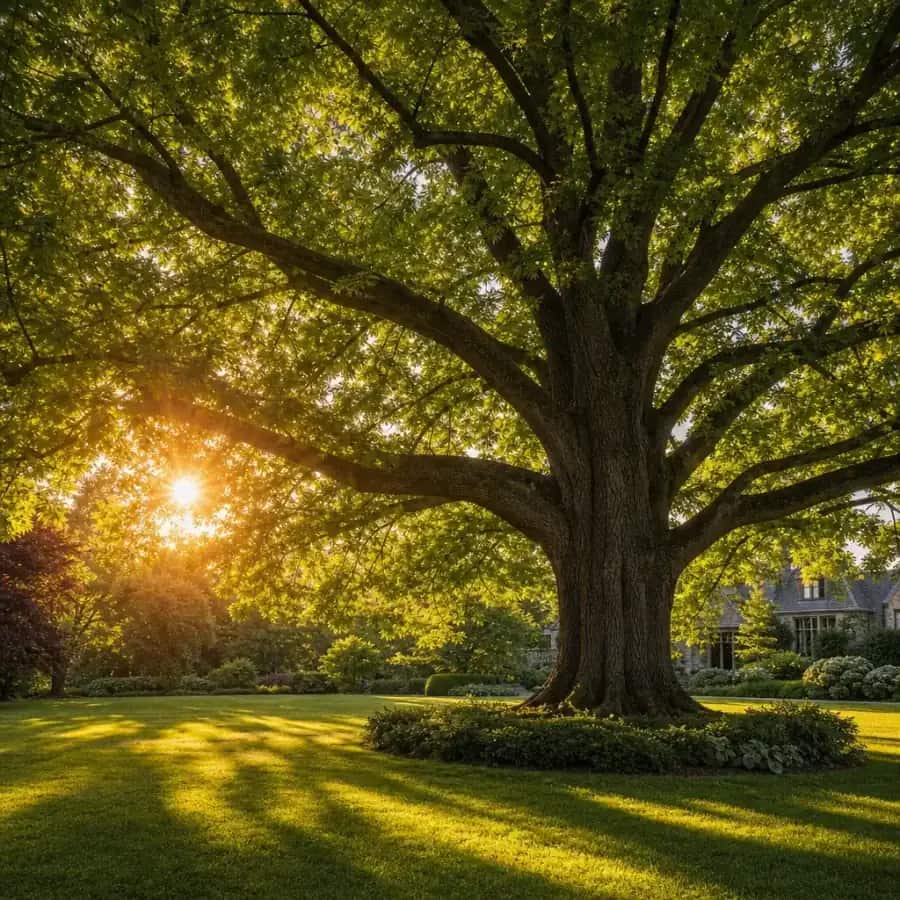 Shade TreesCool your home and patio with fast-growing trees built for hot summers.View all Shade Trees →
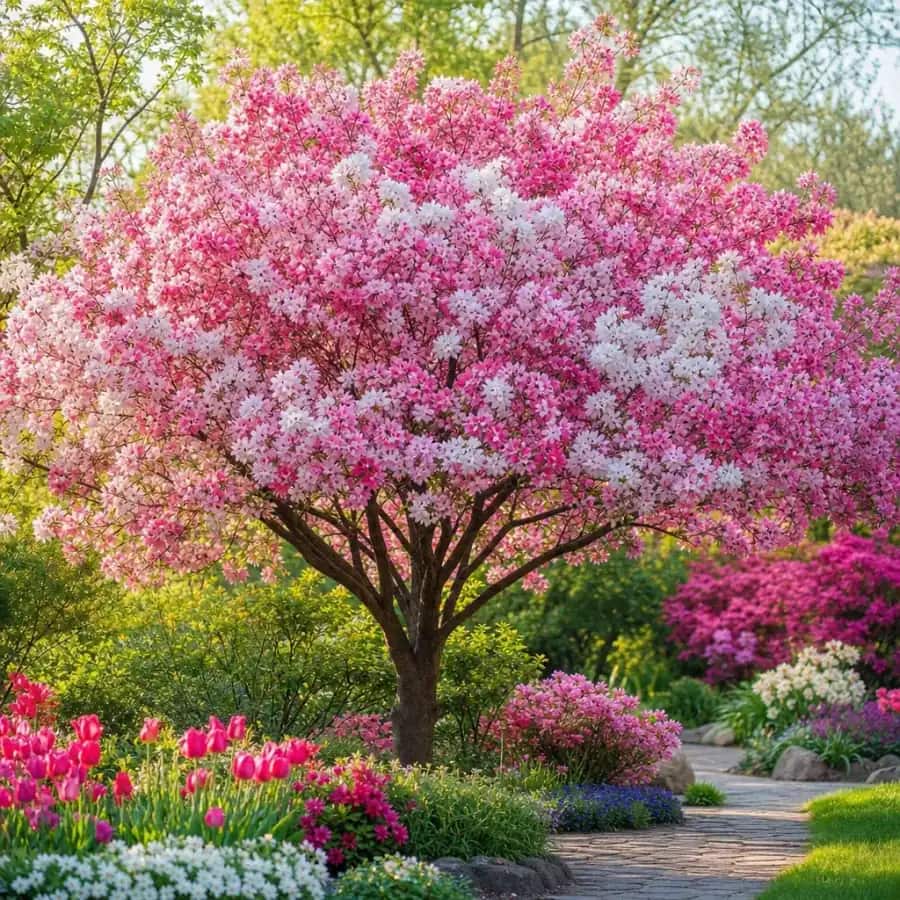 Flowering & OrnamentalAdd seasonal color with trees that bloom reliably in zone 9b's mild winters.View all Flowering & Ornamental →
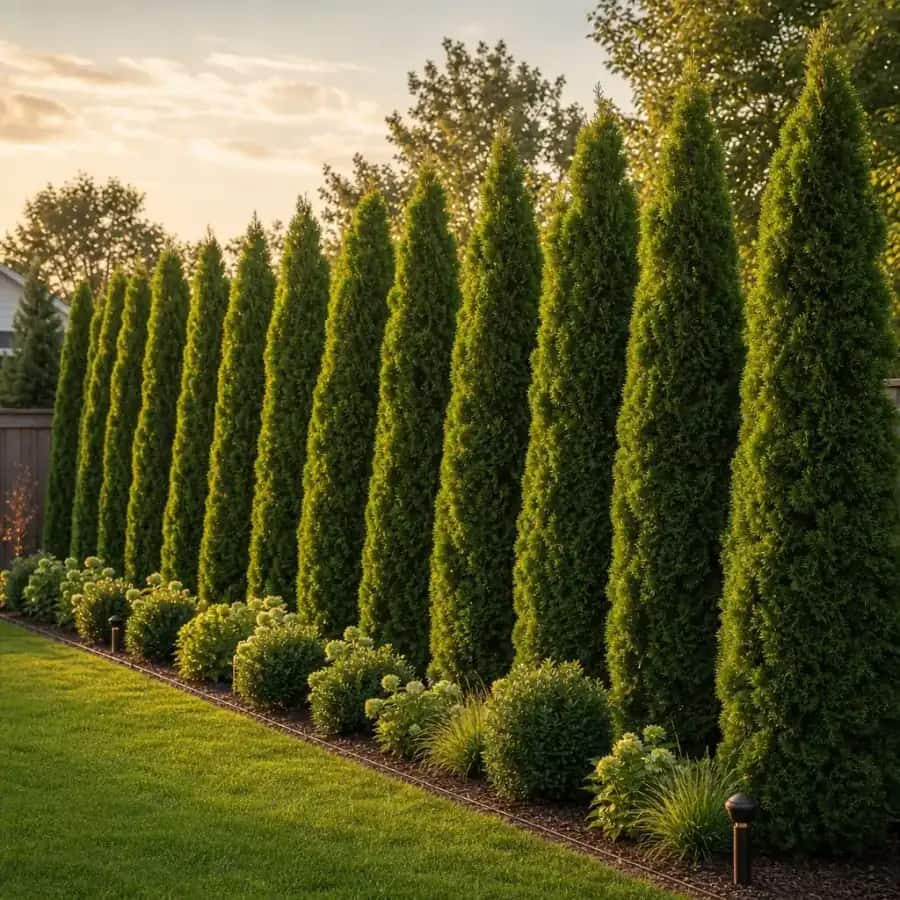 Evergreen & PrivacyCreate year-round screening with tough evergreens that handle Phoenix heat.View all Evergreen & Privacy →
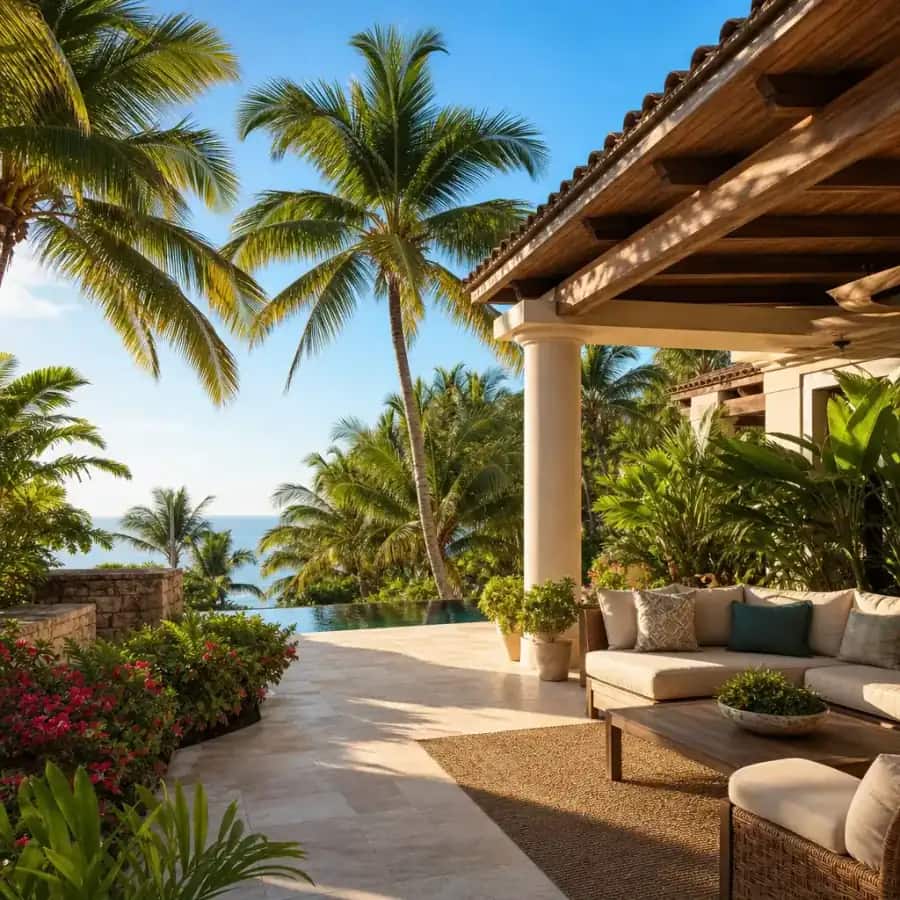 Palms & TropicalsResort-worthy palms and architectural foliage.View all Palms & Tropicals →
Local fit, from data
9b
about 25 to 30 F
Maricopa County
Arizona
Are you looking for trees delivered to Phoenix, AZ 85031? Arbor Buddy ships large, nursery-grown landscape trees by freight to homeowners and contractors. You can choose from shade, flowering, privacy, fruit, and palm trees, all matched to your USDA hardiness zone 9b. That means every tree is suited to survive and thrive in your local climate.
Phoenix, AZ 85031 falls in USDA hardiness zone 9b, where typical winter lows run about 25 to 30 degrees Fahrenheit. That's warm enough to grow a broad mix of trees, including heat-loving species like American Sycamore, crape myrtles, and citrus relatives. The area gets hot, dry summers, so trees that tolerate drought and heat stress do best here.
In zone 9b, you can plant both deciduous and evergreen trees, but the best performers are those that can handle the occasional brief cold snap without damage. Avoid species that need prolonged cold winters or high chill hours above what this zone provides. The trees featured above are all tested for this climate.
For a reliable shade tree in Phoenix, American Sycamore is a top pick because it grows fast and stands up to heat. For privacy, Eastern Redcedar and Skyrocket Juniper are tough options that stay green year-round.
American Sycamore is a top pick because it grows fast, handles heat, and produces a broad canopy. Other good choices include Chinese Elm and Mexican White Oak, both adapted to zone 9b conditions. These trees cool your yard and home while tolerating summer sun.
American Sycamore is one of the fastest-growing shade trees you can plant here, adding several feet per year. For quick privacy, Eastern Redcedar grows steadily once established. Fast growth often means you get shade or screening sooner, but make sure to give them room to spread.
Eastern Redcedar is a tough native evergreen that forms a dense screen over time. Skyrocket Juniper offers a narrow vertical shape that works in tight spots, though it needs multiple plants for a full screen. Both handle heat and drought once established.
Yes, but chill hours matter. The Elberta Peach Tree needs about 800 chill hours, which zone 9b usually provides. Citrus like Meyer Lemon is less frost-hardy; protect it when temperatures drop below 20 F. You can also grow figs and pomegranates in this zone with less fuss.
Your zone 9b climate in ZIP 85031 gives you a broad range of tree choices. Arbor Buddy ships large, nursery-grown trees matched to your area, with a 1-Year Thrive Guarantee. Browse the categories above to find shade, privacy, flowering, fruit, and accent trees that will do well in your yard. Then order online, and we will deliver them to your door.
Your tree choices in Phoenix shift when you compare them to regions with colder winters or different climate patterns. Here is how ZIP 85031 stacks up against three other areas.
In ZIP 19950 in Greenwood, Delaware (DE), the zone is 7b with winter lows of 5 to 10 F. That colder climate limits the privacy and screening options that work year-round. While you can plant Eastern Redcedar in both zones, Delaware winters are harsh enough that some evergreens need extra protection. That gap changes the local shortlist to hardier narrow-leaved evergreens like Skyrocket Juniper, which still does well there but is more common in Phoenix as a vertical accent.
ZIP 80923 in Colorado Springs, Colorado (CO) sits in zone 6a with winter lows of -10 to -5 F. That is much colder than Phoenix's 9b, so flowering trees that thrive here, like crape myrtles, cannot survive there without protection. For your cart, that means you can enjoy warm-zone bloomers like Colorama Scarlet Crape Myrtle without worrying about killing frosts. Phoenix buyers get a longer flowering season, but Colorado Springs buyers focus on cold-hardy species like crabapples.
ZIP 06279 in Willington, Connecticut (CT) falls in zone 6b with winter lows of -5 to 0 F. The colder climate strongly limits fruit and citrus viability. In practice, buyers here lean toward cold-hardy fruits like apples and pears, while in Phoenix you can grow Elberta Peach (which needs 800 chill hours) and even try citrus in a protected spot. Zone 9b opens the door to fruit trees that would freeze in Connecticut.
For Phoenix buyers, these contrasts mean your cart can include species that would fail in colder regions. Take advantage of your warm winters when choosing trees for shade, color, and fruit.
Arbor Buddy backs every tree with a 1-Year Thrive Guarantee: if your tree does not survive its first year, we send a free replacement. Trees are shipped by freight to ZIP 85031 and to other Phoenix ZIPs (85027, 85028, 85029, 85032, 85033, 85034). Orders to zone 9 areas are scheduled for fall and early-spring arrival, which gives your tree the best start.
Your tree arrives nursery-grown and at a usable landscape size. The freight truck will need a street with room to stop and maybe turn around. Make sure someone can be home to receive the tree and inspect it.
Before delivery day, check:
Enter your ZIP, shop only what thrives in your zone.
Freight delivery to your address: $149 flat per order, shown at checkout.
Plant it, watch it thrive, covered for one year.
Good to know · Growing guide
Coverage runs a full year from delivery. If something goes wrong, contact the team and they arrange the replacement. No store-credit games, no fine-print maze.