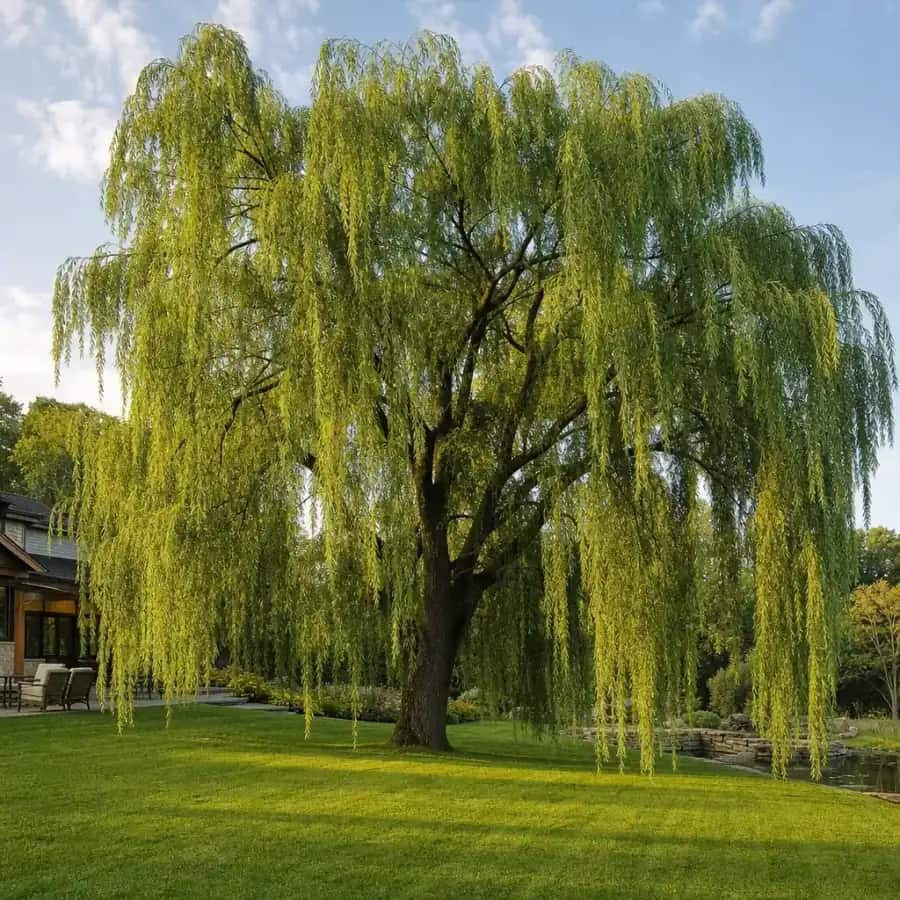
 Zones 4 to 9
Shade Trees
Weeping Willow
$40
Shop large, nursery-grown shade, privacy, flowering and fruit trees, delivered by freight in McIntosh County. Every tree is matched to your hardiness zone and backed by our 1-Year Thrive Guarantee.
Enter your ZIP and we'll match trees to your exact growing zone.
Typical winter lows in McIntosh County run about 20 to 25 F.
Matched to McIntosh County's zones
Zones 4 to 9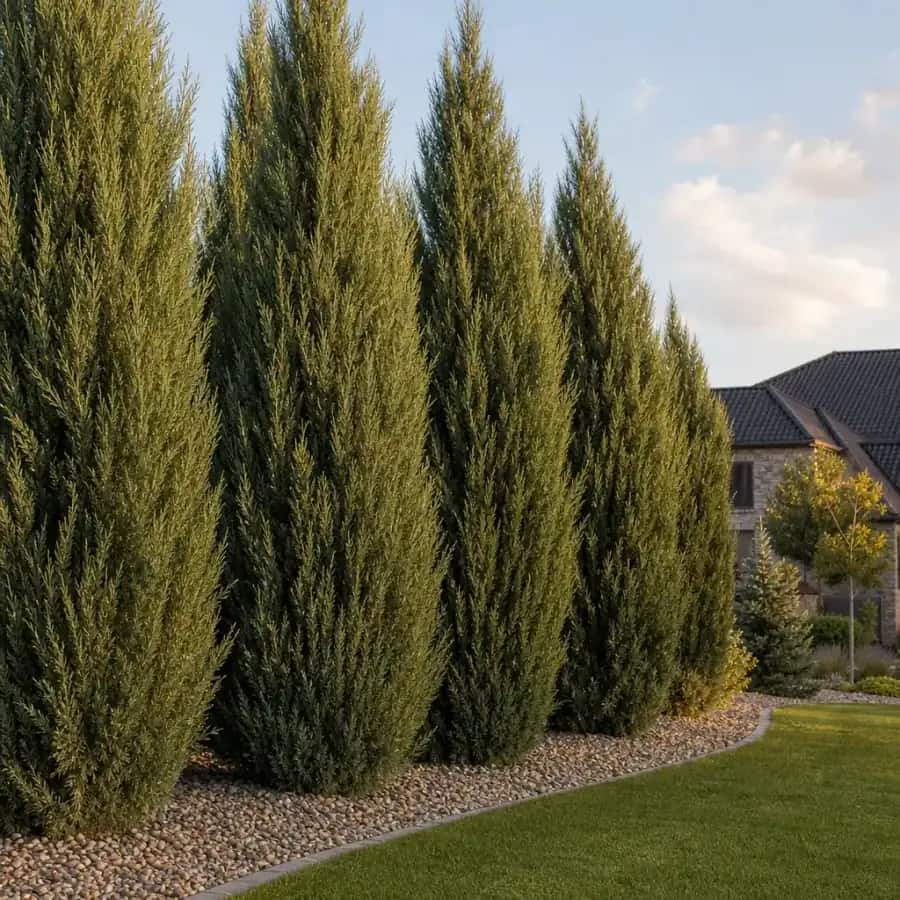 Zones 4 to 9
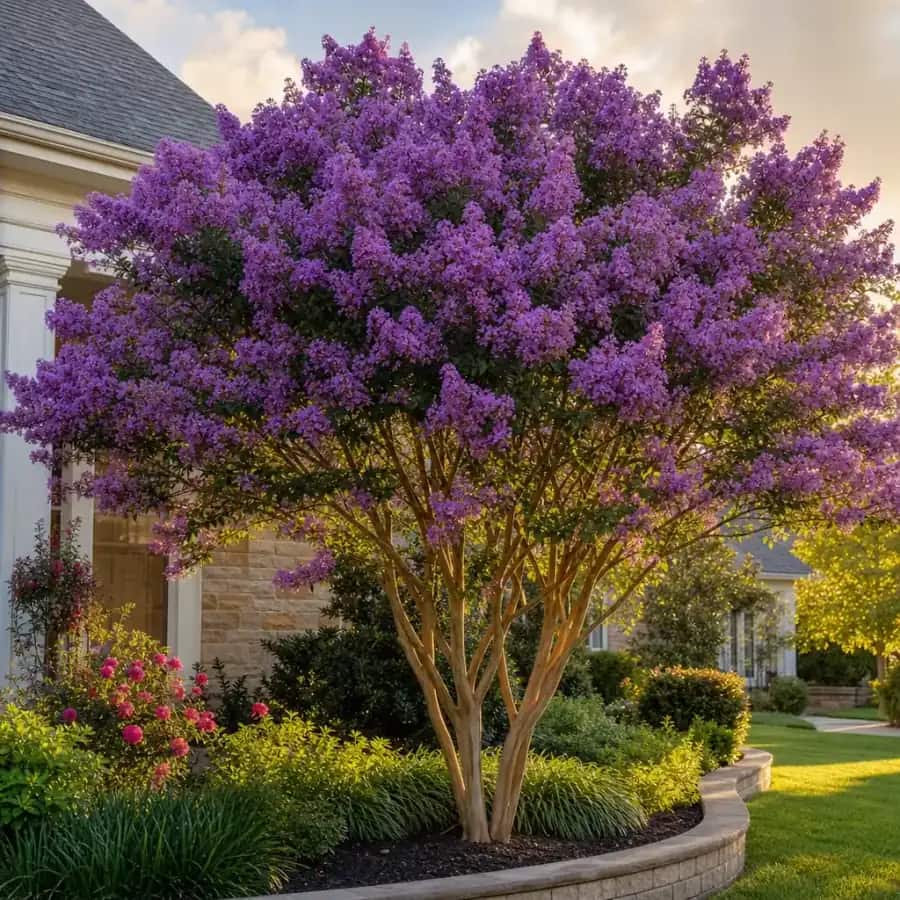 Zones 7 to 9
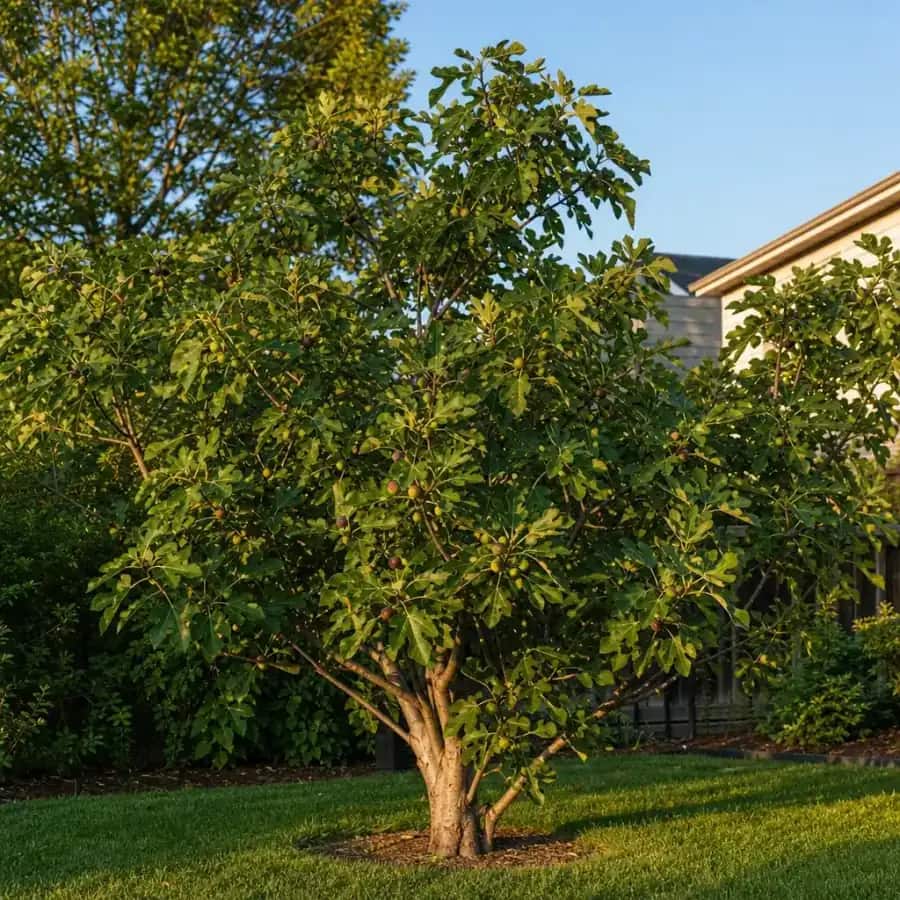 Zones 5 to 10
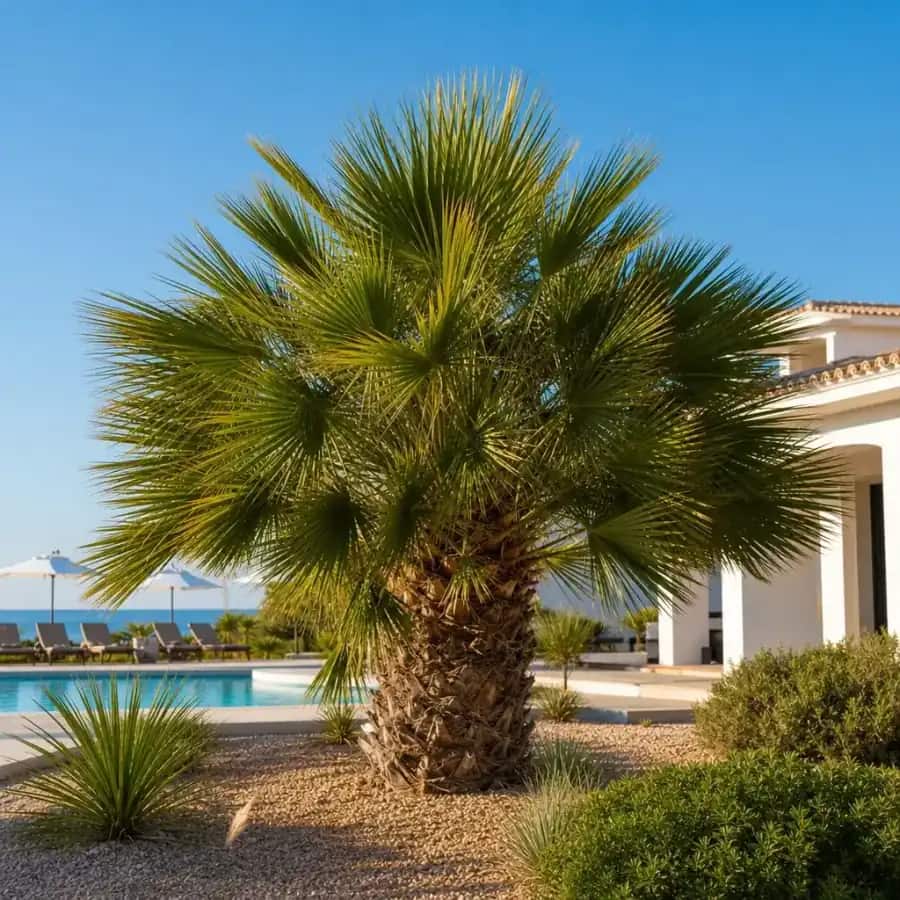 Zones 8 to 11
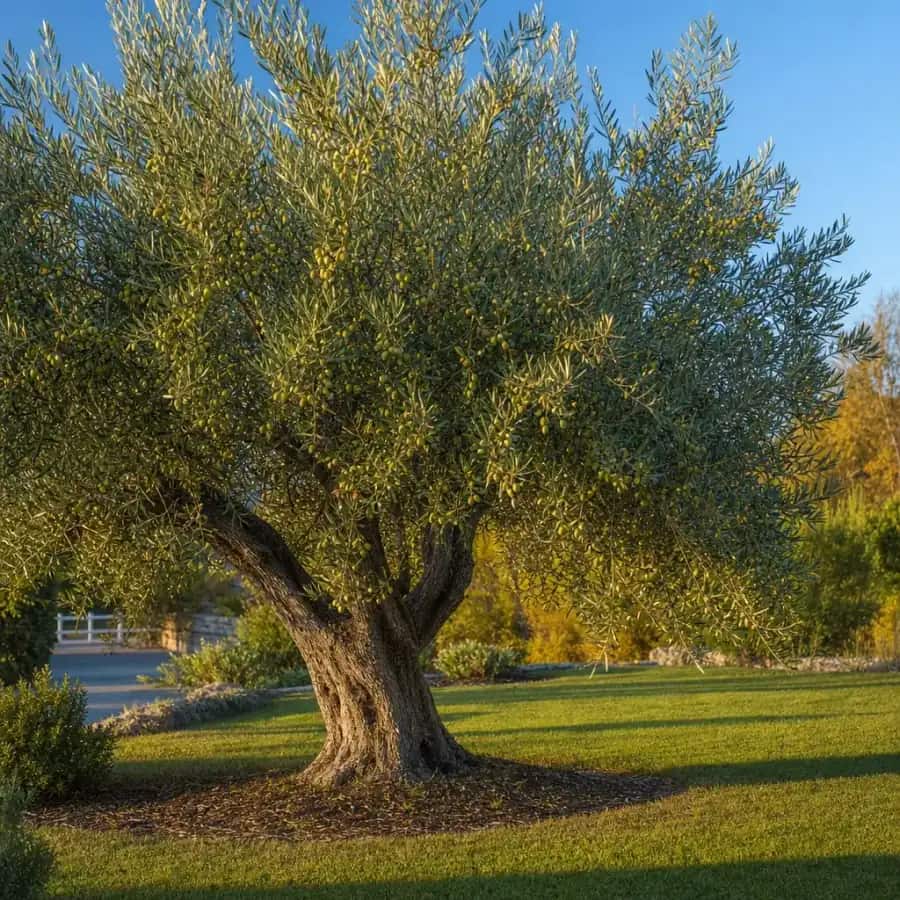 Zones 8 to 11
Shop by category
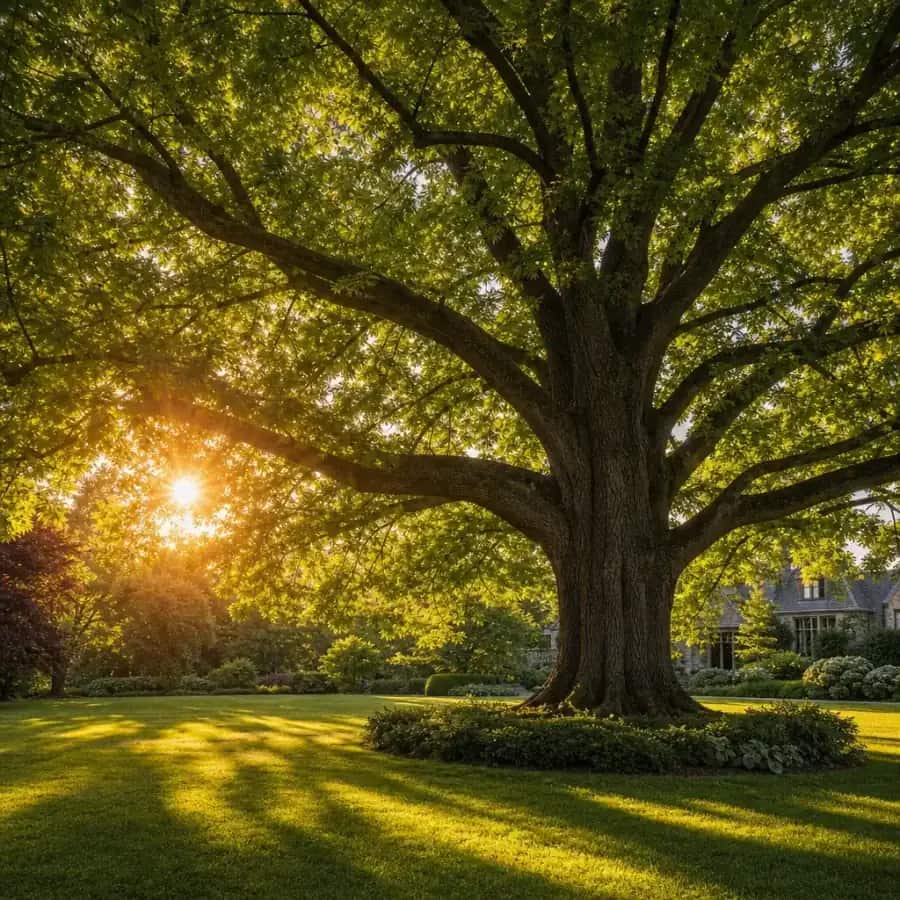 Shade TreesCool your home and yard with broad-canopy natives that thrive in zone 9 heat.View all Shade Trees →
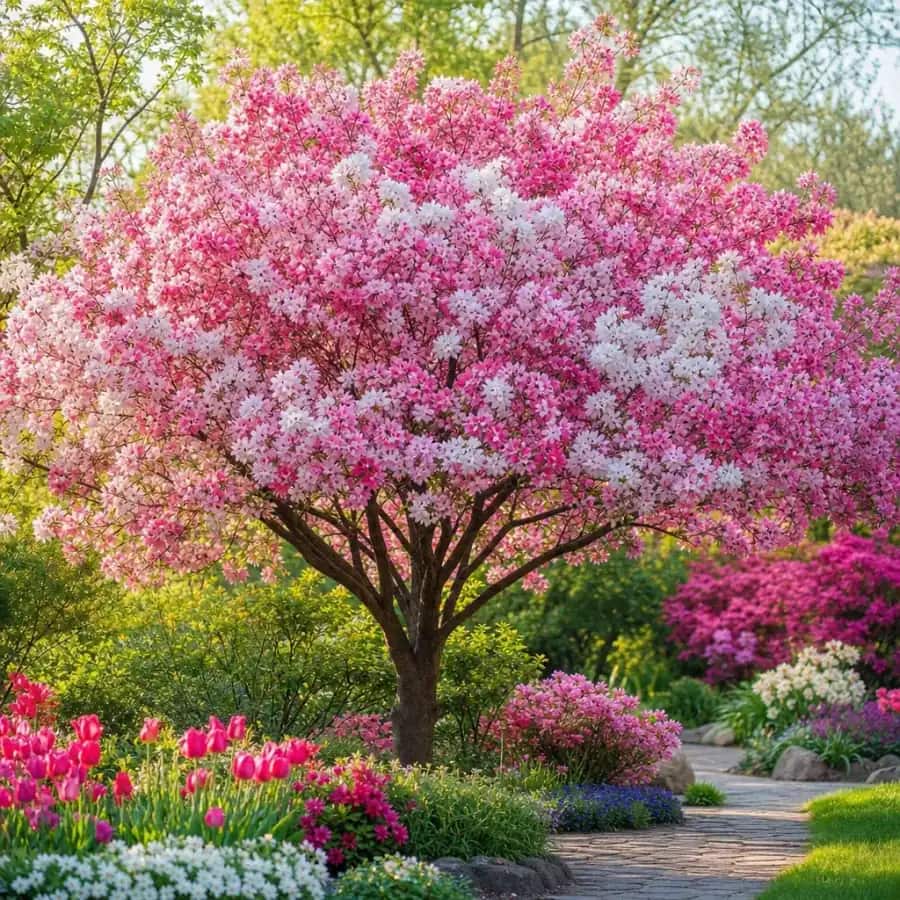 Flowering & OrnamentalAdd spring color and curb appeal with bloomers that love long, warm summers.View all Flowering & Ornamental →
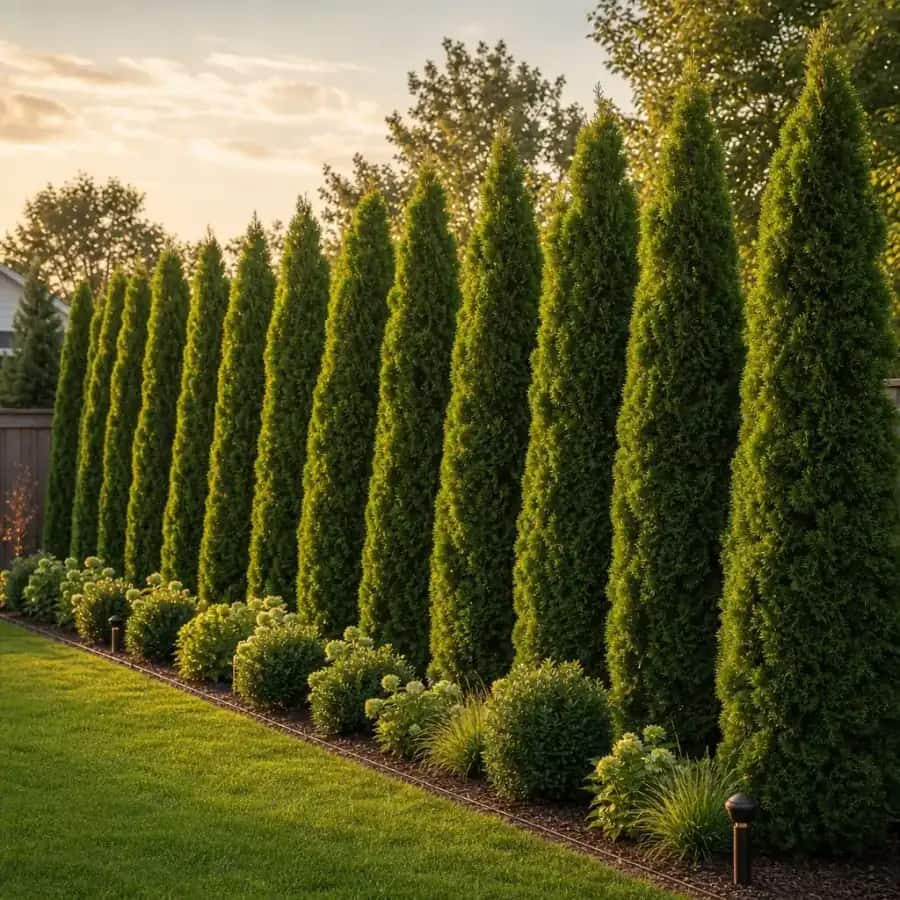 Evergreen & PrivacyBuild a year-round screen using tough evergreens that handle humidity and occasional cold snaps.View all Evergreen & Privacy →
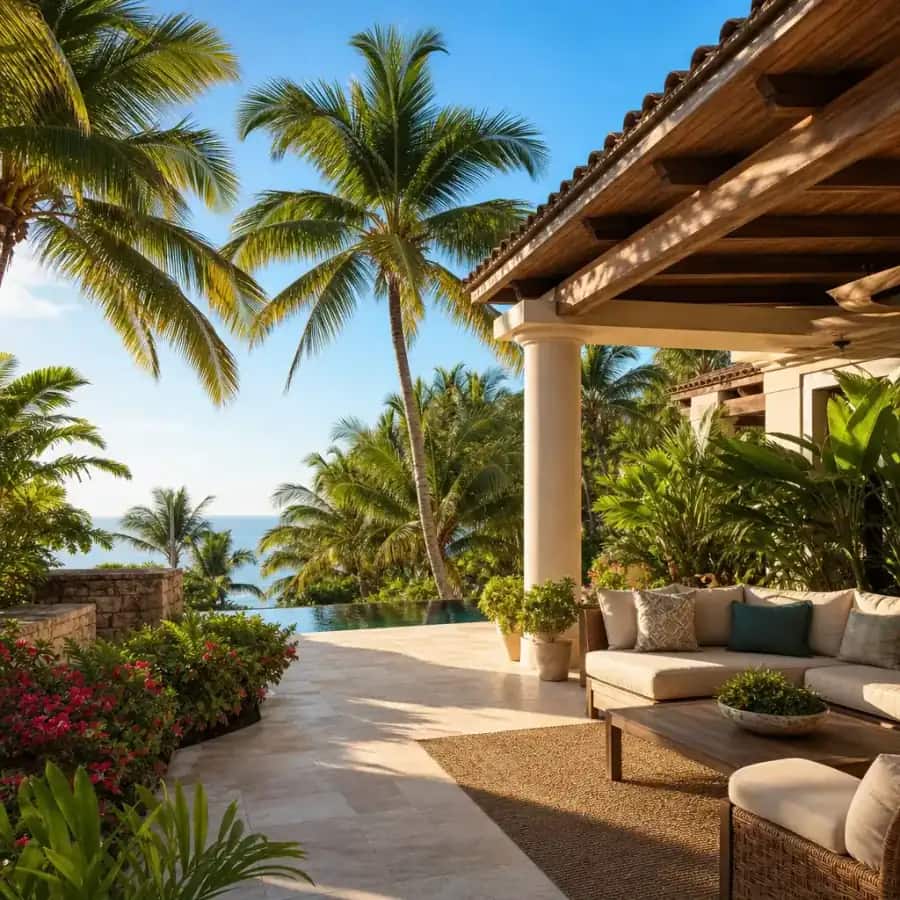 Palms & TropicalsBring a subtropical look with palms that tolerate the mild winters and hot summers of McIntosh County.View all Palms & Tropicals →
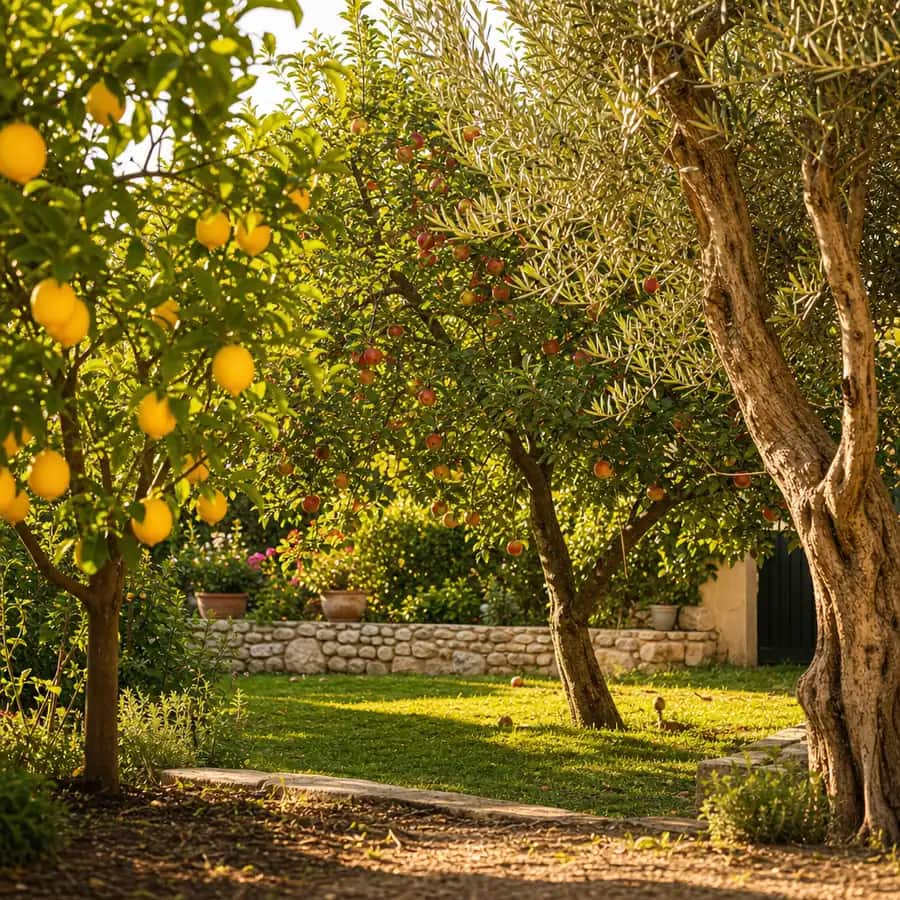 Fruit TreesGrow your own fruit with varieties that get enough chill hours and ripen in the long growing season.View all Fruit Trees →
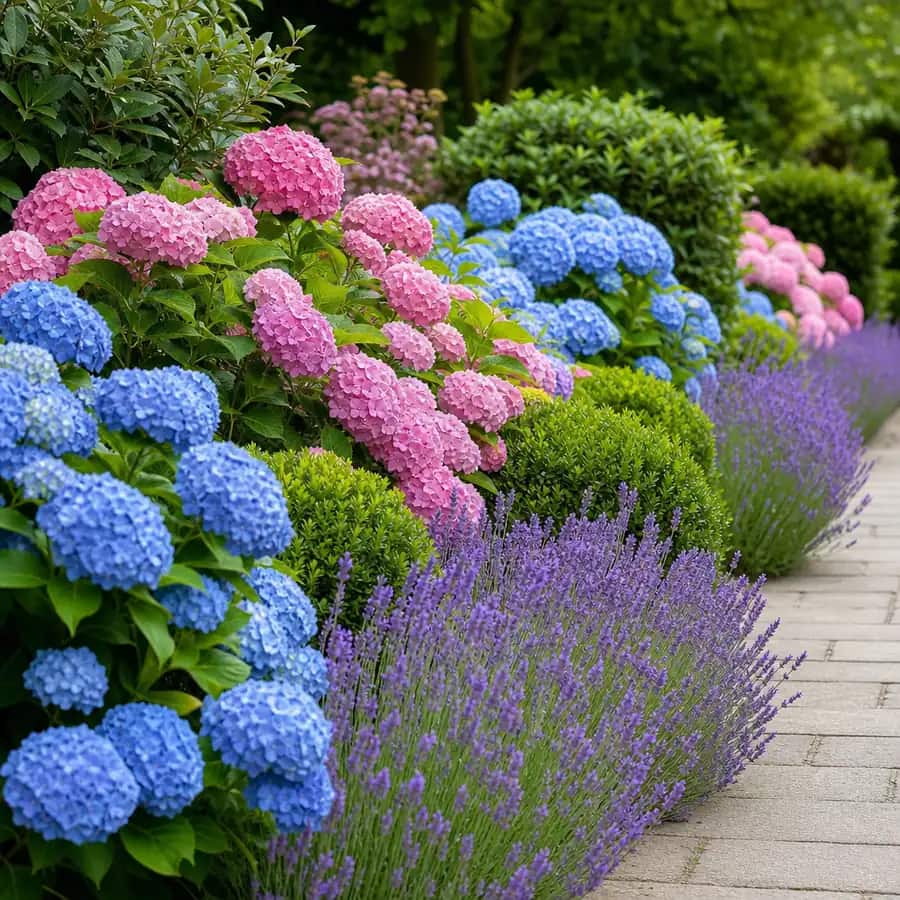 Shrubs & HedgesFill in borders and foundation beds with shrubs that stay healthy in the local clay soils.View all Shrubs & Hedges →
Local fit, from data
9a
about 20 to 25 F
5
Crescent
Shade, privacy, and fruit trees in McIntosh County are a practical choice when you match them to zone 9a. Arbor Buddy is a delivery-only vendor that ships large, nursery-grown landscape trees by freight to homeowners and contractors. Every tree we offer is checked against your local hardiness zone. The winter lows here run about 20 to 25 F, which opens the door to a broad range of tough, heat-tolerant species.
McIntosh County sits in USDA hardiness zone 9a, with typical winter lows between 20 and 25 F. That means you can grow a wide mix of trees that would struggle farther north. The county covers 5 ZIP code areas, and the climate stays fairly consistent across them, warm, humid summers and mild winters with only brief cold snaps.
Most of the county stays within zone 9a, but low spots or areas near the coast may be a hair warmer. The heat and humidity are the real challenge. Trees for zone 9 in McIntosh County need to handle hot summers and wet springs without getting disease. Shade trees like Cedar Elm and flowering trees like crape myrtles do especially well. Palms and tropicals also thrive here because the cold stays mild. Fruit trees that need a modest chill, like the Elberta Peach (around 800 hours), are a good match.
If you live in the more rural parts of the county, you may have clay soils that drain slowly. Choose trees that tolerate wet feet during heavy rains. The western part of the county tends to be slightly cooler, but still solidly zone 9a.
You already know which trees fit McIntosh County's zone 9 climate. Now pick the ones that match your yard goal. Browse the categories above, find your tree, and place your order online. Arbor Buddy will ship it straight to your door with the 1-Year Thrive Guarantee.
Zone 9a gives McIntosh County a long growing season and mild winters. That's very different from places with colder, shorter seasons. Let's look at a few areas to see how the tree choices shift.
Bristol County, Rhode Island (RI), zone 7a, typical winter lows 0 to 5 F. That's a big jump colder. The selection there leans toward hardier deciduous trees and needled evergreens that can take snow and ice. Locally, that points buyers toward trees like the Brodie Eastern Red Cedar, which handles cold well, but they can't grow the same tropicals or crape myrtles you can in McIntosh County. Your zone 9 lets you choose palmate palms and heat-loving ornamentals that would die in a Rhode Island winter.
Lake County, South Dakota (SD), zone 4b, typical winter lows -25 to -20 F. That's extreme cold. The tree palette there is limited to the toughest native conifers and very hardy deciduous trees. Here, the zone usually pushes the choice toward trees like the Leyland Cypress? Actually, Leyland Cypress may struggle in that cold; they'd pick something like White Spruce. The practical difference is huge: while McIntosh County growers enjoy Elberta peaches and Jelly Palms, a South Dakota buyer can't grow those at all. Your winter lows are mild enough that you can plant semi-tropical species with confidence.
Buena Vista city, Virginia (VA), zone 7a, winter lows 0 to 5 F. That's colder than you, but not as extreme as South Dakota. Buena Vista can grow many of the same shade trees like Cedar Elm, but they can't count on crape myrtles being reliably hardy without protection. The practical difference for you in McIntosh County is that you have more flexibility with flowering trees, palms, and tender fruit trees. Your biggest risk is heat and humidity, not winter kill. So choose trees that laugh at a hot, wet summer.
Arbor Buddy ships your trees by freight directly to your home or job site in McIntosh County. Because these are large, nursery-grown trees, a freight truck brings them to the curb or driveway. You'll need someone there to receive the delivery and look over the tree when it arrives.
Every tree is zone-matched before shipping, so you get a plant that's proven to survive in zone 9. And we back it with a 1-Year Thrive Guarantee: if the tree doesn't make it through its first year, you get a free replacement. For zone 9, orders travel in the fall-to-early-spring stretch, not peak summer. That gives the tree time to settle in before the hottest months.
Before delivery day, check:
Enter your ZIP, shop only what thrives in your zone.
Freight delivery to your address: $149 flat per order, shown at checkout.
Plant it, watch it thrive, covered for one year.
Good to know · Growing guide
Coverage runs a full year from delivery. If something goes wrong, contact the team and they arrange the replacement. No store-credit games, no fine-print maze.