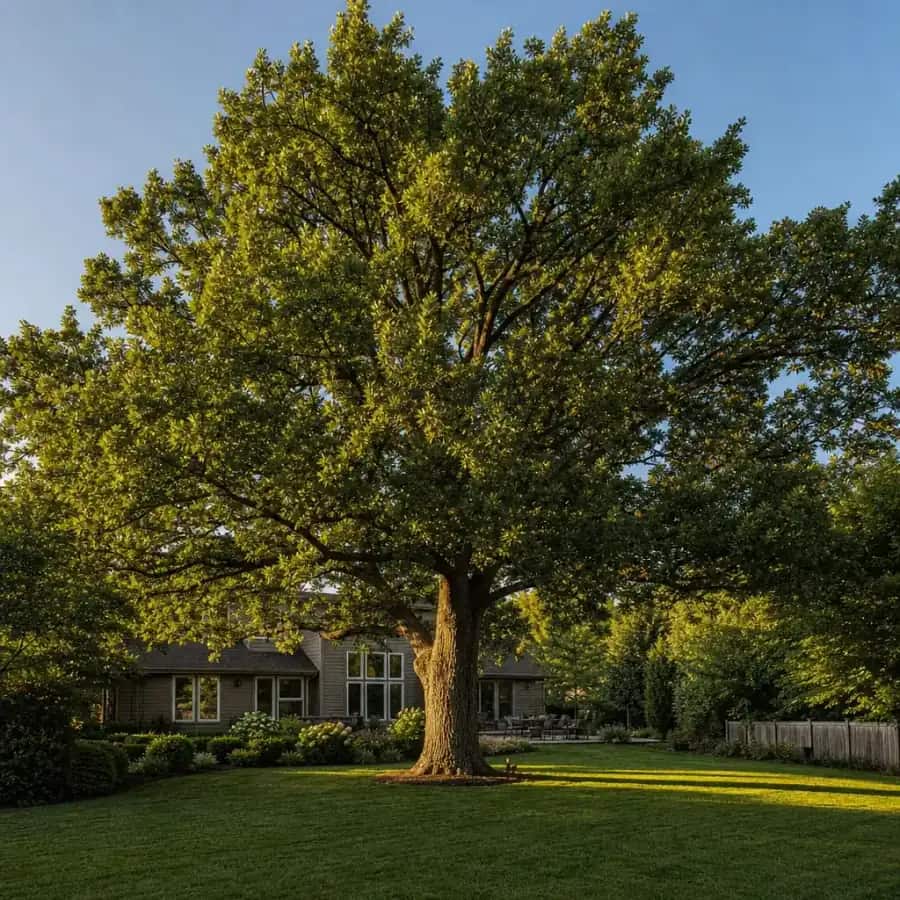
 Zones 3 to 8
Shade Trees
Bur Oak
$490
Shop large, nursery-grown shade, privacy, flowering and fruit trees, delivered by freight in Country Club Hills. Every tree is matched to your hardiness zone and backed by our 1-Year Thrive Guarantee.
Enter your ZIP and we'll match trees to your exact growing zone.
Typical winter lows in Country Club Hills run about -10 to -5 F.
Matched to Country Club Hills's zone
Zones 3 to 8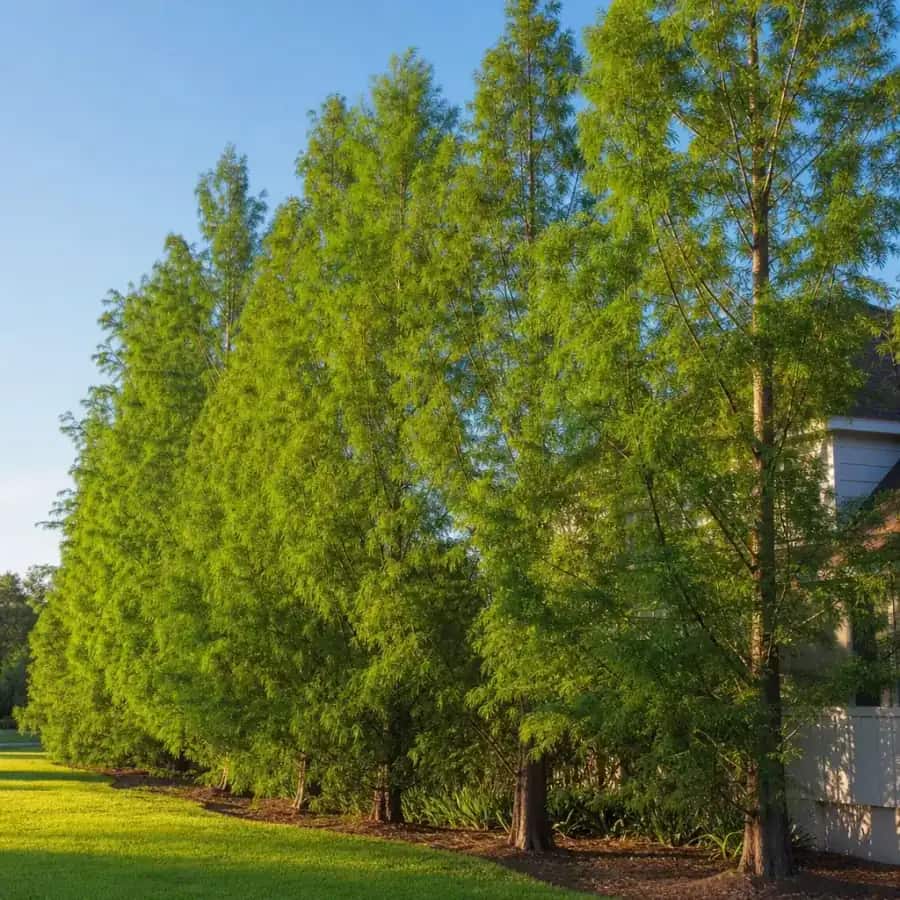 Zones 5 to 9
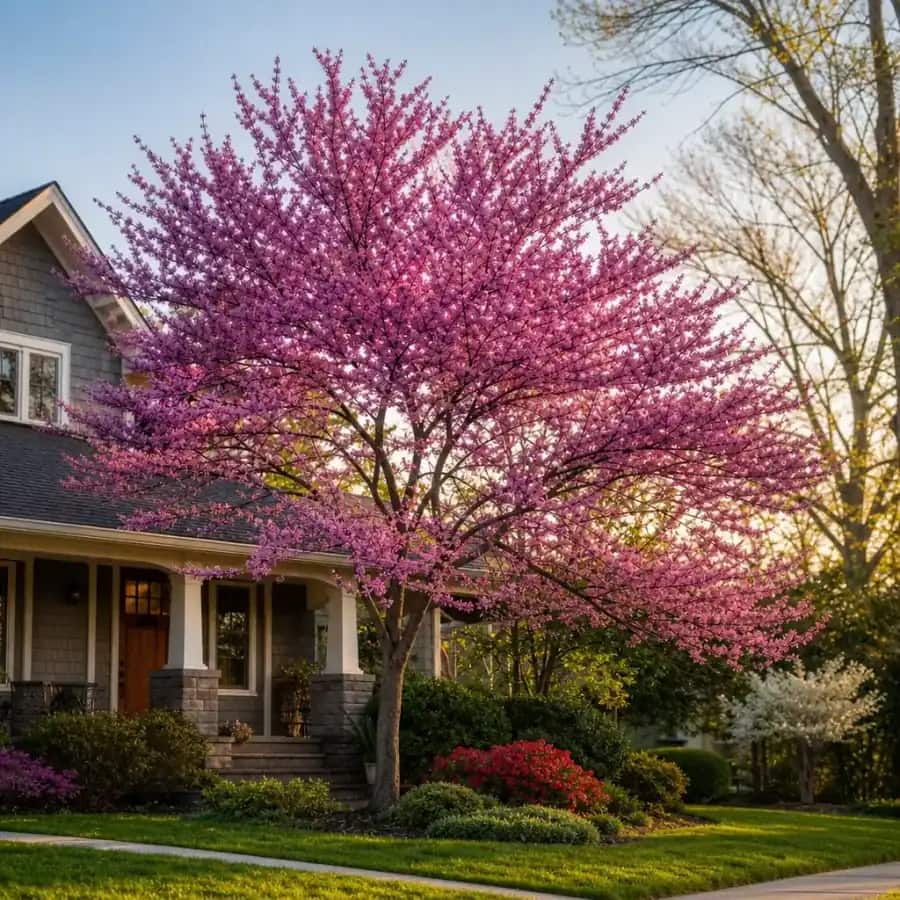 Zones 4 to 9
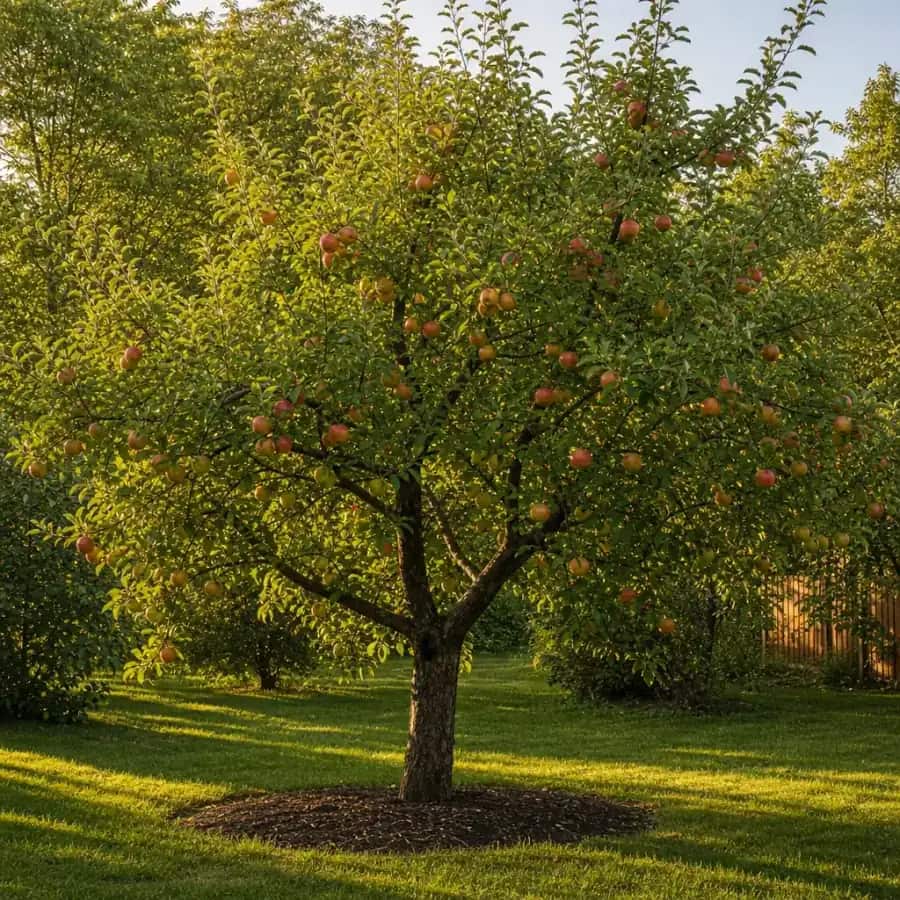 Zones 3 to 8
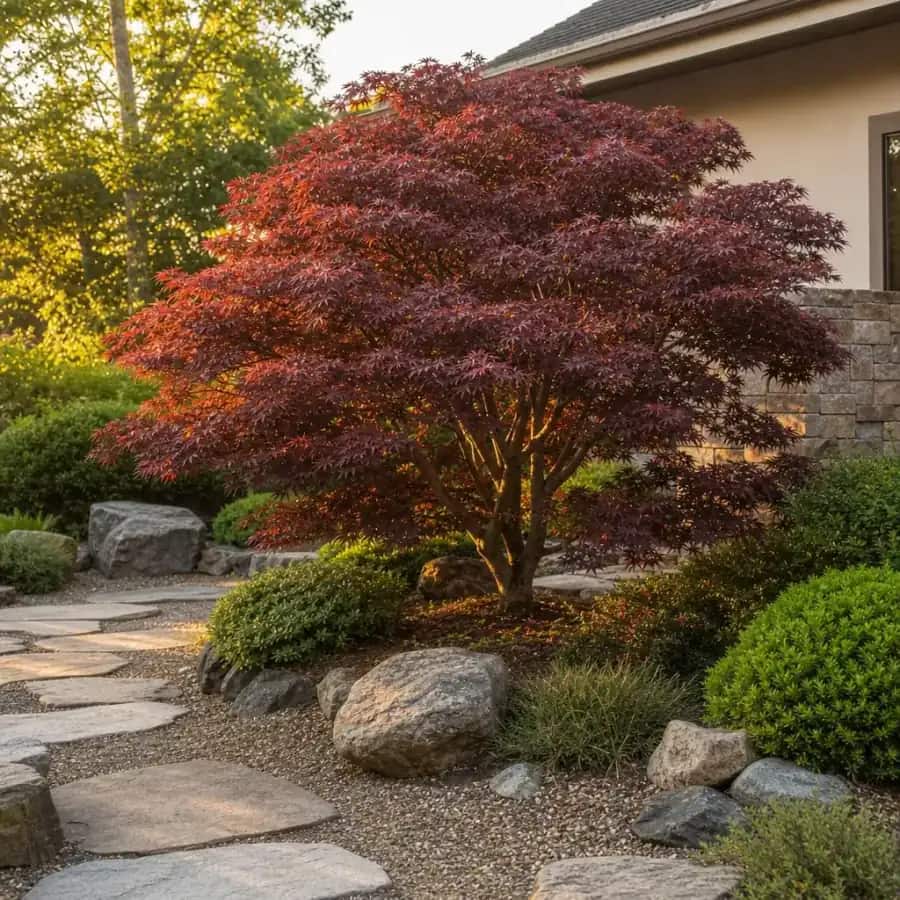 Zones 5 to 8
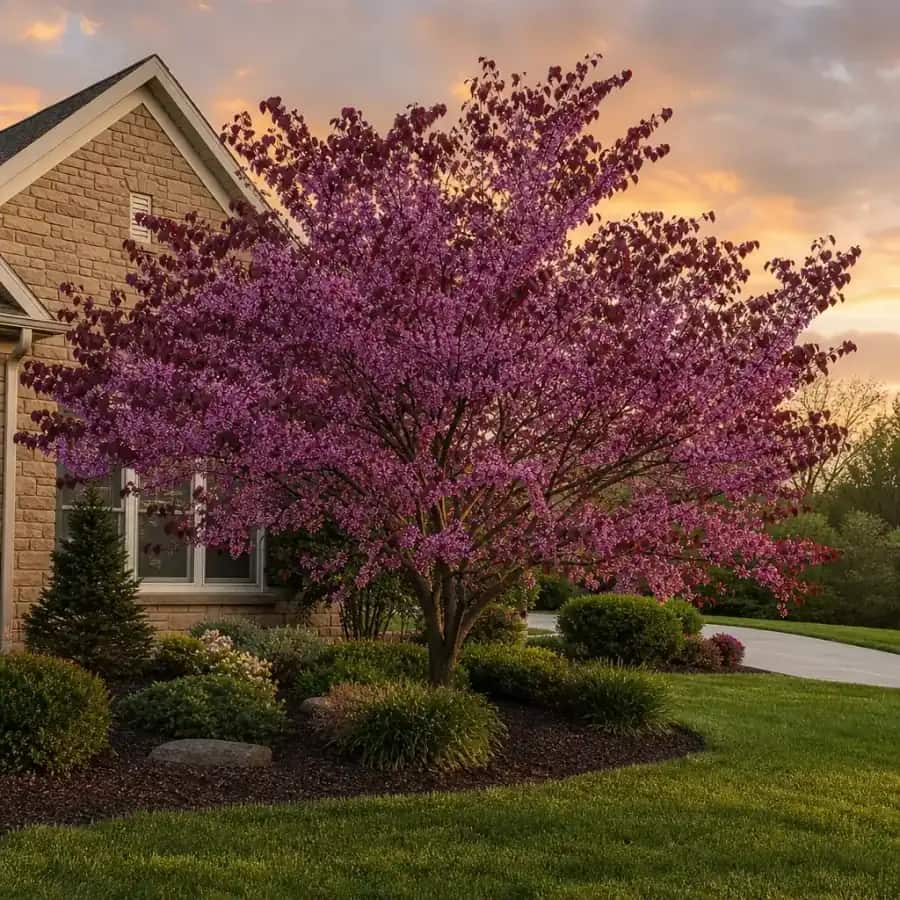 Zones 4 to 9
Shop by category
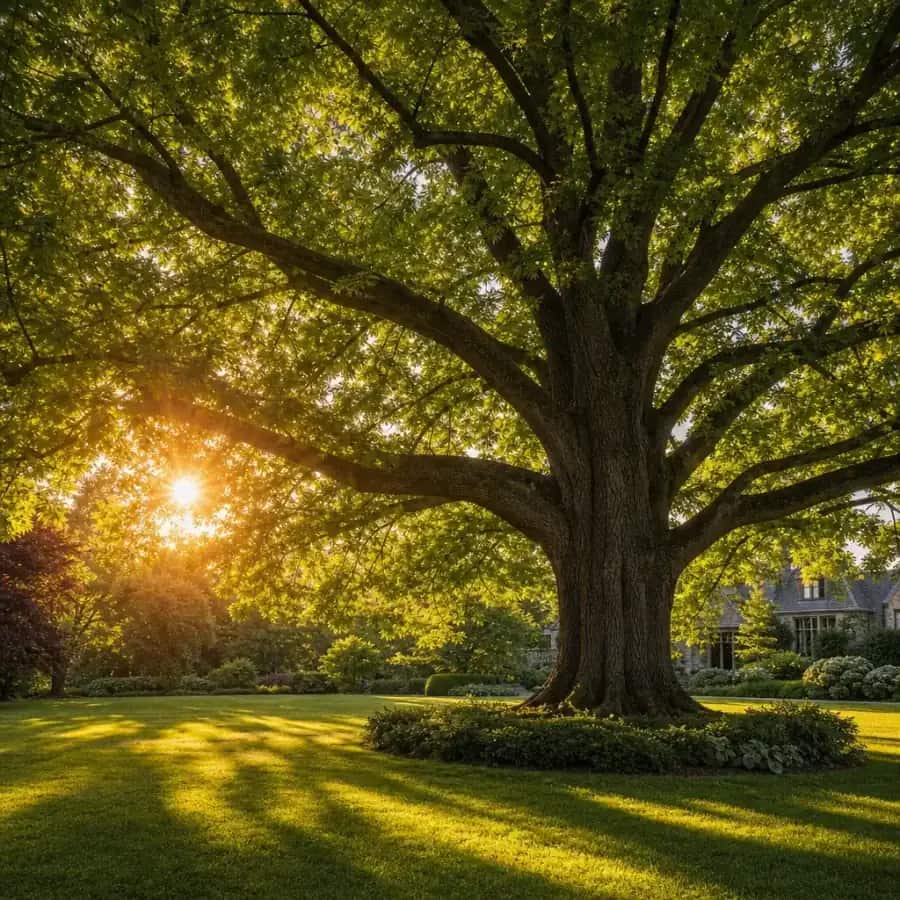 Shade TreesOak and elm varieties that thrive in Cook County's variable summers.View all Shade Trees →
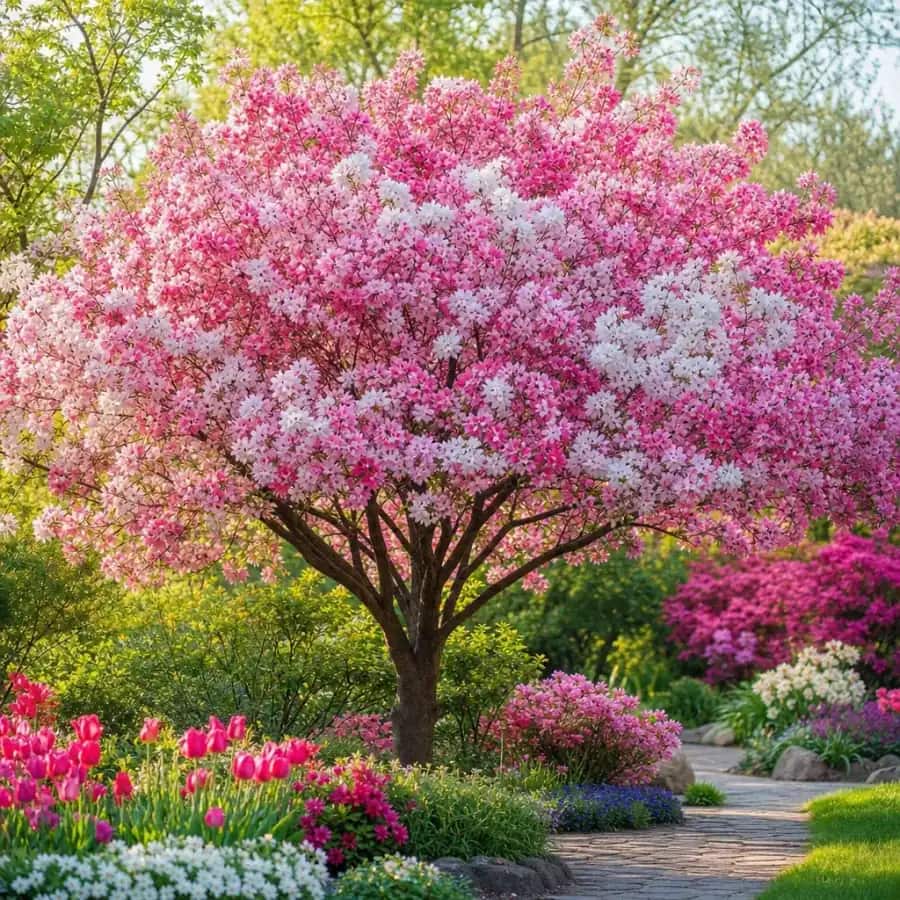 Flowering & OrnamentalRedbud, crape myrtle, and wisteria suited to zone 6a bloom cycles.View all Flowering & Ornamental →
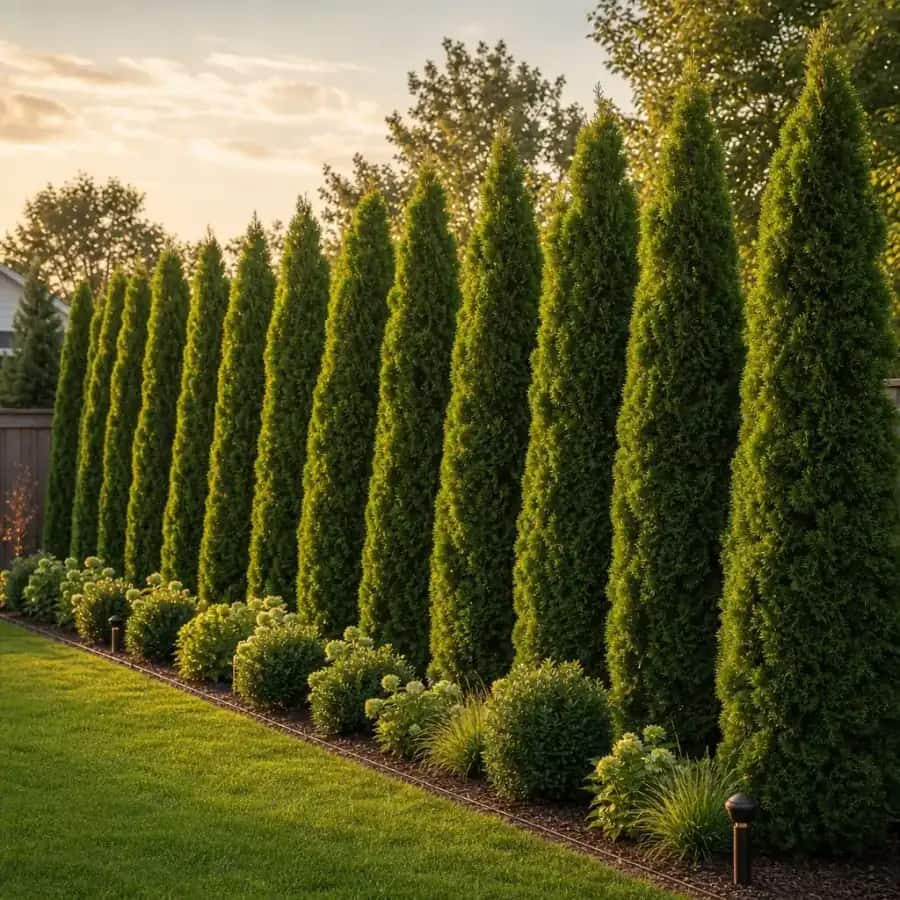 Evergreen & PrivacyJunipers and hollies that screen wind year-round.
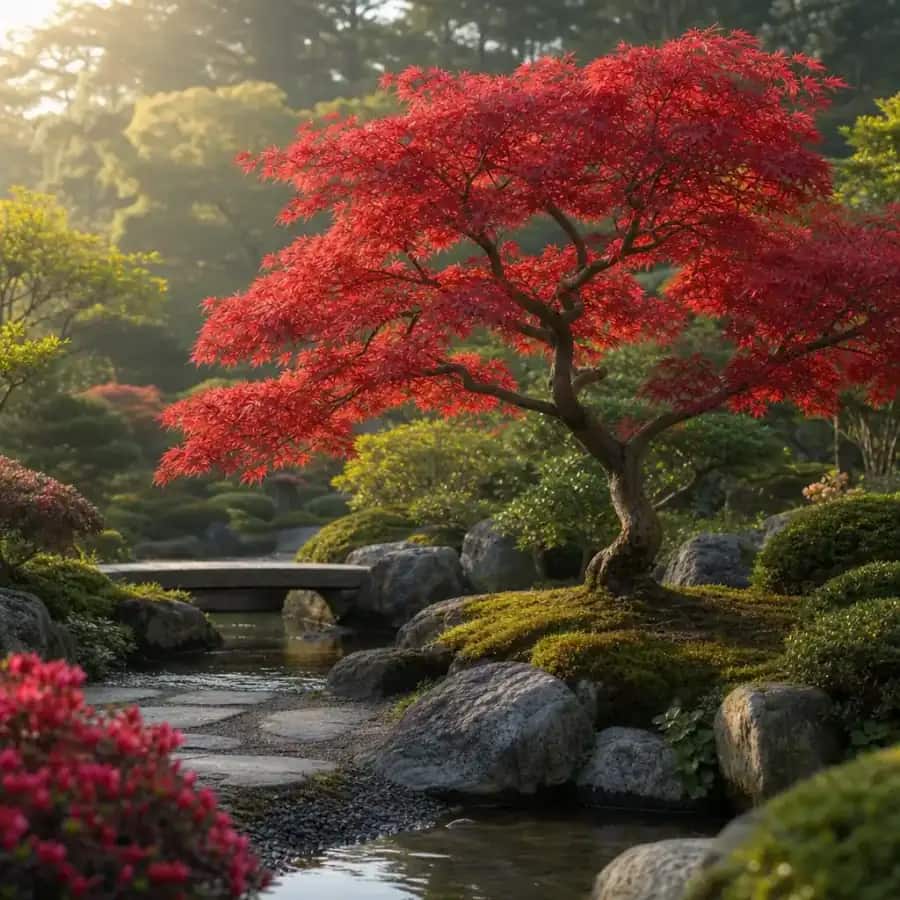 Japanese MaplesLaceleaf and upright forms that tolerate zone 6 when placed in afternoon shade.
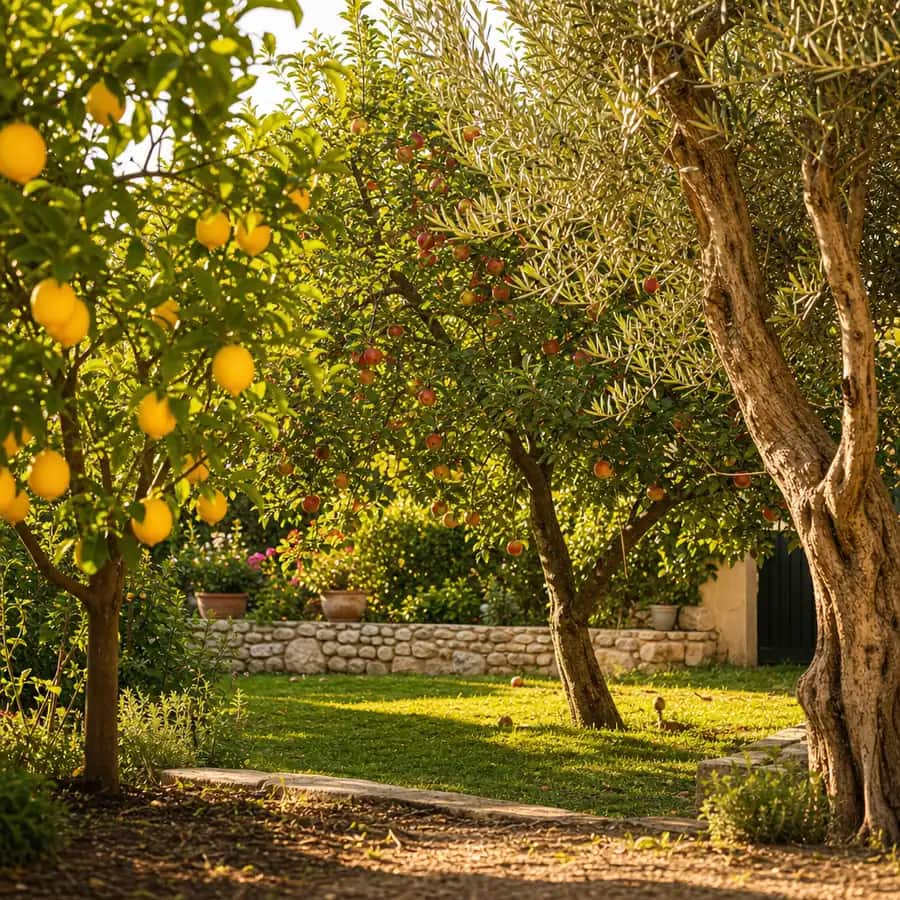 Fruit TreesCold-hardy figs and apples; avoid low-chill varieties here.View all Fruit Trees →
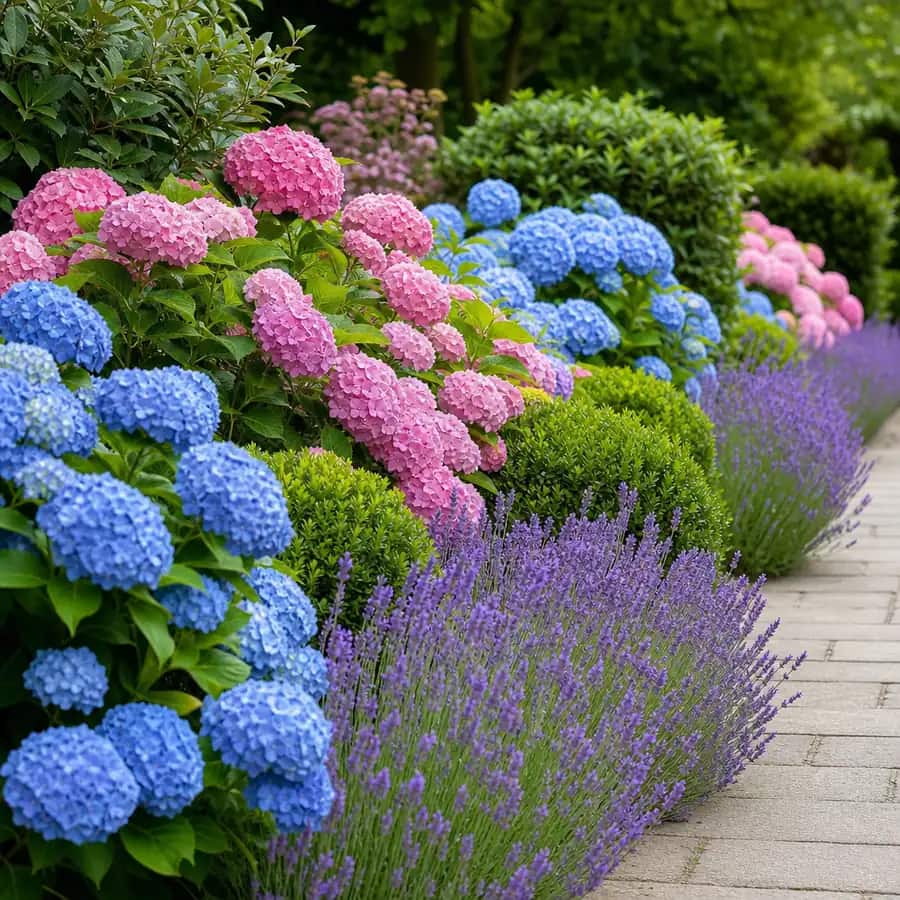 Shrubs & HedgesNellie Stevens holly and hydrangeas for foundation plantings.View all Shrubs & Hedges →
Local fit, from data
6a
about -10 to -5 F
Cook County
Illinois
Trees delivered to Country Club Hills, IL 60478. Arbor Buddy ships large nursery-grown trees by freight direct to homeowners and contractors. Your local hardiness zone is 6a, so shade, flowering, evergreen, fruit, and Japanese maple varieties all have options here. Start with the goal that drives your yard: shade on hot afternoons, screening from neighbors, or early spring color.
Zone 6a covers Country Club Hills with typical winter lows between -10 and -5 degrees Fahrenheit. That cold band rules out tender subtropicals like citrus or palms, but it welcomes a wide palette of hardy shade, flowering, and fruit trees. The area sees hot, humid summers and occasional cold snaps that plunge below the average. Trees that handle both extremes do best here.
In practice, trees for zone 6 in Country Club Hills include oaks, maples, crape myrtles, redbuds, junipers, and cold-hardy figs. These categories tolerate the freeze-thaw cycles and the heavy clay soils common in Cook County. Japanese maples grow well in protected spots away from harsh south or west exposures. Evergreen screens anchor the yard through winter when deciduous trees are bare.
Neighboring towns like Elk Grove Village, Tinley Park, Maywood, and Markham share the same zone, so the same species succeed across the region.
For shade, privacy, flowering, fruit, and accent trees matched to your zone in ZIP 60478 of Country Club Hills, Arbor Buddy ships large nursery-grown trees with a 1-Year Thrive Guarantee. That guarantee covers free replacement if the tree does not survive its first year, so you can plant with confidence.
Browse the trees suited to your area and order online.
Different zones change which trees are practical. Here is how ZIP 60478 in Country Club Hills stacks up against three other cities.
ZIP 76571 in Salado, Texas (TX) sits in zone 8b with winter lows of 15 to 20 degrees F. That climate can support palms and tropicals like sago palms or bottlebrush. In practice, buyers here lean toward evergreens that stay green through mild winters, but the same species would suffer in zone 6a cold. Country Club Hills cannot grow outdoor palms; instead, cold-hardy junipers and hollies fill that role.
ZIP 99338 in Kennewick, Washington (WA) is zone 7b with lows of 5 to 10 degrees F. That zone allows a broader range of fruit trees, including sweet cherries and low-chill varieties. For your cart, that means fruit options in Kennewick include apricots and figs that need less winter cold. In Country Club Hills, the colder zone 6a rules out low-chill stone fruits and demands varieties like Chicago Hardy Fig that withstand -10 degrees.
ZIP 57339 in Fort Thompson, South Dakota (SD) falls in zone 4b with lows of -25 to -20 degrees F. That is much harder than zone 6a. That gap changes the local shortlist to extremely cold-hardy species like Colorado spruce or green ash. In Country Club Hills, flowering ornamentals such as crape myrtle and eastern redbud survive and bloom, while in Fort Thompson they would fail. The takeaway: Country Club Hills supports a wider palette of flowering and ornamental trees than colder northern zones, but not the tender subtropicals of the South.
Arbor Buddy ships large nursery-grown trees by freight to Country Club Hills. Trees headed to zone 6 arrive in spring or fall, matched to mild planting weather. A freight truck can reach most driveways on village streets, but tight cul-de-sacs or long, narrow lanes may need a heads-up. Someone must be home to receive the tree and inspect it on arrival.
Every tree comes with a 1-Year Thrive Guarantee. If it does not survive its first growing season, Arbor Buddy replaces it free.
Before delivery day, check:
Enter your ZIP, shop only what thrives in your zone.
Freight delivery to your address: $149 flat per order, shown at checkout.
Plant it, watch it thrive, covered for one year.
Good to know · Growing guide
Coverage runs a full year from delivery. If something goes wrong, contact the team and they arrange the replacement. No store-credit games, no fine-print maze.