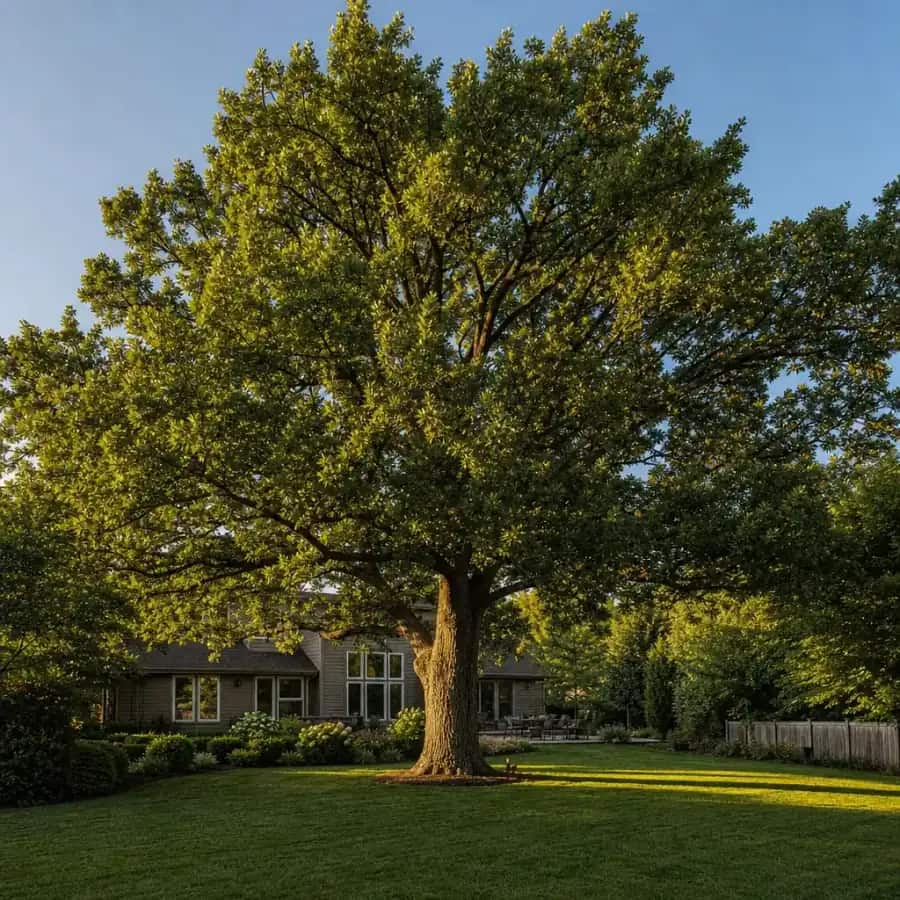
 Zones 3 to 8
Shade Trees
Bur Oak
$490
Shop large, nursery-grown shade, privacy, flowering and fruit trees, delivered by freight in Cook County. Every tree is matched to your hardiness zone and backed by our 1-Year Thrive Guarantee.
Enter your ZIP and we'll match trees to your exact growing zone.
Typical winter lows in Cook County run about -15 to 0 F.
1-Year Guarantee
Freight Delivery
Nursery-Grown
Zone-Matched
Matched to Cook County's zones
Zones 3 to 8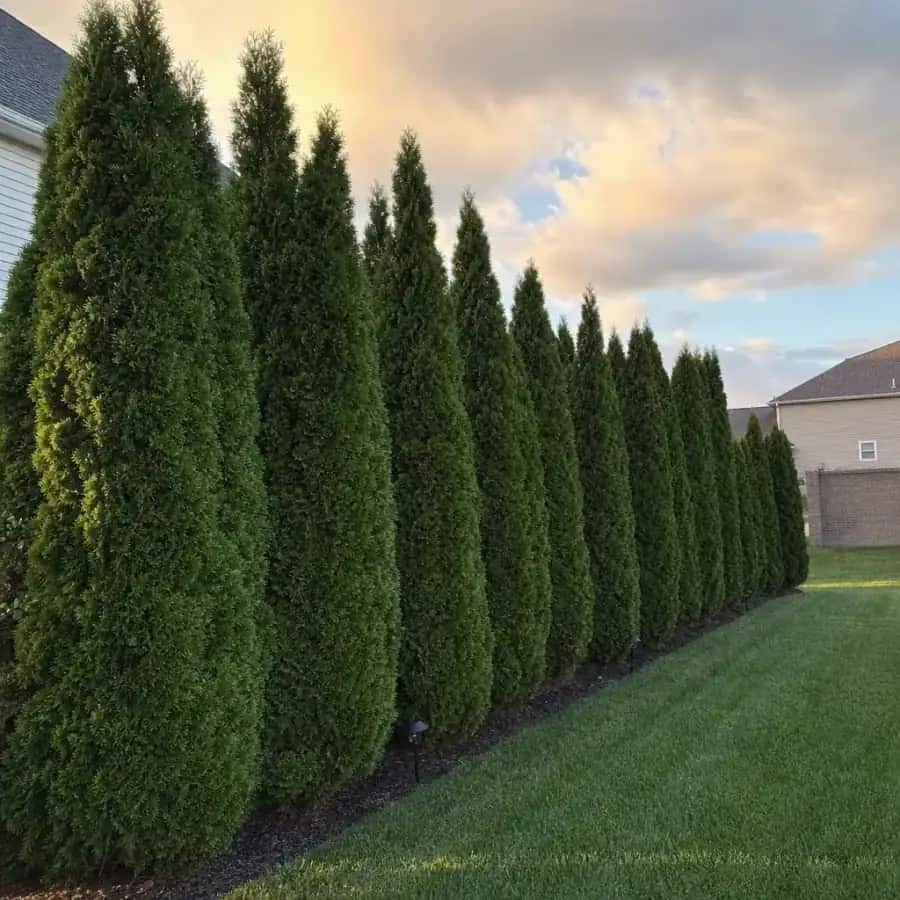 Zones 3 to 8
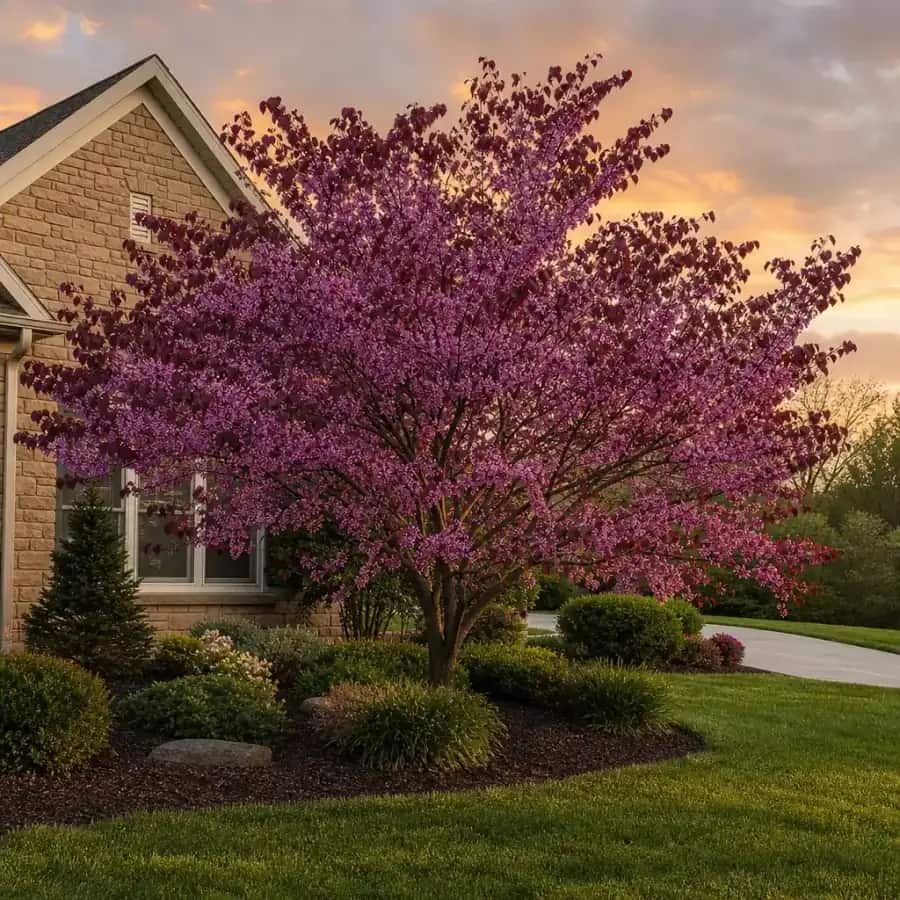 Zones 4 to 9
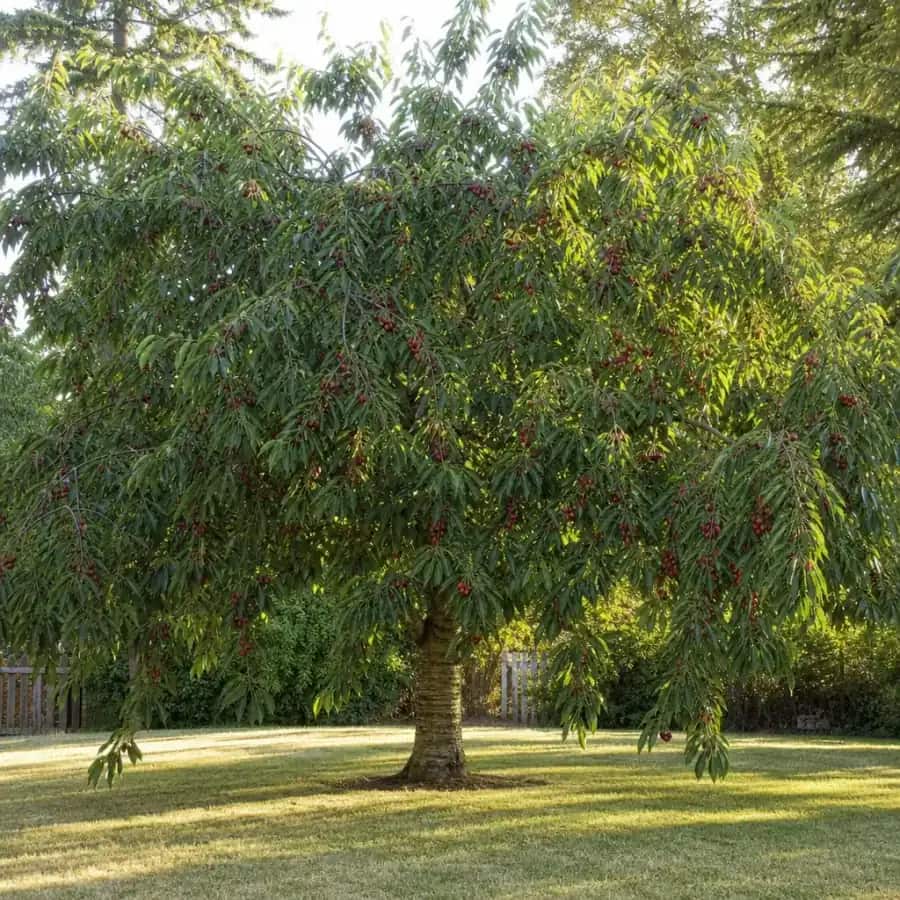 Zones 5 to 8
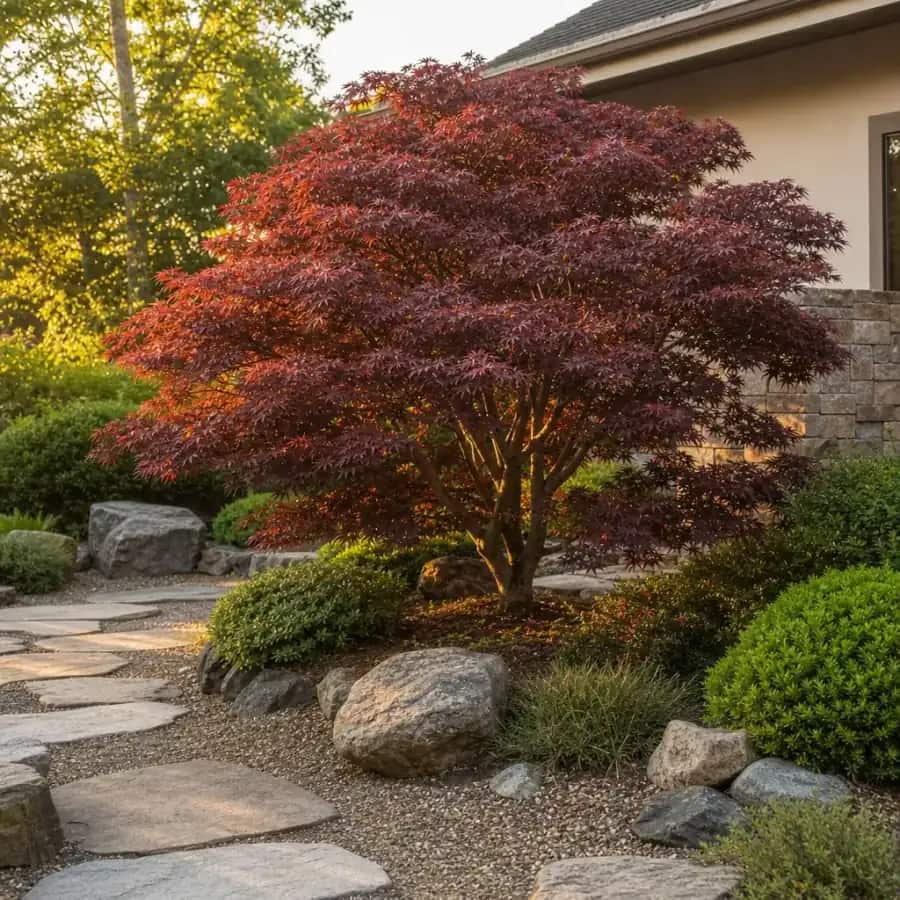 Zones 5 to 8
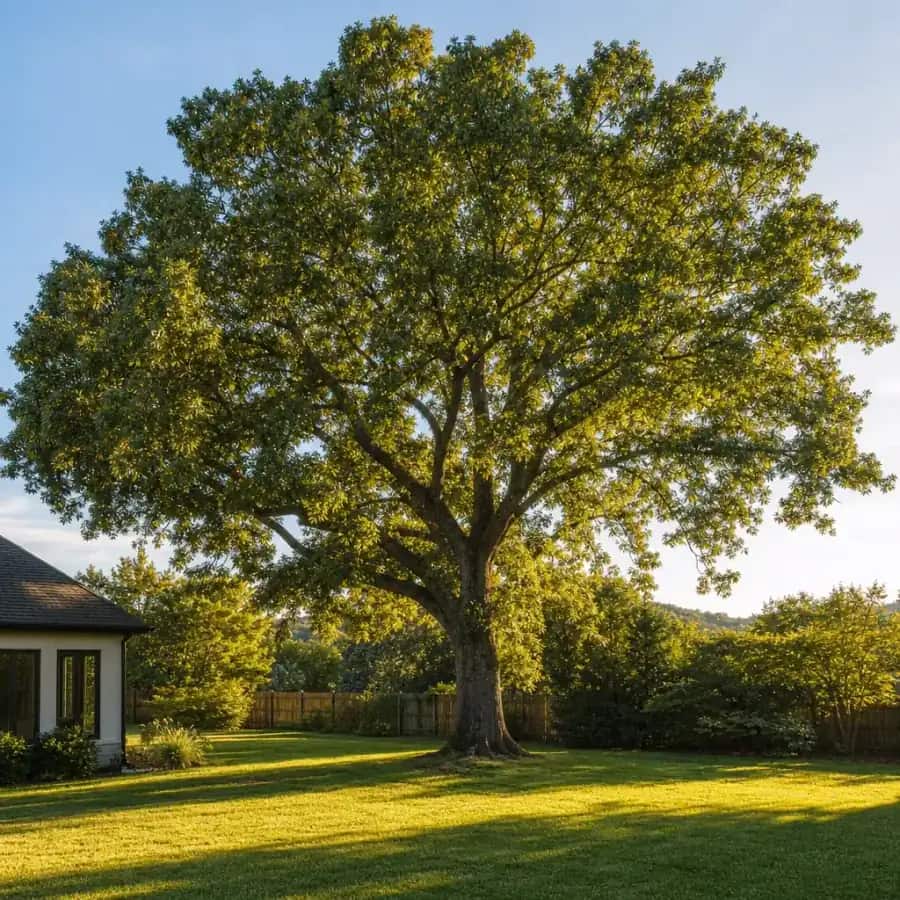 Zones 4 to 8
Shop by category
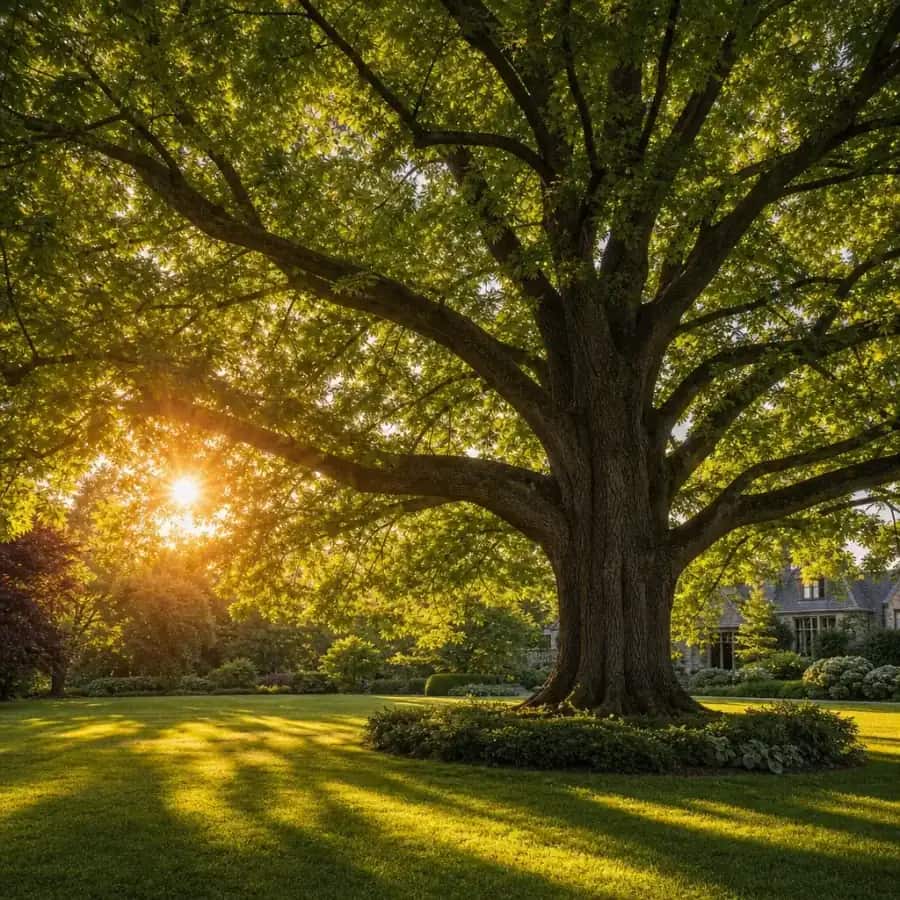
Broad canopies that cut summer heat and work well in Cook County's variable soil conditions.
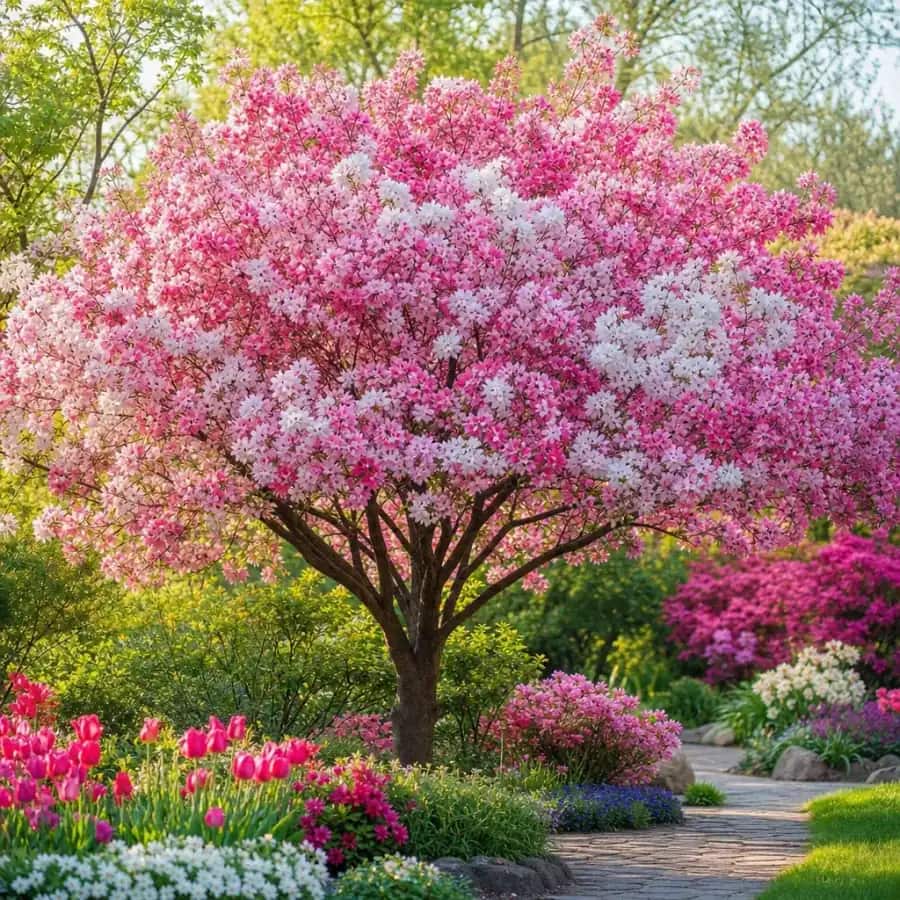
Blooming trees that add curb appeal and handle the zone 5b cold end with mulched root zones.
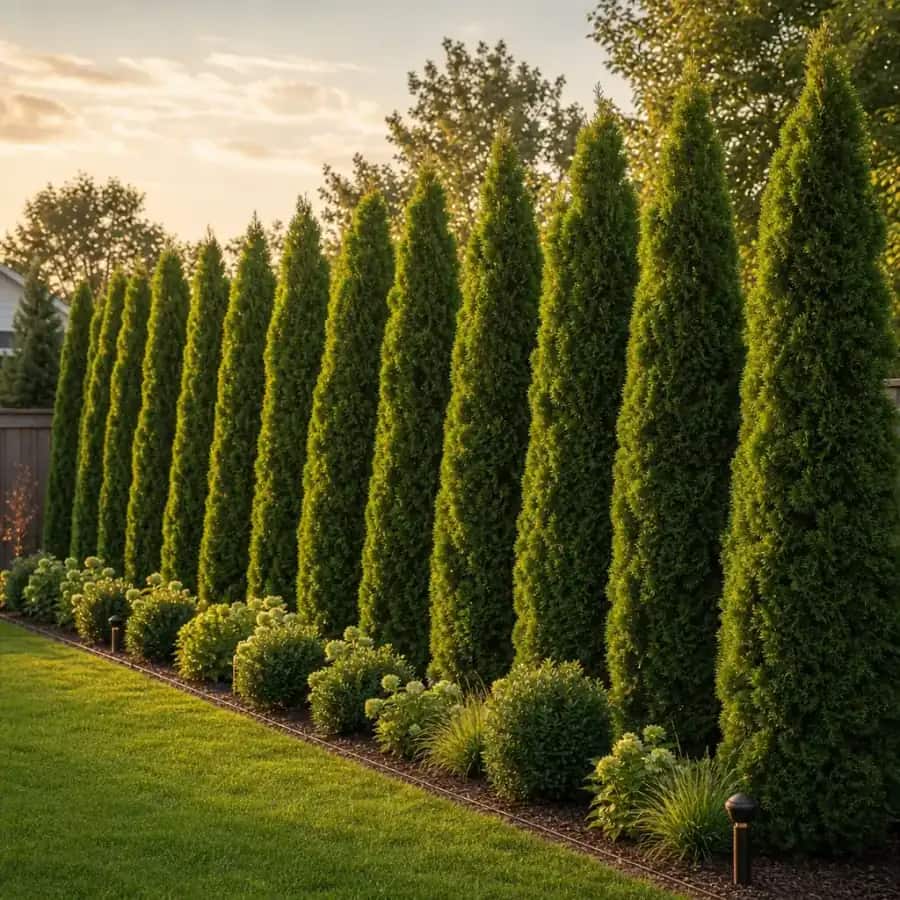
Year-round foliage screens that tolerate zone 6 winter lows and provide wind protection.
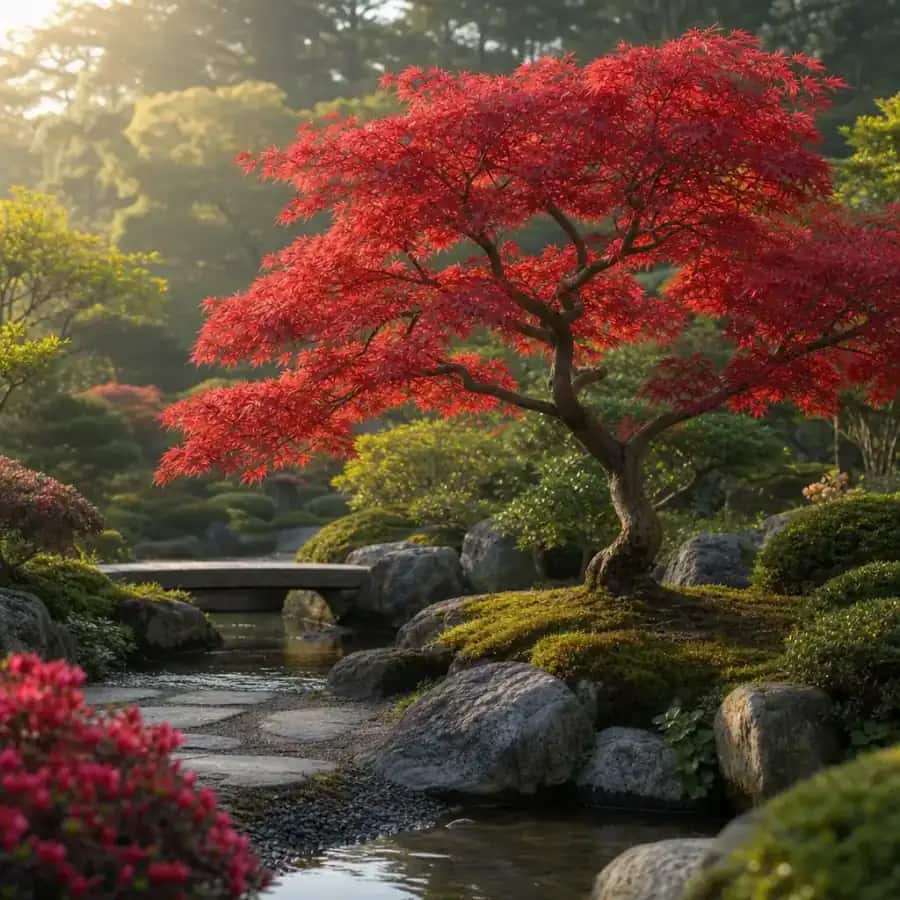
Compact, structural accents that thrive in partial shade and well-drained soil across the county.
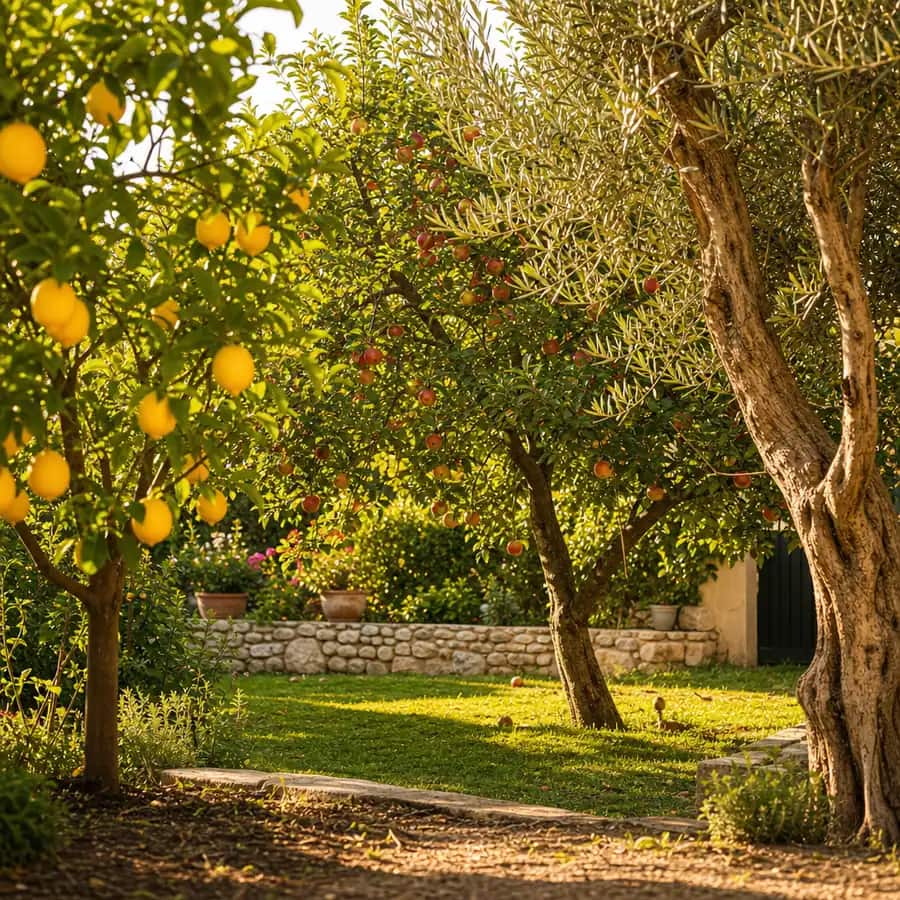
Productive varieties like Bing cherry and Elberta peach that fit Cook County's chill hours and summer warmth.
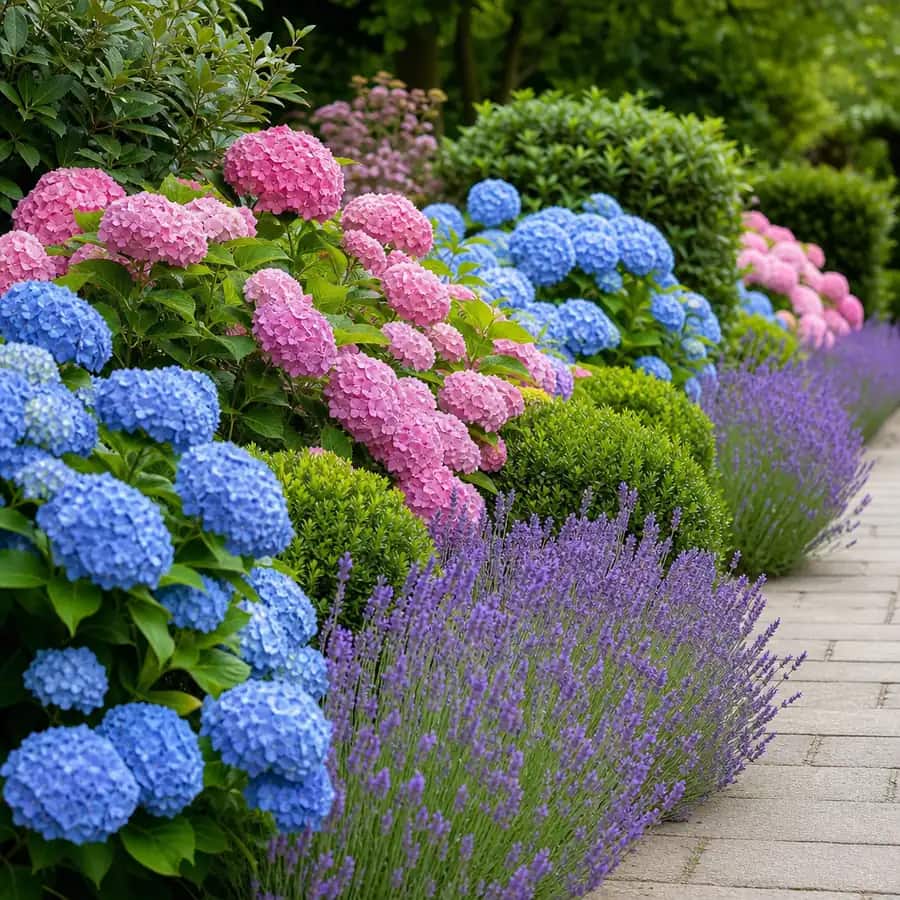
Fill-in plants and low hedges that complement trees and handle local freeze-thaw cycles.
Local fit, from data
Spring and autumn shipments from Arbor Buddy bring large, nursery-grown trees directly to Cook County, Illinois (IL) yards. We match every tree to this county's hardiness zone from 5b to 6b. Whether you need shade, privacy, or fruit trees, you get a zone-matched tree backed by our 1-Year Thrive Guarantee.
Cook County spans USDA zones 5b to 6b across its 216 ZIP codes, from the colder rural fringe to the warmer urban core near Lake Michigan. Typical winter lows run about -15 to 0 degrees Fahrenheit. The western and southern parts of the county lean toward zone 5b, where you need trees that survive bitter cold snaps. The Chicago area and lakeshore zones reach 6b, offering a slightly milder climate that opens up options like Japanese maples and some fruit trees.
Summers bring heat and humidity, and rainfall is generally adequate. Trees that tolerate both wet springs and occasional dry spells do best. Oaks, maples, and evergreens like Thuja Green Giant fit the local rhythm. For small spaces, trees for zone 6 in Cook County include laceleaf maples and crape myrtles (if protected). The zone push means you can plant a wider variety than in colder counties, but you still want cold-hardy choices for exposed sites.
Browse the zone-matched selection for your yard. Arbor Buddy ships large trees freight direct to your door with the 1-Year Thrive Guarantee. Pick your tree and we will handle the rest.
Cook County's climate sits in the USDA zone 5b to 6b band, with winter lows around -15 to 0 degrees F. That gives you a broad range of tree options compared to colder or more extreme regions. Here is how it stacks up against three very different areas.
Austin County, Texas (TX) falls in zone 9a, with winter lows of 20 to 25 degrees F. That zone offers a long growing season but intense heat and humidity. Trees that struggle with Cook County's cold, like citrus, thrive there. Here, the zone usually pushes the choice toward species that endure both cold winters and humid summers. An Autumn Blaze Red Maple handles both climates, but in Cook County it must survive -15 F while in Texas it faces drought stress. The practical difference is that you can plant heat-adapted species in Texas, while in Cook County you prioritize cold-hardiness first.
McCormick County, South Carolina (SC) sits in zones 8a to 8b, with winter lows of 10 to 20 degrees F. That warmer climate means longer growing seasons and less risk of frost damage to early blooms. The practical difference is that in McCormick you can grow tender ornamentals like crepe myrtle with confidence, while in Cook County you need to protect similar plants or choose hardier varieties. Locally, that points buyers toward laceleaf maples and oak species that tolerate both heat and cold.
Potter County, South Dakota (SD) is in zone 4b, with winter lows from -25 to -20 degrees F. That is far colder than Cook County. Trees that survive there must be extremely cold-hardy, like bur oak or American elm. The practical difference is that in Potter County your options are limited to zone 4 survivors, while in Cook County you can plant a much wider palette including Japanese maples and many fruit trees. Locally, that points buyers toward species that would struggle in Potter County but thrive in your 5b-6b range.
For Cook County buyers, the takeaway is simple: you have a versatile climate that supports many tree types, but cold-hardiness still matters in the colder zones. Choose trees rated at least to zone 5b for exposed sites, and you will get strong growth.
When you order, Arbor Buddy ships a large, nursery-grown tree right to your Cook County address via freight. You get a tree at a usable landscape size, not a tiny seedling. We zone-match every tree before shipping, so it is ready for your yard. In zone 6, shipments are timed for spring and autumn, skipping temperature extremes. Our 1-Year Thrive Guarantee covers you: if the tree does not survive its first year, we replace it free.
Before delivery day, check:
Enter your ZIP, shop only what thrives in your zone.
Freight delivery to your address: $149 flat per order, shown at checkout.
Plant it, watch it thrive, covered for one year.
Good to know · Growing guide
Coverage runs a full year from delivery. If something goes wrong, contact the team and they arrange the replacement. No store-credit games, no fine-print maze.