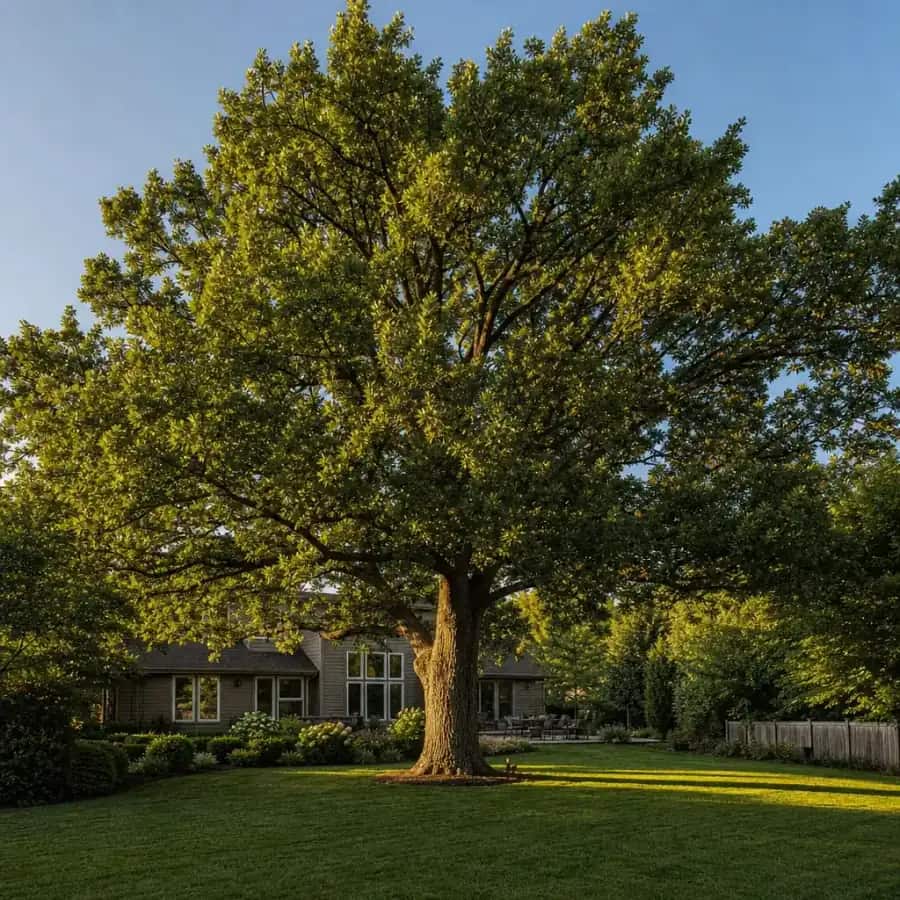
 Zones 3 to 8
Shade Trees
Bur Oak
$490
Shop large, nursery-grown shade, privacy, flowering and fruit trees, delivered by freight in Chicago. Every tree is matched to your hardiness zone and backed by our 1-Year Thrive Guarantee.
Enter your ZIP and we'll match trees to your exact growing zone.
Typical winter lows in Chicago run about -10 to -5 F.
Matched to Chicago's zone
Zones 3 to 8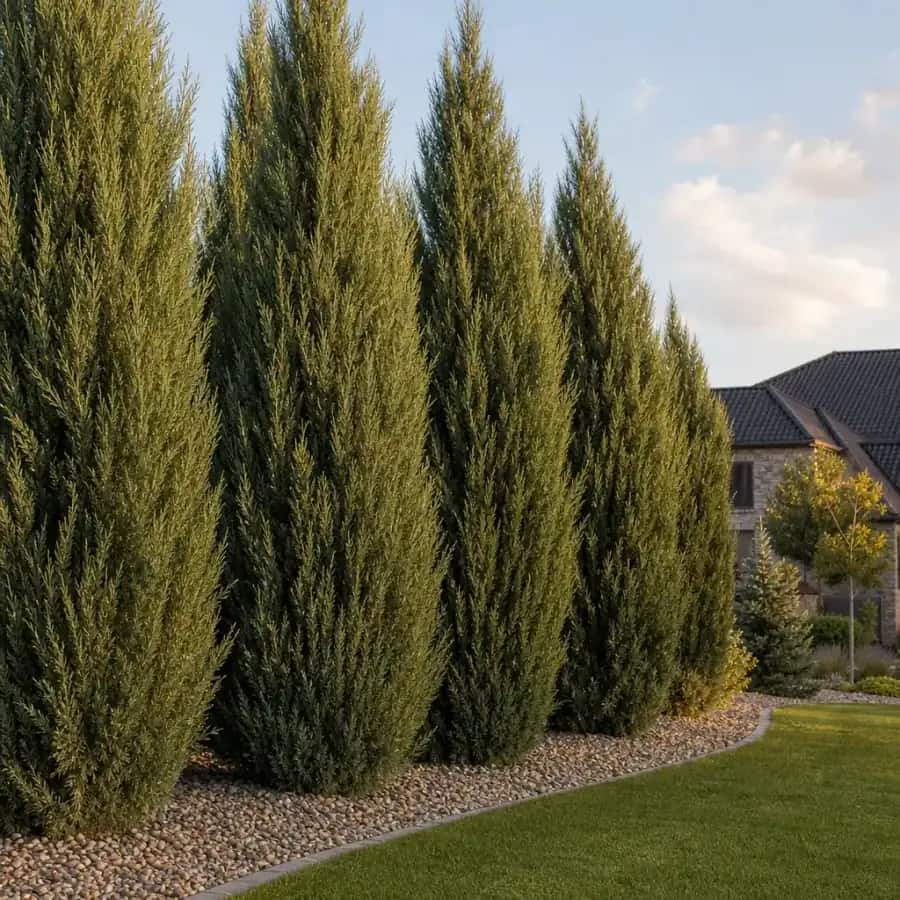 Zones 4 to 9
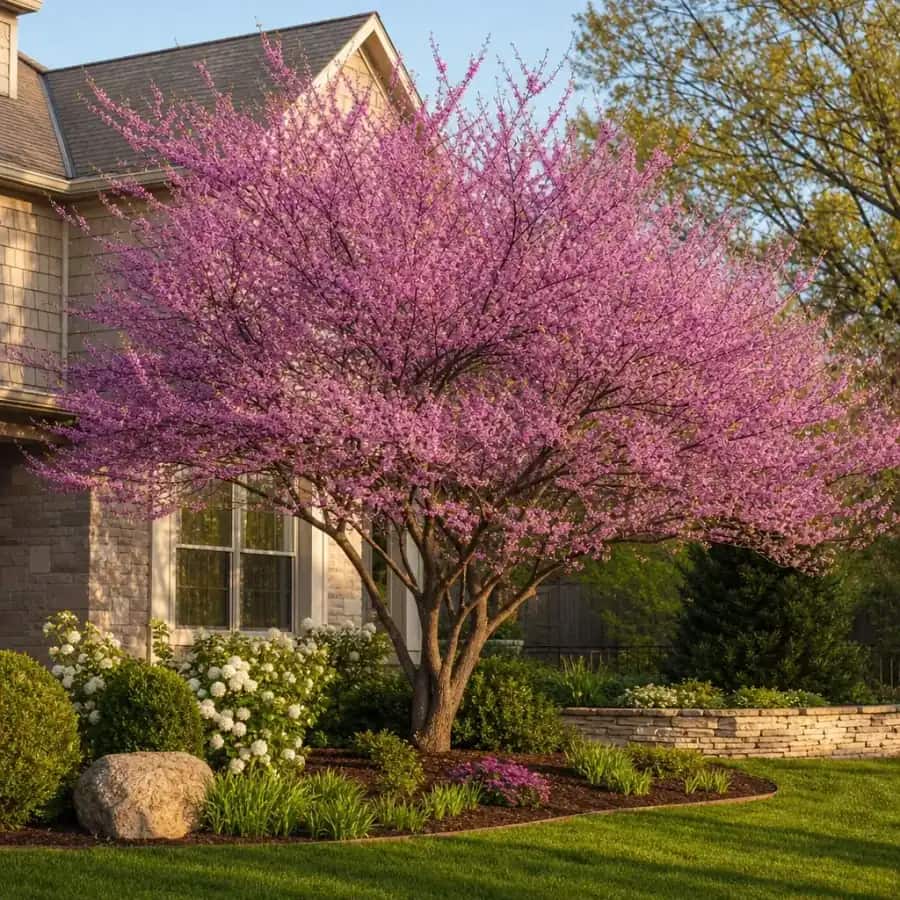 Zones 4 to 9
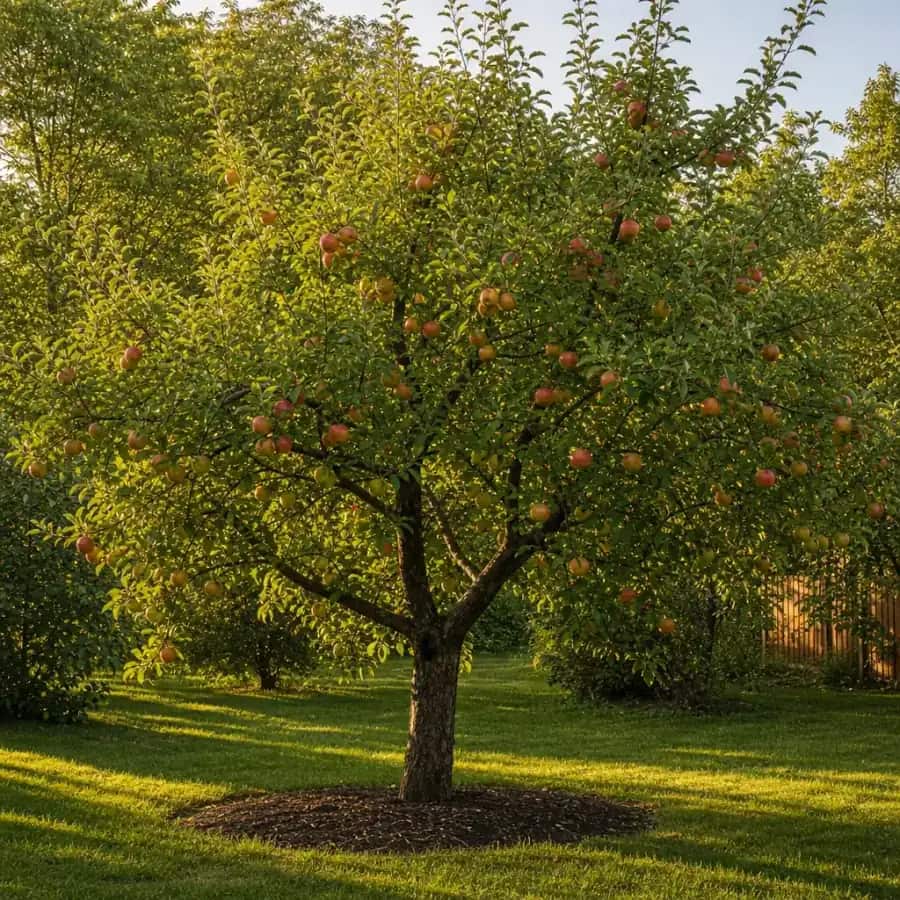 Zones 3 to 8
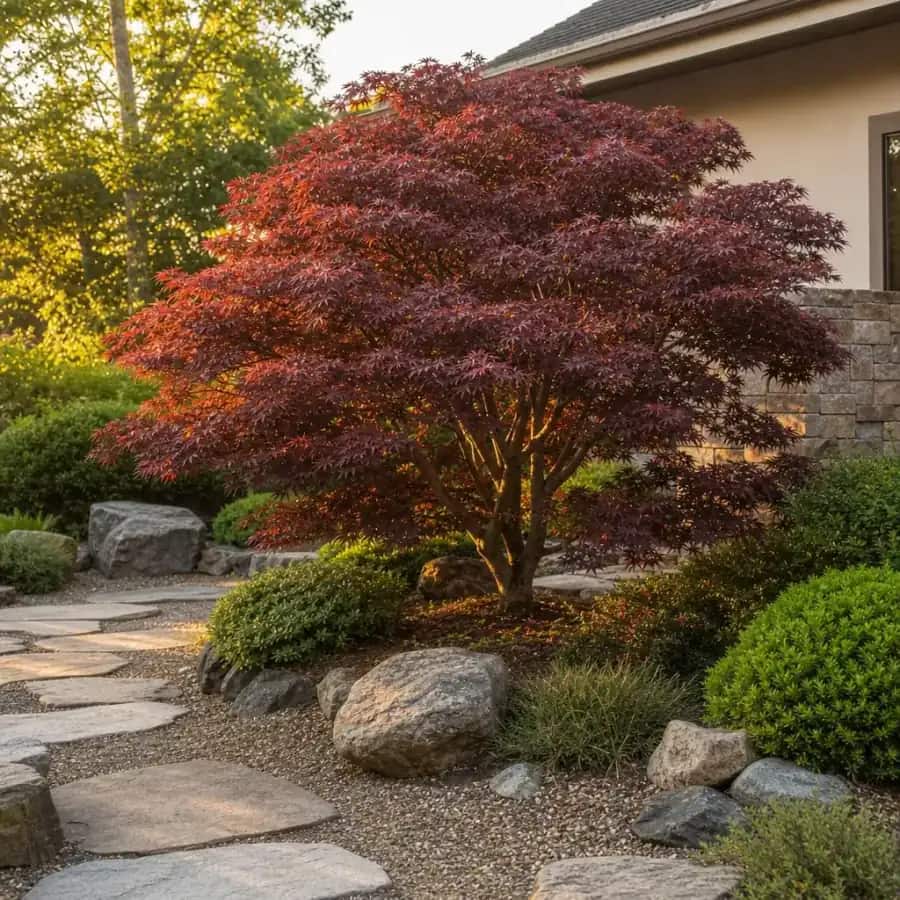 Zones 5 to 8
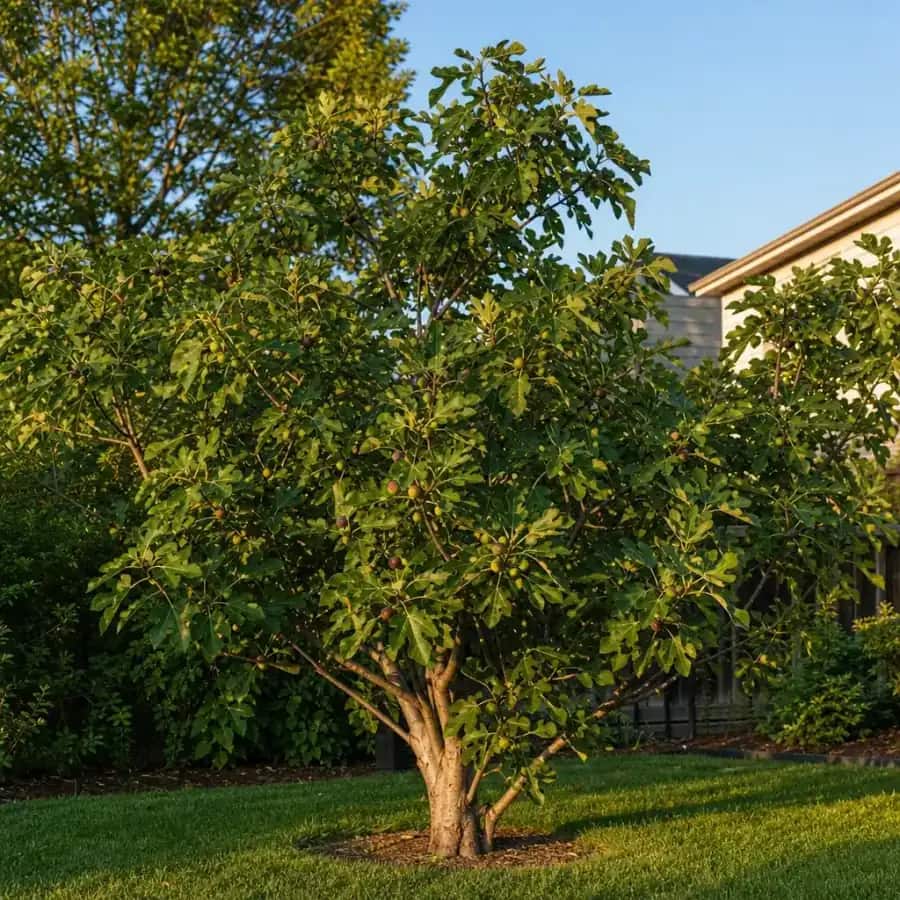 Zones 5 to 10
Shop by category
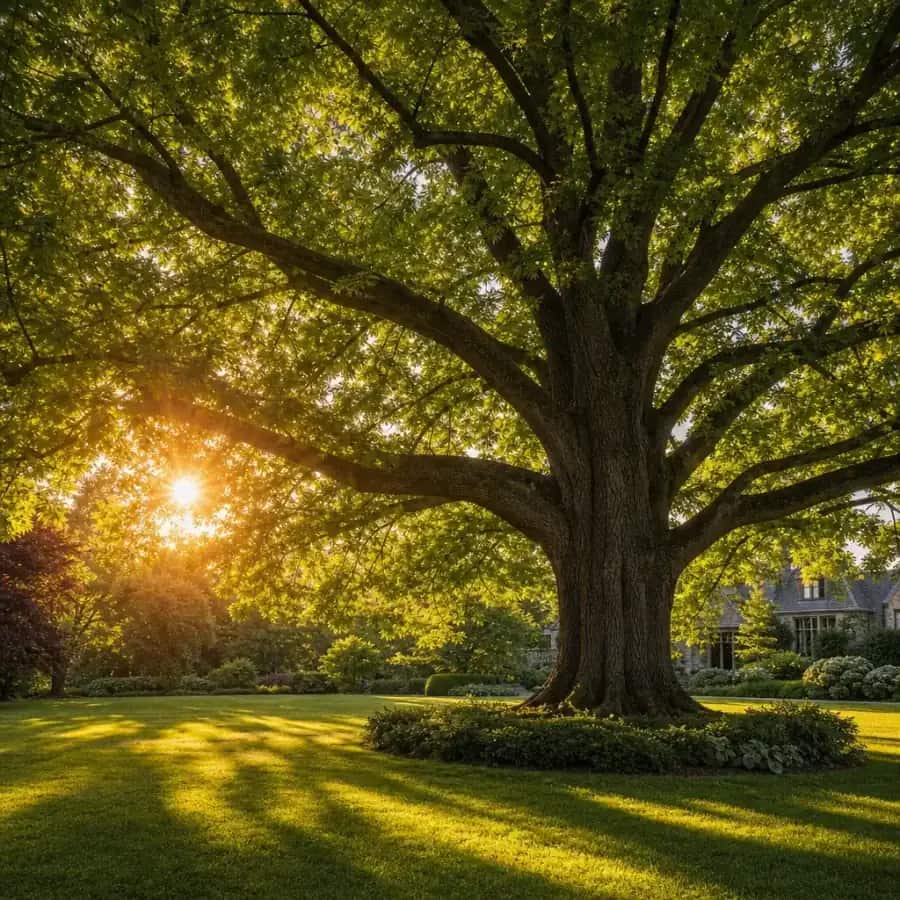 Shade TreesLarge canopy trees like Cedar Elm and American Sycamore that handle zone 6a winters.View all Shade Trees →
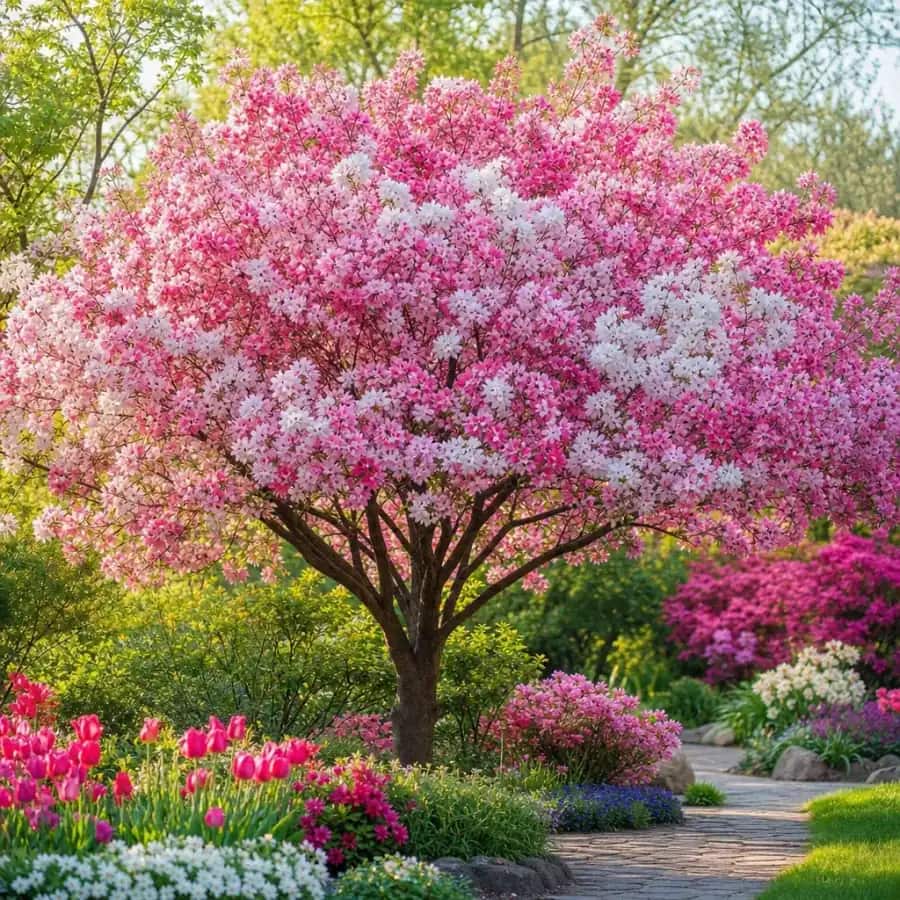 Flowering & OrnamentalMerlot Redbud and Thunderstruck Lavender Skies Crape Myrtle add color in our short season.View all Flowering & Ornamental →
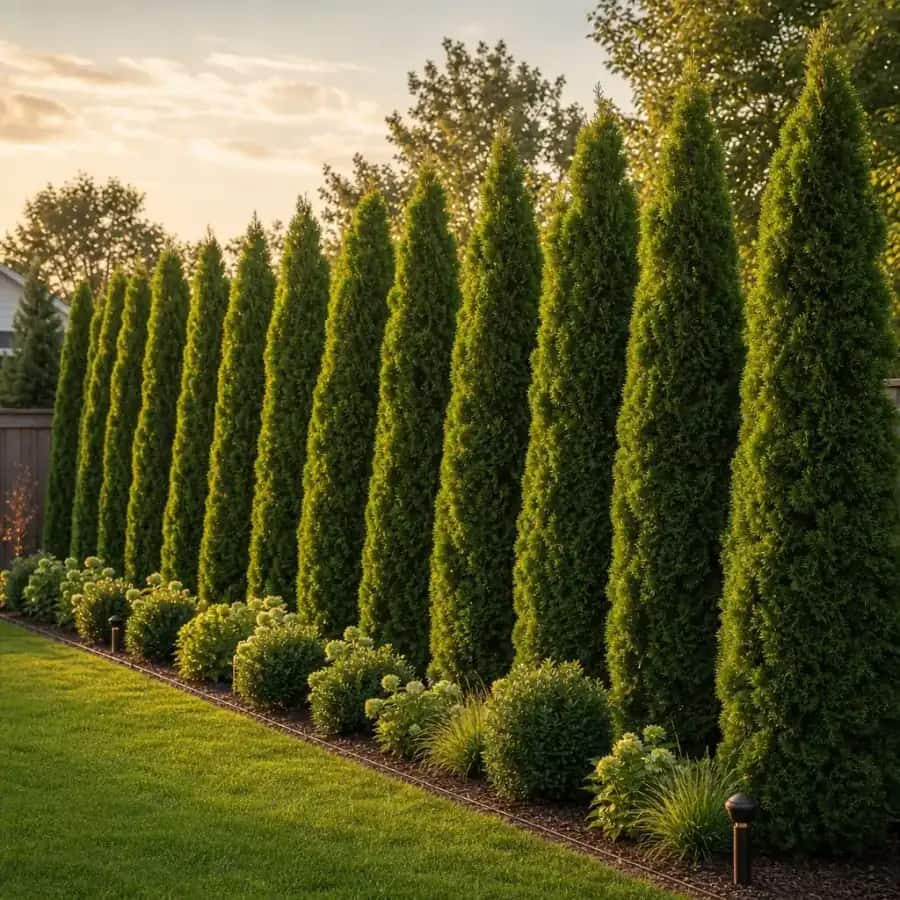 Evergreen & PrivacyCarolina Sapphire Arizona Cypress and Hetzii Columnaris Chinese Juniper keep screening strong all year.View all Evergreen & Privacy →
 Japanese MaplesEmperor 1 and Sangokaku Coral Bark bring structure and color to compact beds.
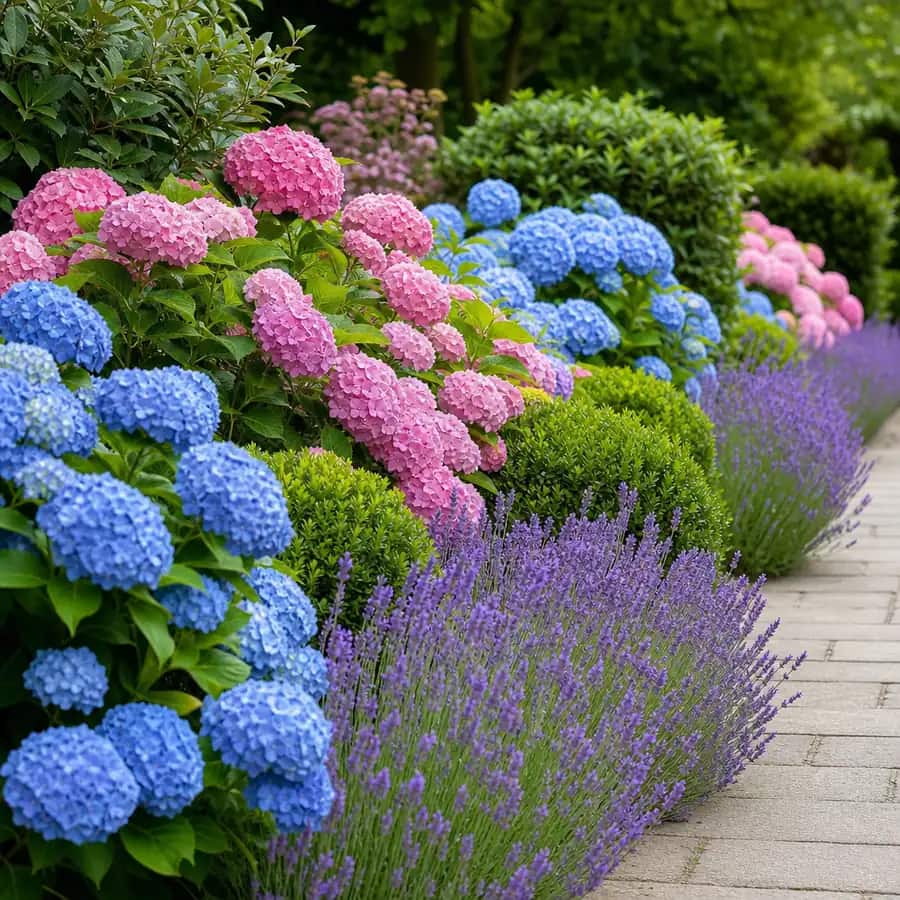 Shrubs & HedgesEndless Summer Hydrangea and Tri-Color Dappled Willow fill borders with low maintenance.View all Shrubs & Hedges →
Local fit, from data
6a
about -10 to -5 F
Cook County
Illinois
If your yard needs a break from the summer sun, trees delivered to Chicago, IL 60634 can change that. Arbor Buddy ships large, nursery-grown shade, privacy, flowering, and fruit trees straight to your door by freight. Every tree matches your zone 6a climate so it stands a real chance in your soil.
Homeowners across Cook County order directly from us. We match each tree to your hardiness zone and back it with a 1-Year Thrive Guarantee. No guesswork, no weak saplings.
Chicago sits in USDA zone 6a, which means winter lows can drop to -10 to -5 degrees F. That range rules out fringe-tender plants like citrus or most palms. But it suits a solid lineup of shade, flowering, and fruit trees that can handle a deep freeze and still push out new growth.
The area gets enough summer heat to ripen figs and apples. Humidity is moderate, so powdery mildew stays manageable on maples and dogwoods. If you have wet soil near a downspout, Bald Cypress is a smart pick. If the ground dries fast, Chinkapin Oak will not complain. The key is matching the tree to your microclimate, not just the zone number.
When you shop trees for zone 6 in Chicago, stick with varieties proven in 6a. Avoid species sold only for warmer zones. Our list already passes that test.
Winter lows in Chicago, ZIP 60634, usually run between -10 and -5 degrees F. That is typical for zone 6a and shapes which trees can survive. Your featured trees are selected for this range.
Fast-growing options for zone 6a include Bald Cypress and Chinkapin Oak (once established). These add height quickly and suit shade or wet soil. Slower growers like Japanese Maples offer structure but need patience.
Our trees arrive as large, nursery-grown specimens - typically in 5-gallon pots or larger root balls. They are ready to plant immediately and reach a usable landscape size after a few growing seasons.
Yes, you can grow fruit trees in Chicago, but not citrus. The Chicago Hardy Fig Tree survives zone 6a winters and produces sweet fruit. Apples like Honeycrisp also work with a second tree for pollination. Citrus needs zone 8b or warmer.
For shade, privacy, flowering, fruit, and accent trees matched to your zone in ZIP 60634 of Chicago, Arbor Buddy ships large, nursery-grown trees with a 1-Year Thrive Guarantee. If your tree does not survive its first year, we replace it free. That makes every order a safe bet.
Browse the trees suited to your area and order online.
Tree choices change when you compare Chicago to other climates. Here is how ZIP 60634 stacks up against three other ZIPs.
ZIP 75252 in Dallas, Texas (TX) sits in zone 8b with winter lows of 15 to 20 F. That warmth opens the door to palms and tropicals. Dallas yards can grow Sago Palms and Windmill Palms. In practice, buyers here lean toward cold-hardy oaks and maples because palms are risky in a polar vortex year. The difference is clear: Chicago rules out most tropicals, while Dallas can dabble.
ZIP 98324 in Carlsborg, Washington (WA) is also zone 8b with winter lows 15 to 20 F. That mild winter allows citrus and other tender fruit trees. For your cart, that means a Carlsborg buyer can try a Meyer Lemon tree outdoors. In Chicago, you need a zone-6a fruit like Chicago Hardy Fig or Honeycrisp Apple. You cannot grow true citrus here without a greenhouse.
ZIP 57071 in Volga, South Dakota (SD) is zone 4b with winter lows -25 to -20 F. That is much colder than Chicago. That gap changes the local shortlist to super-hardy species like Colorado Spruce or Siberian Elm. Chicago offers more flowering options like White Dogwood and Japanese Maple, which would not survive a zone 4b winter. So you have a wider palette than South Dakota, but fewer tropical choices than Dallas or Carlsborg.
The practical takeaway: Chicago's zone 6a strikes a sweet spot - you can grow many shade, fruit, and flowering trees, but you must skip anything that demands zone 7 or warmer.
Arbor Buddy ships large, nursery-grown trees by freight to Chicago, IL 60634 and neighboring ZIPs 60630, 60631, 60632, 60633, 60636, 60637. Deliveries into zone 6 land in spring or fall, the two planting-friendly stretches. A freight truck pulls up to your curb, and you receive the tree in its nursery pot or root ball. No pickup, no waiting at a depot.
Every tree is zone-matched before it leaves our nursery. If it does not survive its first year, we replace it free under the 1-Year Thrive Guarantee.
Before delivery day, check:
Enter your ZIP, shop only what thrives in your zone.
Freight delivery to your address: $149 flat per order, shown at checkout.
Plant it, watch it thrive, covered for one year.
Good to know · Growing guide
Coverage runs a full year from delivery. If something goes wrong, contact the team and they arrange the replacement. No store-credit games, no fine-print maze.