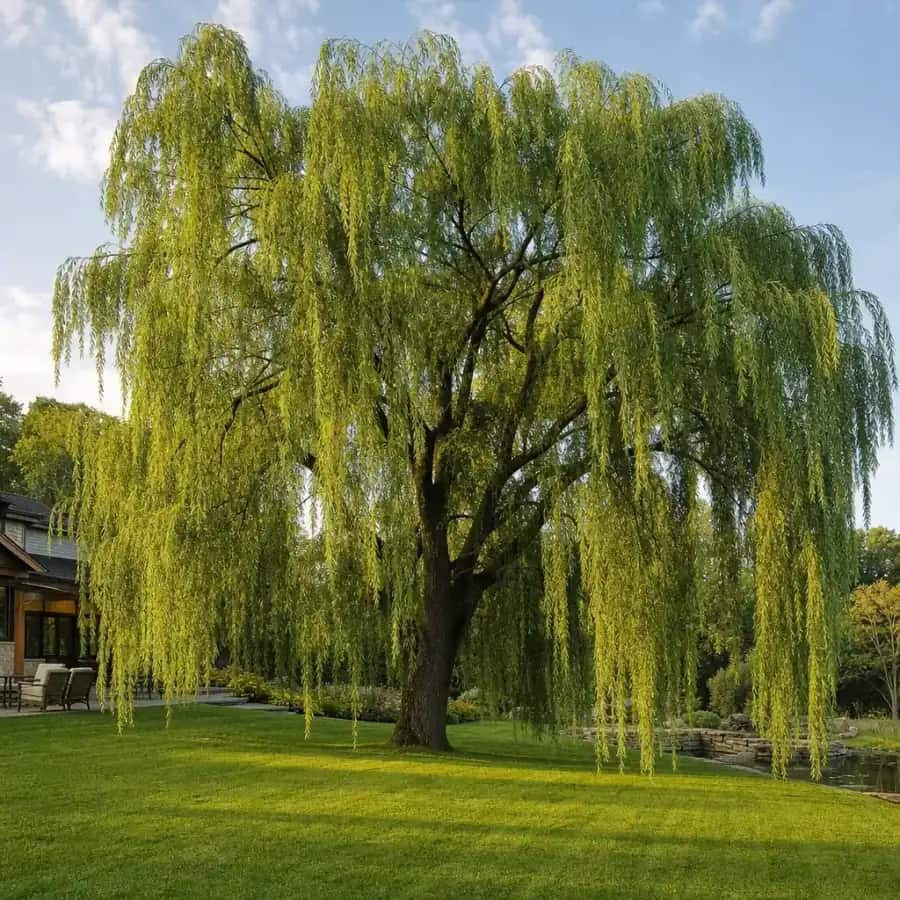
 Zones 4 to 9
Shade Trees
Weeping Willow
$40
Shop large, nursery-grown shade, privacy, flowering and fruit trees, delivered by freight in Kill Devil Hills. Every tree is matched to your hardiness zone and backed by our 1-Year Thrive Guarantee.
Enter your ZIP and we'll match trees to your exact growing zone.
Typical winter lows in Kill Devil Hills run about 20 to 25 F.
Matched to Kill Devil Hills's zone
Zones 4 to 9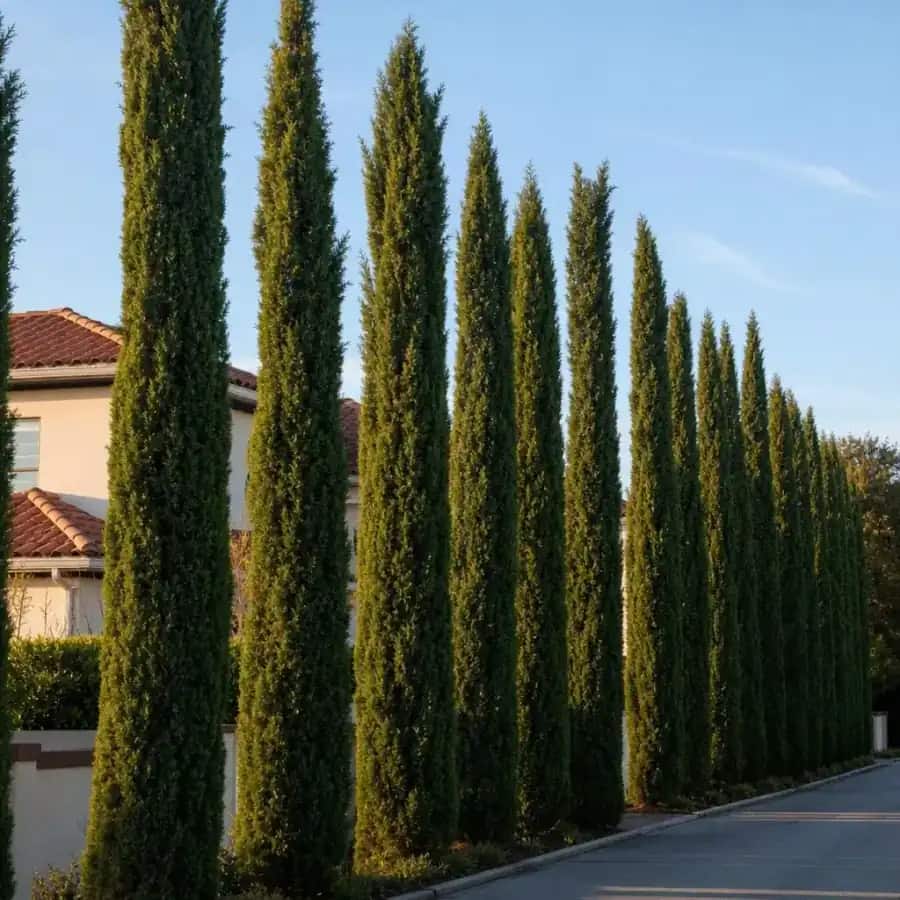 Zones 7 to 11
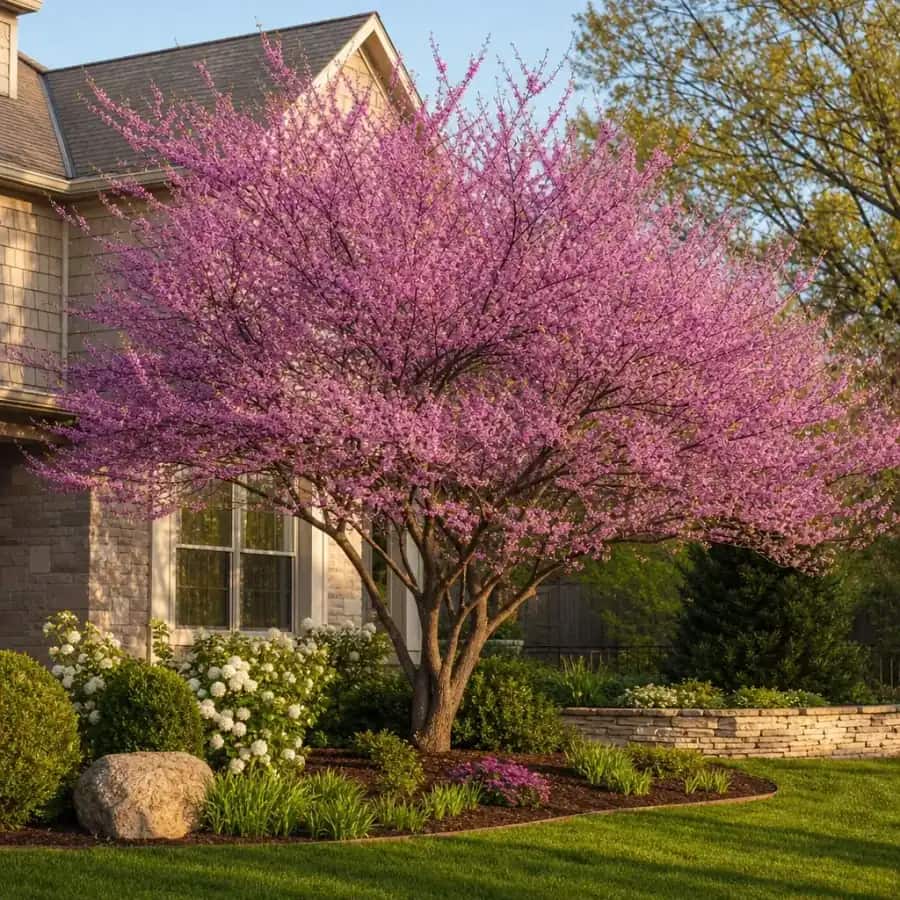 Zones 4 to 9
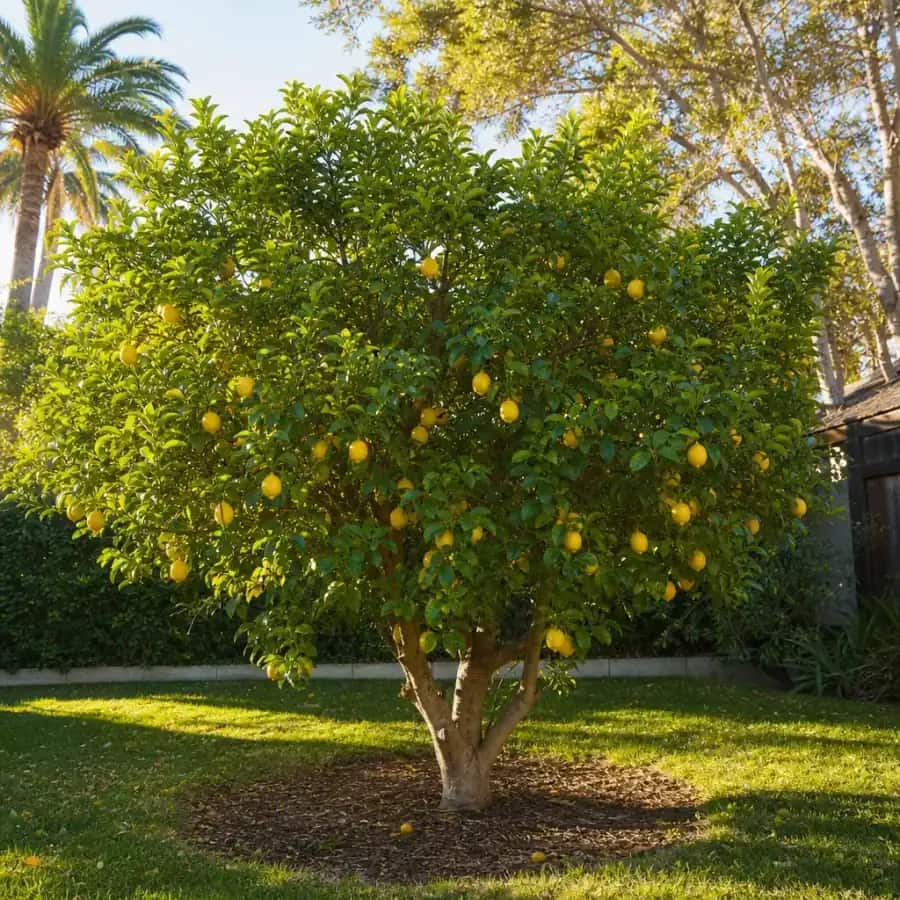 Zones 8 to 11
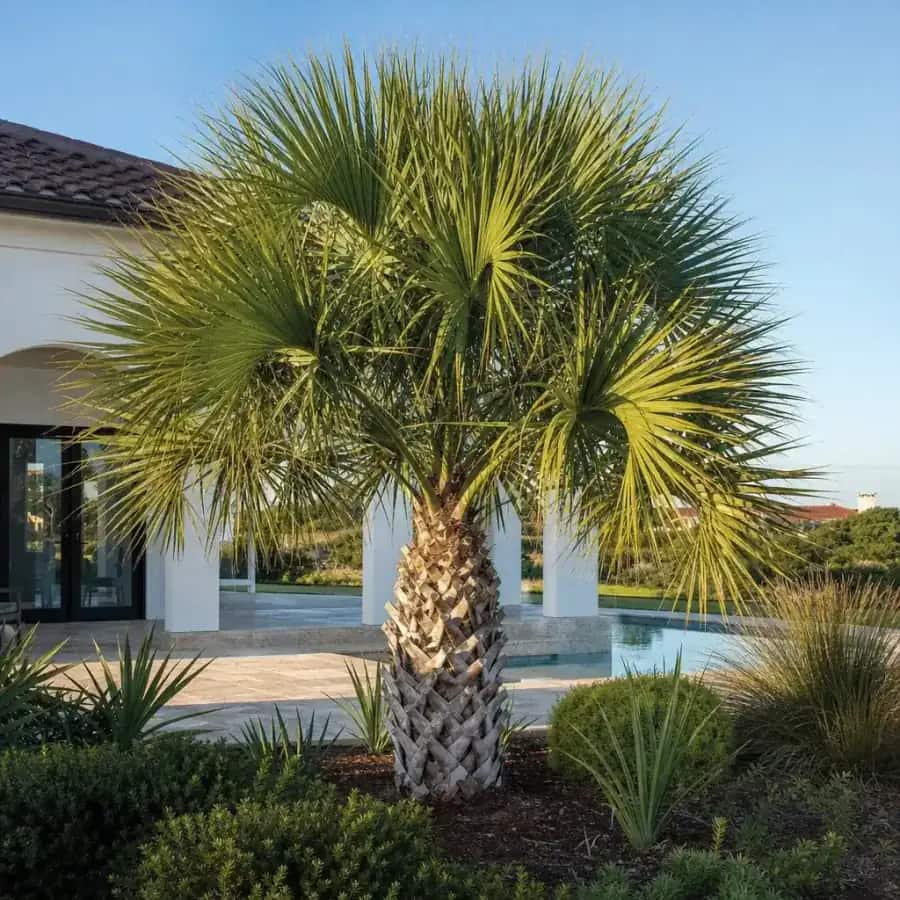 Zones 7 to 11
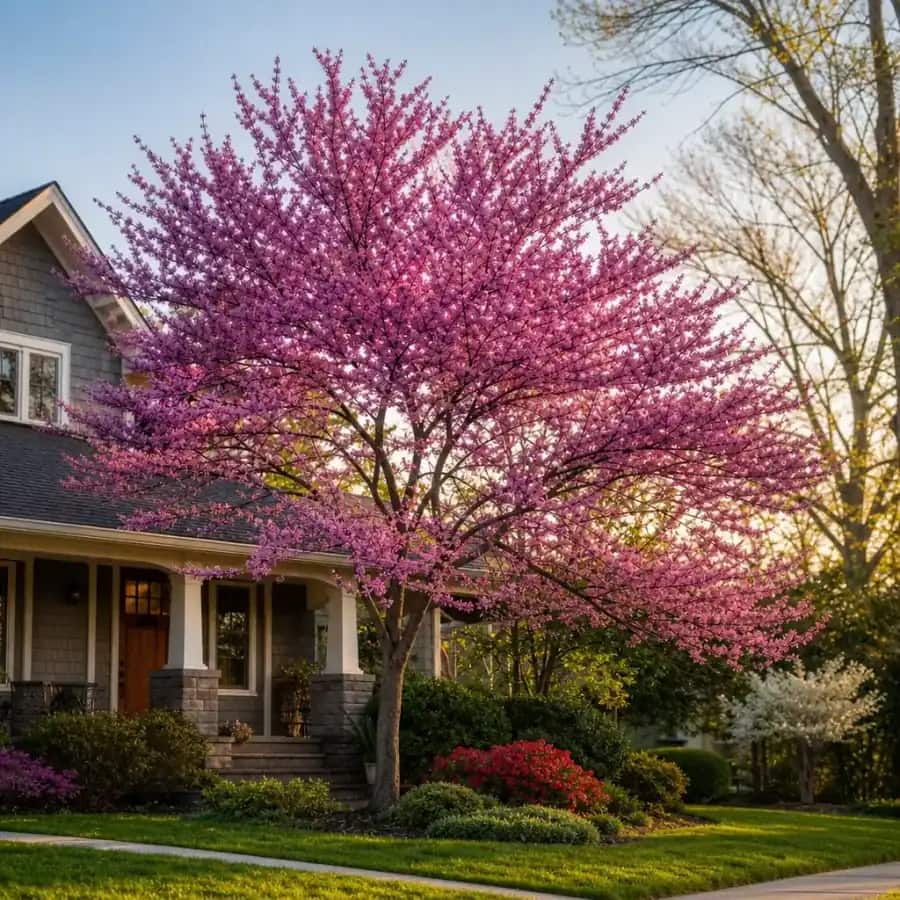 Zones 4 to 9
Shop by category
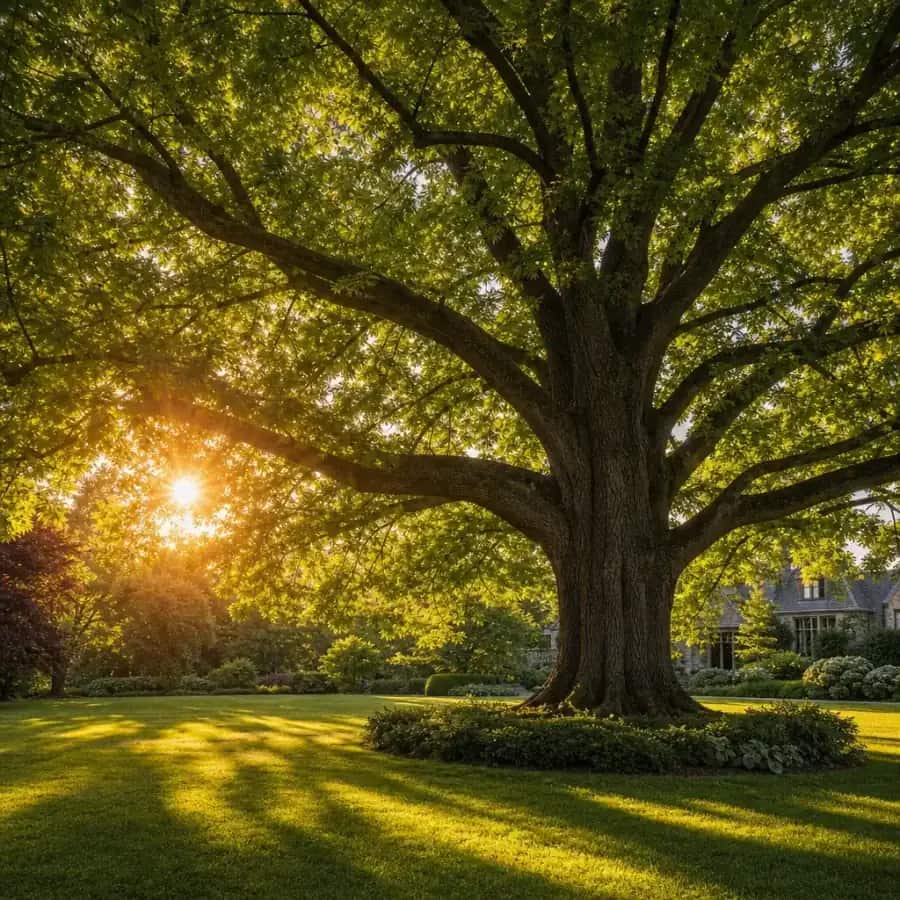 Shade TreesCool a patio or large yard with fast-growing oaks, elms, and sweetgums that love zone 9.View all Shade Trees →
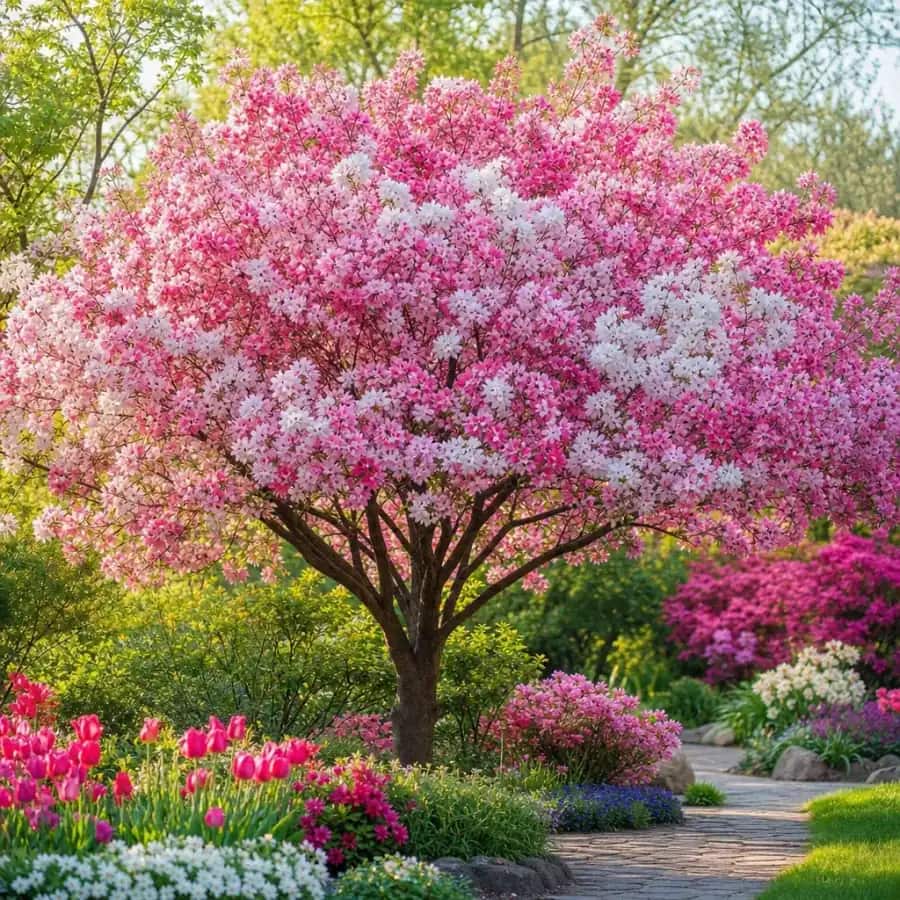 Flowering & OrnamentalCrape myrtles, redbuds, and plums that bloom reliably in warm coastal winters.View all Flowering & Ornamental →
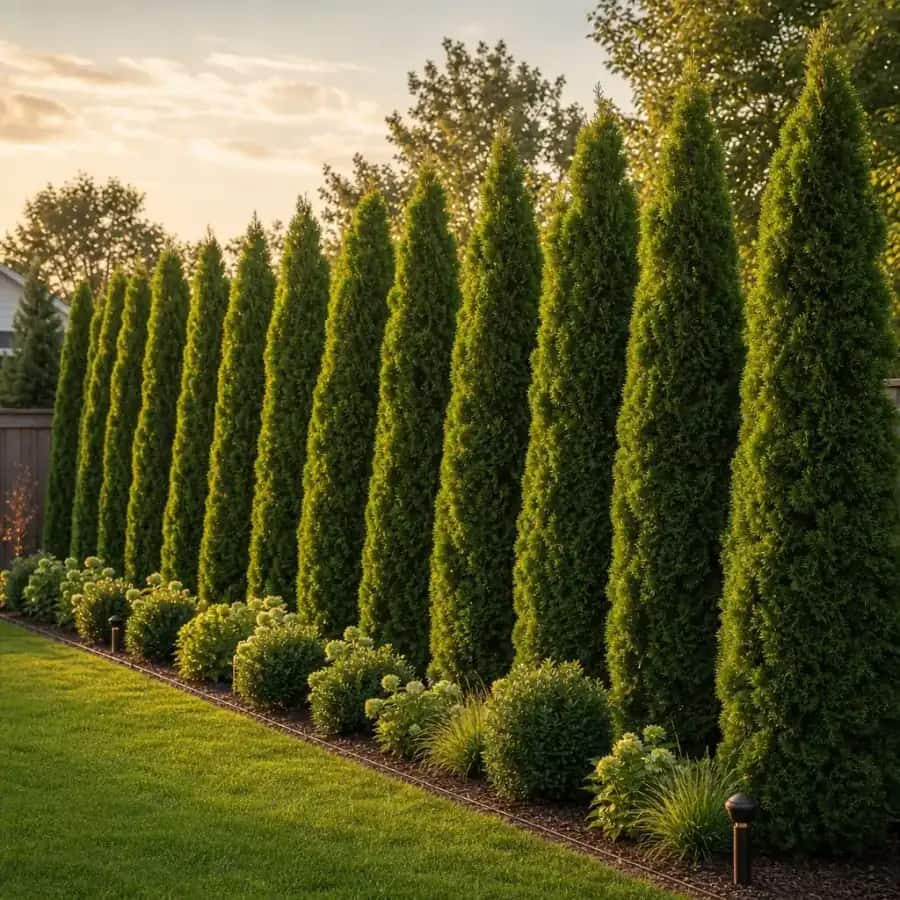 Evergreen & PrivacyColumnar redcedars and junipers that screen year-round without blocking too much breeze.View all Evergreen & Privacy →
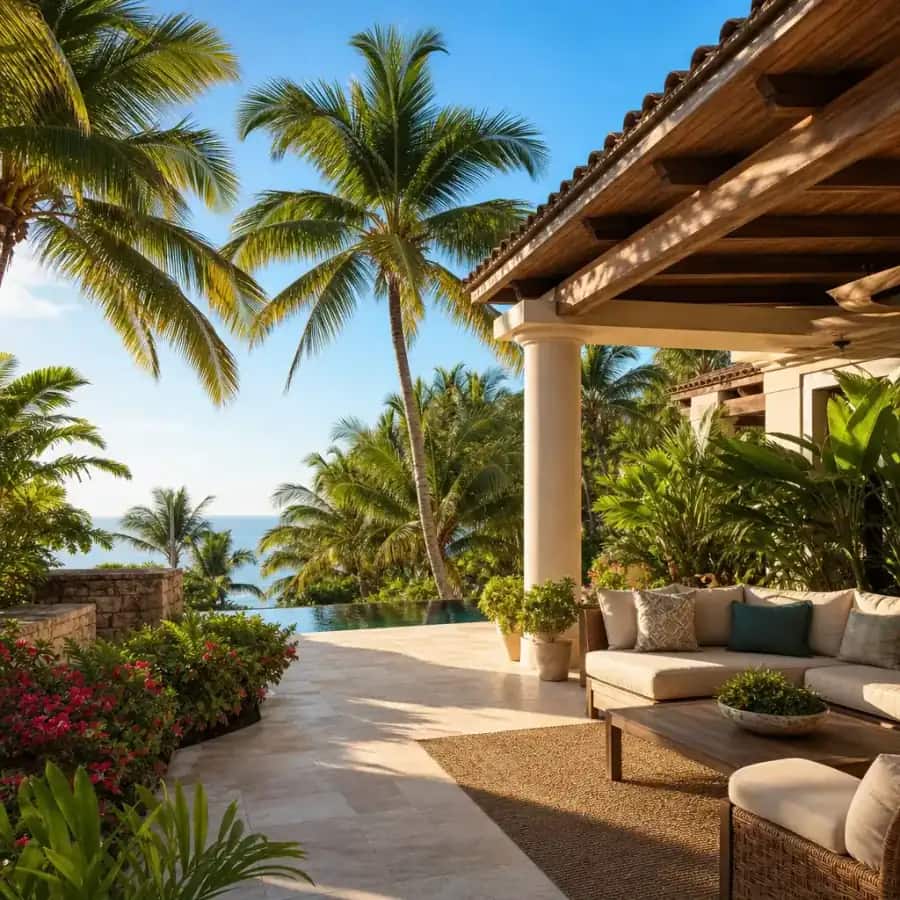 Palms & TropicalsCold-hardy fan palms and sagos that tolerate zone 9's occasional frost.View all Palms & Tropicals →
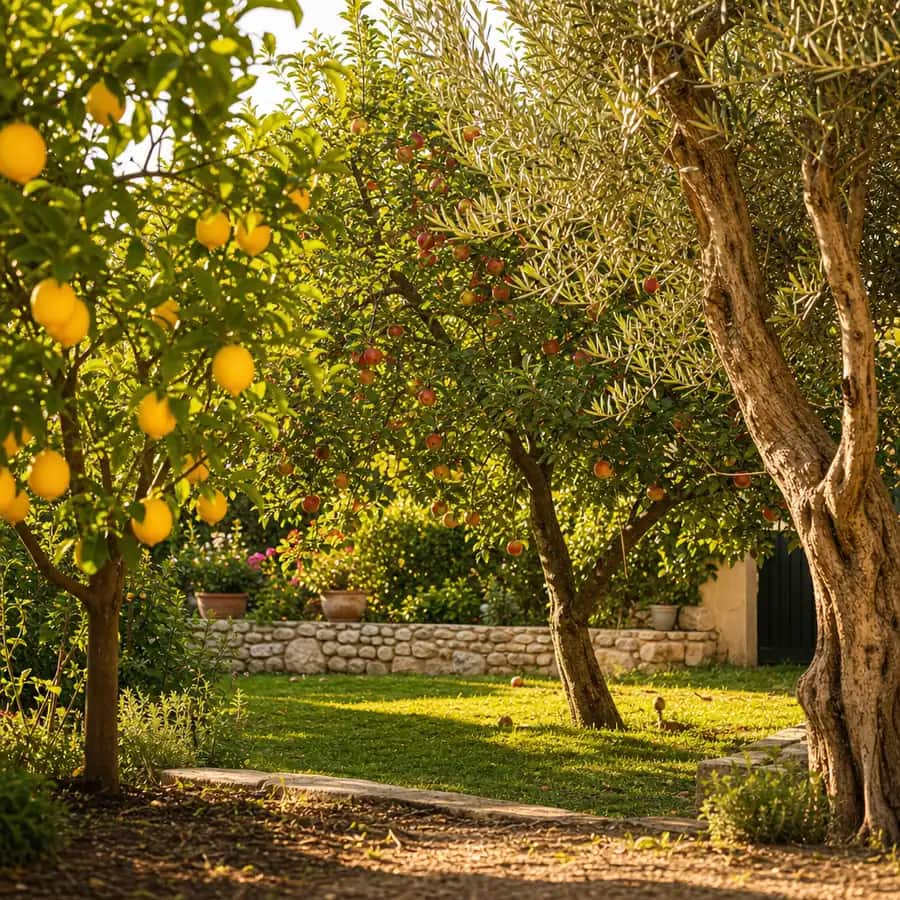 Fruit TreesFigs, cold-hardy avocados, and low-chill stone fruits that set fruit in moderate winters.View all Fruit Trees →
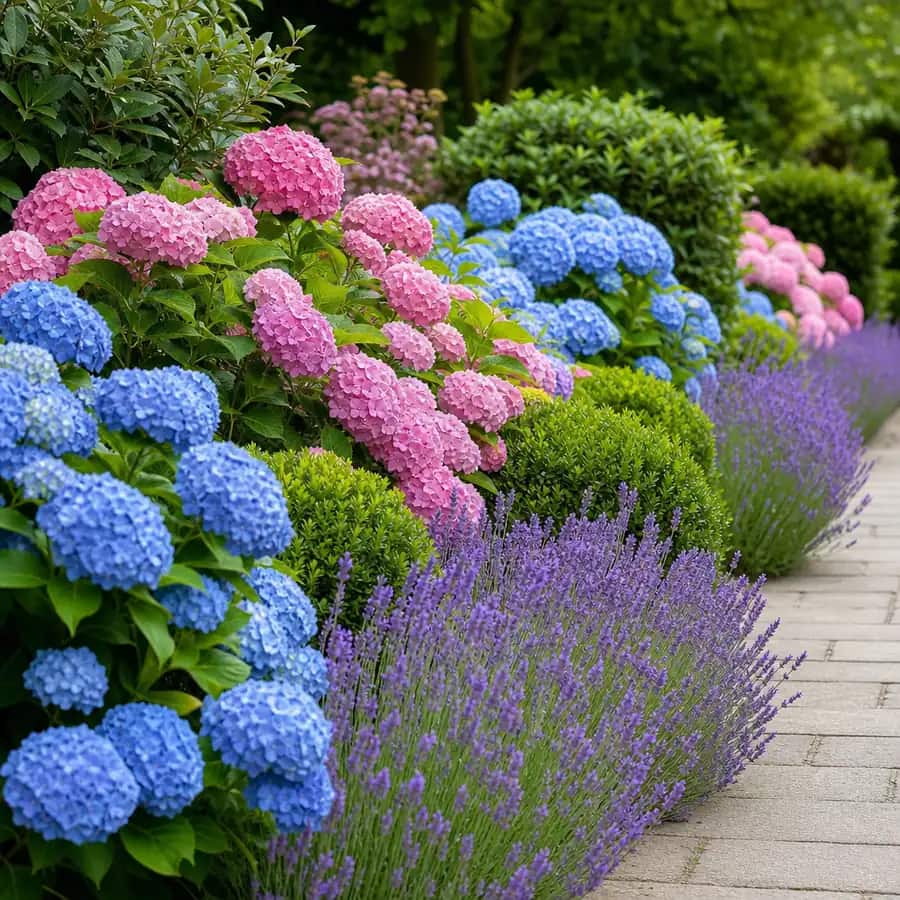 Shrubs & HedgesHydrangeas, hollies, and lavender that fill borders with dense, salt-tolerant foliage.View all Shrubs & Hedges →
Local fit, from data
9a
about 20 to 25 F
Dare County
North Carolina
Trees delivered to Kill Devil Hills, NC 27948 from Arbor Buddy arrive by freight during fall and early spring. We ship large, nursery-grown trees matched to your hardiness zone. Homeowners and contractors can choose from shade, flowering, evergreen, fruit, and palm categories.
Your yard sits in USDA zone 9a, where winter lows typically reach 20 to 25 degrees. That climate opens many options while ruling out a few frost-sensitive varieties.
Your yard falls into USDA hardiness zone 9a, meaning winter lows run about 20 to 25 degrees. That range rules out trees that need prolonged chill (like Elberta peach) but keeps most classic southern options open. The coastal humidity paired with warm summers means moisture-loving species do well, while some drought-tolerant varieties also thrive if given good drainage.
Crape myrtles, figs, and native palms handle the occasional frost snap without damage. Evergreens like Eastern redcedar and Blue Point Chinese juniper stay dense year-round. Flowering ornamentals such as redbuds and Mexican plum bloom reliably without worrying about a late freeze. For buyers in Kill Devil Hills, the practical shift is toward trees that tolerate heat and bounce back from a mild winter chill.
When you look at trees for zone 9 in Kill Devil Hills, focus on varieties that stay healthy through both wet summers and short cold spells. Arbor Buddy matches every tree to your zone before shipping, so you get a species proven to survive here.
Winter lows in Kill Devil Hills typically fall between 20 and 25 degrees Fahrenheit. That places the area in USDA zone 9a, which is mild enough for most shade, flowering, and fruit trees found at Arbor Buddy.
Zone 9a is perfect for crape myrtles, figs, palms, and many evergreen conifers. The Texas Ash, Muskogee Crape Myrtle, and Chicago Hardy Fig are all proven performers here. Trees that need extended chill hours, like Elberta peach, are not recommended.
Yes. Arbor Buddy ships trees by freight to Kill Devil Hills, NC 27948. Orders are scheduled for fall and early-spring arrival to give trees the best start.
Taylor Eastern Red Cedar and Eastern Redcedar are excellent narrow screens for zone 9. Blue Point Chinese Juniper also works well. These evergreens stay dense year-round and handle the coastal humidity.
Arbor Buddy ships large, nursery-grown trees matched to your zone in ZIP 27948. Every tree comes with a 1-Year Thrive Guarantee, so you can order with confidence.
Browse the trees suited to your area and place your order online.
Kill Devil Hills sits in zone 9a, a warm coastal band that differs sharply from colder inland zones. Here is how the tree choices shift for three other ZIPs.
ZIP 02801 in Adamsville, Rhode Island (RI) lands in zone 7a, with winter lows between 0 and 5 degrees. That cold rules out most palms and crape myrtles. Heat and humidity tolerance is less of a factor there; the limiting factor is how far below freezing a tree can survive. Here, the zone usually pushes the choice toward cold-hardy evergreens and maples that handle the long, wet fall. In Kill Devil Hills, by contrast, you can grow figs and crape myrtles that would not make it through a Rhode Island winter.
ZIP 57481 in Westport, South Dakota (SD) sits in zone 4b, with typical lows of -25 to -20 degrees. That extreme cold eliminates nearly all the trees that thrive in zone 9. Drought tolerance matters in both places, but the South Dakota zone is dry year-round, while Kill Devil Hills gets humidity and summer rain. The practical difference is that Westport buyers choose Siberian elms and lilacs that shrug off deep freezes, while here you have no need for that level of cold-hardiness. Instead you can pick from a wider palette of flowering and evergreen trees.
ZIP 18540 in Scranton, Pennsylvania (PA) is zone 6b, with lows near -5 to 0 degrees. Cold-hardiness is the primary concern there; trees like Taylor Eastern Red Cedar survive both zones, but Crape Myrtles and figs need winter protection in Scranton. Locally, that points buyers toward species that thrive in 9a's milder conditions without needing extra care. The takeaway for Kill Devil Hills buyers: your mild winter wideens the choice to include palms, citrus-adjacent figs, and many flowering ornamentals that would struggle in colder locations.
Arbor Buddy ships trees directly to ZIP 27948 via freight. Each tree arrives nursery-grown at a usable landscape size, ready to plant. The shipping season for your area is fall and early spring, timed so the tree establishes before summer heat or winter cold hits.
We match every tree to your hardiness zone before it leaves, and every order comes with the 1-Year Thrive Guarantee. If a tree does not survive its first year, we replace it at no cost. That covers the species choice and the planting window.
Freight trucks deliver curbside or to a driveway where the driver can reach. Before delivery day, check:
Enter your ZIP, shop only what thrives in your zone.
Freight delivery to your address: $149 flat per order, shown at checkout.
Plant it, watch it thrive, covered for one year.
Good to know · Growing guide
Coverage runs a full year from delivery. If something goes wrong, contact the team and they arrange the replacement. No store-credit games, no fine-print maze.