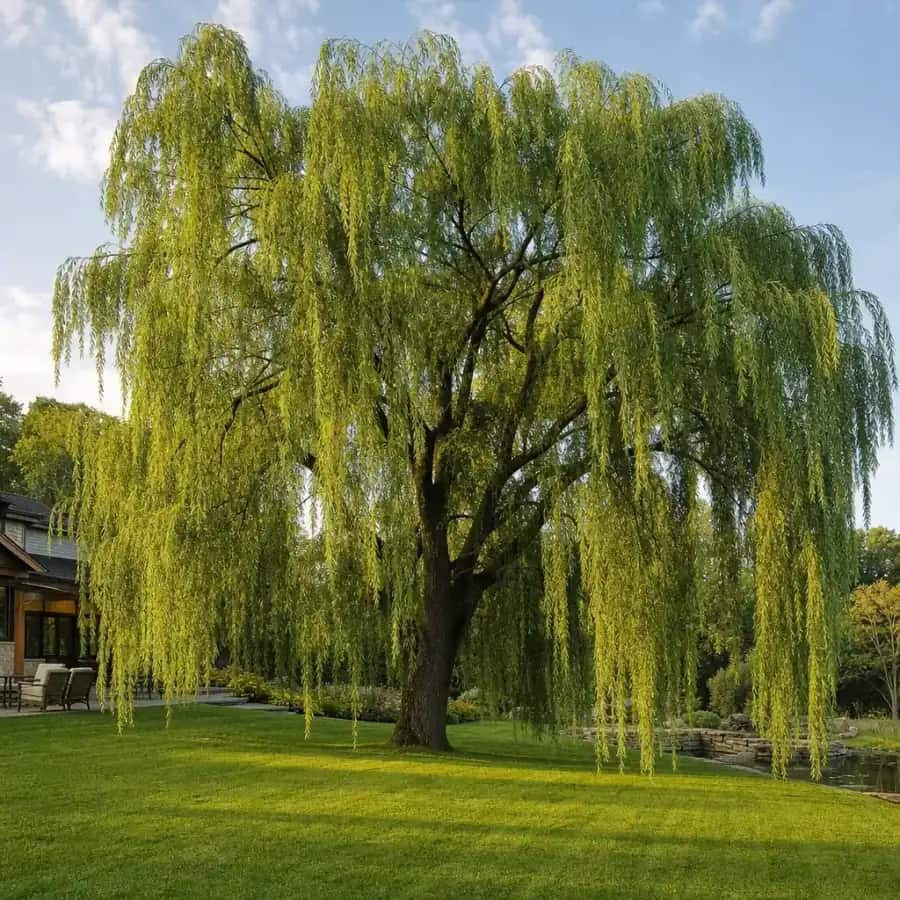
 Zones 4 to 9
Shade Trees
Weeping Willow
$40
Shop large, nursery-grown shade, privacy, flowering and fruit trees, delivered by freight in Fort Worth. Every tree is matched to your hardiness zone and backed by our 1-Year Thrive Guarantee.
Enter your ZIP and we'll match trees to your exact growing zone.
Typical winter lows in Fort Worth run about 15 to 20 F.
Matched to Fort Worth's zone
Zones 4 to 9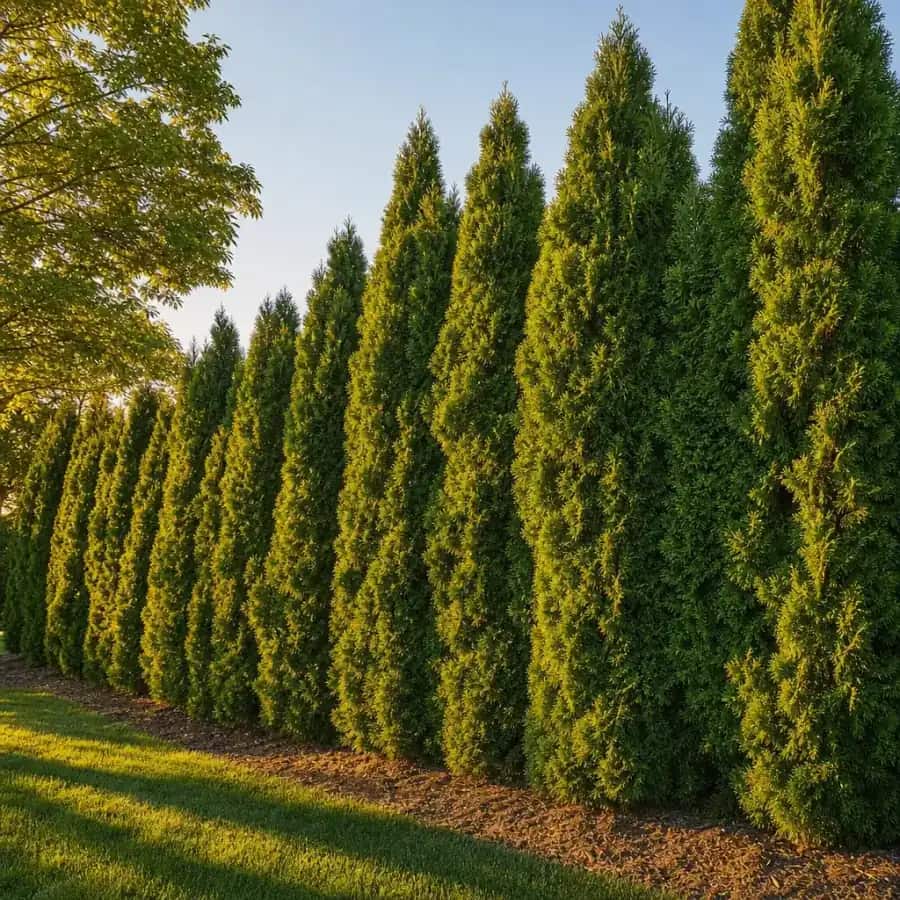 Zones 5 to 8
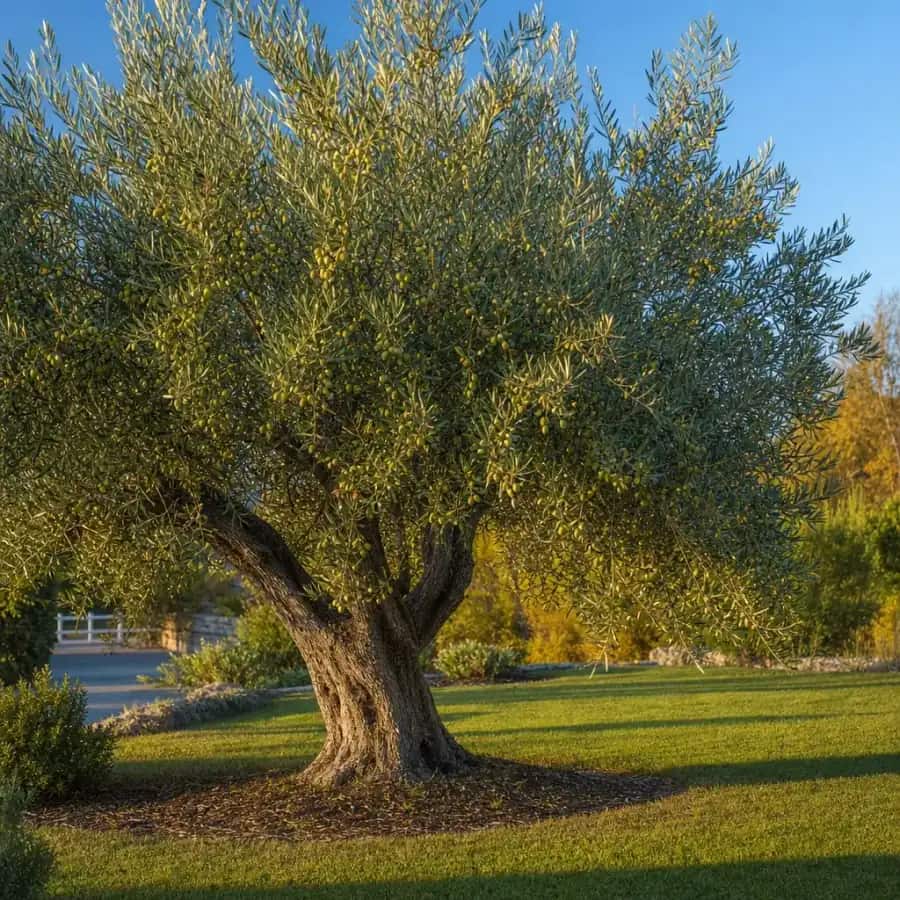
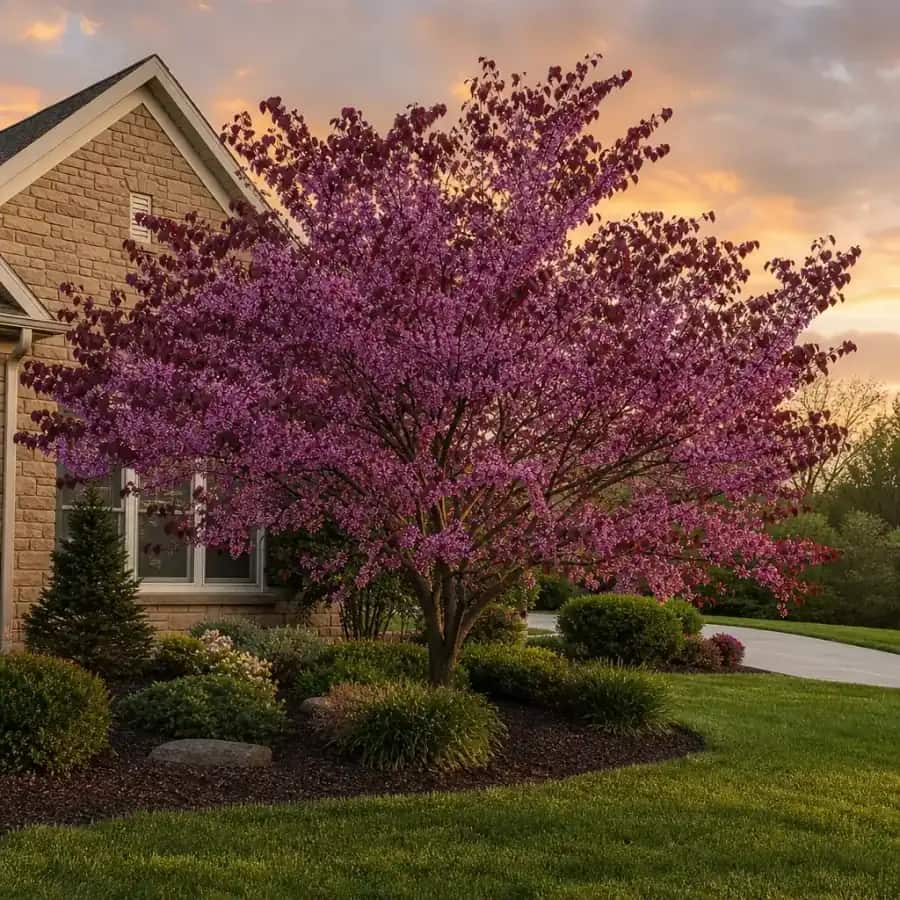 Zones 4 to 9
 Zones 8 to 11
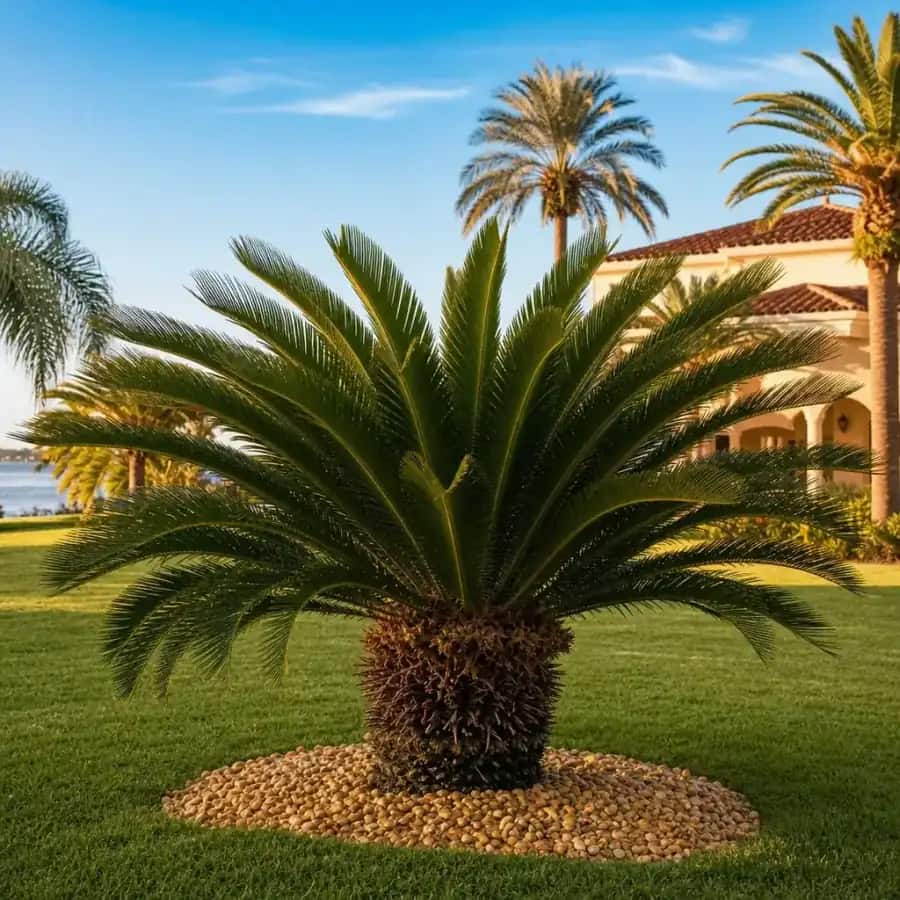 Zones 8 to 11
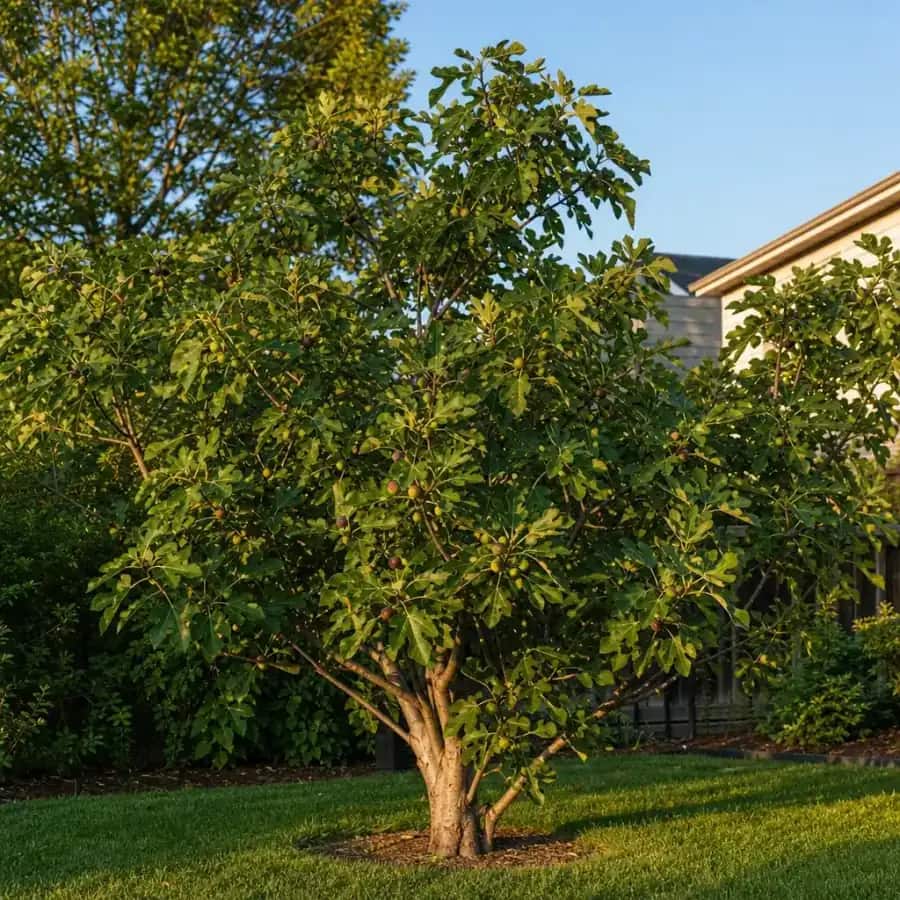 Zones 5 to 10
Shop by category
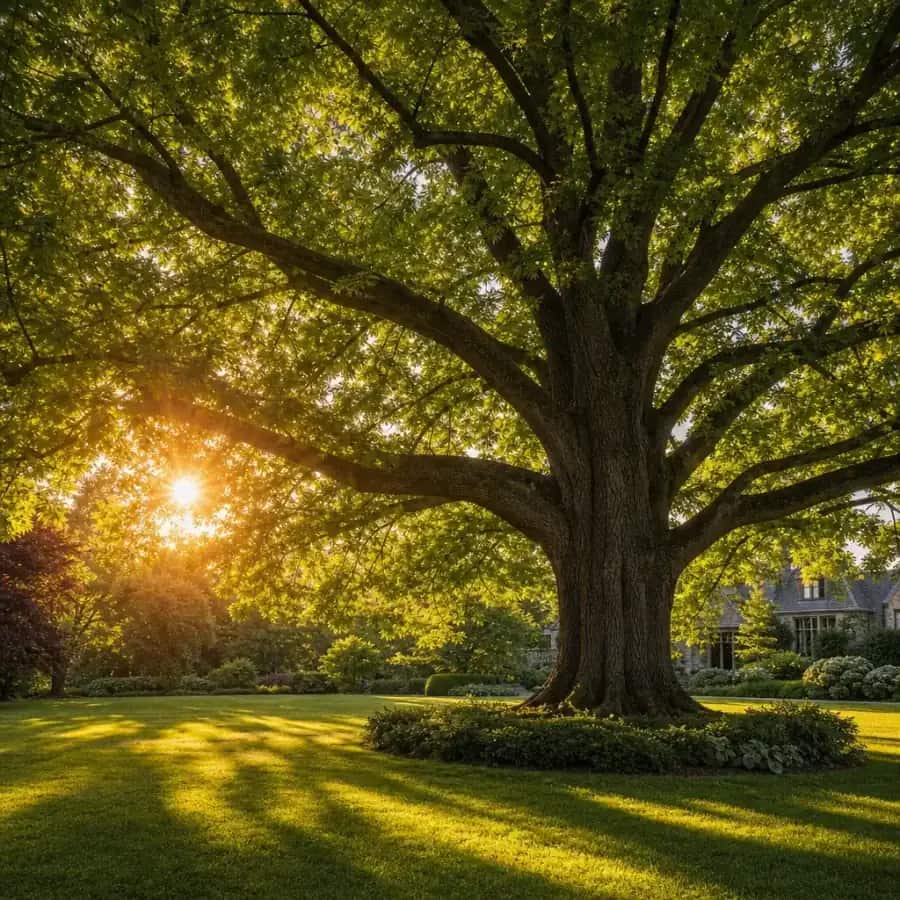 Shade TreesLarge canopy options like Chinese Pistachio cool homes. Best for Fort Worth's hot summers.View all Shade Trees →
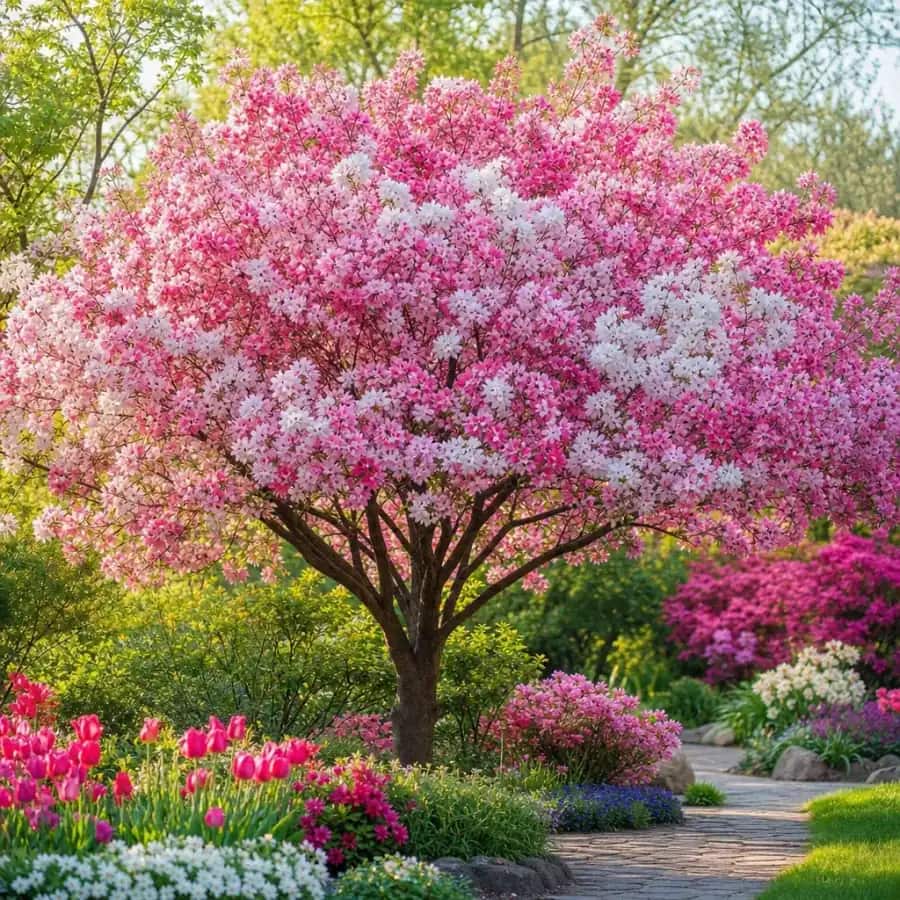 Flowering & OrnamentalTexas Redbud and The Rising Sun Eastern Redbud add spring color. Both thrive in zone 8b.View all Flowering & Ornamental →
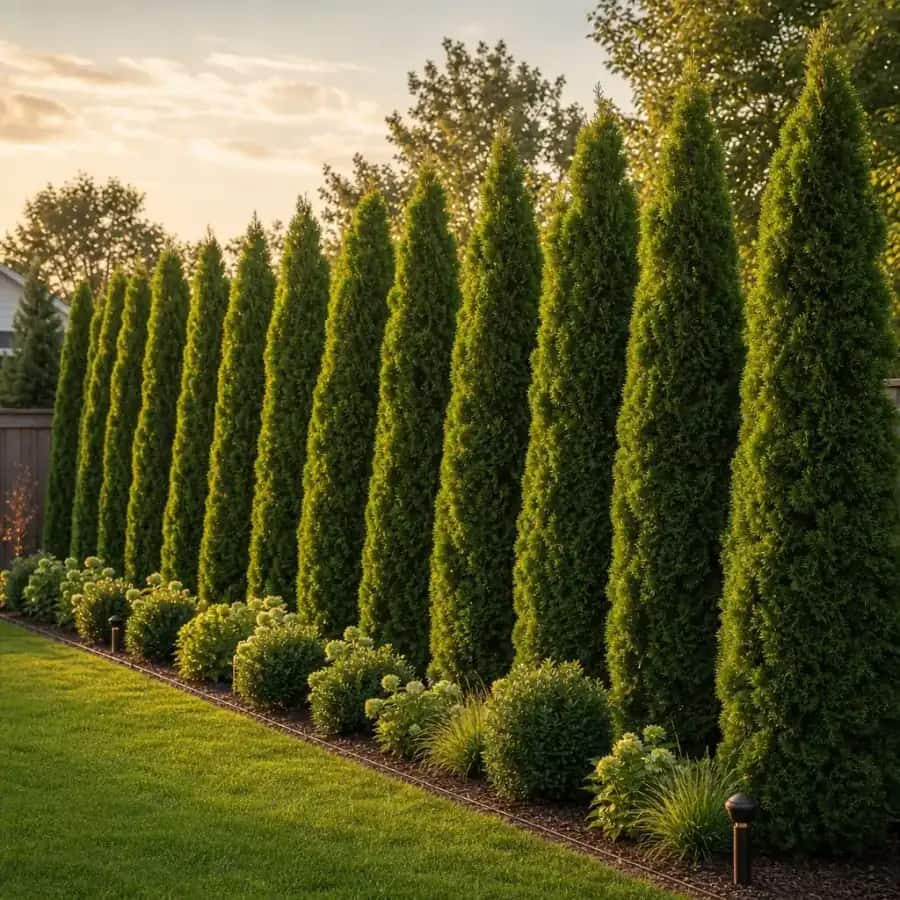 Evergreen & PrivacyNellie R. Stevens Holly and Taylor Eastern Red Cedar create year-round screens. Good for tight neighborhoods.View all Evergreen & Privacy →
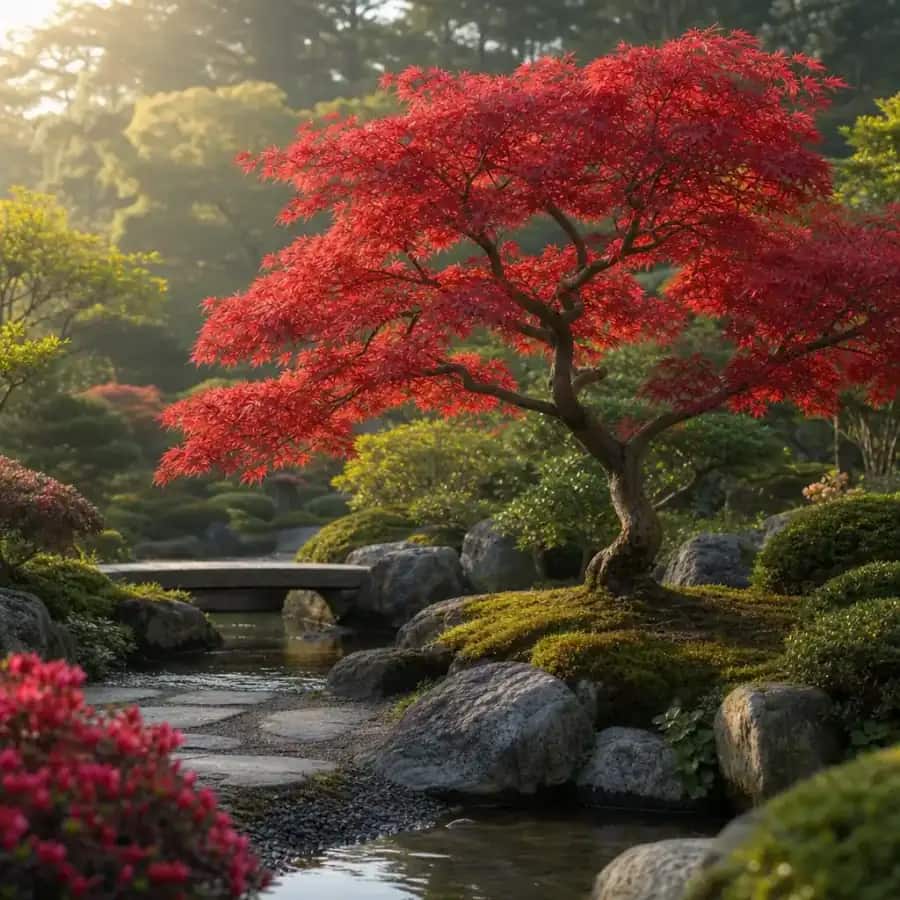 Japanese MaplesRed Dragon Japanese Laceleaf Maple offers fine texture. Needs afternoon shade in Fort Worth's heat.
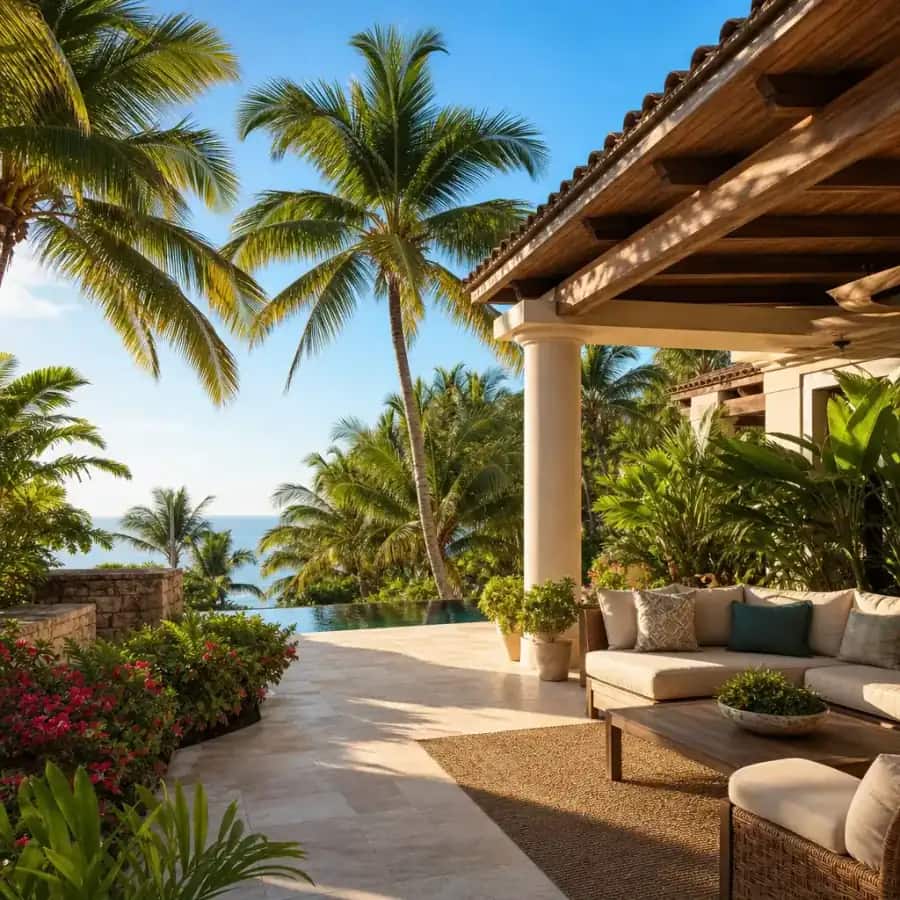 Palms & TropicalsChinese Windmill Palm adds a tropical look. Needs some shade and humidity to do well.View all Palms & Tropicals →
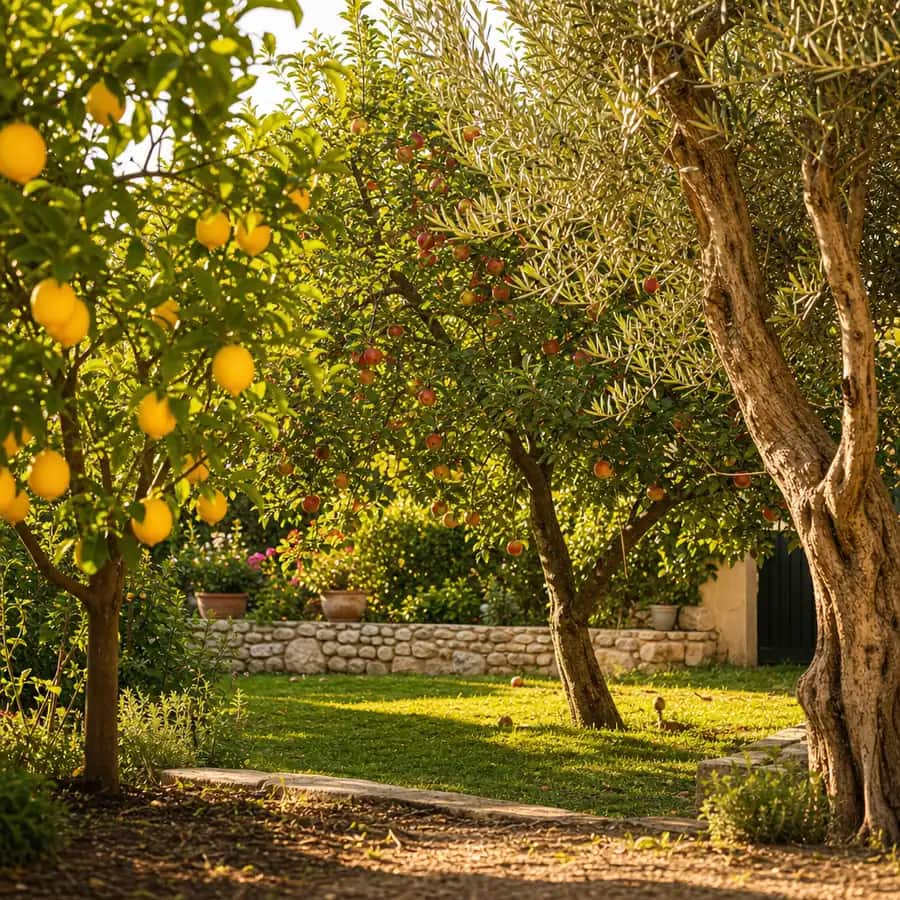 Fruit TreesElberta Peach is reliable for Fort Worth's chill hours. Bing Cherry needs a pollination partner nearby.View all Fruit Trees →
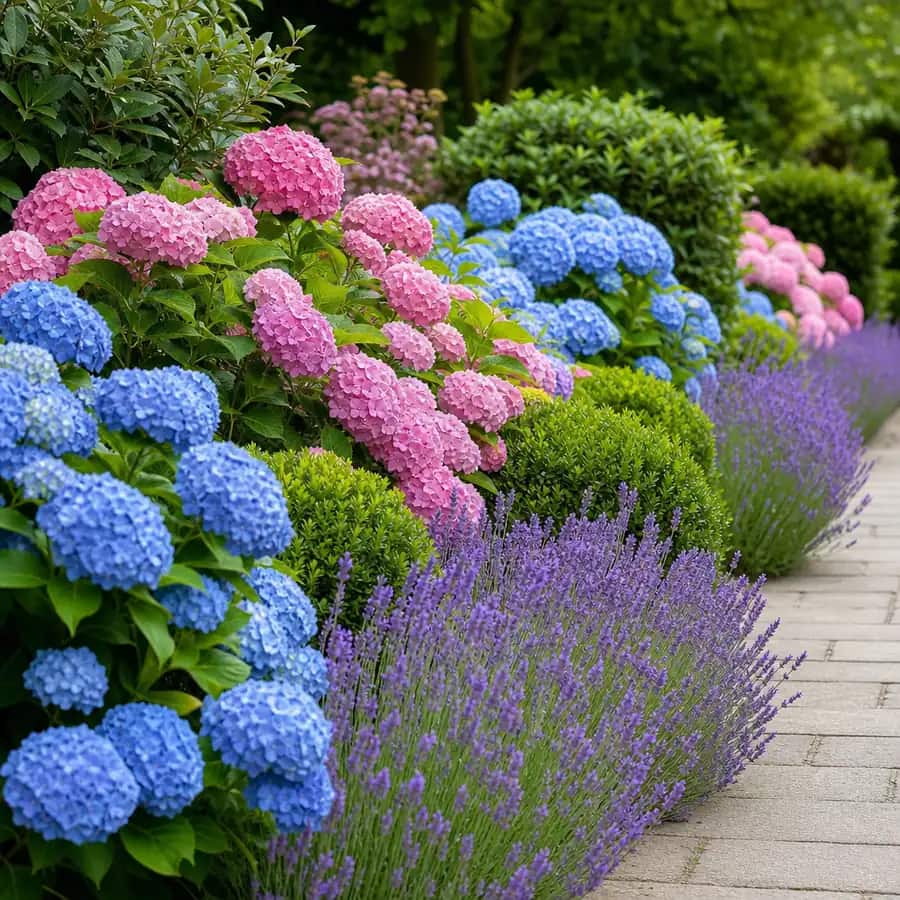 Shrubs & HedgesTri-Color Dappled Willow provides multi-season interest. Great for borders and low accents.View all Shrubs & Hedges →
Local fit, from data
8b
about 15 to 20 F
Tarrant County
Texas
Trees delivered to Fort Worth, TX 76120 from Arbor Buddy bring large nursery-grown shade, privacy, and flowering picks. Homeowners in ZIP 76120 order trees matched to USDA zone 8b. Arbor Buddy ships by freight nationwide. Every tree arrives at a usable landscape size and is backed by a 1-Year Thrive Guarantee.
Fort Worth ZIP 76120 sits in USDA zone 8b. Typical winter lows here run about 15 to 20 degrees F. That allows many trees that thrive in warm summers and mild winters. Cold snaps are brief and rarely severe.
The area sees hot, humid summers. Shade trees and flowering ornamentals do particularly well. Evergreen screens stay green year-round. Japanese maples need afternoon shade to avoid leaf scorch. Palms like Chinese Windmill Palm need some shade and humidity.
Browse trees for zone 8 in Fort Worth to find options suited to your yard.
American Sycamore grows fastest among the large shade trees. It adds 2 to 3 feet per year in zone 8b. For privacy, American Pillar Arborvitae fills in quicker than most evergreens, often gaining 1 to 2 feet per year.
American Sycamore is a top pick for fast, large shade. Bur Oak and Chinese Pistachio also work well. Trees headed to zone 8 arrive between fall and early spring, so you can plant at the right time.
Yes, you can grow fruit trees like Elberta Peach, Chicago Hardy Fig, and pears. Citrus trees are riskier because freezes can damage them. Peaches need about 800 chill hours, which Fort Worth's winters typically provide.
American Pillar Arborvitae is a favorite for narrow spaces. Nellie R. Stevens Holly and Taylor Eastern Red Cedar also give year-round screening. Evergreens need full sun to grow dense.
Arbor Buddy ships large, nursery-grown trees to ZIP 76120 in Fort Worth. Every tree is matched to zone 8b and comes with a 1-Year Thrive Guarantee. If a tree does not survive its first year, you get a free replacement. Order now to lock in your shipping window.
Browse the trees suited to your area and order online.
Tree choices shift with climate. Here is how Fort Worth (zone 8b) stacks up against three other locations.
ZIP 32718 in Casselberry, Florida (FL) sits in zone 10a with winter lows of 30 to 35 F. That zone never sees true freezes. Palms and tropicals thrive there year-round without winter protection. In practice, buyers here lean toward palms like Chinese Windmill Palm and other broad-leaved evergreens. In Fort Worth, winter lows often dip to 15 to 20 F, so palms need a protected spot or occasional cold-weather care. Most palms survive but may show cold damage in a hard freeze.
ZIP 48357 in Highland, Michigan (MI) is in zone 6a with winter lows near -10 to -5 F. That rules out many fruit trees that need mild winters. Peaches and cherries rarely produce there. For your cart, that means Fort Worth's winters are warm enough for Elberta Peach and other stone fruits. The 800 chill hours are met almost every year. Michigan growers focus on apples and cold-hardy varieties. Fort Worth growers can choose peaches, figs, and pears.
ZIP 55017 in Dalbo, Minnesota (MN) falls in zone 4b with winter lows of -25 to -20 F. That climate limits flowering trees to very hardy species. Redbuds and Japanese maples cannot survive. That gap changes the local shortlist to tough natives like crabapples. In Fort Worth, flowering trees like Ruby Falls Weeping Redbud and Wisteria Tree bloom reliably because freezes are brief and shallow.
For Fort Worth buyers, the takeaway is clear: your zone allows a broad mix of shade, fruit, and flowering choices that colder areas cannot support. Pick trees matched to your 8b conditions.
Arbor Buddy ships large nursery-grown trees by freight to ZIP 76120 and the rest of Fort Worth, including ZIPs 76116, 76118, 76119, 76121, 76122, and 76123. Each tree is zone-matched before shipment. Trees headed to zone 8 arrive between fall and early spring, matched to mild ground temperatures. Every tree comes with a 1-Year Thrive Guarantee. If it does not survive its first year, Arbor Buddy replaces it free.
Before delivery day, check:
Enter your ZIP, shop only what thrives in your zone.
Freight delivery to your address: $149 flat per order, shown at checkout.
Plant it, watch it thrive, covered for one year.
Good to know · Growing guide
Coverage runs a full year from delivery. If something goes wrong, contact the team and they arrange the replacement. No store-credit games, no fine-print maze.