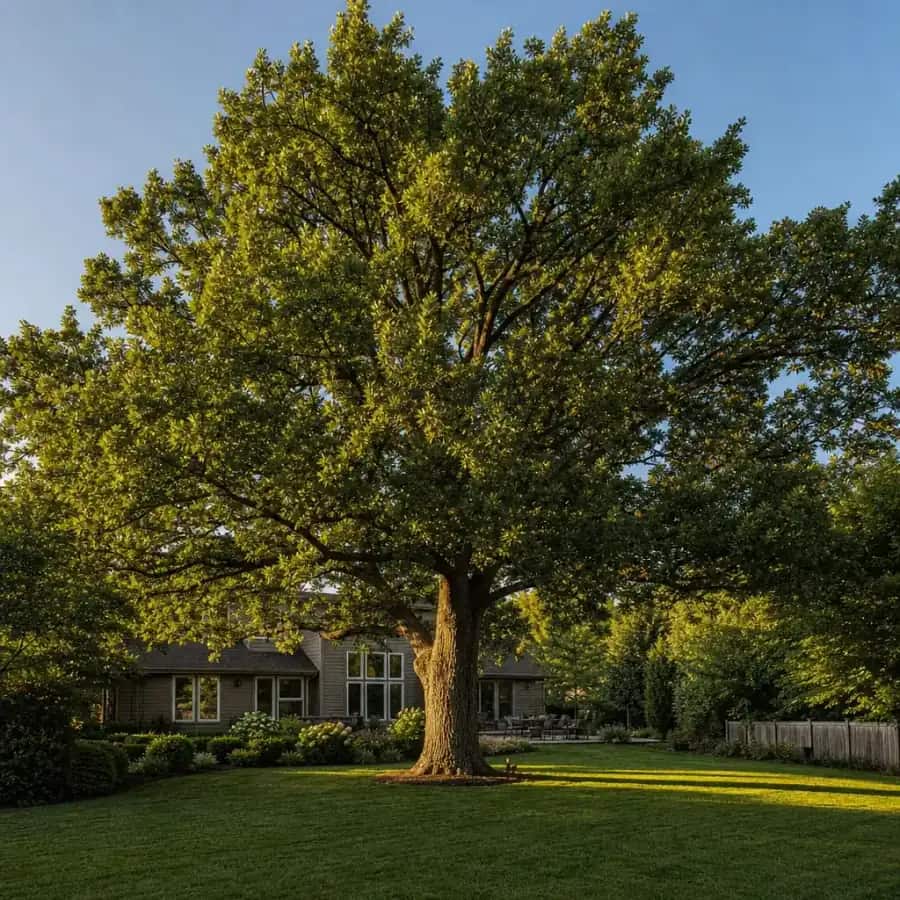
 Zones 3 to 8
Shade Trees
Bur Oak
$490
Shop large, nursery-grown shade, privacy, flowering and fruit trees, delivered by freight in Tarrant County. Every tree is matched to your hardiness zone and backed by our 1-Year Thrive Guarantee.
Enter your ZIP and we'll match trees to your exact growing zone.
Typical winter lows in Tarrant County run about 15 to 20 F.
Matched to Tarrant County's zones
Zones 3 to 8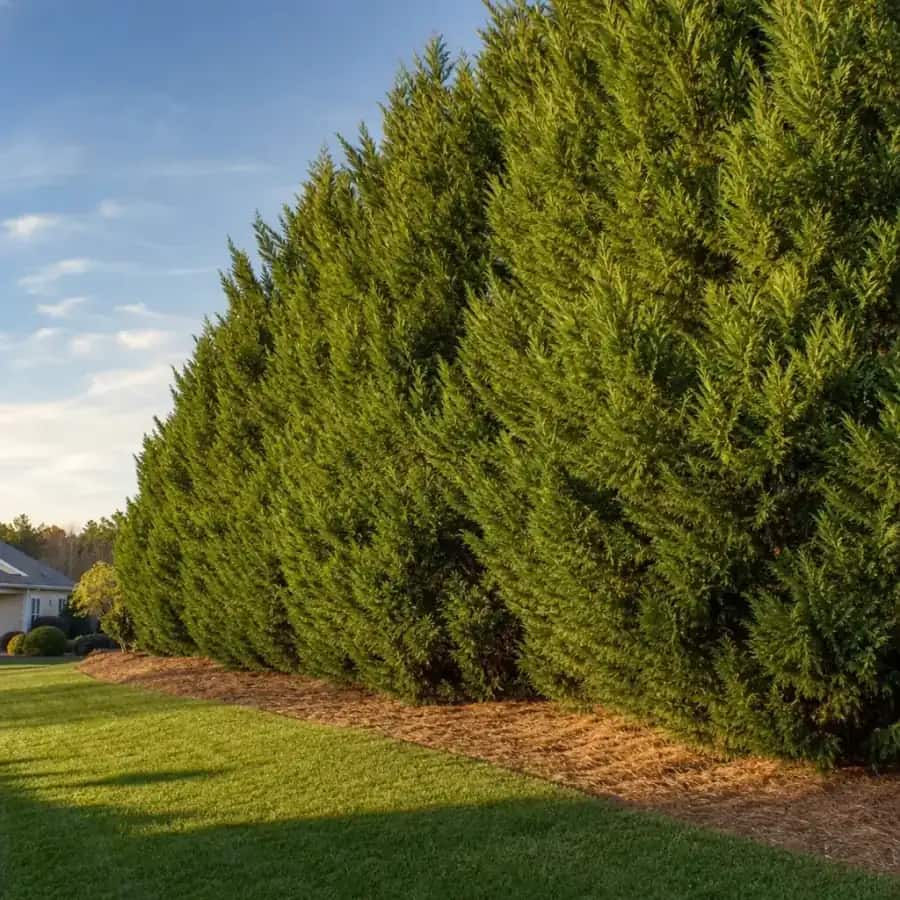 Zones 6 to 10
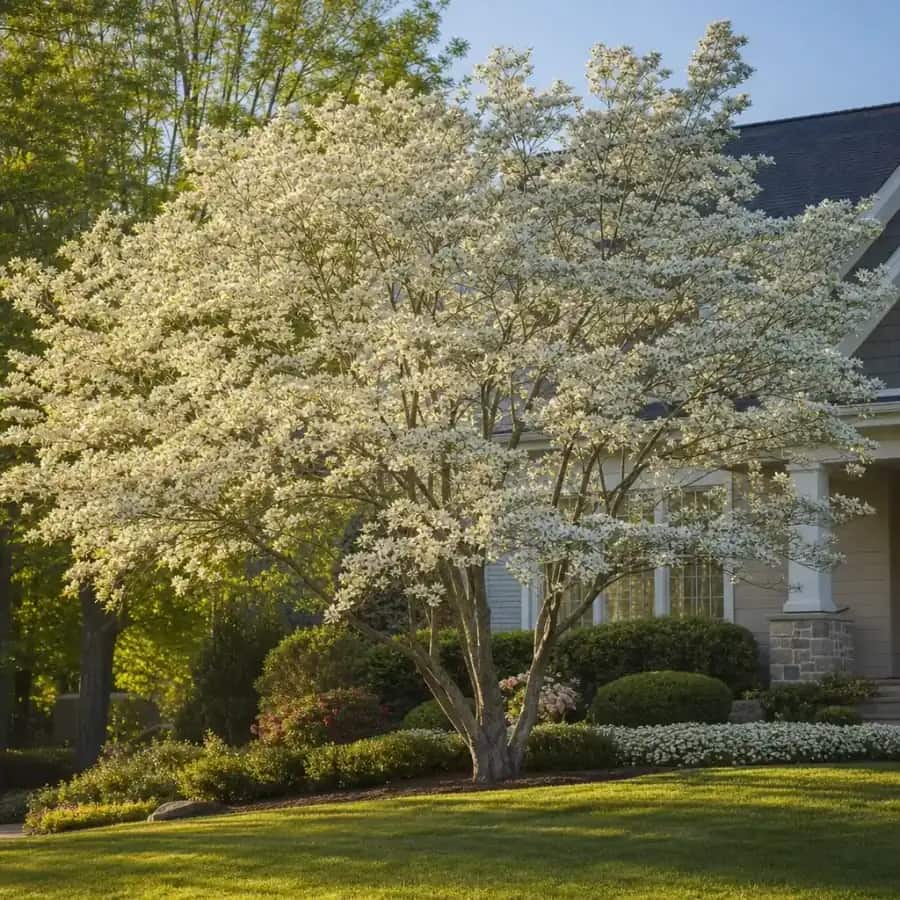 Zones 5 to 9
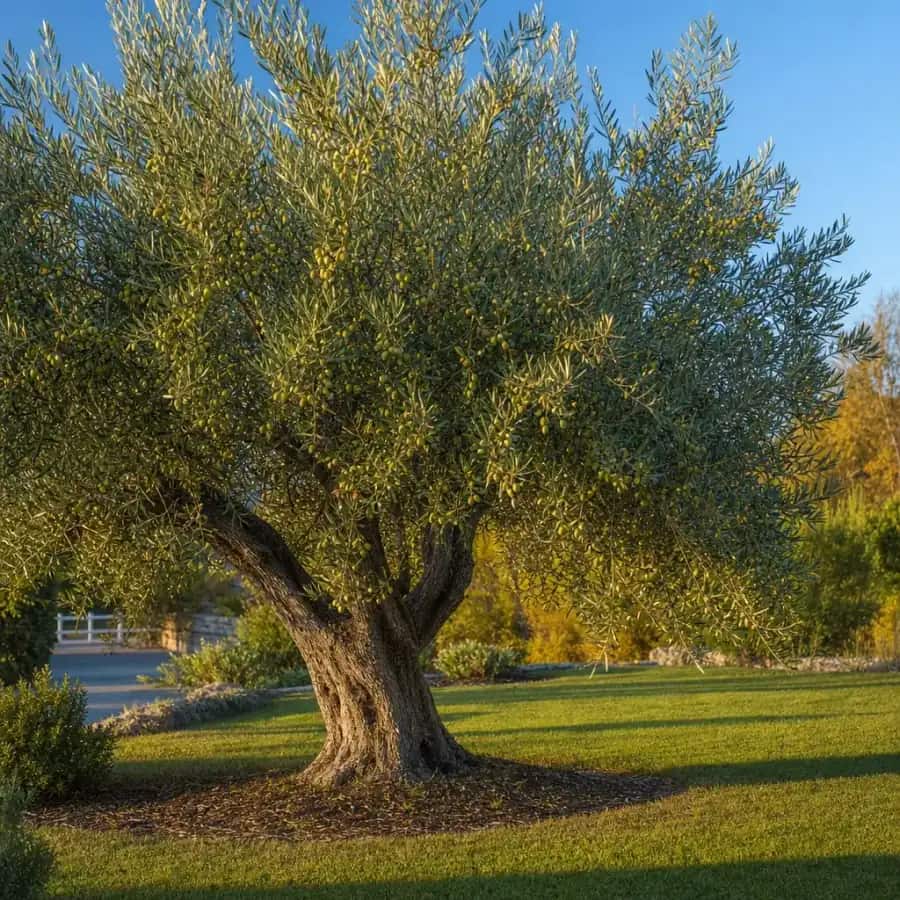 Zones 8 to 11
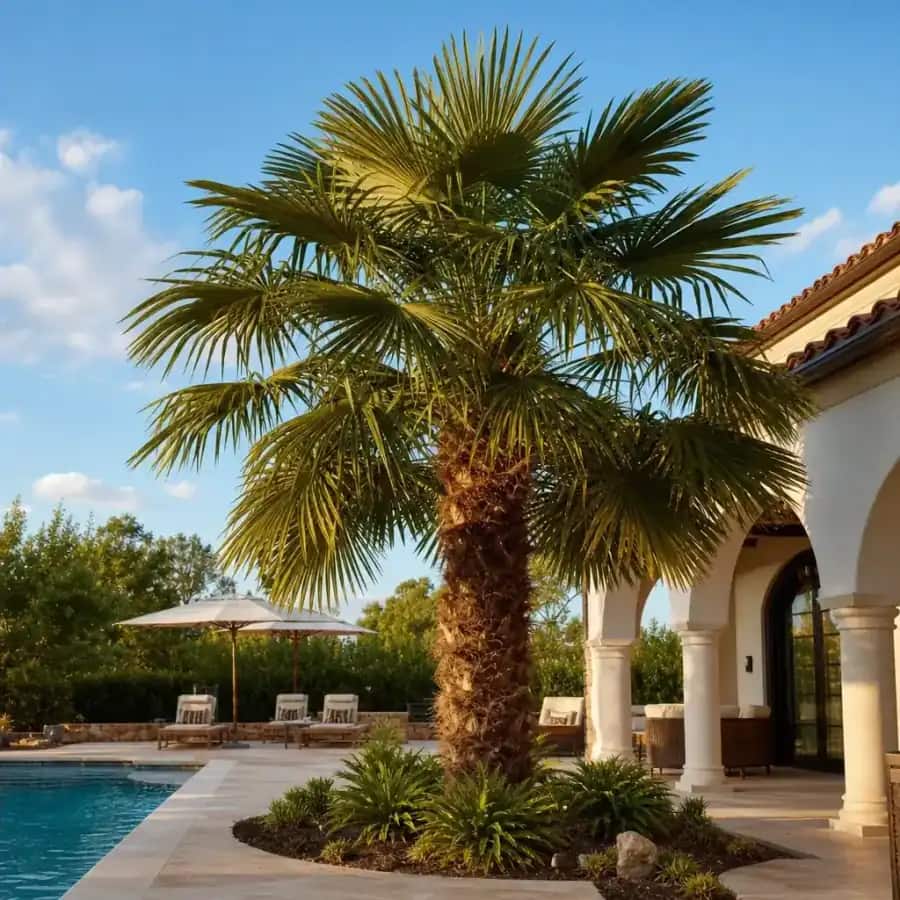 Zones 7 to 11
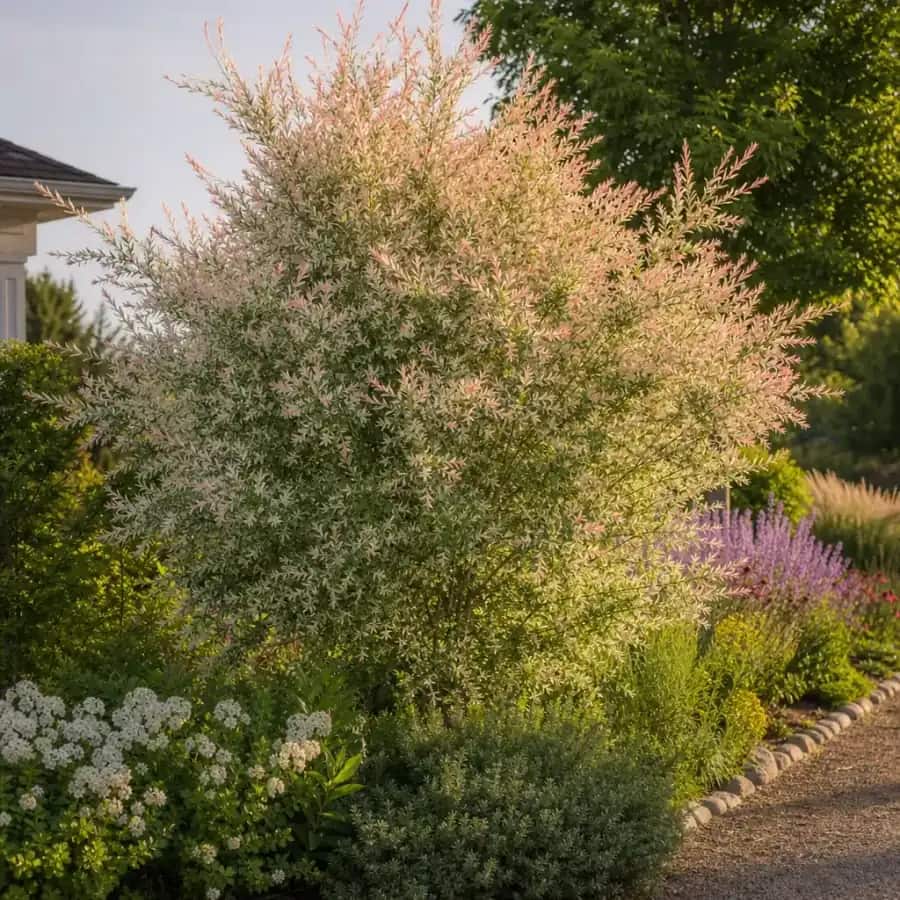 Zones 5 to 9
Shop by category
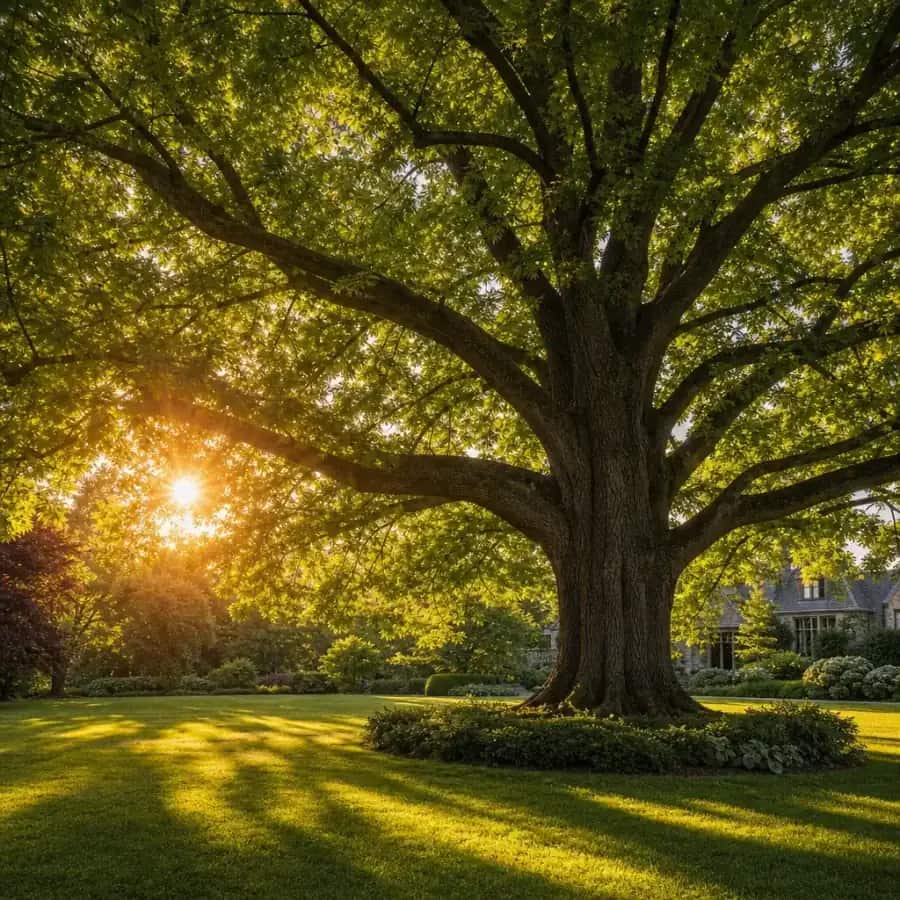 Shade TreesBig canopies for summer cooling in zone 8's warm afternoons.View all Shade Trees →
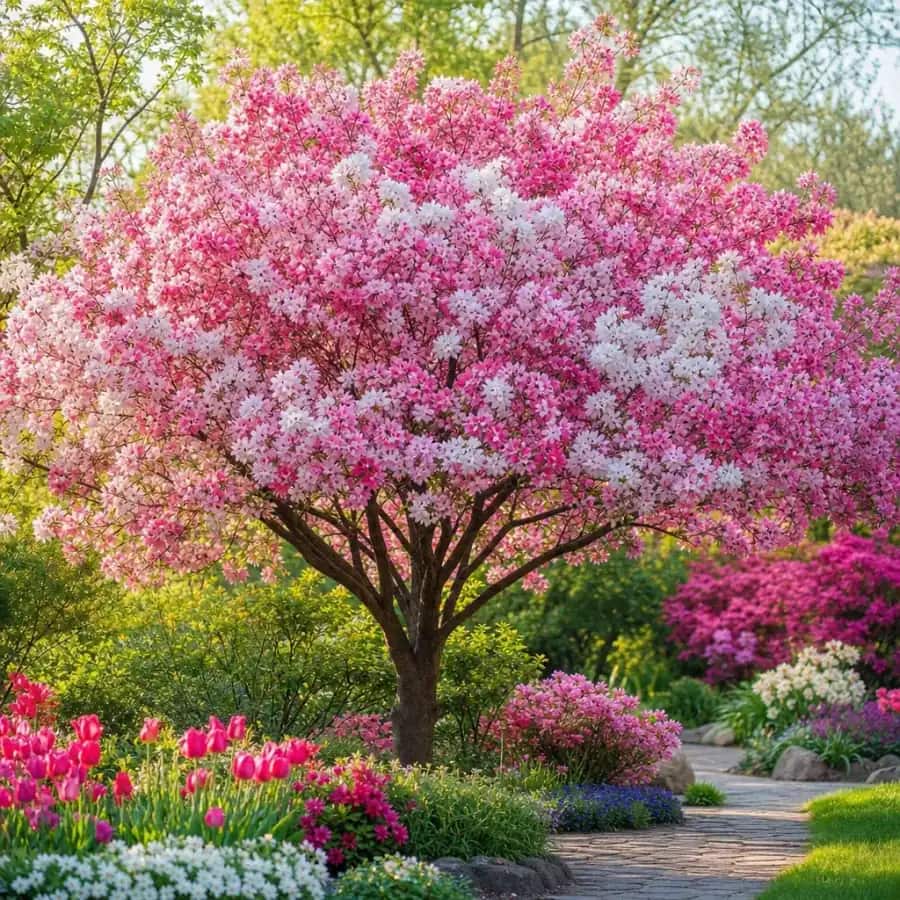 Flowering & OrnamentalSpring color that thrives in mild winters and hot summers.View all Flowering & Ornamental →
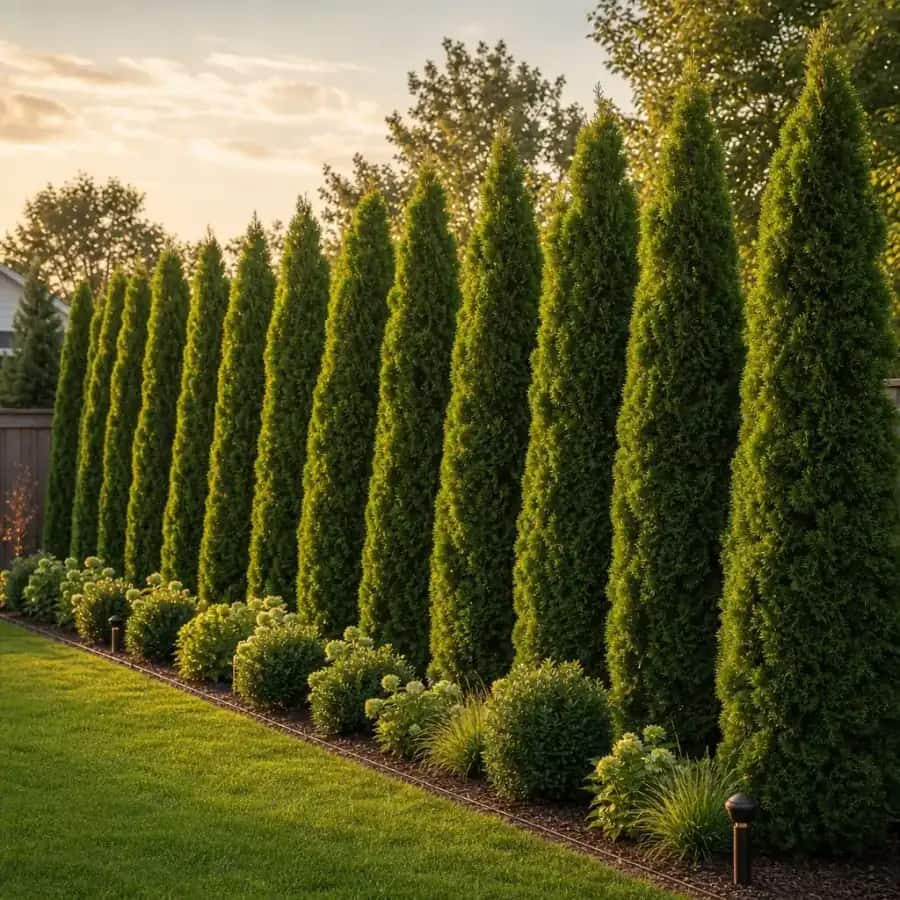 Evergreen & PrivacyYear-round screens that stay dense through Tarrant County's 15 to 20 F lows.
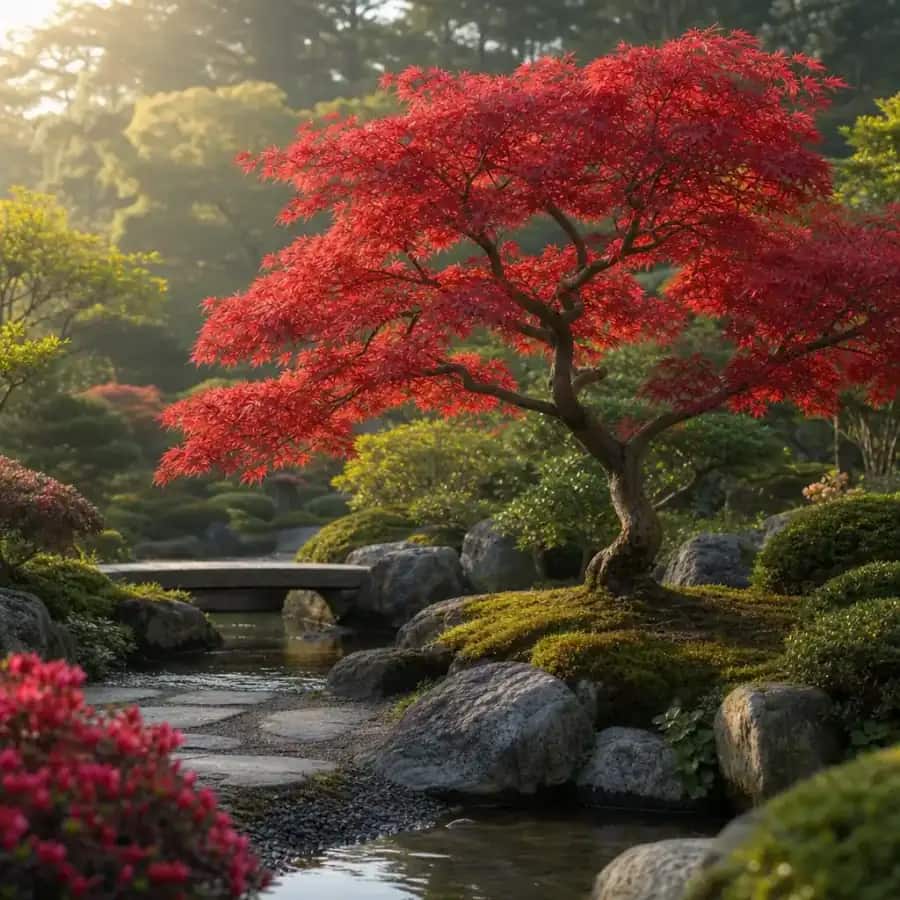 Japanese MaplesDelicate foliage for dappled shade spots; some varieties need afternoon relief.
 Palms & TropicalsAccent plants that survive zone 8 winters without heavy frost damage.View all Palms & Tropicals →
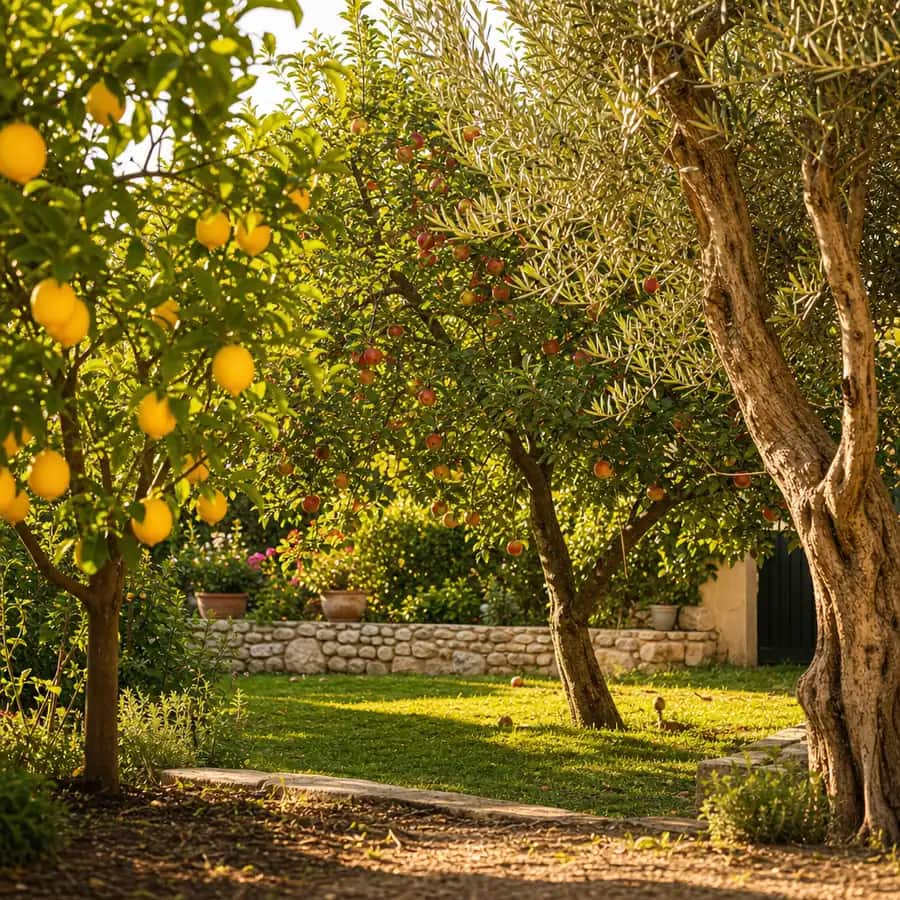 Fruit TreesLow-chill and cold-tolerant options for home harvest in zone 8.View all Fruit Trees →
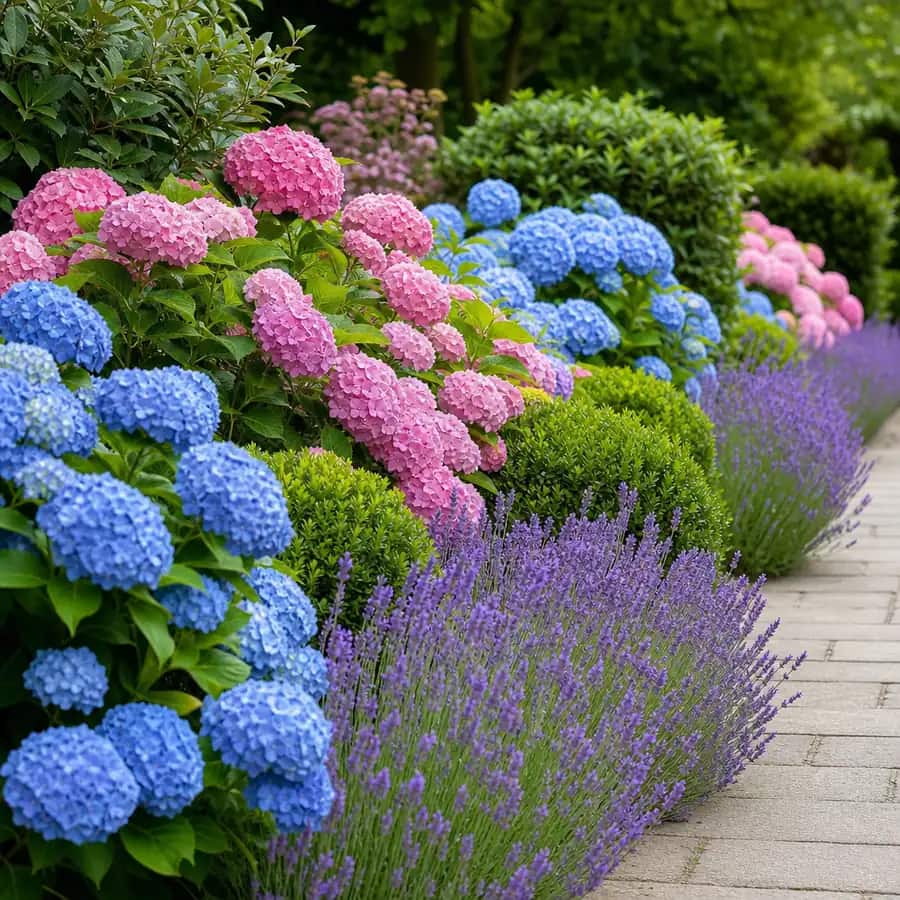 Shrubs & HedgesFoundation plants and privacy fillers that match local soil and climate.View all Shrubs & Hedges →
Local fit, from data
8b
about 15 to 20 F
99
Fort Worth
Shade, privacy, and fruit trees in Tarrant County, Texas (TX) start with the right cold tolerance. Winter lows here run about 15 to 20 F, which puts the county in zone 8b. Arbor Buddy delivers large, nursery-grown trees by freight, matched to your hardiness zone. Homeowners (and contractors) can choose from shade, evergreen, flowering, and fruit trees, each backed by a 1-Year Thrive Guarantee.
Tarrant County spans 99 ZIP codes, all within zone 8b. Typical winter lows run about 15 to 20 F, which means most zone 8 trees survive without cold damage. The western part of the county can experience slightly colder snaps, but still within the range. Summers are hot and humid, so trees that tolerate heat and humidity do best here. Evergreen screens, shade trees, and many flowering ornamentals are well suited. When you search for trees for zone 8 in Tarrant County, focus on species that handle both mild winters and warm summers.
Fort Worth is the largest city in the county and receives regular freight deliveries. The suburban core has many established neighborhoods, so tree size and placement matter. The climate allows a mix of deciduous and evergreen options, but avoid any tree that needs prolonged cold or struggles with high heat.
You have many choices for shade, privacy, and fruit trees that fit zone 8. Arbor Buddy matches every tree to your hardiness zone and backs it with a 1-Year Thrive Guarantee. Browse the categories above to find the right tree for your yard.
Polk County, Wisconsin (WI) sits in zone 4a to 4b, with winter lows from -30 to -20 F. That means many trees that thrive in Tarrant County's zone 8 would not survive there. Japanese maples, for example, are borderline in zone 4 even with protection. For your cart, that means you can enjoy species like Orangeola Japanese Maple that are simply not options in Wisconsin's cold.
Albany County, Wyoming (WY) falls in zone 4a to 5b, with lows from -30 to -10 F. Winter temperatures are 40 to 50 degrees colder than Tarrant County's. That gap changes the local shortlist to mostly conifers and very hardy ornamentals. Flowering trees like Rise 'N Shine Eastern Redbud are risky in Albany County, but here they bloom reliably.
Boone County, West Virginia (WV) is zone 7a with winter lows of 0 to 5 F. That is colder than Tarrant County, but not as extreme as Wisconsin or Wyoming. Privacy screens in Boone County often rely on evergreens that handle snow and ice. In practice, buyers here lean toward cold-hardy evergreens, while in Tarrant County you have more choices, including palms and semi-evergreen shrubs.
What do these contrasts mean for you? Tarrant County's mild winters let you plant a much wider variety of trees than colder regions. You can include tropical accents, Japanese maples, and low-chill fruit trees that would fail elsewhere.
Arbor Buddy ships trees by freight to Tarrant County. Trees are nursery-grown at a usable landscape size and are zone-matched before they leave. The 1-Year Thrive Guarantee means free replacement if a tree does not survive its first year. Trees headed to zone 8 arrive between fall and early spring, matched to mild ground temperatures.
Before delivery day, check:
Enter your ZIP, shop only what thrives in your zone.
Freight delivery to your address: $149 flat per order, shown at checkout.
Plant it, watch it thrive, covered for one year.
Good to know · Growing guide
Coverage runs a full year from delivery. If something goes wrong, contact the team and they arrange the replacement. No store-credit games, no fine-print maze.