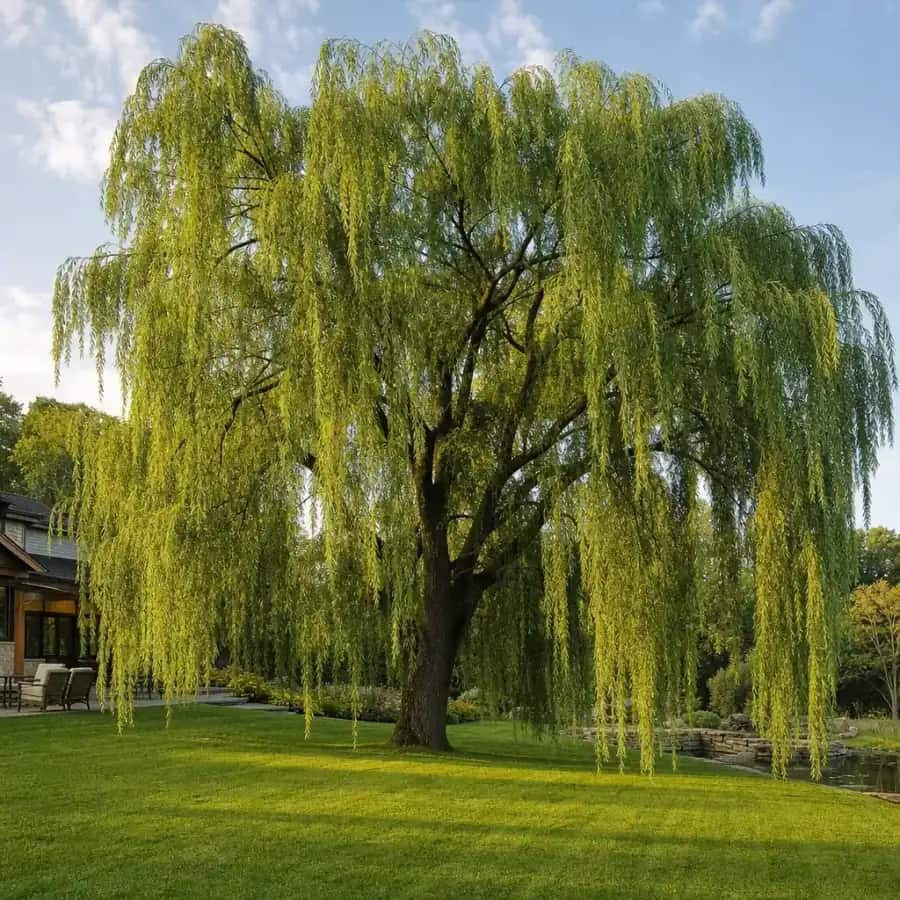
 Zones 4 to 9
Shade Trees
Weeping Willow
$40
Shop large, nursery-grown shade, privacy, flowering and fruit trees, delivered by freight in Austin. Every tree is matched to your hardiness zone and backed by our 1-Year Thrive Guarantee.
Enter your ZIP and we'll match trees to your exact growing zone.
Typical winter lows in Austin run about 20 to 25 F.
Matched to Austin's zone
Zones 4 to 9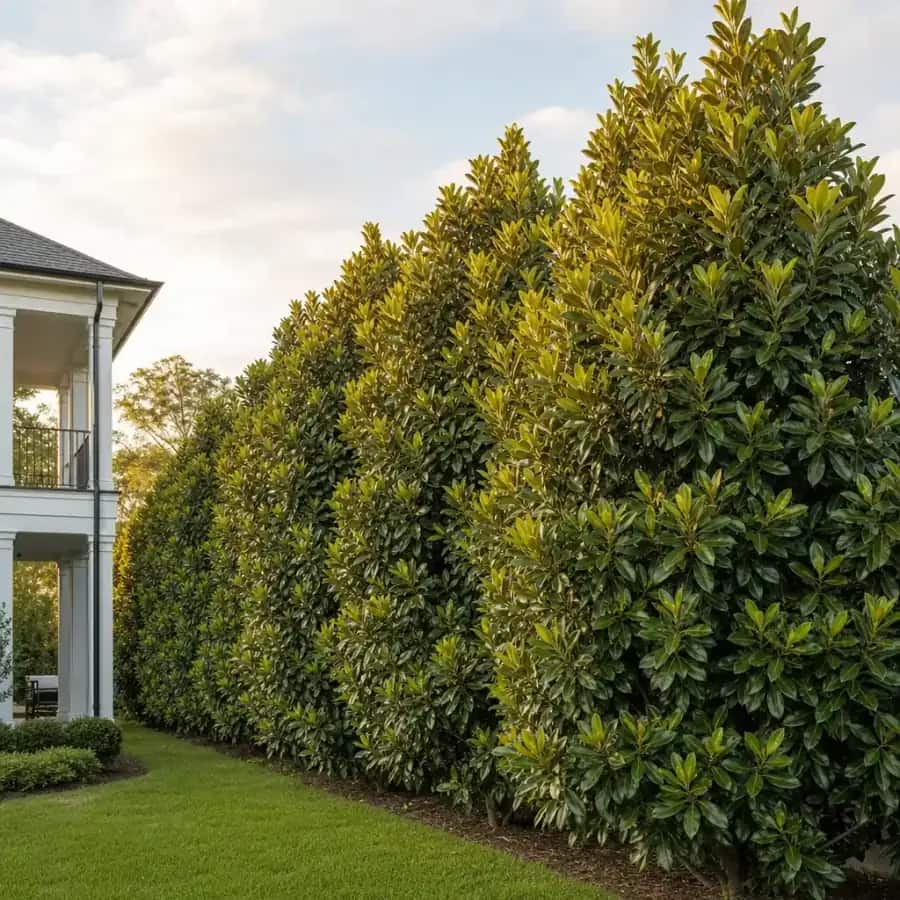 Zones 7 to 9
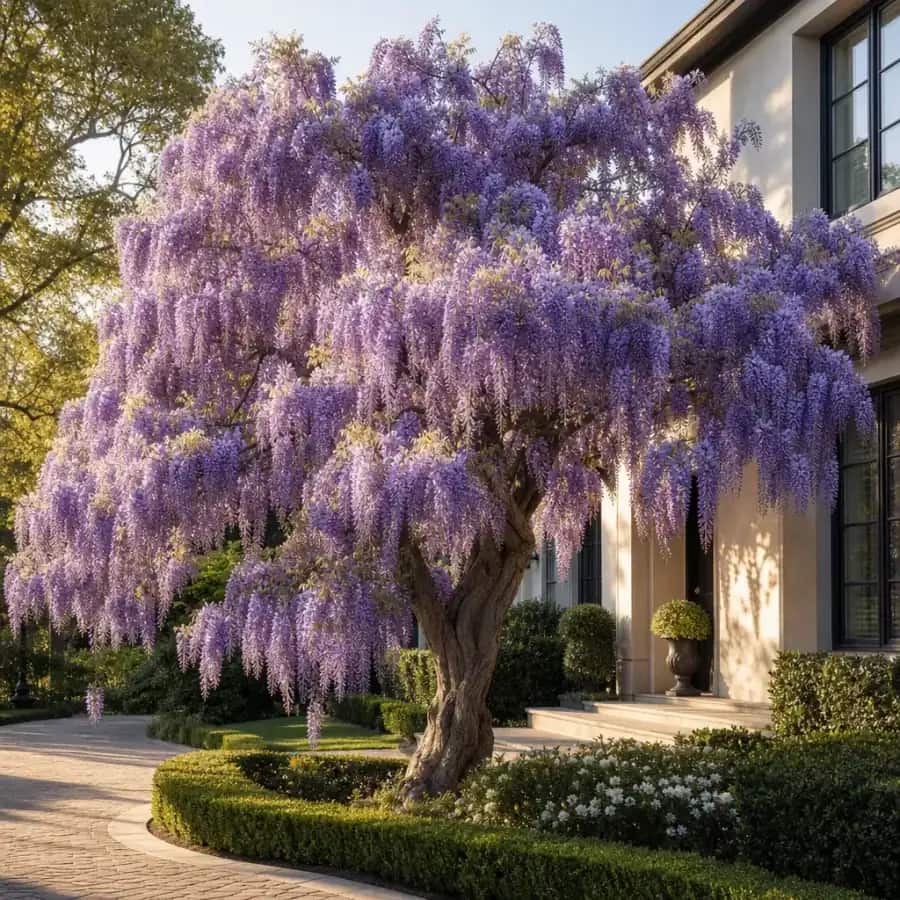 Zones 4 to 9
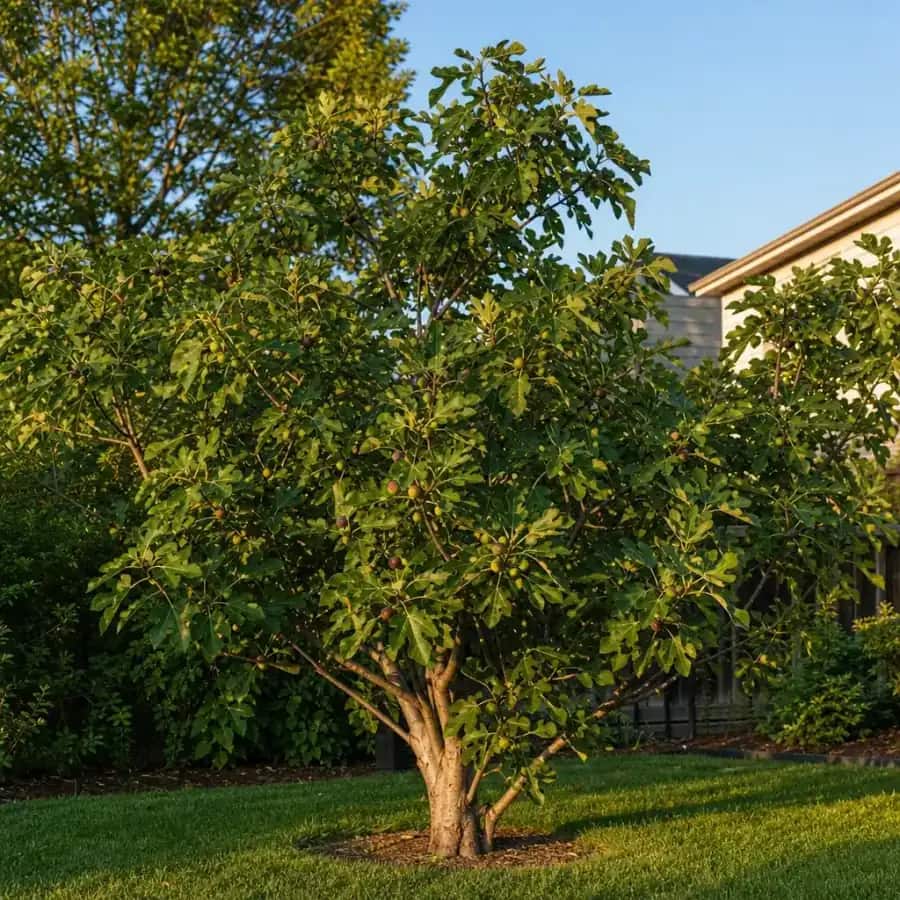 Zones 5 to 10
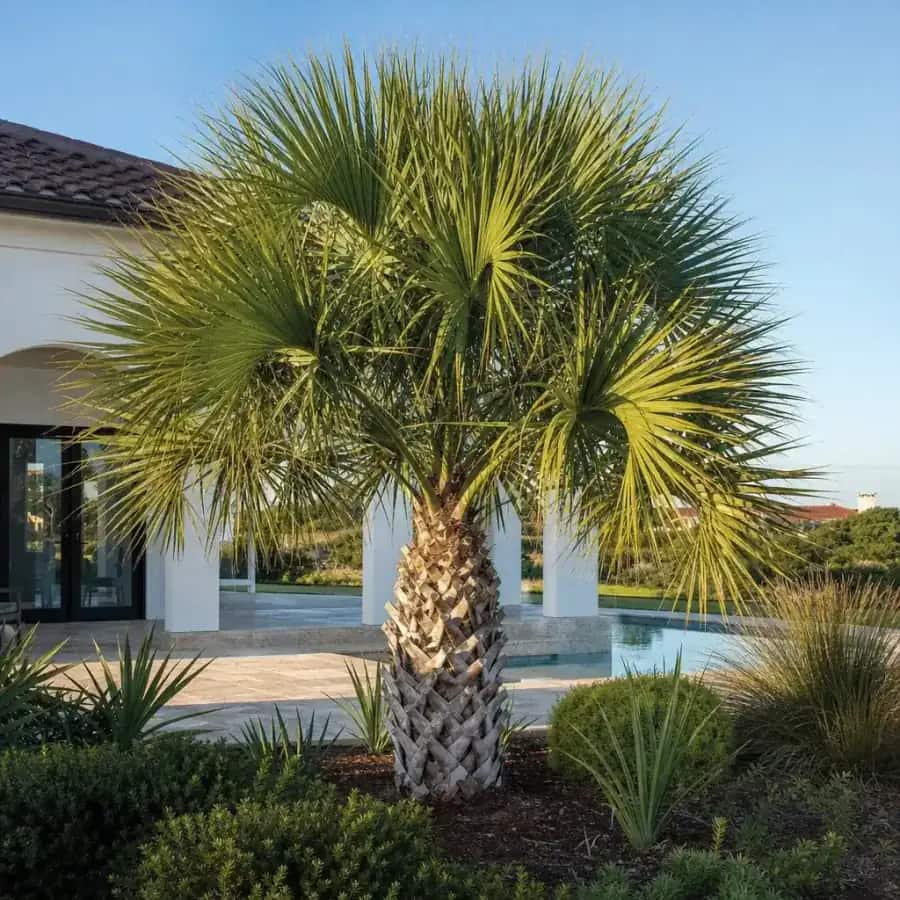 Zones 7 to 11
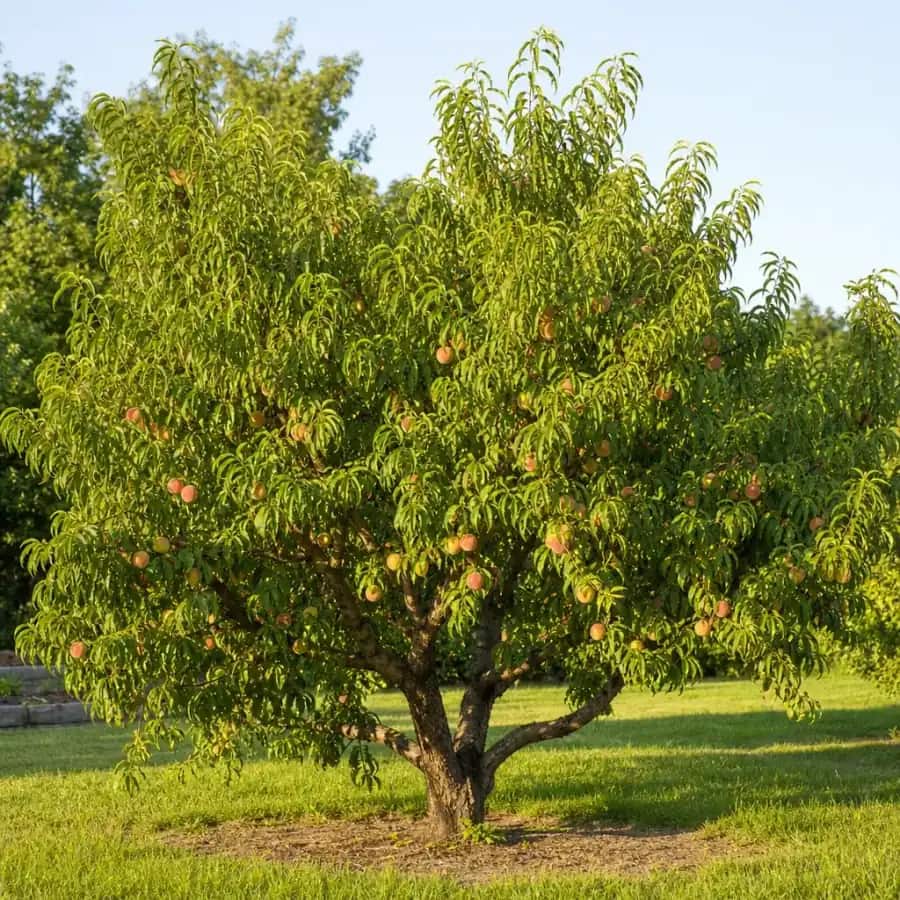 Zones 5 to 9
Shop by category
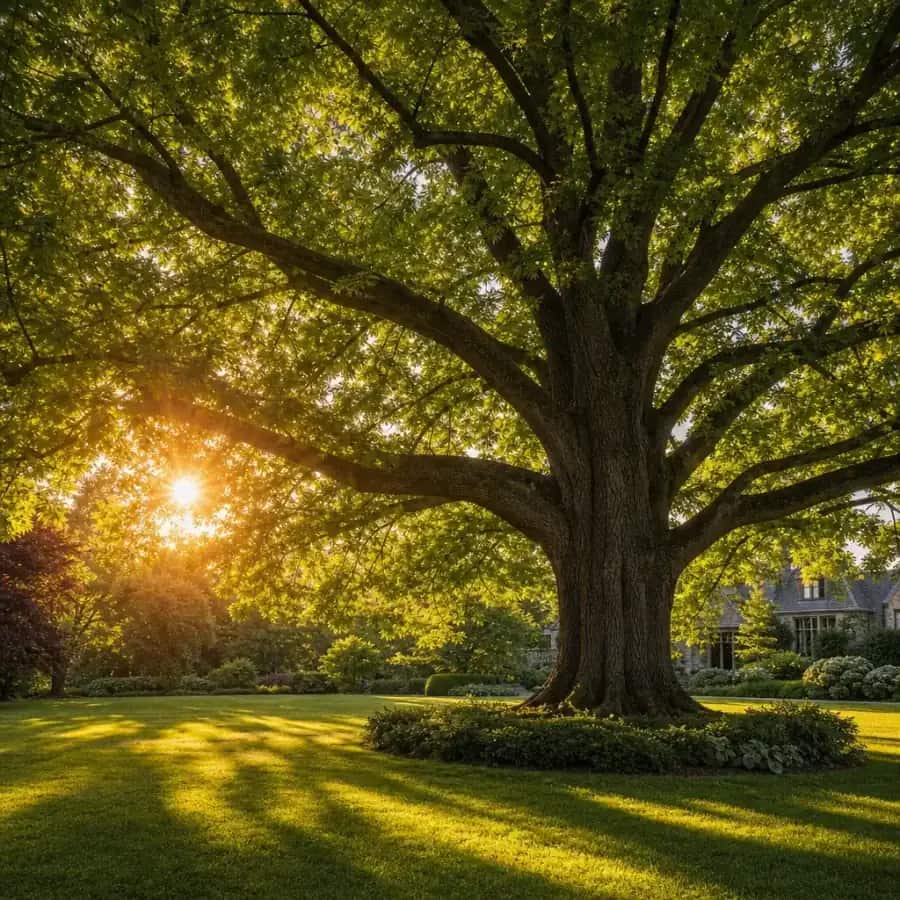 Shade TreesCool a south-facing yard fast with oaks and elms that handle 9a summers.View all Shade Trees →
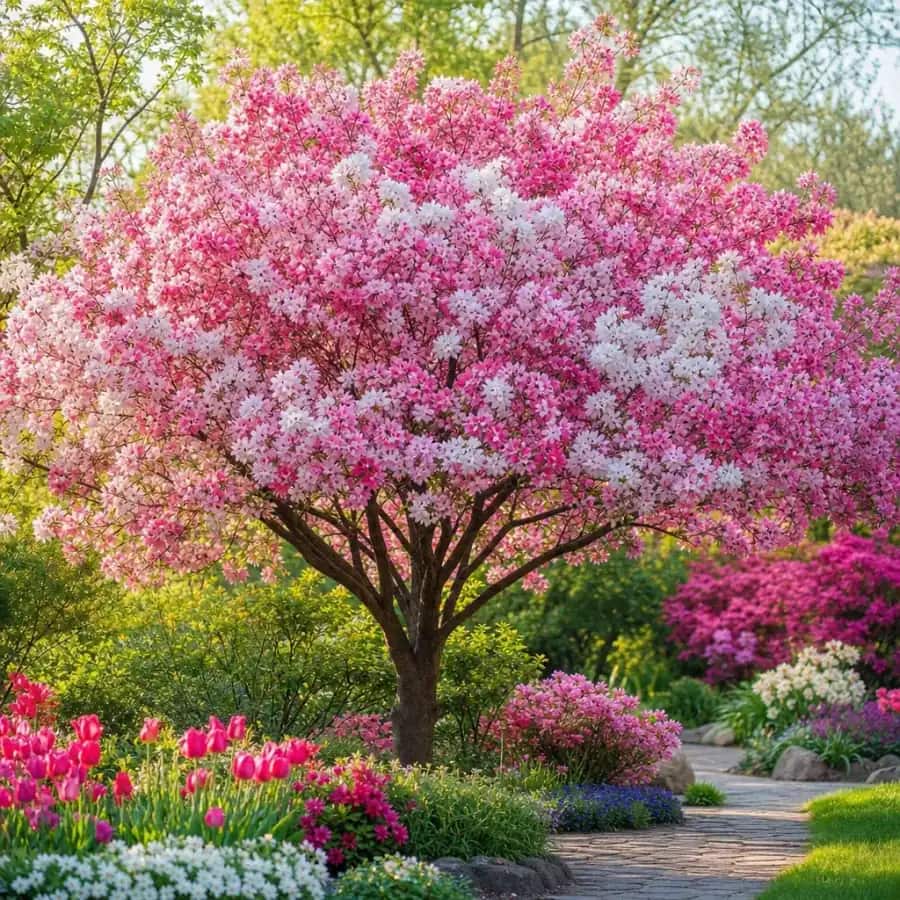 Flowering & OrnamentalAdd spring and summer color that returns reliably even after a mild winter.View all Flowering & Ornamental →
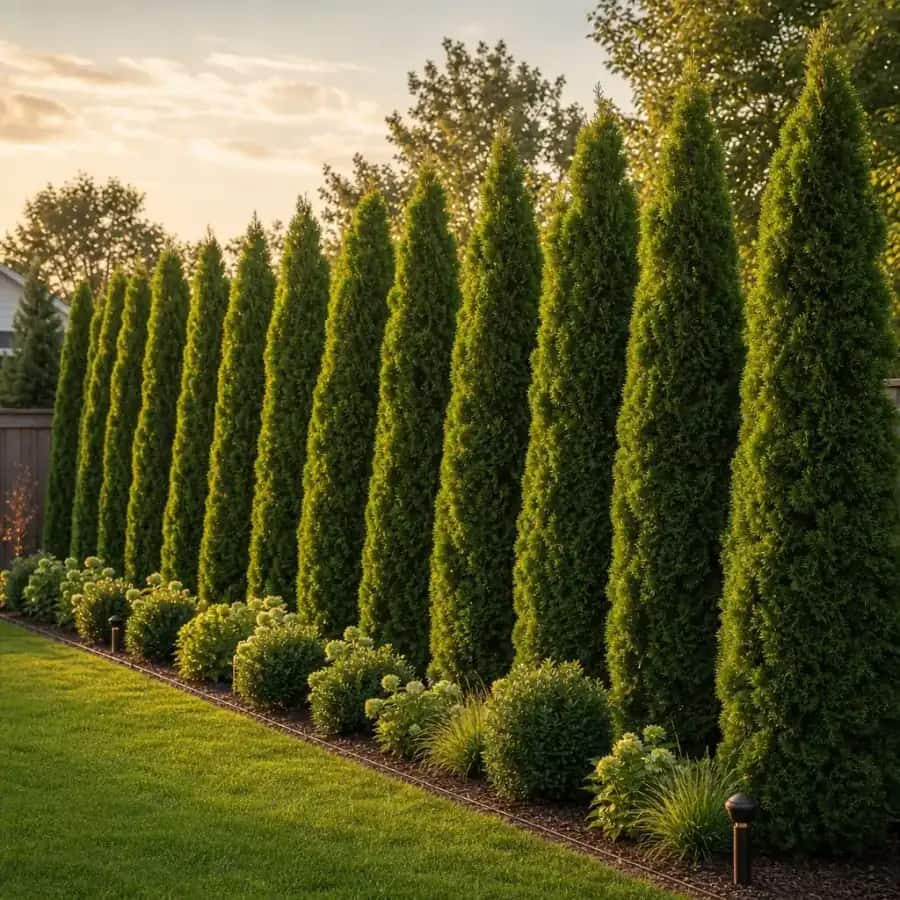 Evergreen & PrivacyBlock views with cypress and cedar that stay full when other plants go dormant.View all Evergreen & Privacy →
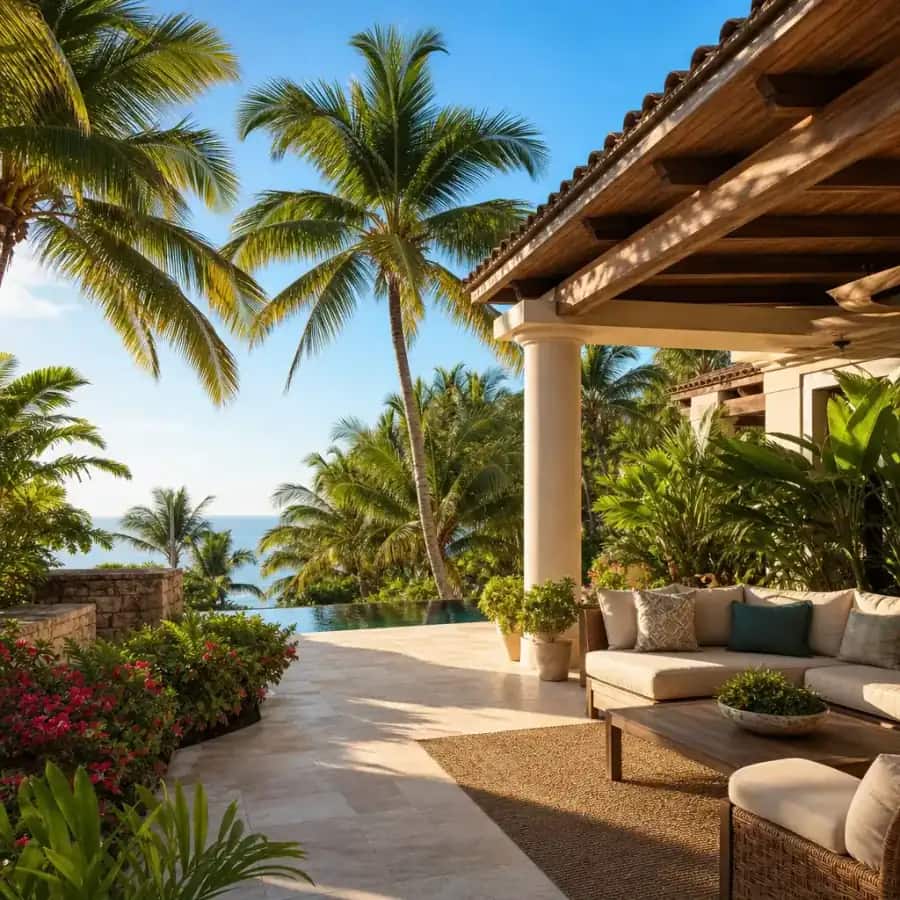 Palms & TropicalsBring a subtropical look with cycads and palms that survive zone 9a lows.View all Palms & Tropicals →
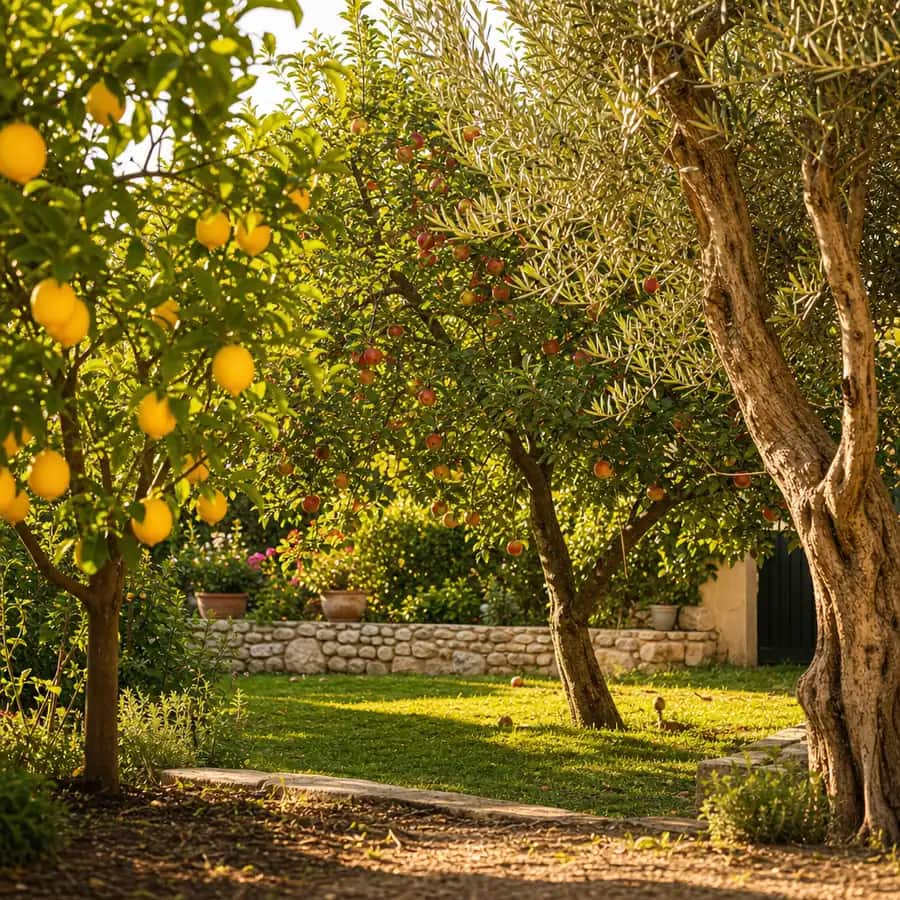 Fruit TreesGrow lemons, olives, and peaches that ripen in your own back yard.View all Fruit Trees →
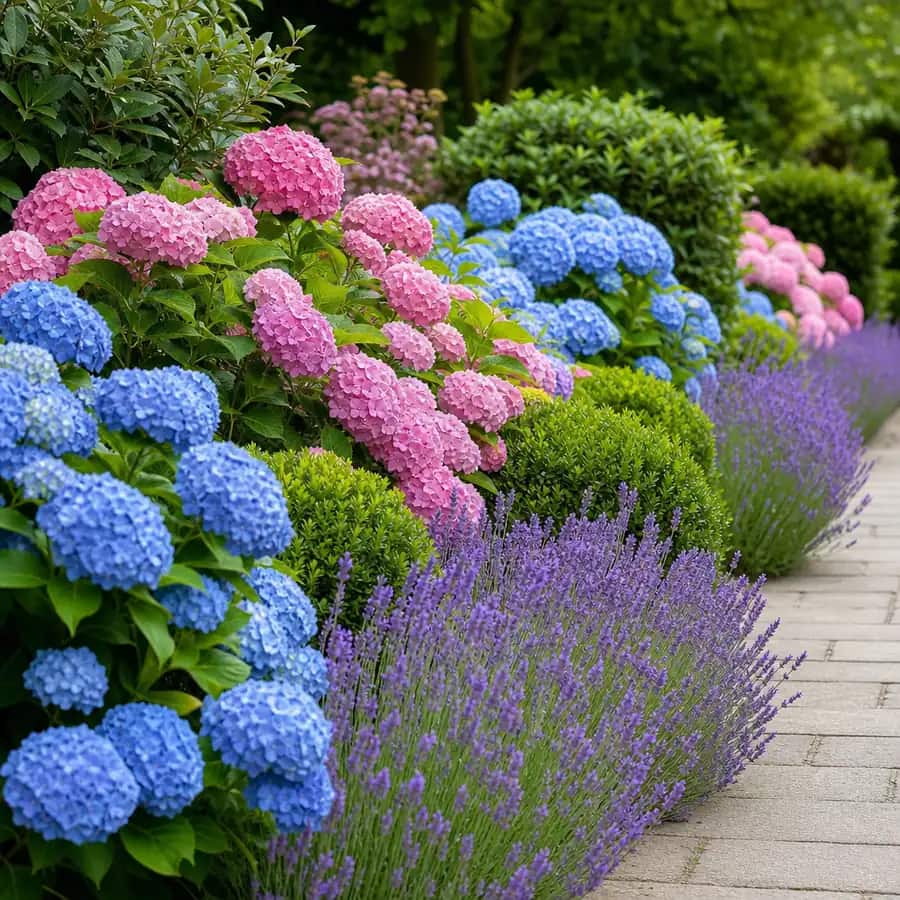 Shrubs & HedgesUnderplant with hydrangeas and willows to fill gaps and add texture.View all Shrubs & Hedges →
Local fit, from data
9a
about 20 to 25 F
Williamson County
Texas
Trees delivered to Austin, TX 78729 from Arbor Buddy arrive by freight. We ship large, nursery-grown trees direct to homeowners and contractors. Our selection includes shade trees, evergreens, flowering ornamentals, palms, and fruit trees. Every tree is matched to your local hardiness zone 9a before it leaves the nursery. The result is a tree that can thrive in your Williamson County yard from day one.
You skip the garden center and get a zone-tested tree at a usable landscape size, backed by a 1-Year Thrive Guarantee. No waiting for stock to appear. No guesswork about hardiness.
Match your yard's needs to the right category, and you'll find a tree that works with Austin's growing season.
ZIP 78729 sits in USDA hardiness zone 9a, where typical winter lows run about 20 to 25 degrees Fahrenheit. That number matters because it tells you which trees will survive a cold snap without damage. In zone 9a, you can grow most shade trees, crape myrtles, olives, and many palms. The same zone also rules out apples that need long chill hours and trees that cannot handle a brief freeze.
Austin summers are hot and often dry, so trees that tolerate drought, like the Carolina Sapphire Cypress and Chinese Elm, tend to settle in fastest. The warmer half-zone (9a rather than 8b) also widens your fruit options, pushing Arbequina Olive into reliable production. Whether you are planting on the newer subdivision side of the ZIP or the older built-up sections, the same zone-matched picks apply.
In ZIP 78729, typical winter lows run about 20 to 25 degrees Fahrenheit, falling into USDA zone 9a. That cold is enough to test some tender species, but it is mild enough to grow most of the trees on this page without protection.
Mexican White Oak and Chinese Elm both handle zone 9a heat and drought well. The Mexican White Oak stays semi-evergreen in mild winters, giving you shade year-round. The Chinese Elm is fast-growing and adapts to a range of soil types.
Carolina Sapphire Arizona Cypress is a top choice. It stays dense in full sun, tolerates drought, and keeps its blue-green foliage through winter. For a taller screen, consider Taylor Eastern Red Cedar, which is also hardy in zone 9a.
Yes. Arbequina Olive Tree is self-fertile and thrives in zone 9a heat. Meyer Lemon is another option, but it needs protection if temperatures drop below about 20 degrees F. Always check the chill hours for peaches, Elberta requires about 800 chill hours, so it is not a low-chill variety for mild winters.
Arbor Buddy ships large, nursery-grown trees to your door in Austin, TX 78729. Every tree is zone-matched to 9a and backed by a 1-Year Thrive Guarantee. Browse the shop for shade, privacy, flowering, fruit, and accent trees that suit your yard. Order online and a freight truck will bring your tree during the cooler shipping season.
Zone 9a gives Austin a long growing season, but other parts of the country face very different conditions. Looking at how those climates shift the tree shortlist helps you see why your ZIP gets the picks it does.
ZIP 19952 in Harrington, Delaware (DE) sits in zone 7b, with winter lows of 5 to 10 degrees Fahrenheit. That cold rules out most palms and anything that cannot handle a hard freeze. In practice, buyers here lean toward cold-hardy shade trees like oaks and maples. Fruit and citrus are not viable outdoors. For you in Austin, the contrast means your zone 9a opens the door to Arbequina Olive and Sago Palm, trees that would not survive a Delaware winter.
ZIP 81020 in Aguilar, Colorado (CO) is zone 6a, with lows of -10 to -5 F. That gap changes the local shortlist to conifers and deciduous trees that drop leaves early. Palms and tropicals are impossible. The practical difference is that your warmer zone lets you enjoy a Dynamite Crape Myrtle's bloom season without worry. In Aguilar, only the hardiest flowering trees, like some crabapples, would repeat bloom.
ZIP 06137 in West Hartford, Connecticut (CT) is zone 6b, with winter lows of -5 to 0 F. Privacy screening in that climate leans toward arborvitae and upright yews, evergreen choices that stay green despite severe cold. For your cart, that means you can pick a Carolina Sapphire Cypress for its blue color and drought tolerance, while a Connecticut buyer would need a tougher, more moisture-loving alternative. Your zone 9a also extends your shipping window into fall and early spring, giving you more flexibility on planting.
The bottom line: what belongs in your cart in Austin is the set of trees that thrive in mild winters and hot summers, Chinese Elm, Mexican White Oak, Dynamite Crape Myrtle, Arbequina Olive, Carolina Sapphire Cypress, and Sago Palm. Buyers in colder zones simply cannot grow the same roster.
Arbor Buddy ships large, nursery-grown trees to ZIP 78729 by freight. Neighboring ZIPs 78726, 78727, 78728, 78730, 78731, 78732 are covered the same way. A freight driver delivers to your street and unloads the tree at the curb or driveway. You need to be home to receive it and look it over.
In zone 9, shipments are timed for the cooler months, fall to early spring. That window helps the tree adjust without heat stress. Every tree comes with a 1-Year Thrive Guarantee, if it does not survive the first year, Arbor Buddy sends a free replacement.
Before delivery day, check:
Enter your ZIP, shop only what thrives in your zone.
Freight delivery to your address: $149 flat per order, shown at checkout.
Plant it, watch it thrive, covered for one year.
Good to know · Growing guide
Coverage runs a full year from delivery. If something goes wrong, contact the team and they arrange the replacement. No store-credit games, no fine-print maze.