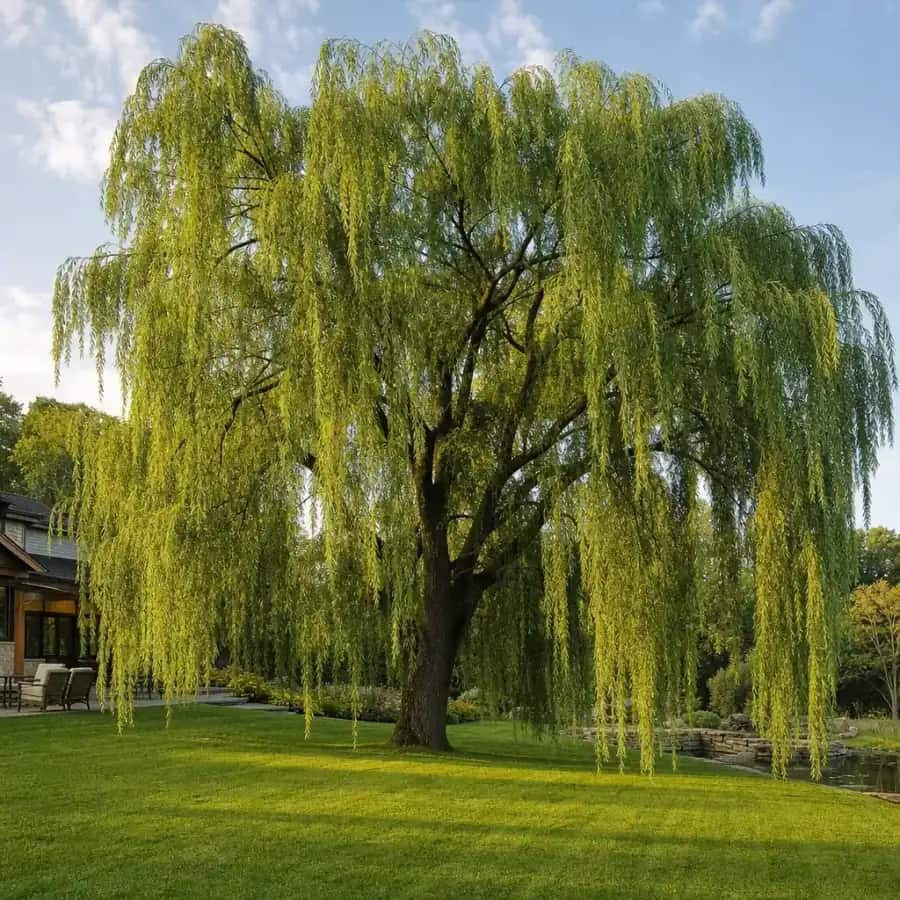
 Zones 4 to 9
Shade Trees
Weeping Willow
$40
Shop large, nursery-grown shade, privacy, flowering and fruit trees, delivered by freight in Smith County. Every tree is matched to your hardiness zone and backed by our 1-Year Thrive Guarantee.
Enter your ZIP and we'll match trees to your exact growing zone.
Typical winter lows in Smith County run about 15 to 20 F.
Matched to Smith County's zones
Zones 4 to 9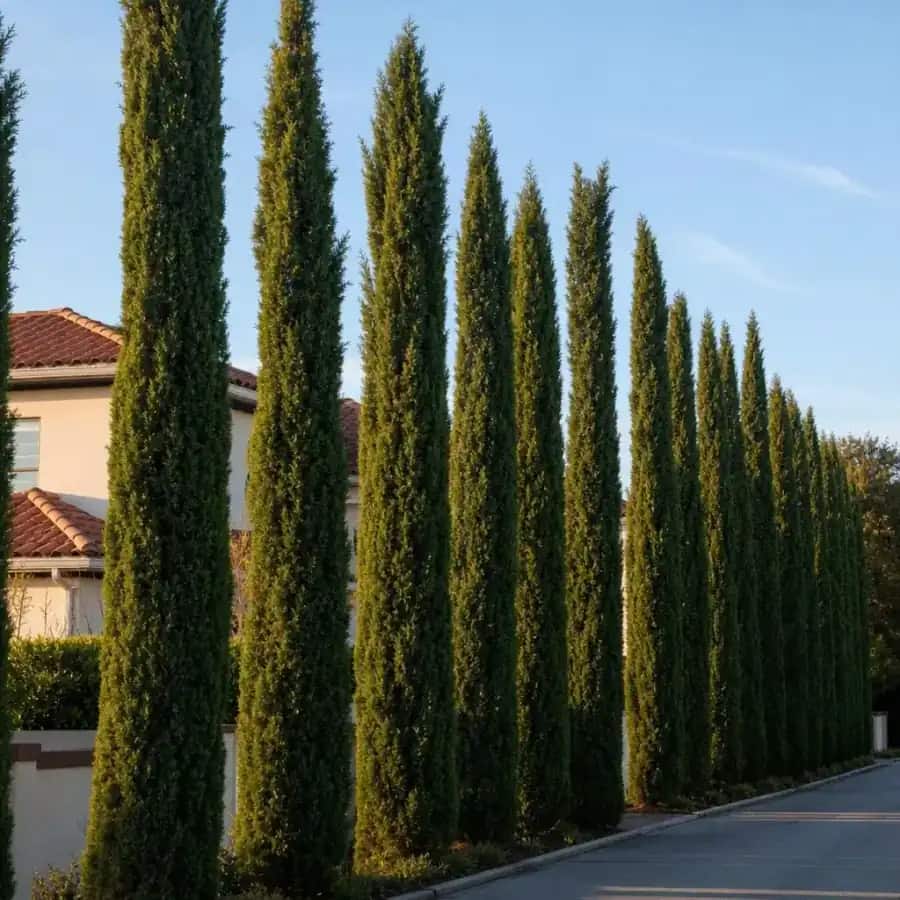 Zones 7 to 11
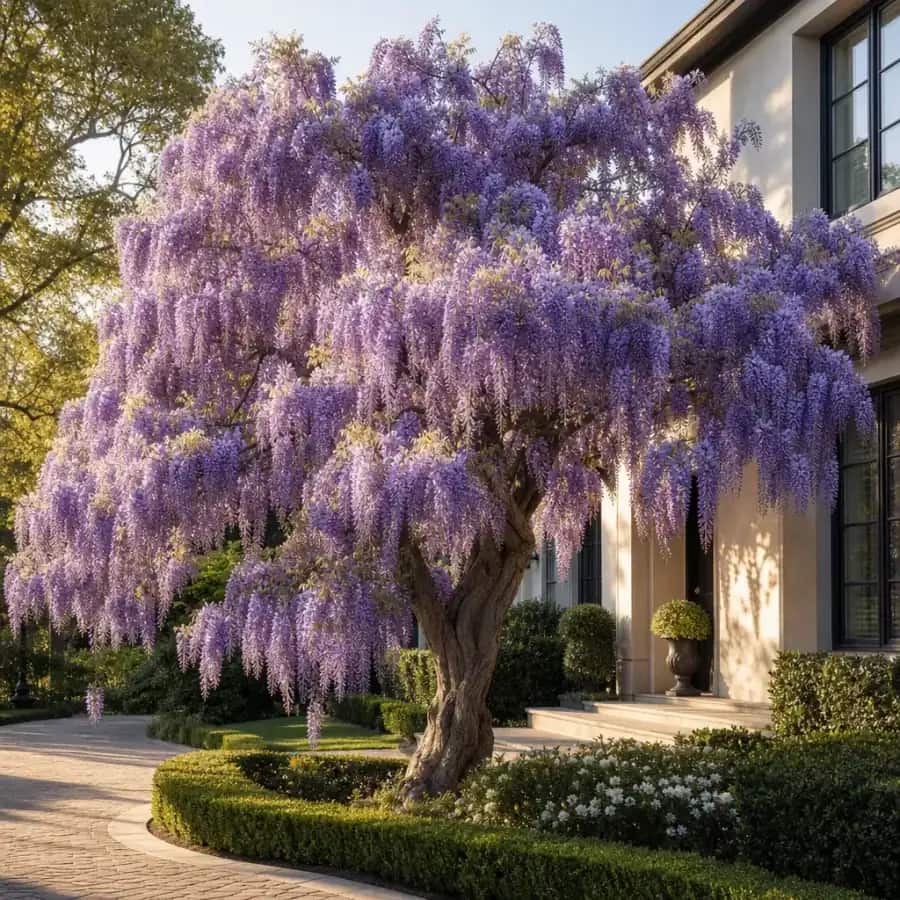 Zones 4 to 9
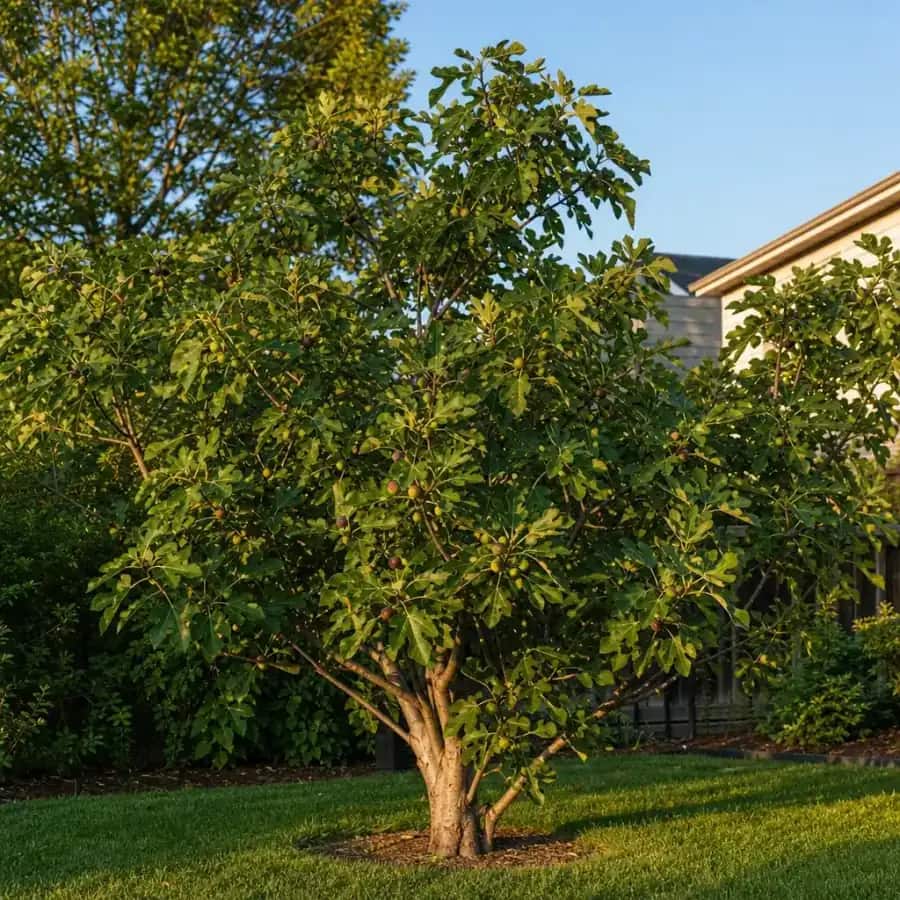 Zones 5 to 10
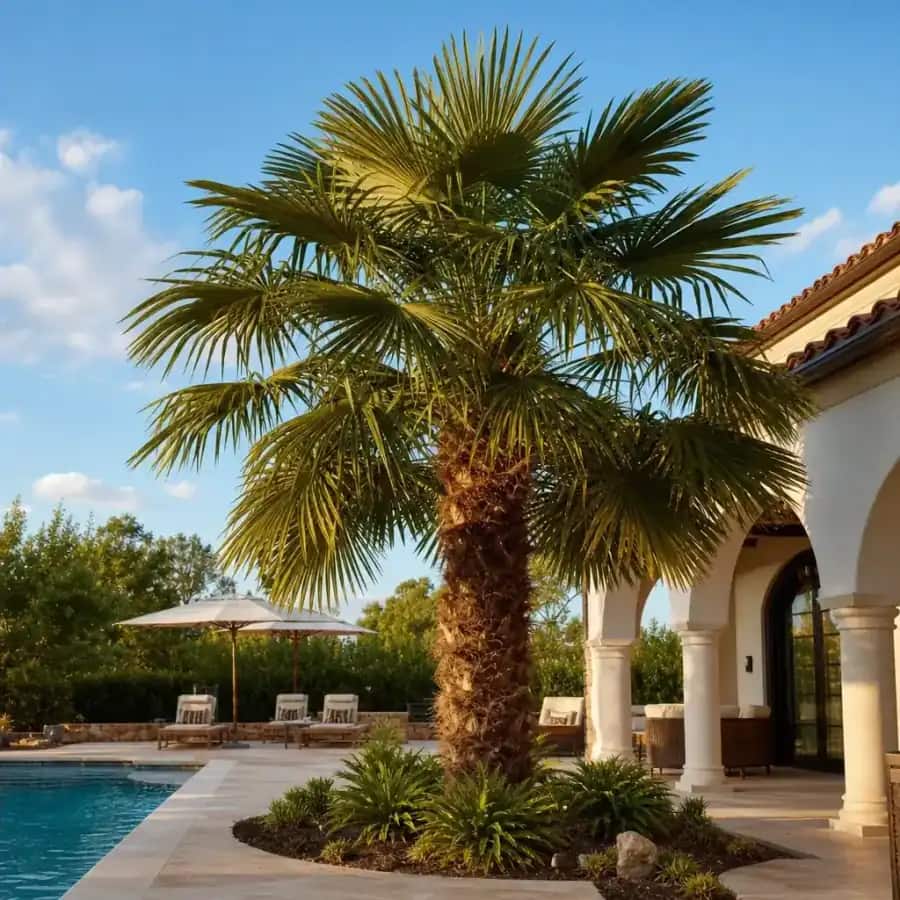 Zones 7 to 11
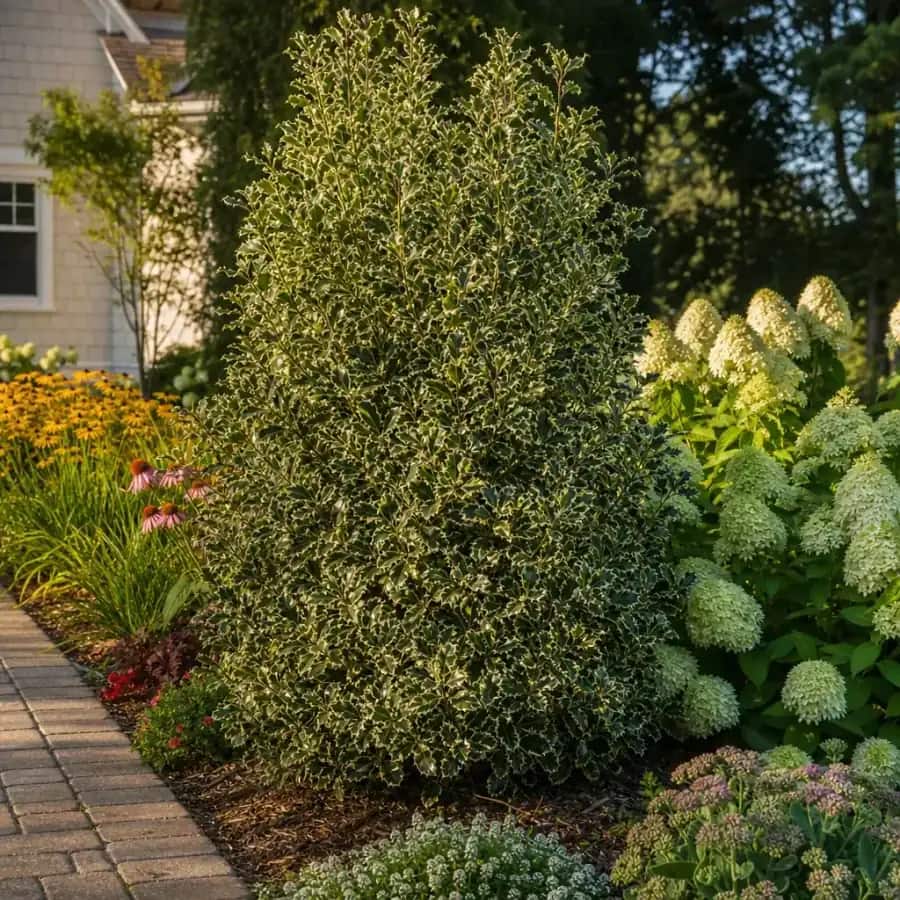 Zones 6 to 9
Shop by category
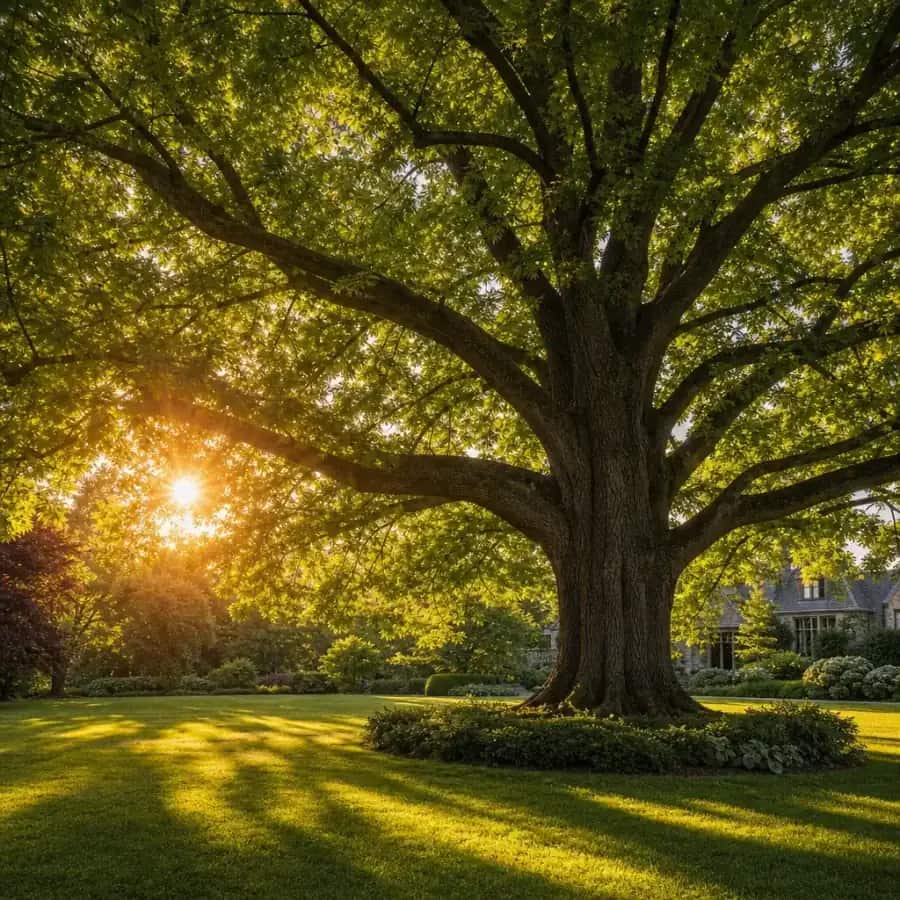 Shade TreesBroad-canopy oaks and elms that cool yards fast in zone 8's long summers.View all Shade Trees →
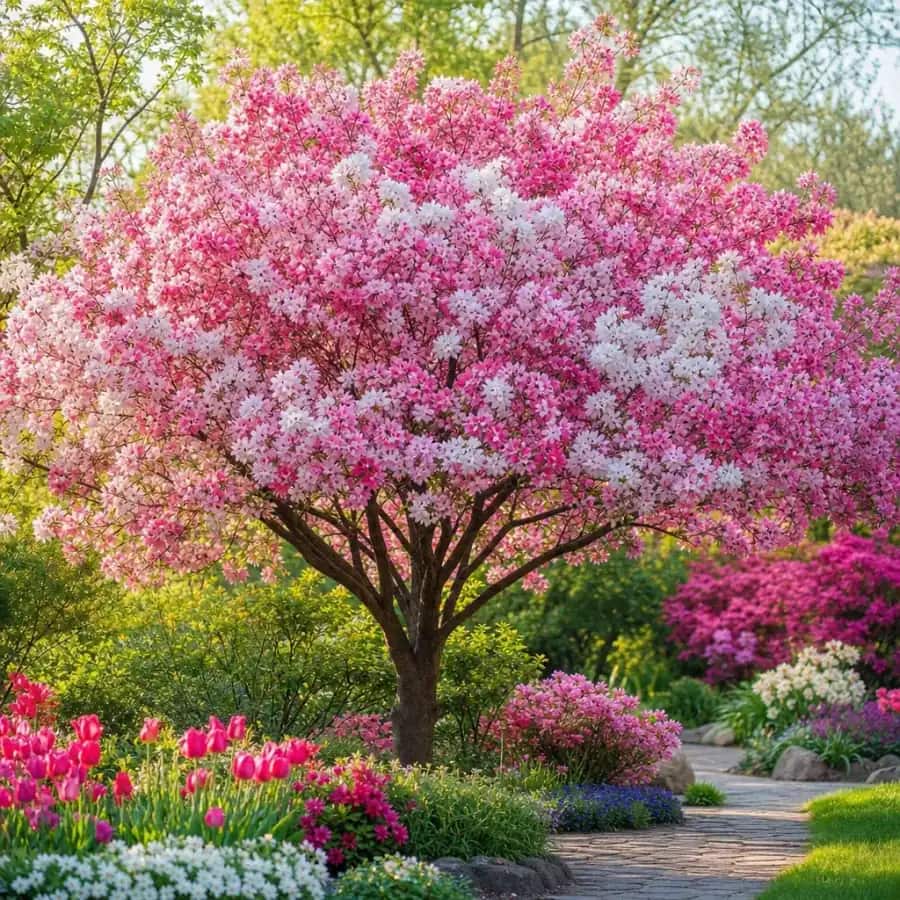 Flowering & OrnamentalBloomers like crape myrtle and redbud that handle heat and add curb appeal.View all Flowering & Ornamental →
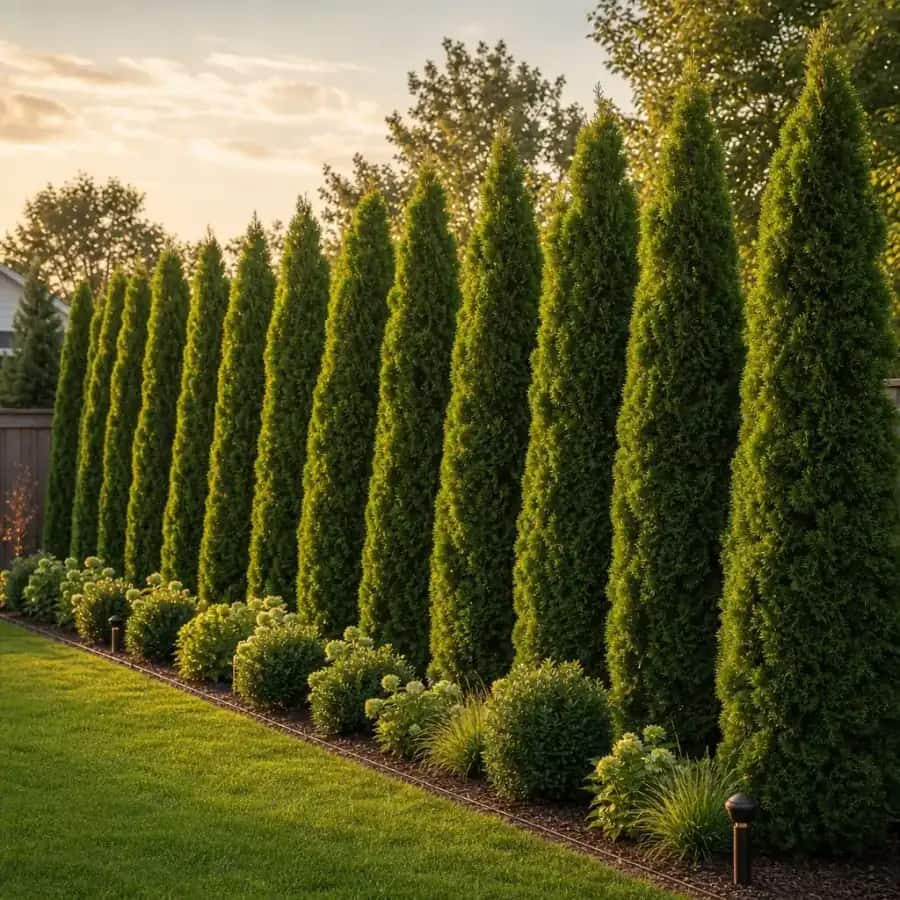 Evergreen & PrivacyColumnar hollies and junipers that screen views while thriving in the county's mild winters.
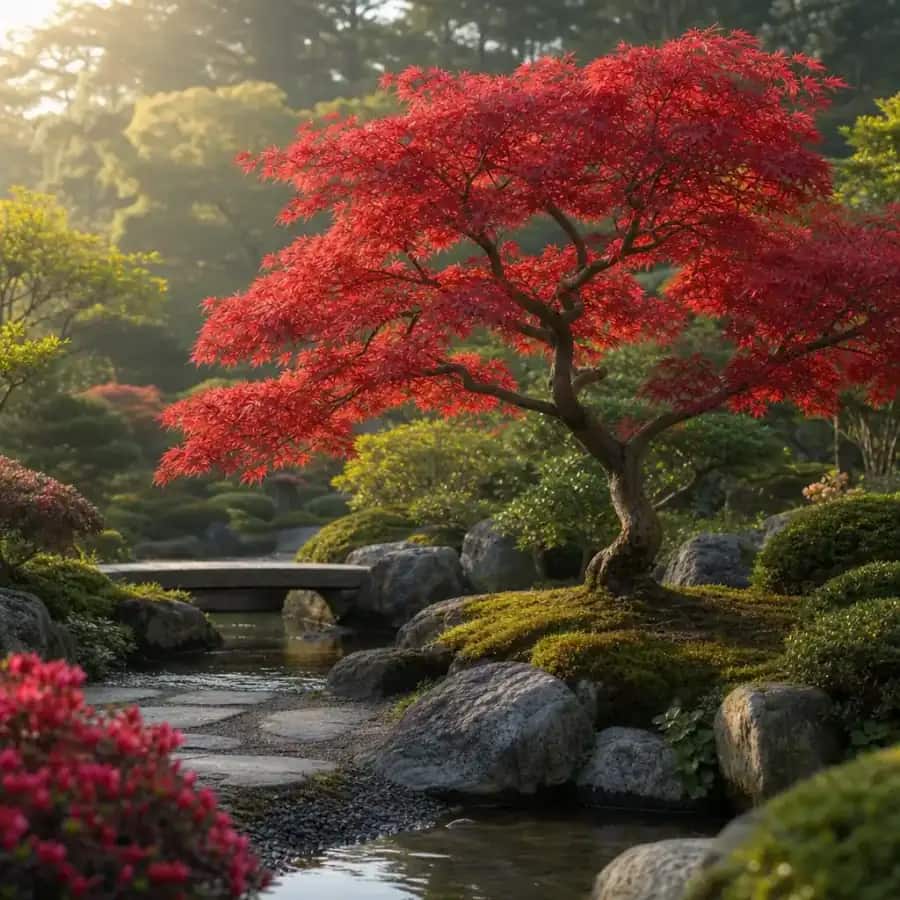 Japanese MaplesDelicate foliage trees best placed in part shade to avoid leaf scorch in dry heat.
 Palms & TropicalsZone-friendly palms that bring a subtropical look to patios and entryways.View all Palms & Tropicals →
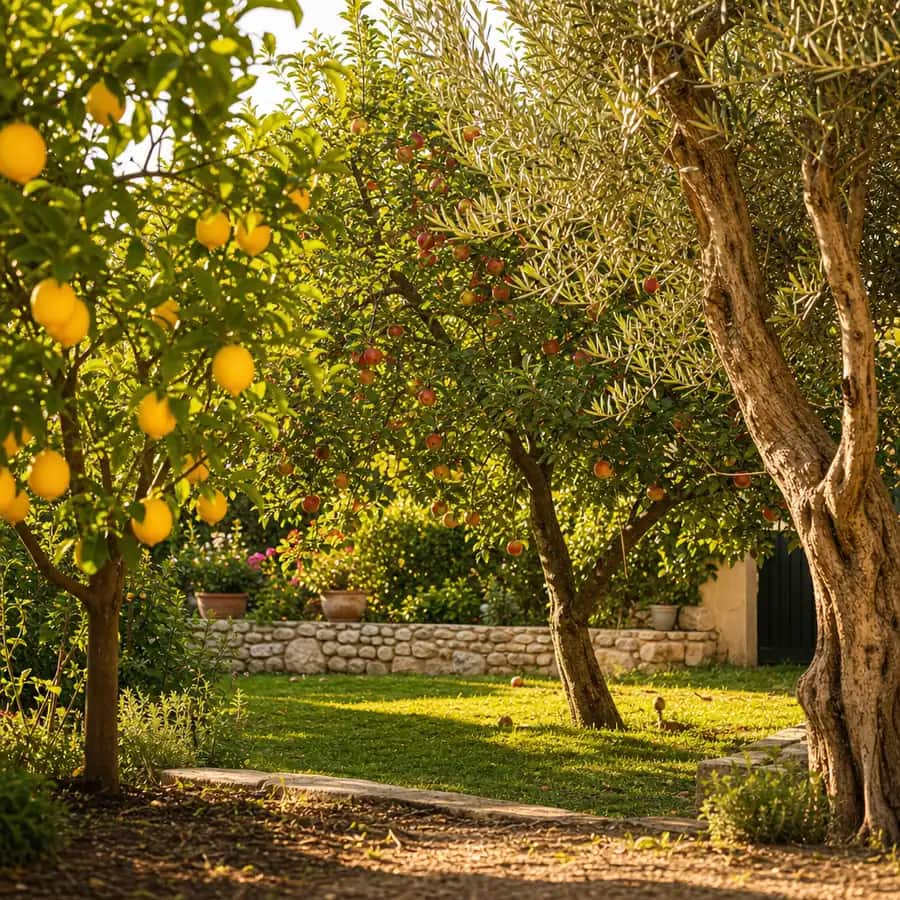 Fruit TreesLemons, figs, and avocados that fruit reliably when protected from the coldest snaps.View all Fruit Trees →
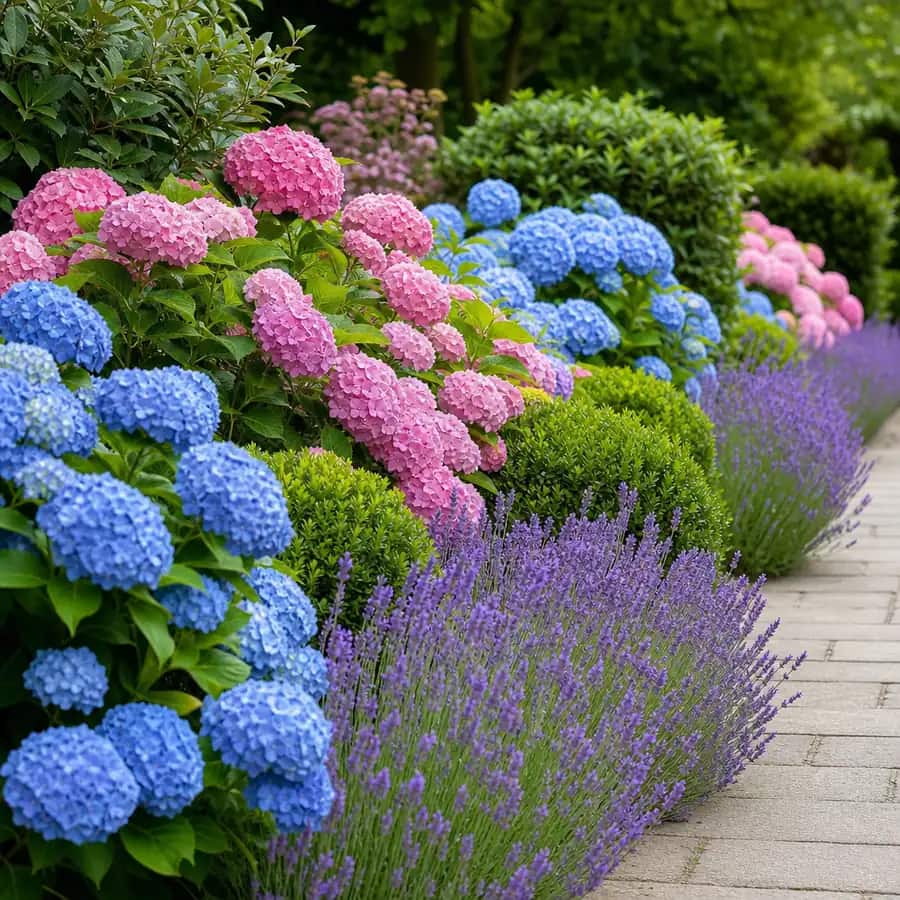 Shrubs & HedgesLow-maintenance hydrangeas and lavender that fill borders with color.View all Shrubs & Hedges →
Local fit, from data
8b
about 15 to 20 F
22
Tyler
Arbor Buddy delivers large, nursery-grown trees by freight to homeowners throughout Smith County, Texas (TX). Whether you need shade, privacy, or fruit, every tree on this page is zone-matched to your yard. Smith County sits in USDA zone 8b, with winter lows that dip from 15 to 20 degrees F. That climate opens the door to a broad selection of heat-loving and semi-evergreen options.
Smith County's 22 ZIP codes fall entirely within USDA zone 8b, where typical winter lows range from 15 to 20 degrees F. That warmth means trees for zone 8 in Smith County can include semi-evergreen oaks and citrus that would not survive colder regions. The county's heat and humidity are pronounced in summer, favoring species that resist mildew and leaf diseases.
The western part of the county, with slightly higher elevation, can be a couple of degrees cooler on the coldest nights. That matters for borderline citrus like Meyer Lemon, which benefits from a protected spot or a container that you can move. In the suburban core around Tyler, the heat island effect often pushes winter lows toward the warmer end of the zone, allowing tropicals like Sago Palm to thrive with minimal care.
Deciduous shade trees, such as Mexican White Oak, take full advantage of the long growing season. Evergreen hollies hold their foliage through the mild winters, providing privacy year-round. The main challenge here is choosing trees that tolerate both summer humidity and occasional winter freezes.
Yes, Arbor Buddy ships trees to much of Smith County by freight. The shipping window for zone 8 runs from fall through early spring. A freight truck can reach most residential streets, but you need to be home to receive the tree and inspect it. We do not offer pickup.
Mexican White Oak is a top choice for fast shade in Smith County. It grows quickly and stays semi-evergreen in zone 8, meaning you get some winter cover. Other good options include Chinese Elm and Bur Oak, which tolerate the county's heat and humidity.
Smith County is zone 8b, with winter lows of 15 to 20 F. Trees that thrive here include evergreen hollies, crape myrtles, and citrus such as Meyer Lemon when protected from frost. The long growing season favors heat-loving species like Mexican White Oak and Sago Palm.
Christmas Jewel Holly and Oakleaf Red Holly are excellent choices for privacy in Smith County. Both stay dense and evergreen through mild winters. For a taller screen, consider Blue Point Chinese Juniper or Carolina Sapphire Arizona Cypress.
Now you know which trees fit Smith County's zone 8 climate. Browse the featured trees and categories above, then place your order. Arbor Buddy handles the rest, from zone-matching to freight delivery, backed by the 1-Year Thrive Guarantee.
Windsor County, Vermont (VT) sits in zone 5a to 5b, with typical winter lows of -20 to -10 F. That climate rules out nearly all the trees Smith County homeowners take for granted. Japanese maples, which thrive in part shade here, would struggle to survive Vermont's cold without careful protection. Locally, that points buyers toward varieties that can handle humidity, not intense cold. Here, the zone usually pushes the choice toward heat-tolerant species like crape myrtle. The practical difference is that Smith County gardeners can grow broadleaf evergreens and citrus, while Vermont buyers are limited to deciduous trees and hardy conifers.
Bennett County, South Dakota (SD) falls in zone 5a, with winter lows of -20 to -15 F. The extreme cold there forces buyers to choose trees like Bur Oak or Colorado Spruce that can withstand brutal winters. Smith County's mild winters allow a much wider palette, including semi-evergreen oaks and flowering ornamentals that would die in South Dakota. The practical difference is that here you can plant a Meyer Lemon in a container and move it to shelter, while in Bennett County even that would be a challenge.
Bradford County, Pennsylvania (PA) is zone 6a, with winter lows of -10 to -5 F. That colder climate still permits many of the same hollies and crape myrtles that grow in Smith County, but the growing season is shorter. Heat and humidity are not an issue in Pennsylvania, but frost danger lasts later into spring. The practical difference is that Smith County's long, warm season lets you enjoy flowers and fruit months earlier and with more certainty.
These contrasts mean that what belongs in your cart here includes heat-loving species that would struggle or die in the North. Stick with zone-8 picks, and your trees will have the climate advantage.
Arbor Buddy ships trees by freight to much of Smith County. Zone 8 orders travel in the fall-to-early-spring stretch, not peak summer. Before you place an order, think about access. A freight truck needs to reach your street with room to stop or turn, and someone needs to be home to receive the tree and inspect it.
Every tree is nursery-grown at a usable landscape size and zone-matched before shipping. The 1-Year Thrive Guarantee means you get a free replacement if the tree does not survive its first year. There is no pickup option, and we do not schedule exact delivery dates in advance.
Before delivery day, check:
Enter your ZIP, shop only what thrives in your zone.
Freight delivery to your address: $149 flat per order, shown at checkout.
Plant it, watch it thrive, covered for one year.
Good to know · Growing guide
Coverage runs a full year from delivery. If something goes wrong, contact the team and they arrange the replacement. No store-credit games, no fine-print maze.