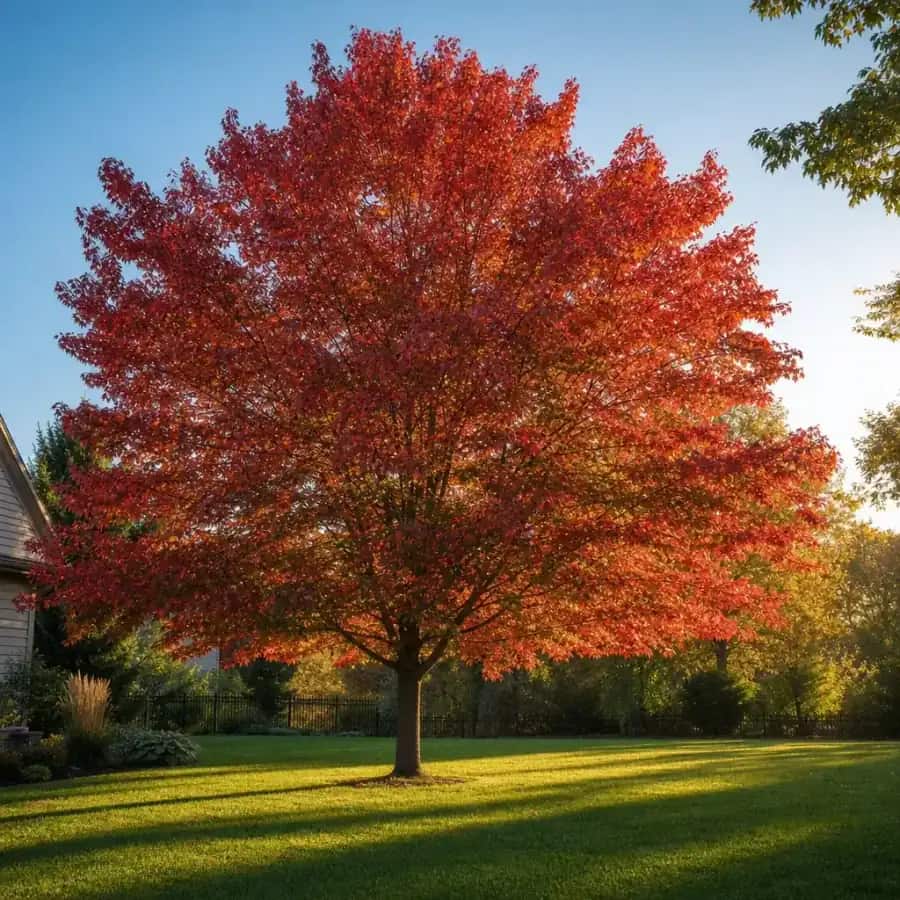
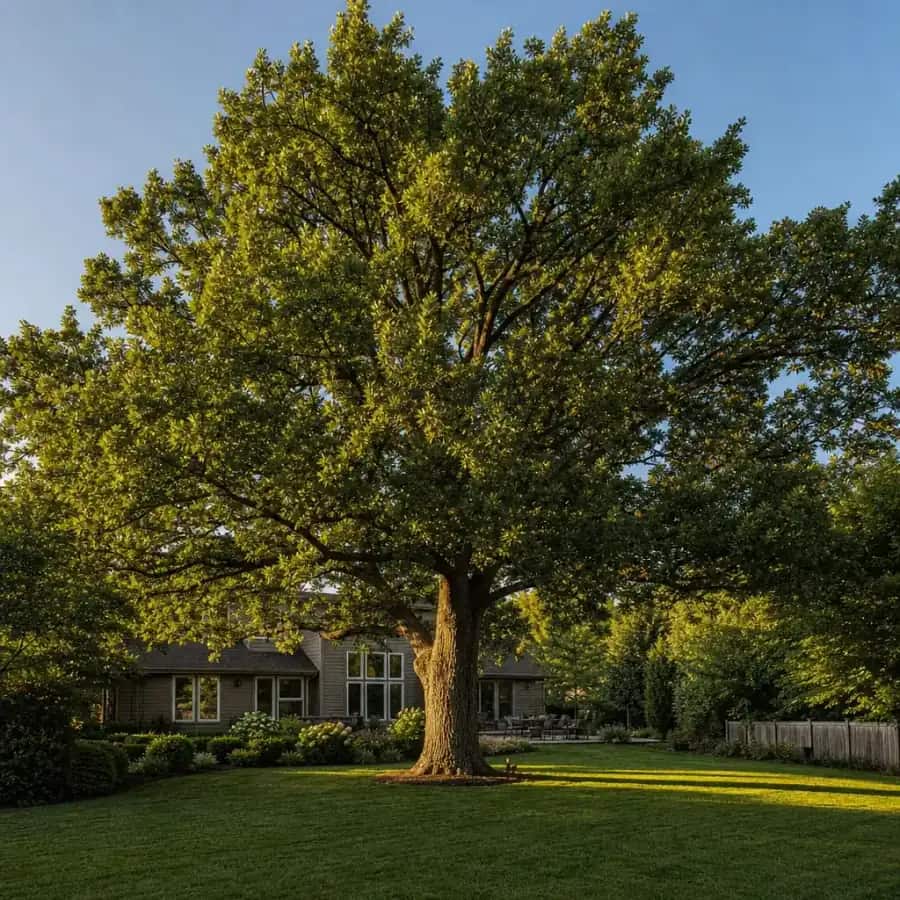
 Zones 3 to 8
Shade Trees
Bur Oak
$490
Shop large, nursery-grown shade, privacy, flowering and fruit trees, delivered by freight in Grant County. Every tree is matched to your hardiness zone and backed by our 1-Year Thrive Guarantee.
Enter your ZIP and we'll match trees to your exact growing zone.
Typical winter lows in Grant County run about -5 to 10 F.
Matched to Grant County's zones
Shop by category
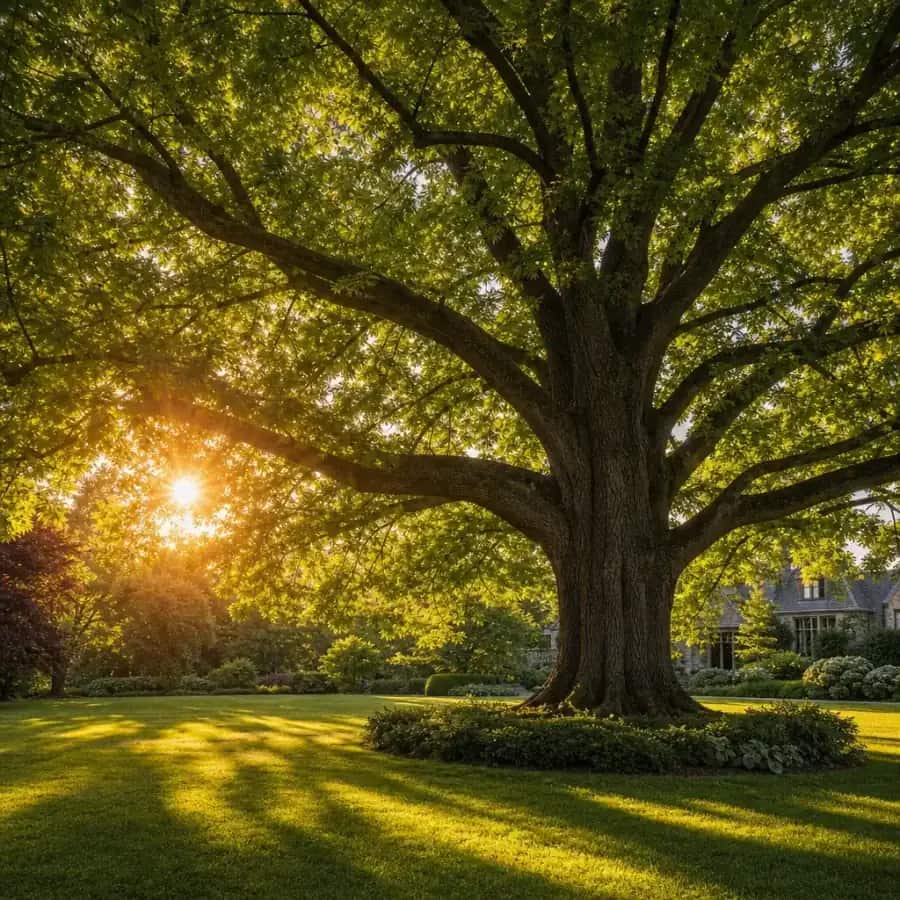 Shade TreesAllee Elm and Autumn Blaze Maple handle 7b heat; Shumard Oak anchors the cold edge.View all Shade Trees →
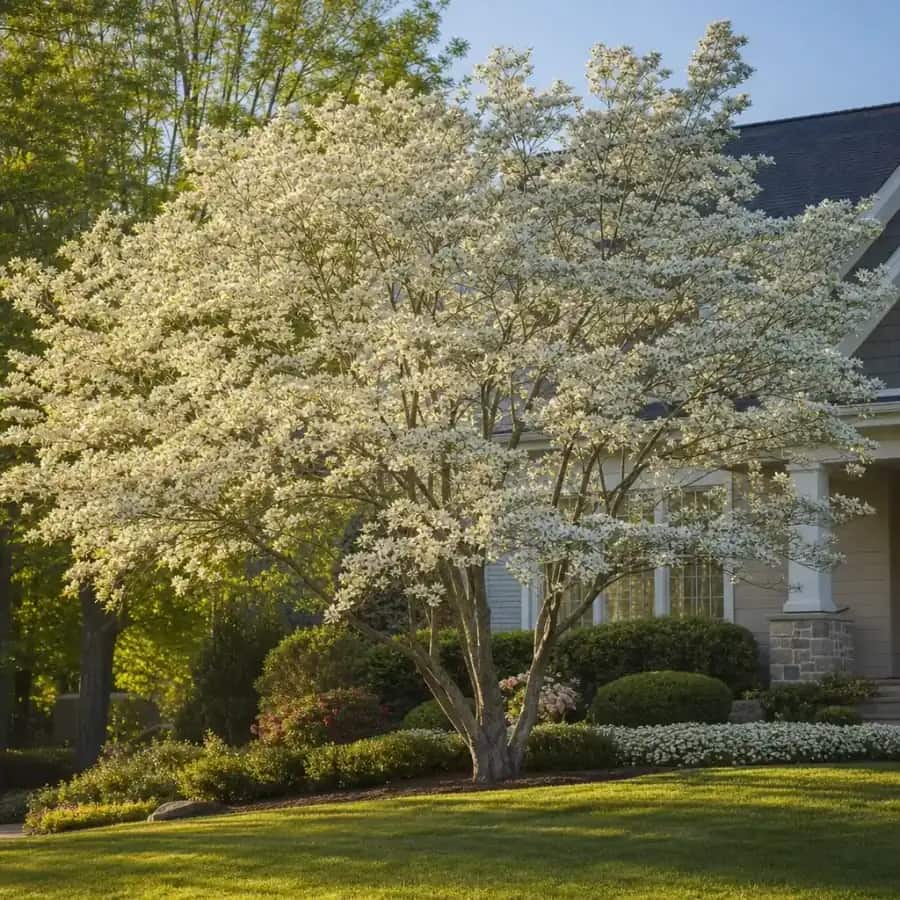
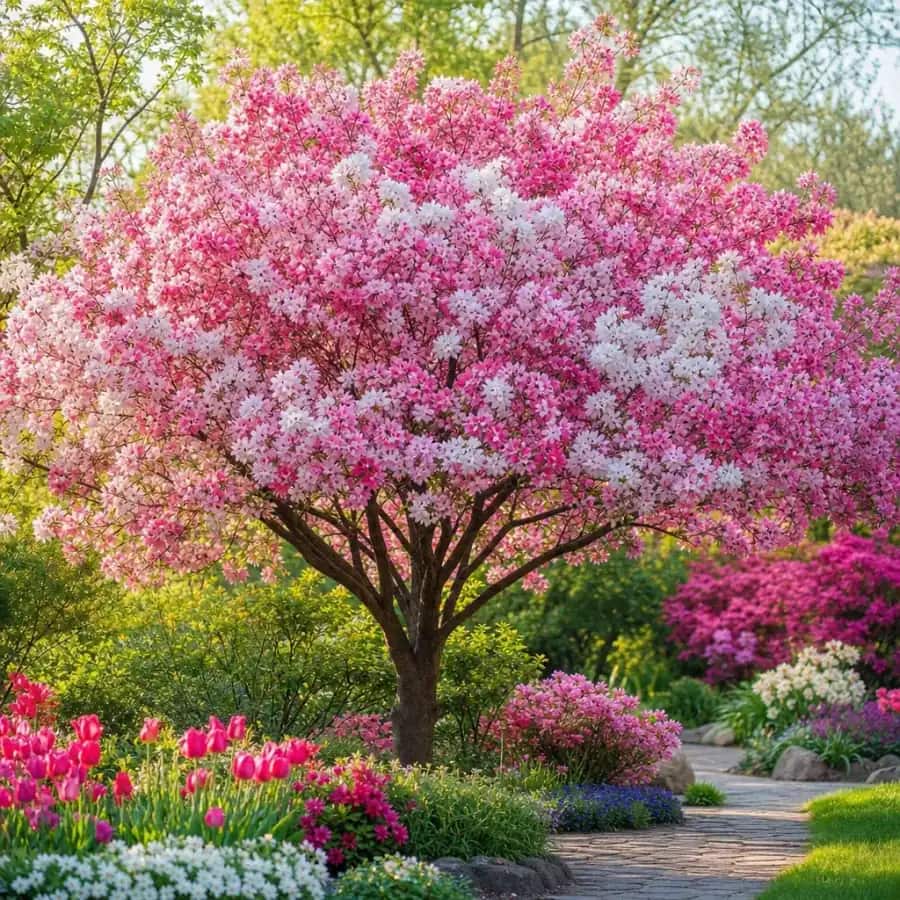 Flowering & OrnamentalMexican Plum and Texas Redbud bloom reliably after a zone 6b winter.View all Flowering & Ornamental →
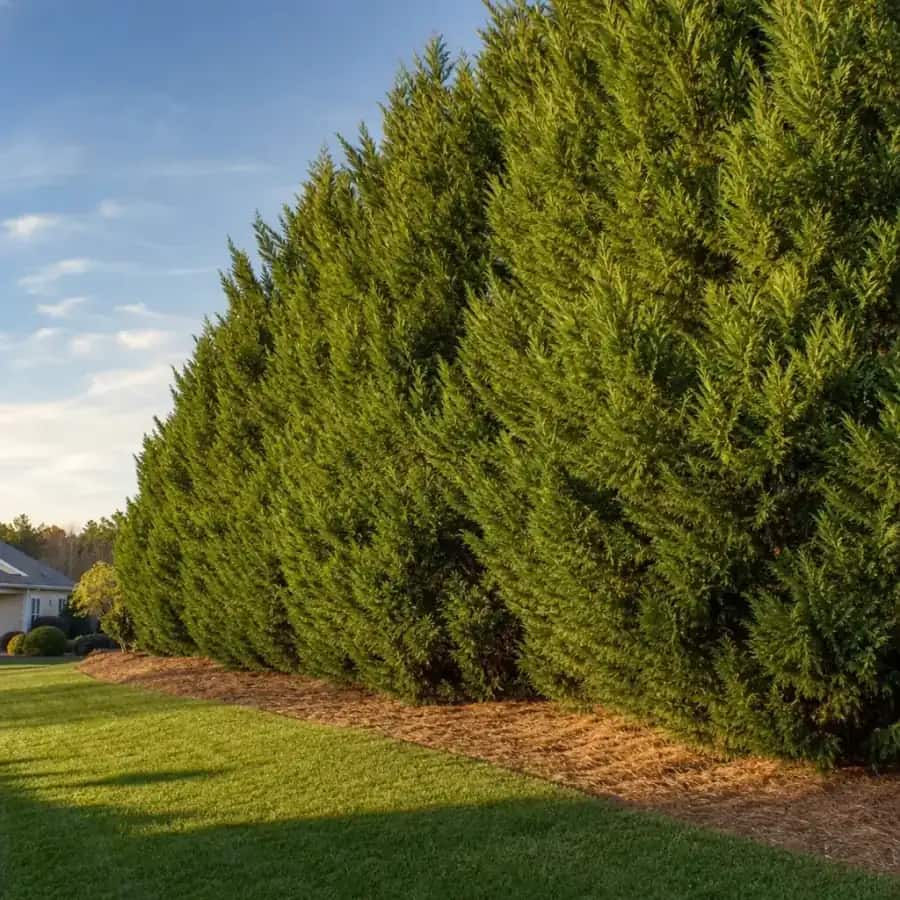
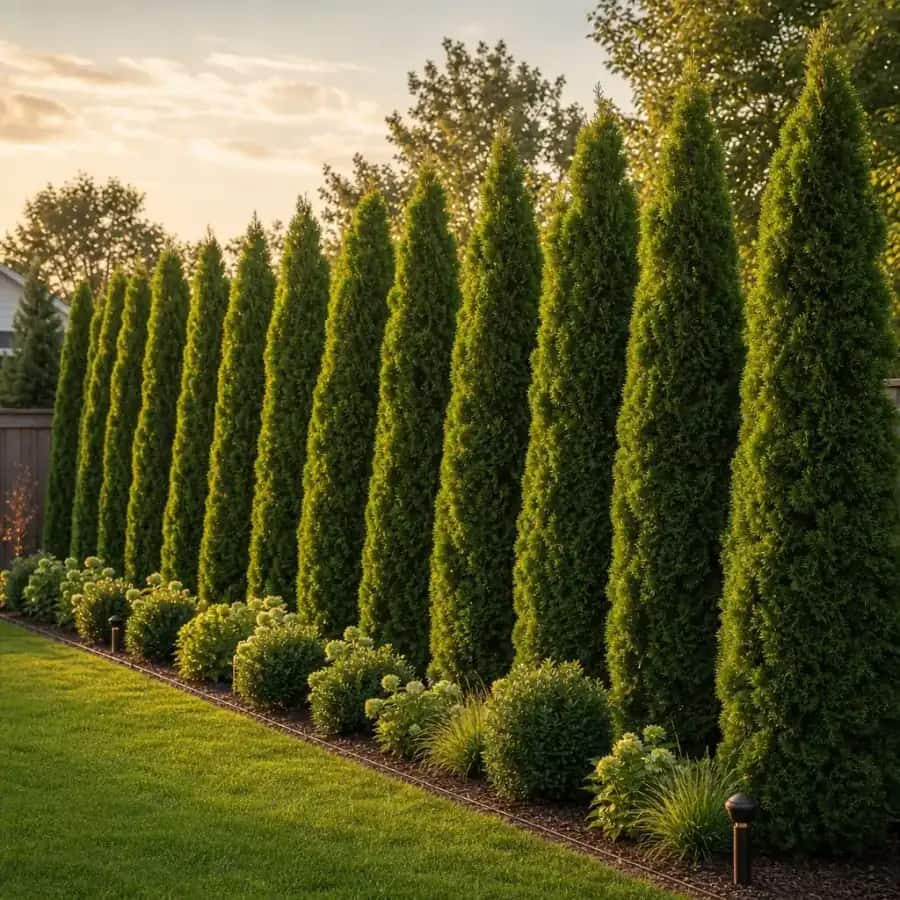 Evergreen & PrivacyHetz Columnaris Juniper stays blue through hard frosts; Bald Cypress drops needles but gives fast screening.
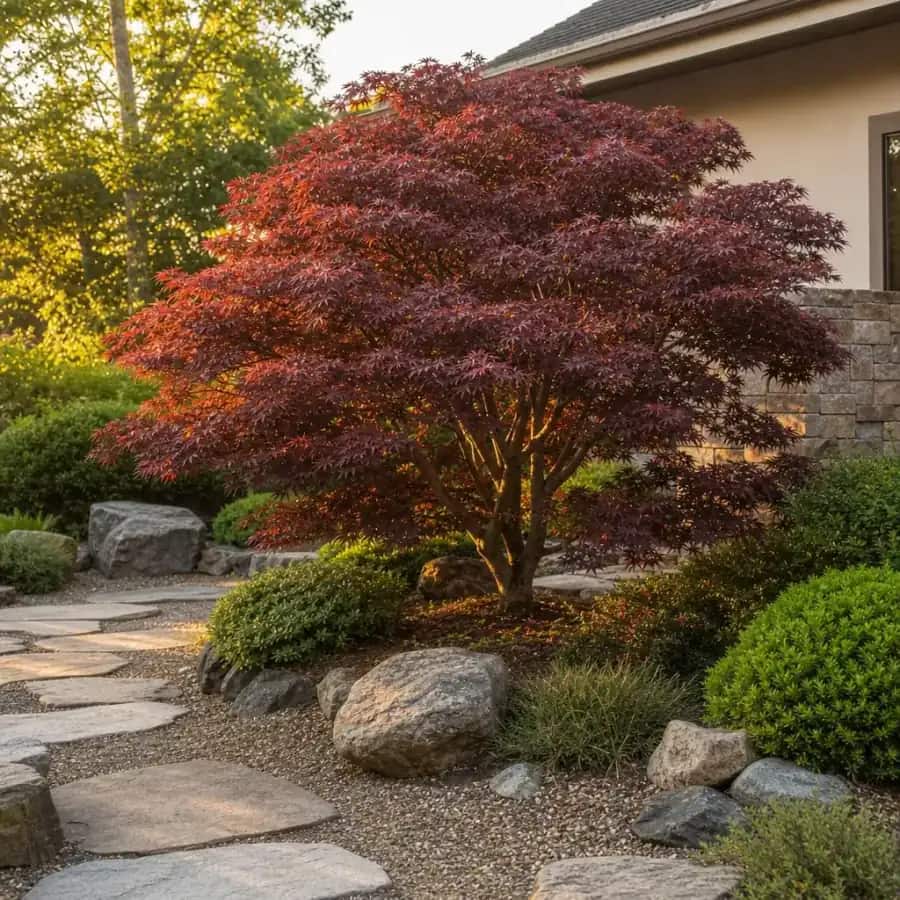
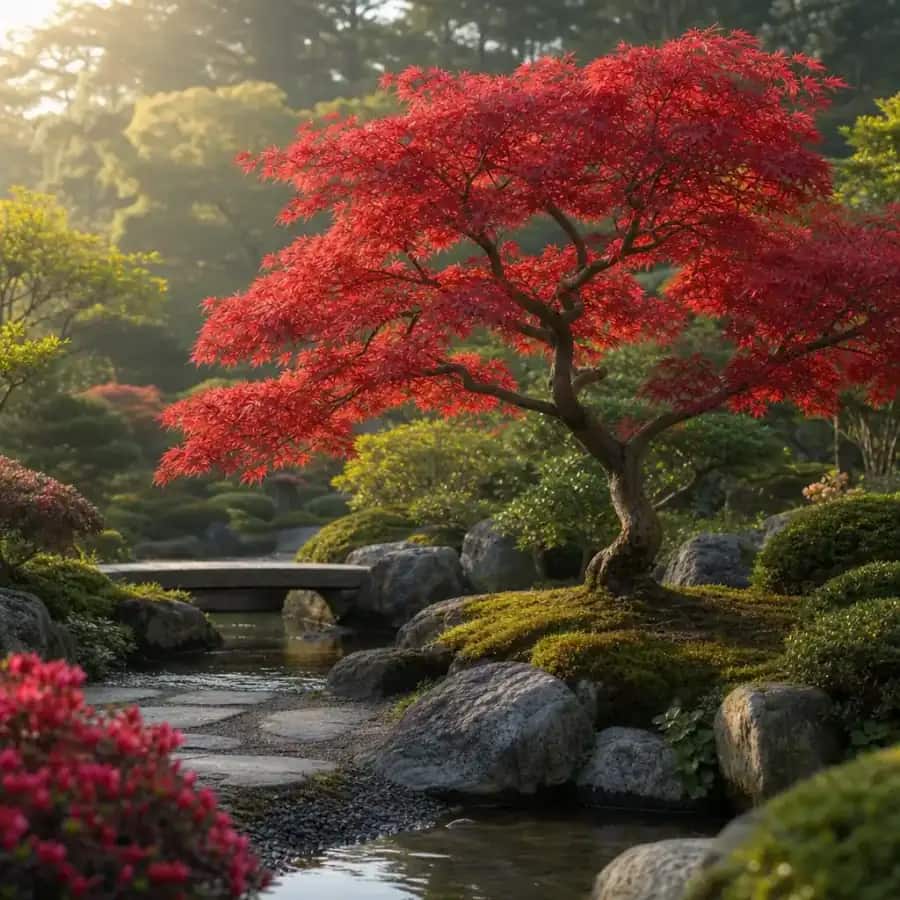 Japanese MaplesEmperor 1 and Red Dragon are hardy to 5b, but afternoon shade prevents leaf burn here.
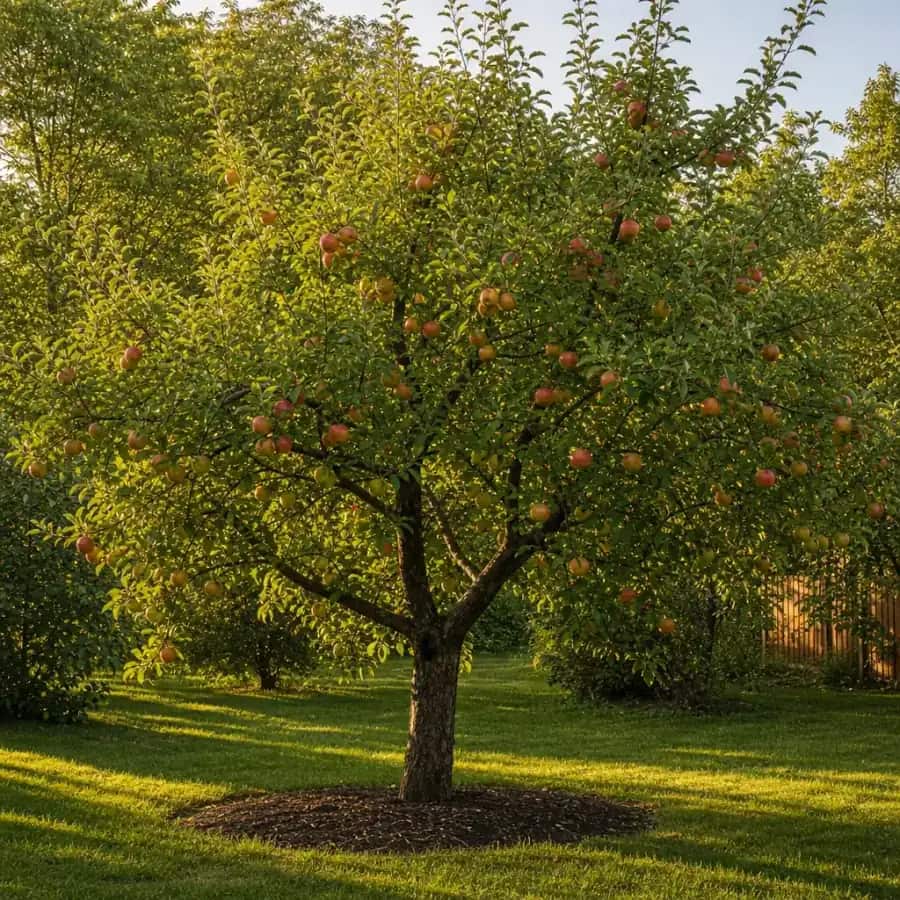
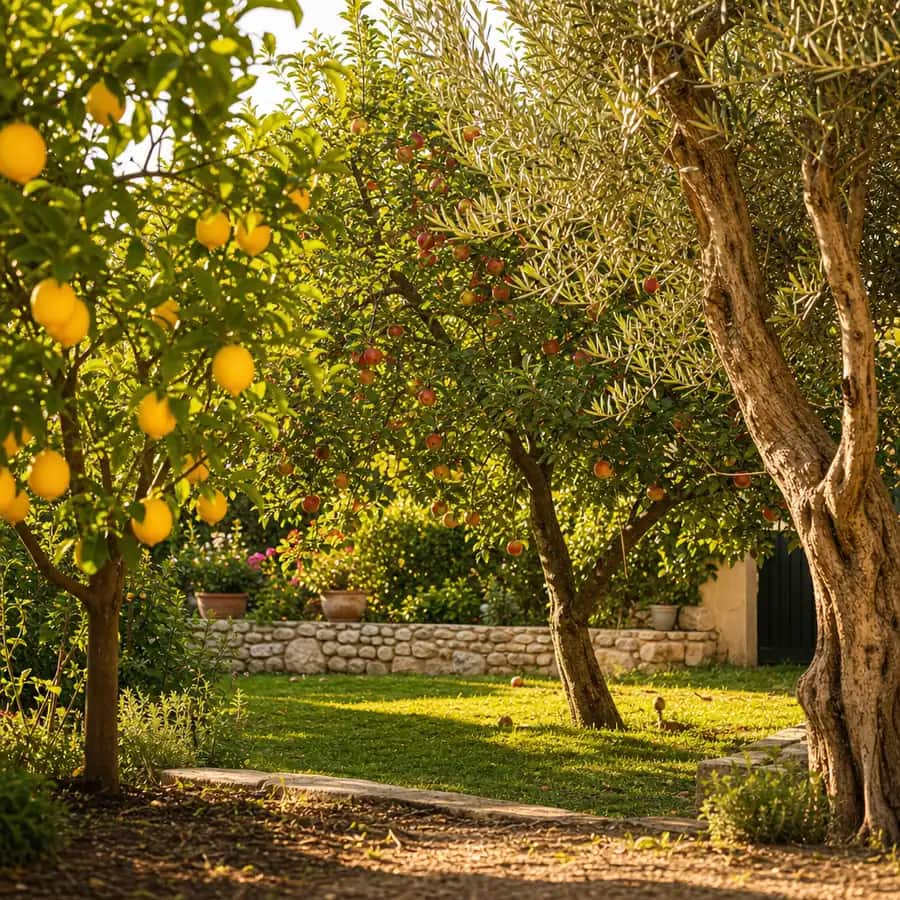 Fruit TreesElberta Peach needs 800 chill hours; Honeycrisp Apple needs a pollinator partner.View all Fruit Trees →
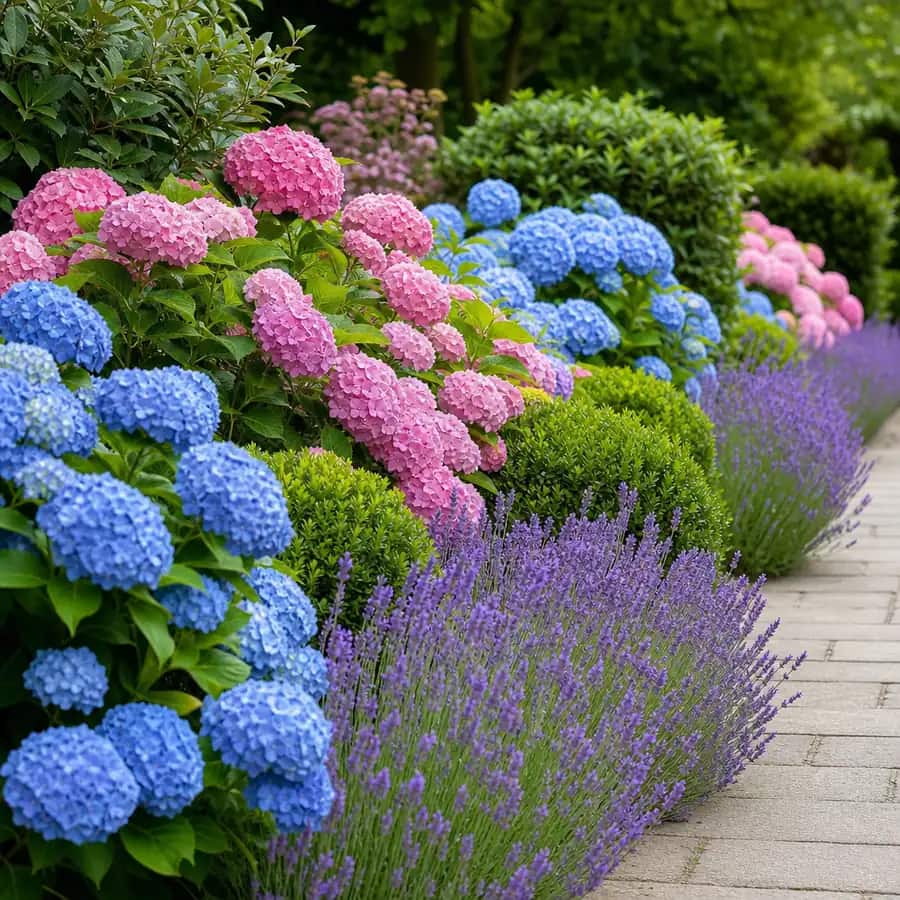 Shrubs & HedgesNellie Stevens Holly and Endless Summer Hydrangea fill gaps and survive with normal winter prep.View all Shrubs & Hedges →
Local fit, from data
6b to 7b
about -5 to 10 F
16
Beverly
Shade, privacy, and fruit trees in Grant County, Washington (WA). Arbor Buddy delivers large, nursery-grown trees by freight to your driveway. We match every tree to your hardiness zone first, so you get varieties that thrive here. Our zone span runs from 6b to 7b, which shapes what grows best. Homeowners and contractors in Beverly and all 16 ZIP codes order with confidence backed by a 1-Year Thrive Guarantee.
Grant County spans two hardiness zones: 6b in the cooler interior pockets and 7b in warmer spots closer to the river. The difference matters because winter lows range from about minus 5 to 10 degrees Fahrenheit across the county's 16 ZIP codes. A tree that sails through a mild Beverly winter may struggle in the colder rural fringes.
Summers here are dry and hot, with occasional wind. That favors trees that handle full sun and low humidity once established. Deciduous shade trees like American Sycamore and Slender Silhouette Sweetgum thrive because they do not rely on summer rain. Evergreens such as Blue Point Juniper tolerate the dry air if given a deep soak during the first growing season.
If you live in zone 7 around Beverly, you gain more options: Chicago Hardy Fig, Royal White Eastern Redbud, and almost any flowering ornamental. Zone 6b buyers should focus on cold-hardy picks like Blue Point Juniper and the sweetgum. In both cases, trees for zone 7 in Grant County need to survive a temperature swing of 15 degrees within the same county.
Spring and fall. Deliveries into zone 7 land in those two planting-friendly stretches. The exact timing depends on your ZIP and the tree's dormancy cycle, but you will receive a shipping window before payment.
Many. Zone 7 in Grant County supports Royal White Eastern Redbud, Blue Point Juniper, Chicago Hardy Fig, and more. The list includes most shade trees, evergreens, and Japanese maples that are hardy to zone 5 or 6, because they handle 7b's mild winter lows without trouble.
Nursery-grown at a usable landscape size. That means a branched tree with a strong root system, not a bare-root whip. Specific height varies by species, but every tree is large enough to plant directly without a long nursery wait.
Yes. Chicago Hardy Fig is a proven winner in zone 6b and 7b. Standard apple varieties with high chill hours also work, as long as you plant a compatible pollinator nearby. Avoid low-chill stone fruit unless you are in the warmest part of the county.
Your tree is matched to your hardiness zone and shipped freight to your driveway in Grant County. If it does not survive the first year, Arbor Buddy replaces it free. That guarantee makes ordering now a low-risk move. Browse the featured picks above or shop by category to find the right tree for your yard.
Tree choices shift fast when you compare Grant County to warmer southern counties. In Dixie County, Florida (FL), zone 9a to 9b, winter lows stay between 20 and 30 F. Palms and tropicals like citrus thrive there, but they cannot handle a minus-5 F night. In practice, buyers here lean toward broadleaf evergreens that hold leaves through mild frost, while you in Grant County must choose deciduous shade trees or cold-hardy conifers.
Madera County, California (CA) sits in zone 8b to 9b with lows of 15 to 30 F. Citrus and stone fruit are standard there, including varieties that need fewer chill hours. For your cart, that means a tree like the Bing Cherry, which needs a pollinator and resents late frosts, is a risk in Grant County. Stick with self-fertile or very hardy fruit like Chicago Hardy Fig or standard apples with a partner.
Gila County, Arizona (AZ) covers zone 8a to 9b with winter lows from 10 to 30 F. High elevation parts get cold snaps, but the overall climate is hotter and drier than yours. Flowering color there often comes from desert-adapted species like Texas Redbud and Mexican Plum. That gap changes the local shortlist to trees such as Royal White Eastern Redbud and Viridis Japanese Maple, which need more consistent moisture than the desert can offer.
Bottom line: Grant County's colder, wider zone span means you get fewer tropicals and more deciduous options. Your money goes further picking trees that thrive in 6b to 7b rather than forcing a zone 9 favorite.
Your tree arrives via freight, not a parcel van. That means a semi truck or large box truck pulls up to your street. You need space for it to stop and turn around. Long, narrow driveways or soft ground may require you to meet the driver at the road.
Every tree is nursery-grown at a usable landscape size and zone-matched to your 6b or 7b location before shipping. Deliveries into zone 7 land in spring or fall, the two planting-friendly stretches. If your tree dies from environmental stress or handling in the first year, we replace it free under the 1-Year Thrive Guarantee.
Before delivery day, check:
Enter your ZIP, shop only what thrives in your zone.
Freight delivery to your address: $149 flat per order, shown at checkout.
Plant it, watch it thrive, covered for one year.
Good to know · Growing guide
Coverage runs a full year from delivery. If something goes wrong, contact the team and they arrange the replacement. No store-credit games, no fine-print maze.