 Zones 4 to 9
Shade Trees
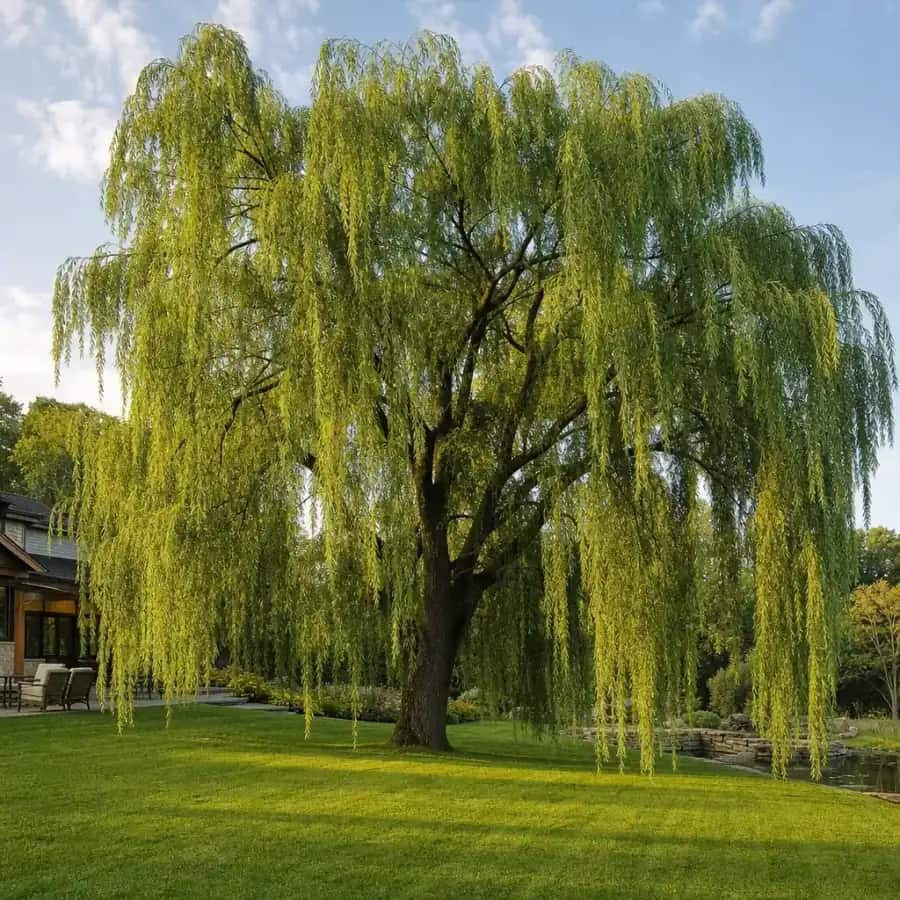
Weeping Willow
$40
Shop large, nursery-grown shade, privacy, flowering and fruit trees, delivered by freight in Kitsap County. Every tree is matched to your hardiness zone and backed by our 1-Year Thrive Guarantee.
Enter your ZIP and we'll match trees to your exact growing zone.
Typical winter lows in Kitsap County run about 15 to 25 F.
Matched to Kitsap County's zones
Shop by category
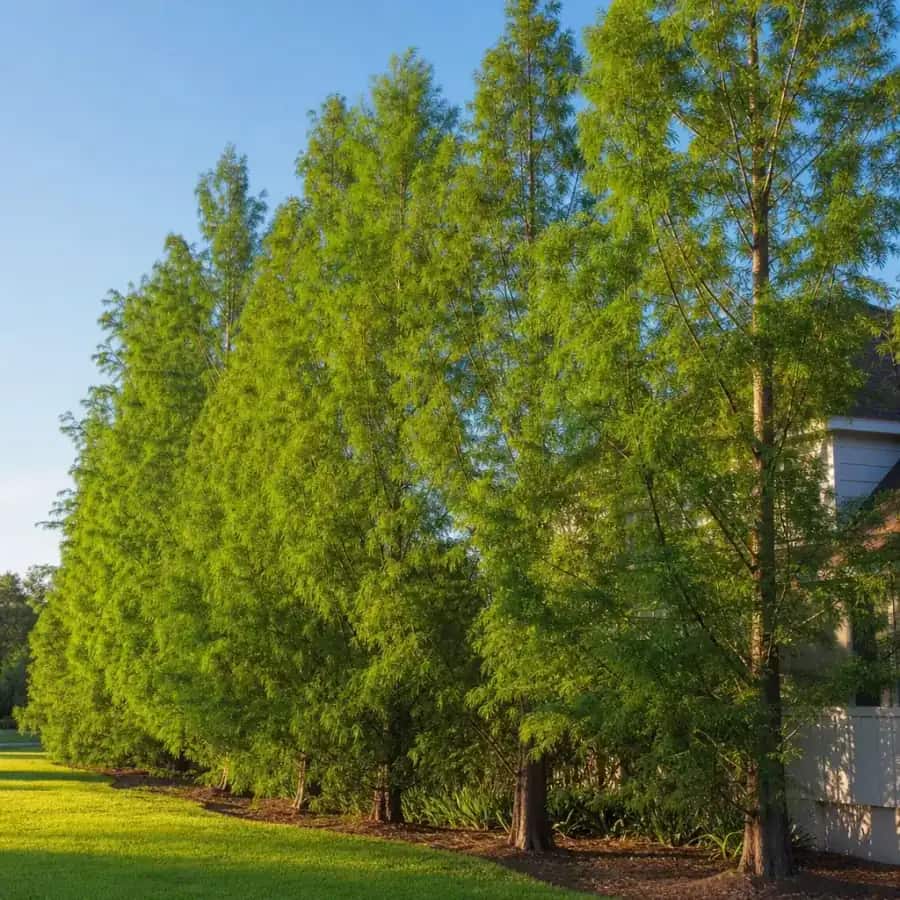
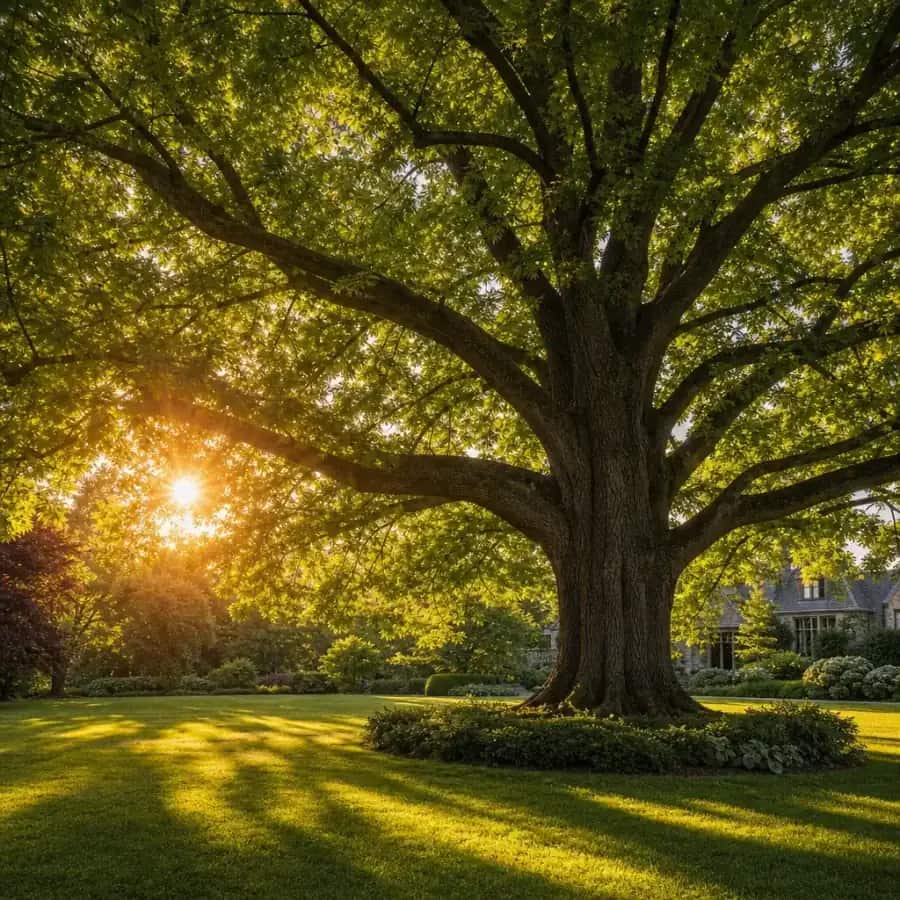 Shade TreesFast-growing canopy trees that handle the wet winters and mild summers of zone 9.View all Shade Trees →
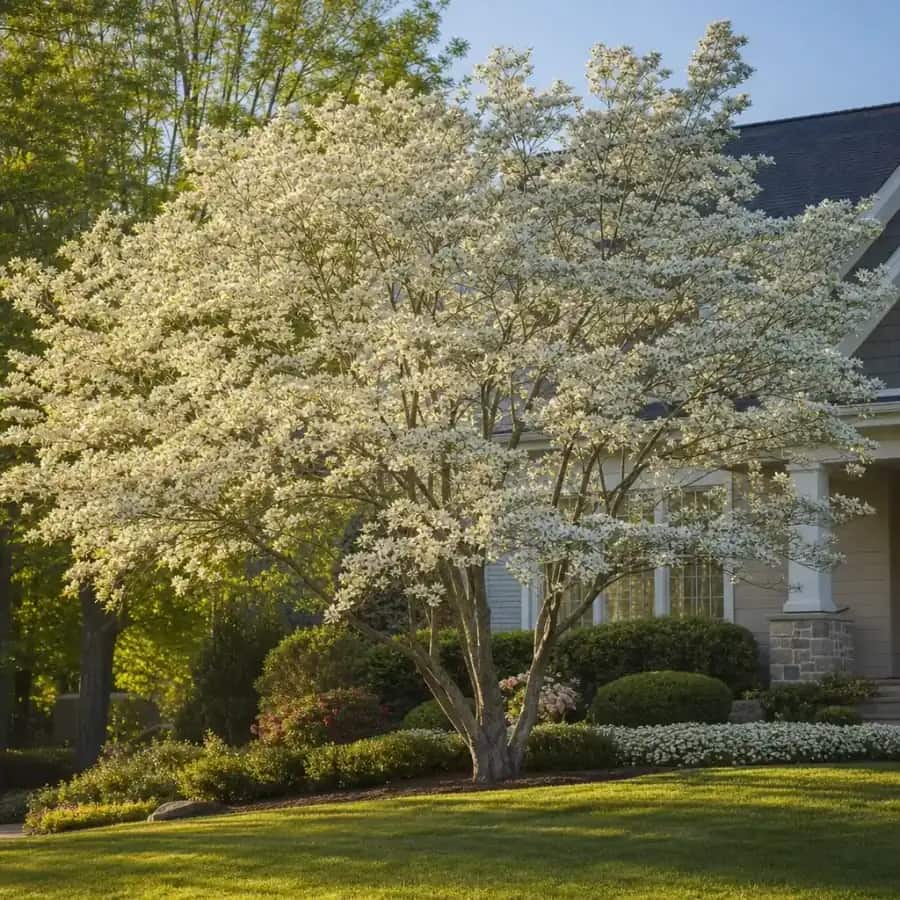
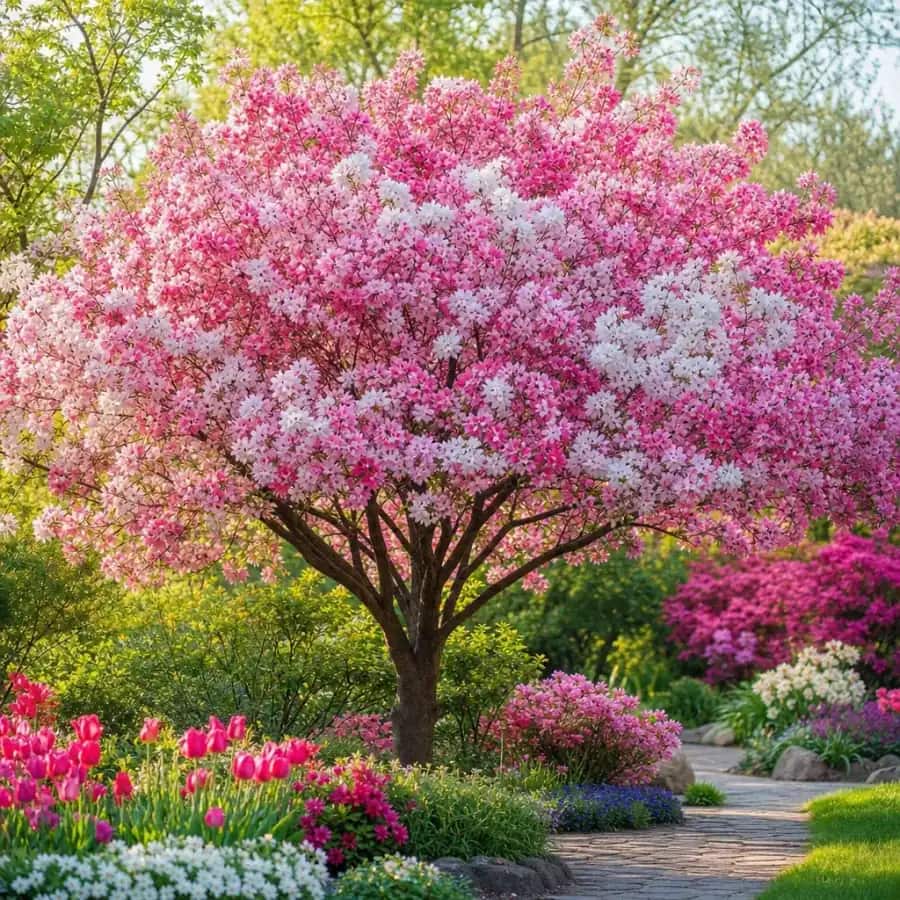 Flowering & OrnamentalYear-round color from species that thrive in 8b to 9a without winter burn.View all Flowering & Ornamental →
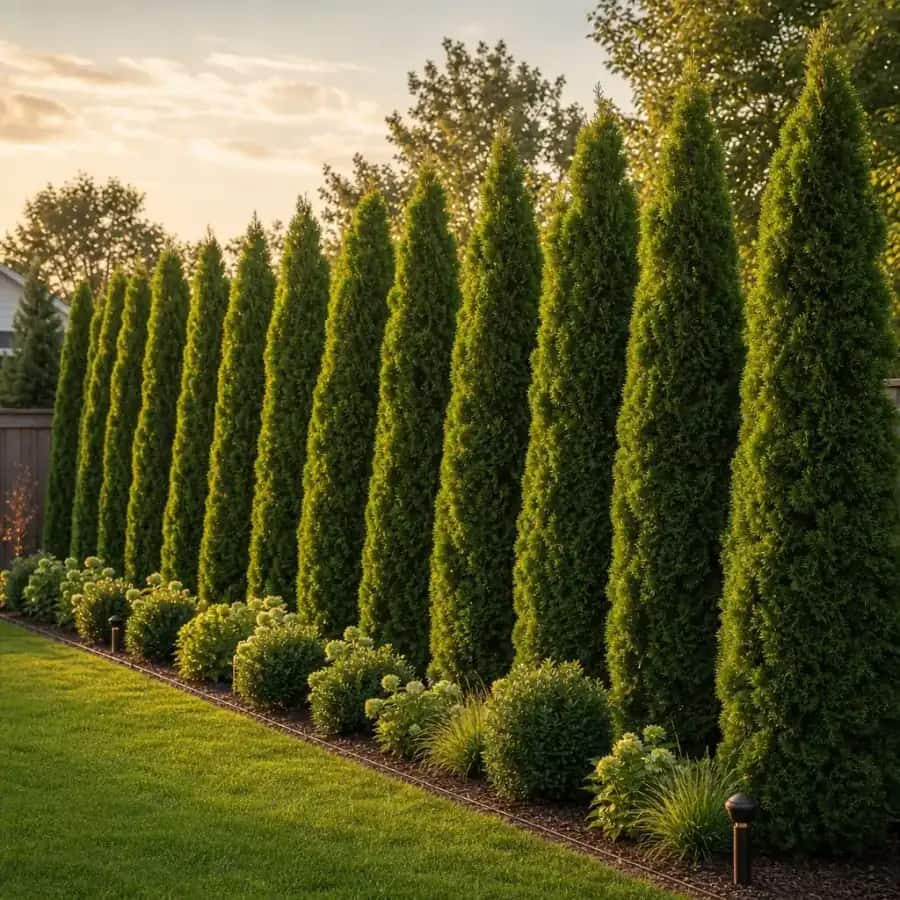 Evergreen & PrivacyYear-round screening trees that stay dense through Kitsap County's mild cold snaps.View all Evergreen & Privacy →
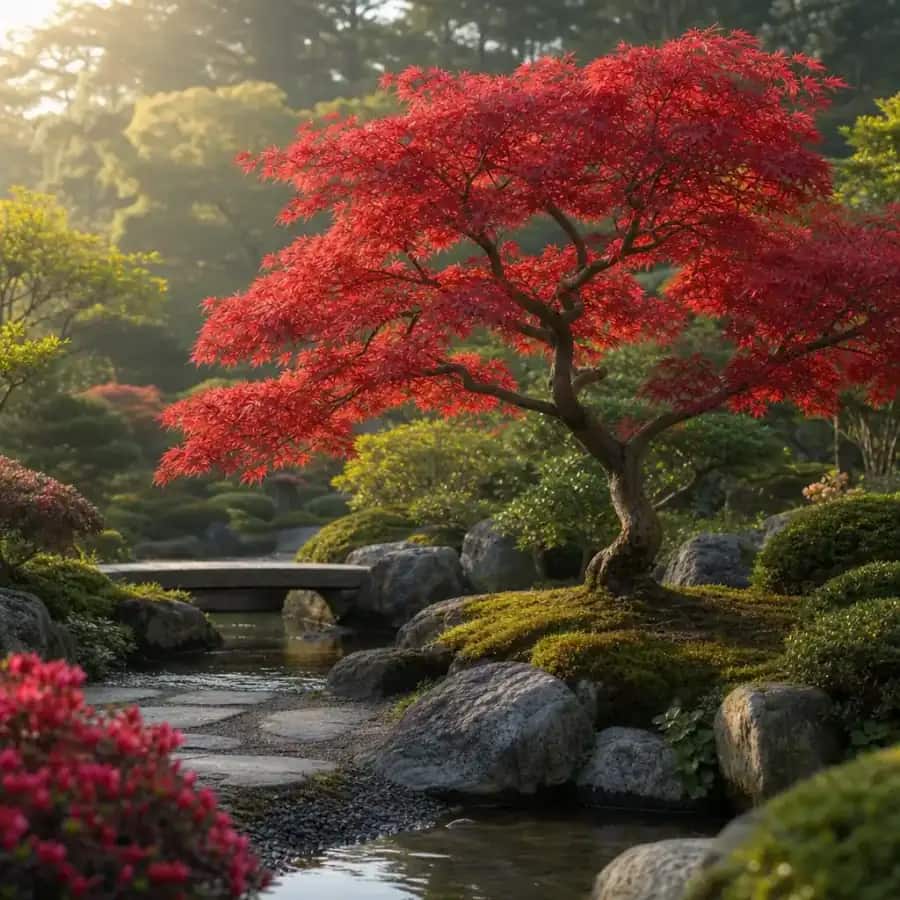 Japanese MaplesLaceleaf and coral-bark varieties that avoid leaf scorch in the county's marine humidity.
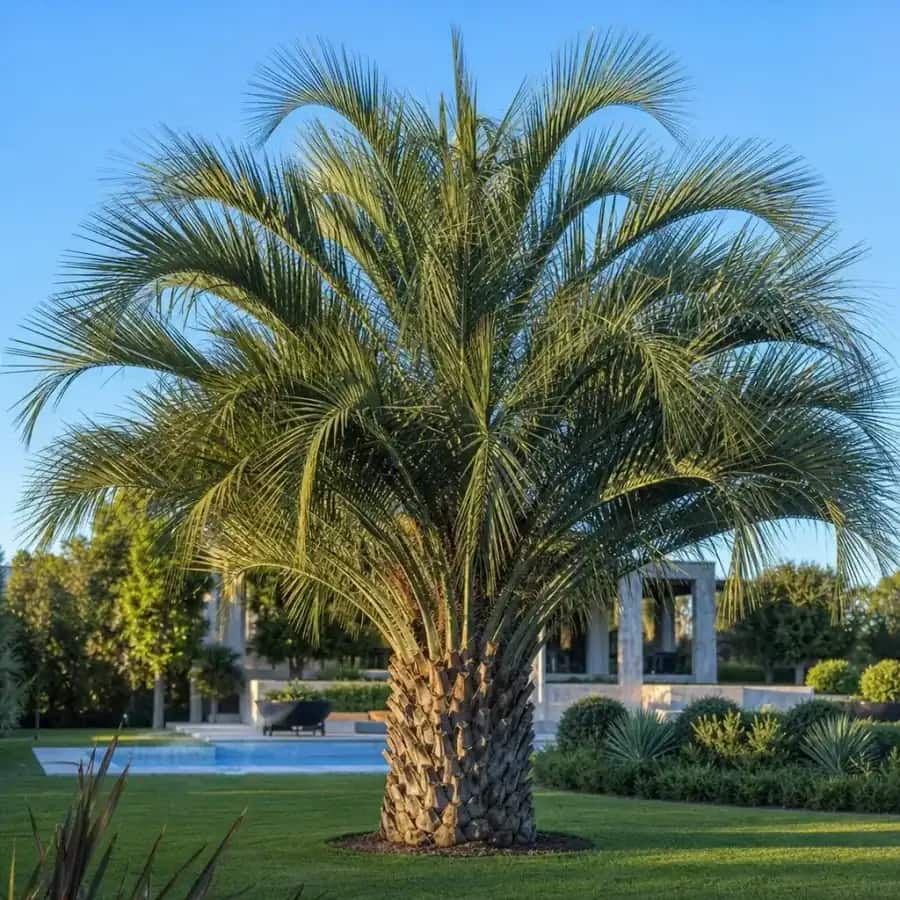
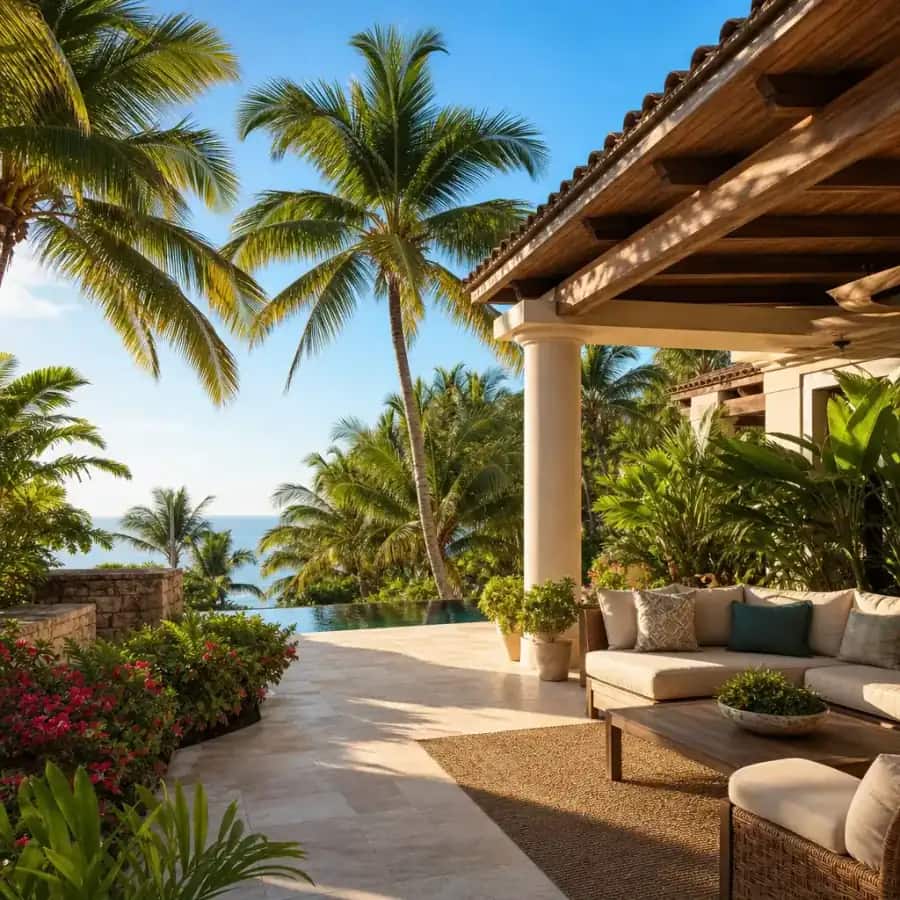 Palms & TropicalsHardy palms and subtropicals that survive zone 9 winters with minimal protection.View all Palms & Tropicals →
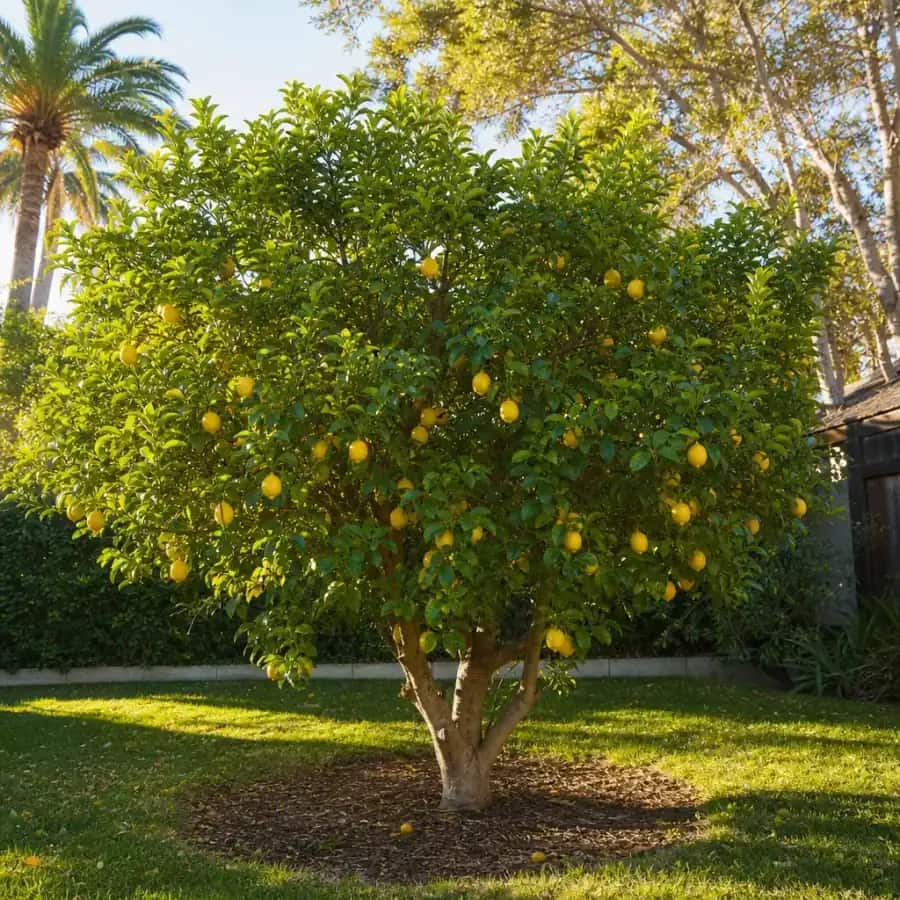
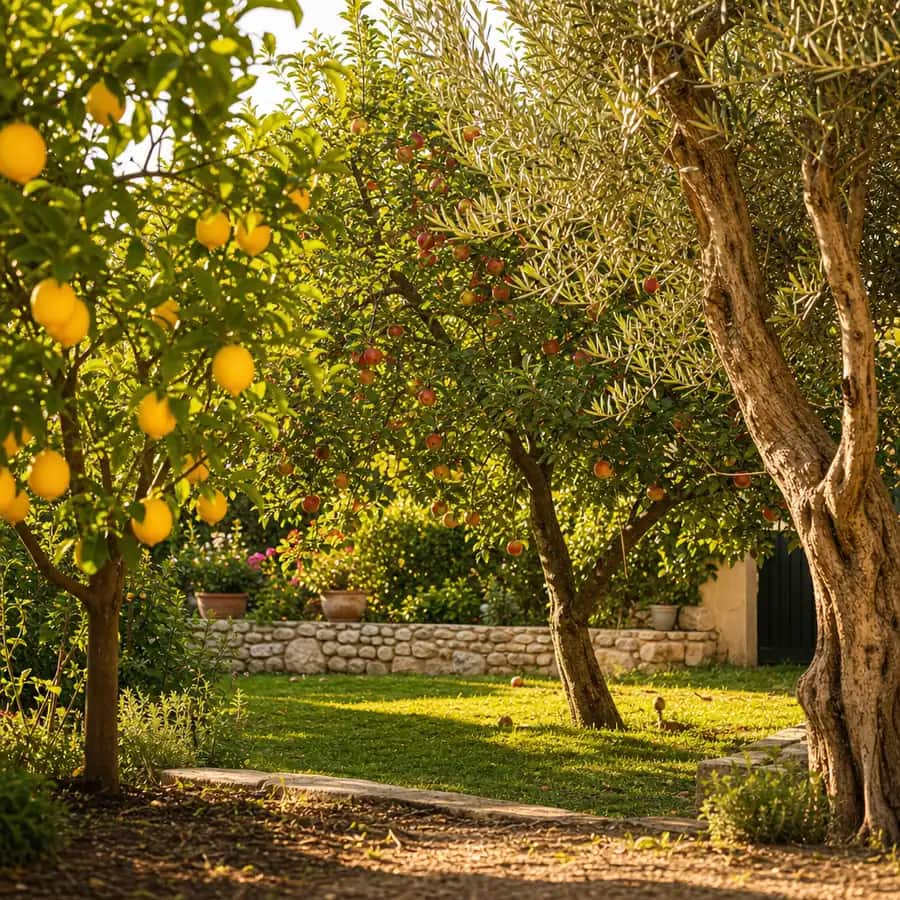 Fruit TreesCitrus, avocado, and other mild-climate fruits that ripen in Kitsap County's long growing season.View all Fruit Trees →
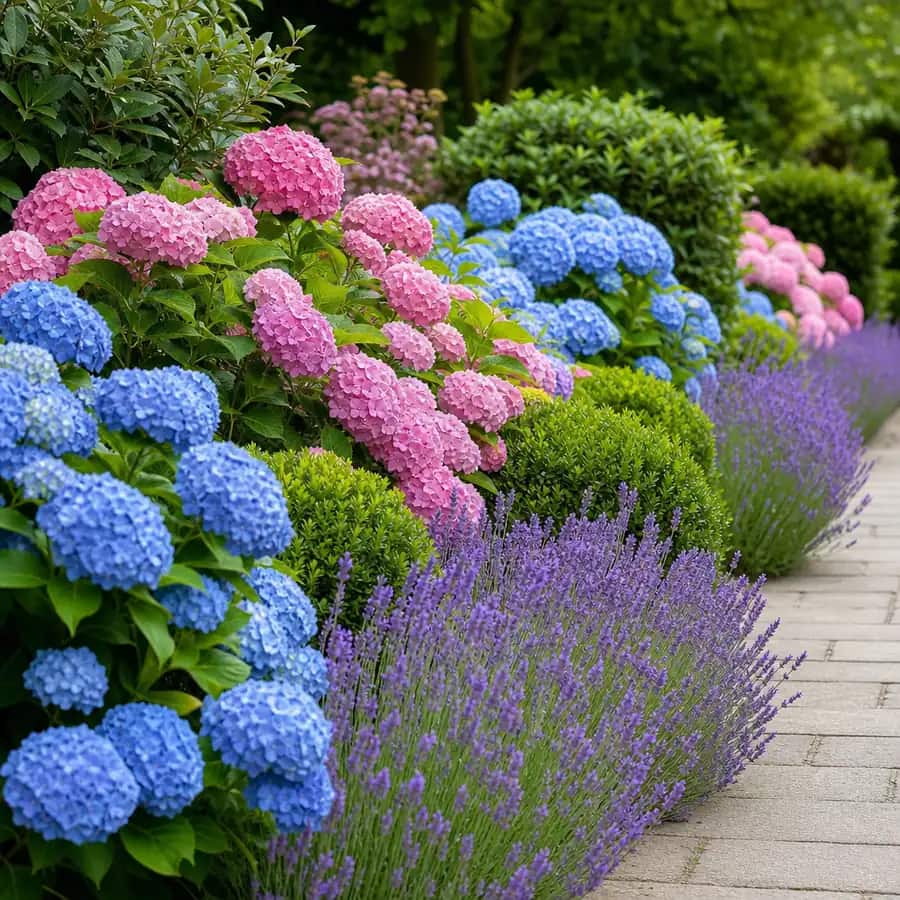 Shrubs & HedgesFoundation plants and hedges that hold up in the region's cool, damp winters.View all Shrubs & Hedges →
Local fit, from data
8b to 9a
about 15 to 25 F
26
Bremerton
Arbor Buddy ships shade, privacy, and fruit trees in Kitsap County, Washington (WA) by freight, direct to homeowners and contractors. Each tree is nursery-grown, large, and zone-matched to your yard. Winter lows here run about 15 to 25 F, so the county spans zones 8b to 9a. That climate opens the door to a broad range of landscape trees that thrive in mild Pacific Northwest winters.
Kitsap County's USDA zone band runs from 8b to 9a across its 26 ZIP codes. That means typical winter lows stay between 15 and 25 F. The colder end of the county, often in rural or upland areas, sees occasional dips to the mid-teens. The warmer end, closer to the water and the suburban core around Bremerton, rarely drops below 20 F.
This climate allows a mix of classic Pacific Northwest species and mild-zone trees that would fail in colder parts of Washington. Shade trees like Texas Ash and oaks handle the wet winters without root rot. Evergreen and privacy species stay green through the damp season. The marine influence keeps summers mild, which helps Japanese maples avoid leaf scorch. For fruit and tropical trees, the colder pockets need a protected site or a pot you can move. Most of the county fits zone 9 comfortably, so you can grow trees from the warmer end of the hardiness map.
When you shop trees for zone 9 in Kitsap County, you are looking at a climate that supports citrus, avocado, crape myrtle, and palms alongside traditional shade and privacy trees.
Browse the categories above or the featured trees to see what fits your yard. Arbor Buddy matches every tree to your zone and ships it freight-ready to Kitsap County. Pick shade, privacy, fruit, or flowering trees that belong in zone 9, and order with the 1-Year Thrive Guarantee behind you.
Weber County, Utah (UT) sits in zones 6a to 7a, with winter lows that hit -10 to 5 F. That climate rules out almost all of the subtropical trees that thrive in Kitsap County. Japanese maples like Red Dragon and Crimson Queen, which are hardy to roughly zone 5b, survive in Weber County but need protection from dry summer heat and afternoon sun. For your cart, that means you can plant Japanese maples without worrying about sunburn, and you can grow citrus and palms that would freeze solid in Weber County.
Houston County, Tennessee (TN) falls in zone 7b, with typical winter lows of 5 to 10 F. That is cold enough to kill unprotected Meyer Lemon and Cold Hardy Avocado trees. Flowering trees like crape myrtle and dogwood do well there, but the shorter growing season limits bloom time. That gap changes the local shortlist to fewer citrus and avocado choices. Kitsap County's zone 9 warmth means you can keep those subtropical options in the ground or a pot, and your flowering trees have a longer season to show off.
Florence County, Wisconsin (WI) is zone 4b, with winter lows as cold as -25 to -20 F. Privacy and screening options there are limited to hardy evergreens like Eastern Redcedar and Spartan Juniper. Broadleaf evergreens and palms do not survive. In practice, buyers here lean toward conifers and deciduous trees that go dormant. For Kitsap County, the contrast is dramatic: you can choose from broadleaf evergreens, palms, citrus, and crape myrtles that would die in a Wisconsin winter.
What these comparisons make clear: the mild zone 9 climate in Kitsap County lets you pick trees from a wider palette than most of the country, especially subtropical fruits, palms, and flowering ornamentals.
Arbor Buddy delivers trees by freight to much of Kitsap County. Your zone 9 order ships for a fall or early-spring window, ahead of summer heat. Each tree is nursery-grown at a usable landscape size and zone-matched before it leaves. The 1-Year Thrive Guarantee means you get a free replacement if a tree does not survive its first year. That is a safety net, not a gardening promise: you still need to plant and water it.
Before delivery day, check:
Enter your ZIP, shop only what thrives in your zone.
Freight delivery to your address: $149 flat per order, shown at checkout.
Plant it, watch it thrive, covered for one year.
Good to know · Growing guide
Coverage runs a full year from delivery. If something goes wrong, contact the team and they arrange the replacement. No store-credit games, no fine-print maze.