
Plant Selection
How Long for Privacy Trees to Grow? Real Timelines

Quick answer: It depends on species and starting size. A Green Giant arborvitae planted at 5-6 feet can screen 12-15 feet in roughly 3 to 5 years, since it grows up to 3 feet a year once established. A slower Emerald Green planted at 3-4 feet takes about 6 to 8 years to reach an 8-10 foot screen, because it only adds 6 to 9 inches a year.
Nobody selling trees online wants to say this, but no evergreen gives you instant privacy. Every screen needs time to root in, then time to grow up and fill in side to side. The honest timeline depends on three things you control before you ever put a shovel in the ground: which species you pick, how tall it is when you plant it, and how close together you space the row.
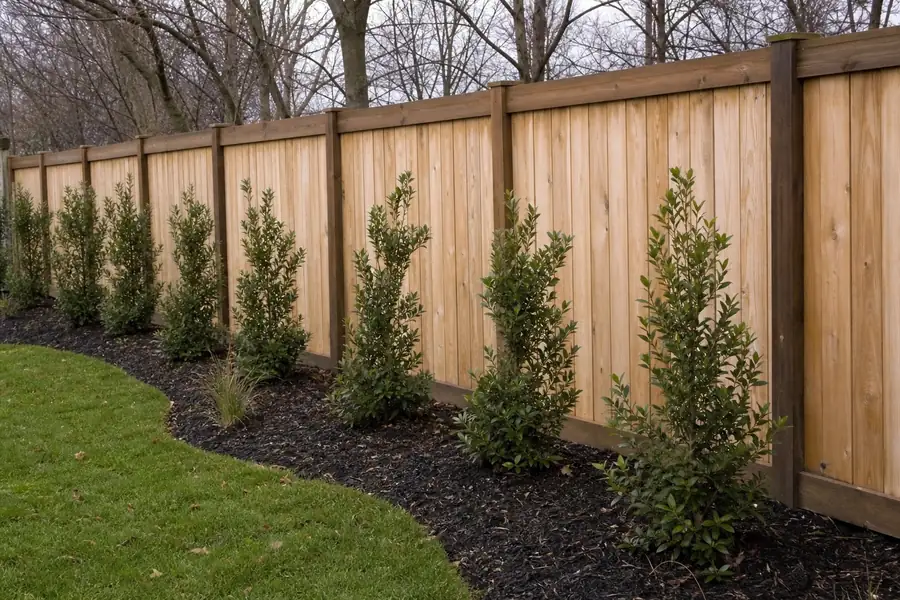
How Long for Privacy Trees to Grow: The Three Things That Decide It
How long for privacy trees to grow comes down to growth rate, starting size, and spacing, and starting size matters most for speed. A fast-growing species planted small still has to spend its first year or two just establishing roots before it puts on real height. A slower species planted large skips that lag and starts taller than where a fast grower would be after year one.
Growth rate sets the ceiling. Some evergreens, like the varieties covered in our guide to fast-growing privacy trees, can add two to three feet a year once rooted in. Others top out at under a foot a year no matter how happy they are. Spacing decides when the row closes into a solid wall rather than a line of separate trees with daylight showing between them. For a full breakdown of species options and what each one actually delivers, see our main guide to privacy trees.
Starting size is the lever most people underestimate. A tree's first season or two after planting goes almost entirely into rebuilding the root system it lost at the nursery, a process horticulture extension research generally calls establishment. Our piece on tree size vs. establishment walks through why a bigger starting tree usually reaches a usable screen sooner than a small one of the same species, even though both grow at the same rate once established.
Green Giant Math: Timeline From 5-6 Ft to a 12-15 Ft Screen
A Green Giant arborvitae planted at 5-6 feet typically reaches a 12-15 foot privacy screen in about 3 to 5 years. Green Giant is one of the fastest evergreens sold for privacy, capable of up to 3 feet of growth a year once its roots are established, usually by the end of the first full growing season.
Run the simple math: starting at 6 feet and adding 2 to 3 feet a year after a slower first season, a Green Giant clears 12 feet in year three or four and tops 15 feet by year five in most climates. Growth slows slightly in drought-stressed or very hot summers and speeds up with consistent watering and a full season of sun. Spacing changes this too, which the next sections cover.
Emerald Green Math: Timeline From 3-4 Ft to an 8-10 Ft Screen
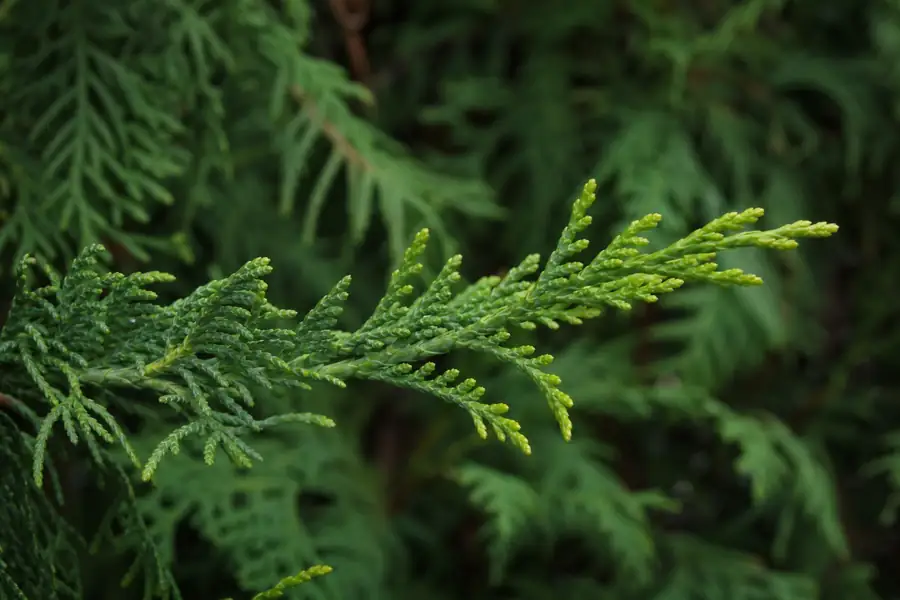
An Emerald Green arborvitae planted at 3-4 feet usually takes about 6 to 8 years to reach an 8-10 foot privacy screen. Emerald Green is a slower, narrower arborvitae that trades speed for a tidy, formal shape, growing only 6 to 9 inches a year even after it is well established.
That slower rate means the wait is real: a 4 foot tree adding 8 inches a year needs roughly six growing seasons just to clear 8 feet, and longer if a season runs dry or the tree spends its first year rebuilding roots instead of growing up. Emerald Green still makes a dense, clean screen, it just asks for patience that Green Giant does not.
Buy Bigger to Skip Years
Starting with a taller tree is the most reliable way to shortcut a privacy timeline, because you buy past the slow establishment years instead of waiting through them. A Green Giant planted at 7-8 feet instead of 5-6 feet can shave a full year or more off the wait for a 12-15 foot screen, since it starts closer to the target height and still grows at the same rate once rooted in.
The trade-off is cost: a larger, more established tree costs more upfront than a small one of the same species. For most homeowners who have already waited through one disappointing planting, paying more to skip years of looking at a half-grown fence line is worth it. If speed matters more than saving a little now, it makes sense to shop larger evergreens for faster privacy and start the clock closer to the finish line.
| Species | Starting height | Growth rate | Target screen height | Approx. years to privacy |
|---|---|---|---|---|
| Green Giant | 5-6 ft | Up to 3 ft/yr | 12-15 ft | 3-5 years |
| Green Giant | 3-4 ft | Up to 3 ft/yr | 12-15 ft | 5-7 years |
| Emerald Green | 5-6 ft | 6-9 in/yr | 8-10 ft | 4-6 years |
| Emerald Green | 3-4 ft | 6-9 in/yr | 8-10 ft | 6-8 years |
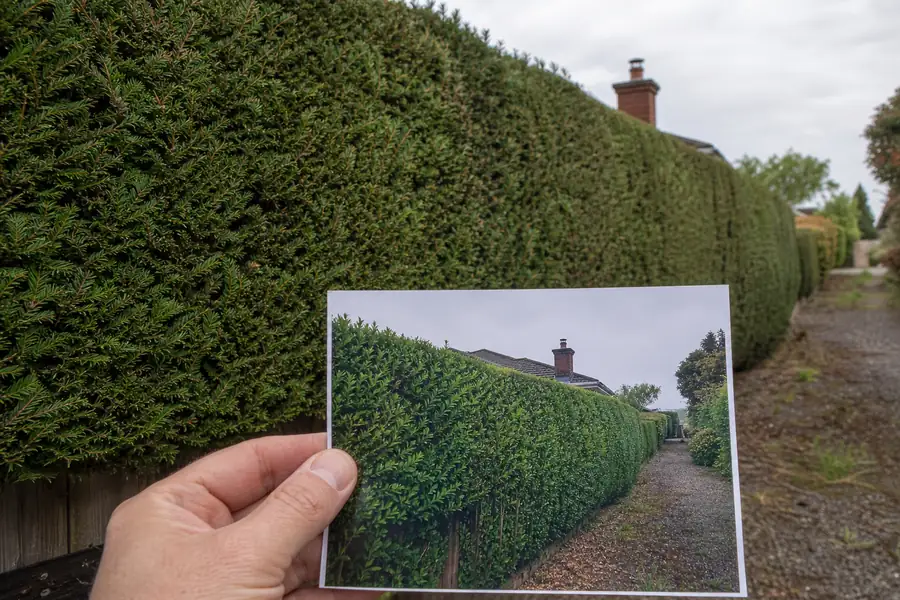
Fill-In Versus Height: Why Spacing Matters as Much as Growth
A privacy screen needs to close side to side, not just grow tall, and spacing decides how fast that happens. Two trees planted too far apart can both hit their target height on schedule and still leave a gap of visible yard between their canopies.
Tighter spacing fills that gap sooner because neighboring canopies meet each other with less total growth required from each tree. Our guide to Green Giant arborvitae spacing covers exact distances by mature width, but the general rule holds for any evergreen: plant closer for a faster solid wall, plant wider for a slower screen with individual tree shapes still visible for a few years.
Year One Is Slow: Why Establishment Comes Before Growth
Expect almost no visible height gain in the first year after planting, regardless of species. A newly planted tree spends that first season rebuilding the fine roots it lost during digging and shipping, a stage sometimes called transplant shock, and it will not put real energy into top growth until those roots catch up.
This is the point where a lot of homeowners think their tree is failing when it is actually right on schedule. Our guide on transplant shock explains what normal first-year behavior looks like versus a real problem. Every timeline in this article assumes that slow first year, then counts faster growth from year two onward. Water consistently through that first season and the growth curve picks up right on cue.
FAQs
How long for privacy trees to fill in?
Most privacy screens fill in side to side faster than they grow tall, usually within 2 to 4 years at proper spacing, while reaching full target height can take 3 to 8 years depending on species and starting size. Tighter spacing closes gaps sooner because neighboring canopies meet with less growth required from each tree.
How fast does Green Giant reach privacy height?
A Green Giant arborvitae planted at 5-6 feet typically reaches a 12-15 foot privacy screen in about 3 to 5 years, growing up to 3 feet a year once its roots are established. The first growing season is usually slower as the tree settles in before that faster growth kicks in.
Does a bigger tree get there faster?
Yes. A taller tree at planting starts closer to your target privacy height, so it reaches that height sooner even though it grows at the same yearly rate as a smaller tree of the same species. Buying a larger starting size is the most reliable way to shorten a privacy timeline.
Why is year one slow?
A newly planted tree spends its first growing season rebuilding the roots it lost during digging and shipping rather than growing taller. This establishment period is normal for every species and size, and visible height growth typically picks up starting in year two.
Can I speed it up?
Consistent watering through the first one to two years, proper mulching, and avoiding fertilizer overload during establishment all help a tree reach its natural growth rate sooner rather than stalling. Beyond that, the fastest honest shortcut is starting with a taller tree and a fast-growing species rather than expecting any tree to grow faster than its biology allows.