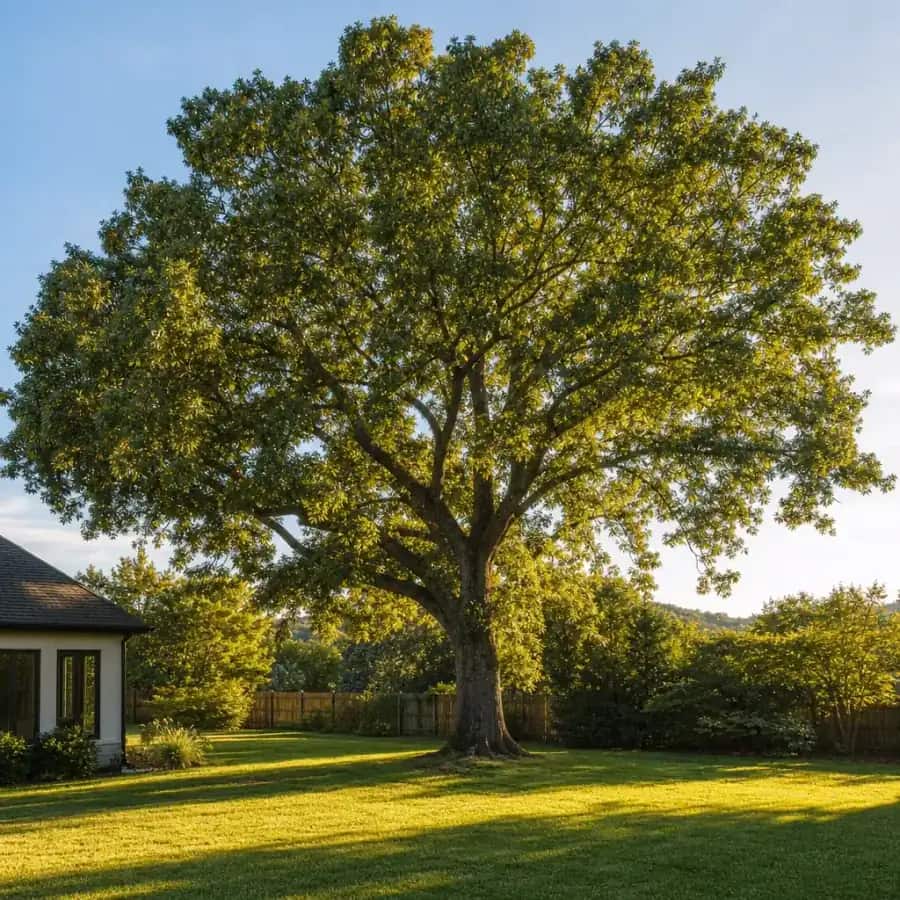
 Zones 4 to 8
Shade Trees
Chinkapin Oak
$579
Shop large, nursery-grown shade, privacy, flowering and fruit trees, delivered by freight in Washington. Every tree is matched to your hardiness zone and backed by our 1-Year Thrive Guarantee.
Enter your ZIP and we'll match trees to your exact growing zone.
Typical winter lows in Washington run about 5 to 10 F.
Matched to Washington's zone
Zones 4 to 8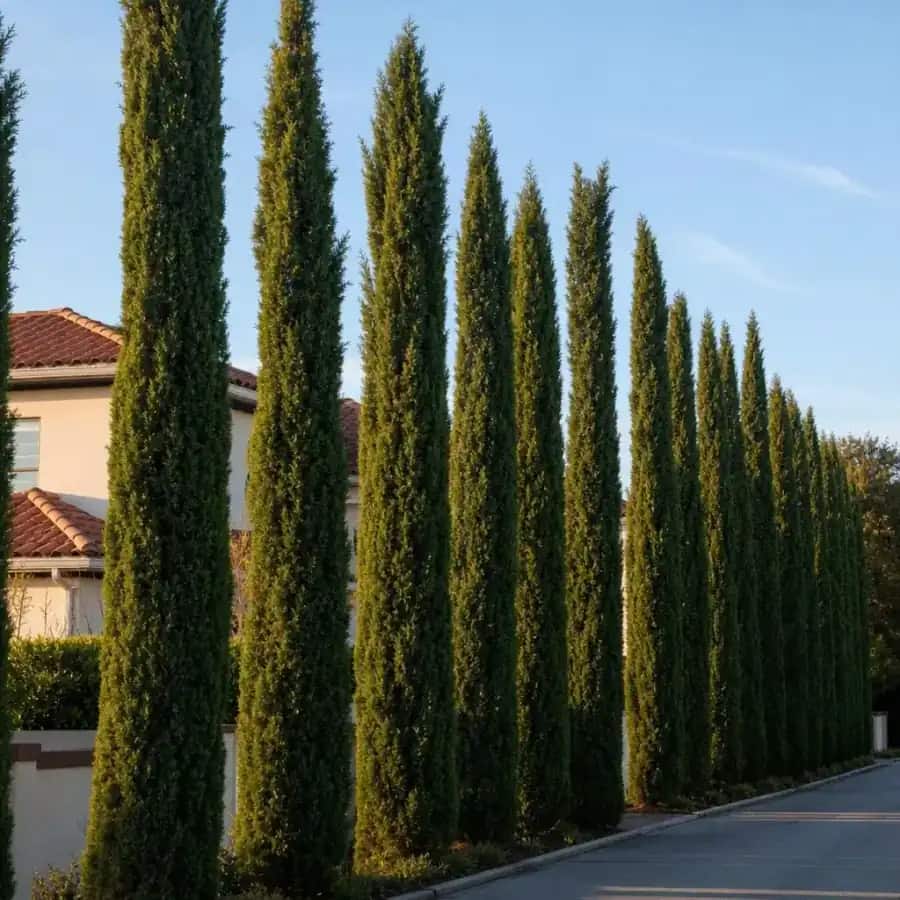 Zones 7 to 11
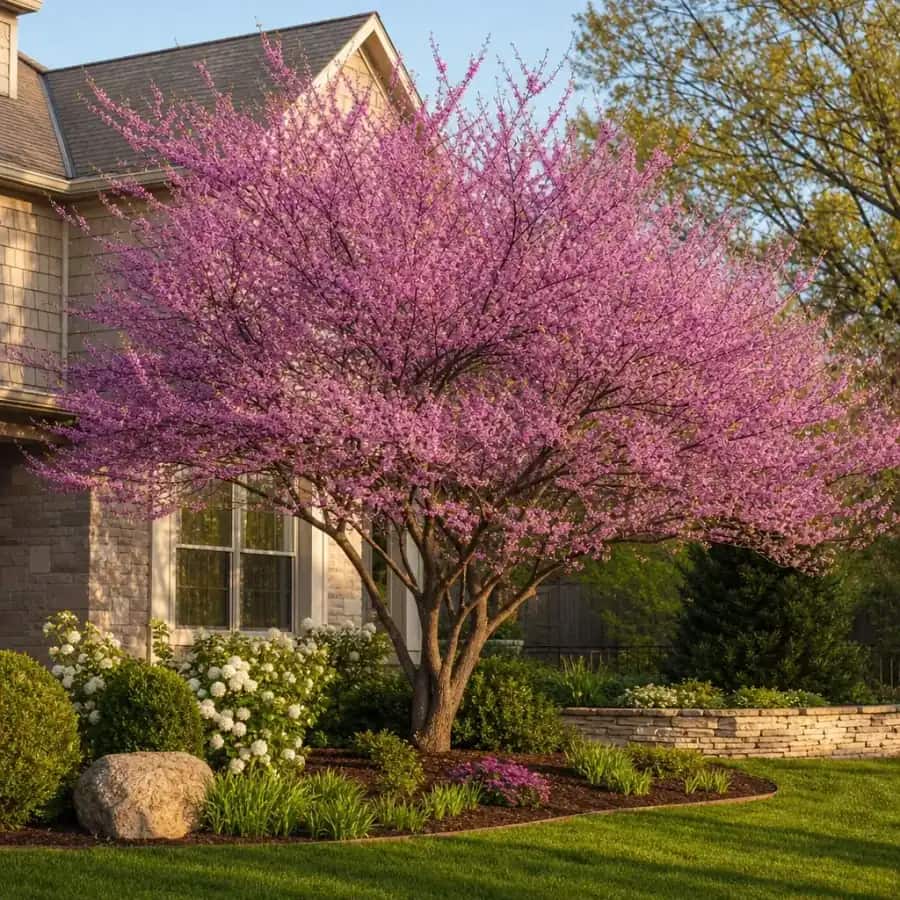 Zones 4 to 9
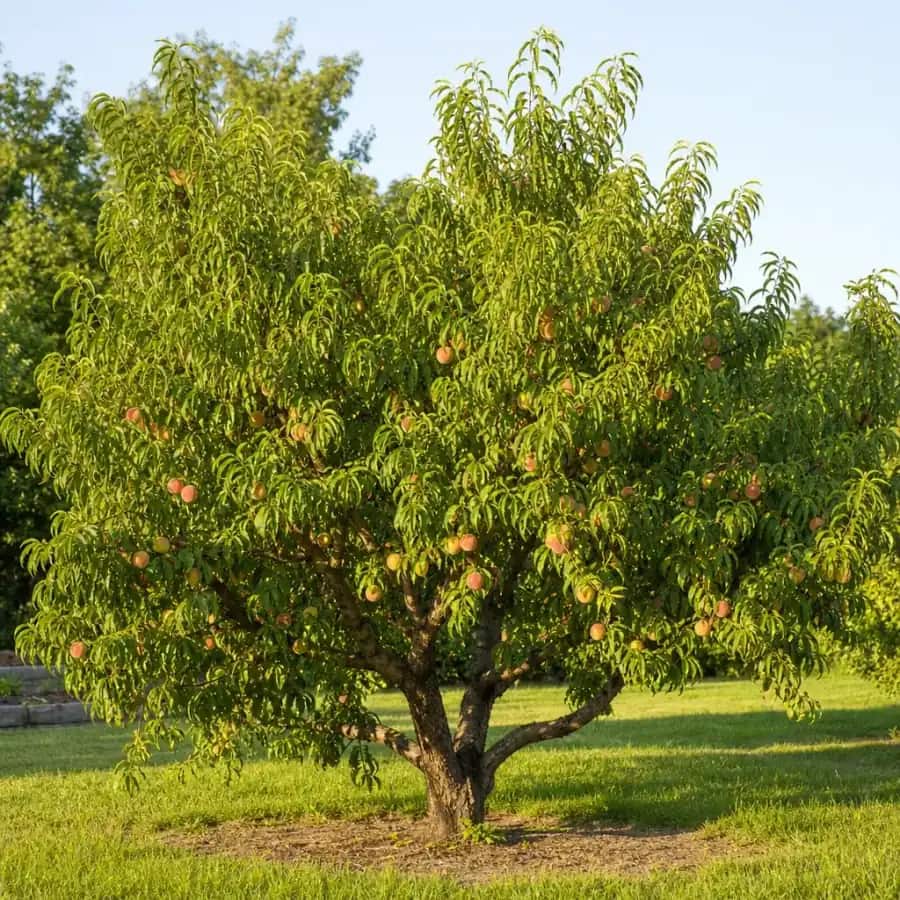 Zones 5 to 9
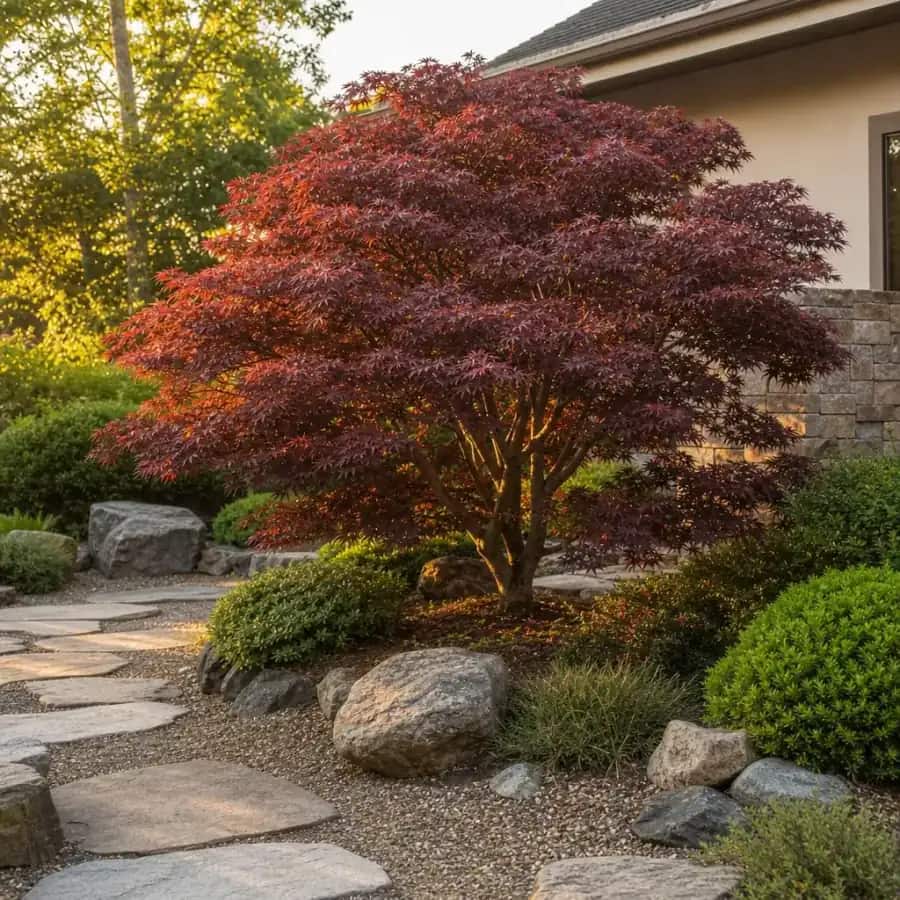 Zones 5 to 8
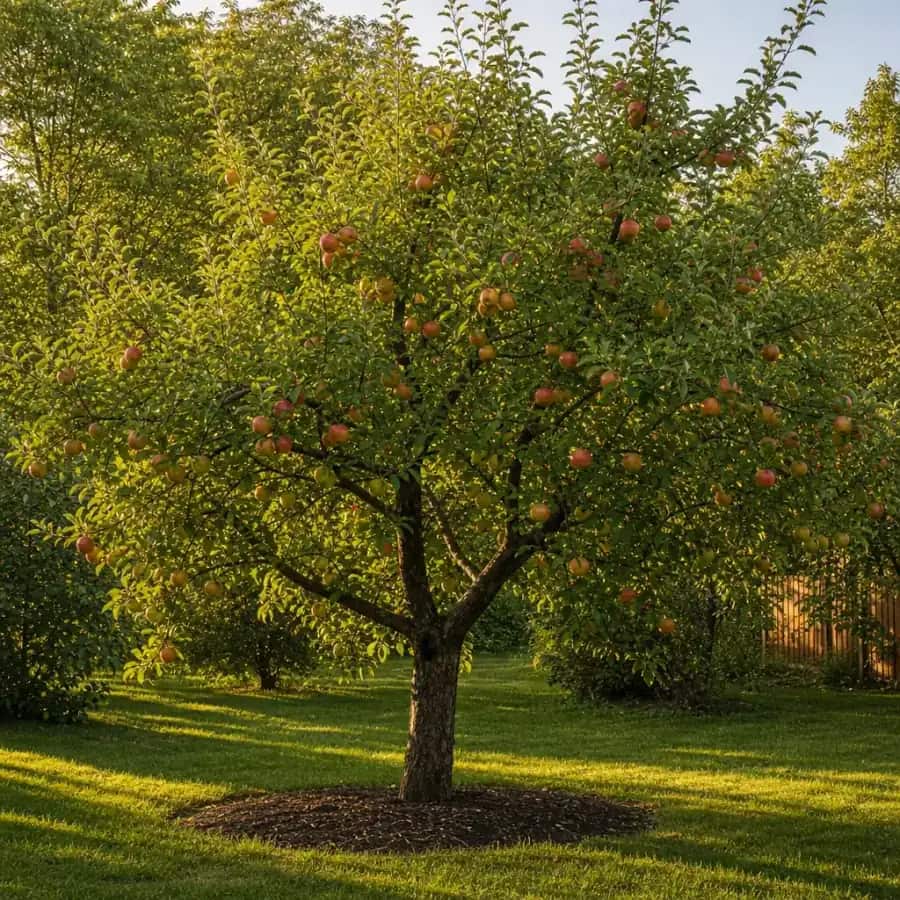 Zones 3 to 8
Shop by category
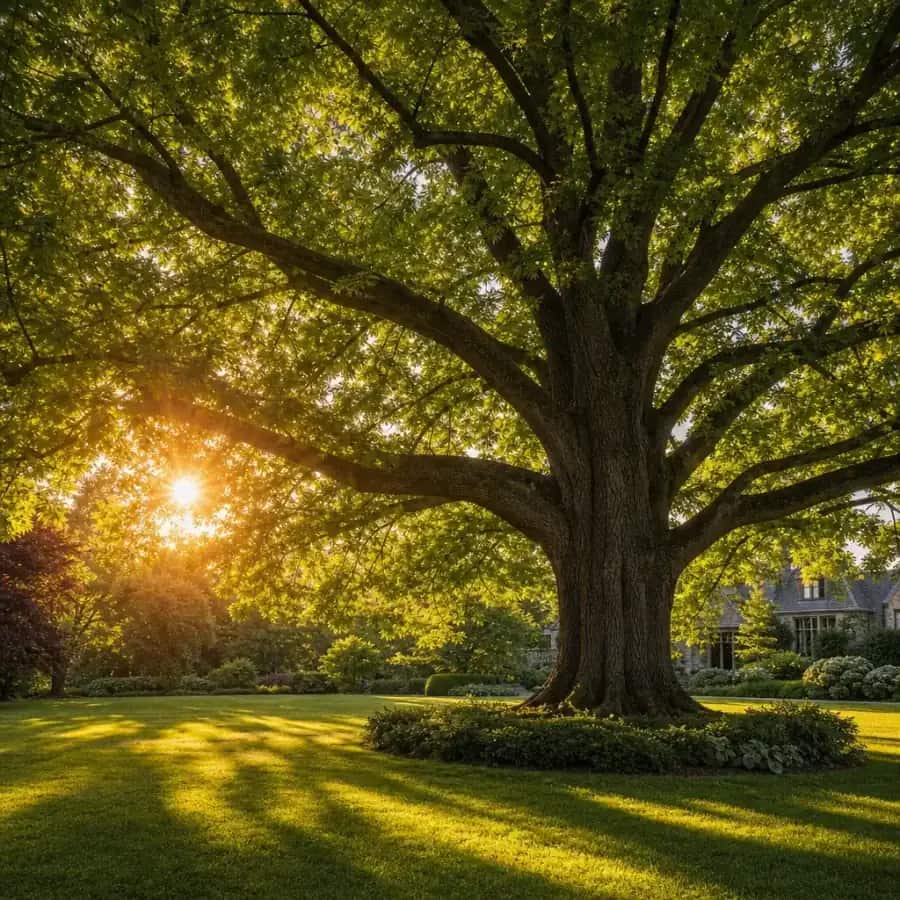 Shade TreesCool your yard fast in zone 7b summers with options like Dura Heat River Birch or Live Oak.View all Shade Trees →
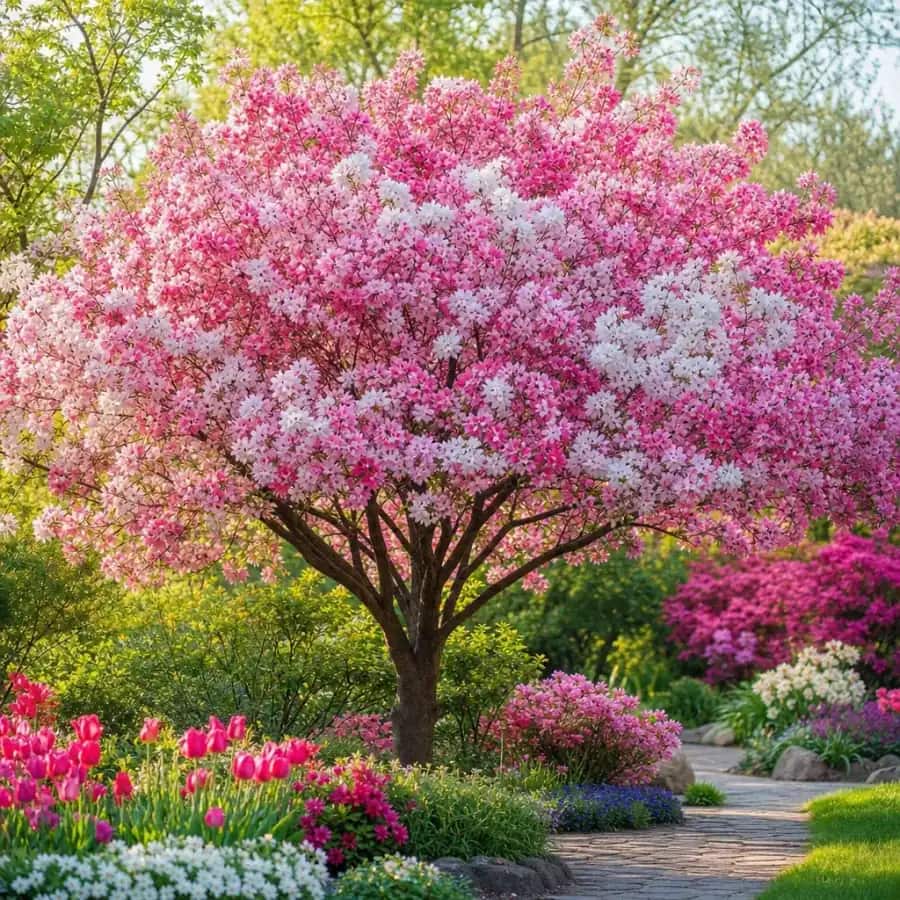 Flowering & OrnamentalAdd spring color that handles DC humidity, from Muskogee Crape Myrtle to Mexican Plum.View all Flowering & Ornamental →
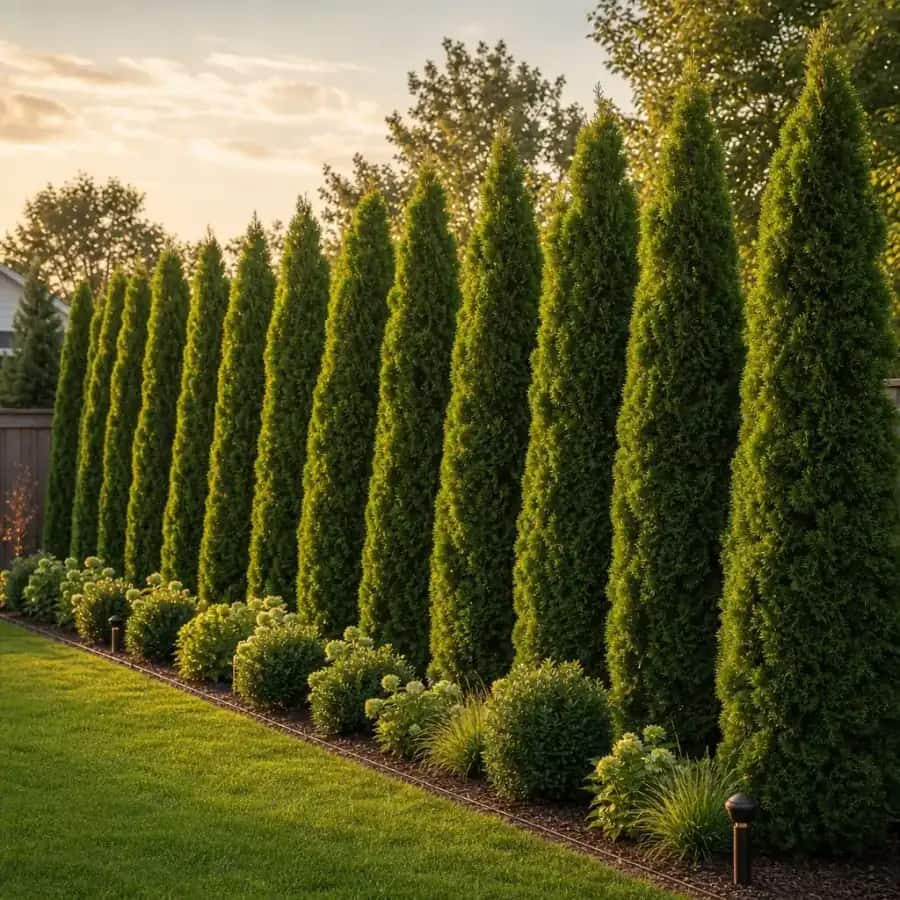 Evergreen & PrivacyBlock views year-round with Thuja Green Giant or Carolina Sapphire Arizona Cypress.View all Evergreen & Privacy →
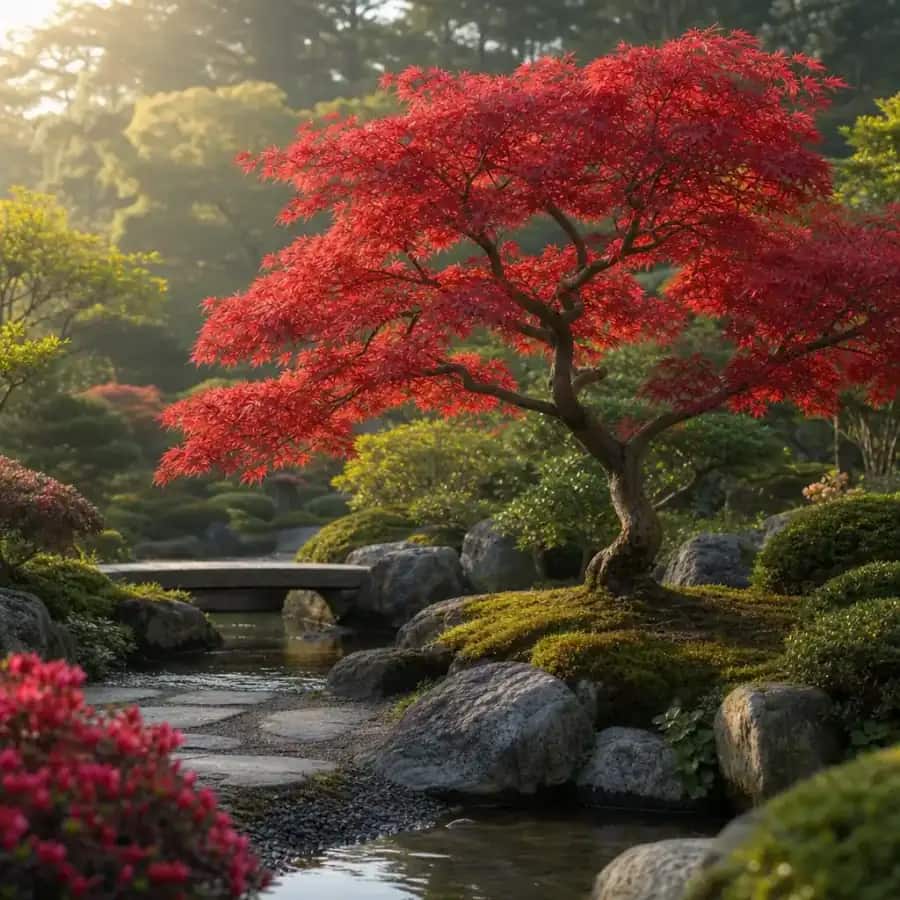 Japanese MaplesLaceleaf and upright varieties that color up in fall; choose Bloodgood for reliable hardiness in zone 7.
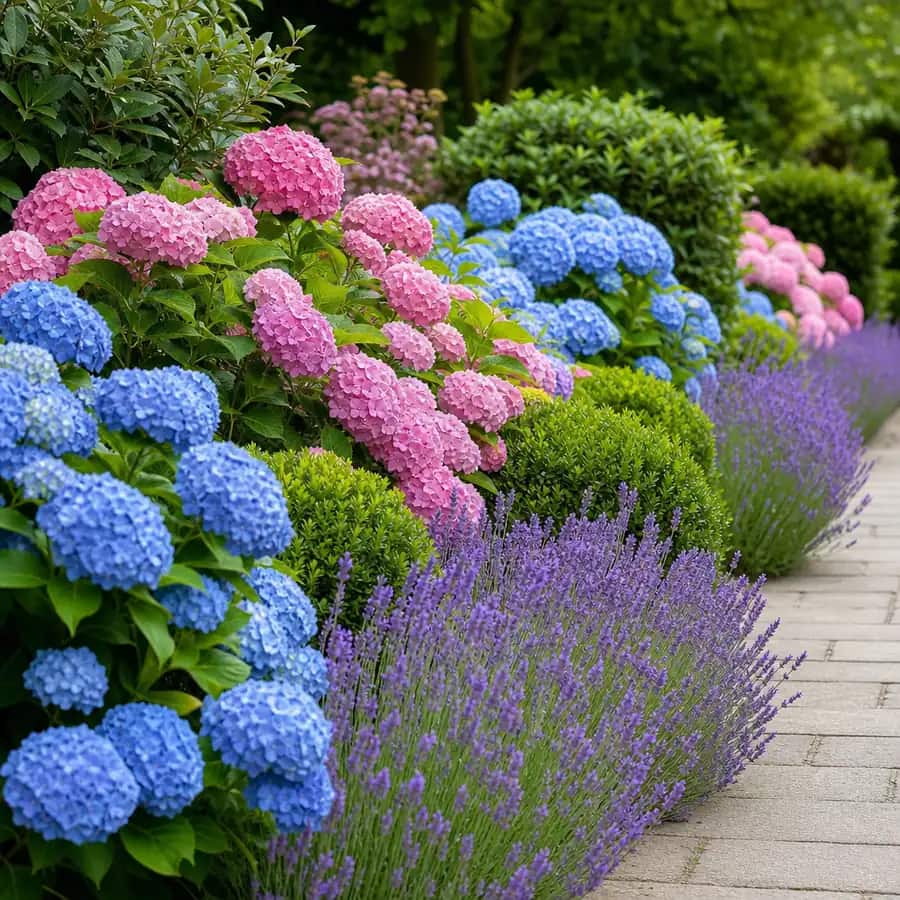 Shrubs & HedgesFill gaps with Tri-Color Dappled Willow or Nellie Stevens Holly for quick screening.View all Shrubs & Hedges →
Local fit, from data
7b
about 5 to 10 F
District of Columbia
District of Columbia
Trees delivered to Washington, DC 20007 help you handle shade, privacy, and color. Arbor Buddy ships large, nursery-grown trees by freight straight to your yard. Homeowners choose from shade, flowering, evergreen, fruit, and Japanese maple varieties, each matched to zone 7b.
Zone 7b stretches your options: winters low enough for apples and maples, summers warm enough for figs and crape myrtles. In this ZIP, typical winter lows run about 5 to 10 degrees F, which means many species from zones 6 through 8 perform reliably. The biggest climate challenge here is the humidity and occasional summer heat spikes.
Shade trees handle those summers well. Slender Silhouette Sweetgum drops leaves in fall and lets winter sun through. Evergreens like Teddy Bear Southern Magnolia hold their leaves but need good drainage in the clay soil common in older parts of Washington. Flowering trees like Forest Pansy Eastern Redbud bloom before the heat sets in, so their flowers last longer.
Japanese maples thrive here if you place them in part shade. The Seiryu Laceleaf Maple works on the north or east side of a house where it gets morning sun and afternoon protection. Fruit trees need a variety with enough chill hours (zone 7b gives about 800 to 1000 hours), so Chicago Hardy Fig is a safe bet.
Typical winter lows in Washington, DC 20007 range from about 5 to 10 degrees F. That places the area in USDA hardiness zone 7b. Most trees rated for zones 5 through 8 handle these temperatures without damage.
Fast-growing options for zone 7b include shade trees like silver maple and tulip poplar, but Arbor Buddy focuses on species with good structure and longevity. Slender Silhouette Sweetgum grows 2 to 3 feet per year in good soil and fits narrow spaces. Thuja Green Giant arborvitae adds 3 to 4 feet annually for quick privacy screens.
Trees are nursery-grown and shipped at a usable landscape size, typically 5 to 7 feet tall for most species. One person can handle the pot or burlap ball, but a hand truck makes moving easier. The size lets you plant immediately after delivery.
Yes, but not citrus. The winter lows in zone 7b kill most citrus varieties. Hardy fruit trees like Chicago Hardy Fig, apple, and peach do well. The Chicago Hardy Fig is the most reliable option because it sets sweet fruit even after the top freezes back.
Every tree from Arbor Buddy ships zone-matched to Washington, DC 20007 and carries a 1-Year Thrive Guarantee. If your tree does not survive the first year, we replace it free. Browse the trees above or shop by category to find the right fit for your yard.
Order online and have a large, nursery-grown tree delivered to your driveway this season.
Here is how tree choices in Washington, DC 20007 differ from three other U.S. regions.
ZIP 93251 in Mc Kittrick, California (CA) sits in zone 9b with winter lows of 25 to 30 F. That warmer envelope allows palms and tropicals like queen palms or citrus that would freeze in Washington. In practice, buyers here lean toward cold-hardy evergreens and maples instead of tropicals. The practical takeaway: your zone 7b frosts rule out the most tender species, but you get a wider range of Japanese maples and flowering trees than a zone 9 garden can support.
ZIP 34996 in Stuart, Florida (FL) is zone 10b with lows of 35 to 40 F. Fruit and citrus viability is high there: mangoes, avocados, and key limes thrive. For your cart, that means you cannot grow those warm-climate fruits in Washington, but you can grow figs and apples that need chill hours. The winter cold here is an asset for fruit production, not a limitation.
ZIP 85257 in Scottsdale, Arizona (AZ) is also zone 9b with lows of 25 to 30 F. Flowering color is a bigger challenge there because of intense heat and low humidity. That gap changes the local shortlist to include crape myrtles and desert-adapted plants. In Washington, humidity helps flowering trees like eastern redbud and magnolia bloom reliably, and your summer rainfall reduces irrigation needs. The contrasts show that your Washington zone 7b gives you a balanced mix of deciduous shade, flowering trees, and Japanese maples that are less common in hotter or colder regions.
Arbor Buddy ships large nursery-grown trees by freight to ZIP 20007 and to the rest of Washington (ZIPs 20004, 20005, 20006, 20008, 20009, 20010). A freight truck delivers to your curb or driveway. You need to be home to receive the tree and inspect it on arrival. Trees headed to zone 7 arrive in spring or fall, matched to mild planting weather. Every tree comes with a 1-Year Thrive Guarantee: if it does not survive its first year, we replace it free of charge.
Before delivery day, check:
Enter your ZIP, shop only what thrives in your zone.
Freight delivery to your address: $149 flat per order, shown at checkout.
Plant it, watch it thrive, covered for one year.
Good to know · Growing guide
Coverage runs a full year from delivery. If something goes wrong, contact the team and they arrange the replacement. No store-credit games, no fine-print maze.