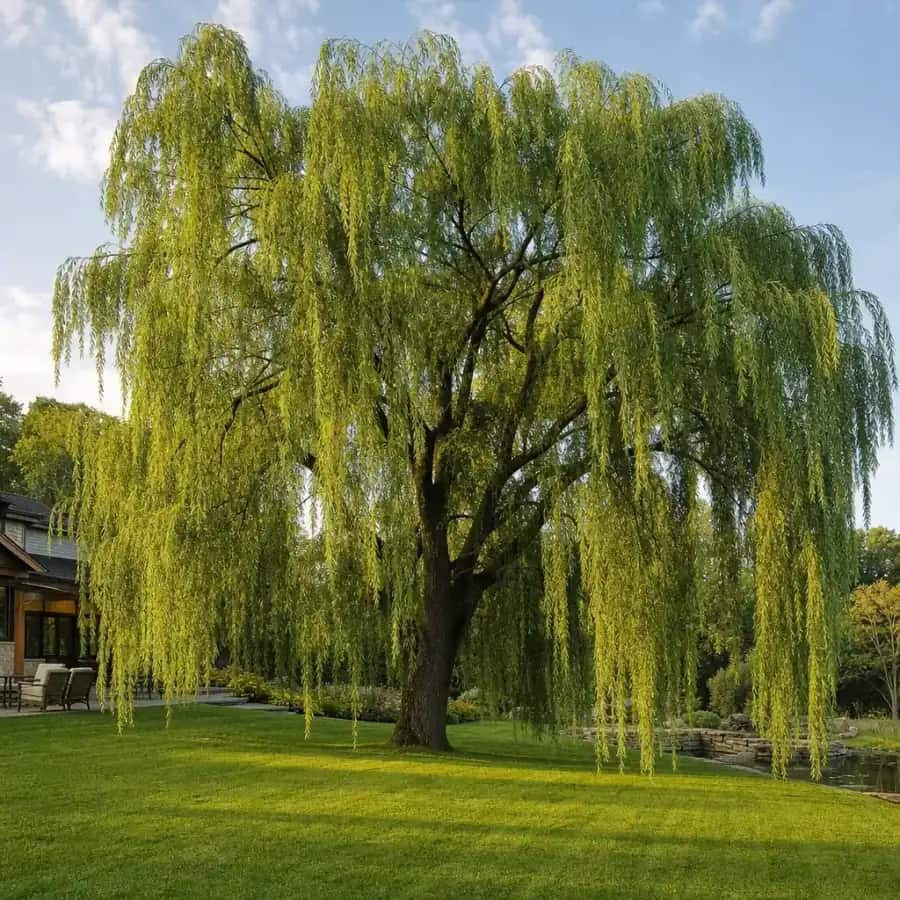
 Zones 4 to 9
Shade Trees
Weeping Willow
$40
Shop large, nursery-grown shade, privacy, flowering and fruit trees, delivered by freight in Washington. Every tree is matched to your hardiness zone and backed by our 1-Year Thrive Guarantee.
Enter your ZIP and we'll match trees to your exact growing zone.
Typical winter lows in Washington run about 10 to 15 F.
Matched to Washington's zone
Zones 4 to 9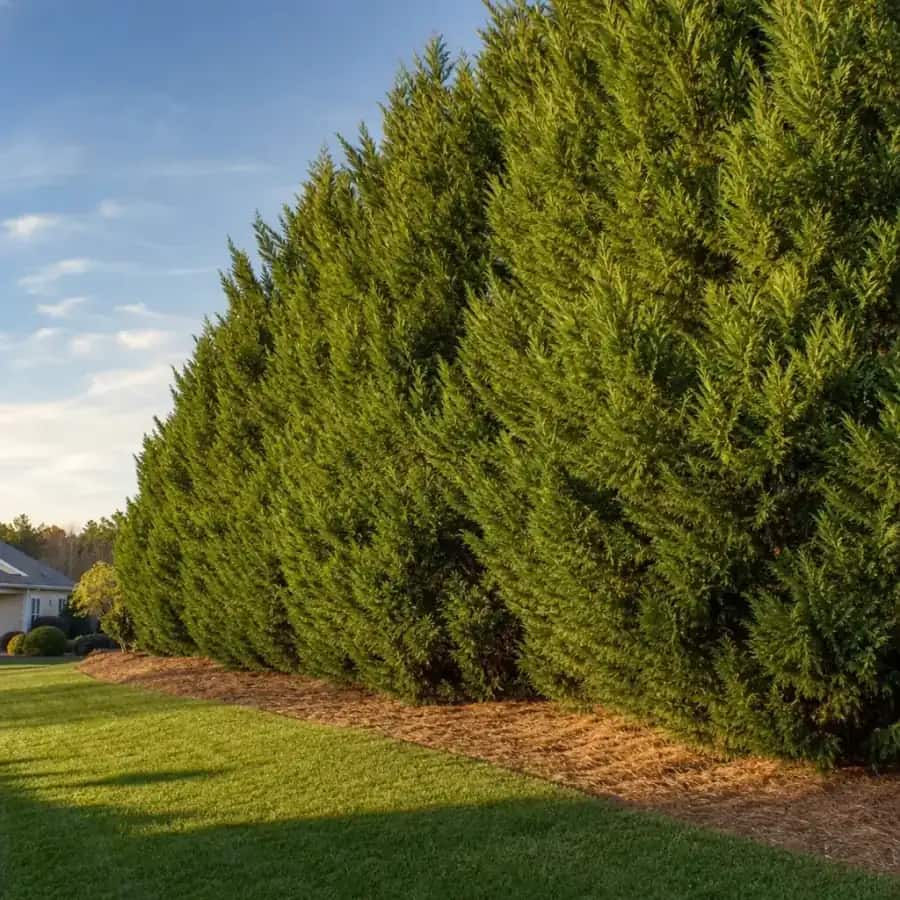 Zones 6 to 10
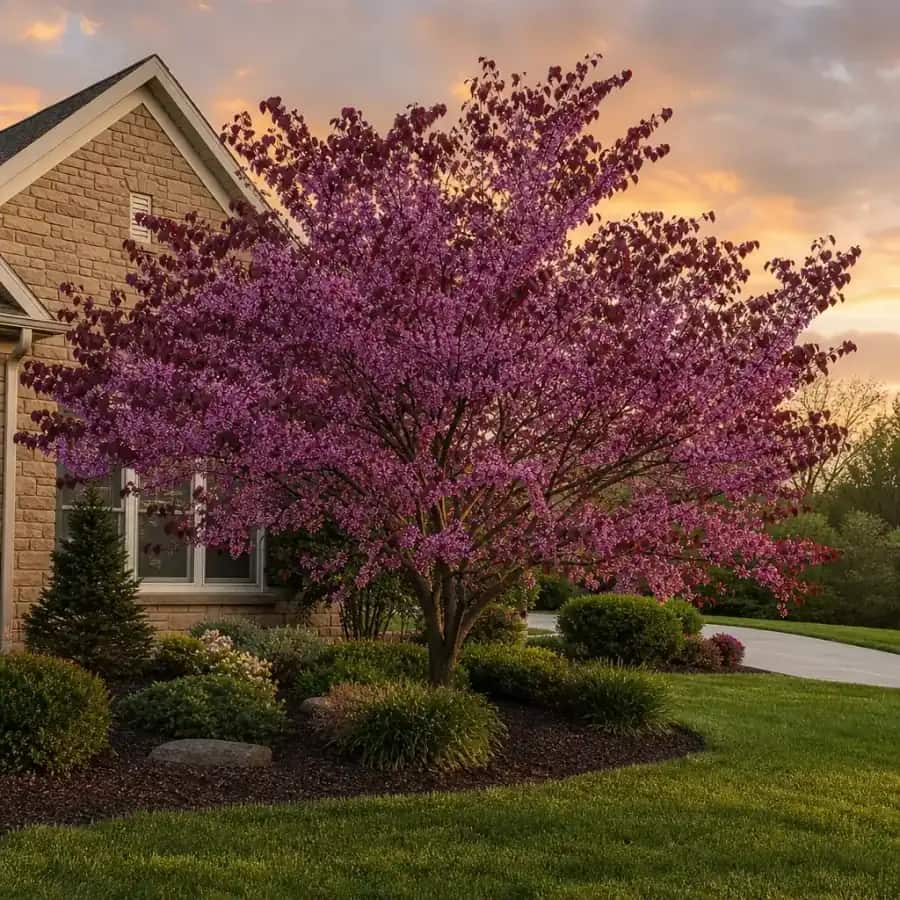 Zones 4 to 9
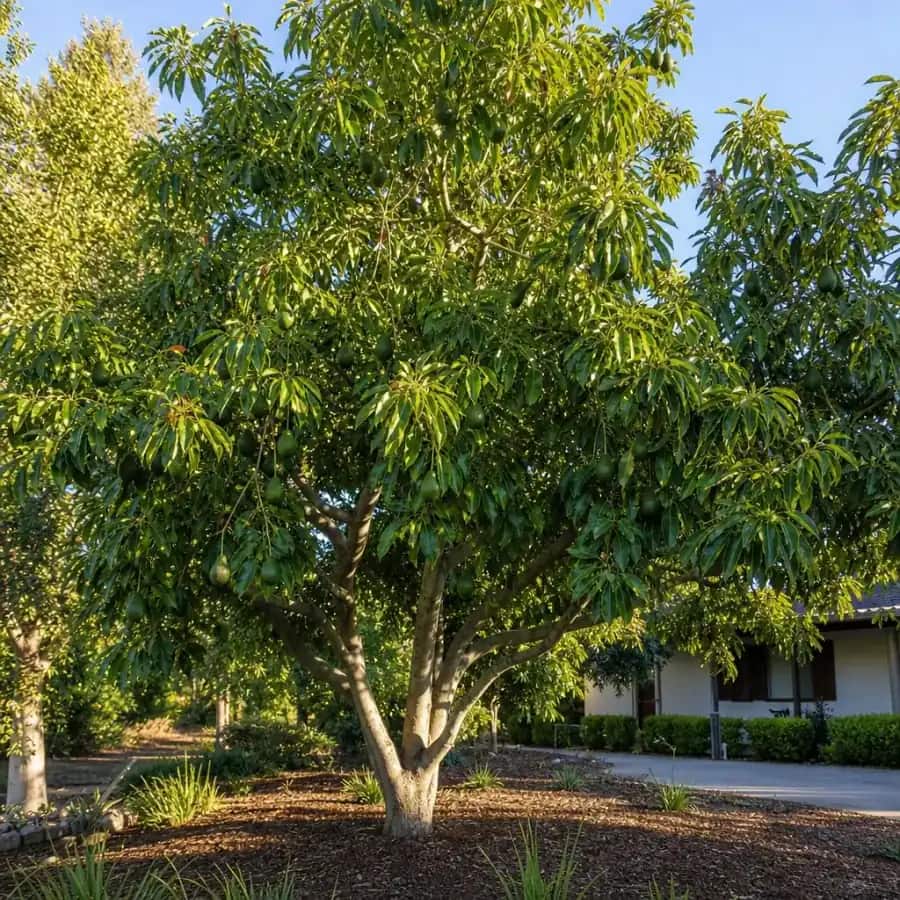 Zones 8 to 11
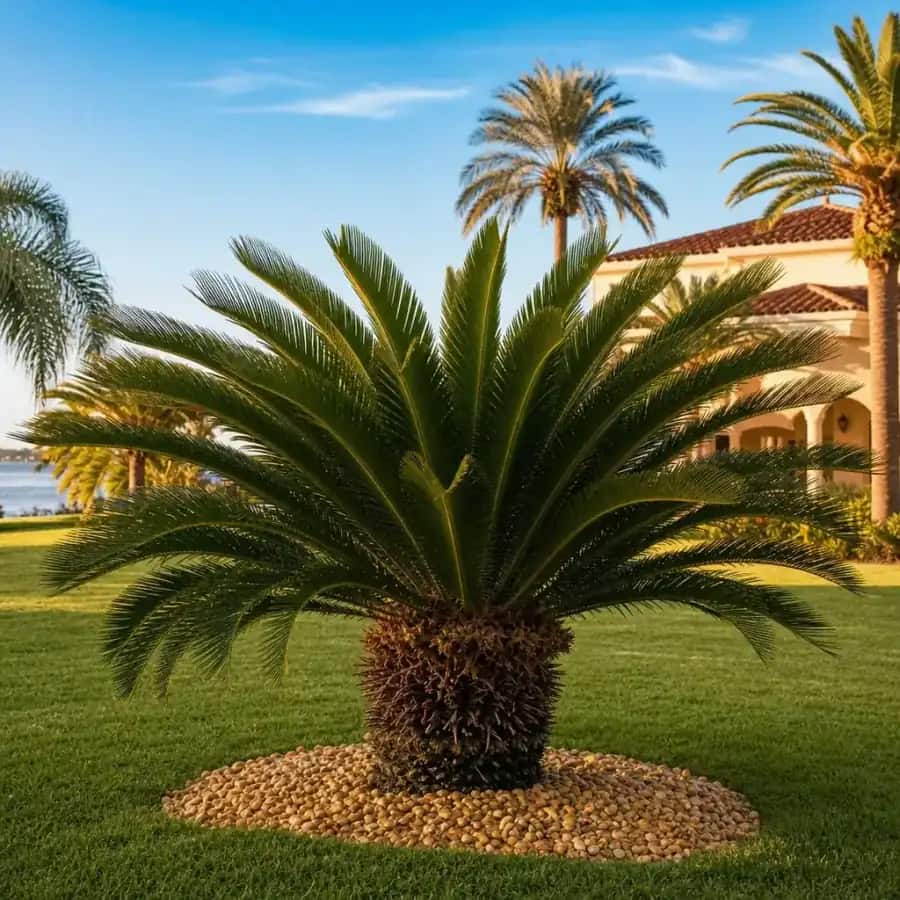 Zones 8 to 11
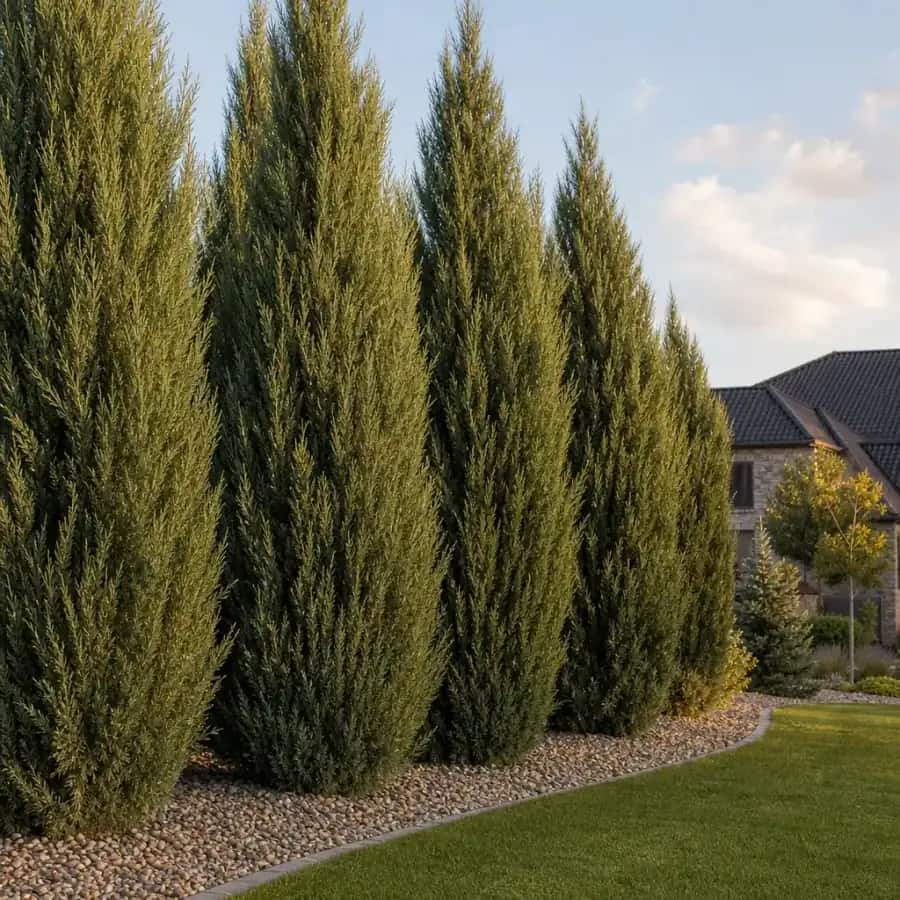 Zones 4 to 9
Shop by category
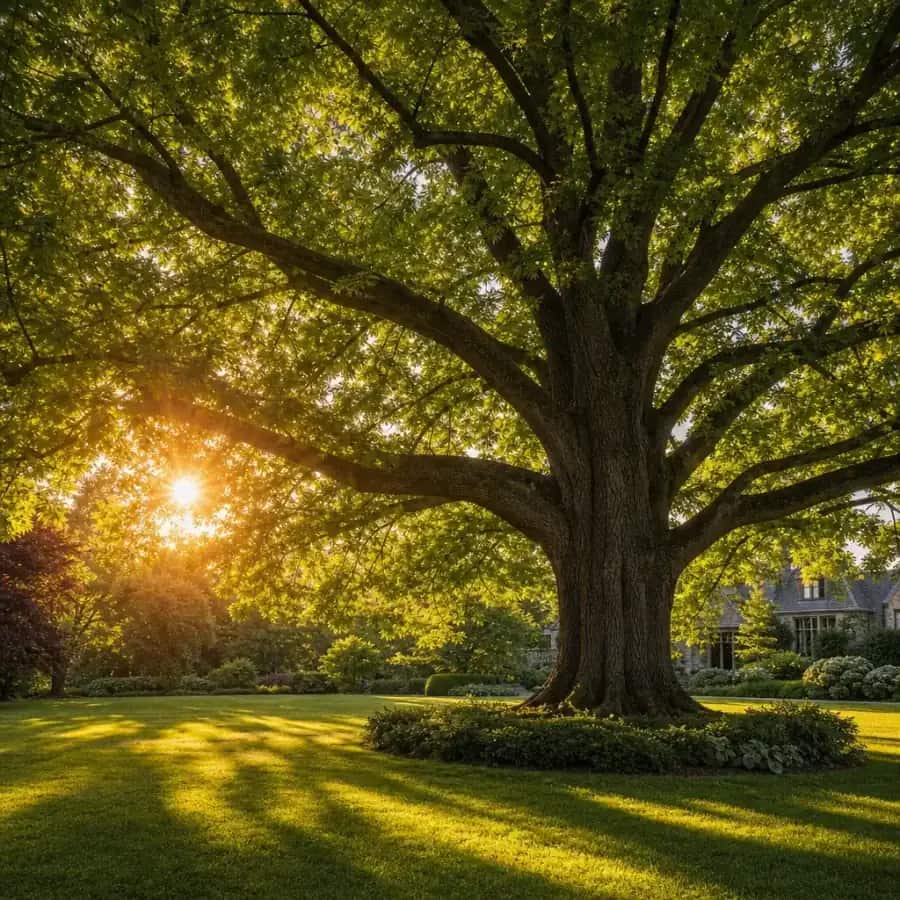 Shade TreesBroad canopies that reduce cooling costs in Washington's humid summers.View all Shade Trees →
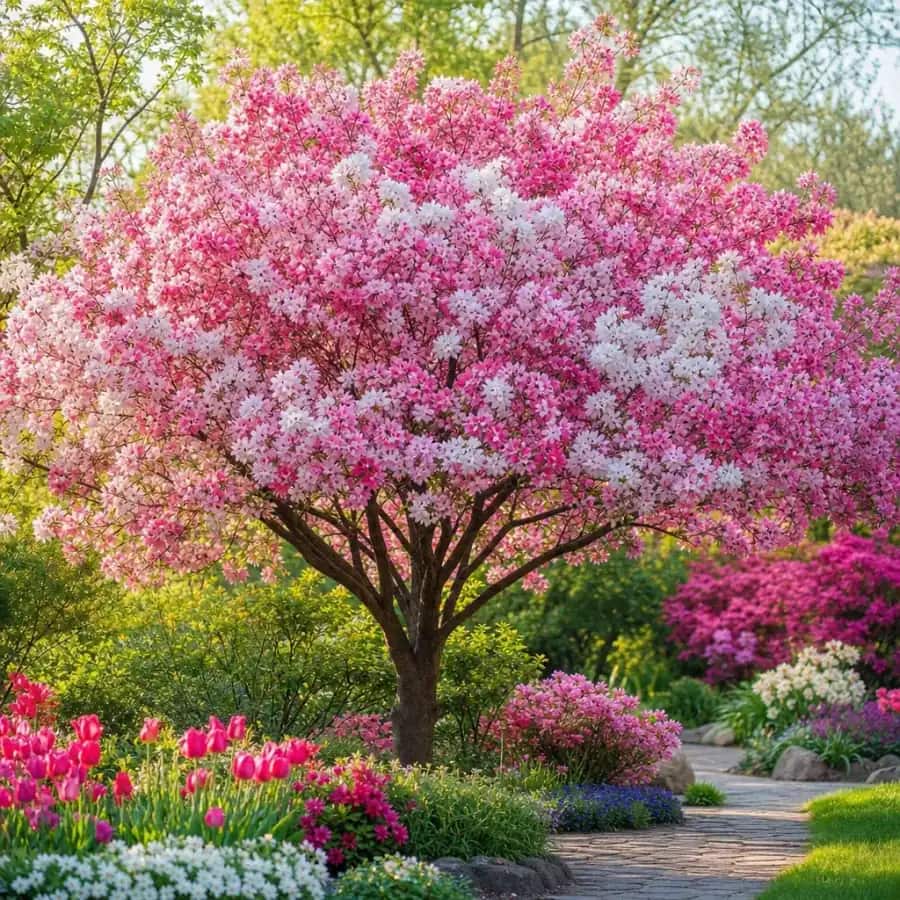 Flowering & OrnamentalBlooms that handle the zone 8 heat without skipping a season.View all Flowering & Ornamental →
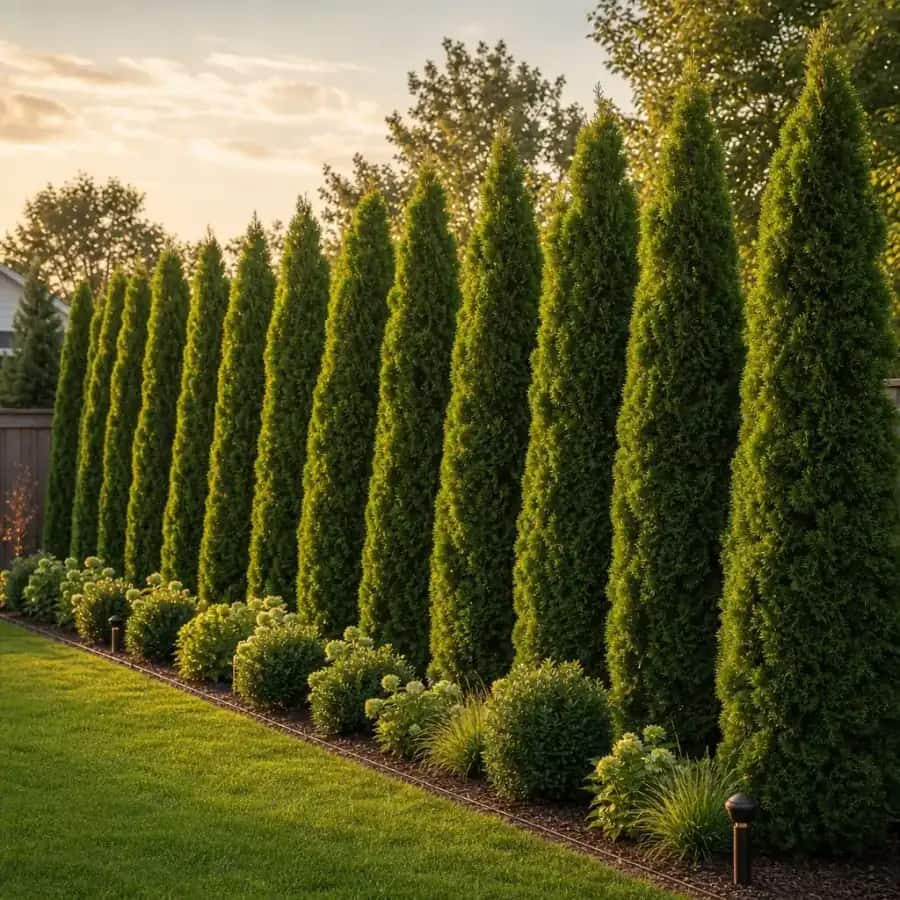 Evergreen & PrivacyYear-round screens that stand up to winter lows near 10 to 15 degrees.View all Evergreen & Privacy →
 Japanese MaplesDelicate foliage that benefits from afternoon shade in this climate.
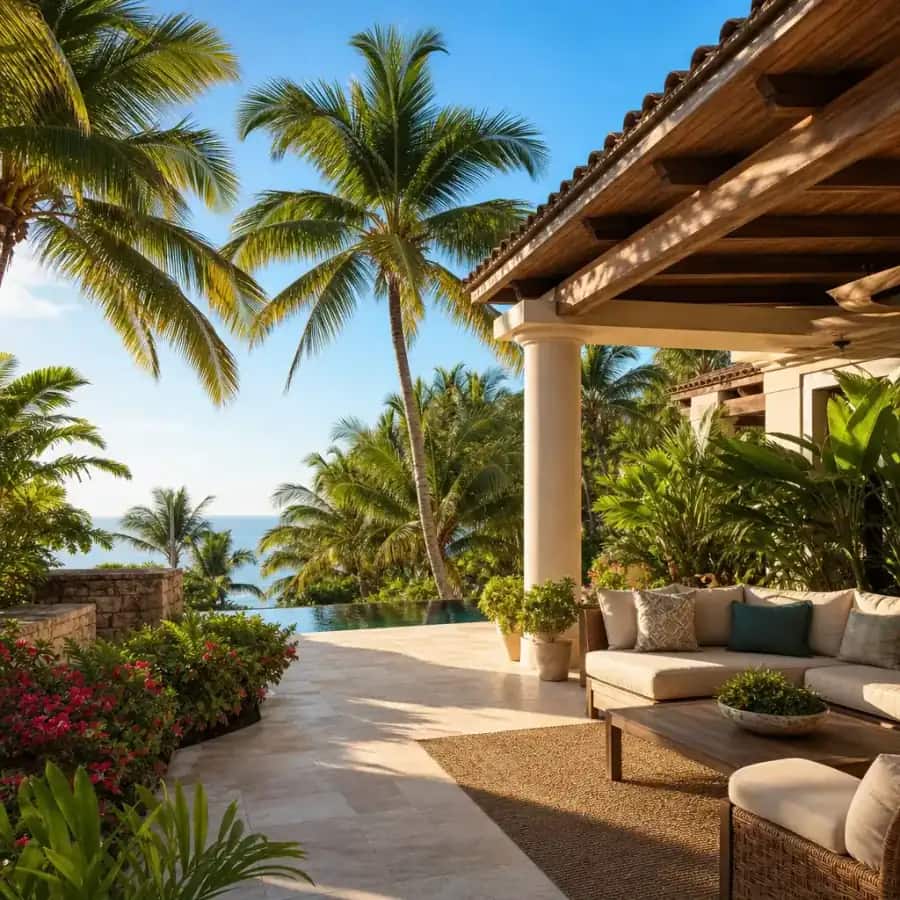 Palms & TropicalsCold-hardy choices like Dwarf Palmetto that survive typical DC winters.View all Palms & Tropicals →
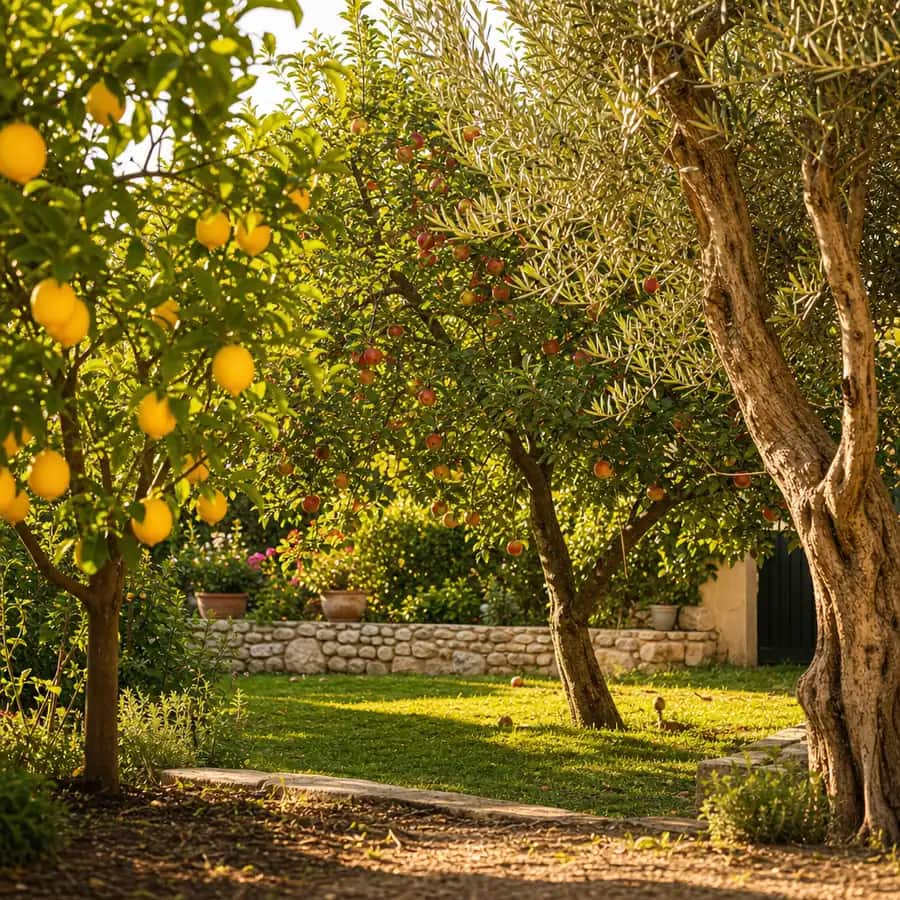 Fruit TreesOptions that need manageable chill hours for zone 8, with pollinator attention.View all Fruit Trees →
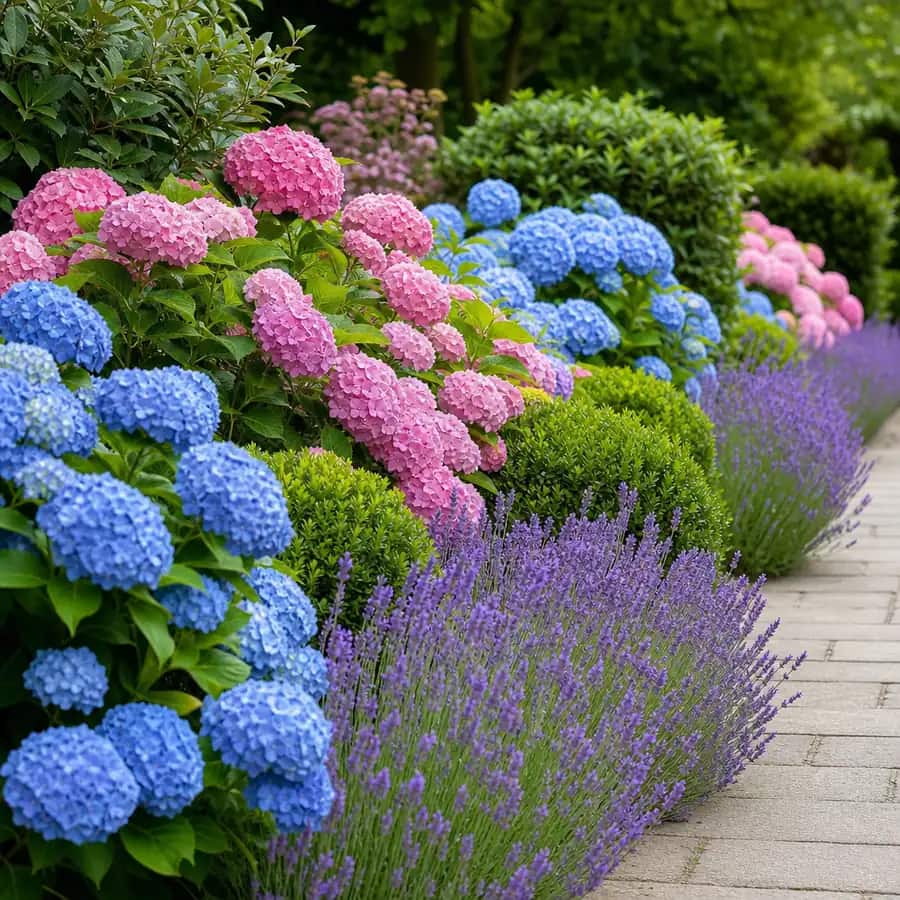 Shrubs & HedgesLower maintenance plants that fill gaps and create structure.View all Shrubs & Hedges →
Local fit, from data
8a
about 10 to 15 F
District of Columbia
District of Columbia
Fall through early spring is the right time to have trees delivered to Washington, DC 20002, and Arbor Buddy ships large nursery-grown trees by freight directly to your home. Homeowners and contractors can choose from shade, flowering, evergreen, fruit, and palm varieties, all matched to your local hardiness zone of 8a.
Every tree is backed by a 1-Year Thrive Guarantee, so you can order with confidence.
Many trees that struggle in colder zones do fine here, but some classic northern species may fail in Washington's heat and humidity. In this ZIP, typical winter lows run about 10 to 15 degrees F, so you can grow borderline-hardy plants like crape myrtles and certain palms that would not make it further north.
Zone 8 also means you can try early-blooming fruit trees, but watch for late frosts that can damage blossoms. Shade trees that need consistent moisture, like river birch, work well if you can water during dry spells. The key is picking trees that appreciate the long growing season and do not demand extreme cold dormancy. Trees for zone 8 in Washington tend to come from categories like flowering ornamentals, evergreens, and heat-tolerant shade species.
Zone 8a trees that handle humidity and occasional winter lows down to 10 to 15 degrees F do best. Featured examples include Dura Heat River Birch for shade, Eastern Redcedar for privacy, and Colorama Scarlet Crape Myrtle for flowering color. Avoid species that need prolonged cold dormancy or struggle with wet conditions.
Yes, Arbor Buddy ships large nursery-grown trees by freight to ZIP 20002 and also to Washington's other ZIPs: 20001, 20003, 20004, 20005, 20006, 20007. Your order is zone-matched to 8a and backed by a 1-Year Thrive Guarantee. Delivery happens during the fall-to-early-spring shipping window for your zone.
Eastern Redcedar is an excellent choice: it is an extremely tough native evergreen that stays green all winter. For a different look, consider Pond Cypress, but note it drops its needles in winter, so it does not provide year-round cover. A mix of evergreens and deciduous trees can create effective screening.
You can grow fruit trees that match the chill hours of zone 8, such as Bing Cherry, but remember that it is self-sterile and needs a pollinator. Citrus like Meyer Lemon is not frost-hardy below about 20 F, so it would need protection or indoor wintering. Stick with fruits that tolerate occasional freezes.
Arbor Buddy makes it easy to get large trees delivered to ZIP 20002. Browse the zone-matched selection, pick your trees, and order online. The 1-Year Thrive Guarantee backs every purchase.
ZIP 94102 in San Francisco, California (CA) lies in zone 10b with winter lows of 35 to 40 F. San Francisco rarely sees frost, so tropicals and citrus thrive there year-round. Here, the zone usually pushes the choice toward cold-hardy palms and winter-dormant trees that tolerate occasional freezes. The practical difference for you is that many trees sold for zone 10b would not survive Washington's winter lows of 10 to 15 degrees.
ZIP 80934 in Colorado Springs, Colorado (CO) is in zone 6a with typical winter lows of -10 to -5 F. Colorado Springs has much colder winters and dry air, so heat and humidity tolerance is not a factor there. The practical difference is that Washington's humidity demands trees that resist fungal issues and root rot, while Colorado's soil and air are dry. Locally, that points buyers toward species like Dura Heat River Birch that can handle moist conditions, instead of the pines and junipers favored in the Rockies.
ZIP 06383 in Versailles, Connecticut (CT) sits in zone 6b with winter lows of -5 to 0 F. Connecticut's shorter growing season limits options for late-blooming and long-season trees. Here, the zone usually pushes the choice toward fast-growing, cold-hardy trees that finish their growth before fall. Locally, that points buyers toward trees that make the most of the long, warm summers, like crape myrtles and certain fruit trees that need more heat. The bottom line: Washington's mild winters and humid summers create a distinct tree palette that differs from all three comparison areas.
Arbor Buddy ships large nursery-grown trees by freight to ZIP 20002 and also to Washington's other ZIPs: 20001, 20003, 20004, 20005, 20006, 20007. Each tree is zone-matched to 8a before it leaves our nursery. The 1-Year Thrive Guarantee means if a tree does not survive its first year, we replace it free. Because your zone 8 orders travel in the fall-to-early-spring stretch, you get the tree when it is dormant and ready to root in.
Before delivery day, check:
Enter your ZIP, shop only what thrives in your zone.
Freight delivery to your address: $149 flat per order, shown at checkout.
Plant it, watch it thrive, covered for one year.
Good to know · Growing guide
Coverage runs a full year from delivery. If something goes wrong, contact the team and they arrange the replacement. No store-credit games, no fine-print maze.