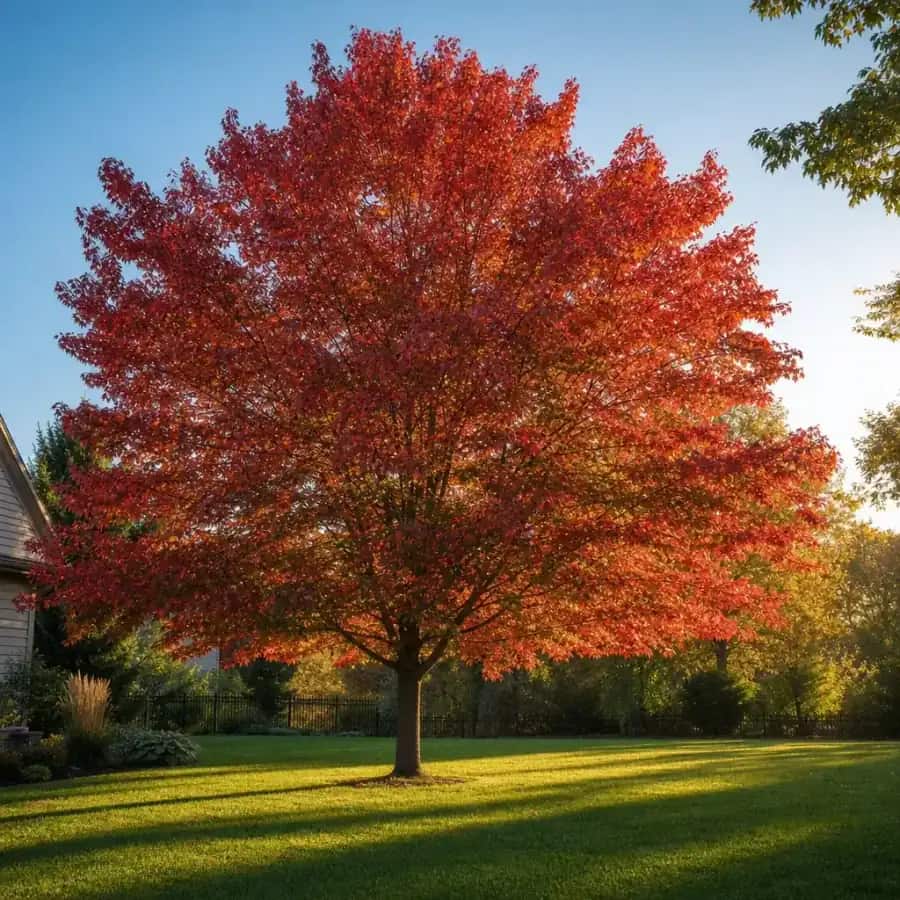
 Zones 3 to 8
Shade Trees
Autumn Blaze Red Maple
$60
Shop large, nursery-grown shade, privacy, flowering and fruit trees, delivered by freight in Washington. Every tree is matched to your hardiness zone and backed by our 1-Year Thrive Guarantee.
Enter your ZIP and we'll match trees to your exact growing zone.
Typical winter lows in Washington run about 10 to 15 F.
Matched to Washington's zone
Zones 3 to 8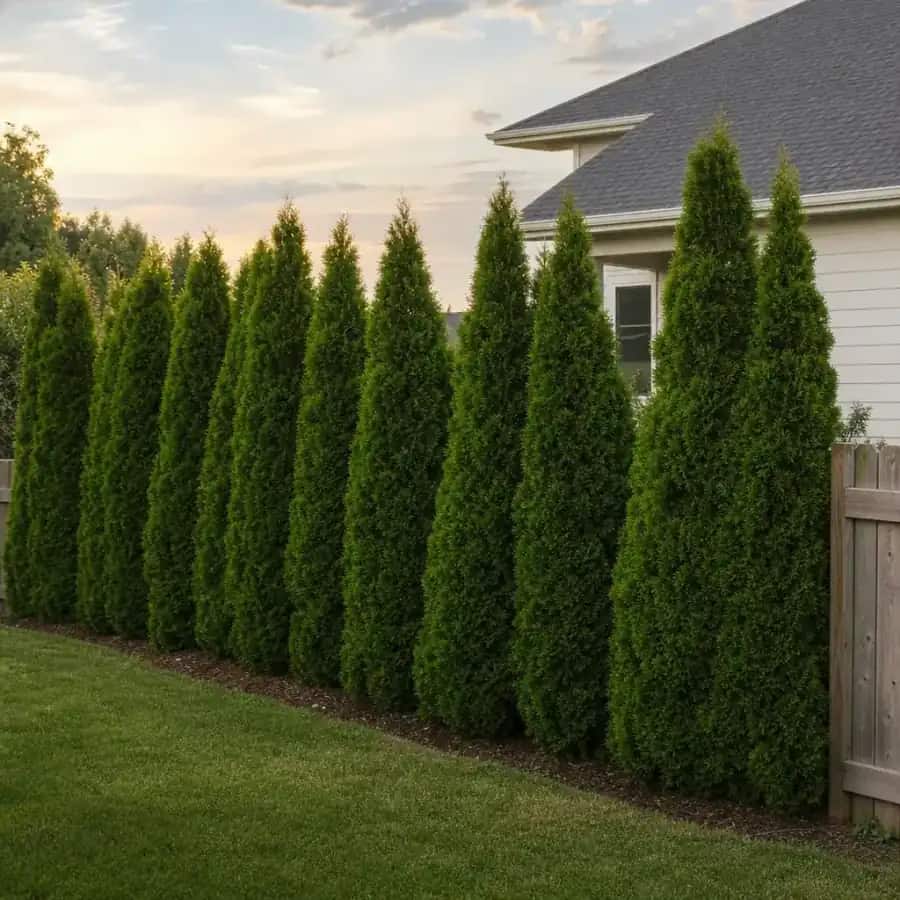 Zones 3 to 8
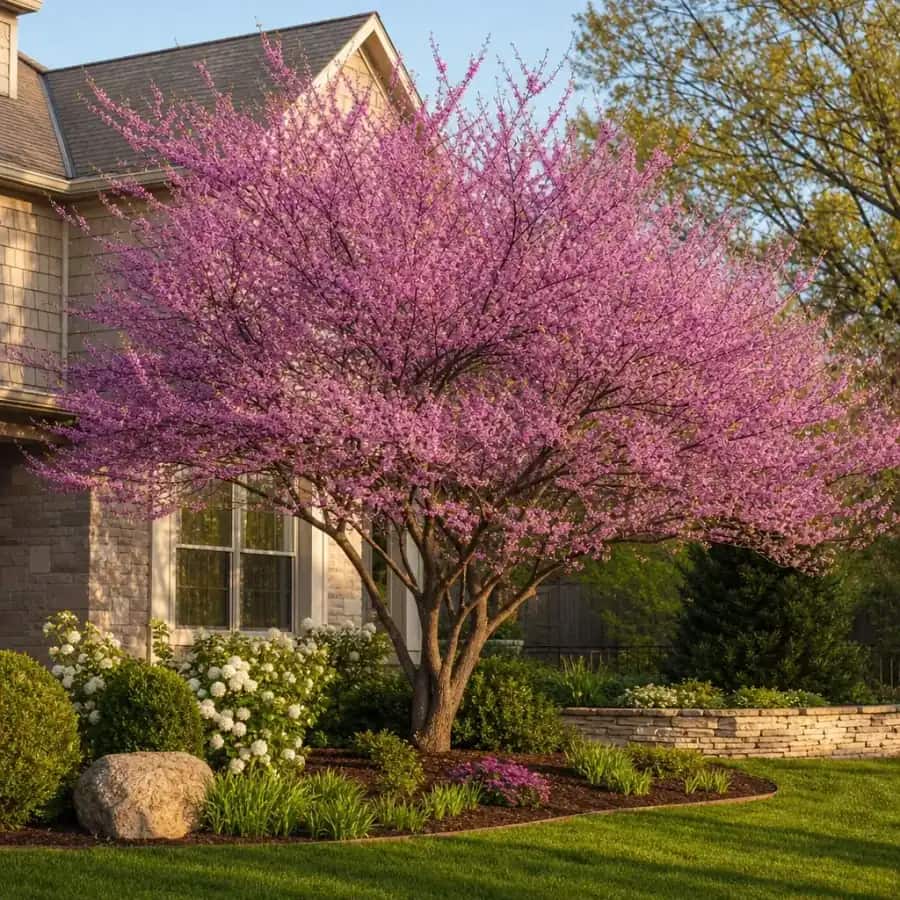 Zones 4 to 9
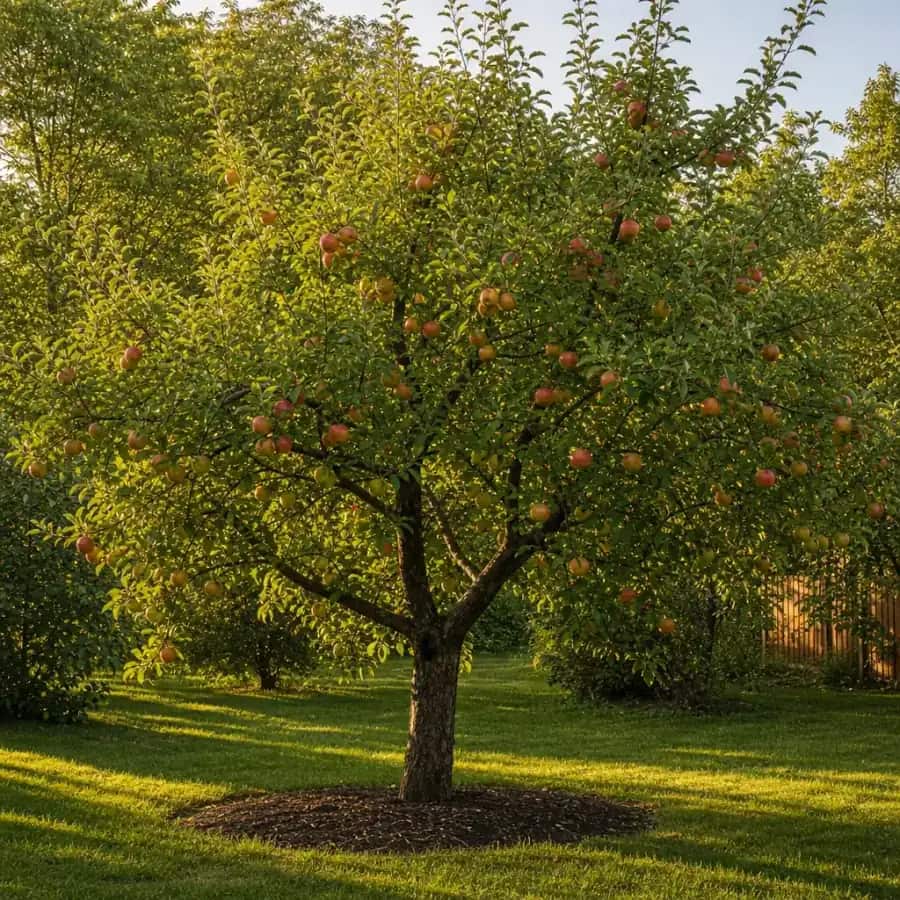 Zones 3 to 8
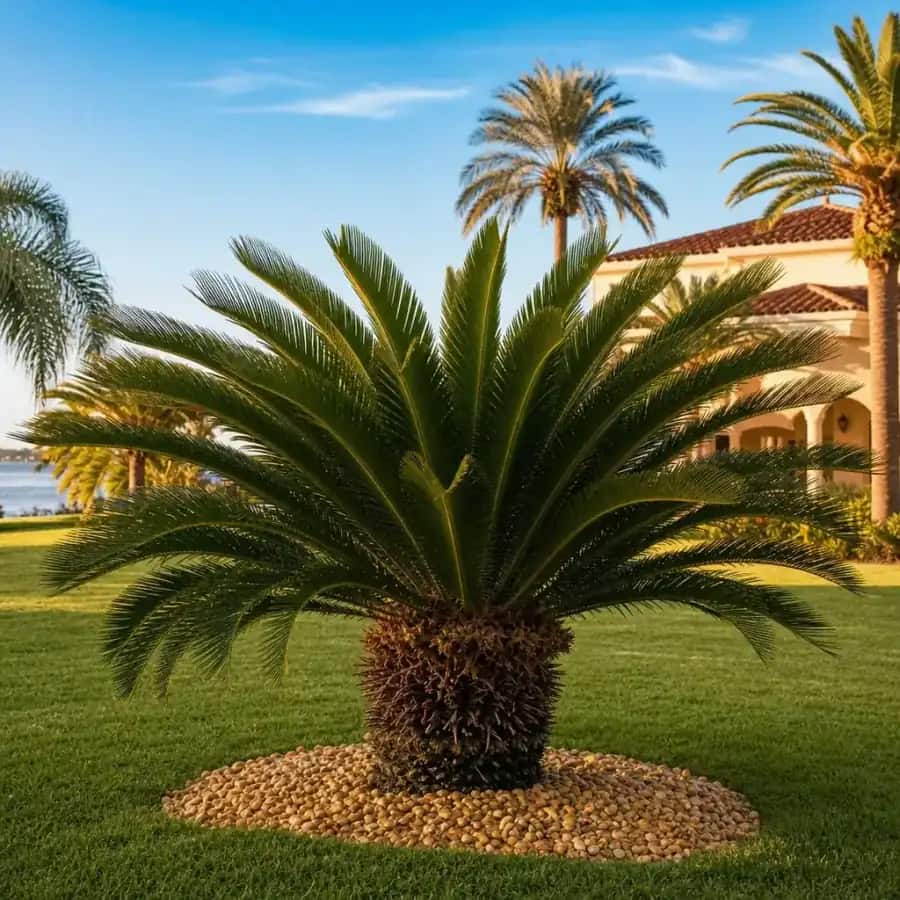 Zones 8 to 11
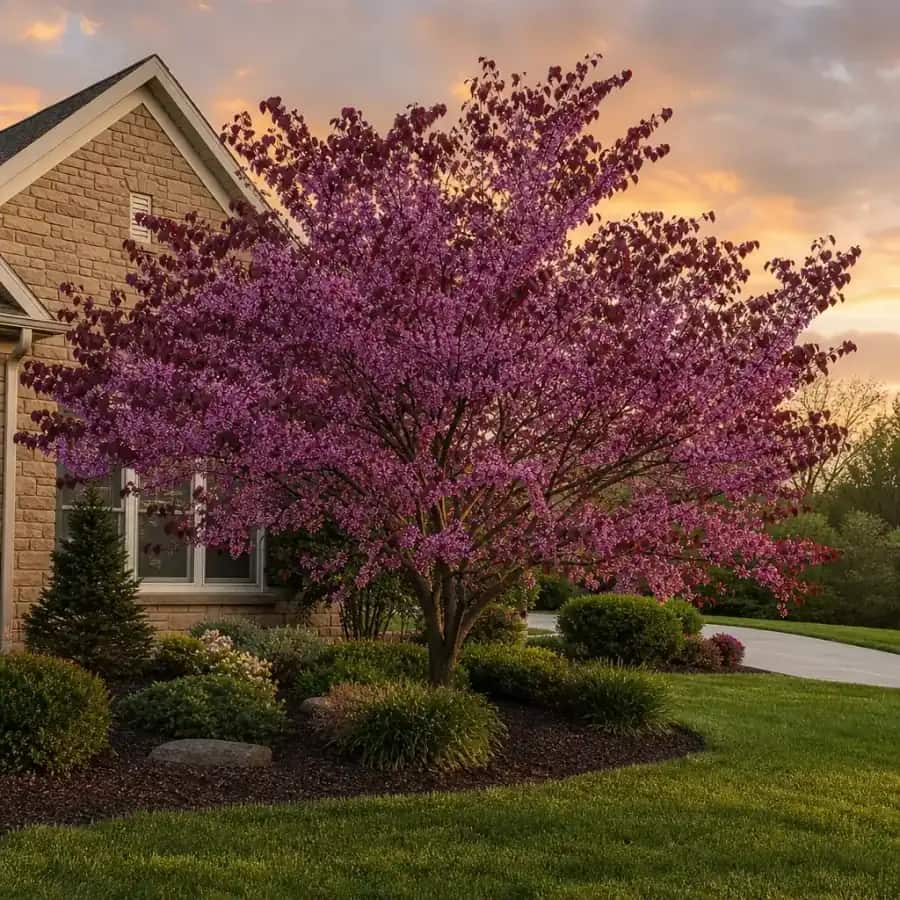 Zones 4 to 9
Shop by category
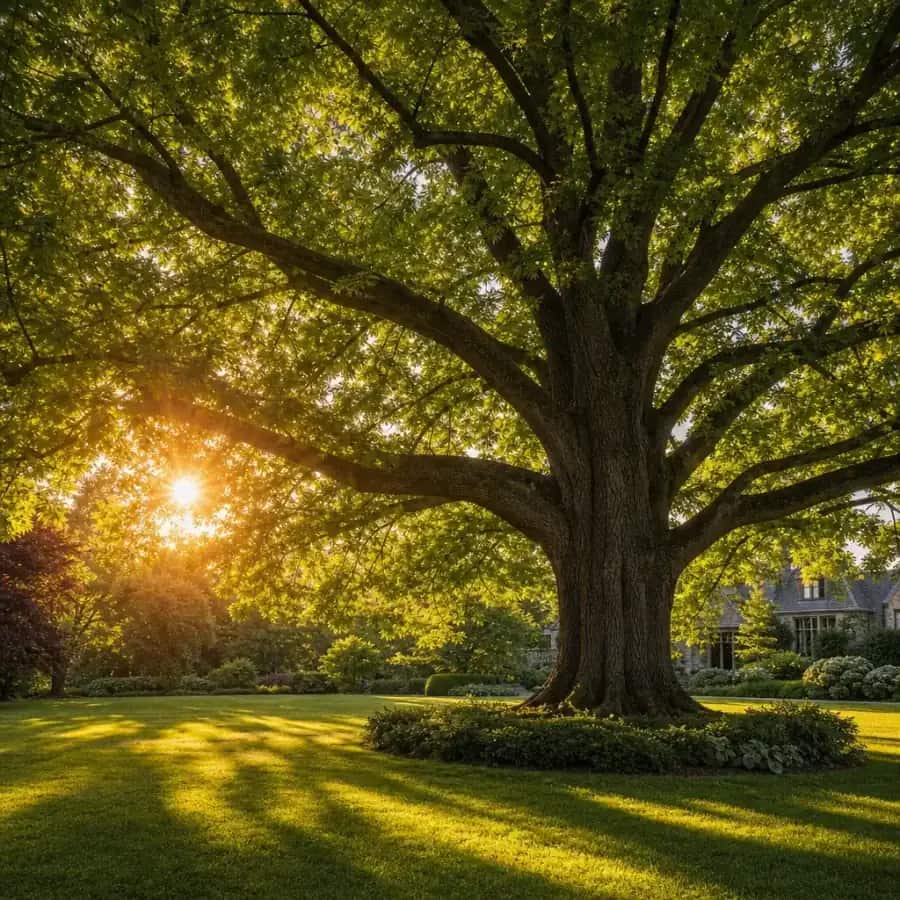 Shade TreesLarge canopy trees that cut cooling costs and create comfortable outdoor rooms in zone 8.View all Shade Trees →
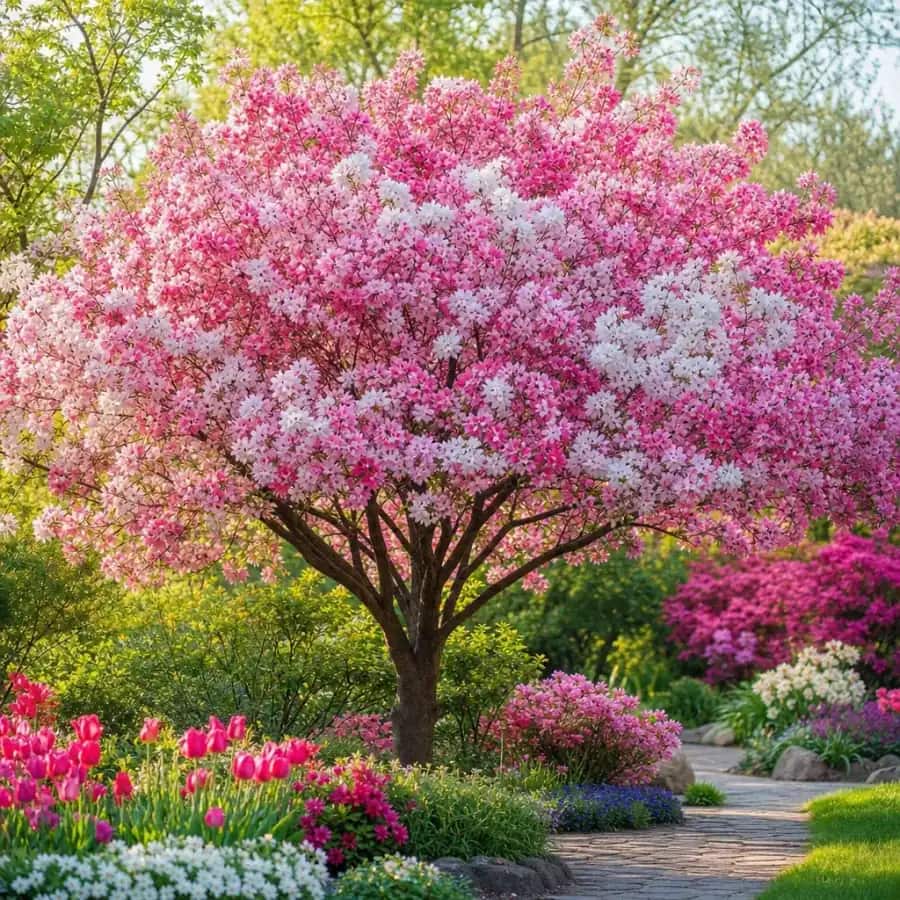 Flowering & OrnamentalSpring-blooming species that add color before the leaves arrive in your mild winters.View all Flowering & Ornamental →
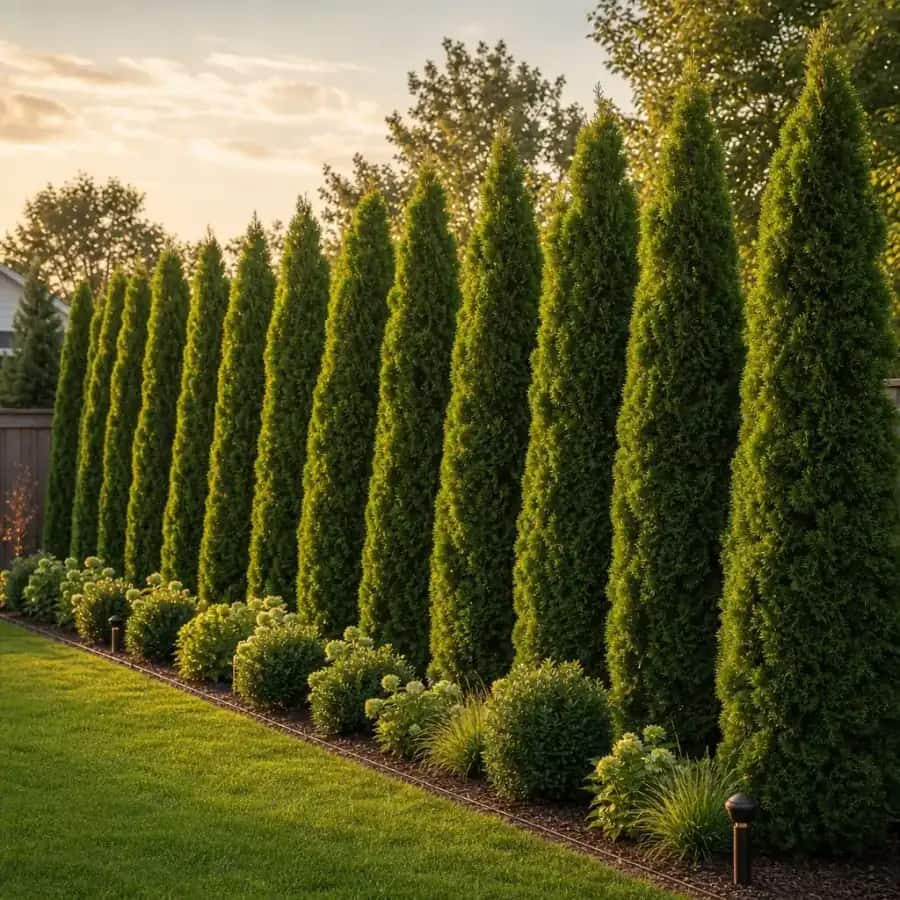 Evergreen & PrivacyYear-round foliage that blocks views and wind, chosen for reliable growth in zone 8.View all Evergreen & Privacy →
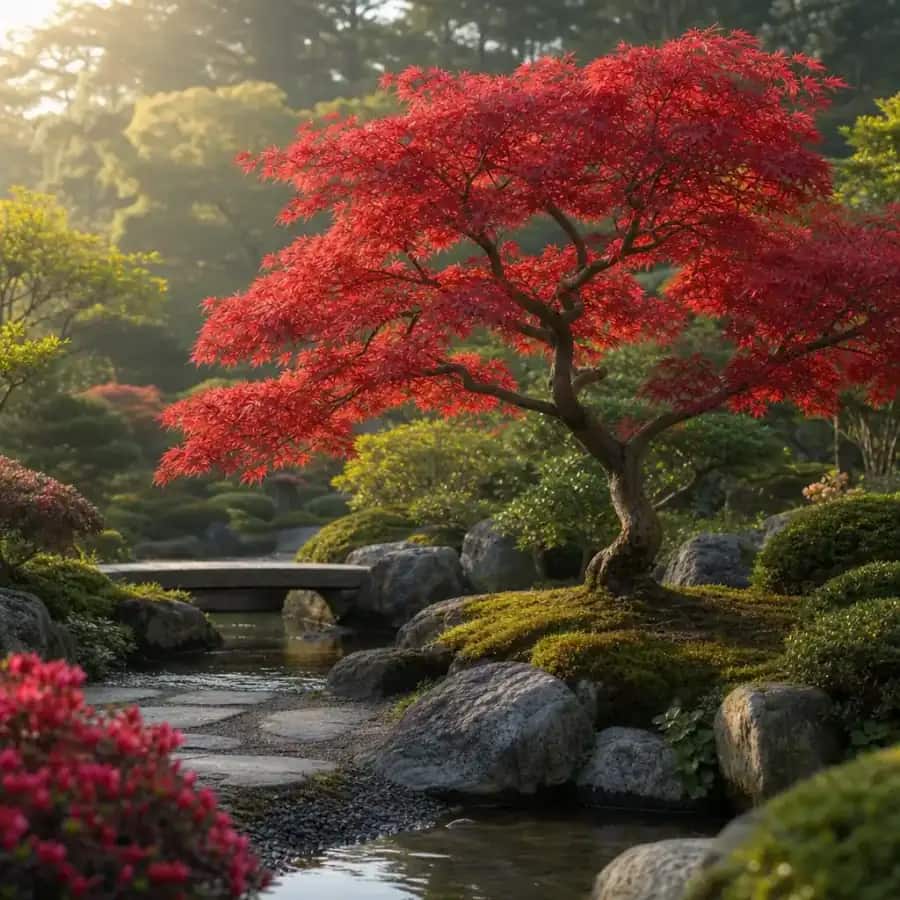 Japanese MaplesAccent trees with delicate leaves that thrive in your climate when given afternoon shade.View all Japanese Maples →
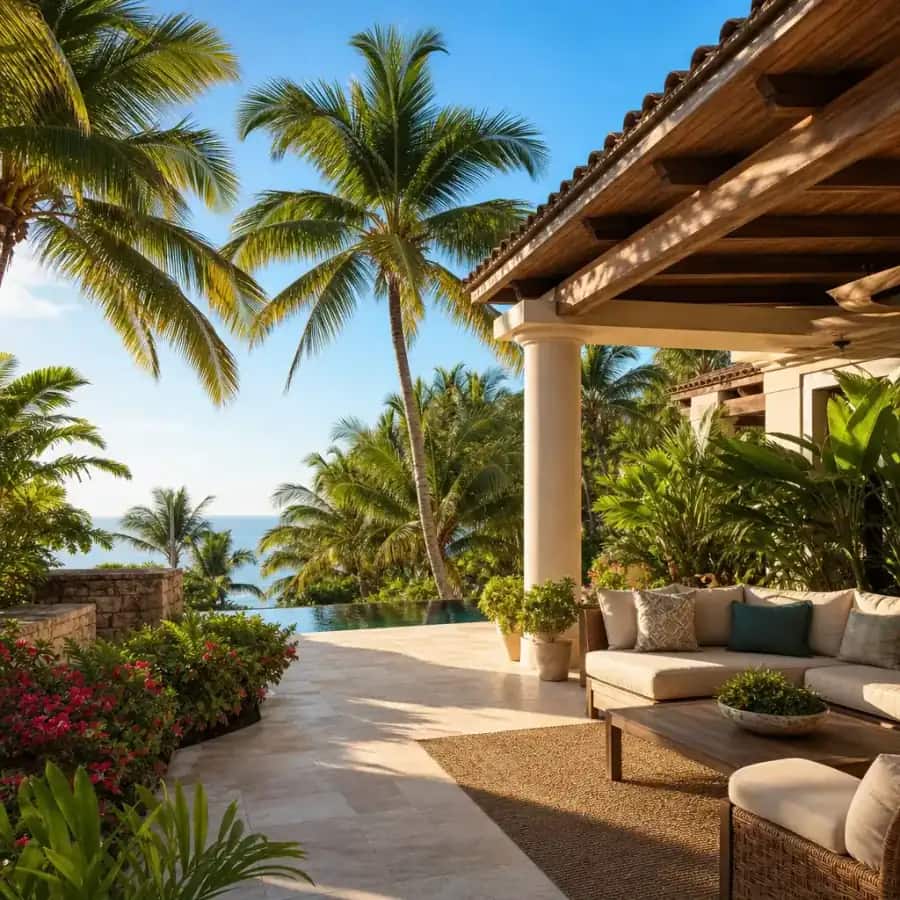 Palms & TropicalsCold-hardy options that bring a southern feel to a protected spot in your yard.View all Palms & Tropicals →
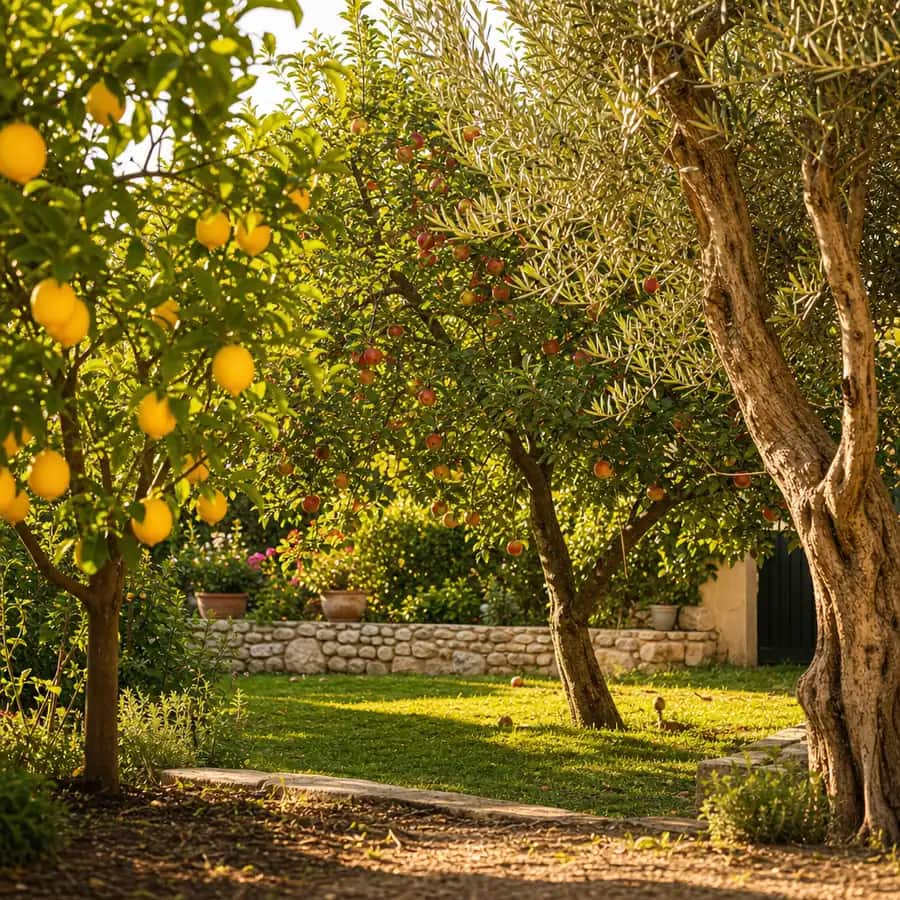 Fruit TreesProduce-bearing trees that ripen well in the long, warm growing season of zone 8.View all Fruit Trees →
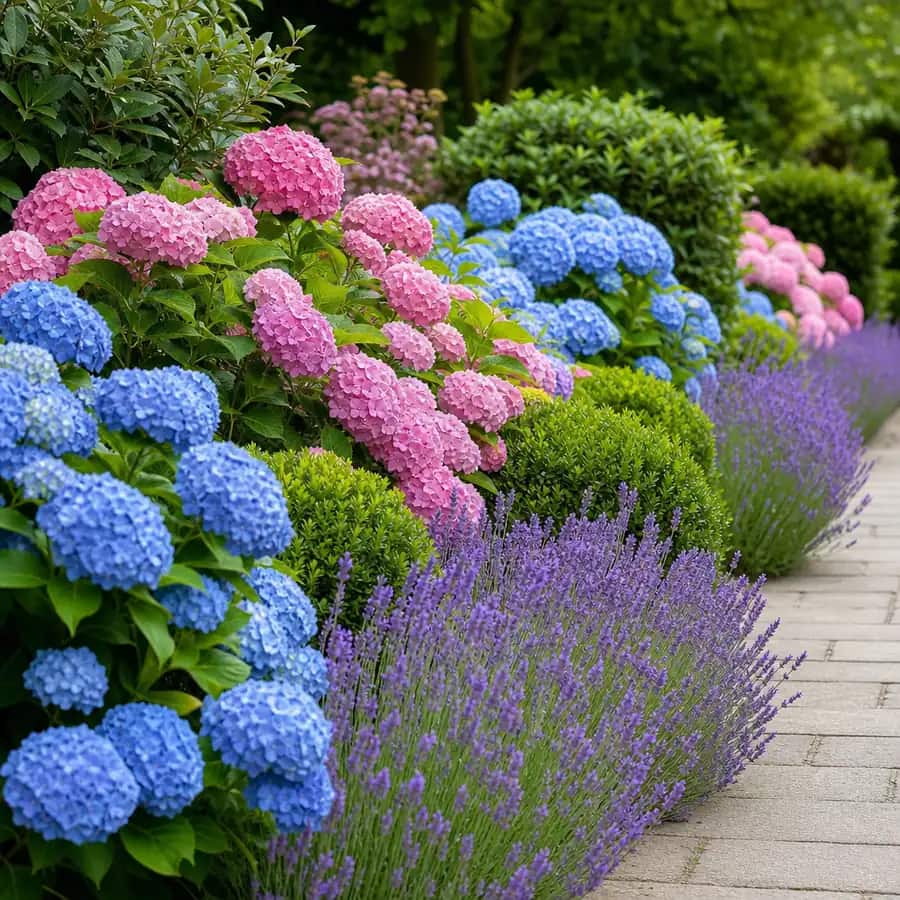 Shrubs & HedgesFoundation plants and low screens that fill gaps and provide structure year-round.View all Shrubs & Hedges →
Local fit, from data
8a
about 10 to 15 F
District of Columbia
District of Columbia
Trees delivered to Washington, DC 20500 from Arbor Buddy. We ship large, nursery-grown trees by freight direct to your door. Homeowners and contractors in this ZIP get shade, privacy, flowering, fruit, and accent trees matched to your local hardiness zone. The zone here is 8a, so winters are mild enough for many species that would struggle farther north.
Most homeowners in ZIP 20500 are in USDA zone 8a. Typical winter lows here run about 10 to 15 degrees F. That is mild enough for many broadleaf evergreens, Japanese maples, and even some palms to survive without heavy protection. The growing season is long, so flowering trees and fruit trees have plenty of time to bloom and ripen.
Summers in the District bring heat and humidity. That combination favors trees with good air flow and disease resistance. Shade trees like American Sycamore handle the humidity well. For smaller yards, a Japanese maple in a spot with afternoon shade avoids leaf scorch. The zone also lets you grow a cold-hardy fig and the Sago Palm, which both need zone 8 or warmer to thrive.
When you choose trees for zone 8 in Washington, stick with species bred or selected for this climate. Arbor Buddy matches every tree to your zone before shipping, so you get a plant that can settle in and grow.
American Sycamore and Eastern Redcedar. Both grow quickly in zone 8a. American Sycamore adds several feet per year and creates a large shade canopy fast. Eastern Redcedar fills in as a privacy screen at a similar pace.
American Sycamore is a top choice. It thrives in your zone and spreads wide. For a smaller yard, consider a Japanese maple like Emperor 1 Japanese Maple for dappled shade under a taller tree.
Arbor Buddy ships nursery-grown trees that are large enough to make an impact in your landscape. Exact sizes vary by species, but each tree is grown to a usable size for planting and establishment.
Yes, you can grow fruit trees like Chicago Hardy Fig in zone 8. Citrus trees generally need warmer zones, but you can grow cold-tolerant figs and plums. Mexican Plum also produces fruit that attracts wildlife.
For shade, privacy, flowering, fruit, and accent trees matched to your zone in ZIP 20500 of Washington, Arbor Buddy ships large, nursery-grown trees with a 1-Year Thrive Guarantee.
Browse the trees suited to your area and order online.
Tree choices shift when you compare Washington to other climates. Each area has different winter lows and growing conditions that change what thrives.
ZIP 94915 in San Rafael, California (CA) sits in zone 9b with winter lows of 25 to 30 F. That warmer zone lets you grow tender flowering trees that would struggle here. For your cart, that means you should lean toward species like Eastern Redcedar or Mexican Plum that handle the occasional 10-degree dip in Washington. San Rafael gardeners get more tropical options, but your zone 8 fits many reliable bloomers.
ZIP 80547 in Timnath, Colorado (CO) is zone 5b with winter lows of -15 to -10 F. That gap changes the local shortlist to cold-hardy evergreens that can survive deep freezes. In Washington, you can plant Japanese maples and Sago Palms that would not last a single winter in Timnath. Your milder cold means you can focus on privacy trees that stay evergreen without needing Arctic survival traits.
ZIP 06794 in Washington Depot, Connecticut (CT) is zone 6a with lows of -10 to -5 F. That zone supports palms only in protected microclimates. In practice, buyers here lean toward palms and tropicals only if they are willing to overwinter indoors. In Washington, the Sago Palm can live outdoors year-round in zone 8. Your warmer lows let you enjoy exotic accents that Connecticut gardeners must baby through winter.
These contrasts show that Washington's zone 8 gives you a unique middle ground: not too cold to limit variety, but cool enough to grow classic shade and fruit trees that struggle in hotter climates.
Arbor Buddy delivers large, nursery-grown trees by freight to ZIP 20500. We also serve the other ZIPs in Washington: 20501, 20502, 20503, 20504, 20505, 20506. Your tree arrives at a usable landscape size, already zone-matched to 8a. Every tree comes with our 1-Year Thrive Guarantee: if it doesn't survive its first year, we replace it free. Deliveries into zone 8 land in fall through early spring, when planting weather is on your side.
Before delivery day, check:
Enter your ZIP, shop only what thrives in your zone.
Freight delivery to your address: $149 flat per order, shown at checkout.
Plant it, watch it thrive, covered for one year.
Good to know · Growing guide
Coverage runs a full year from delivery. If something goes wrong, contact the team and they arrange the replacement. No store-credit games, no fine-print maze.