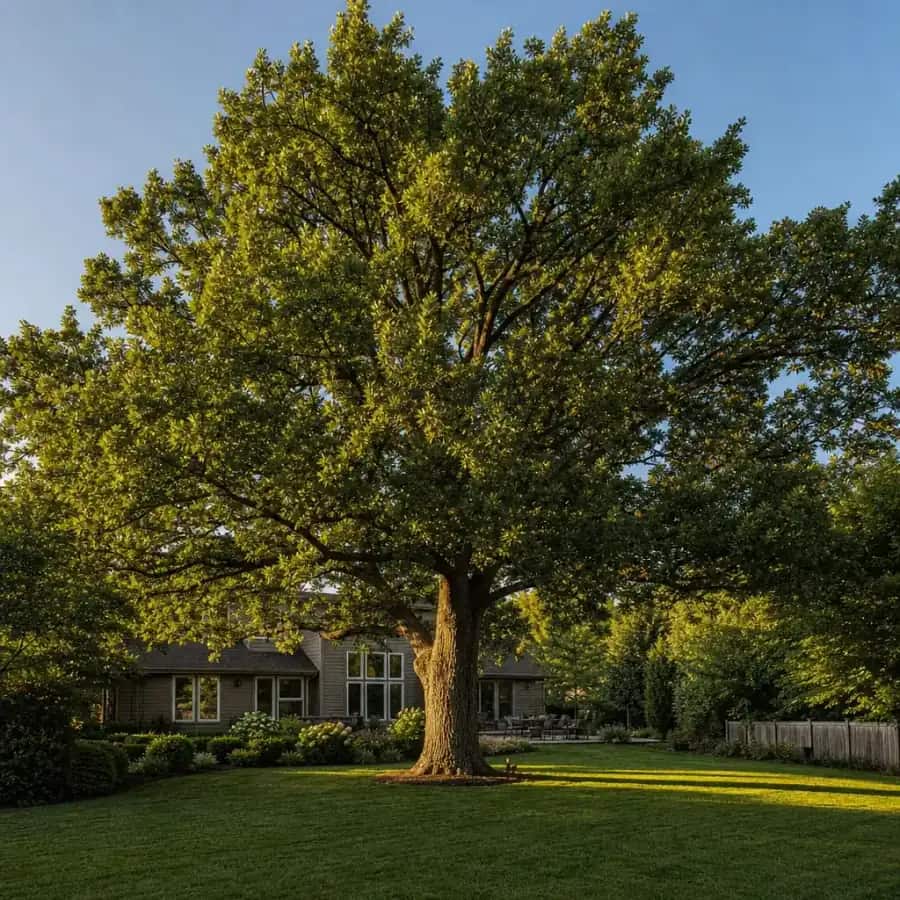
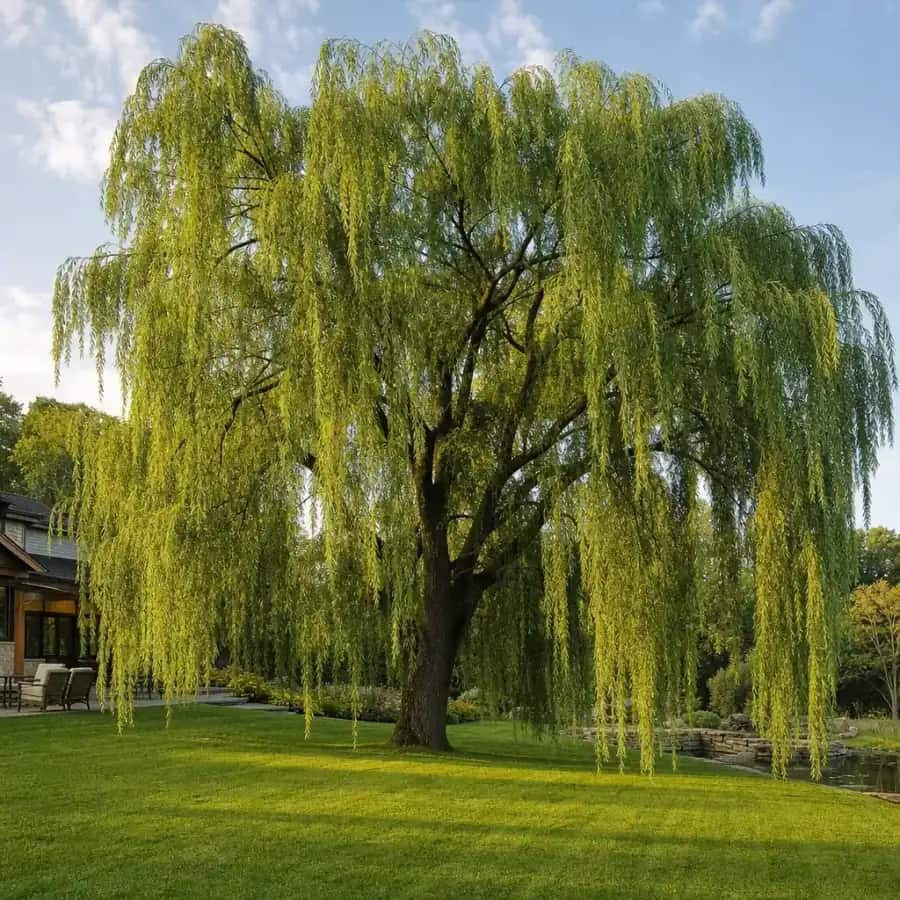
 Zones 4 to 9
Shade Trees
Weeping Willow
$40
Shop large, nursery-grown shade, privacy, flowering and fruit trees, delivered by freight in Washington. Every tree is matched to your hardiness zone and backed by our 1-Year Thrive Guarantee.
Enter your ZIP and we'll match trees to your exact growing zone.
Typical winter lows in Washington run about 10 to 15 F.
Matched to Washington's zone
Shop by category
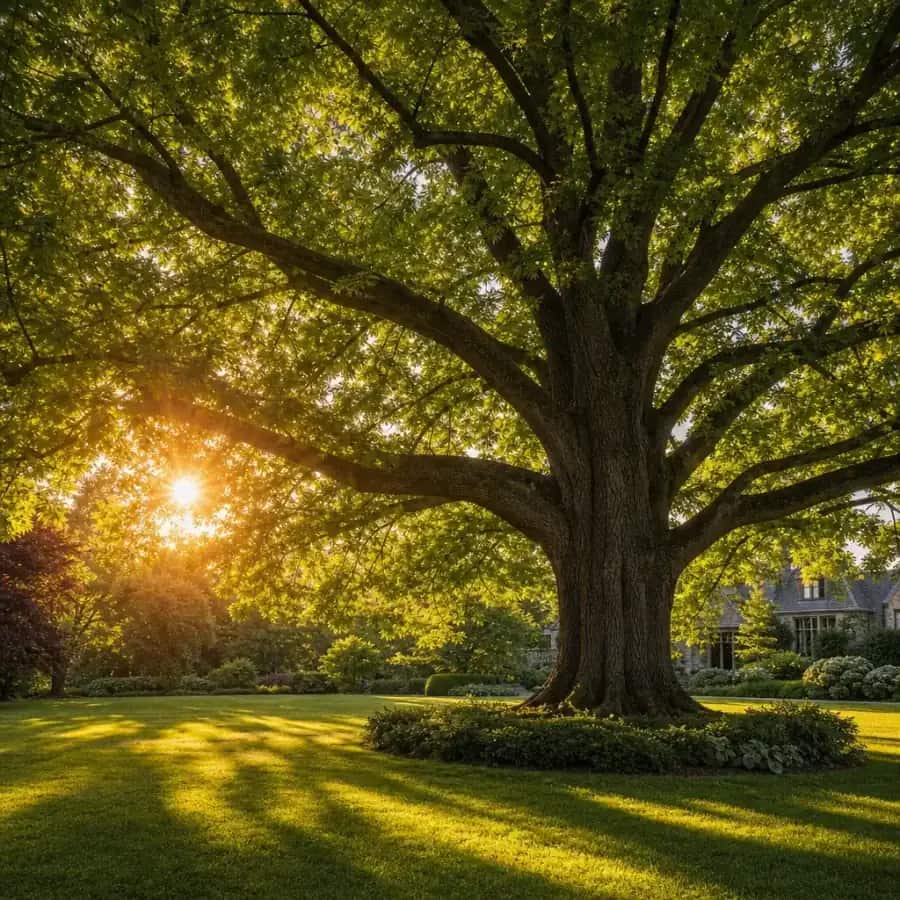 Shade TreesLarge canopy trees that thrive in zone 8a, giving your yard relief from Washington's summer heat.View all Shade Trees →
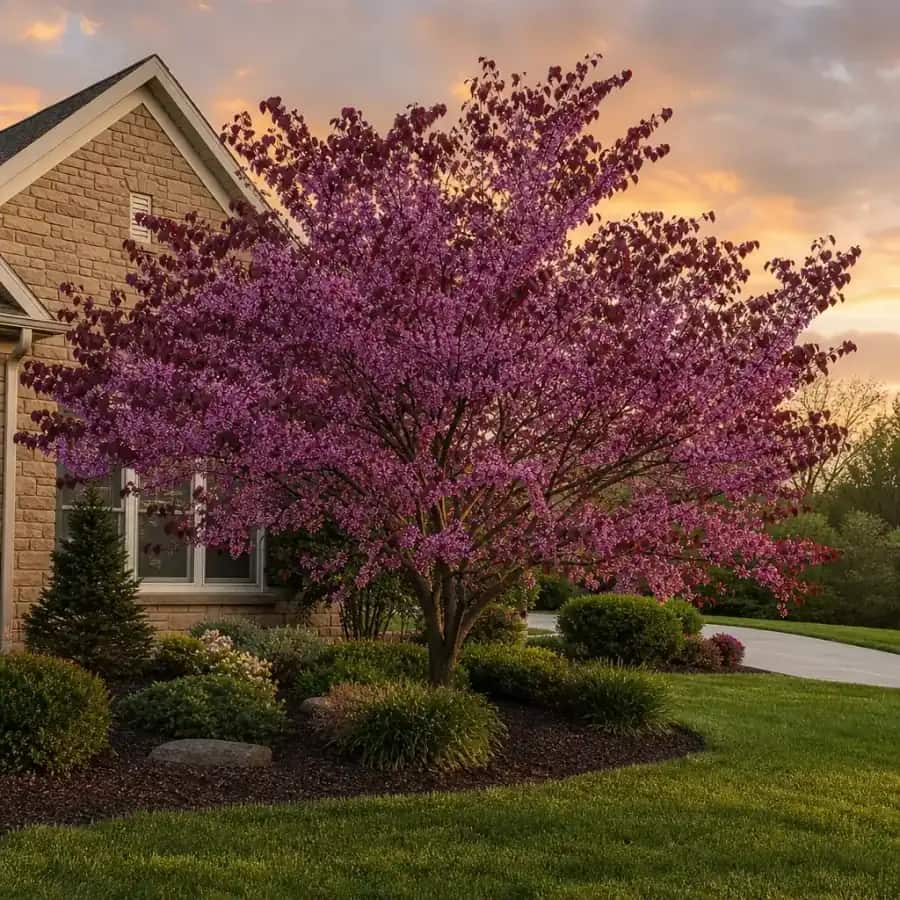
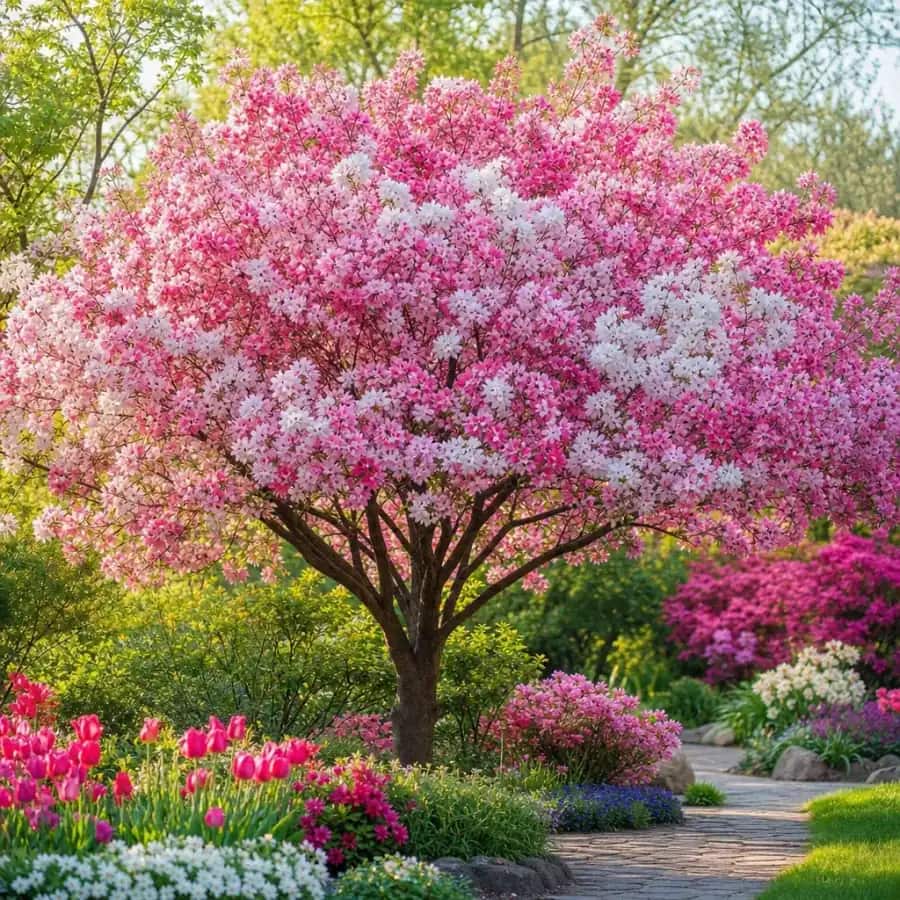 Flowering & OrnamentalCrape myrtles and redbuds that bloom reliably in zone 8a with minimal winter damage.View all Flowering & Ornamental →
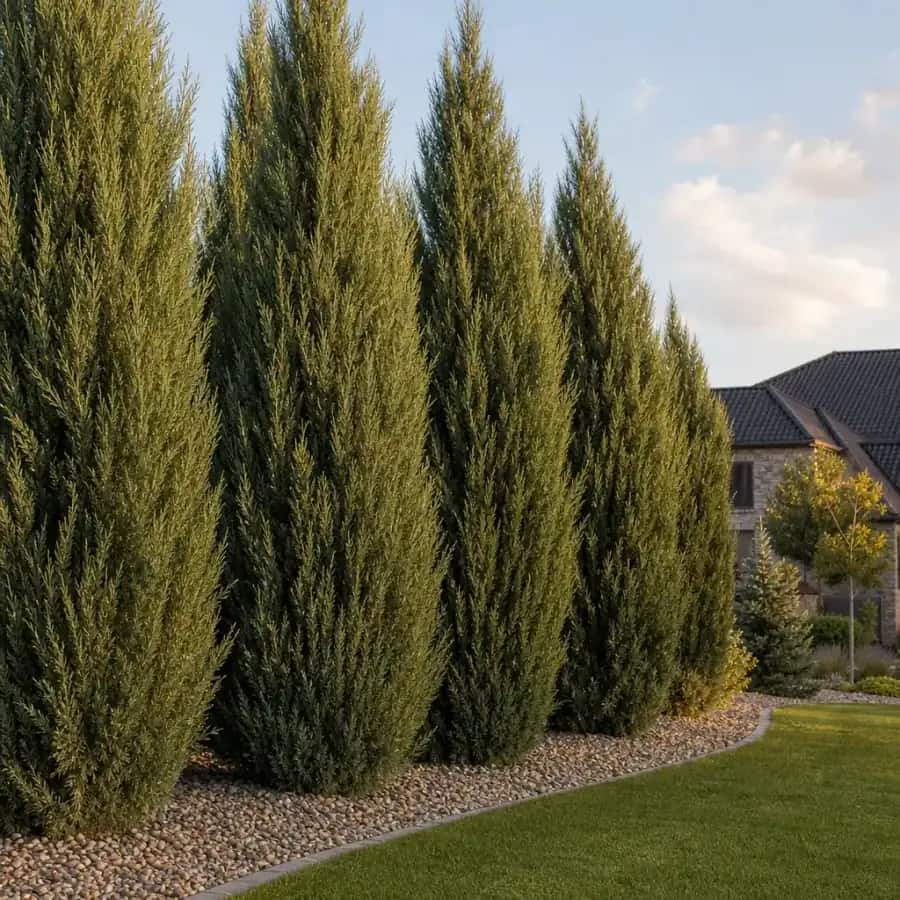
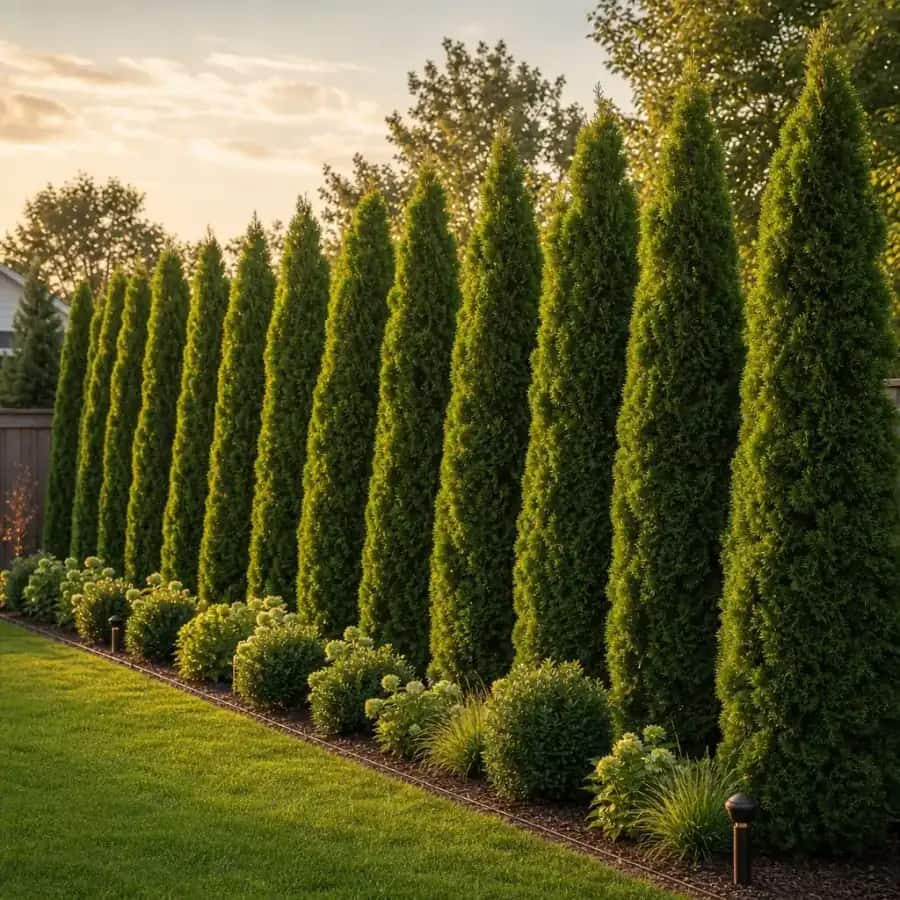 Evergreen & PrivacyArborvitaes and cypress that stay green through moderate winters and provide year-round screening.
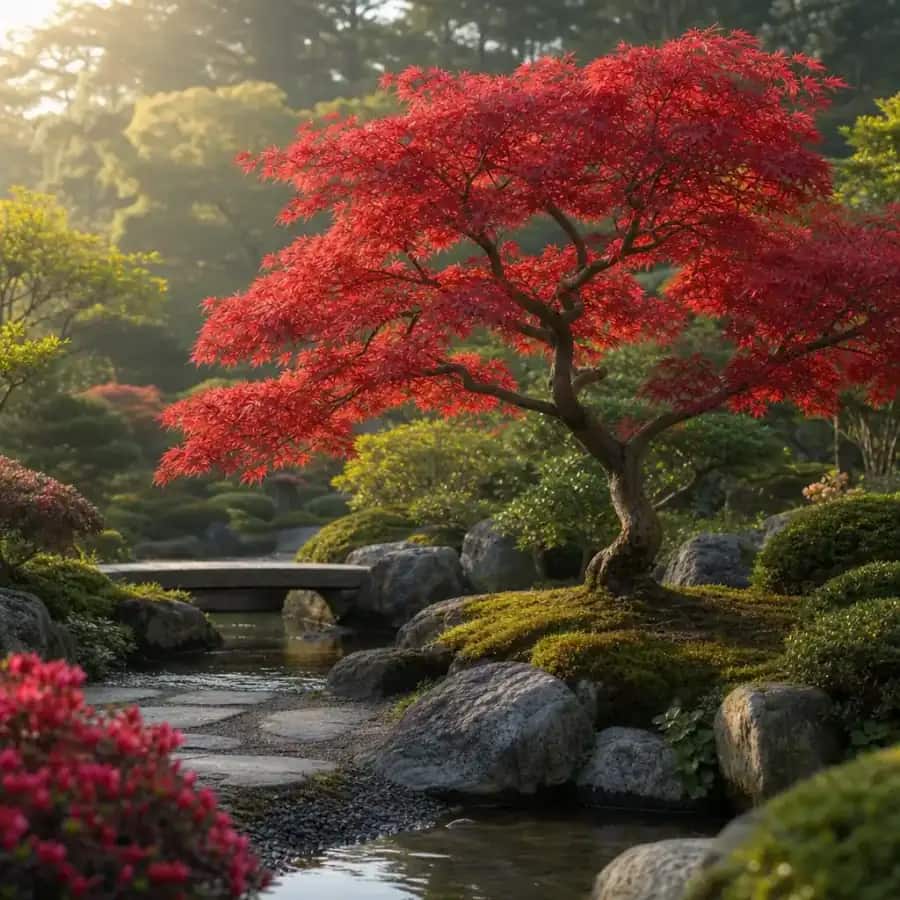 Japanese MaplesColorful maples suited for part shade in zone 8a, avoiding afternoon sun to prevent leaf burn.
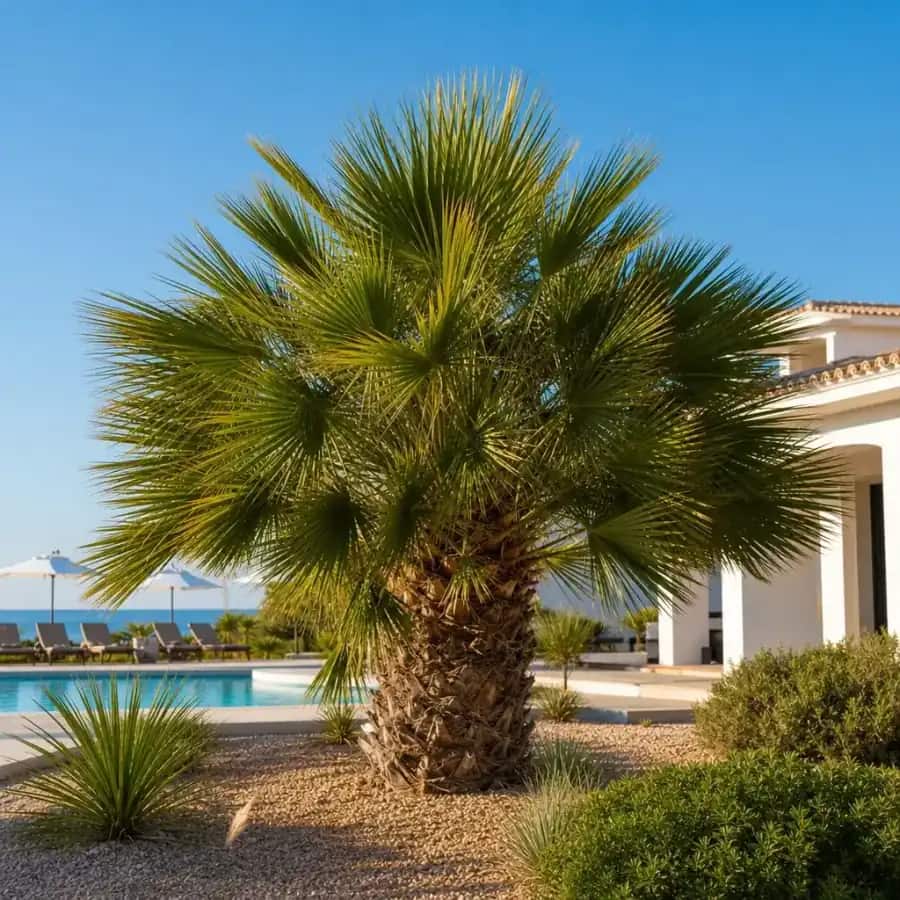
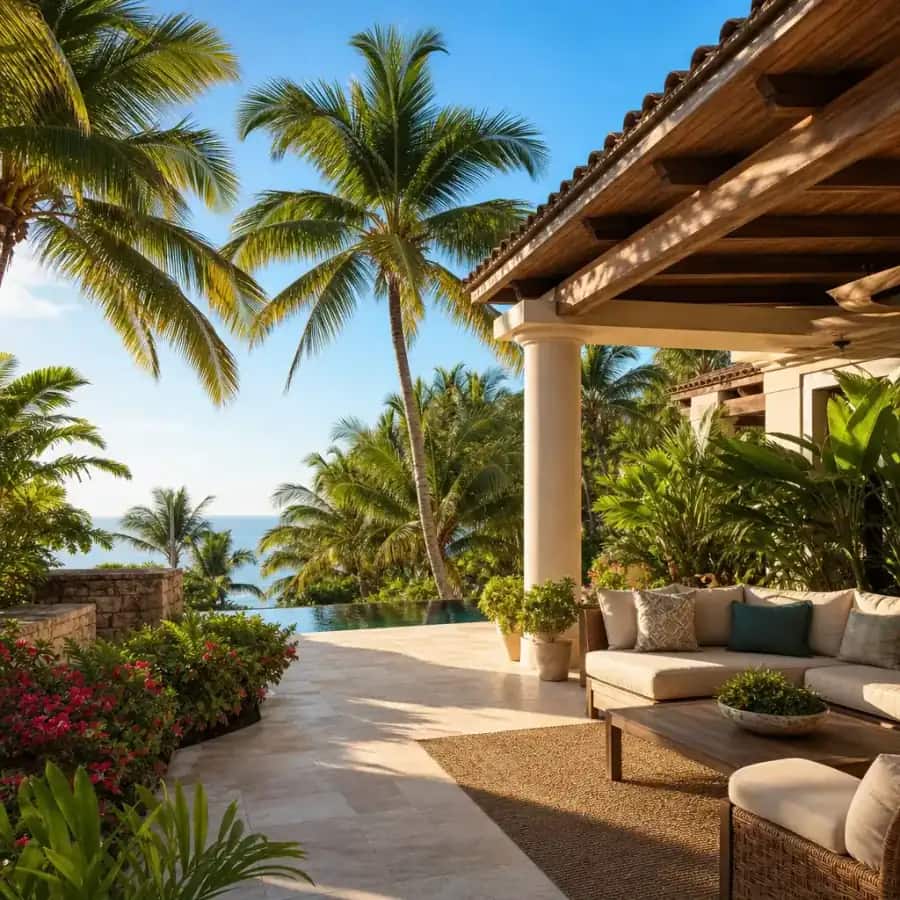 Palms & TropicalsPalms like Jelly Palm and Windmill Palm that survive Washington's zone 8a with occasional cold snaps.View all Palms & Tropicals →
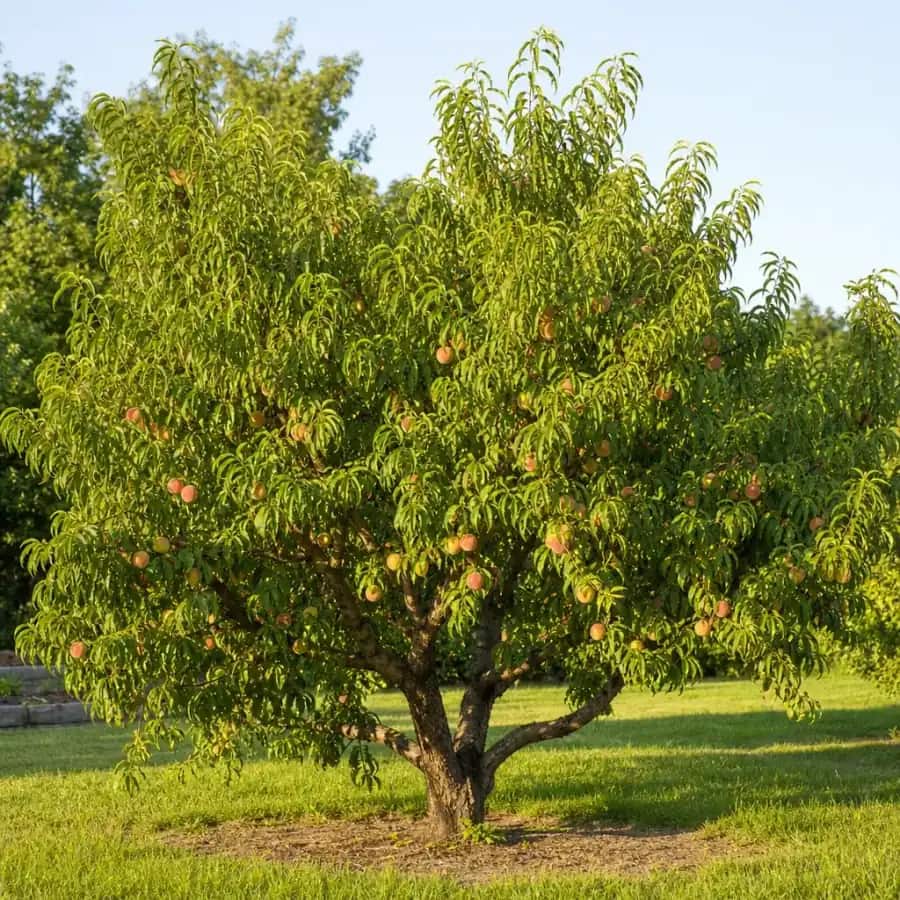
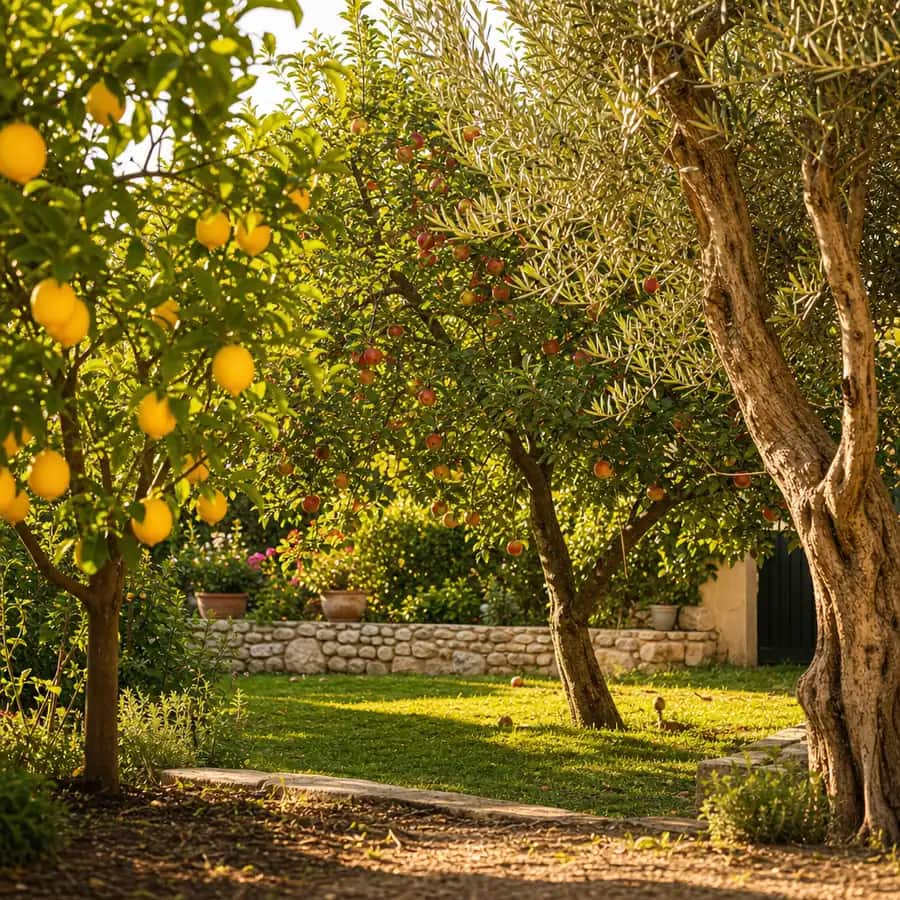 Fruit TreesCold-hardy figs and apples that set fruit in zone 8a, even after lows near 10°F.View all Fruit Trees →
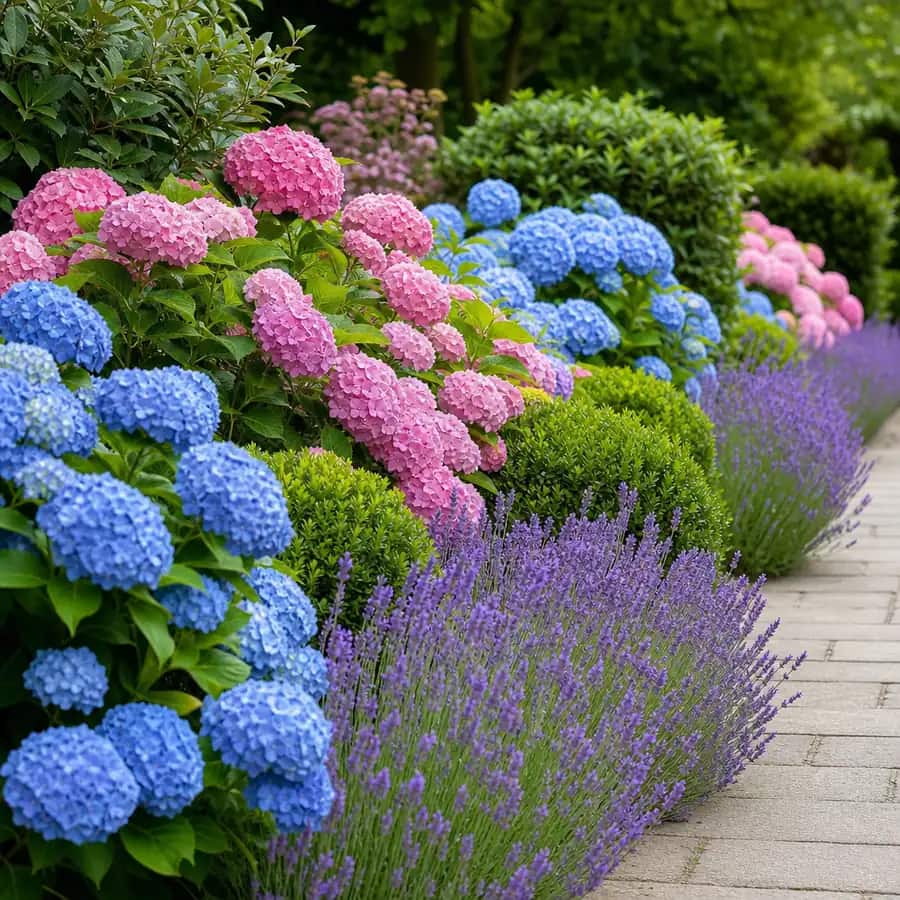 Shrubs & HedgesDaphne, hydrangea, and lavender that handle Washington's climate with good drainage.View all Shrubs & Hedges →
Local fit, from data
8a
about 10 to 15 F
District of Columbia
District of Columbia
Ordering trees for your yard in Washington, DC 20045 is safe with Arbor Buddy's 1-Year Thrive Guarantee. We deliver large, nursery-grown trees by freight nationwide. Homeowners and contractors in Washington can choose from shade, flowering, privacy, fruit, Japanese maples, and more. Every tree is matched to your zone 8a hardiness zone.
Your order ships for a fall or early-spring window, ahead of summer heat.
Washington sits in USDA hardiness zone 8a, with typical winter lows between 10 and 15 degrees Fahrenheit. That range rules out citrus and tender tropicals but opens the door to a wide selection of shade, flowering, and fruit trees. The climate brings warm, humid summers and mild winters, which suits trees like Chinese Elm, crape myrtles, and American Pillar Arborvitae well.
Zone 8a in Washington allows evergreens that keep their leaves through winter, like arborvitae and eastern redcedar, while Japanese maples thrive in part shade. The humidity can push fungal issues on some varieties, but good air circulation and spacing help. For buyers looking at trees for zone 8 in Washington, the key is picking species that handle both heat and occasional cold snaps.
Yes. Arbor Buddy delivers large nursery-grown trees to ZIP 20045 and neighboring Washington ZIPs including 20041, 20042, 20043, 20044, 20047, and 20049. Your tree arrives by freight truck at a date you choose within the shipping window for zone 8.
Trees suited for zone 8a. Chinese Elm, American Pillar Arborvitae, Natchez Crape Myrtle, Chicago Hardy Fig, and Thunderstruck Coral Boom all perform well in Washington's climate with winter lows around 10 to 15 degrees. These species handle both heat and occasional cold snaps.
Your trees arrive as large, nursery-grown specimens at a usable landscape size. Freight shipping lets us send larger trees than standard parcel delivery, so you get a more mature tree ready to plant and establish.
Chinese Elm grows fastest among shade trees, adding 2 to 3 feet per year in zone 8a. American Pillar Arborvitae fills in quickly at 3 to 4 feet per year once established. Crape myrtles also grow steadily, especially with full sun and good soil.
For shade, privacy, flowering, fruit, and accent trees matched to your zone in ZIP 20045 of Washington, Arbor Buddy ships large, nursery-grown trees with a 1-Year Thrive Guarantee.
Browse the trees suited to your area and order online.
ZIP 93016 in Fillmore, California (CA) sits in zone 10a with winter lows of 30 to 35 degrees Fahrenheit. That zone never gets cold enough to stress citrus or palms. Washington's zone 8a hits 10 to 15 degrees, which rules out Meyer Lemon and other tender citrus. Locally, that points buyers toward cold-hardy figs and apples instead of citrus.
The practical difference is that Washington can grow crape myrtles and arborvitaes that would struggle in Fillmore's dry heat. If you live in ZIP 20045, your choices center on trees that handle both humidity and a true cold season.
ZIP 81420 in Lazear, Colorado (CO) is zone 6b with lows of -5 to 0 degrees Fahrenheit. That far colder zone means arborvitae and Japanese maples risk winter damage without protection. Washington's milder winters let you plant American Pillar Arborvitae and Coral Bark Japanese Maple without extra winter care.
The practical difference is drought tolerance: Lazear's dry conditions demand trees that thrive on less water, while Washington's regular rainfall supports a broader palette. Here, the zone usually pushes the choice toward trees that handle humidity, such as crape myrtles and Chinese elm.
ZIP 06494 in Wallingford, Connecticut (CT) also falls in zone 6b with lows down to -5 degrees Fahrenheit. That climate limits flowering trees like crape myrtles to more sheltered spots. Washington's warmer zone lets Natchez Crape Myrtle grow taller without dieback risk.
The practical difference is that Wallingford's colder winters kill buds on many crape myrtle species. Washington's zone 8a supports Thunderstruck Coral Boom and other varieties. Locally, that points buyers toward choosing heat-tolerant flowering trees that would fail further north.
For buyers in Washington, the contrasts mean you can plant a wider mix of shade, flowering, and fruit trees than colder or hotter zones, as long as you pick species suited to humidity and occasional frost.
Arbor Buddy ships large nursery-grown trees to ZIP 20045 and the surrounding Washington areas including 20041, 20042, 20043, 20044, 20047, and 20049. Your tree arrives in a freight truck, ready to plant. Each tree is matched to zone 8a before shipping, and backed by our 1-Year Thrive Guarantee: if it does not survive its first year, we replace it free.
Your zone 8 order ships for a fall or early-spring window, ahead of summer heat. Before delivery day, check:
Enter your ZIP, shop only what thrives in your zone.
Freight delivery to your address: $149 flat per order, shown at checkout.
Plant it, watch it thrive, covered for one year.
Good to know · Growing guide
Coverage runs a full year from delivery. If something goes wrong, contact the team and they arrange the replacement. No store-credit games, no fine-print maze.