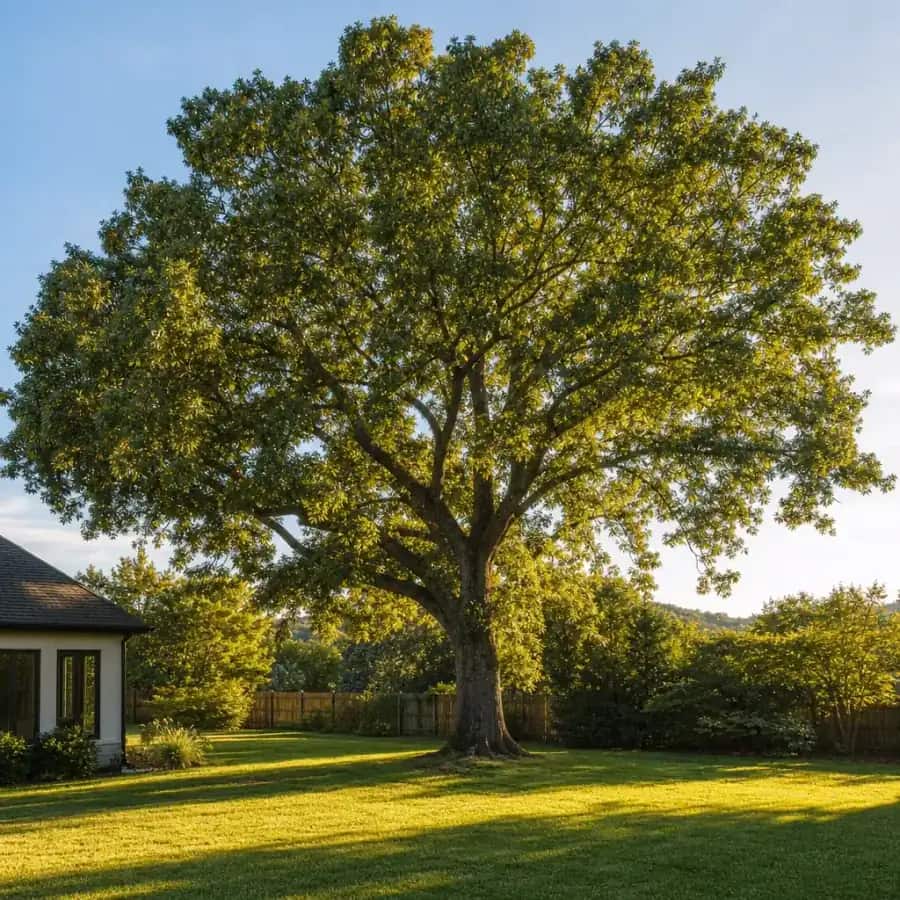
 Zones 4 to 8
Shade Trees
Chinkapin Oak
$579
Shop large, nursery-grown shade, privacy, flowering and fruit trees, delivered by freight in Washington. Every tree is matched to your hardiness zone and backed by our 1-Year Thrive Guarantee.
Enter your ZIP and we'll match trees to your exact growing zone.
Typical winter lows in Washington run about 5 to 10 F.
Matched to Washington's zone
Zones 4 to 8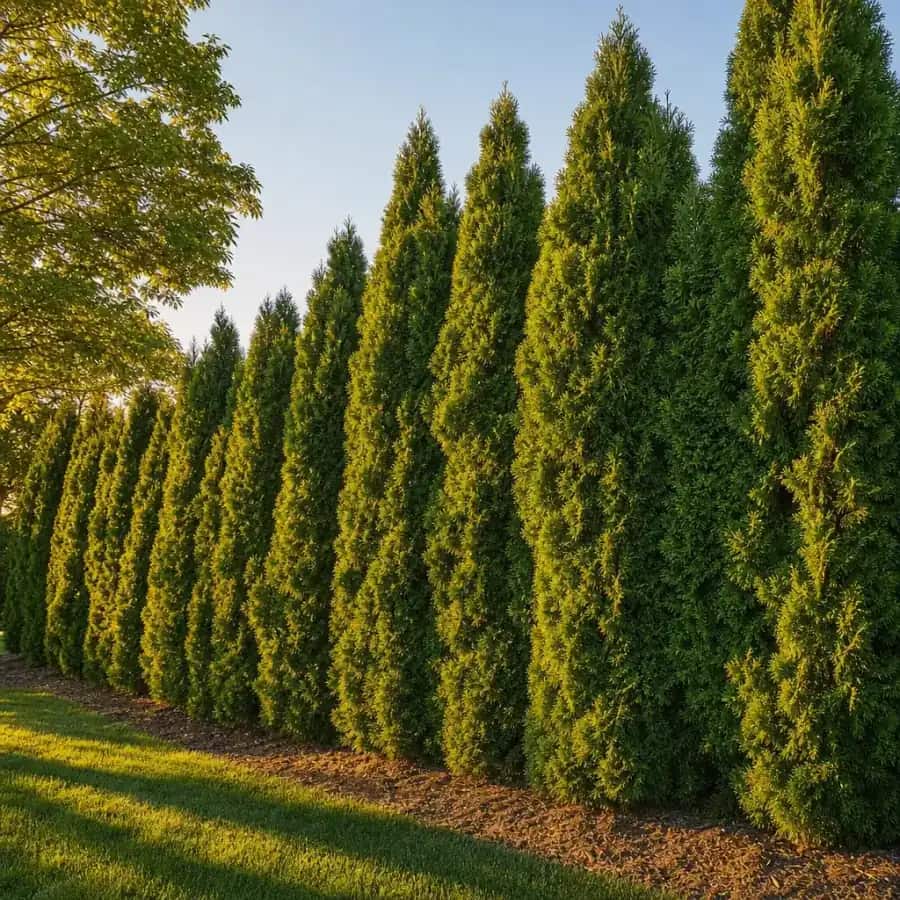 Zones 5 to 8
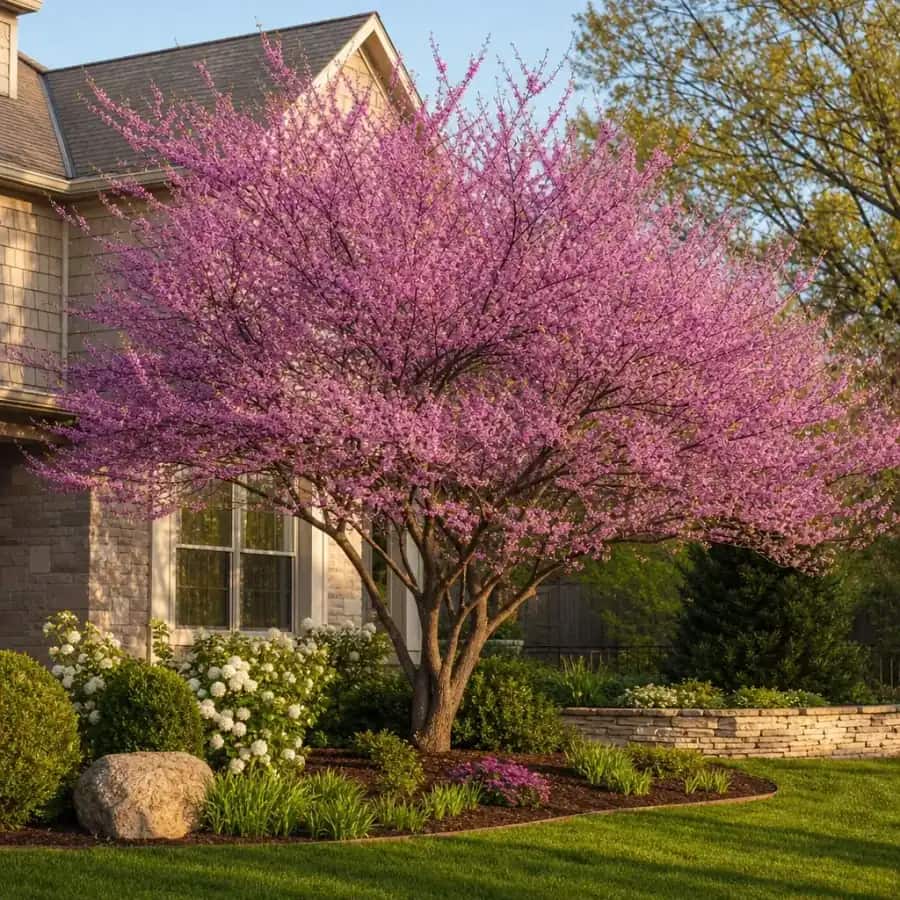 Zones 4 to 9
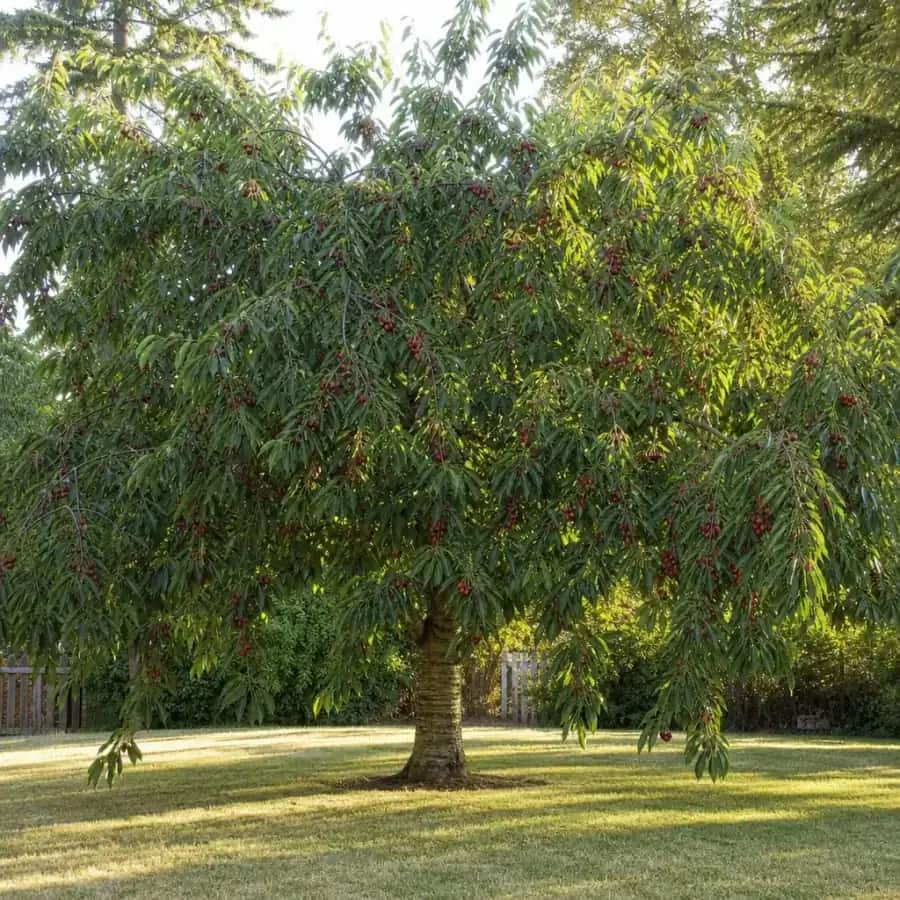 Zones 5 to 8
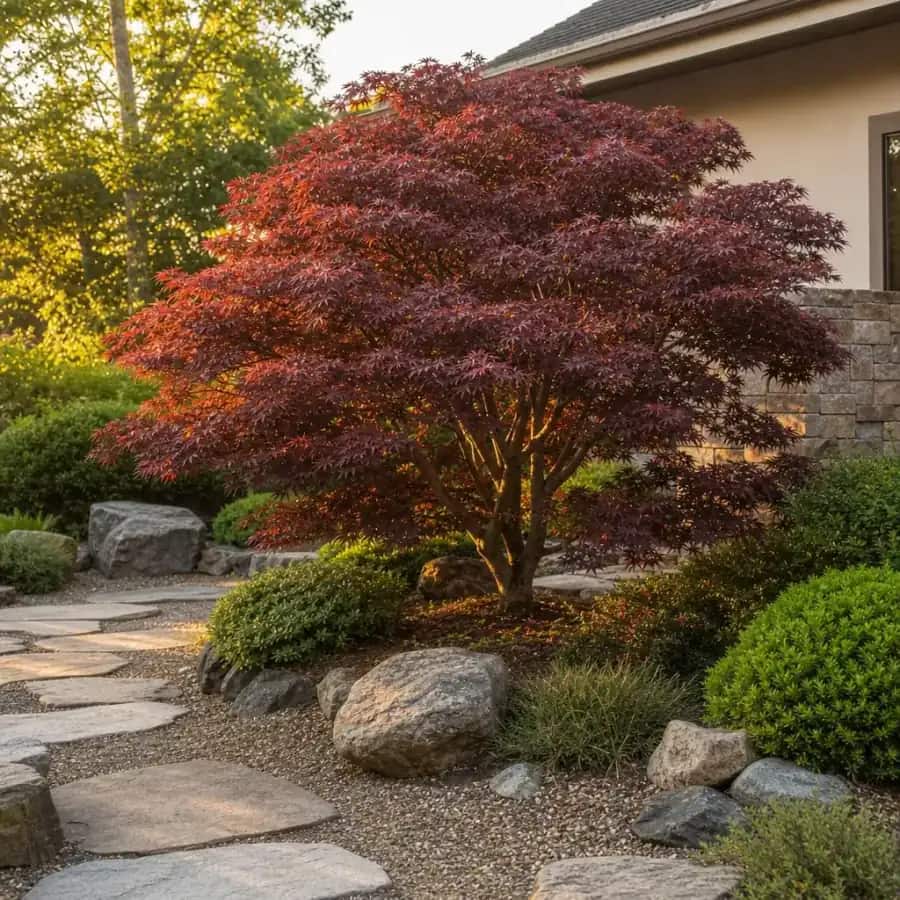 Zones 5 to 8
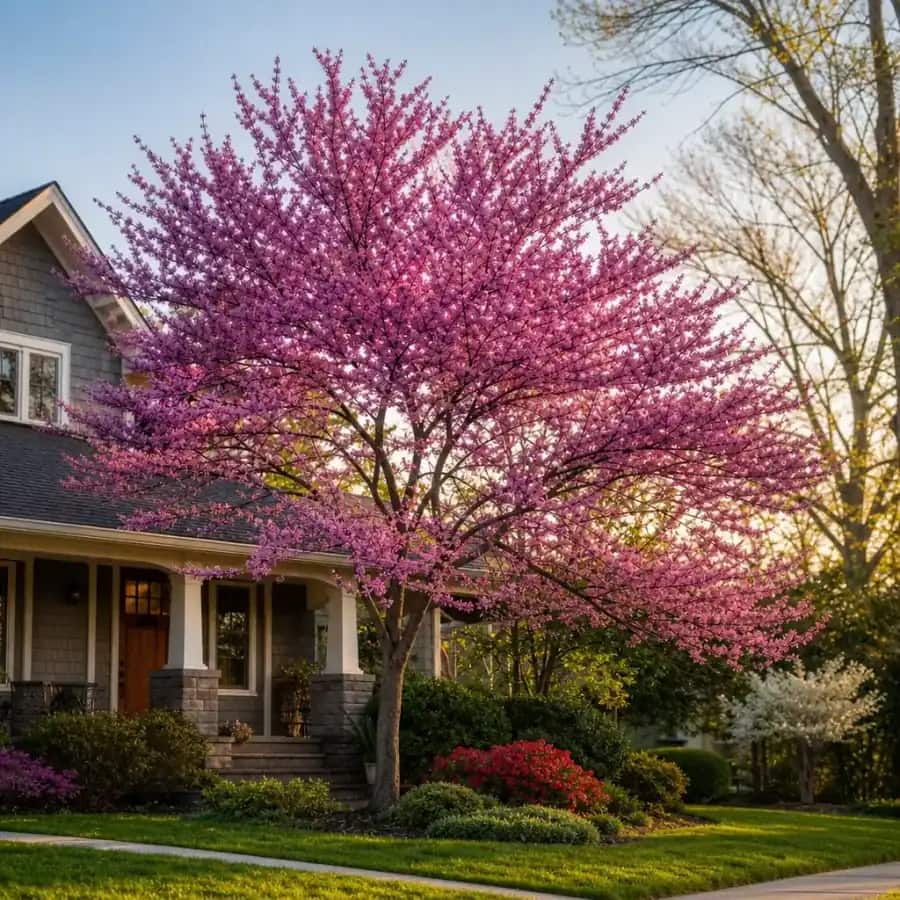 Zones 4 to 9
Shop by category
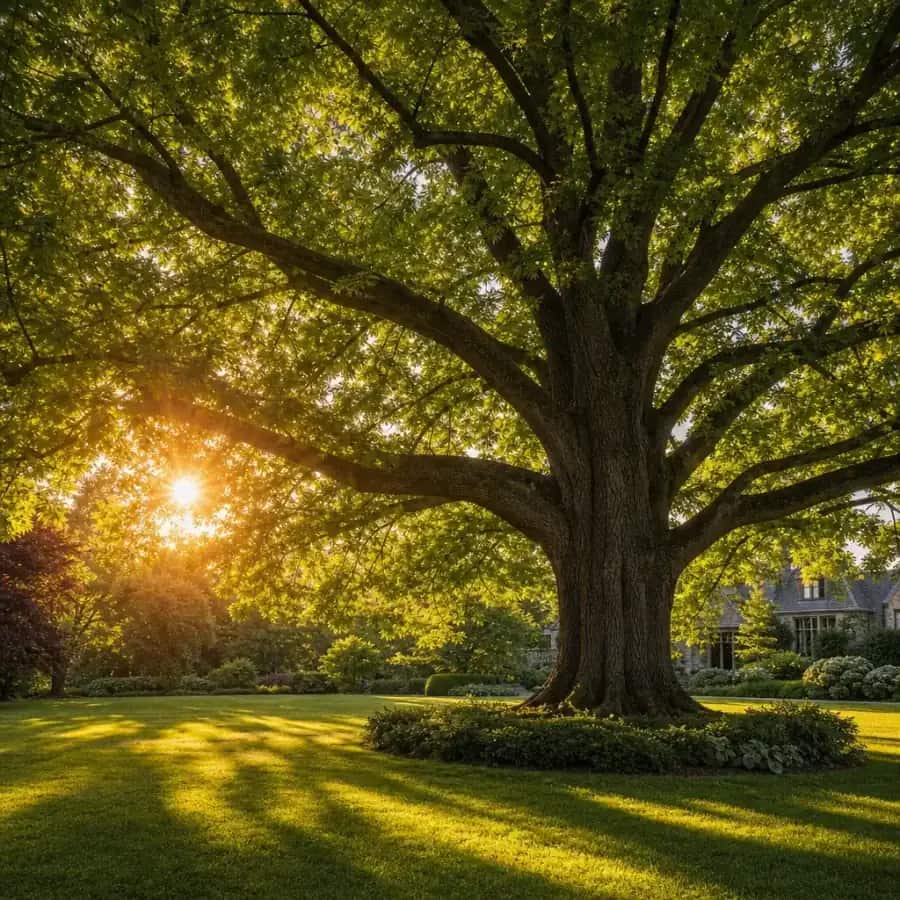 Shade TreesFor deep, cooling shade on sunny lots, start with oaks, ashes, and pistachios built for zone 7.View all Shade Trees →
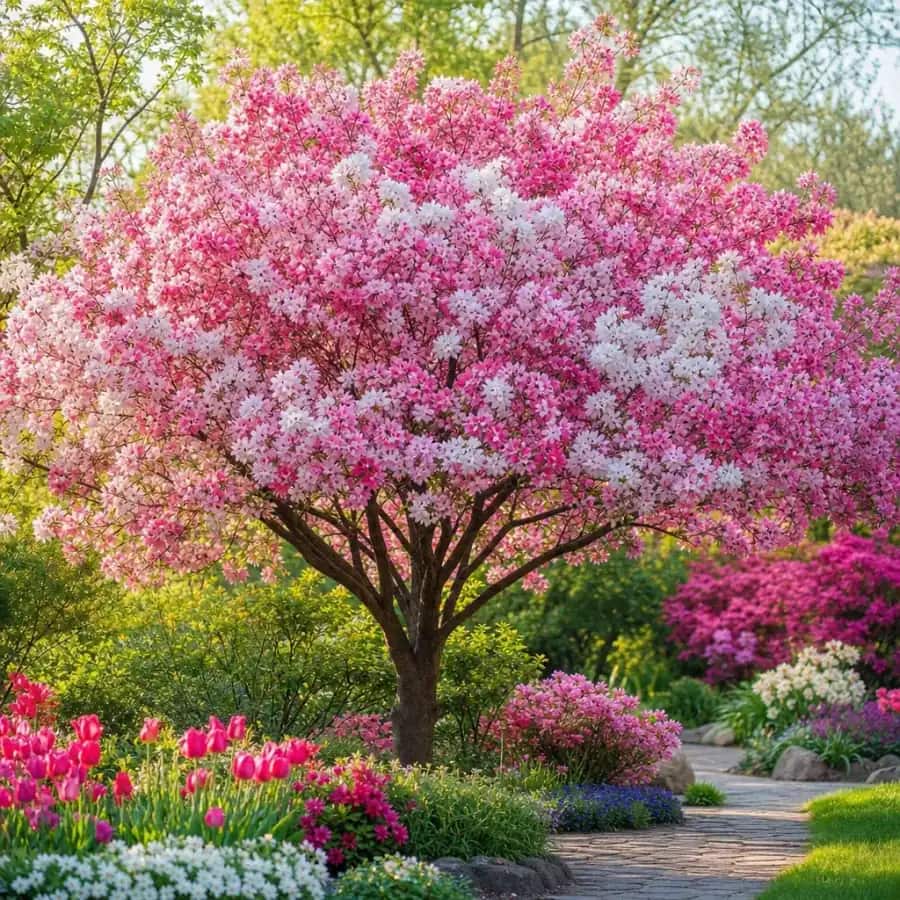 Flowering & OrnamentalBring spring and summer color with redbuds, crape myrtles, and other bloomers that thrive in Washington winters.View all Flowering & Ornamental →
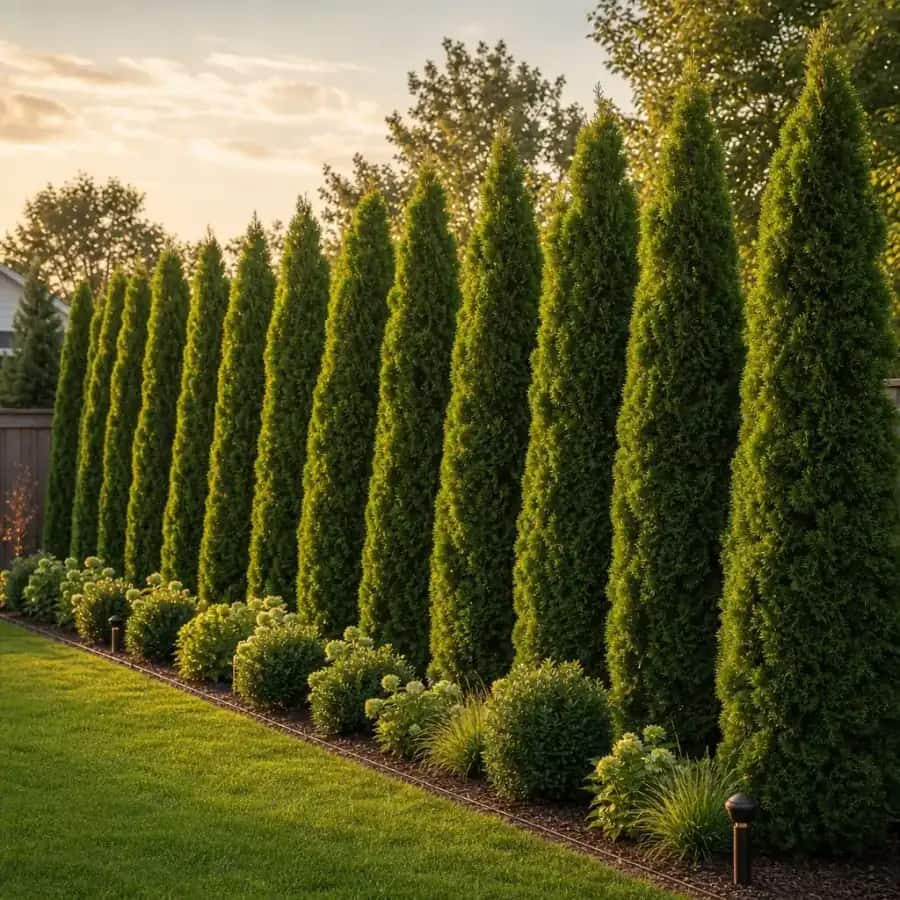 Evergreen & PrivacyCreate year-round privacy screens with hollies, cedars, and other evergreens that stay green through mild winters.View all Evergreen & Privacy →
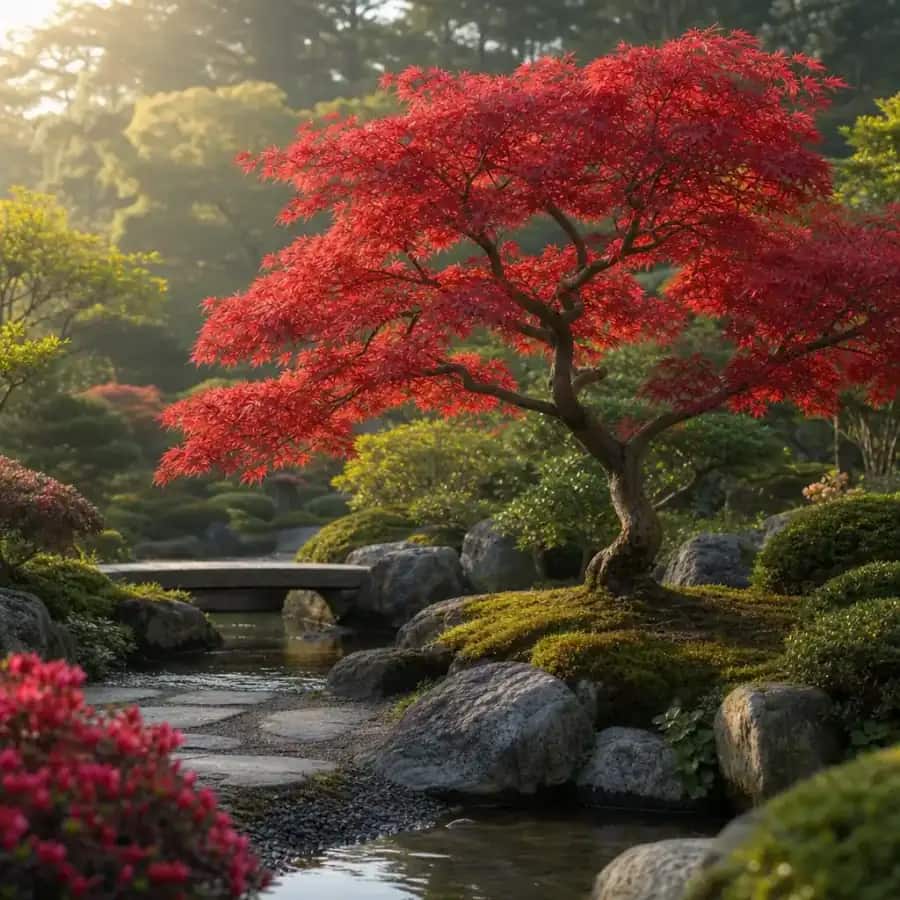 Japanese MaplesAdd graceful form and fall color; choose varieties that handle zone 7 heat without scorching.
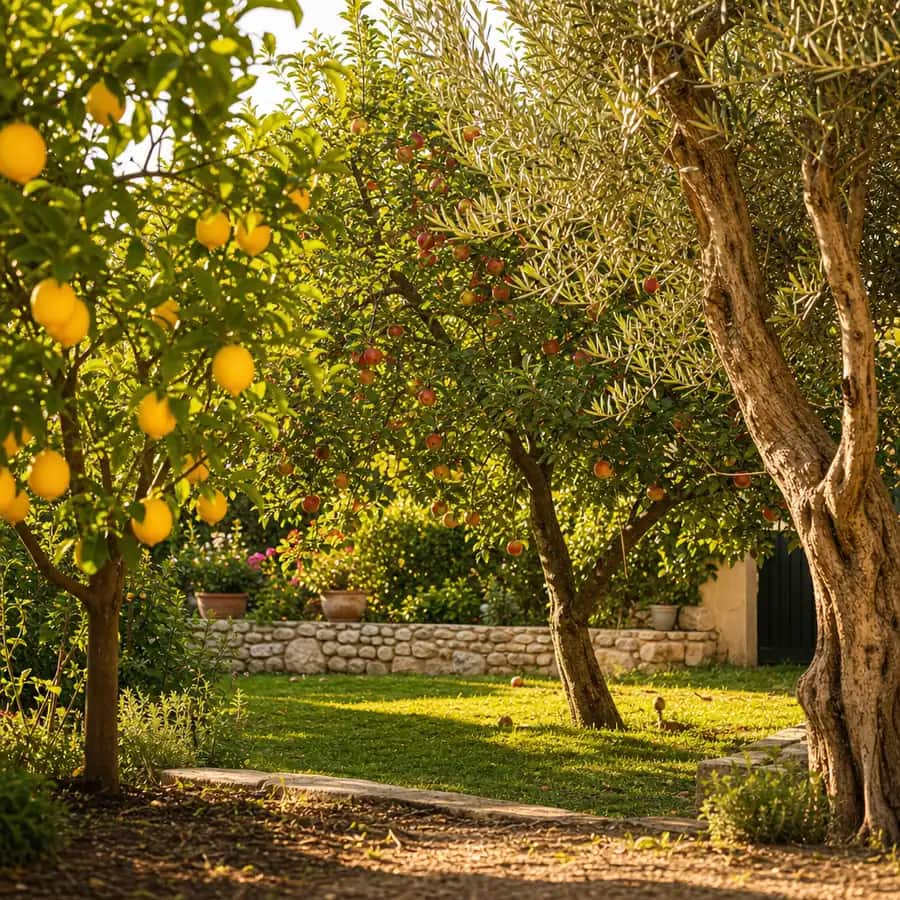 Fruit TreesGrow your own apples, peaches, figs, and more with varieties matched to the local chill hours and frost dates.View all Fruit Trees →
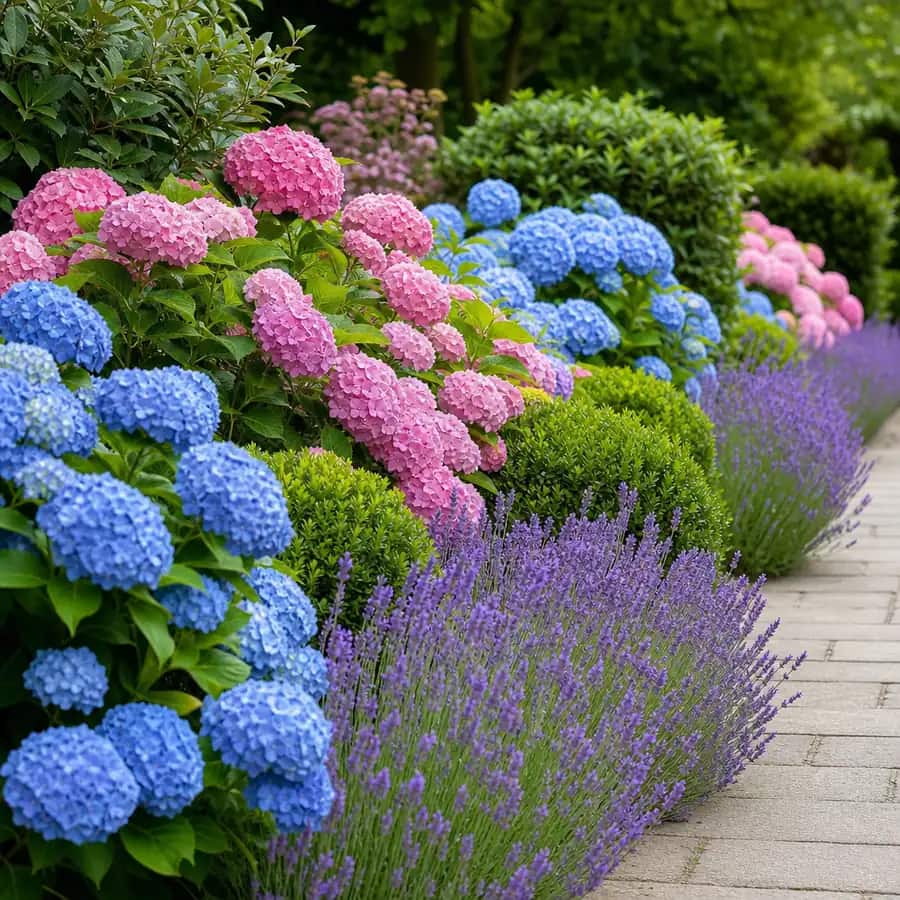 Shrubs & HedgesFill borders and foundation beds with dappled willow, holly, and lavender that thrive in Washington conditions.View all Shrubs & Hedges →
Local fit, from data
7b
about 5 to 10 F
District of Columbia
District of Columbia
In zone 7, Arbor Buddy ships trees for spring and autumn to avoid temperature extremes. These are large, nursery-grown trees delivered by freight to your home in ZIP 20020 of Washington, DC. Homeowners and contractors can choose from shade, flowering, privacy, fruit, and palm categories. Every tree is matched to your local hardiness zone.
Washington's ZIP 20020 sits in USDA hardiness zone 7b, where typical winter lows run about 5 to 10 degrees Fahrenheit. That means winters are cold enough to need hardy trees but mild enough to support a broad palette of options. Summers bring humidity and heat, so trees that handle warmth and wet spells do best. Shade trees like oaks and elms, flowering ornamentals like crape myrtles, and evergreens that hold their leaves through winter all fit naturally here. For buyers looking for trees for zone 7 in Washington, the selection is wide: from sturdy natives to compact magnolias and even cold-hardy palms. The key is matching each tree's zone range to your specific microclimate and yard conditions.
Trees rated for zones 6 through 9 grow well in Washington's zone 7b. Many shade, flowering, and evergreen options thrive here. Examples include Cedar Elm, Teddy Bear Southern Magnolia, and Colorama Crape Myrtle.
Yes, Arbor Buddy delivers to ZIP 20020 and nearby ZIPs such as 20016, 20017, 20018, 20019, 20022, and 20024. Delivery is by freight, and trees ship in spring and autumn to avoid temperature extremes.
Good privacy trees for Washington include Teddy Bear Southern Magnolia (evergreen) and Nellie Stevens Holly. Both stay dense year-round and tolerate the local climate.
Yes, you can grow fruit trees in Washington. The Bing Cherry tree is an option, but it needs a second sweet cherry nearby for pollination. Also, consider apple and fig varieties suited to zone 7.
Browse the trees listed above or shop by category to find the right match for your yard. Arbor Buddy ships large, nursery-grown trees to Washington with a 1-Year Thrive Guarantee. Order online today.
ZIP 85641 in Vail, Arizona (AZ) sits in zone 9a with winter lows of 20 to 25 F. Summers there are dry and hot. Here, the zone usually pushes the choice toward trees that tolerate high heat and low humidity, like desert-adapted species. In Washington, humidity is a bigger factor; many mesquite and palo verde trees that thrive in Arizona would struggle with wet summers here.
ZIP 93954 in San Lucas, California (CA) is also zone 9a with lows of 20 to 25 F. The practical difference is water availability. San Lucas sees dry summers and relies on irrigation, while Washington's rainfall is more consistent. Drought-tolerant trees like many oaks work well in both, but in Washington you have more flexibility with moisture-loving species like river birch.
ZIP 52135 in Clermont, Iowa (IA) is zone 5a with winter lows of -20 to -15 F. Locally, that points buyers toward extremely cold-hardy trees like Bur Oak, which is also a great fit for Washington. The key difference: in Iowa, many evergreens and flowering trees are limited by deep cold, while in Washington you can grow a much wider range, including crape myrtles and palms.
So while Washington's winter lows are milder than much of the country, your tree choices still depend on heat, humidity, and soil. The trees listed above are picked to handle these conditions well.
Arbor Buddy ships large, nursery-grown trees by freight to ZIP 20020 and the surrounding Washington ZIPs, including 20016, 20017, 20018, 20019, 20022, and 20024. Delivery is contact-free, but someone needs to be home to receive the tree and inspect it. A freight truck can typically reach your street if there is room to stop or turn around. In zone 7, shipments are timed for spring and autumn, skipping temperature extremes. Every tree is zone-matched before shipping and backed by a 1-Year Thrive Guarantee: free replacement if it does not survive the first year.
Before delivery day, check:
Enter your ZIP, shop only what thrives in your zone.
Freight delivery to your address: $149 flat per order, shown at checkout.
Plant it, watch it thrive, covered for one year.
Good to know · Growing guide
Coverage runs a full year from delivery. If something goes wrong, contact the team and they arrange the replacement. No store-credit games, no fine-print maze.